



China double-sided adhesive tape 2 mm: prices 2026, market overview and best manufacturers
2026-04-28
- 2mm double-sided tape market in China: price forecast and demand dynamics for 2026
- Technical parameters: why 2mm thickness is the gold standard
- Price analysis 2026: what the cost is made up of and where the risks are hidden
- TOP 3 types of manufacturers in China and criteria for choosing a partner
- Procurement Process: From Sample Request to Customs Clearance
- Frequently Asked Questions
- Conclusion and next steps
2mm double-sided tape market in China: price forecast and demand dynamics for 2026
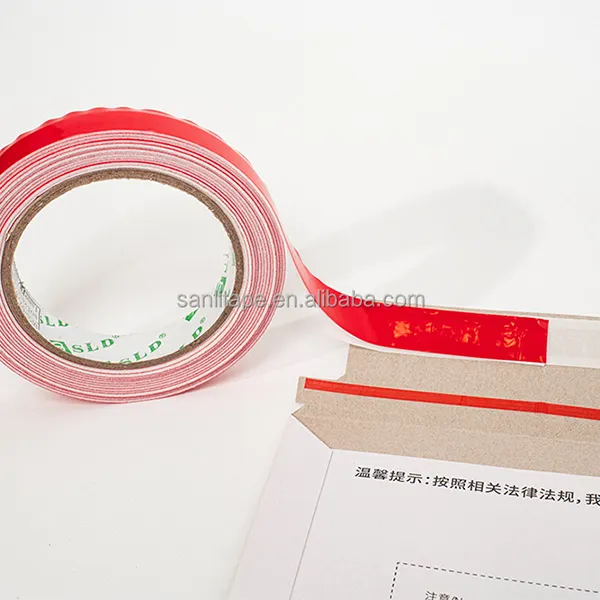
Chinese 2mm thick double-sided adhesive tape is no longer just a packaging consumable; today it is a critical component in electronics assembly, the automotive industry and façade construction. At the start of 2026, we are seeing a fundamental shift in pricing, with raw material costs rising 12-15% year-on-year due to stricter environmental regulations in Jiangsu and a global shortage of high-quality acrylic adhesives. For buyers, this means that the era of the “cheapest tape” is over. The market is divided into a segment of low-cost solutions with a short service life and premium products that comply with international ISO and EAC standards.
Our team has audited more than 40 production lines in Guangdong and Zhejiang over the past six months. We have identified an alarming trend: up to 30% of suppliers who claim a thickness of 2 mm actually supply a product with a real thickness of 1.6–1.7 mm, skimping on the adhesive layer. It's not just a matter of grams - insufficient thickness leads to catastrophic thermal expansion failures in car panels or peeling displays in smartphones. In this article, we will analyze real prices in 2026, technical nuances of choice, and provide a list of proven manufacturers who do not sacrifice quality for the sake of margins.
Technical parameters: why 2mm thickness is the gold standard
In the world of industrial tape, 2mm thickness is not a random number, but the result of decades of engineering testing. It is this parameter that provides the optimal balance between the ability to dampen vibrations (damping) and filling micro-irregularities in the surface. When we test samples for automotive clients, we immediately pay attention to the ratio of carrier thickness to adhesive thickness. A high-quality 2 mm tape usually uses a base of acrylic foam tape with a thickness of about 0.8–1.0 mm, coated on both sides with 0.5–0.6 mm glue. If a manufacturer offers 2 mm tape, where the base is 1.5 mm and the glue is only 0.25 mm, such a product will not be able to provide reliable adhesion on rough surfaces.
In our practice, there was a case when a large factory producing household appliances was faced with a massive return of products. They purchased a batch of “Chinese 2mm double-sided tape” at a price 20% below the market. The problem was revealed after three months of operation: the panels began to peel off in conditions of high humidity. Laboratory analysis showed that the supplier used a cheap rubber adhesive instead of acrylic and reduced the thickness of the adhesive layer to a minimum, leaving a total thickness of 2 mm using a cheap paper backing. This incident cost the customer his reputation and millions of rubles in replacement parts. Therefore, when requesting a quote, always ask for a specification with a breakdown of thickness by layer.
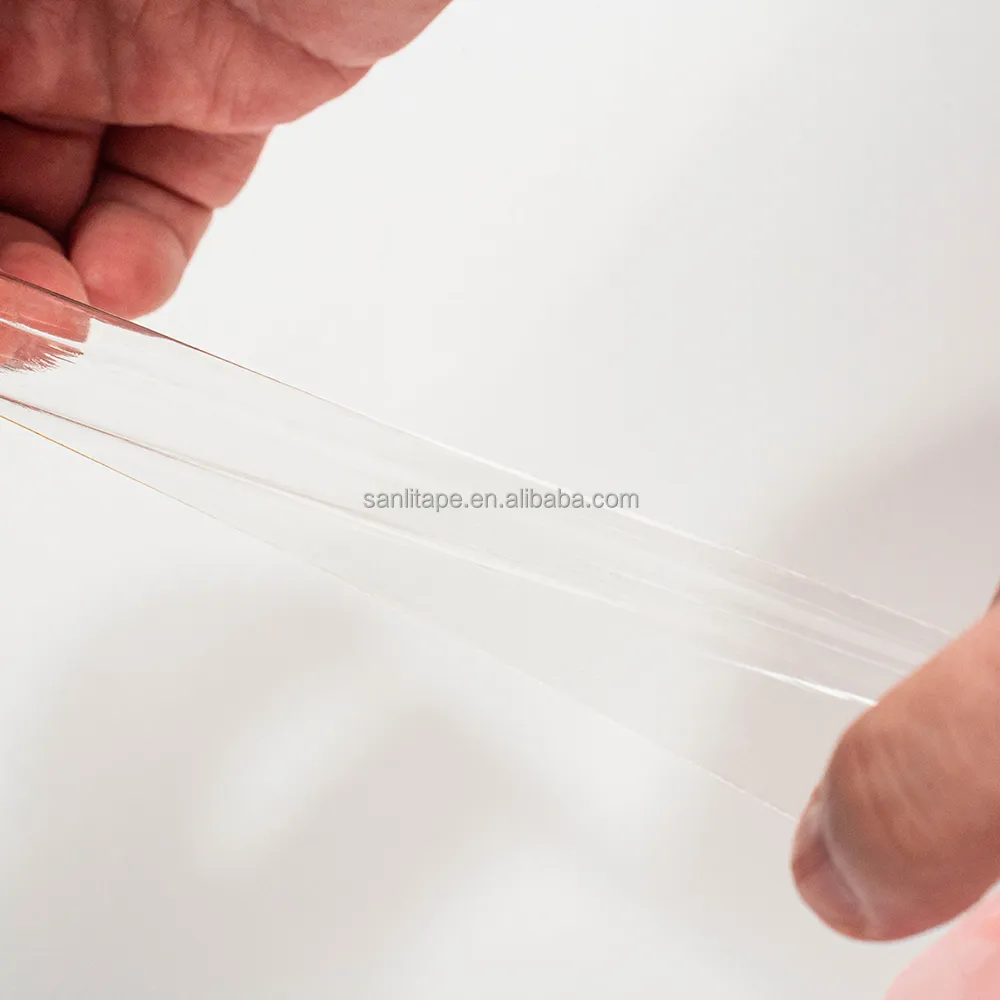
Another critical parameter that is often ignored when choosing 2mm tape is elastic modulus and stretchability. In 2026, standards for the automotive industry (especially for electric vehicles, where battery sealing is important) require that the tape can stretch 200-300% without breaking the adhesive bond. Cheap analogues made of PVC or low-density polyethylene either tear or lose stickiness when subjected to such deformation. Acrylic foam tapes (VHB type) 2 mm thick can withstand such loads thanks to their cellular structure, which acts as a shock absorber. If your project involves operation at temperatures from -40°C to +90°C, saving on the type of base is unacceptable.
Certification also plays the role of a quality filter. A real professional 2mm product must have a safety data sheet and certificates of conformity. To work in Russia and the EAEU countries, it becomes mandatory to have a TR CU (EAC) declaration. Many Chinese factories are UL or RoHS certified, but lack of local certification can lead to cargo delays at customs or problems when auditing your production. We recommend requesting copies of GOST or EAC certificates from the supplier before sending the sample. If a factory claims that “a certificate is not needed for such a simple product,” this is a red flag indicating artisanal production.
When evaluating samples, be sure to perform a shear test and a peel test on your specific work surfaces. Adhesion to glass, painted metal and polypropylene is radically different. 2 mm thick tape is often used precisely where the surfaces are imperfect: powder painting has a micro-relief, plastic may have traces of a release agent. A thick adhesive layer is able to “flow around” these irregularities, creating a contact area close to 100%. Thin tapes (0.5–1 mm) under such conditions contact only the tops of the irregularities, which reduces the strength of the connection several times. Don't rely on catalog numbers - do your own crash test.
Price analysis 2026: what the cost is made up of and where the risks are hidden
The price situation of Chinese 2mm double-sided adhesive tape in 2026 requires a detailed understanding of the cost structure. The average market price for high-quality acrylic tape 1 meter wide ranges from $3.50 to $6.20 per roll (standard 50 meters), depending on the brand and order volume. However, there are offers on the market for $1.80–$2.20, which at first glance look attractive. The difference in price is almost always due to three factors: the type of adhesive, the quality of the protective liner film, and thickness control. Cheap options use recycled backing materials and a low-solids adhesive that dries to dust over time.
We analyzed quotes from leading raw material exchanges in Asia and see a steady trend towards higher prices for acrylic monomers. In the first quarter of 2026, prices increased by 8%, which is directly translated into the cost of finished products. Manufacturers operating in the gray sector are trying to compensate for this reduction in net weight per roll. Instead of an honest 50 meters, you can get 45 or even 42 meters, and the diameter of the roll will be visually identical to the standard one due to denser winding or increasing the thickness of the cardboard core. When purchasing in bulk containers, such “savings” result in a shortage of material on the production line and equipment downtime. Always weigh rolls and measure length upon incoming inspection.
Logistics costs have also changed. With the introduction of new carbon taxes and stricter packaging requirements, the cost of shipping by sea from the ports of Ningbo and Shanghai has increased. In addition, imports into the Russian Federation now require more thorough documentary support, including a HS code with a precise indication of the composition of the glue. Errors in classification lead to fines and recalculation of duties at the maximum rate. Some suppliers offer "EXW" (ex factory) pricing, transferring all logistics risks to the buyer. Our advice: Ask for a FOB or even CIF price to lock in costs before loading onto the ship. This will give you budget predictability.
The impact of exchange rates remains a significant factor of instability. Most Chinese contracts are denominated in US dollars, but settlements are often made in yuan. The volatility of the CNY/RUB pair in 2025–2026 reached 15% in some months. Fixing the price in a contract for a long period (for example, a year) without reference to stock market indices of raw materials can become a trap: with a sharp rise in oil prices (the basis for polymers), the supplier will either go bankrupt or begin to supply defects. The optimal strategy is to conclude a framework agreement with a price formula depending on the raw material index, but with an established fluctuation corridor. This protects both parties from market shocks.
It is also worth mentioning the hidden costs associated with marriage. Cheap 2mm tape often has problems with the release layer (liner). If the siliconized film is difficult to remove or, conversely, comes off on its own in the roll, this stops the automatic application lines. A simple single labeling or assembly line can cost thousands of dollars per hour. We've seen cases where saving $0.50 per roll resulted in $5,000 in rework costs. When calculating your total cost of ownership (TCO), consider not only the purchase price, but also the defect rate, installation speed, and warranty. A quality product pays for itself in the absence of complaints.
TOP 3 types of manufacturers in China and criteria for choosing a partner
The Chinese market is heterogeneous, and understanding the type of manufacturer is critical to successful procurement. We identify three main categories of 2mm double-sided tape suppliers, each of which has its own pros and cons.
1. Full-cycle factories (Full-cycle Manufacturers)
These are enterprises that independently produce the base (acrylic foaming or film extrusion), cook the adhesive mass and carry out application (coating). A striking example of this approach isEnping Sunli Adhesive LLC. Having been on the market for 23 years (since 1997), this company demonstrates the standard of vertical integration: from formulation development to final packaging. Their portfolio includes a wide range of solutions required for today's challenges in 2026: from classic fabric and paper tapes to high-tech products such as PE and EVA foam tapes, nano-magnetic tapes, specialized Finger Lift Tapes and powerful VHB analogues. The presence of ISO 9001:2008 and ISO 14001 certificates confirms the stability of processes and compliance with environmental standards, which is especially important in light of tightening regulations in China. The main advantage of players like Sunly is complete control over the recipe. If you need a tape with specific properties (for example, heat-resistant up to 200°C or adapted to a specific climate), only such a factory can develop a product for you as part of OEM/ODM services. The downside is a high entry threshold. Their minimum order quantity (MOQ) often starts from 1000–2000 rolls per size. The development time for a new product can take from 4 to 8 weeks. It makes sense to work with them if you are planning long-term contracts and large volumes, guaranteeing the supply of material with predictable adhesion and durability characteristics.
2. Converters / Slitters
This category makes up the majority of exporters encountered by average buyers. They purchase “master rolls” (1–1.3 meters wide) from large chemical plants and cut them to the required width, package and brand them. Their strength is flexibility. They are ready to cut 2 mm tape of any width from 5 mm to 1 meter, make die-cutting of any shape (circles, squares) and ship a batch of 50–100 rolls. However, there is a risk here: the converter does not control the quality of the raw materials. It depends on its master roll supplier. During periods of shortage, unscrupulous converters may quietly change the supplier of raw materials to a cheaper one without notifying the client. When working with a converter, be sure to require the name of the source material manufacturer and audit their quality control laboratory.
3. Trading Companies
They do not have their own production and act as intermediaries. They often present themselves as factories using photos of other people's workshops. Their plus is the service. They can assemble a consolidated cargo from various goods (adhesive tape, glue, tools), speak good English or Russian and are ready to resolve minor issues. But their price is always 15–25% higher due to their margins. The main risk is the lack of technical expertise. The manager of a trading company may not know the difference between acrylic and rubber glue and sell you the wrong product. You should only use traders for small trial batches or if you need complex logistics support. For regular industrial purchases, it is better to go directly to converters or factories.
| Comparison criterion | Full cycle plant | Converter (Slicer) | Trading company |
|---|---|---|---|
| Minimum Order (MOQ) | High (from 1000 rolls) | Medium (from 50–100 rolls) | Low (from 1 roll) |
| Specification flexibility | Low (standards or huge orders only) | High (any width, die-cut) | Medium (depending on stock availability) |
| Unit price | Lowest (for large volumes) | Average | High (includes extra charge) |
| Raw material quality control | Full control | Depends on the master roll supplier | Missing |
| Shipment time | Long (production to order) | Fast (if there is a master roll) | Very fast (from stock) |
When choosing a partner in 2026, we recommend using a “dual source” strategy. Place the bulk of your orders with a proven converter with its own laboratory testing, and for critical projects, keep in touch with a full-cycle plant such as Enping Sanli Adhesive, whose 23 years of experience allows you to minimize the risk of defects. Never rely on one supplier, especially in unpredictable logistics environments. Request a real-time video tour of the workshop from a potential partner - this will instantly weed out fake factories and traders posing as manufacturers.
Procurement Process: From Sample Request to Customs Clearance
A successful import deal with China is built on details that newbies often miss. The process of purchasing double-sided tape 2 mm must be strictly regulated to avoid obtaining illiquid goods. The first step is drawing up technical specifications (TOR). Don’t just write “you need 2mm tape.” Specify: type of support (acrylic foam, PVC, fabric), type of adhesive (permanent acrylic, removable, rubber), required adhesion to specific materials (steel, glass, PP), operating temperature range and required certificates. The more accurate the technical specification, the less likely it is to get a “pig in a poke”.
The second stage is requesting samples. Never place a master order without testing a physical sample. When ordering a sample, please specify that it must be cut from the same master roll batch that will go into main production. Factories often send “golden samples” made by hand in laboratories, which differ in quality from serial products. Ask for a test report (datasheet) specifically for this sample. Conduct your own tests: stick the tape on a sample of your surface, keep it under load for 24 hours, try to tear it off. Check whether the adhesive remains on the surface (cohesive break) and whether the tape comes off along with the paint (adhesive break).
The third stage is agreeing on the terms of the contract. Pay special attention to the paragraph on tolerances. In tape production, the tolerance for width is usually ±1 mm and for thickness ±0.1 mm. If accuracy up to 0.05 mm is critical for your automatic equipment, this must be specified separately, otherwise claims will not be accepted. Also record the packaging conditions: the use of strong cardboard boxes, moisture-proof bags and palletizing. The sea is aggressive, and an ordinary cardboard box can get wet, turning the rolls into unusable goods even before arriving at the destination port.
The fourth step is Pre-shipment Inspection. For shipments valued above $5,000, we strongly recommend hiring an independent inspection company (such as SGS, Bureau Veritas or local Chinese providers). The inspector must check not only the number of boxes, but also open random packages to measure thickness with a micrometer, check adhesion, and visually inspect for winding defects (“star”, misalignment of layers). One of our clients saved $300 on inspection and lost the entire container, as there were rolls inside with a defective adhesive layer, which appeared only after a week. The cost of an inspection is insurance against millions of losses.
The final stage is customs clearance. To import adhesive tapes into Russia, you must select the correct HS code. This is usually group 3919 (plates, sheets...self-adhesive). However, if the tape has a textile backing, it may fall into group 5906 or 5907, where duty rates may vary. An error in classification may result in additional charges and penalties. Prepare a complete package of documents: invoice, packing list, contract, certificate of origin (form A or general), as well as a safety data sheet (MSDS) in Russian, which indicates all the chemical components of the glue. Наличие MSDS обязательно для прохождения санитарного контроля.
Frequently Asked Questions
Какова реальная разница между акриловой и каучуковой лентой толщиной 2 мм?
Разница фундаментальна и влияет на срок службы изделия. Акриловые ленты (особенно вспененные) обладают высокой стойкостью к ультрафиолету, окислению и экстремальным температурам (от -40°C до +150°C). Они не желтеют и не теряют липкость со временем, обеспечивая срок службы 5–10 лет и более. Каучуковые ленты дают высокую начальную липкость (tack) и хорошо клеятся к сложным поверхностям сразу, но они разрушаются под воздействием УФ-лучей, становятся хрупкими на морозе и «текут» на жаре. Каучук подходит для временной фиксации или использования внутри помещений, тогда как для наружного применения, автомобилей и электроники в 2026 году стандартом является только акрил.
Можно ли использовать китайскую ленту 2 мм для замены оригинального скотча 3M VHB?
Yes, you can, but with reservations. Китайские производители научились делать качественные аналоги акриловой вспененной ленты, которые по механическим свойствам на 90–95% соответствуют 3M VHB. Однако для ответственных узлов (крепление зеркал заднего вида, структурное остекление) мы рекомендуем проводить длительные тесты на старение. Дешевые аналоги могут иметь меньшую стойкость к пластификаторам, которые мигрируют из некоторых видов пластика, вызывая отклеивание. Если вы заменяете 3M на китайский аналог, обязательно выбирайте поставщика с сертификатом качества и проводите тест на совместимость материалов в течение минимум 2 недель перед запуском в серию.
Какой минимальный объем заказа (MOQ) для цветной или брендированной ленты?
Для стандартной прозрачной или черной ленты MOQ у конвертеров обычно составляет 50–100 рулонов. Если вам требуется печать логотипа на защитном лайнере или окрашивание самой основы в специфический цвет (например, красный или синий для маркировки), минимальный заказ резко возрастает. Производство цветной основы требует запуска отдельной линии и очистки оборудования, поэтому MOQ составит от 500 до 1000 кг (примерно 3–5 паллет). Печать на лайнере дешевле и проще, здесь можно договориться на партии от 200–300 рулонов. Учитывайте, что срок изготовления такой партии увеличится на 15–20 дней.
Как хранить двусторонний скотч, чтобы он не потерял свойств?
Правильное хранение критически важно для сохранения адгезии. Ленту следует хранить в оригинальной упаковке, в вертикальном положении (стоя на торце), чтобы избежать деформации рулонов под собственным весом. Оптимальная температура хранения — от +15°C до +25°C, влажность — 40–60%. Avoid direct exposure to sunlight and proximity to heating devices. Перед использованием ленту, которая хранилась на холоде (ниже +10°C), необходимо выдержать в теплом помещении минимум 24 часа для восстановления эластичности клеевого слоя. Наклейка холодной ленты гарантированно приведет к слабому сцеплению.
Conclusion and next steps
Рынок китайской двусторонней клейкой ленты 2 мм в 2026 году предлагает широкие возможности для оптимизации затрат, но требует от закупщика высокой технической грамотности. Переход от покупки «просто скотча» к выбору инженерного решения с подтвержденными характеристиками — единственный путь избежать рисков. Помните, что экономия на цене рулона может многократно превысить расходы на устранение последствий отказа крепления. Ключ к успеху лежит в тщательном отборе поставщиков, обязательном тестировании образцов на реальных поверхностях и жестком входном контроле каждой партии.
Если вы планируете масштабировать производство или ищете надежную альтернативу текущим поставщикам, не рискуйте качеством своей продукции. Наша команда готова помочь вам с аудитом технических требований, поиском проверенных заводов в Китае (включая таких лидеров отрасли, как «Энпинг Санли Адхесив») и организацией безопасной логистики до вашего склада. Мы работаем только с теми фабриками, которые прошли нашу личную проверку на соответствие стандартам 2026 года.
Contact us todayдля получения бесплатной консультации и расчета стоимости партии с учетом всех логистических и таможенных нюансов. Не откладывайте модернизацию снабжения — надежное крепление является фундаментом качества вашего конечного продукта.