




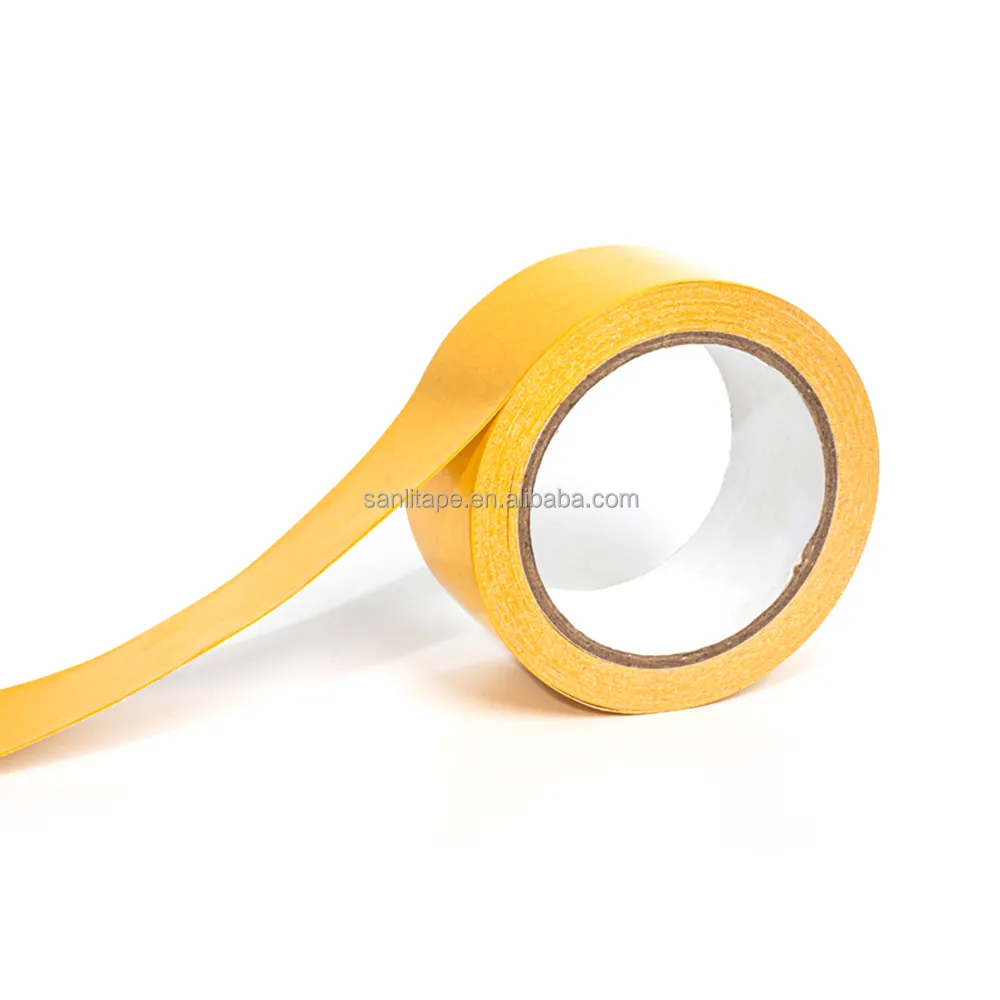
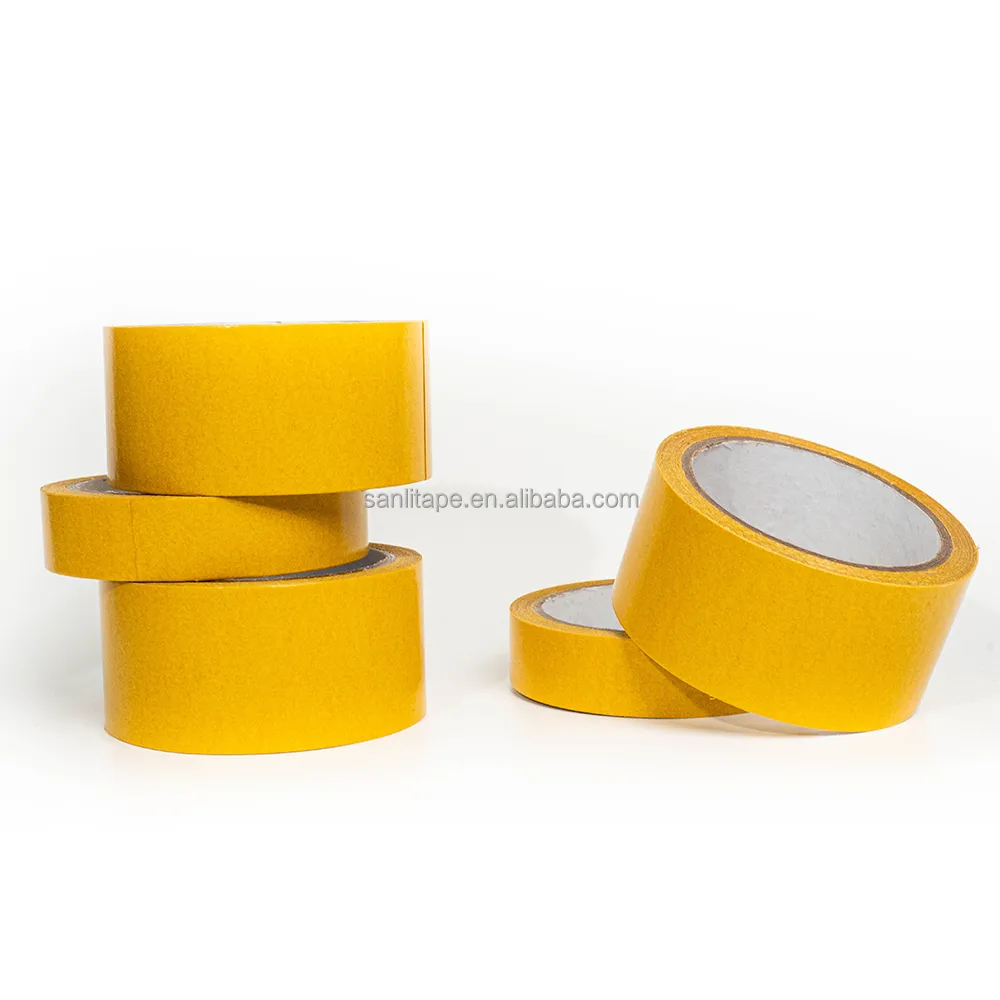
acrylic double sided adhesive tape
Double-sided adhesive tape– this is a seemingly simple thing. But you often come across the fact that in theory everything is clear, but in practice the result leaves much to be desired. Many people, especially beginners, believe that everythingacrylic double sided tapesare the same, and the choice comes down only to cost. This is not entirely true. The reality is much more complex, and understanding the nuances determines whether your structure will last or fall apart at the most inopportune moment. Experience in this area shows that even a small deviation in specification can critically affect the strength of the connection. For example, recently there was an order for gluing a complex composition of acrylic and glass - they chose 'cheap' tape, and the result was disastrous. Therefore, let's figure out what you should pay attention to when choosing and using.
What is acrylic double-sided adhesive tape and how is it different?
The most obvious thing is the foundation.Acrylic Double Sided Adhesive Tape- This is a tape to which acrylic-based adhesive is applied on both sides. Acrylic, in turn, provides good adhesion to various surfaces, resistance to moisture and temperature changes. But acrylic is not a homogeneous material. There are different types of acrylic adhesives, which differ in composition, viscosity, adhesion strength and, accordingly, areas of application. For example, there are tapes with fast-hardening glue for urgent gluing, and there are tapes with slow-hardening glue for more precise work.
The role of the base material of the tape itself is often underestimated. Occursacrylic double sided tapeon a fabric basis, on a paper basis, and also on a polyethylene film. The flexibility, strength and even heat resistance of the tape depend on this. Fabric backing is generally stronger and more durable, but can be more expensive. Paper base is a more budget-friendly option, but less resistant to moisture. Polyethylene - well suited for gluing transparent materials.
Another important parameter is adhesion strength. It is measured in hPa (gigapascals) and shows how much load the connection will withstand. Depending on the task, tape with different adhesion strengths is selected. For lightweight structures, a low-strength tape is sufficient, but for more demanding structures, a high-strength tape is needed. And, of course, do not forget about the compatibility of the glue with the materials you are going to glue. Some acrylic adhesives do not work well with polyvinyl chloride (PVC) or polyethylene.
Real problems and their solutions
One of the most common problems is poor adhesion to uneven surfaces. The glue will not be able to spread evenly over the uneven surfaces, resulting in a weak connection. In this case, you need to pre-treat the surface, for example, clean it or apply a primer. Sometimes it helps to use tape with a higher adhesive density or tape with a special coating to improve adhesion.
Another problem is the effect of humidity. Acrylic adhesives are generally moisture resistant, but prolonged exposure to water may reduce adhesion. Therefore, if the structure will be used in wet conditions, it is worth choosing a tape with increased water resistance or additionally treating the bonded surface with a water-repellent compound.
It's no secret that when usingacrylic double sided tapesYou often encounter the problem of glue peeling off over time. This may be due to poor-quality glue, incorrect choice of tape for specific materials, or non-compliance with gluing technology. In such cases, it may be worth trying to use a higher quality tape or pre-treat the surface to be glued with a special glue.
Case Study: Gluing a Billboard
We recently received an order to glue large panels for a billboard. Material – fiberglass composite. At first we planned to use the standardacrylic double sided tape, but after testing it turned out that it did not provide sufficient adhesion. The glue simply peeled off over time, especially when exposed to sunlight and temperature changes. As a result, we switched to tape with increased heat resistance and improved adhesion to composite materials. This solution allowed us to ensure durability and reliability of gluing.
Choosing a manufacturer: what is important to consider?
Manufacturer selectionacrylic double sided tape– this is also an important point. Don't chase the lowest price. Cheap tape often turns out to be of poor quality and may not meet the stated characteristics. It is better to choose a trusted manufacturer that has a good reputation and provides a guarantee for its products. Enping Sanli Adhesive Co., Ltd., for example, has been producing adhesive tapes for over 25 years, and their products are of high quality and reliability. They have a wide rangedouble sided adhesive tapesfor a variety of tasks, and you can always choose a tape that is ideal for your task.View catalog.
When choosing a manufacturer, you should pay attention to the availability of quality certificates, test results and reviews from other buyers. It is also useful to communicate with company representatives and ask them all your questions.
Secrets of successful use
A few simple tips to help you get the best results when usingacrylic double sided tape:
- Thoroughly clean and degrease the surfaces to be bonded.
- Apply the tape evenly, without bubbles or creases.
- Press the tape down onto the surface to be glued to ensure maximum contact.
- Allow the glue to dry completely before loading the structure.
And finally, don't be afraid to experiment. Try different tape types and gluing methods to find the best solution for your application. Remember that proper selection and useacrylic double sided tape– this is the key to the durability and reliability of your design.
Cotton paper anddouble sided adhesive tape: not always an ideal tandem.
Many of our clients usedouble sided adhesive tapefor fixing decorative elements on cotton paper. And here some difficulties arise. Cotton paper, especially thin paper, tends to warp and lose shape when exposed to glue. Sometimes the glue simply penetrates the fibers of the paper, causing it to tear. Therefore, to glue decorative elements on cotton paper, it is better to use tape with low viscosity and soft glue. It is also a good idea to pre-treat the paper with a thin layer of primer to prevent the glue from absorbing.
Correspondingproducts
Related Products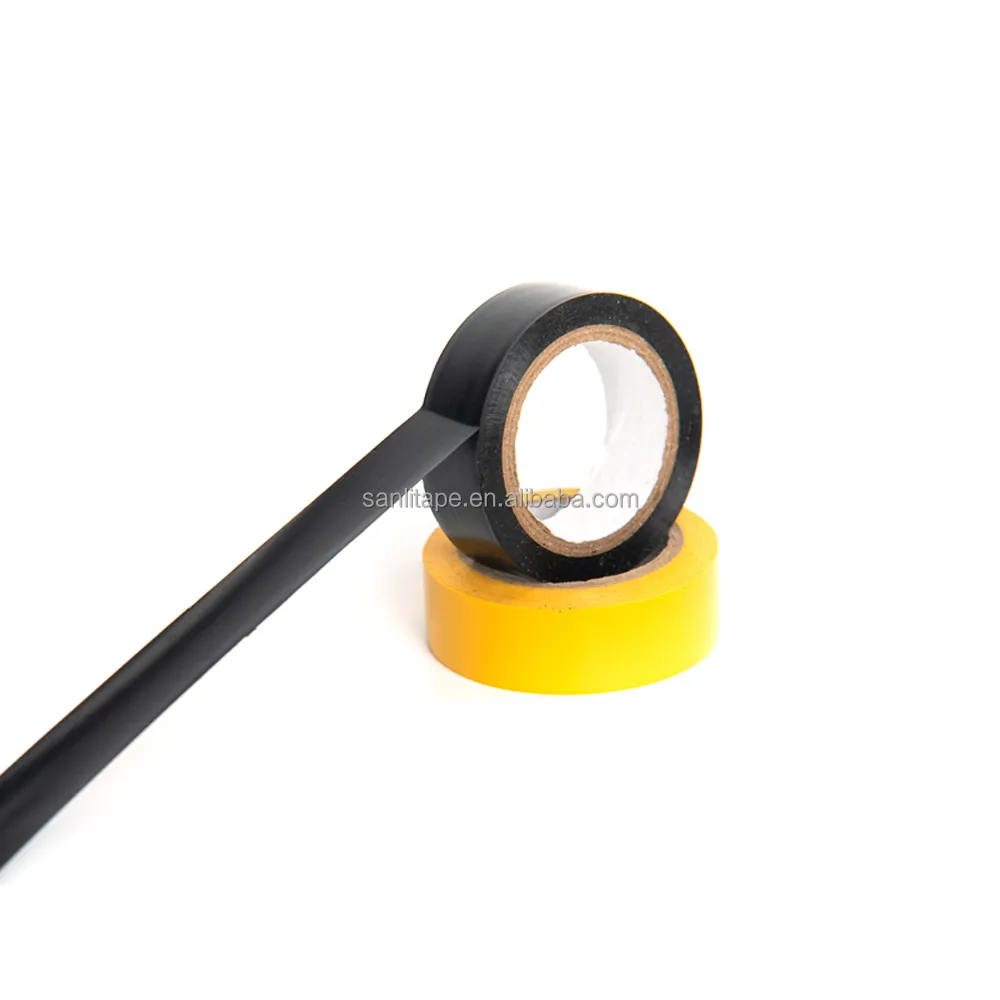
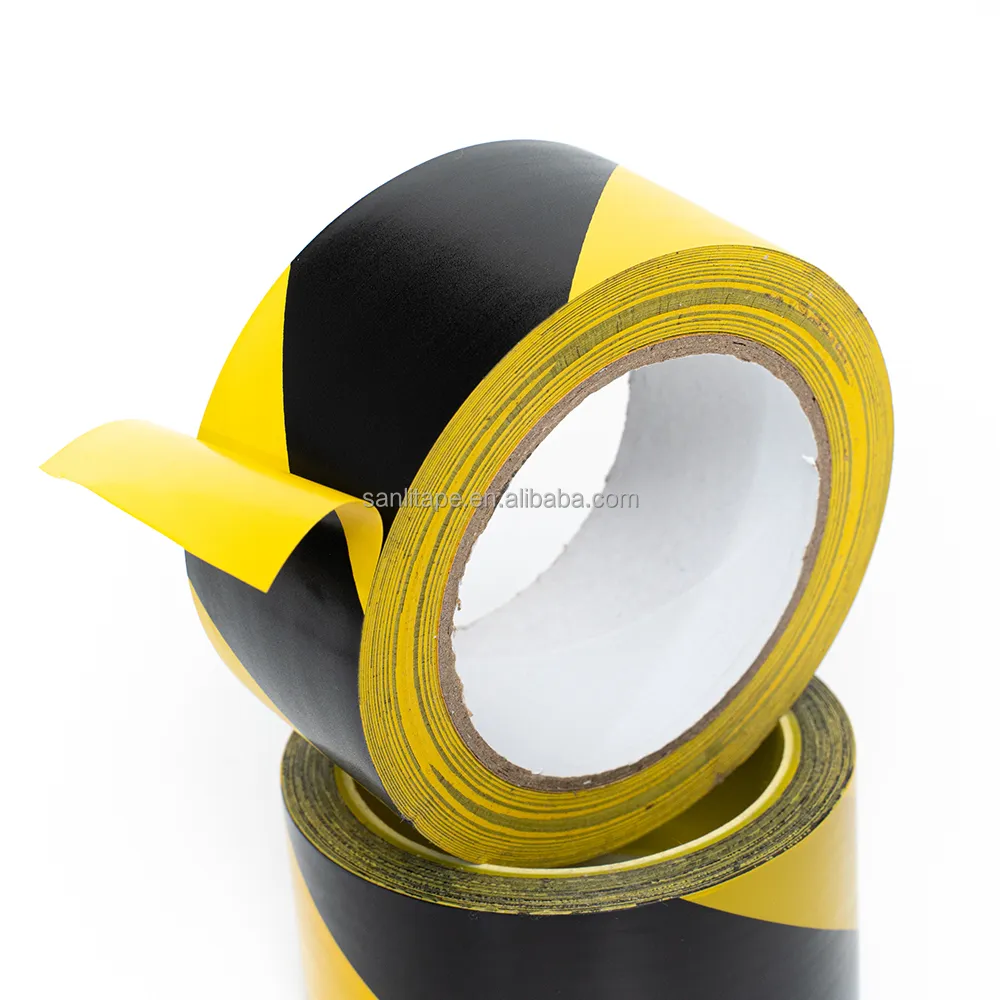
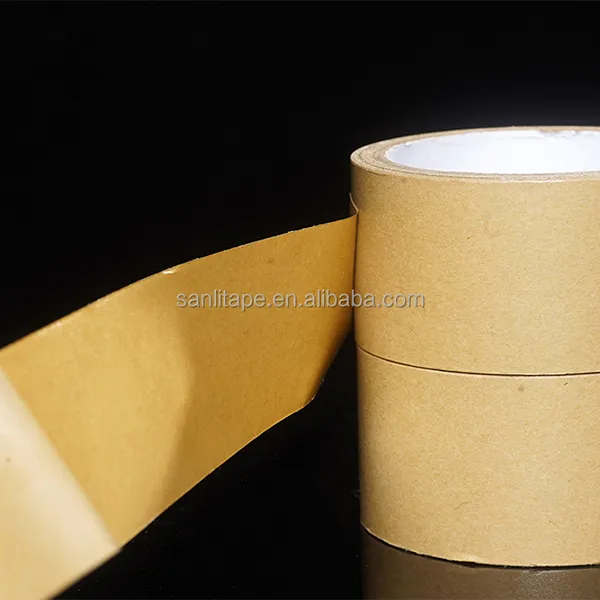
Best Sellingproducts
Best Selling Products-
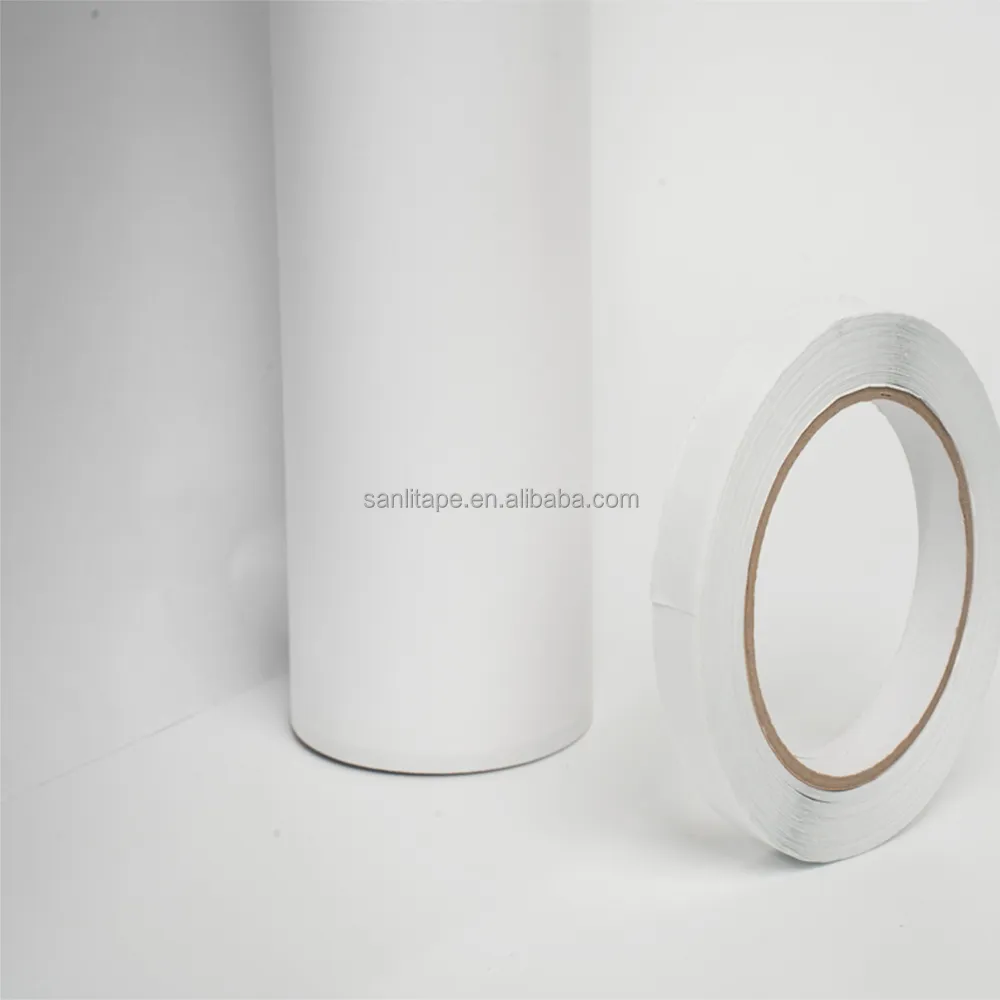 Single Sided Double Sided Backing Paper Double Sided Adhesive Tape PE Parchment Label Paper
 -
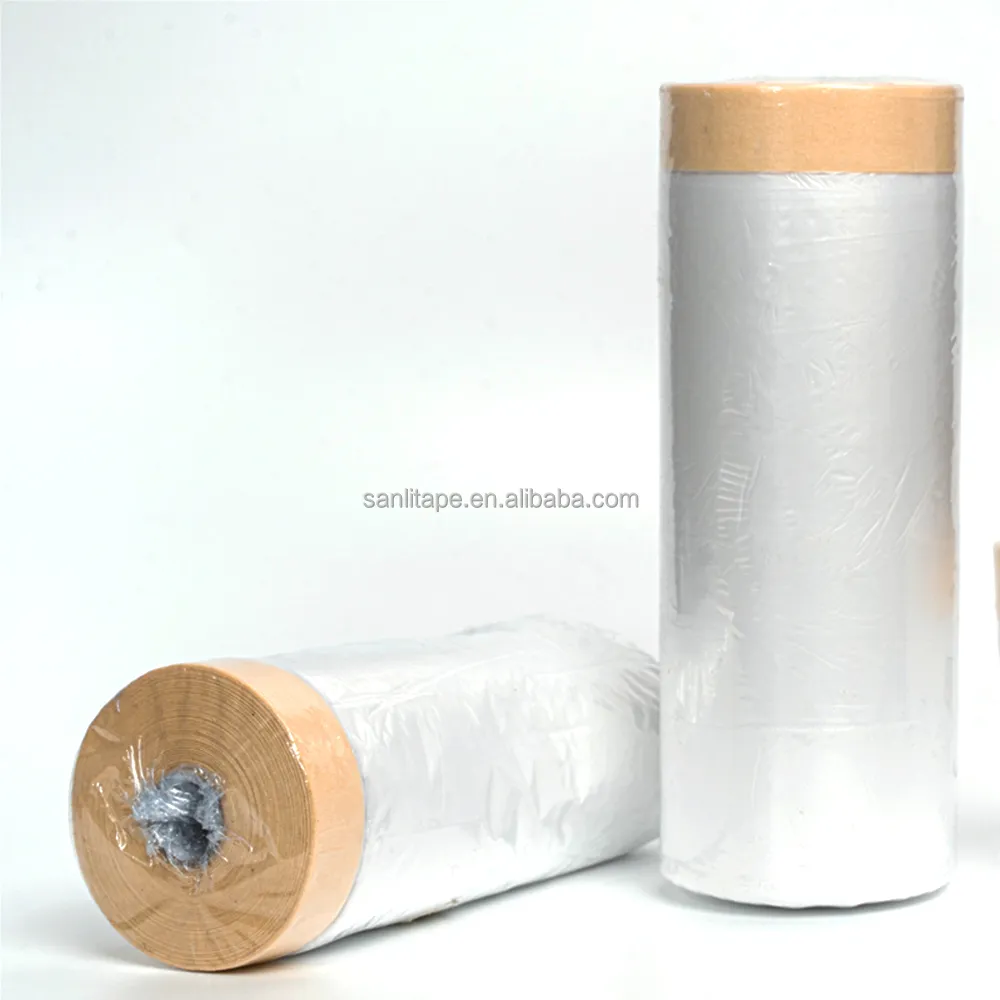 Paint Spray Anti Dust Film Clear Furniture Decoration Film Masking Tape Masking Tape Protective Film
 -
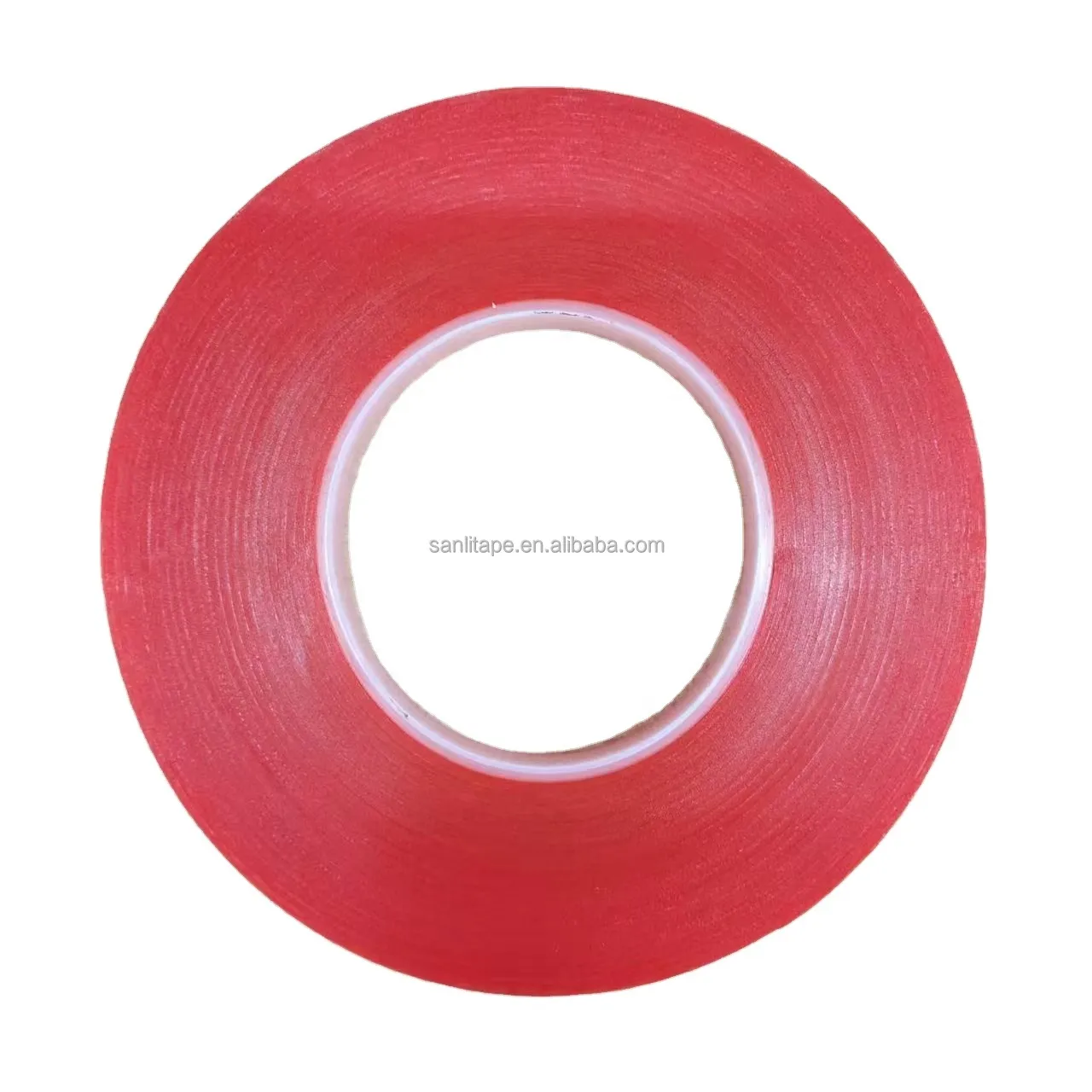 Red Film Durable Ultra Clear Double Sided Polyester Tape with High Temperature Acrylic Adhesive Double Sided PET Tape
 -
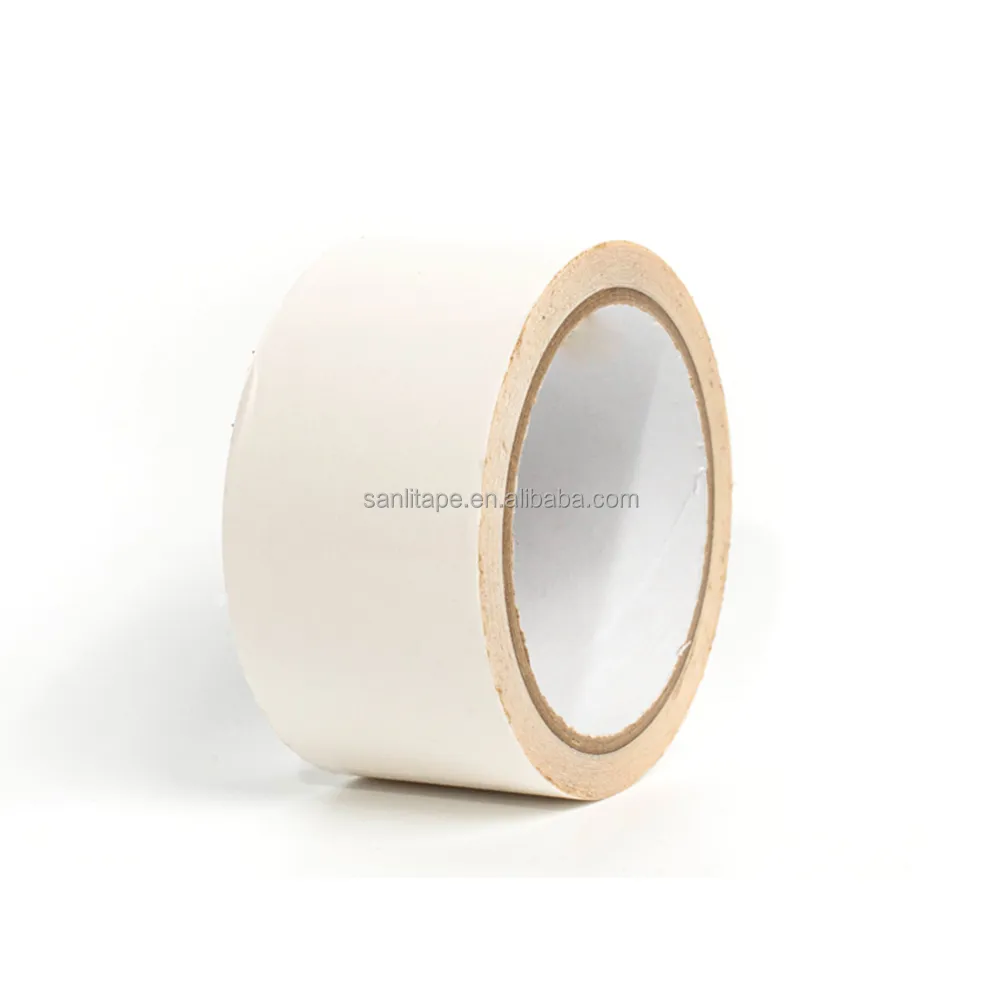 Immortal double-sided tape hardware equipment decorative parts with high insurance transparent tape
 -
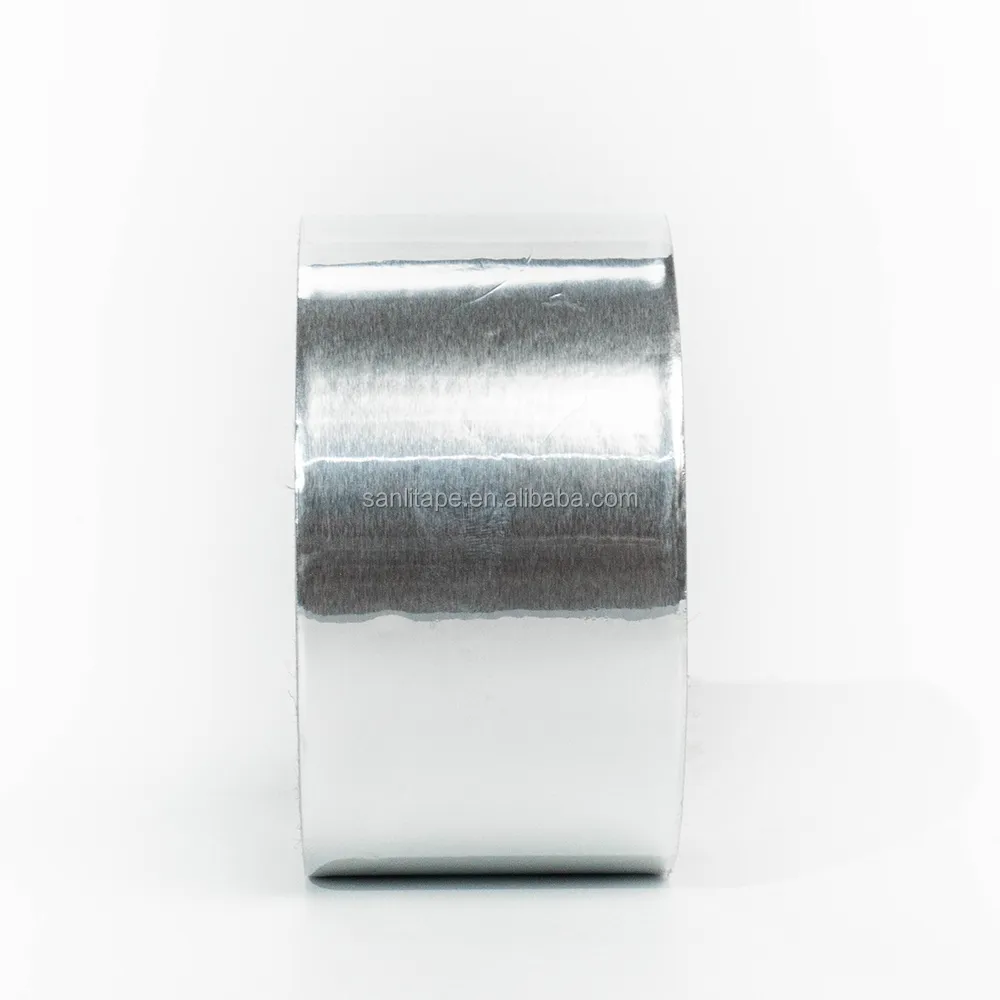 Temperature Resistant Aluminum Foil Tape
 -
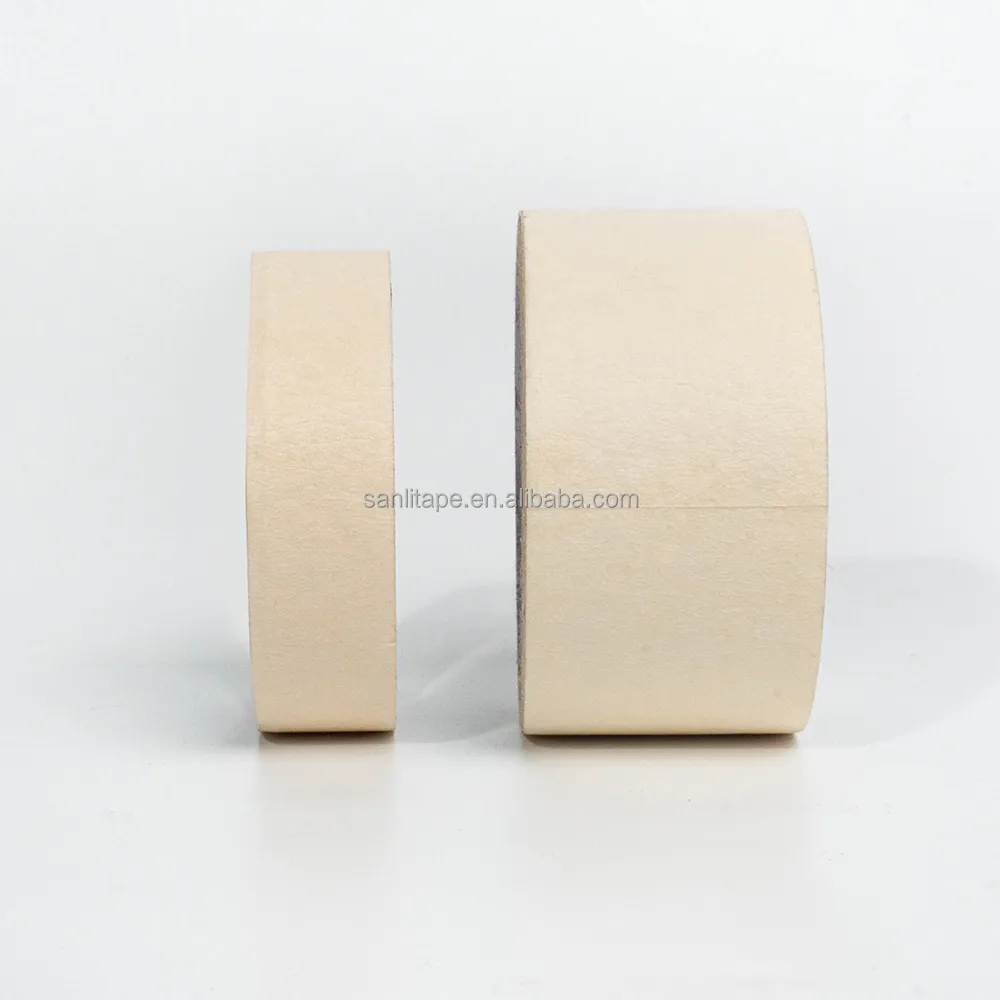 Masking Tape Paint Sprayer Decoration Masking One-Way Wrinkles
 -
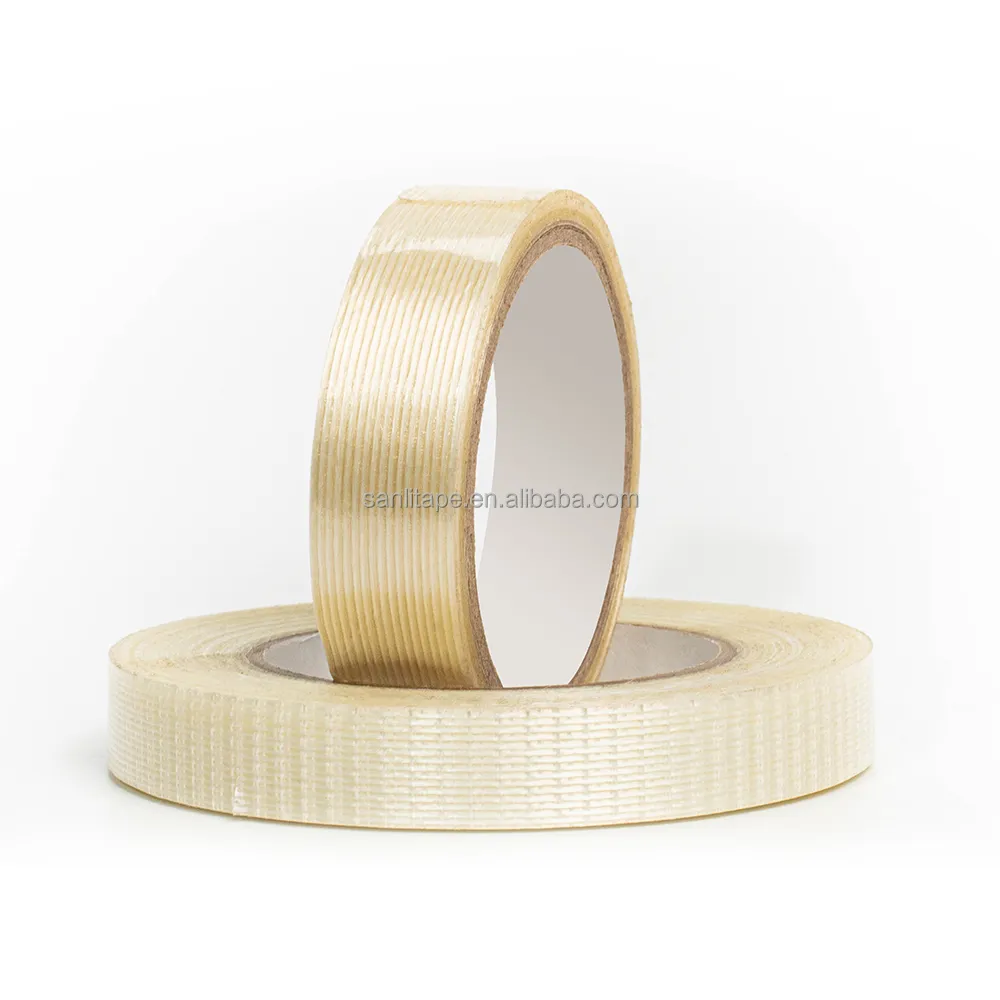 Super Heavy Objects with Integrated Fiberglass Tape Electrical Apparatus Packaging Transparent Attaching Tape
 -
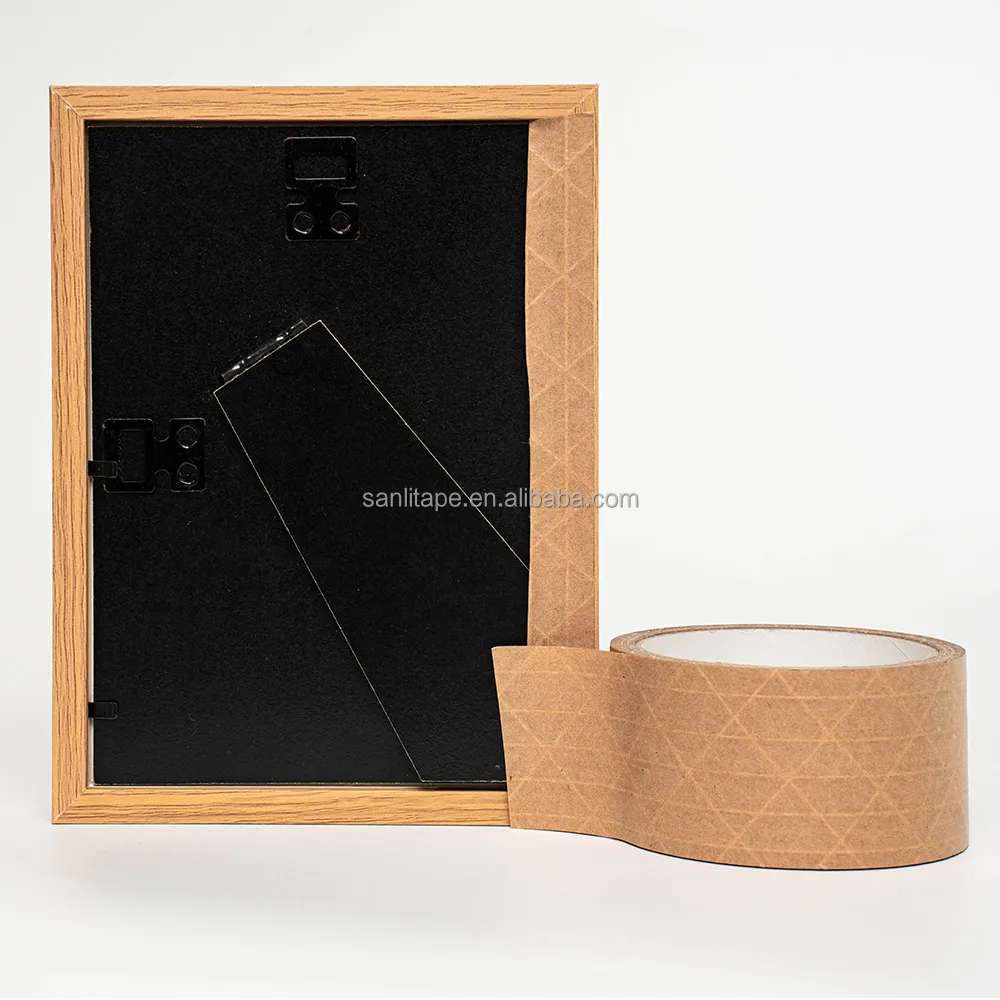 Reinforced kraft paper adhesive tape reinforced tape self-adhesive packaging tape without water content
 -
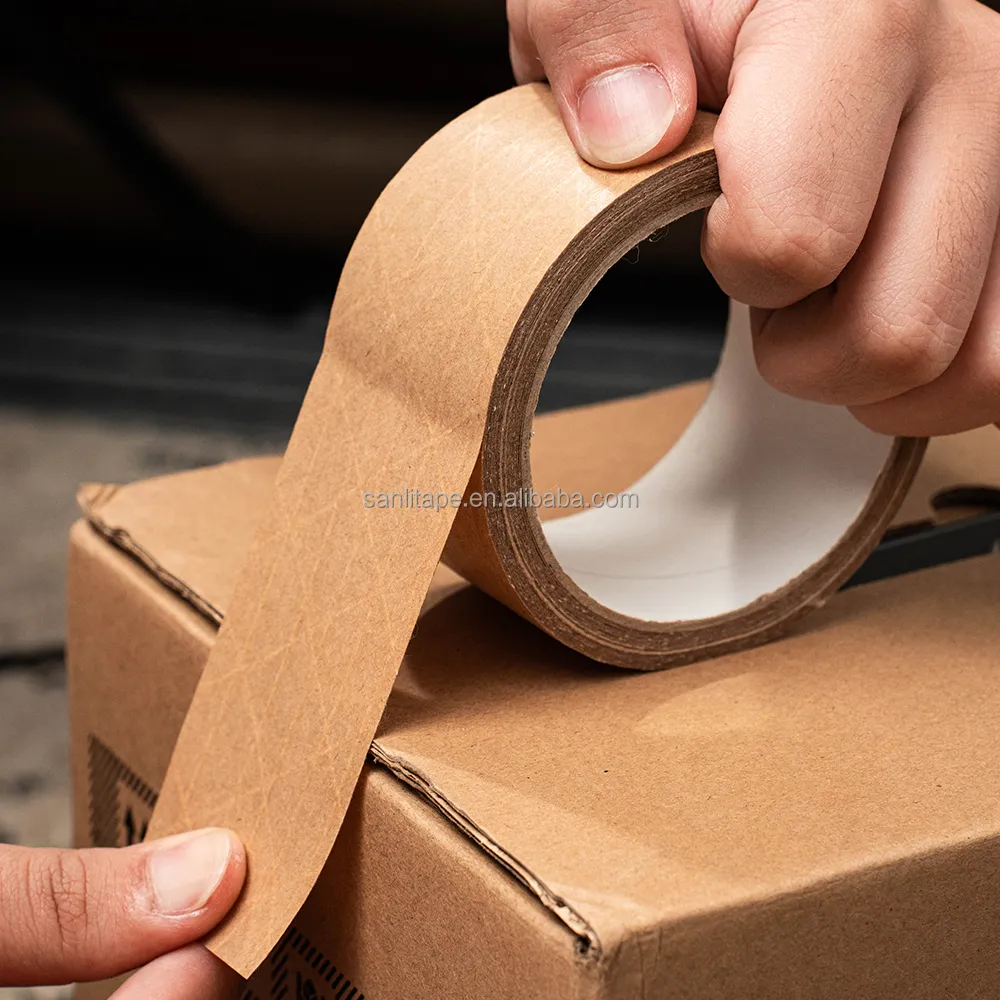 Water based reinforced kraft paper tape with water based adhesive and wire reinforcement for sealing boxes and packaging
 -
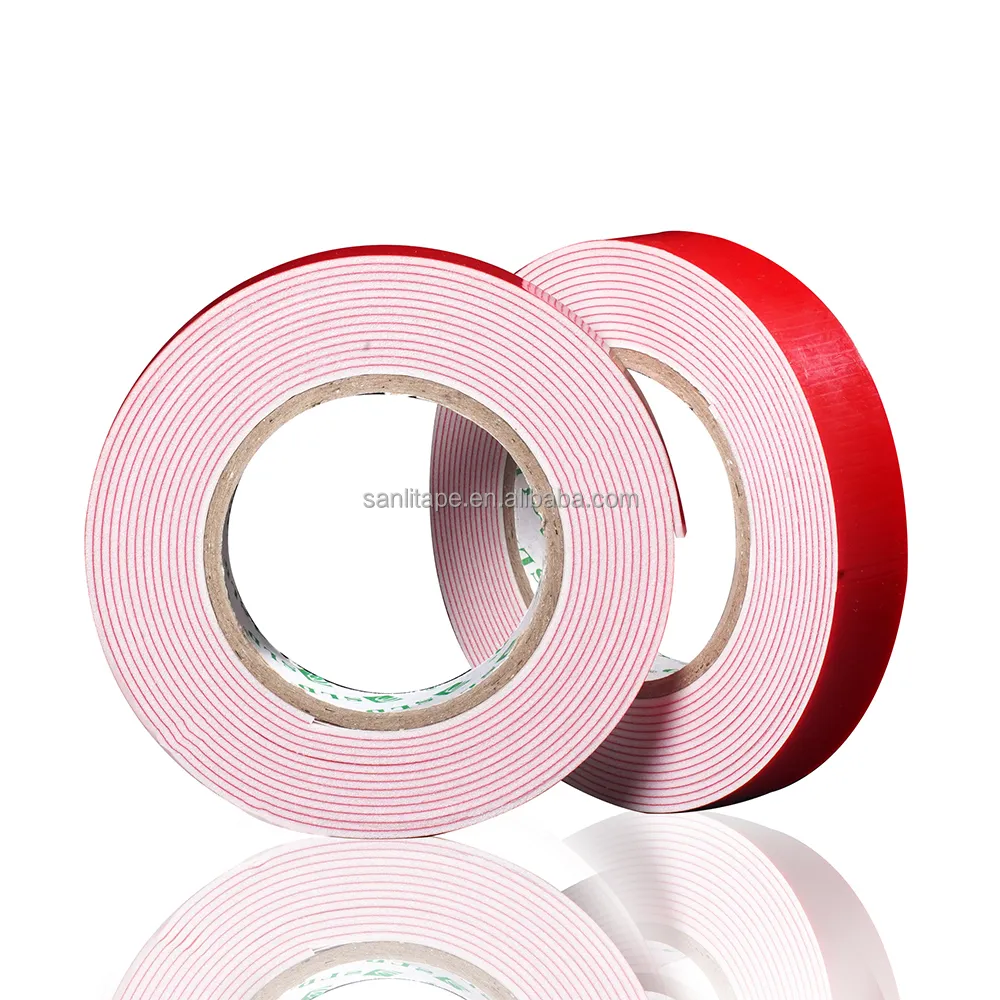 Double Sided Foam Tape High Density High Adhesion White and Black Double Sided Adhesive PE Foam Tape
 -
 Double-sided fabric-based tapes with strong adhesion for attaching carpets, floor mats, sofa cushions and other items.
 -
 High Density Mesh Tape, High Viscosity, Double Sided Carpet Fastening Tape
Relatedsearch
Related Search- Double-sided adhesive tape
- Order black PVC insulating tape in China
- Double sided tape 6 mm manufacturers
- Adhesive double-sided nano tape factories
- Double-sided adhesive tape 19 factory
- Double-sided white tape manufacturers
- Polypropylene double sided adhesive tape factory
- Anti-slip tapes 3m price
- Double-sided tape black price
- Double sided acrylic tape manufacturer