




double-sided tape for fastening
Double-sided tape for fastening– a topic that faces everyone who is at least somehow involved in packaging, assembling, or simply wants to secure something quickly and accurately. Often, especially beginners, approach the choice too simplistically, focusing on price or the general “double-sided” label. And here is the result - the structure falls apart, the glue comes through, and the money spent is in vain. I recently encountered a similar problem in production, and it made me think about what is really important when choosing this seemingly simple material. In general, I’ll tell you what happened, what went wrong and how you can avoid such mistakes.
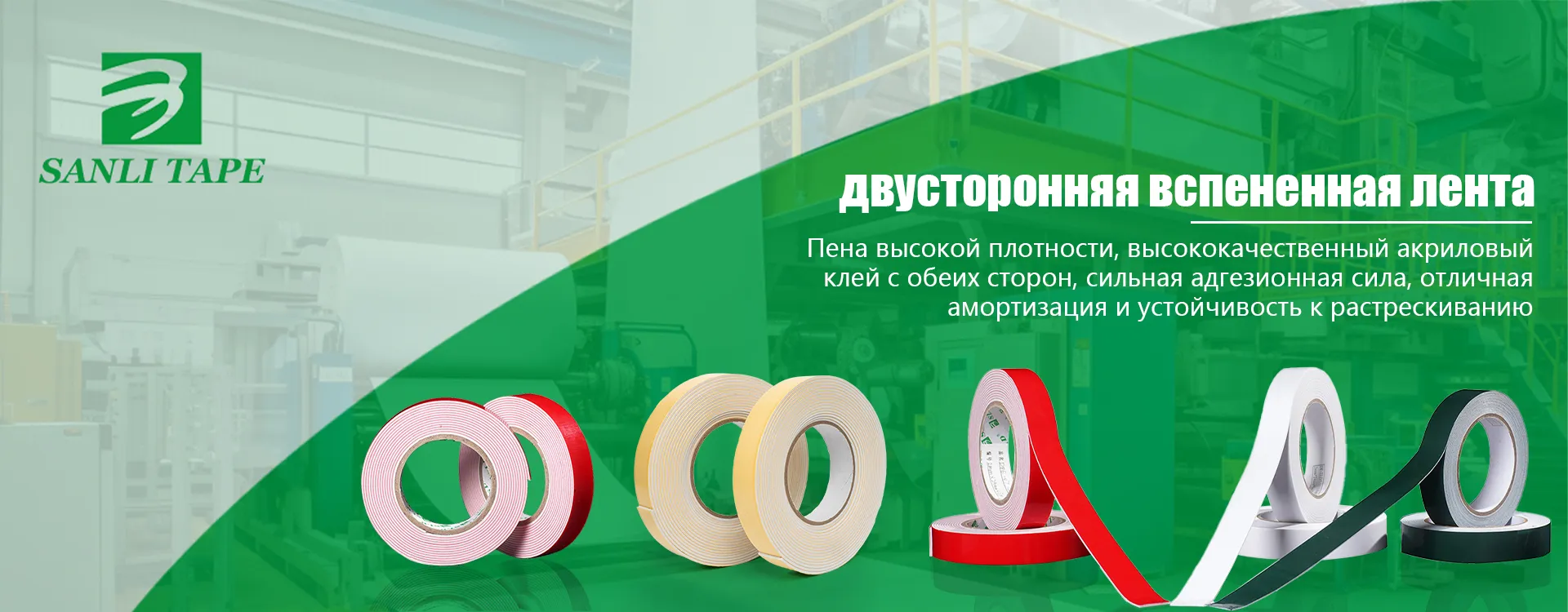
Main typesdouble sided tapeand their application
The first thing you need to understand isdouble sided tapecan be different. You can’t just take the first one you come across and assume that it will be suitable for any task. First of all, they are distinguished by the type of glue. Wax, silica gel, acrylic, rubber... Each of them has its own characteristics: operating temperature, resistance to moisture, chemicals, and, of course, adhesion to various surfaces. For example, to secure plastic parts in the automotive industry, you need adhesive tape that is resistant to high temperatures and gasoline. And for food packaging, use acrylic-based tape, which is safe and leaves no marks. I remember one time we used cheap acrylic tape to attach a label to a glass bottle. After a couple of days the label came off, and so did part of the bottle! It is clear that this was a marriage, but this once again emphasizes the importance of making the right choice.
In addition to the type of glue, you need to consider the material of the tape. Paper, polyester, microfiber - all this affects the strength, elasticity and durability of the connection. For example, polyester tape holds up much better under heavy loads and can withstand higher temperatures than paper tape. And yet, do not forget about the width of the tape. It must match the size and shape of the parts being connected to ensure reliable adhesion. Lack of width is a direct path to weakening the structure.
Effect of mounting surface on adhesion
The importance of surface preparation before application is often underestimated.double sided tape. Even the most expensive tape will not stick to a dirty, dusty or greasy surface. Usually it is enough to simply wipe the surface with alcohol, but in some cases more thorough cleaning or even degreasing with special products may be required. I was working on aluminum panels once and the tape just wouldn't stick. It turned out there was a thin layer of oil on the surface. After a thorough cleaning with alcohol, the problem was solved. We must not forget that even slight surface roughness can negatively affect adhesion, so if possible, it is better to prepare the surface by grinding or sandpaper.
Another point to consider is surface porosity. The tape will stick better on porous materials, such as wood or concrete, than on smooth materials, such as glass or plastic. This is due to the fact that the glue penetrates the pores and forms a stronger connection. However, on porous materials it is important not to overload the tape so as not to damage the surface. But with smooth materials you need to be careful and use tape with good adhesion.
Recommendations for choosing adhesive tape for various materials
For glass and plastic, adhesive tape based on acrylic or silica gel is usually used. For metal - polyester tape with good adhesion. For wood - paper-based tape with water-repellent properties. For textiles - tape with soft glue so as not to damage the fibers. Enping Sanli Adhesive Co., Ltd., a manufacturer of adhesive tapes, offers a wide range of adhesive tapes for various materials. They have a line of products specifically designed to work with plastic, metal, and wood. Their products have proven themselves in the market and are of high quality.
Errors during usefastening with double-sided tape
People often make mistakes when applying tape. Incorrect tension, insufficient contact, or gluing too quickly can all cause the joint to become loose. For example, if you glue the tape too quickly, the glue does not have time to spread over the surface and form a strong connection. Instead, bubbles and wrinkles may form on the surface. And yet, it is important not to overtighten the tape so as not to damage the parts being connected. It is better to use soft tools to press the tape and gradually increase the tension. Rechecking the security of the fixation several times is also a good idea.
And lastly, don’t forget about the operating temperature of the adhesive tape. Some types of tape do not hold up well in low or high temperatures. Before use, you need to clarify what temperatures it is intended for. I once used room temperature tape to secure a part in a car during the winter. The tape just peeled off when it froze! It was a very unpleasant experience that I never repeated.
Conclusion
In conclusion, I would like to say that the choicedouble-sided tape for fastening– it’s not as simple as it seems at first glance. Many factors need to be taken into account: type of glue, tape material, fastening surface, operating temperature. But if you approach this issue responsibly, you can achieve a reliable and durable connection. The experience accumulated by Enping Sanli Adhesive LLC in the field of adhesive tape production suggests that choosing the right adhesive tape is an investment in the quality and reliability of your product.
I hope this short story was helpful to you. If you have any questions, don't hesitate to ask. Ultimately, the key is practical experience and a willingness to learn from your mistakes.
Correspondingproducts
Related Products

Best Sellingproducts
Best Selling Products-
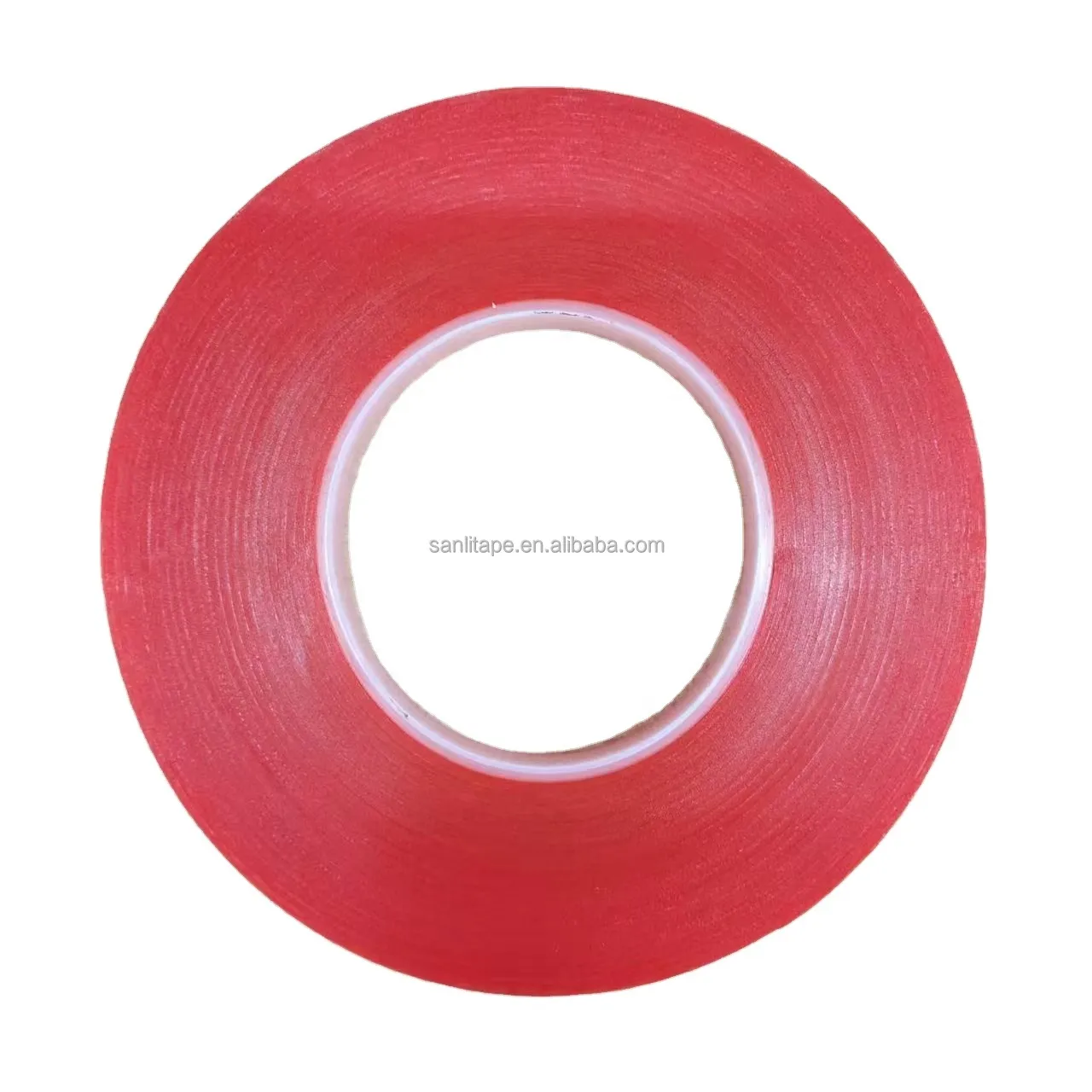 Red Film Durable Ultra Clear Double Sided Polyester Tape with High Temperature Acrylic Adhesive Double Sided PET Tape
 -
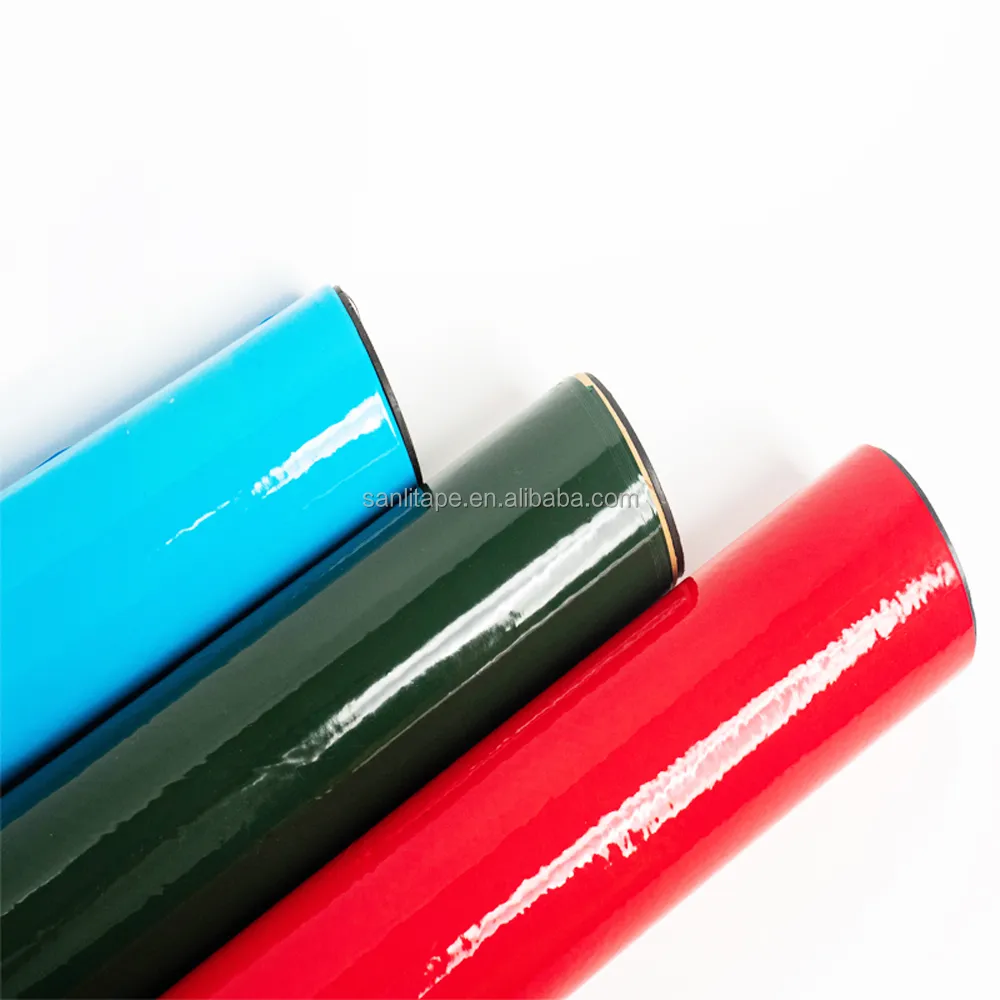 Anti-adhesive coated PE film used for printing on double-sided adhesive foam tape insulation film
 -
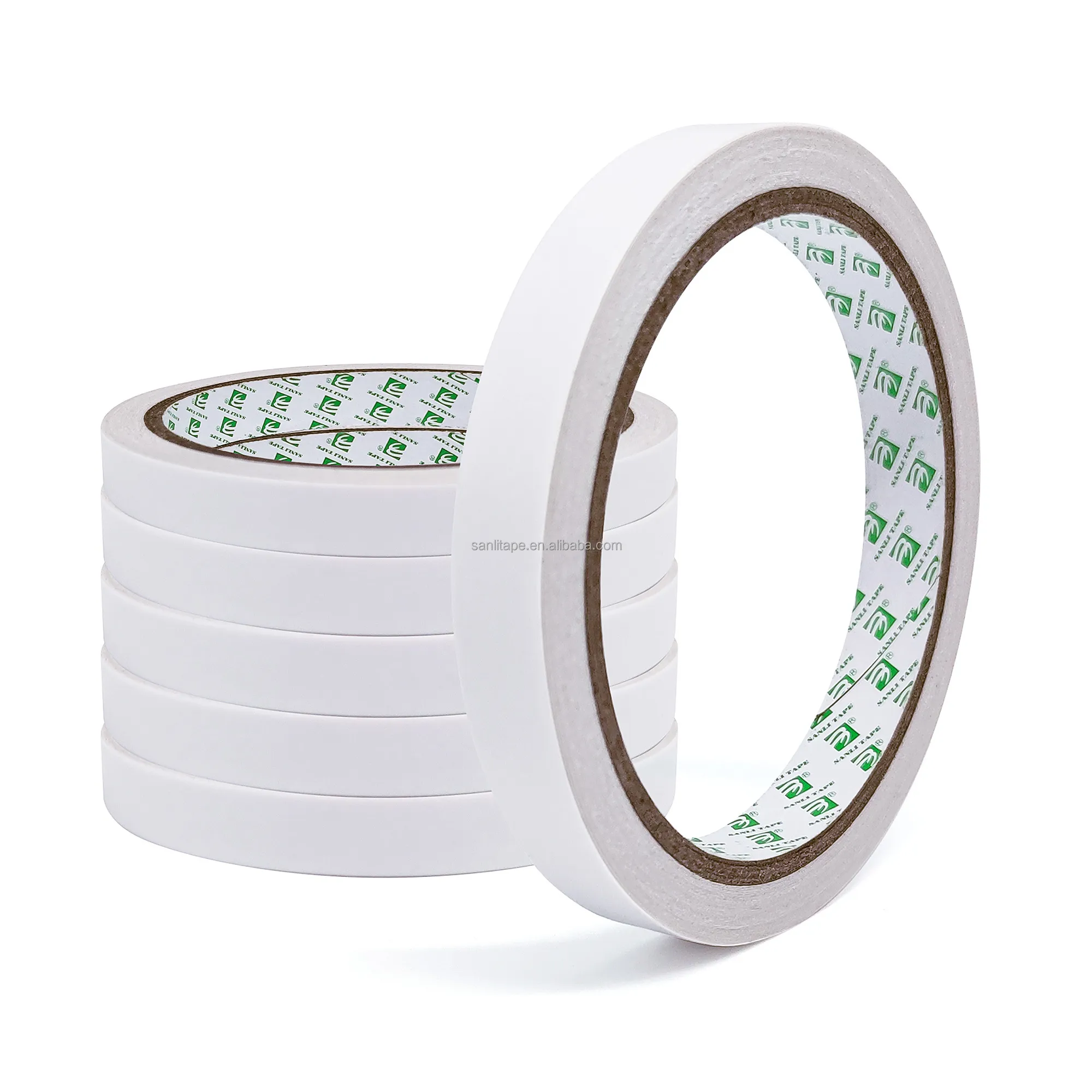 Double Sided Adhesive Tape, High Adhesive Cotton Paper Adhesive Tape, Clear Double Sided Adhesive Tape for Manual Office and Industrial Use
 -
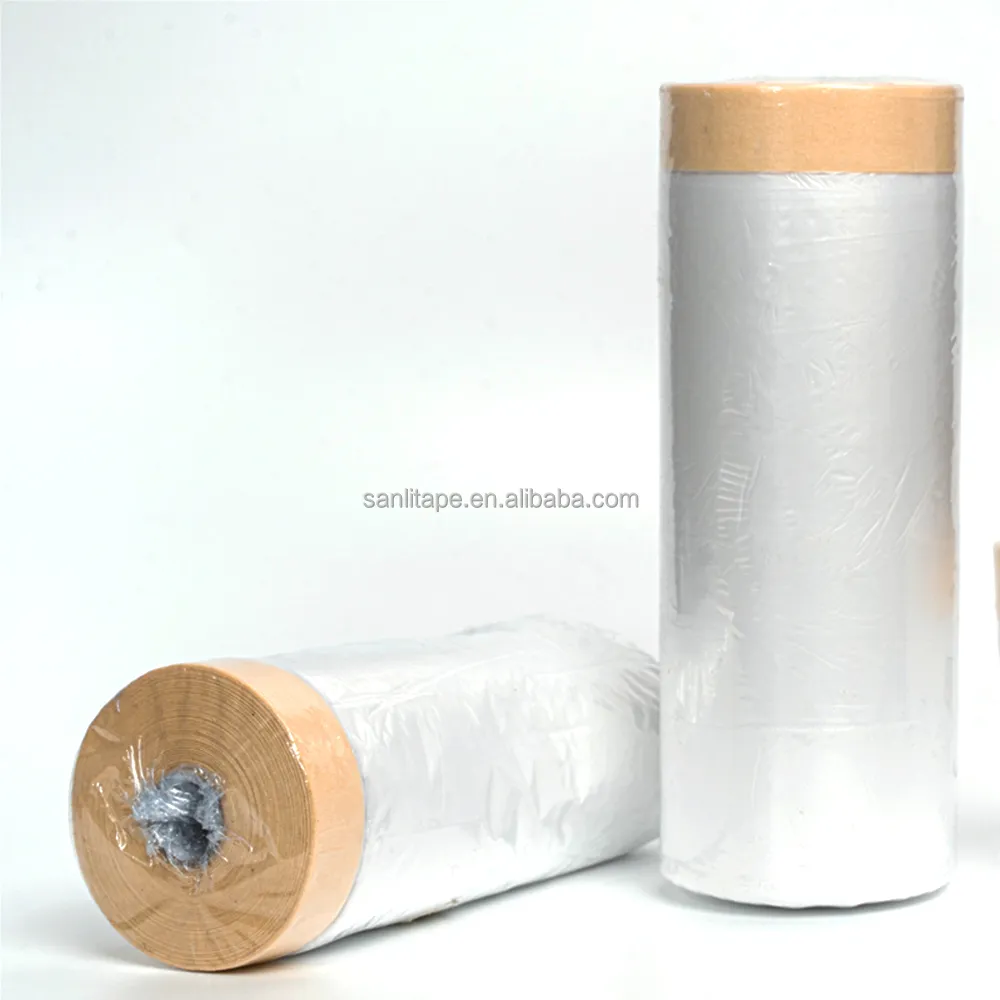 Paint Spray Anti Dust Film Clear Furniture Decoration Film Masking Tape Masking Tape Protective Film
 -
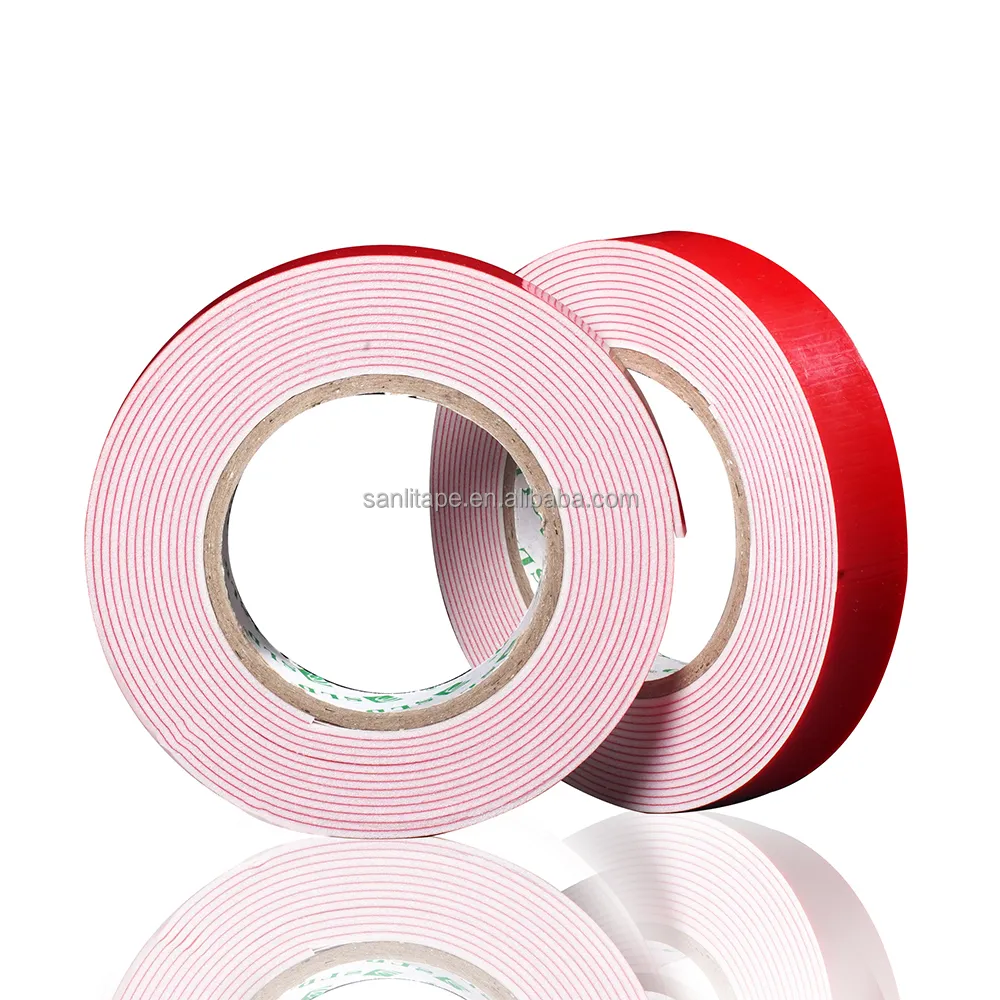 Double Sided Foam Tape High Density High Adhesion White and Black Double Sided Adhesive PE Foam Tape
 -
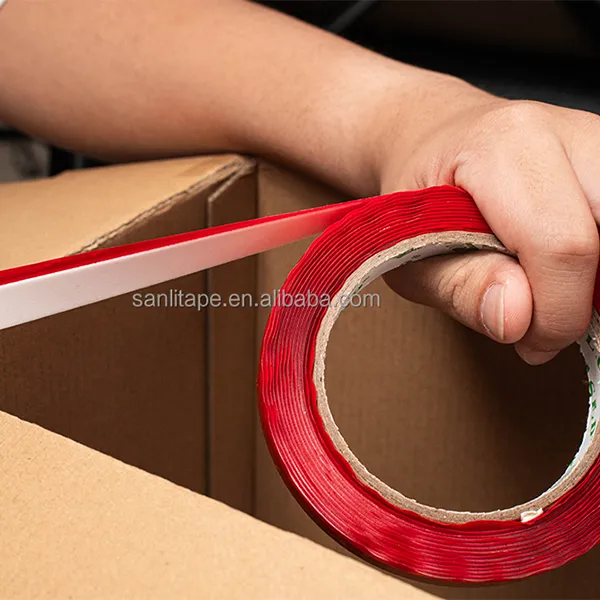 Packing tape with raised tape
 -
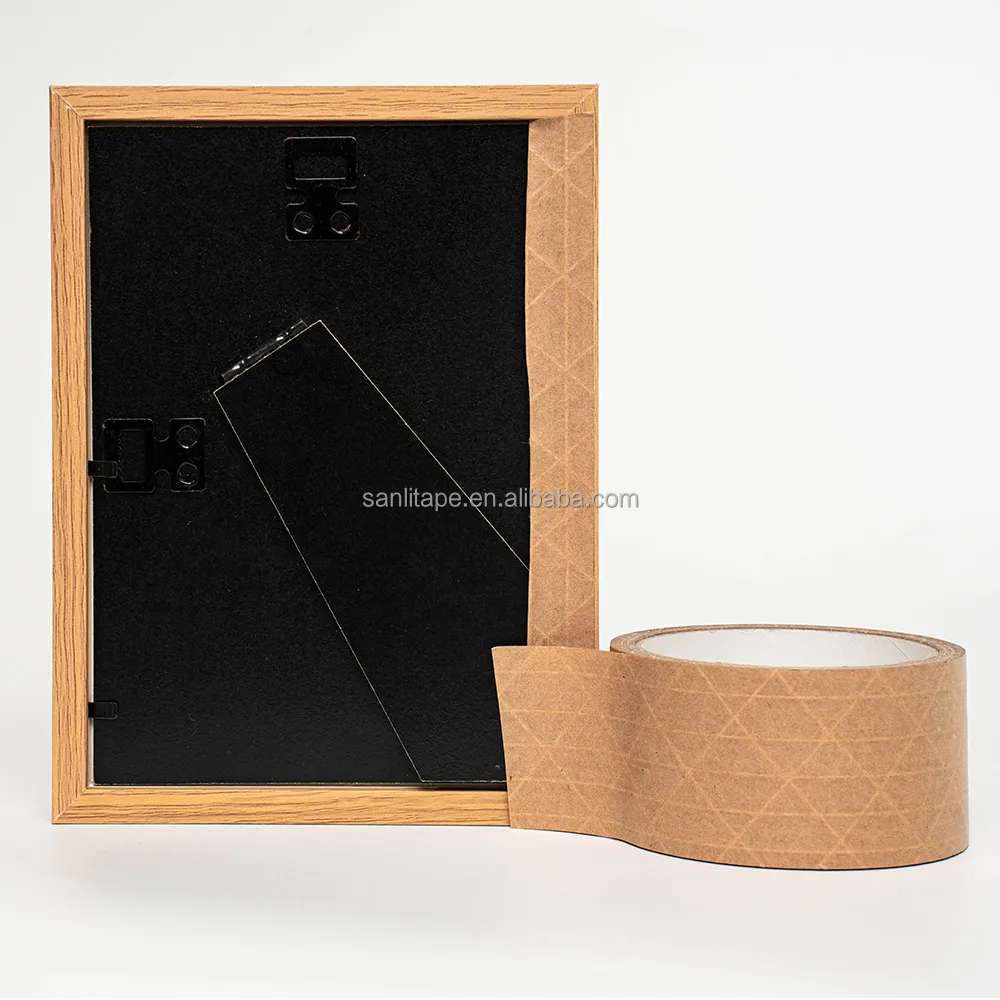 Reinforced kraft paper adhesive tape reinforced tape self-adhesive packaging tape without water content
 -
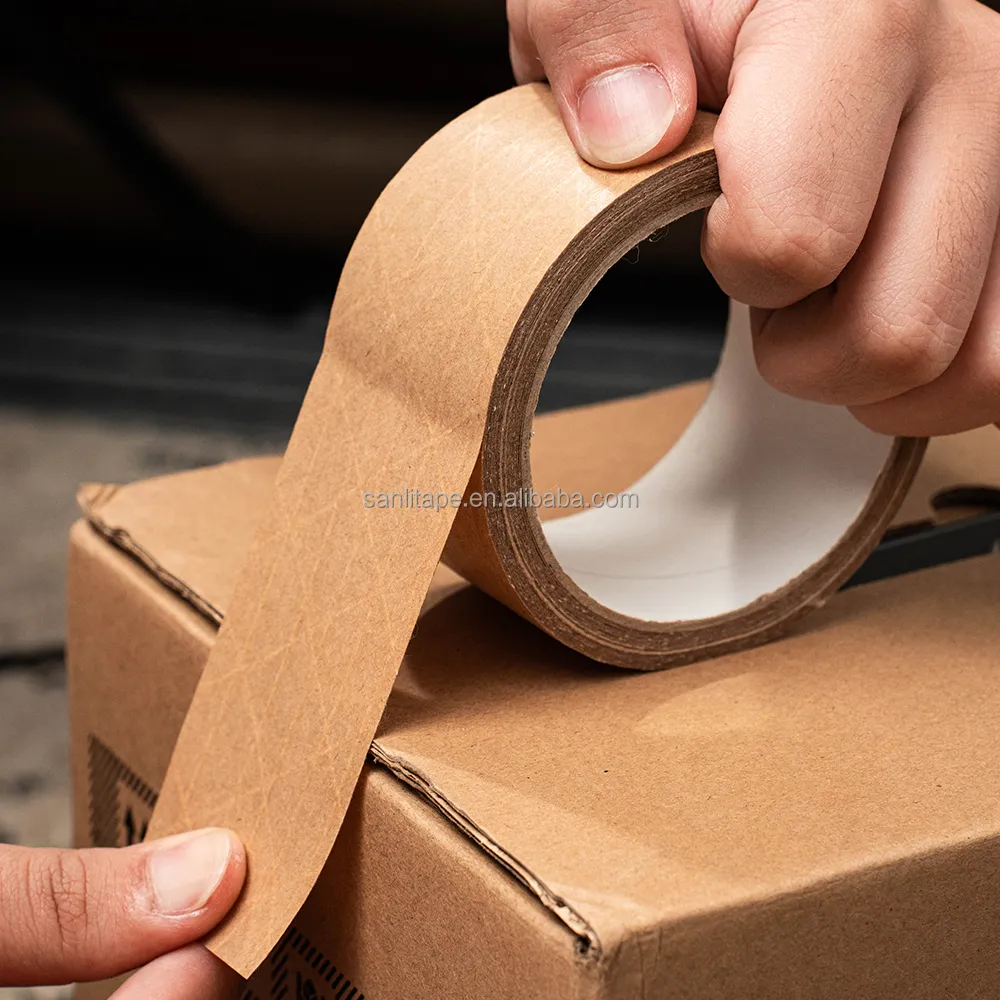 Water based reinforced kraft paper tape with water based adhesive and wire reinforcement for sealing boxes and packaging
 -
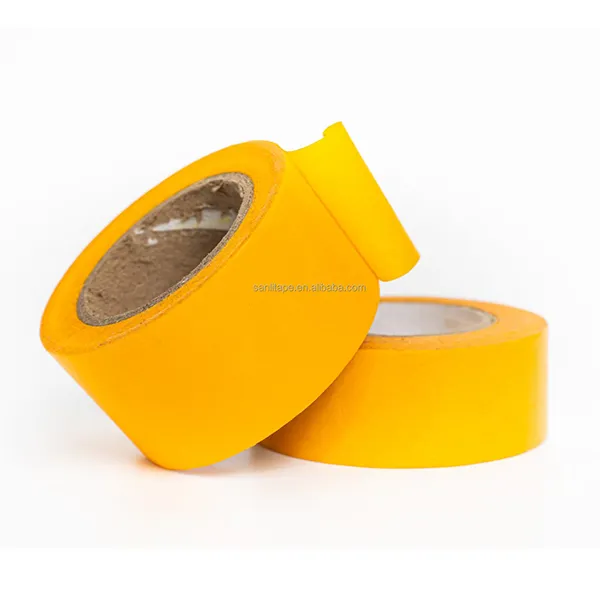 Yellow and Paper Adhesive Tape DIY Decoration Spray High Viscosity Hand Tear Seamless Painting Tape
 -
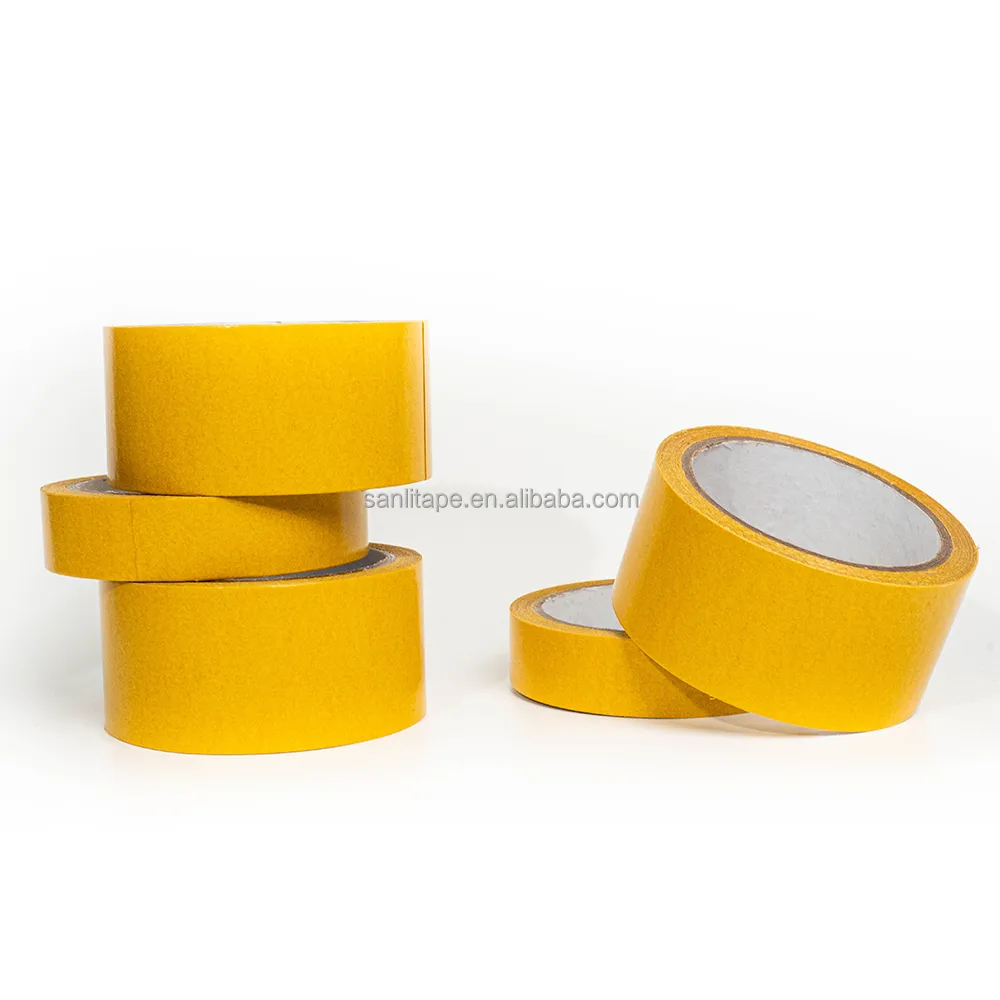 High Density Mesh Tape, High Viscosity, Double Sided Carpet Fastening Tape
 -
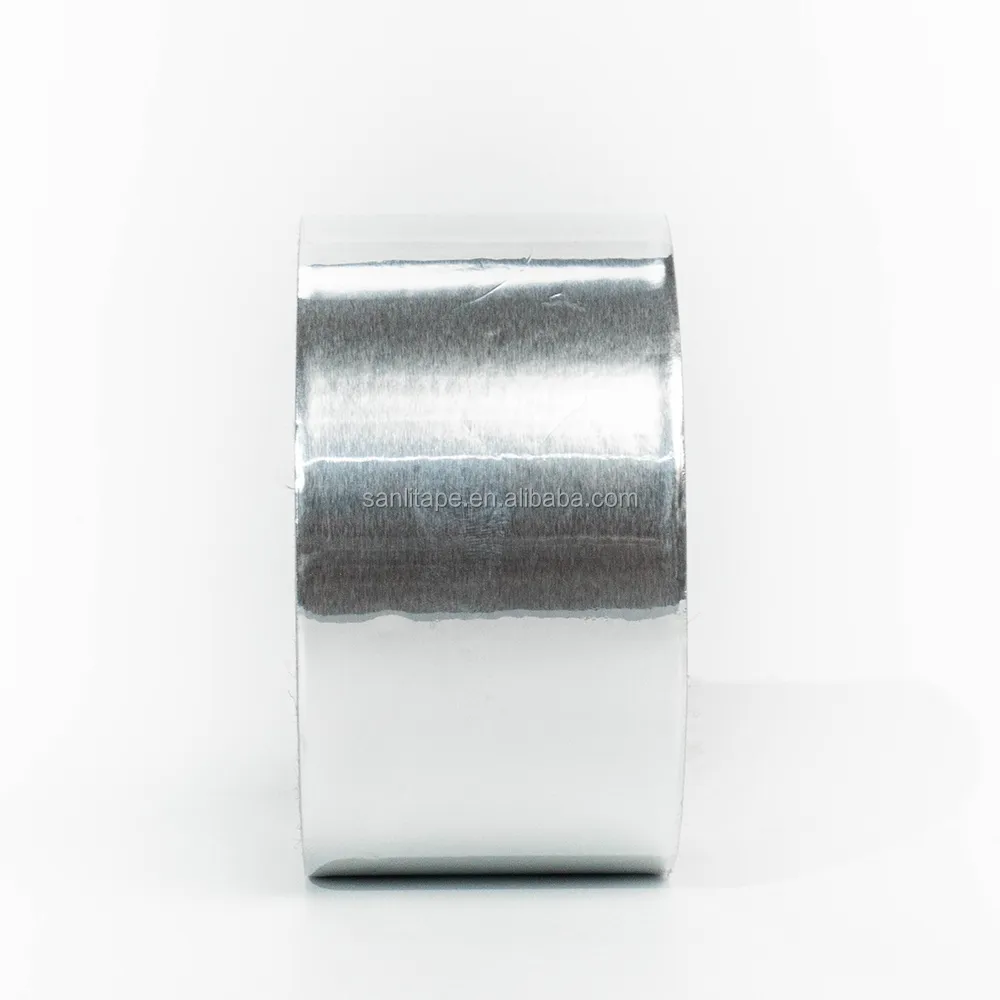 Temperature Resistant Aluminum Foil Tape
 -
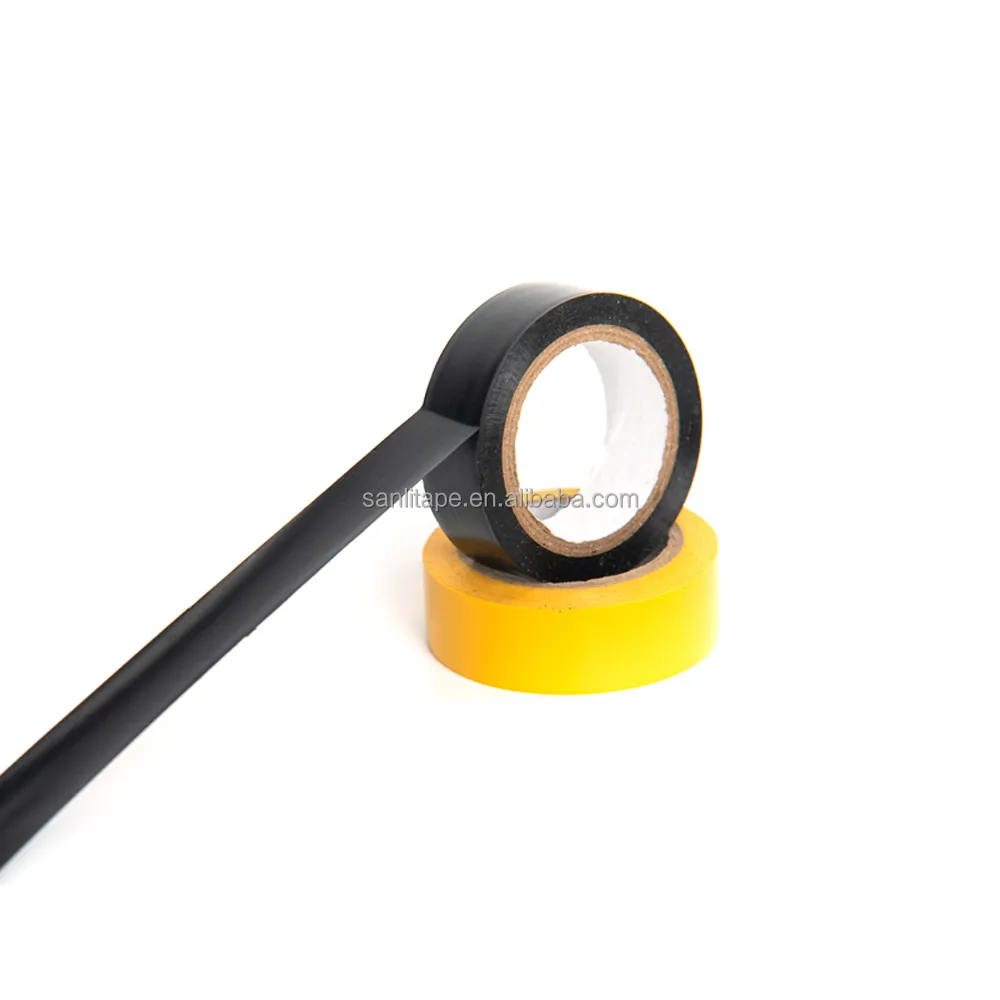 Waterproof Black Color PVC Insulation Tape Wrap Insulated Electrical Tape with High Viscosity
Relatedsearch
Related Search- Double-sided mounting adhesive tape 25 mm factory
- Anti-adhesive material manufacturers
- Order transparent thin double-sided tape in China
- Anti-slip rubber bands factory
- Order 3mm double sided adhesive tape from China
- double-sided adhesive tape 2 mm
- Order 3mm double-sided tape in China
- Double sided tape black supplier
- Anti-slip tape black main buyer
- Anti-slip rubber bands supplier