




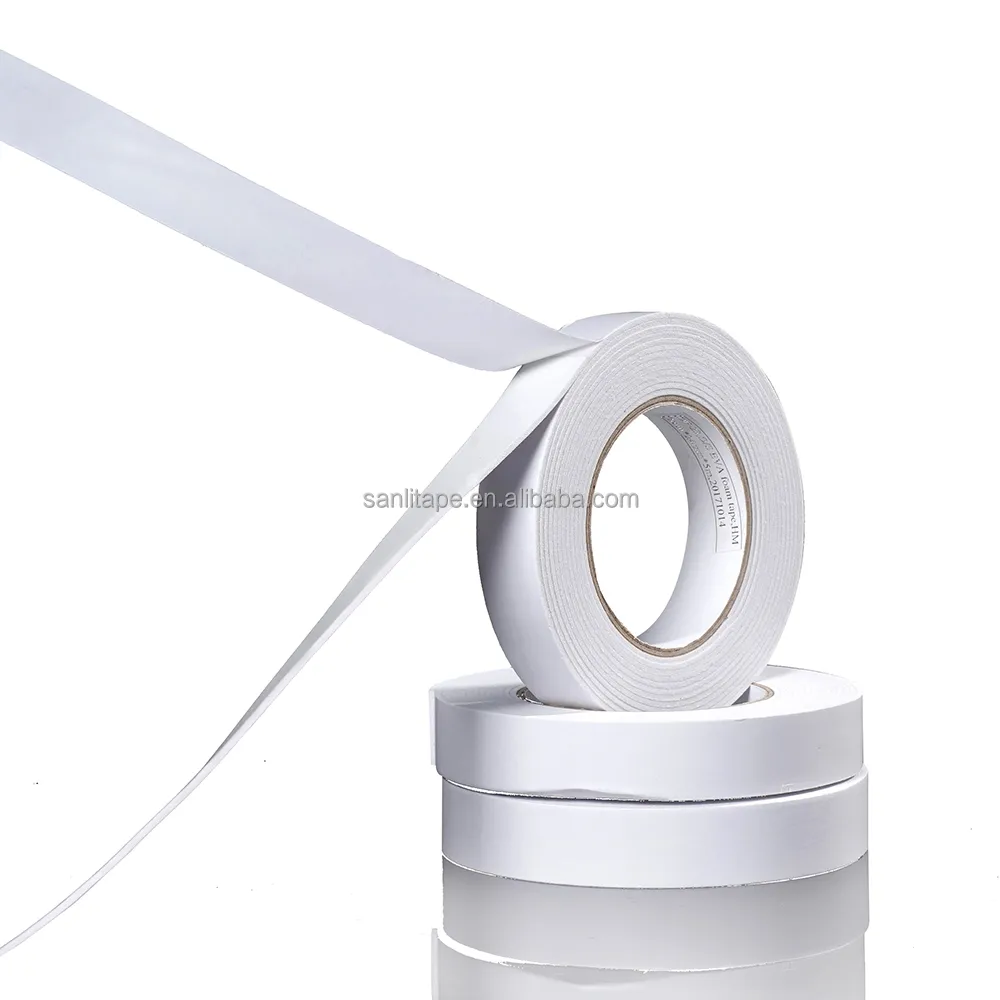
double-sided foam tape
Double-sided foam tape– this is a seemingly simple thing. But many, especially beginners, consider it a universal solution for any problem. In practice, this is not always the case. Adhesion problems often occur, especially when working with delicate or porous surfaces. I have been developing and producing various types of adhesive tapes for several years now, and I can say with confidence that the right choice of material is half the success.
Key Features and Benefitsdouble-sided foam tape
What makes this type of tape so popular? Well, first of all, flexibility. The foam base allows the tape to follow the contours of the surface well, which is critical for gluing uneven elements. Secondly, it provides a certain shock absorption - this is important if the parts being connected are subject to mechanical stress. Third, it is often a relatively inexpensive option. However, all these advantages do not guarantee an ideal result unless several important factors are taken into account. For example, foam density, adhesive composition... here you need to carefully look at the specifications.
I often come across a situation where clients choose the cheapest option without paying attention to the characteristics. As a result, the tape does not hold well, especially with high humidity or temperature changes. And this is not just an aesthetic dissatisfaction, but a real problem - the structure can collapse, which will lead to serious consequences. Well, for example, if this is part of a billboard, then this is already a loss of money and reputation. Or in the production of electronics - a breakdown of the device.
Choice of adhesive: acrylic, solvent-based, silicate
The most important thing is the adhesive. There are several options here, and each of them has its pros and cons. The most common is acrylic. It works well on most surfaces and has good durability and environmental resistance. But it may not be strong enough to bond heavy objects or materials with low roughness. There are different options, some are polyacrylate, some with additives to increase adhesion. You need to choose depending on what exactly you are going to glue.
What I saw in practice: when it was necessary to glue two sheets of acrylic, acrylic tape simply did not work. I had to look for something more durable. In such cases, solvent-based adhesives are often used, but they require more thorough surface preparation and longer drying times. And, of course, we need personal protective equipment. Also, solvents can destroy some plastics, so you need to test on a small area before use.
There are also silicate adhesives. They have high heat resistance and adhesion to metal surfaces. But they can be less flexible than acrylic and require special conditions for use.
Special stampsdouble-sided foam tapefor various materials
Now manufacturers offer a huge number of specialized brands. There are tapes for glass, for plastic, for metal, for textiles... Sometimes you have to carry out lengthy tests to find the option that is ideal for a specific task. For example, we worked on a project to glue LED panels to an aluminum frame. Regular acrylic tape just didn't hold up, especially when heated. I had to use special tape with heat-resistant adhesive and increased adhesion to metal. This allowed us to achieve a reliable and durable connection. In such cases, of course, there is no room for compromise. It's better to spend a little more but get guaranteed results.
Application problems and solutions
One of the most common problems is surface contamination. Even a small amount of dust or dirt can significantly reduce adhesion. Therefore, before usedouble-sided foam tapethe surface must be thoroughly cleaned and degreased. We often use special cleaners based on isopropyl alcohol - they effectively remove dirt and leave no residue.
Another problem is humidity. A humid environment can destroy the adhesive composition. Therefore, when working in damp areas or outdoors, it is necessary to use tapes with waterproof adhesive. And sometimes even apply additional protection, such as varnish or sealant. We once made the mistake of using regular acrylic tape to glue decorative panels on the facade of a building. As a result, the panel came off after just a few months. It was an expensive lesson.
Surface preparation: the key to reliable bonding
Surface preparation is not just a formality, it is a critical step. Poor preparation can lead to the fact that even the most expensivedouble-sided foam tapewill not be able to provide reliable adhesion. Different materials require different preparation methods. For example, for metal it is necessary to remove rust and scale, for plastic it is necessary to degrease the surface. If there are rough spots, they can be puttied and sanded. And, of course, you need to be careful when working with fragile materials so as not to damage them.
Examples of use and applications
Double-sided foam tapeused in a wide variety of fields. For example, for attaching decorative elements, for gluing advertising structures, for the production of electronics, for packaging goods. We ourselves use it for attaching LED panels, for the production of decorative elements for the interior and for the production of packaging materials.
It is especially suitable for those cases where it is necessary to create a flexible and reliable connection between uneven surfaces. For example, for attaching paintings to the wall, for creating three-dimensional decorative elements, for gluing layered materials.
Of course, there are more specialized tapes for specific tasks, butdouble-sided foam taperemains one of the most versatile and affordable solutions.
Enping Sanli Adhesive LLC is constantly working to improve the quality and expand the range of its products. We strive to offer our customers the most modern and reliable solutions for gluing various materials. We are ready to provide advice and help you choose the best optiondouble-sided foam tapefor your task.Correspondingproducts
Related Products
Best Sellingproducts
Best Selling Products-
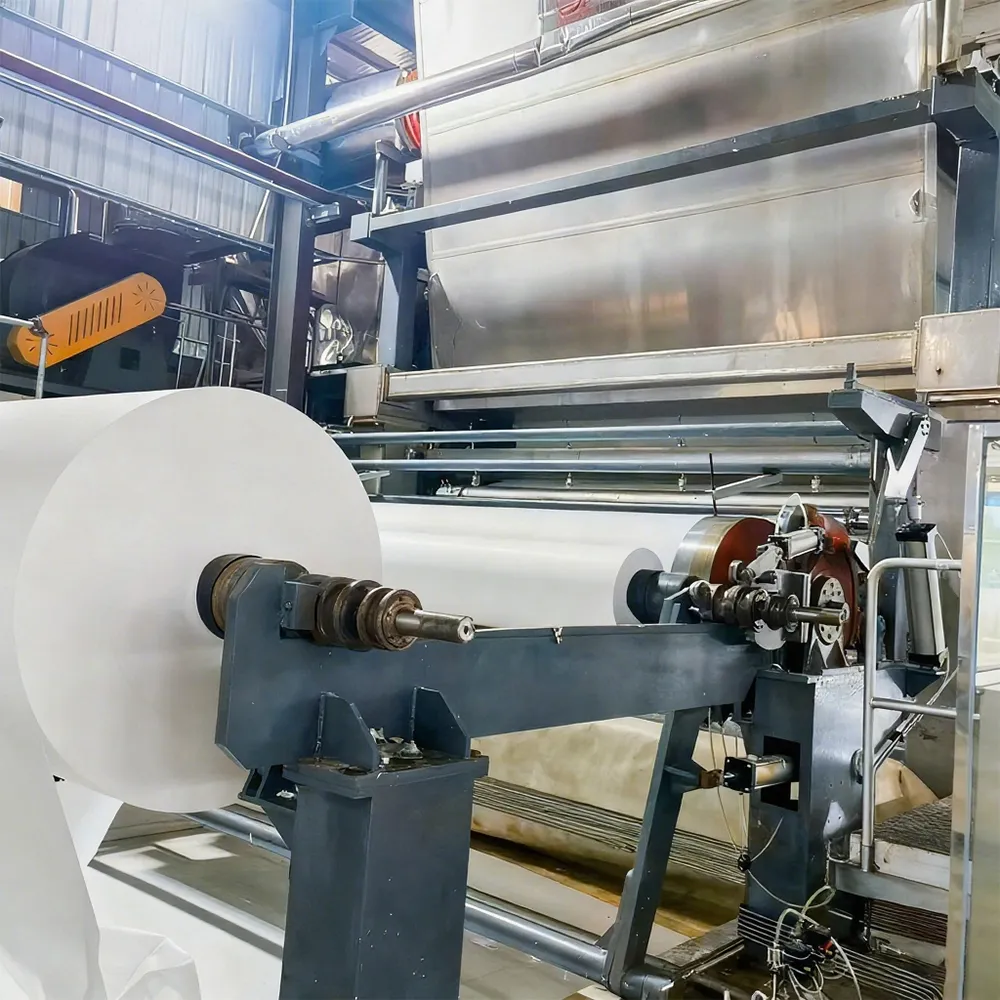 Flexible and eco-friendly cotton paper white double-sided adhesive tape material, soft thin packaging material 14g, 18g, 20g.
 -
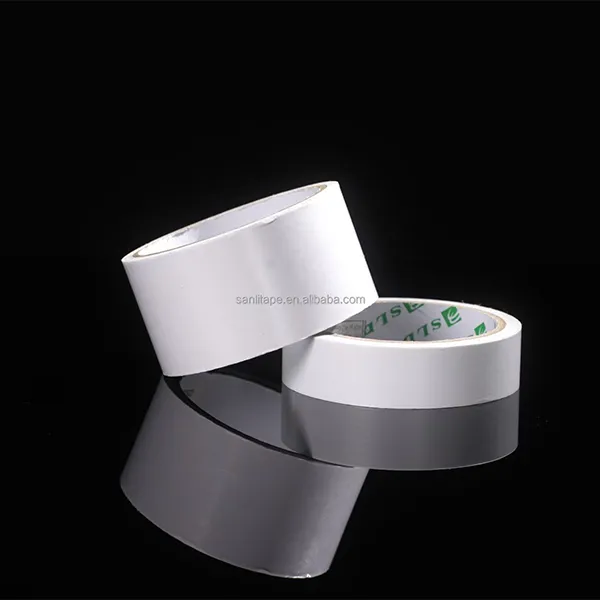 Thin Double Sided Adhesive Tape Transparent OPP Film Adhesive Tape Double Sided Adhesive Tape for Industrial Installation and Fixing
 -
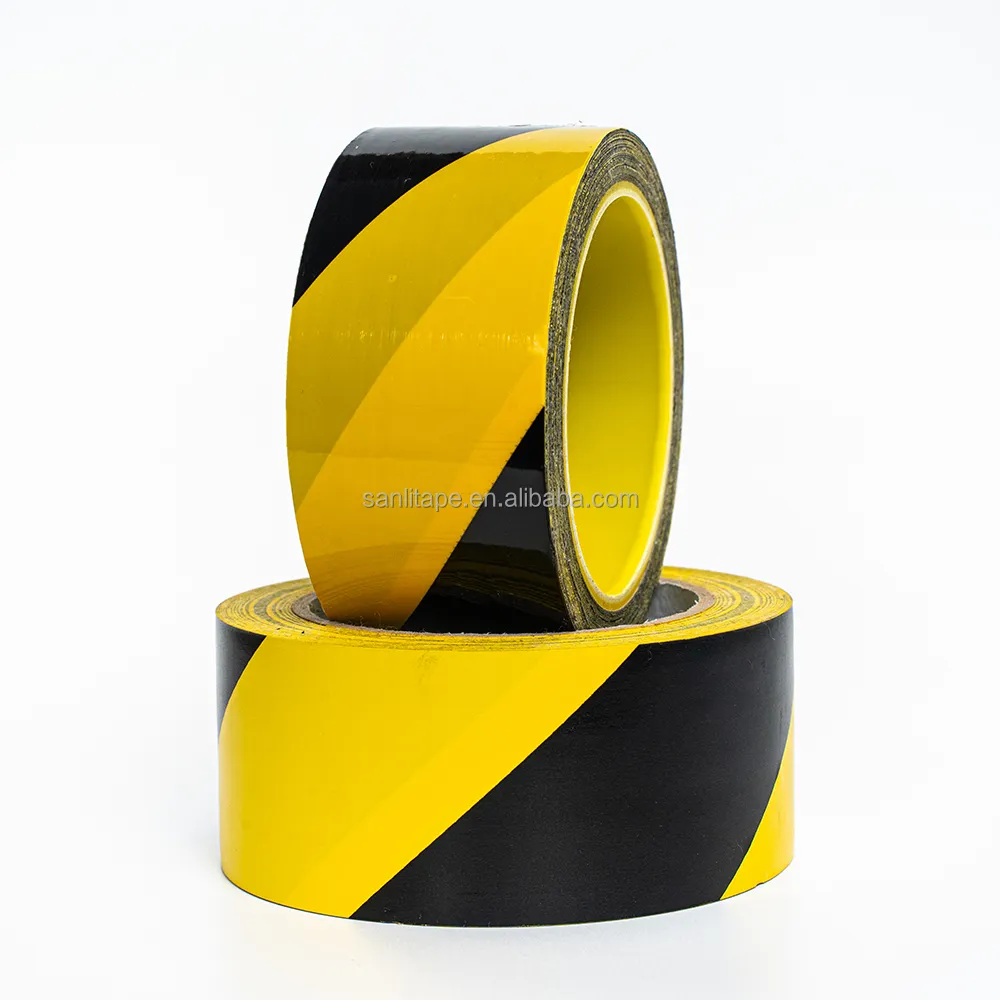 EVPEC Warning Tape for Marking PE Composite Floor Warning Tape Decorative Tape
 -
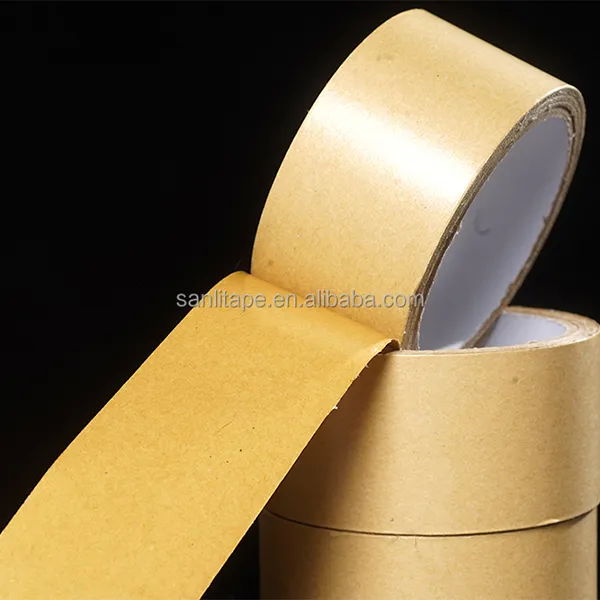 High Viscosity Kraft Paper Adhesive Tape Hand Tear Off Masking Sealing Packing Tape
 -
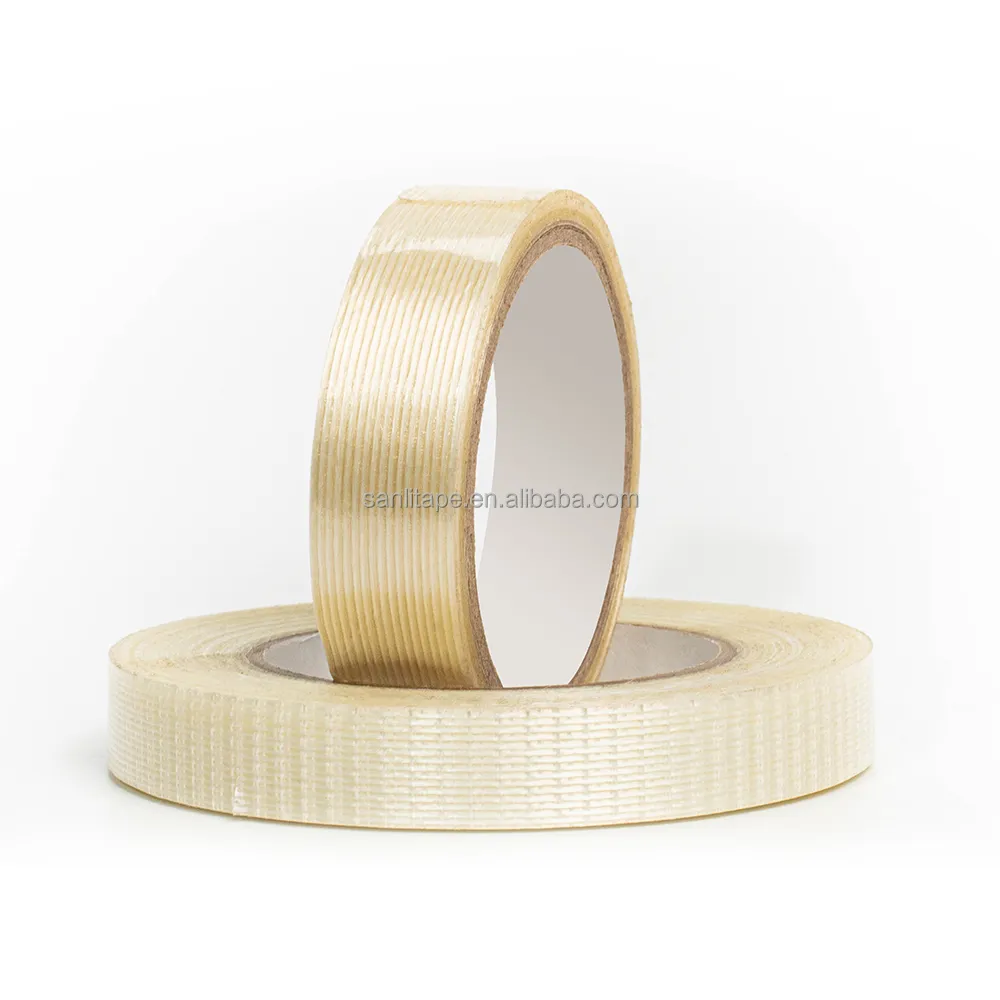 Super Heavy Objects with Integrated Fiberglass Tape Electrical Apparatus Packaging Transparent Attaching Tape
 -
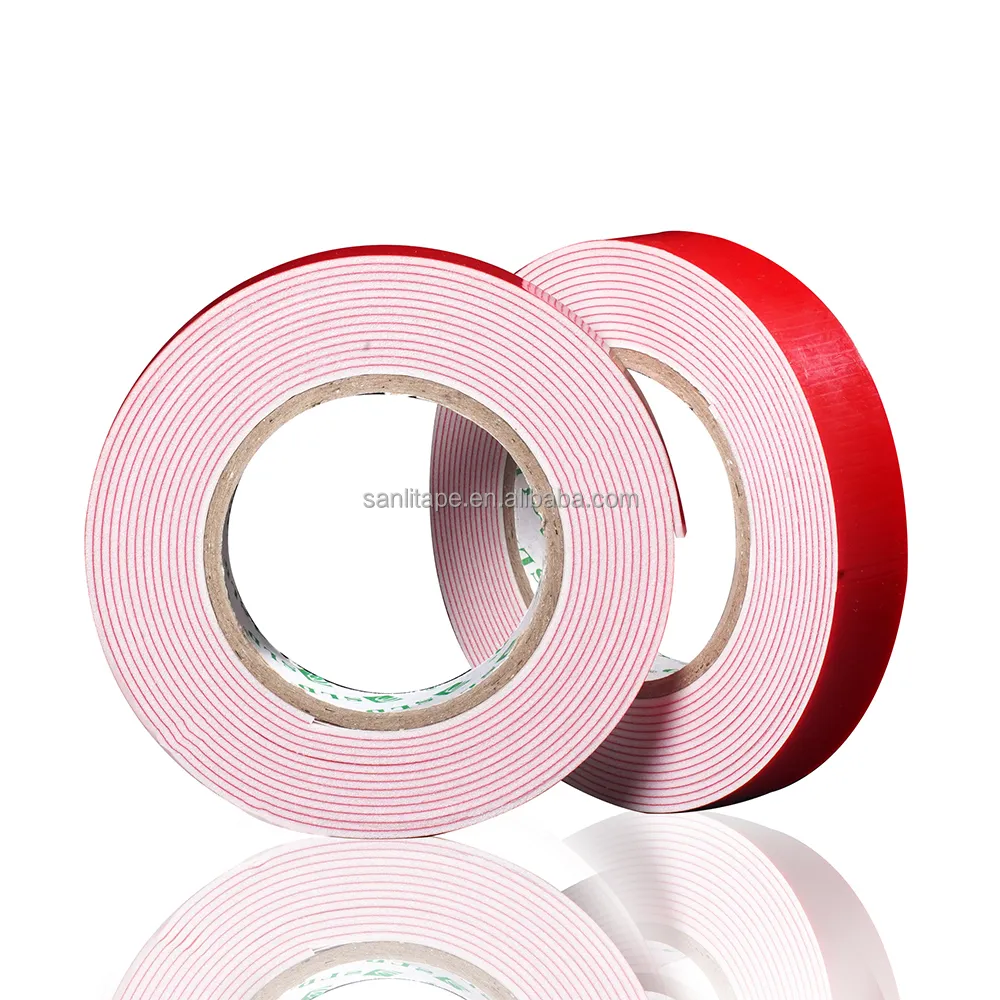 Double Sided Foam Tape High Density High Adhesion White and Black Double Sided Adhesive PE Foam Tape
 -
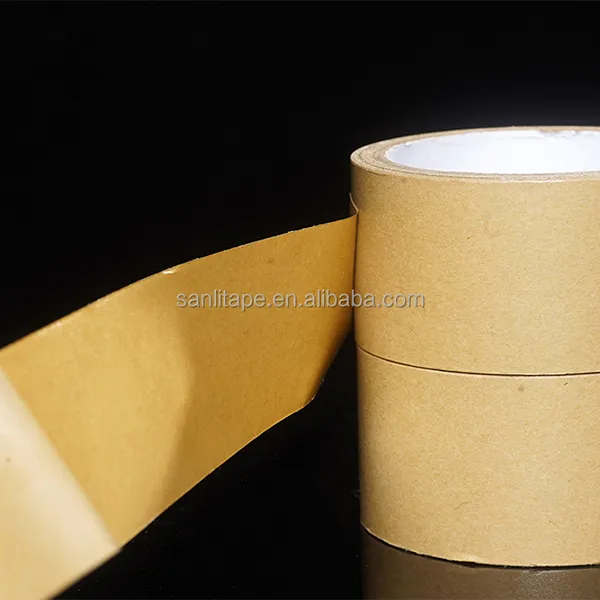 Waterproof Kraft Paper Adhesive Tape Water-based packaging tape with high adhesion for reliable sealing
 -
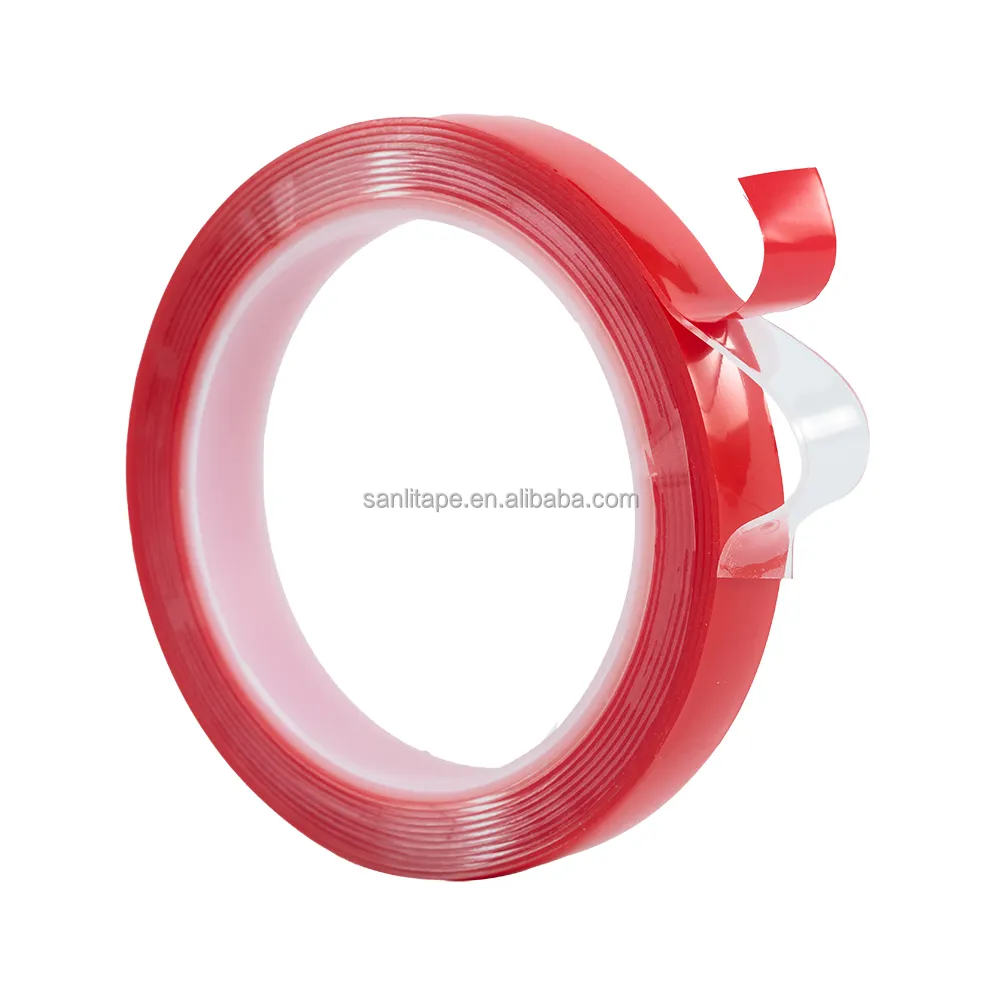 Heavy Duty Double Sided Adhesive Tape Waterproof Acrylic Foam Tape Gray Clear White
 -
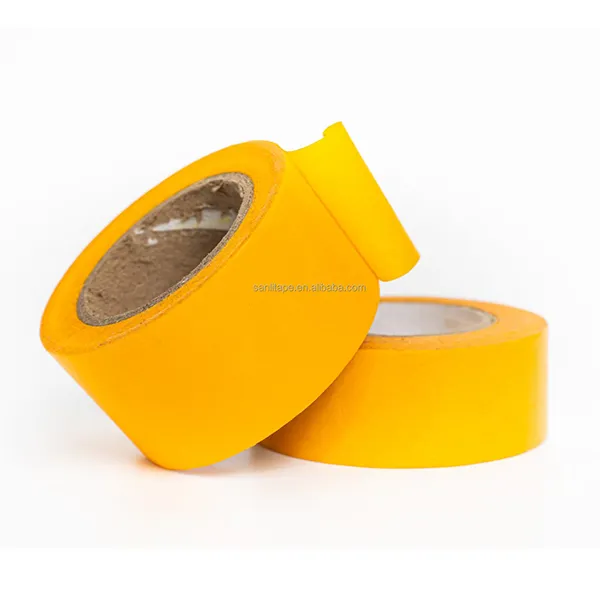 Yellow and Paper Adhesive Tape DIY Decoration Spray High Viscosity Hand Tear Seamless Painting Tape
 -
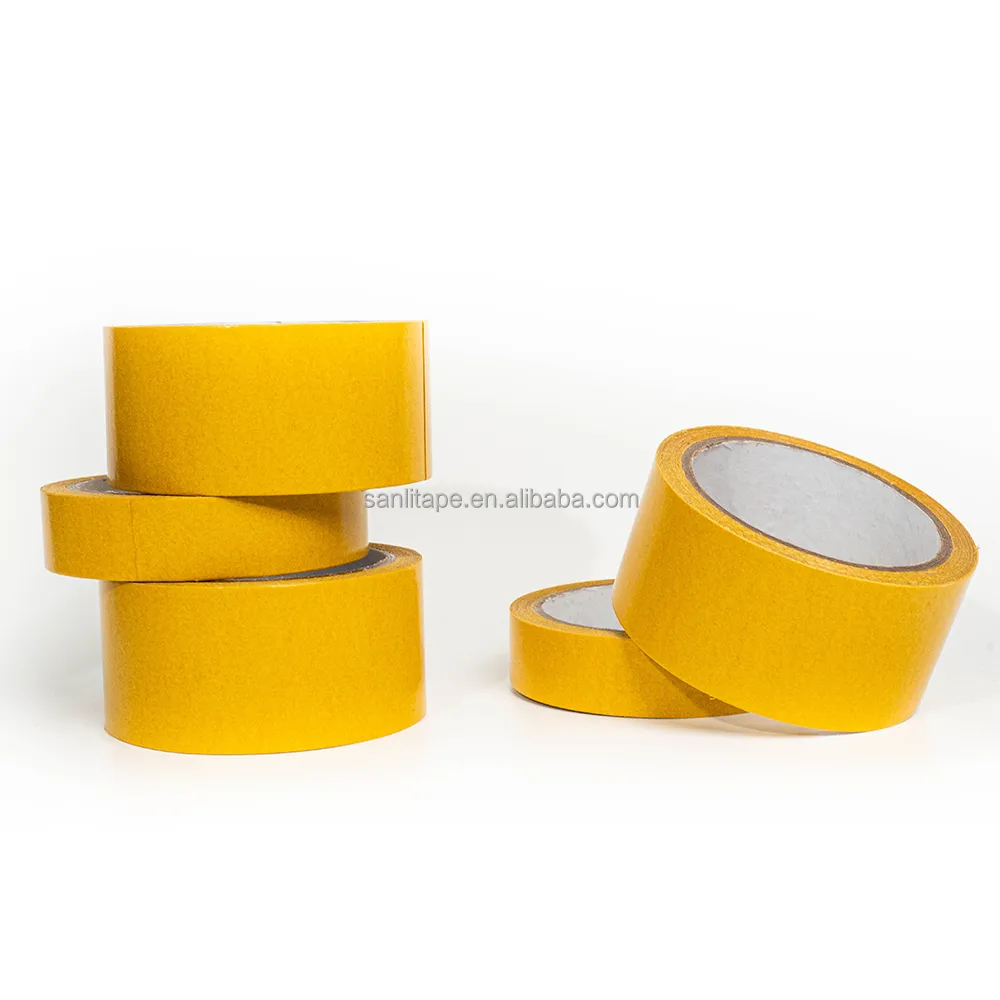 High Density Mesh Tape, High Viscosity, Double Sided Carpet Fastening Tape
 -
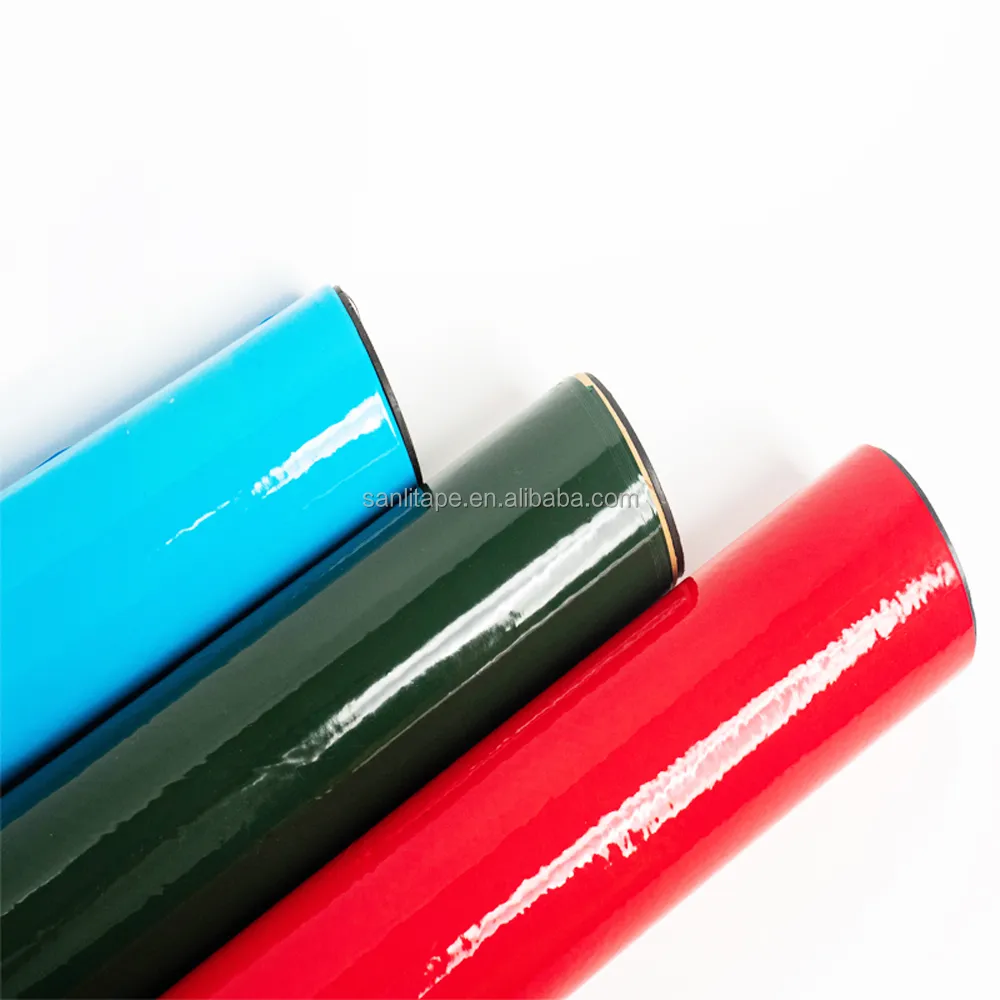 Anti-adhesive coated PE film used for printing on double-sided adhesive foam tape insulation film
 -
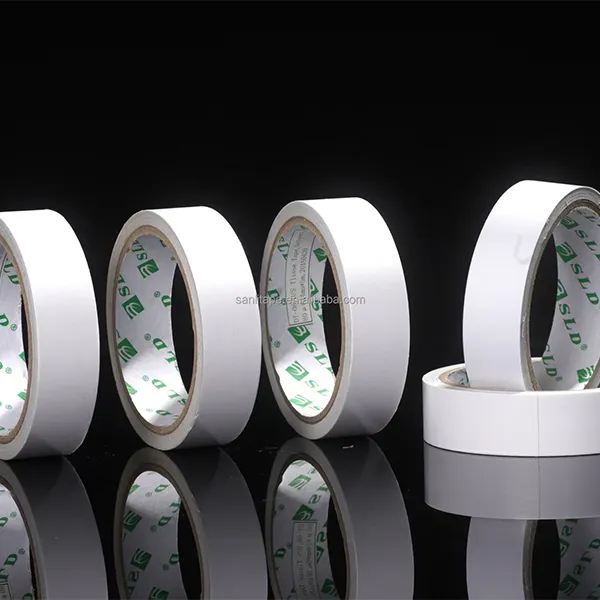 Thin Double Sided Adhesive Tape Clear PET Polyester Film Adhesive Tape Installation and Fastening of Industrial Parts Die-Cut Double Sided Adhesive Tape
Relatedsearch
Related Search- Anti-slip tape yellow price
- Double-sided tape 50 mm price
- Double-sided tape 1 mm manufacturer
- Double-sided adhesive tape 10 mm main buyer
- Double-sided tape for fastening heavy objects manufacturers
- Double sided adhesive tape vhb tape 3m supplier
- double-sided tape for moldings
- Double-sided tape for vapor barrier suppliers
- Double sided tape installation supplier
- Acrylic double sided adhesive tape price