




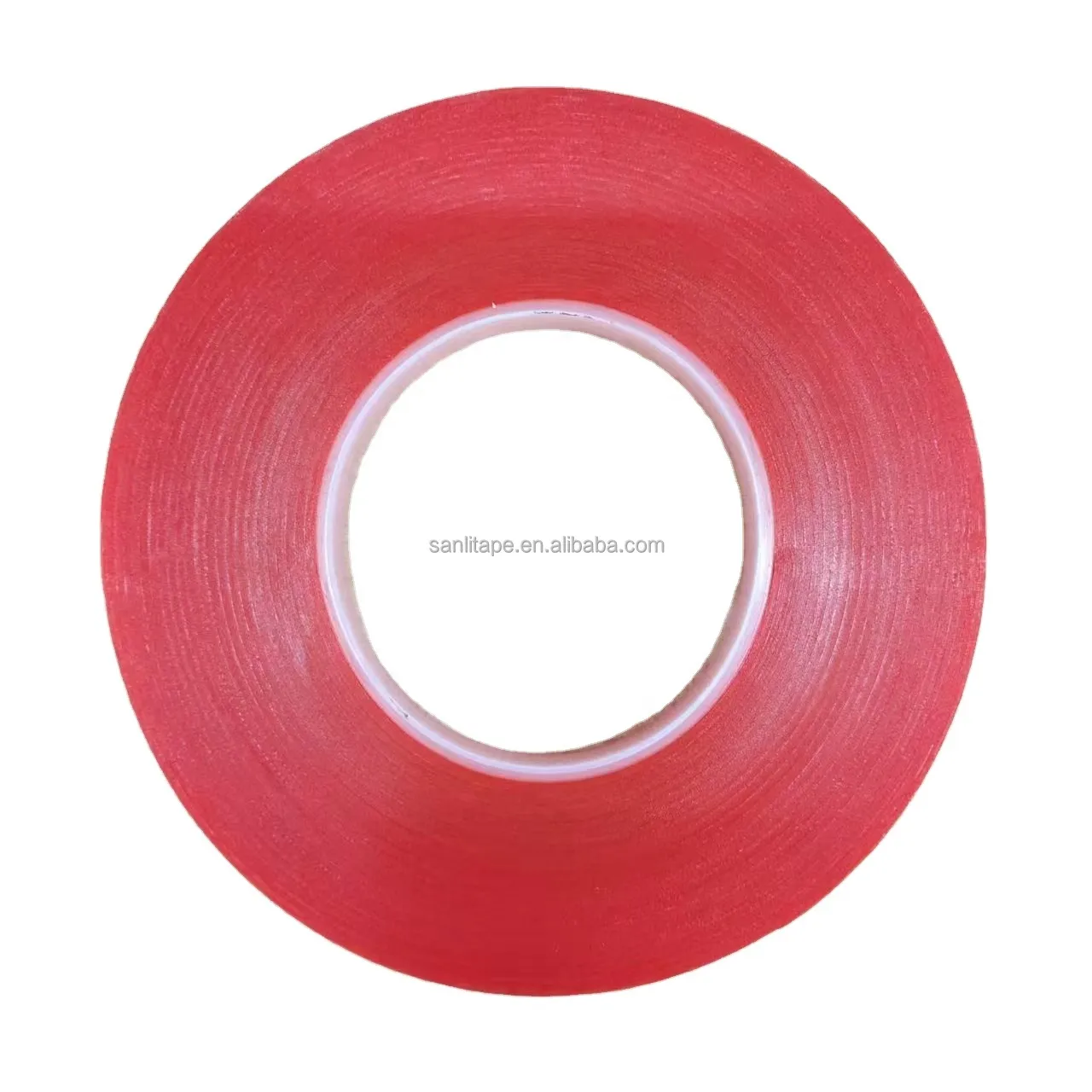
thick double sided tape
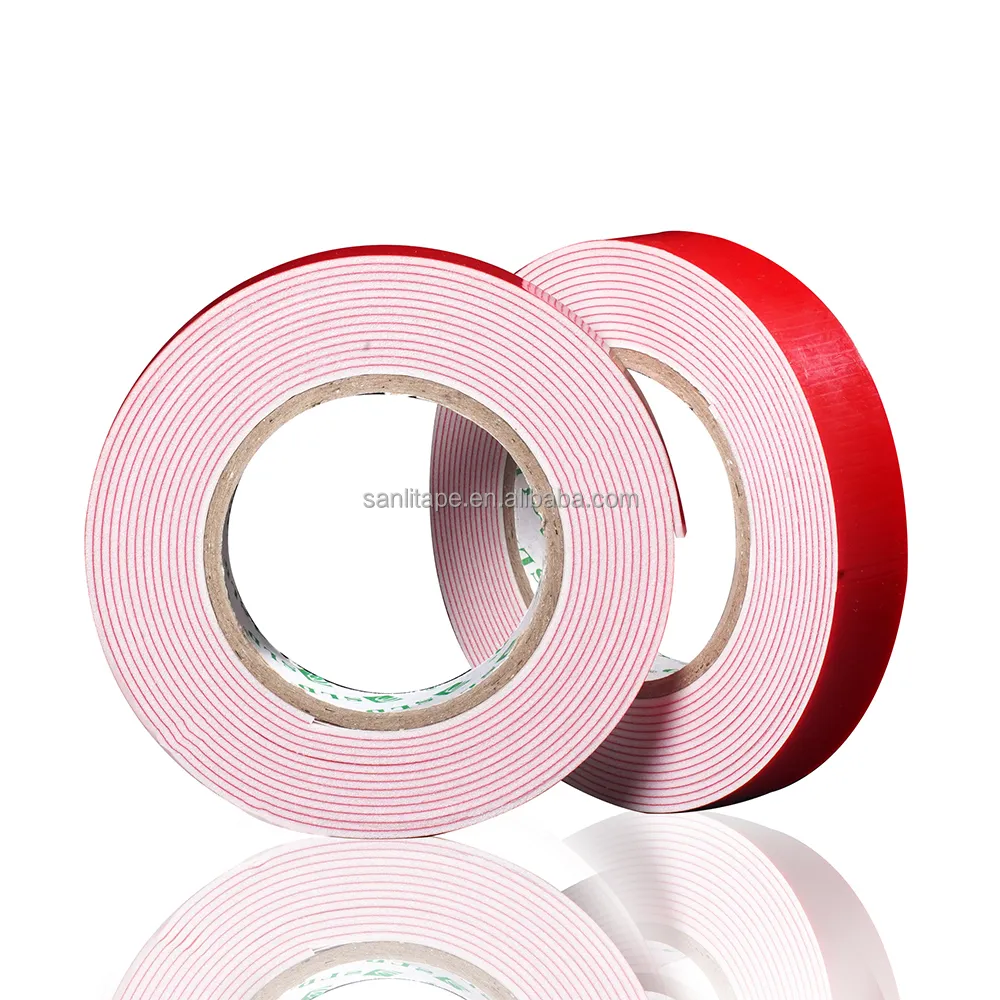
I'm always surprised how many people think thatthick double sided tape- it's just a tougher version of the usual one. In fact, it comes down to many things: the material, the adhesive, the thickness and, of course, the intended application. Often customers just want 'thick tape' without thinking about what purpose it is needed for. It's like asking for 'motor' - it's not enough, you need to know what car it's for.
Differences in materials and adhesives
Regulardouble sided tape, which can be found at a hardware store, is usually made of paper or film with a polyacrylamide adhesive. It is good for light tasks - attaching photos, decorations. But when it comes to more serious applications, such as adhesives for automotive applications, industrial applications, or cabinet making, this type of tape will not cut it. Here you need more durable materials, for example, polyurethane, PVC-based tape or special waterproof adhesives. I think many people are familiar with trying to use cheap tape to secure something important - the result is usually not happy.
We at Enping Sanli Adhesive LLC often encounter requests forthick double sided tapefor fastening various parts. For example, for assembling electronic devices or for fixing housing elements. And the approach is always the same - first you need to understand what the load will be on the adhesive tape, under what conditions it will be used (temperature, humidity, ultraviolet radiation). This influences the choice of material and therefore the thickness and adhesive properties.
It is important to understand that “fat” is relative. By thicknessdouble sided tapecan be from a few microns to several millimeters. Thickness, of course, affects strength, but not the only factor. The composition of the adhesive and the quality of the base are no less important. And, yes, it is worth considering that thick tape is often stiffer, which can create problems when working with flexible materials.
Use of thick double-sided tape in industry
In our company we producethick double sided tapevarious types - from those used in the automotive industry (for fastening decorative elements, panels), to those used in electronics (for fixing printed circuit boards, components). Sometimes we even make custom orders, tailored to the specific requirements of the client. For example, we recently needed some tape to attach solar panels to a metal structure. The requirements were for high adhesion, resistance to ultraviolet radiation and temperature changes. As a result, we chose polyurethane-based tape, 1.5 mm thick, with an additional protective layer against ultraviolet radiation.
We often see a situation where clients just want 'thick' without understanding what exactly they need. As a result, if the wrong material is chosen, the adhesive tape may come off, become deformed, or simply not withstand the load. Therefore, consultation with an experienced specialist who understands the characteristics of various materials and adhesives is often very helpful.
We recently had a case where a client orderedthick double sided tapefor fastening acrylic panels in a showcase. He wanted to use the cheapest option to save money. As a result, the tape came off after several weeks of use. I had to completely redo the design using higher quality polyurethane tape. In the end, it cost the client more than if he had chosen the right option in the first place.
Technical specifications: what to look for?
When choosingthick double sided tapeIt is important to pay attention to several technical characteristics: adhesive resistance, tensile strength, heat resistance, moisture and ultraviolet resistance. All of these parameters are specified in the tape specifications and must meet the requirements of your application. If necessary, we can provide technical specifications of our products - [https://www.sanlitape.ru/](https://www.sanlitape.ru/).
Problems when working with thick double-sided tape
Work withthick double-sided tapeIt's not always easy. It is often stiffer and less flexible than regular tape. This can be problematic when working with uneven surfaces or materials that are susceptible to warping. Additionally, thick tape can be more difficult to peel off, especially if it has been stuck to a surface for a long time. In this regard, using a special solvent can help, but again, you need to take into account the compatibility of the solvent with the material on which the tape is glued.
Sometimes there are problems with uniform pressure distribution when gluingthick double sided tape. Insufficient pressure can lead to the formation of air bubbles and reduced adhesion. In such cases, it is recommended to use a special roller or roller to distribute pressure evenly.
And, of course, it is worth remembering about surface preparation. Before gluing the tape, the surface must be clean, dry and grease-free. Any contamination can reduce adhesion and cause the tape to peel off. Sometimes it is recommended to treat the surface with a special degreaser to remove residual grease and dust.
Conclusion
To summarize, I would like to emphasize once again thatthick double sided tape– it's not just 'thick tape'. This is a product that requires the correct choice of material and consideration of operating conditions. You should not skimp on the quality of adhesive tape when it comes to important tasks. The correct choice of adhesive tape is the key to durability and reliability of fastening.
Correspondingproducts
Related Products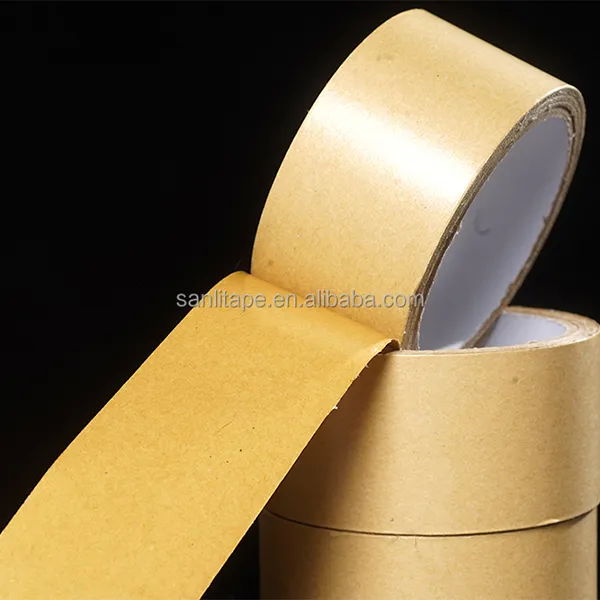
Best Sellingproducts
Best Selling Products-
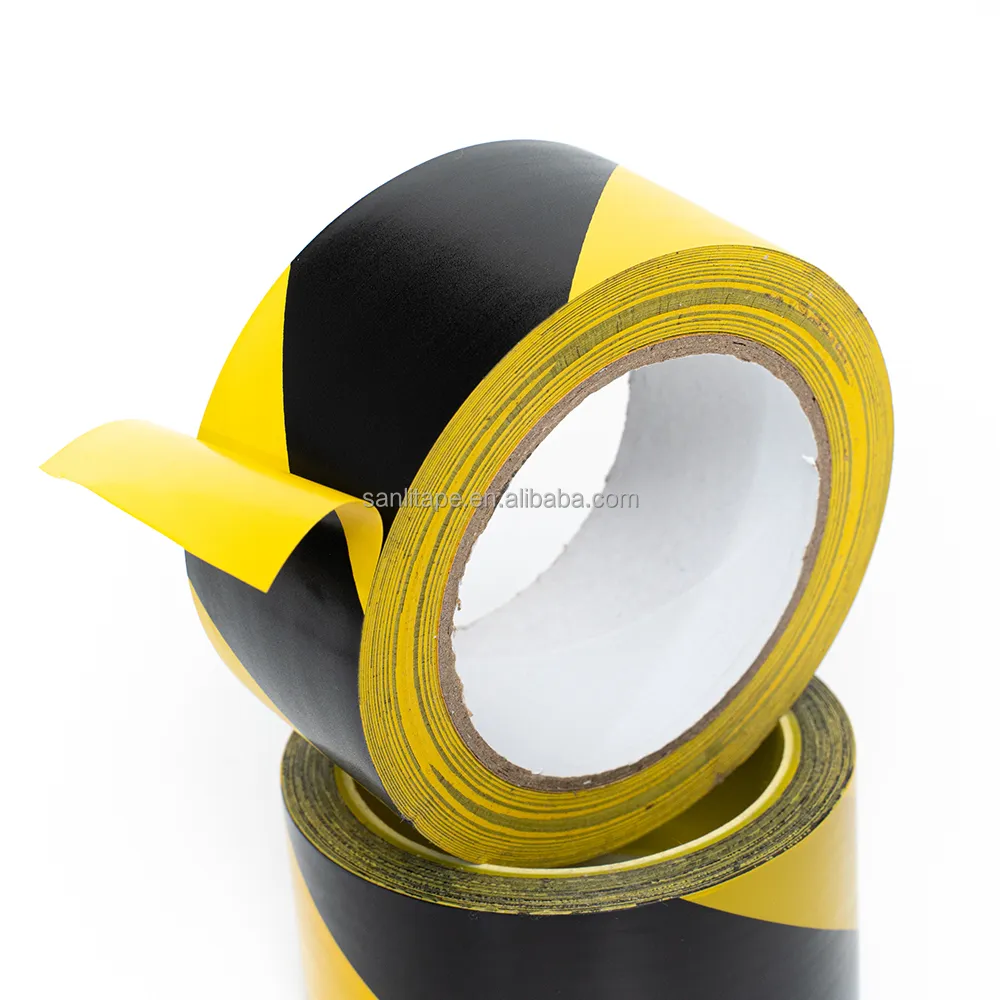 PVC Warning Tape Marking Warning Tape Decorative Floor Tape
 -
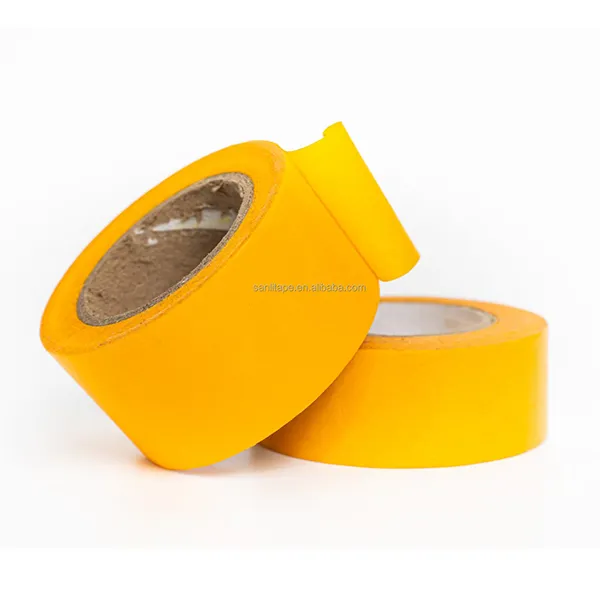 Yellow and Paper Adhesive Tape DIY Decoration Spray High Viscosity Hand Tear Seamless Painting Tape
 -
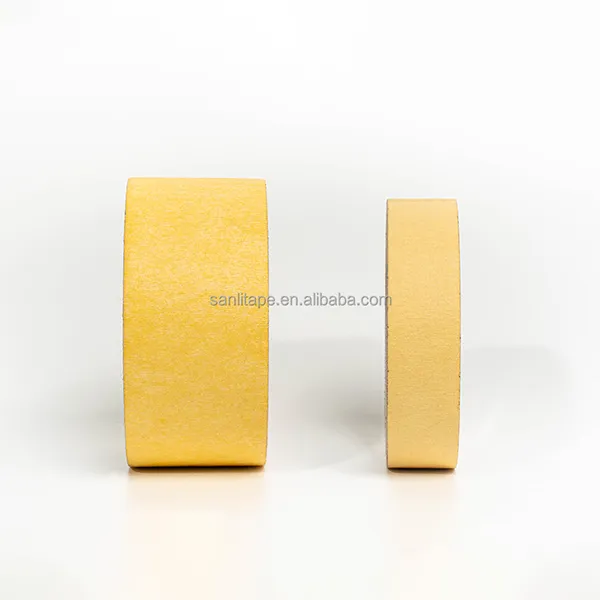 High-temperature masking adhesive masking tape for decorative car painting, high viscosity, easy to tear without leaving marks, single-sided, wrinkle-free
 -
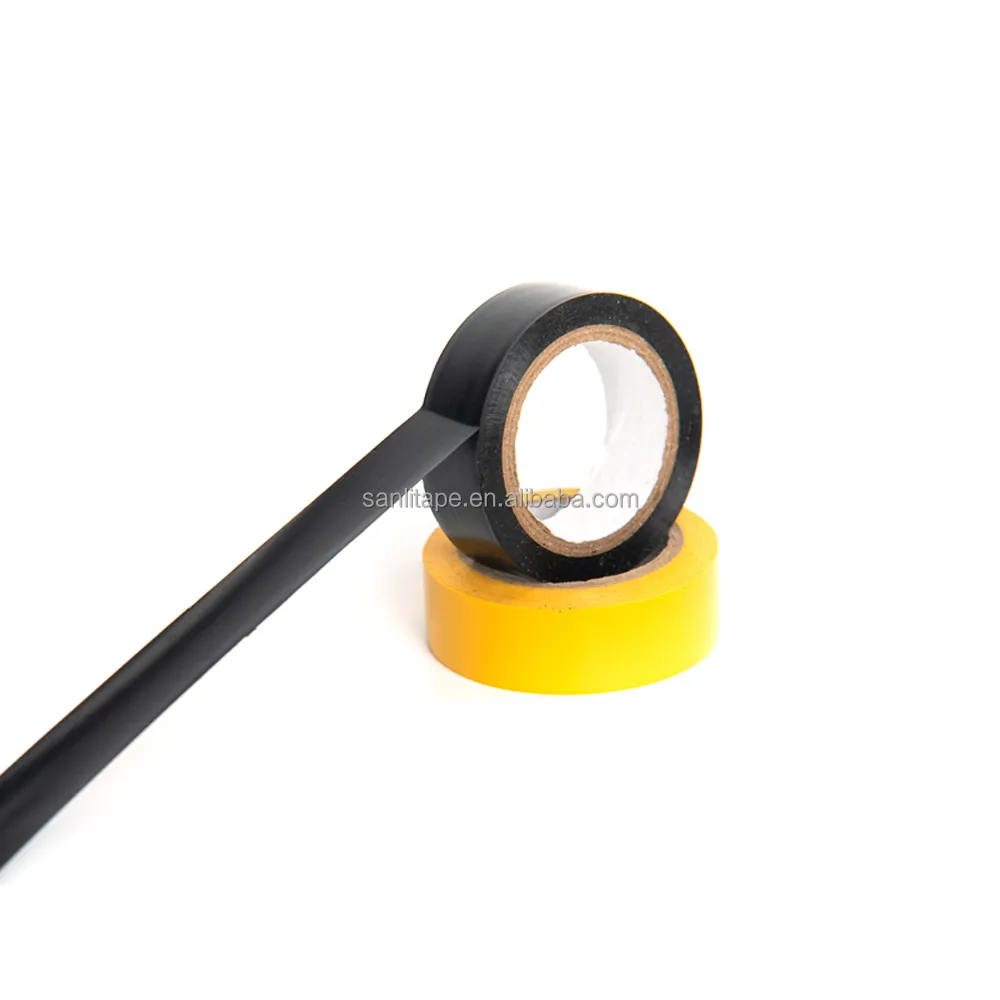 Waterproof Black Color PVC Insulation Tape Wrap Insulated Electrical Tape with High Viscosity
 -
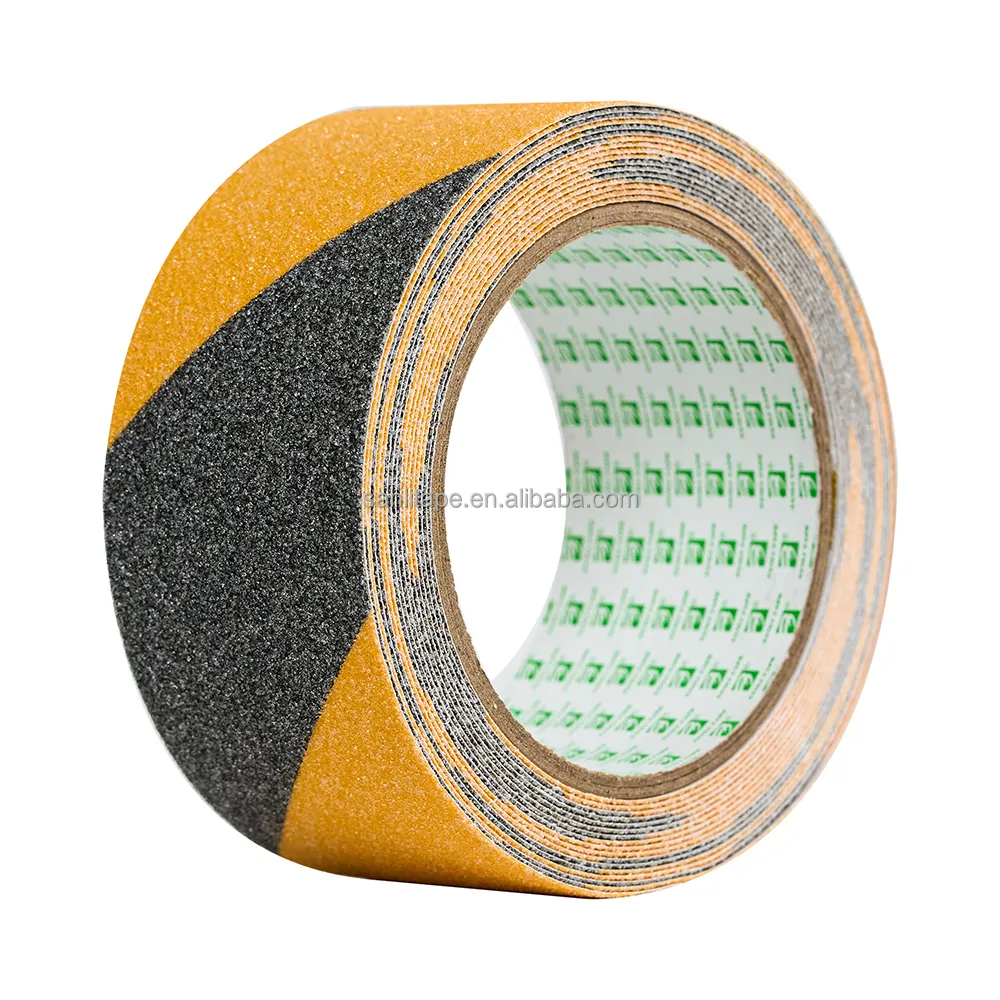 Waterproof matte anti-slip adhesive tape with strong adhesive acrylic adhesive outdoor warning anti-slip sticker wear-resistant color self-adhesive tape
 -
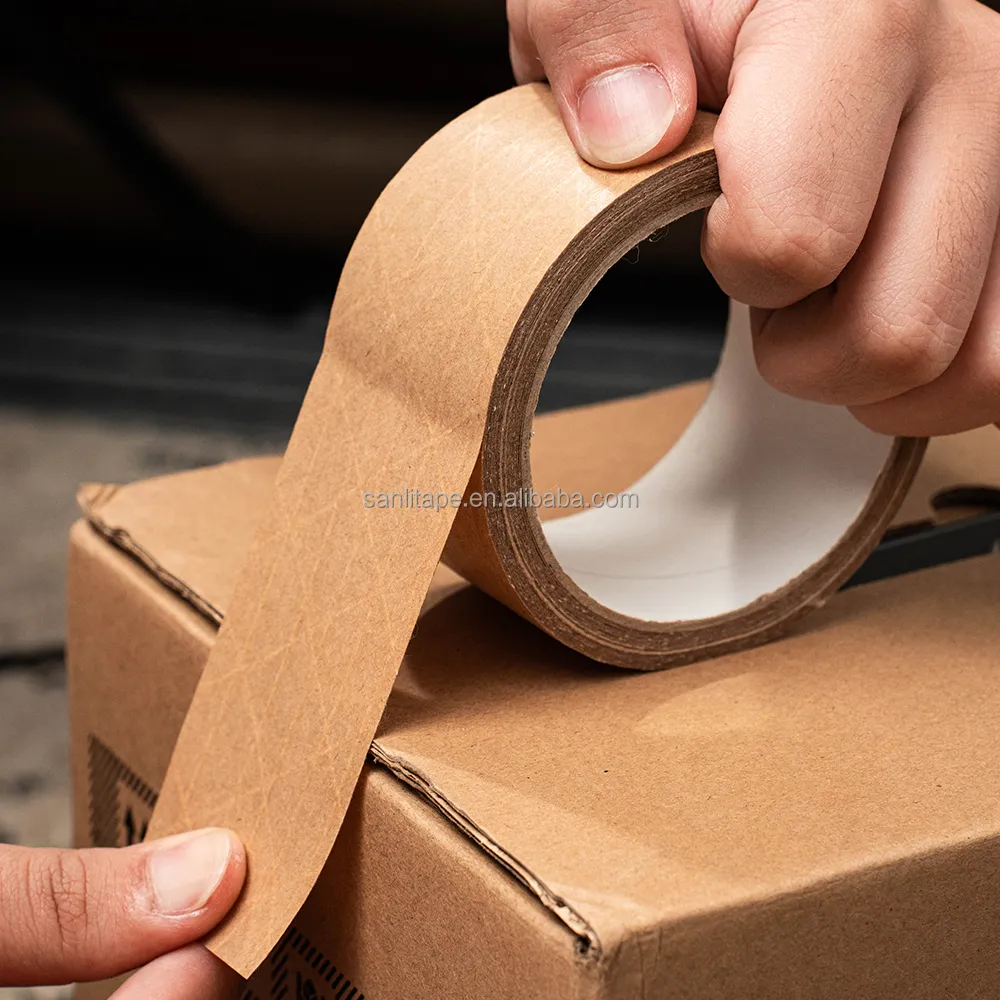 Water based reinforced kraft paper tape with water based adhesive and wire reinforcement for sealing boxes and packaging
 -
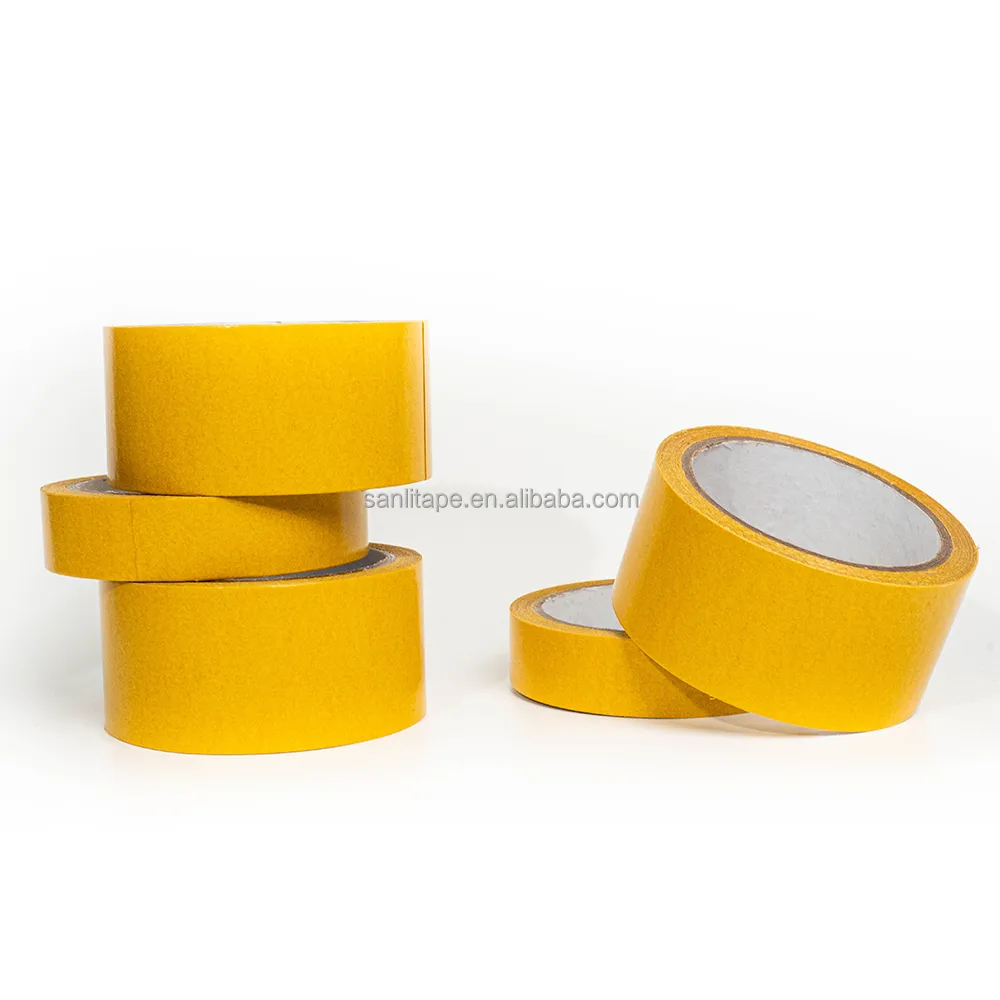 High Density Mesh Tape, High Viscosity, Double Sided Carpet Fastening Tape
 -
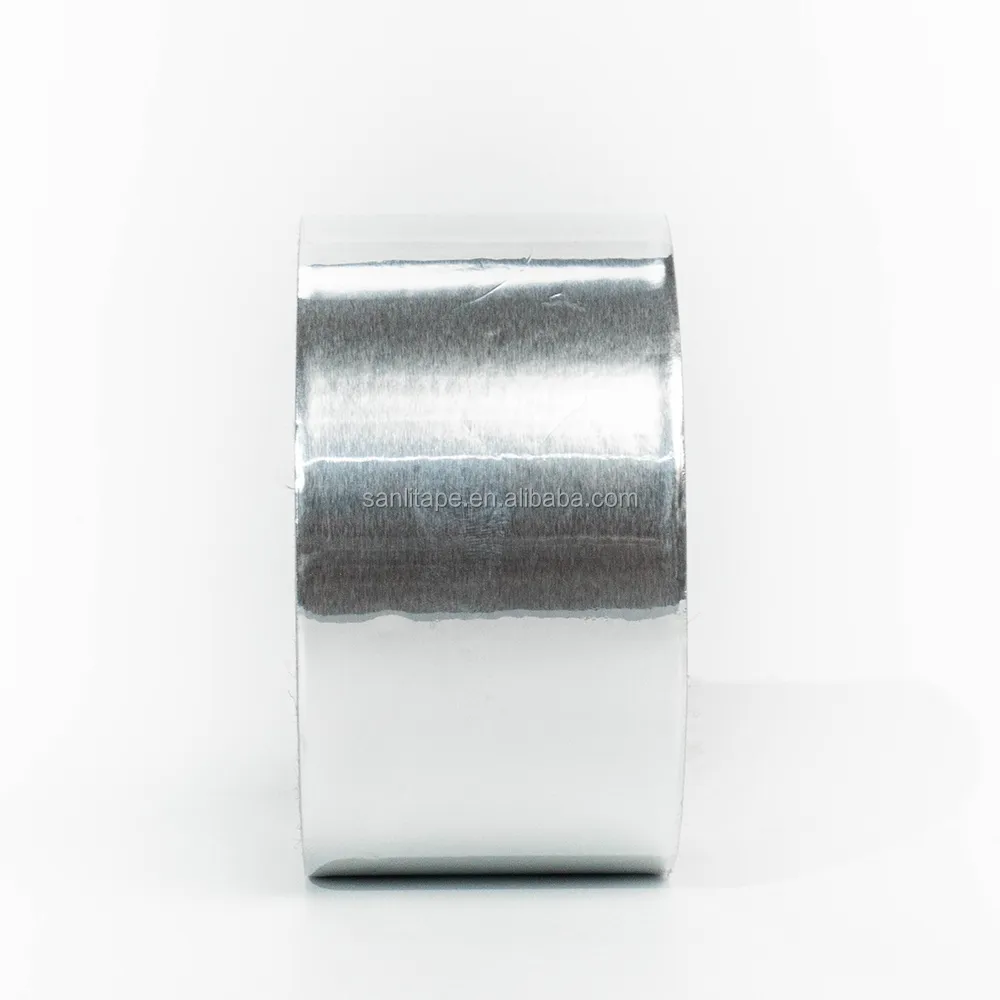 Temperature Resistant Aluminum Foil Tape
 -
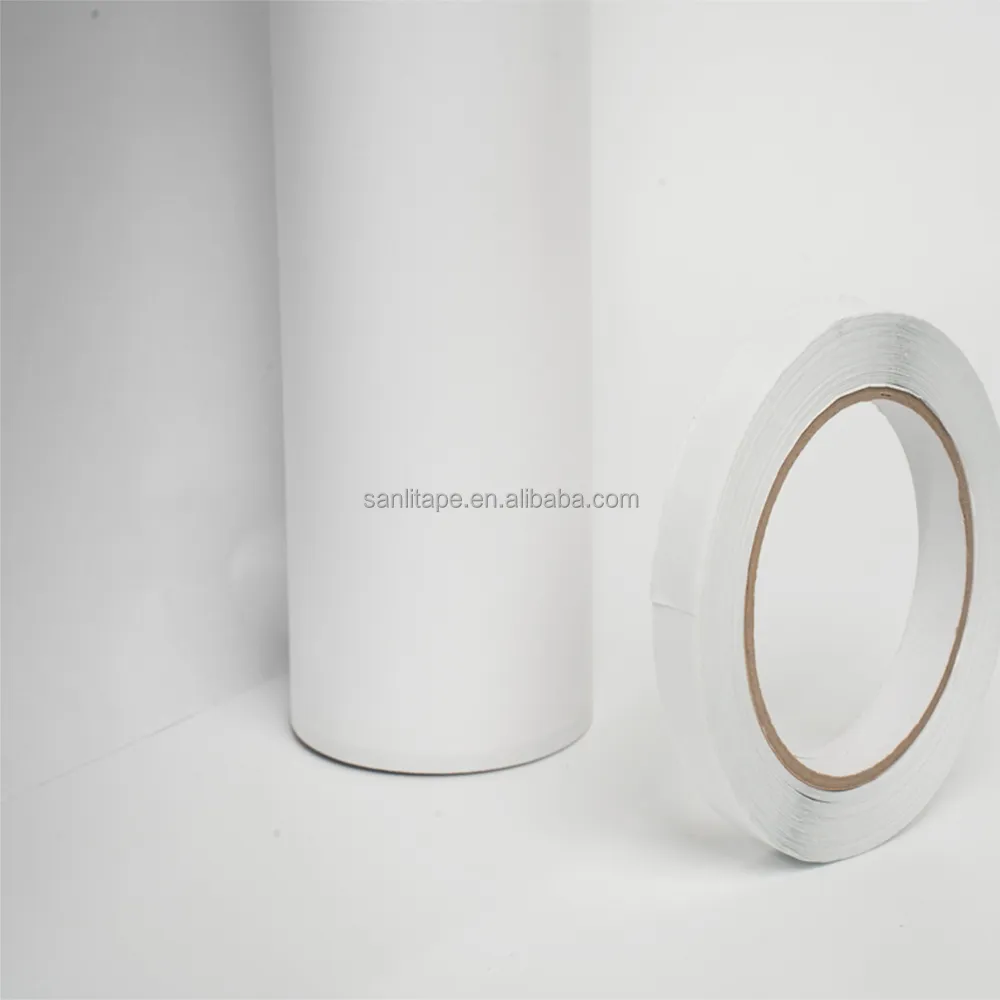 Single Sided Double Sided Backing Paper Double Sided Adhesive Tape PE Parchment Label Paper
 -
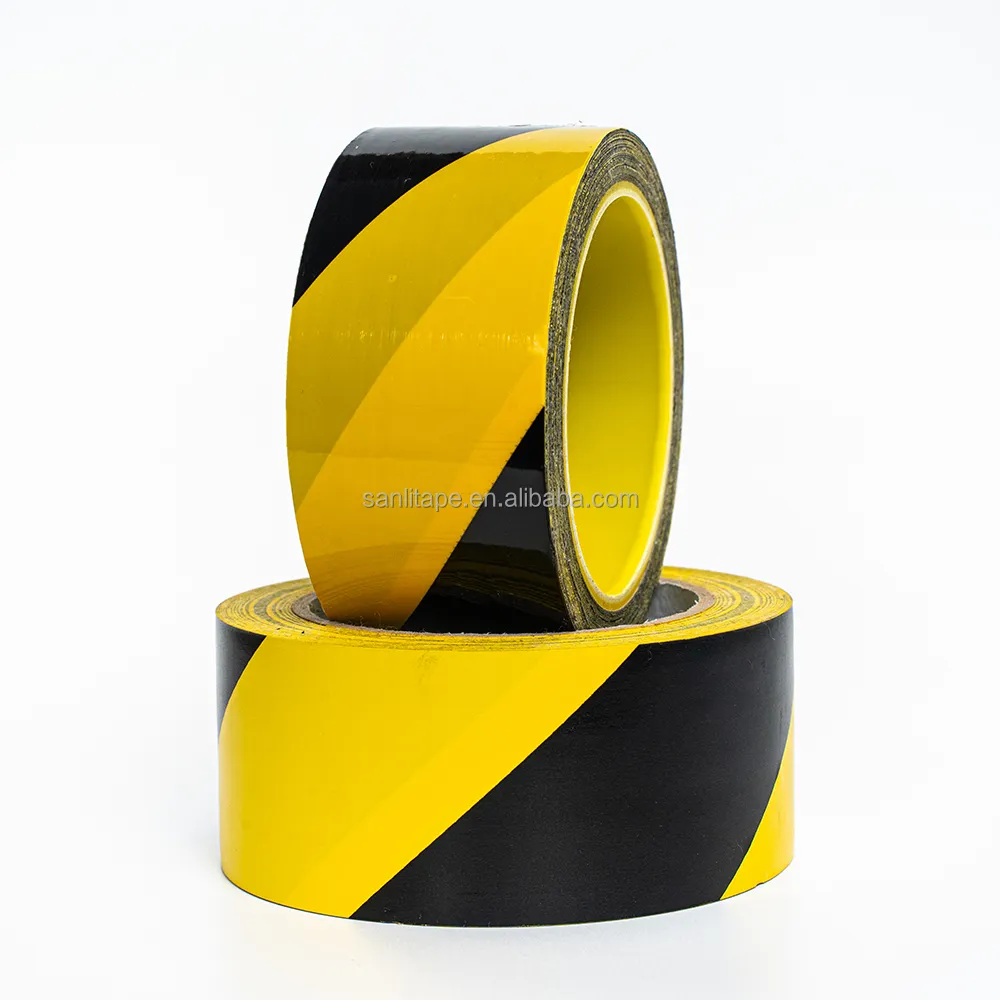 EVPEC Warning Tape for Marking PE Composite Floor Warning Tape Decorative Tape
 -
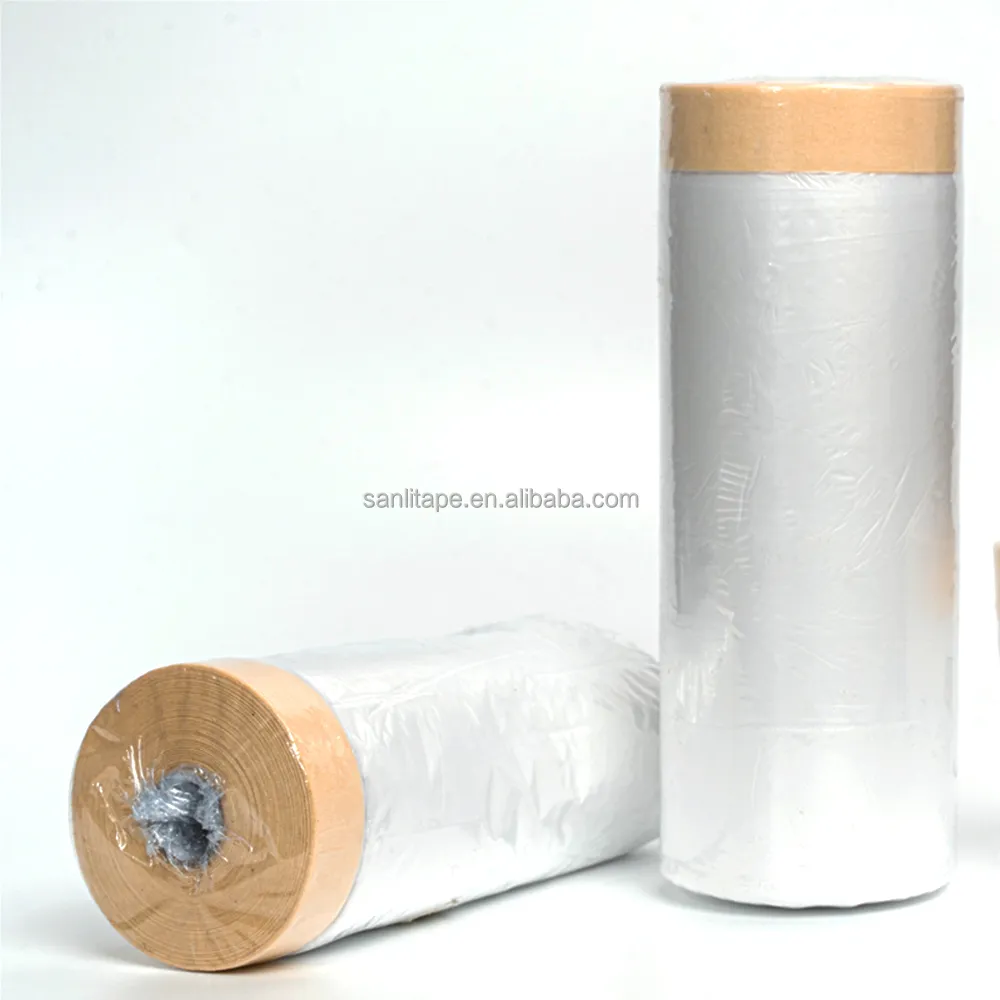 Paint Spray Anti Dust Film Clear Furniture Decoration Film Masking Tape Masking Tape Protective Film
 -
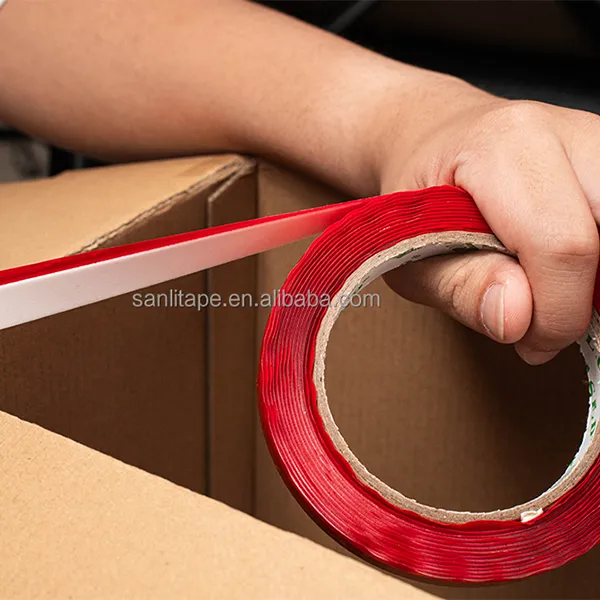 Packing tape with raised tape
Relatedsearch
Related Search- Double sided tape strong core buyer
- Double sided fabric tape adhesive price
- Double-sided adhesive tape black price
- Order double-sided tape for fastening heavy items wholesale
- Double-sided or double-sided tape factory
- Foam-based double-sided tape main buyer
- Order double-sided tape in China
- Anti-slip tape 50mm plants
- double-sided mounting adhesive tape 25 mm
- Strong double-sided tape manufacturers