




Double sided tape width factory
Many people think that choosing the widthdouble sided tape– a trivial task, determined only by general requirements for fixation. But believe me, the reality is much more complicated. Factory parameters, material features, operating conditions - all this directly affects the final result. The experience gained over the years of working with various types of adhesive tapes convinces us that there is no such thing as 'one size fits all'. Trying to fit everything into one size often leads to frustration and, as a result, increased processing costs.
General ideas about widthdouble sided tape
When a client asks for a “standard” width, they often mean 25mm or 50mm. These sizes are really popular and there is usually a wide range available. However, it should be understood that the 'standard' is only a starting point. For example, to fix thin plastic elements, you often need adhesive tape 10-12 mm wide, and for more massive parts - 75 mm or more. And here’s where the fun begins: it’s not always possible to simply choose a width that matches the size of the part. It is necessary to take into account the adhesive properties of the tape itself, its resistance to temperature changes, humidity and other factors.
We often encounter a situation where a customer needs adhesive tape of a certain width for a specific task, but does not realize that when using adhesive tape of a smaller width, the contact area will be smaller, and therefore the adhesion will be weaker. This can lead to peeling, especially under high stress or temperature changes. Conversely, a tape that is too wide can be overkill and even complicate the assembly process, especially if precise positioning of parts is required.
Factors influencing the choice of width
Choicedouble sided tapeis a comprehensive solution. You cannot consider only linear dimensions. The key factor is the weight and shape of the parts being connected. Heavier and more complex parts require a wider belt to distribute the load evenly. The shape of the parts also plays a role: to connect uneven surfaces, a larger width of tape may be needed to ensure sufficient adhesion area.
Don't forget about the materials that are combined. Polymers, metals, glass - each material has its own adhesive ability. Some materials require special adhesive tape, which may have a non-standard width. For example, we often work with the automotive industry, where various types of plastics and metals are used, requiring the selection of adhesive tape with certain characteristics. Sometimes this can be 30mm wide tape, specially designed for a specific brand of plastic.
Practical examples and mistakes
One day we received an order fordouble sided tape50 mm wide for fixing acrylic panels. The customer stated that this was the 'standard' width for this type of application. However, during testing it turned out that the tape begins to peel off when exposed to high humidity. Upon further analysis, we realized that the tape was used with a non-optimal adhesive composition for acrylic, and its width was only one of the factors influencing the result. The problem was not so much the width as the incompatibility of the glue and material. But it all started with the wrong choice of tape and its width.
Another common mistake is the desire to save money by using tape of a smaller width. This may be justified in some cases, but in most situations it results in reduced connection reliability. This is especially true for structures subject to vibration or temperature influences. In such cases, it is better to spend money on better quality tape that fits the width than to redo the entire structure later.
Technical aspects and manufacturer selection
It is important to understand that even tape of the same width can have different characteristics depending on the manufacturer. Different companies use different adhesive compositions, different base materials, which affects adhesion, heat resistance, chemical resistance and other parameters. Enping Sanli Adhesive LLC, our partner, offers a wide range ofdouble sided tapedifferent widths and with different characteristics. Their factory is located in Enping, Guangdong Province and they are constantly working to improve the quality of their products.
When choosing a manufacturer, it is necessary to take into account not only the price, but also the company’s reputation, the availability of quality certificates, as well as the possibility of obtaining technical support. Our experience shows that more expensive tapes are often more reliable and durable. But this is not always the case. The main thing is to choose adhesive tape that meets the requirements of a specific task.
Conclusions: towards an individual approach
In conclusion, I would like to emphasize that the choice of widthdouble sided tape– this is not a question of choosing a ready-made solution, but a task of selecting the optimal option for a specific application. Don't rely on general ideas and 'standards'. All factors must be taken into account: the weight and shape of the parts, materials, operating conditions, as well as the characteristics of the adhesive tape itself. An individual approach and careful attention to detail are the key to a reliable and durable connection.
Correspondingproducts
Related Products
Best Sellingproducts
Best Selling Products-
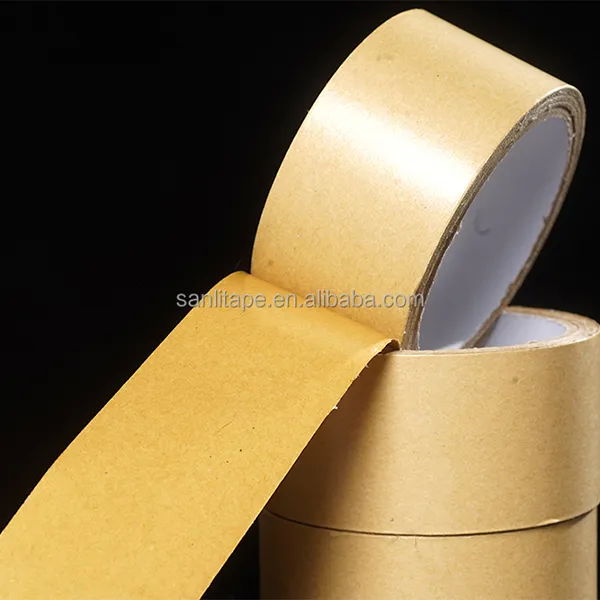 High Viscosity Kraft Paper Adhesive Tape Hand Tear Off Masking Sealing Packing Tape
 -
 Comb Paint Covers Anti-dust Transparent Furniture Decoration Film and Paper Masking Protective Film
 -
 Double-sided foam tape, strong adhesive, white and black EVA foam, installation, fastening, sealing, double-sided adhesive tape
 -
 Crack Resistant Fiberglass Mesh Adhesive Tape for Repairing Interior and Exterior Building Walls
 -
 Temperature Resistant Aluminum Foil Tape
 -
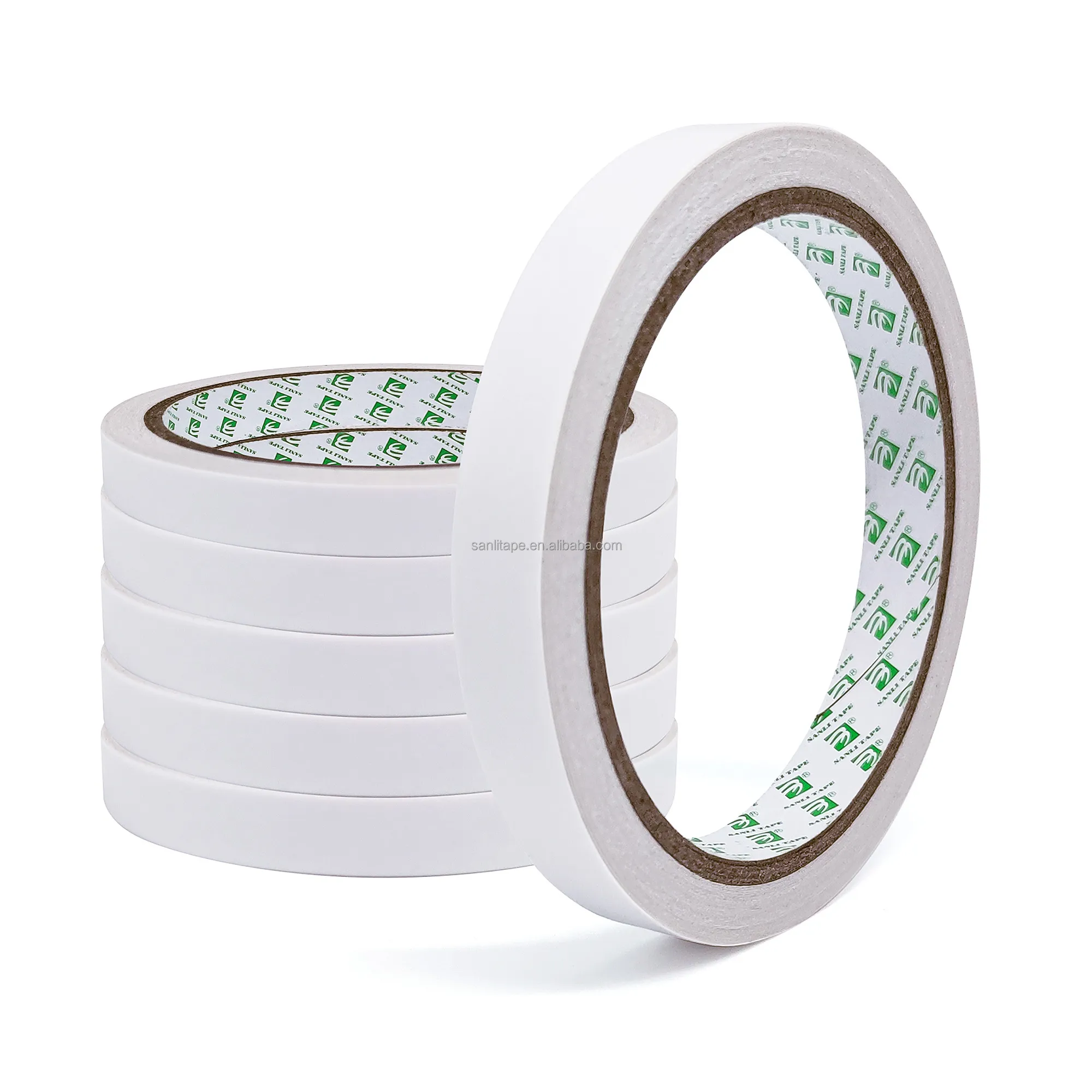 Double Sided Adhesive Tape, High Adhesive Cotton Paper Adhesive Tape, Clear Double Sided Adhesive Tape for Manual Office and Industrial Use
 -
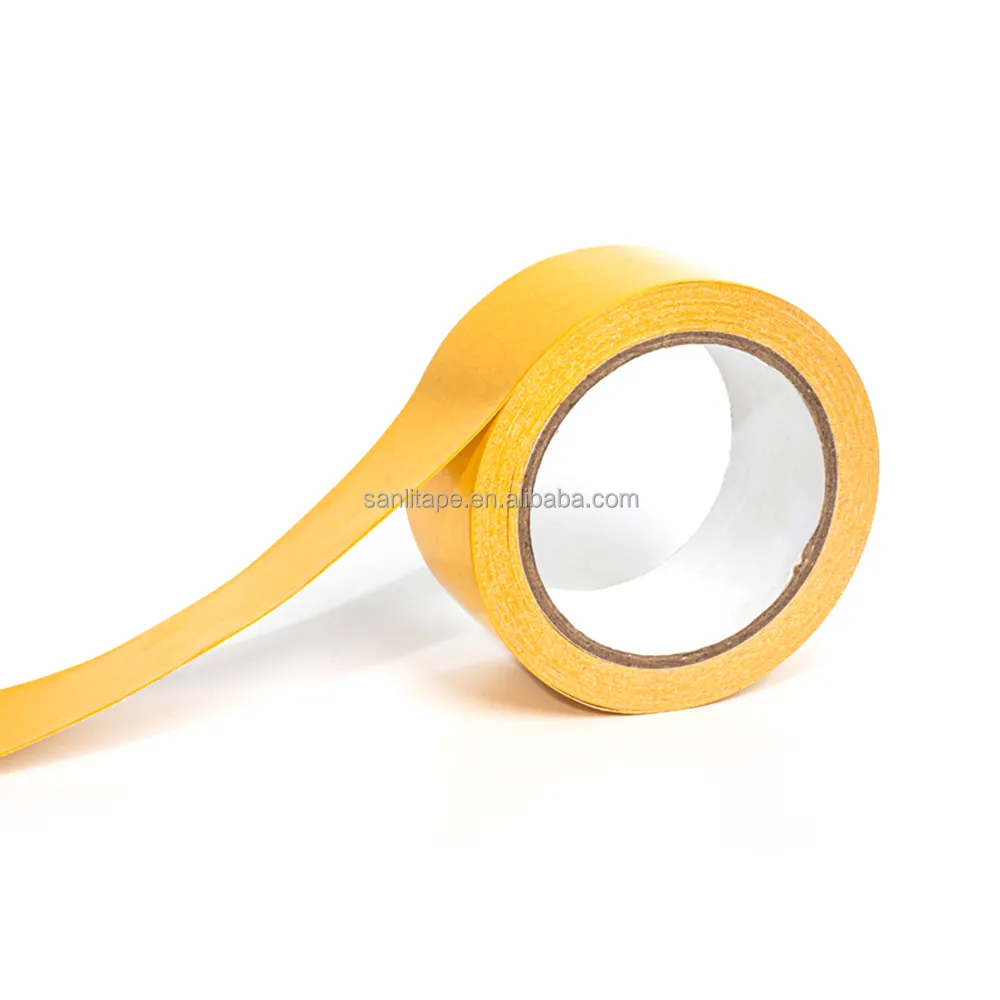 Double-sided fabric-based tapes with strong adhesion for attaching carpets, floor mats, sofa cushions and other items.
 -
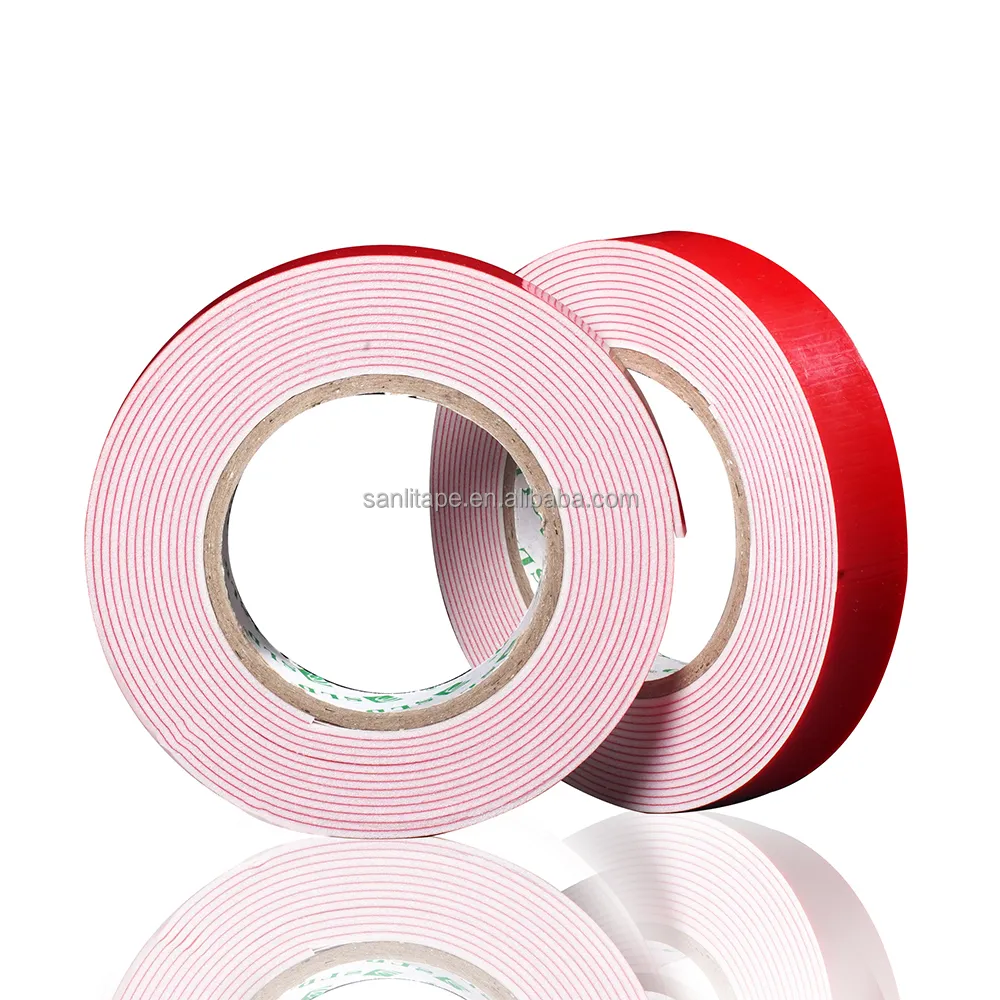 Double Sided Foam Tape High Density High Adhesion White and Black Double Sided Adhesive PE Foam Tape
 -
 Flexible and eco-friendly cotton paper white double-sided adhesive tape material, soft thin packaging material 14g, 18g, 20g.
 -
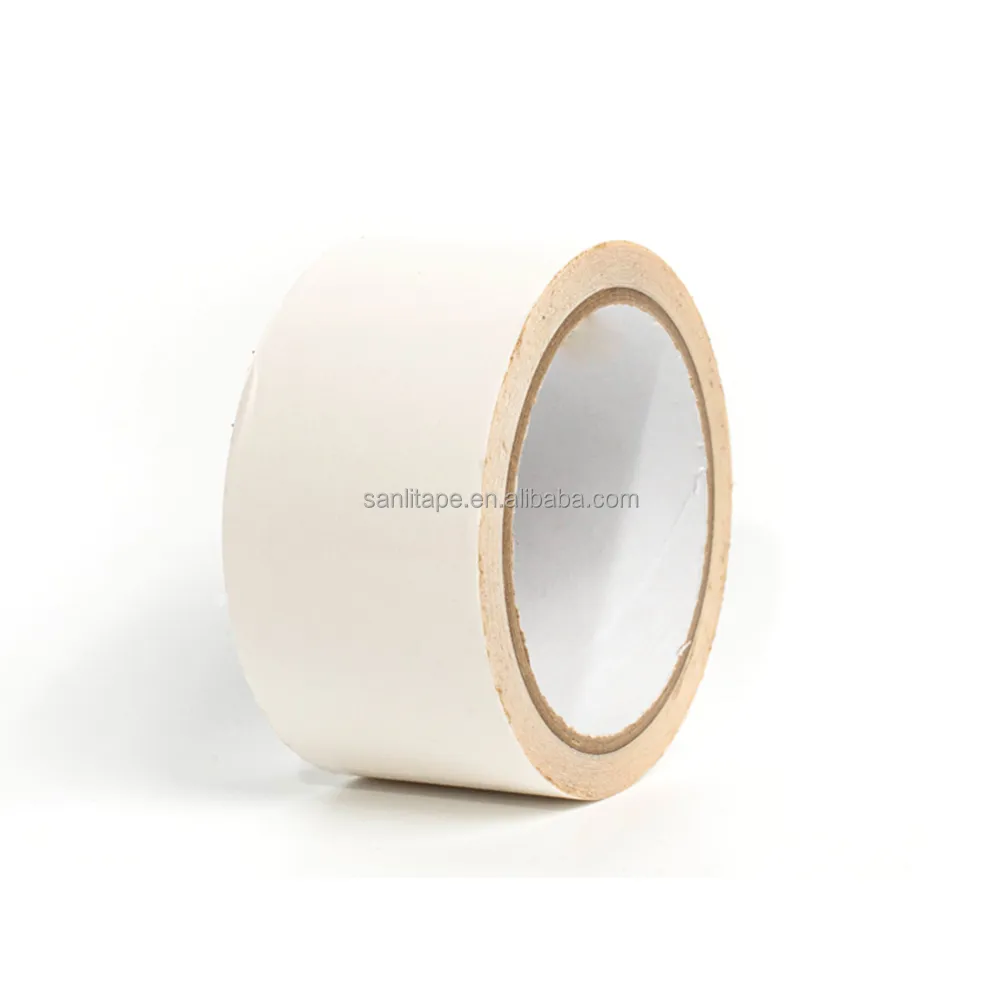 Immortal double-sided tape hardware equipment decorative parts with high insurance transparent tape
 -
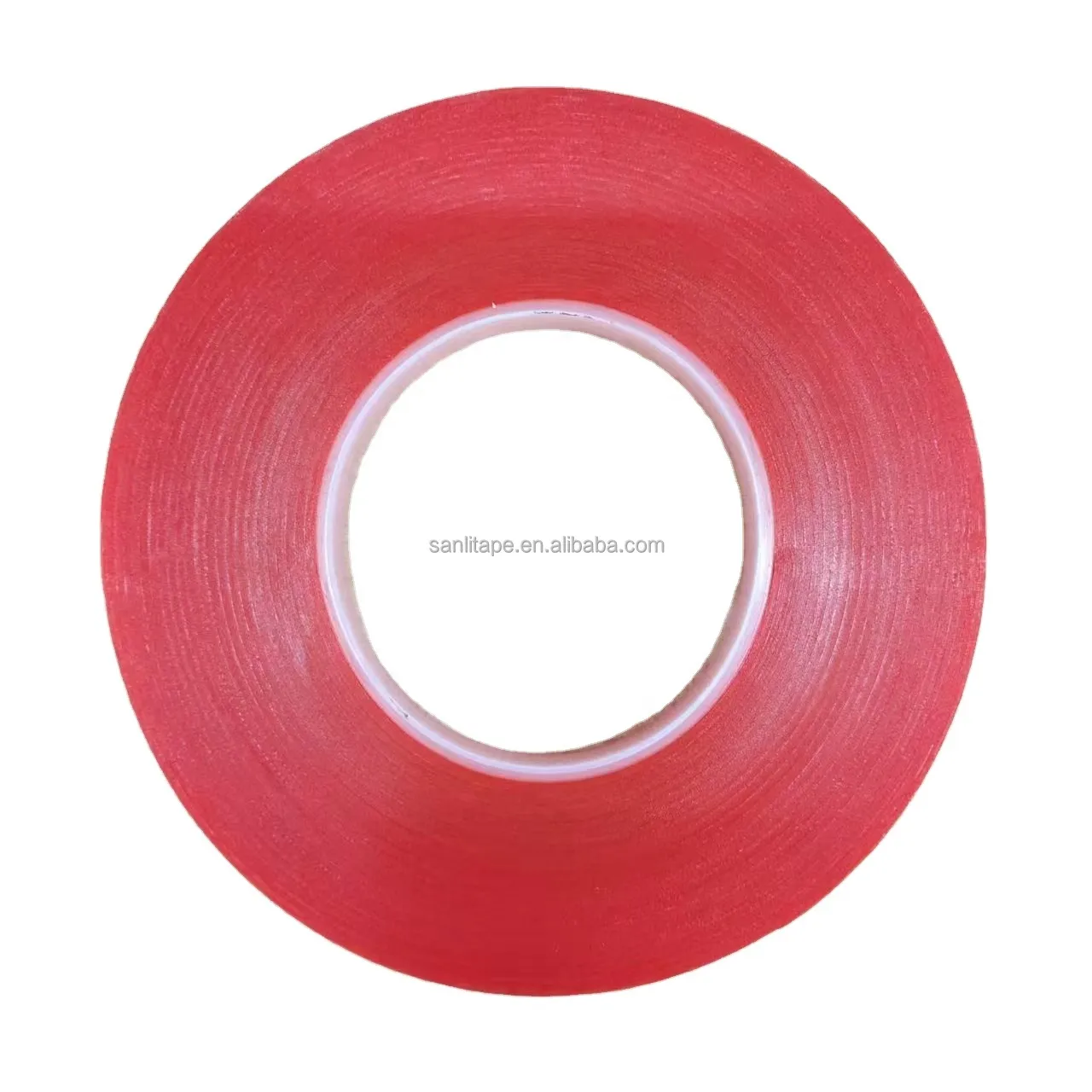 Red Film Durable Ultra Clear Double Sided Polyester Tape with High Temperature Acrylic Adhesive Double Sided PET Tape
 -
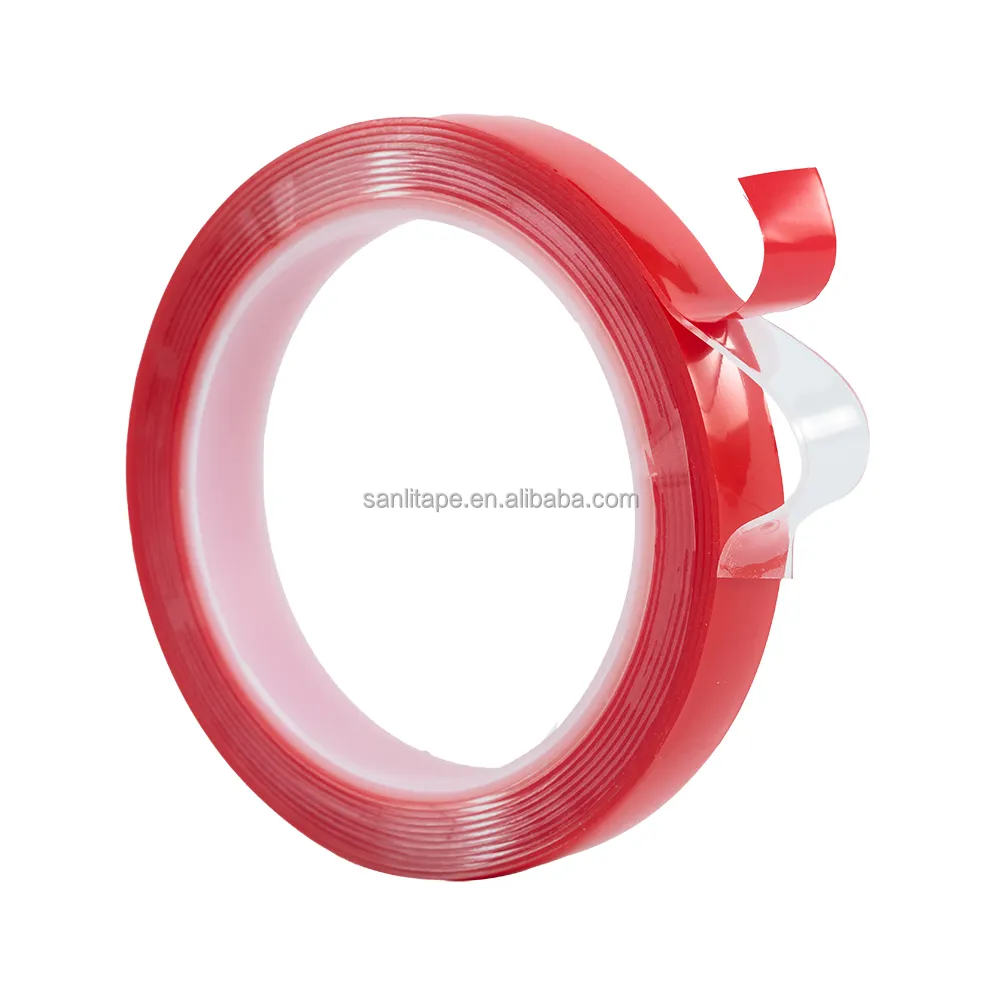 Heavy Duty Double Sided Adhesive Tape Waterproof Acrylic Foam Tape Gray Clear White
Relatedsearch
Related Search- Double sided tape 5m factory
- Acrylic double sided adhesive tape transparent factories
- Double-sided foam tape 3 mm thick manufacturers
- Anti-slip tape 50mm price
- Double-sided tape for attaching heavy objects factory
- Aluminum foil tape main buyer
- Double sided tape 3mm supplier
- Order white adhesive tape from China
- Double sided tape thickness manufacturers
- Construction double-sided tape price