




double-sided adhesive foam tape
Double-sided adhesive foam tape- This seems to be the most common type of adhesive product. They always use it, especially for advertising, for gluing light parts. But often, in practice, questions arise. For example, why does it sometimes adhere so poorly to certain surfaces, or why does it lose its properties when humidity is high? Many people think that it's just 'glue', but in fact, there are a lot of factors to consider. And this look is a little about what I understood during this time.
Review: What you need to know about foam adhesive tapes?
Let's decide right away.Double-sided adhesive foam tape– this is not just glue, it is a complex structure that combines the elasticity of the foam and the adhesive properties of the adhesive layer. Essentially, it is a compromise between flexibility and strength. The foam base provides good adhesion to uneven surfaces, and the adhesive layer provides bonding with other materials. The most commonly used is polyurethane glue, but there are other options - based on acrylate, silane glue, and so on. The choice of adhesive depends on the tasks and operating conditions.
We must not forget about the type of foam. There are different densities and foam compositions. Denser foam provides more strength but less flexibility. Softer foam adapts better to uneven surfaces, but may be less reliable. It is important to choose the right foam for a specific application, it’s like with wood - for heavy structures you need hard wood, and for decorative ones you need softer wood.
Adhesion Problems: Why Does the Tape Fall Off?
The most common problem is peeling. There can be many reasons. Firstly, the surface must be clean and free of grease. Even the slightest speck of dust or grease can significantly reduce adhesion. Secondly, the wrong choice of glue for the material. For example, polyurethane adhesive is not suitable for use on porous materials such as paper or fabric. Thirdly, temperature and humidity must be taken into account. At low temperatures, the glue becomes less plastic and loses its properties. And at high humidity, destruction of the adhesive bond can occur. I have seen examples where a tape that initially showed good results suffocated due to high humidity in the room - this is especially true for outdoor advertising.
Recently we encountered a problem when installing light boxes with acrylic material. The tape held on for a short time and then peeled off. I had to experiment with different types of adhesives and primers. It turned out that it was necessary to pre-treat the acrylic with a special primer to improve adhesion. This, of course, adds time and costs, but it ensures reliability.
Choice of adhesive layer: polyurethane vs. acrylate
The question often arises - which glue is better? Polyurethane adhesives have high elasticity and adhesion to a wide range of materials. They tolerate mechanical loads and temperature changes well. However, they have a disadvantage - curing time. Acrylates cure much faster, but their elasticity is lower. The choice depends on the specific task. Acrylate is quite suitable for temporary fixation or gluing of lightweight parts. And if you need reliability and durability, then it is better to choose polyurethane.
Real cases: what works and what doesn't
I remember one project - making an advertising stand from MDF. Initially we planned to use regulardouble-sided foam adhesive tape. But after test gluing, it was discovered that it does not adhere well to MDF. I had to replace it with a special tape with increased adhesion to MDF, and also treat the surface with primer. As a result, the rack lasted more than a year without any problems.
Another time we used tape to mount decorative elements on glass. We chose a tape based on silane adhesive. This was the right choice because silane adhesive has good adhesion to glass and is resistant to moisture. And the elements hold up perfectly, even with regular glass washing.
Underrated Factors: Surface Texture and Preparation
The effect of surface texture on adhesion is often overlooked. Smooth surfaces require more careful preparation than rough ones. It is necessary to thoroughly clean the surface of dirt and degrease it. Sometimes it is useful to lightly sand the surface to improve adhesion. It's like when painting - if the surface is not prepared, the paint can peel off.
And don’t forget about the correct temperature when applying. Temperatures that are too low can impair adhesion, while temperatures that are too high can cause the tape to deform. It is best to apply the tape at room temperature.
Conclusion: An experienced look at a versatile product
Double-sided adhesive foam tapeis a universal product that can solve many problems. But to achieve optimal results, many factors must be taken into account - surface type, foam type, adhesive type, temperature and humidity. And you should not skimp on surface preparation - this is the key to reliable adhesion. In my opinion, this is not just 'glue', it is a whole complex of solutions that requires understanding and experience. Enping Sanli Adhesive LLC, as a manufacturer, always pays attention to quality and technology in order to offer our customers the optimal solutions for their needs. [https://www.sanlitape.ru](https://www.sanlitape.ru)
Correspondingproducts
Related Products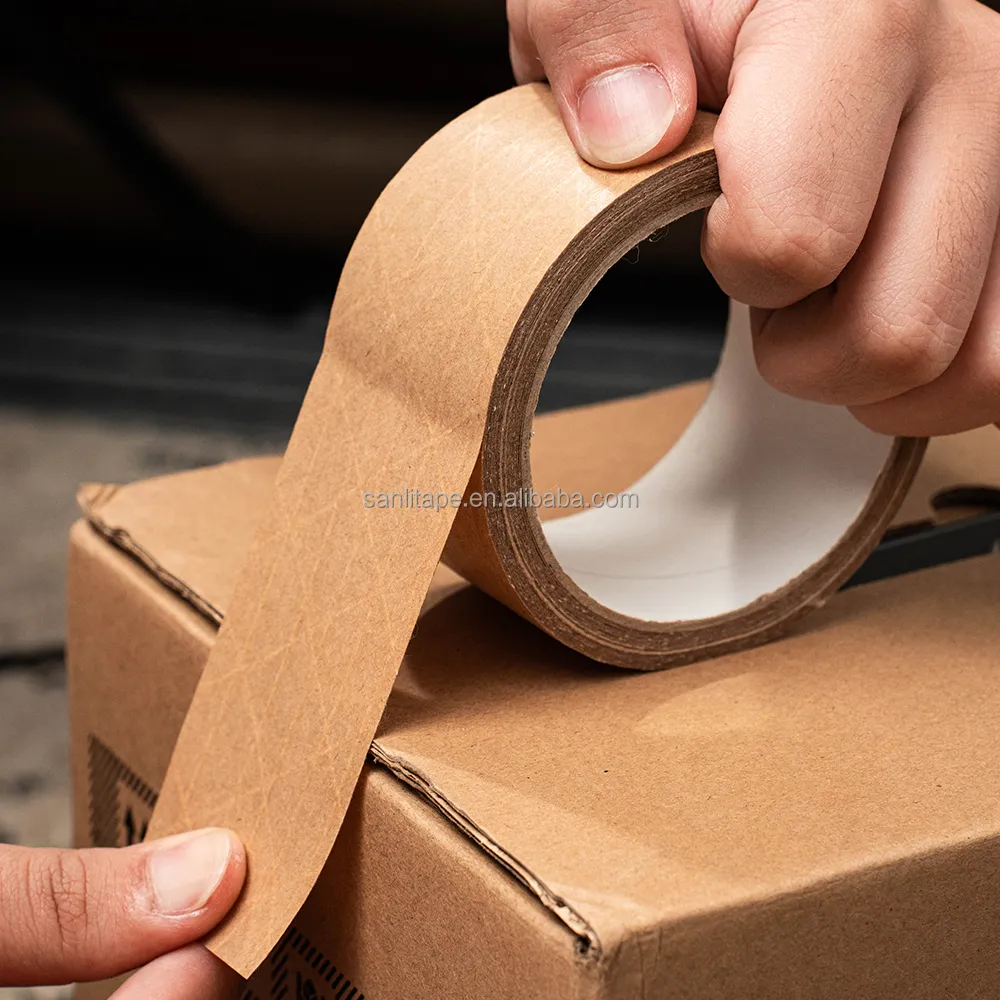
Best Sellingproducts
Best Selling Products-
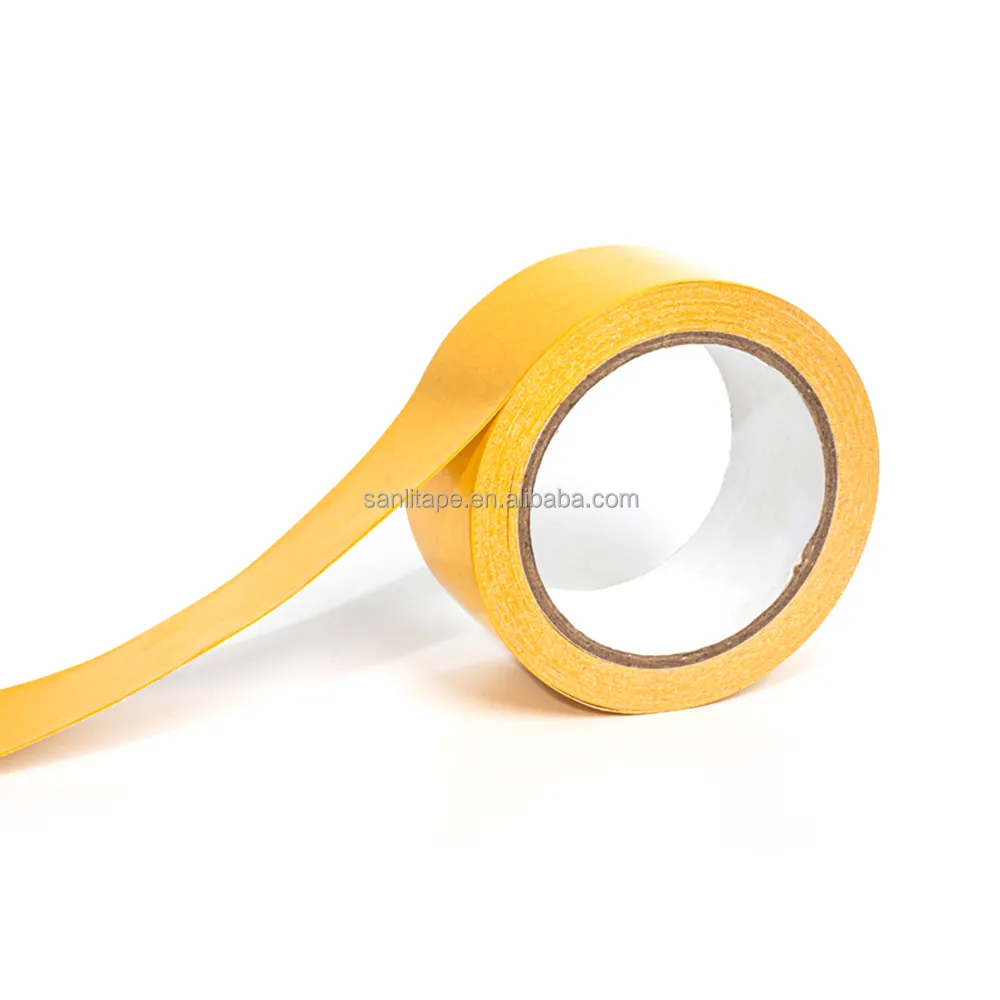 Double-sided fabric-based tapes with strong adhesion for attaching carpets, floor mats, sofa cushions and other items.
 -
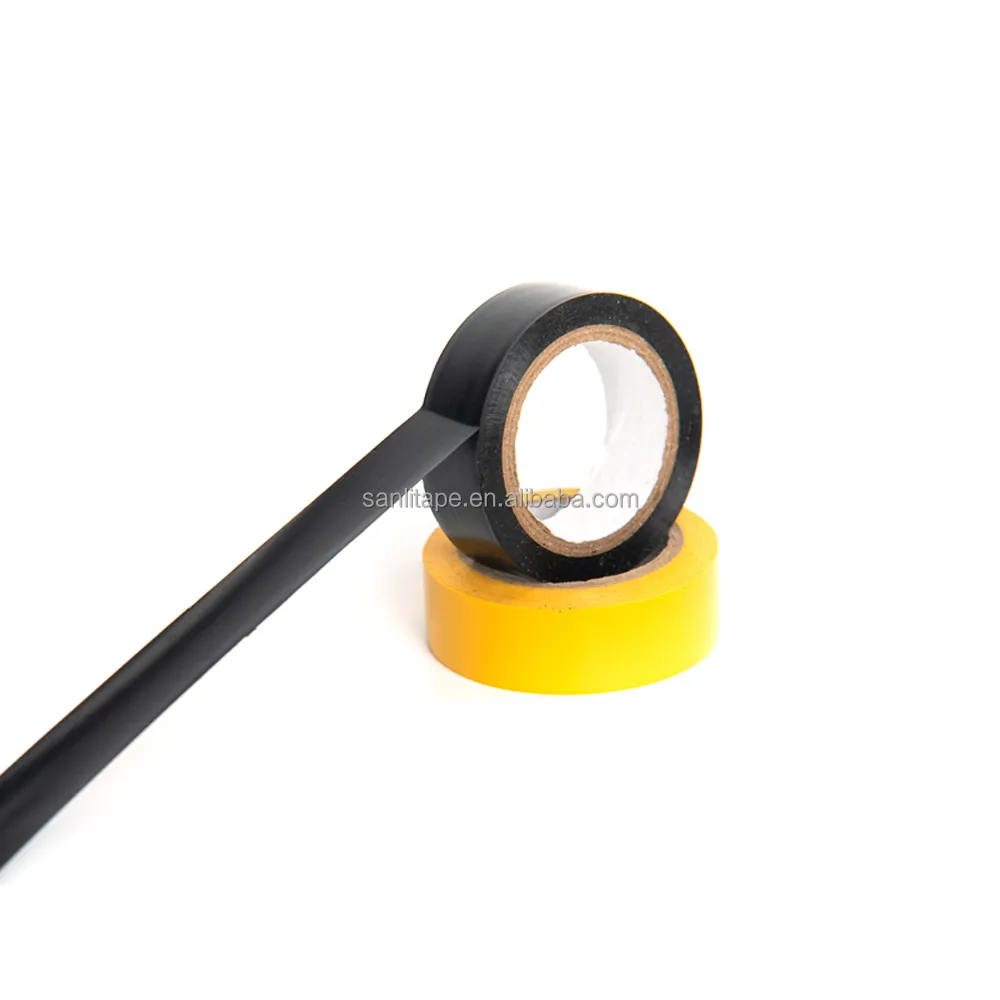 Waterproof Black Color PVC Insulation Tape Wrap Insulated Electrical Tape with High Viscosity
 -
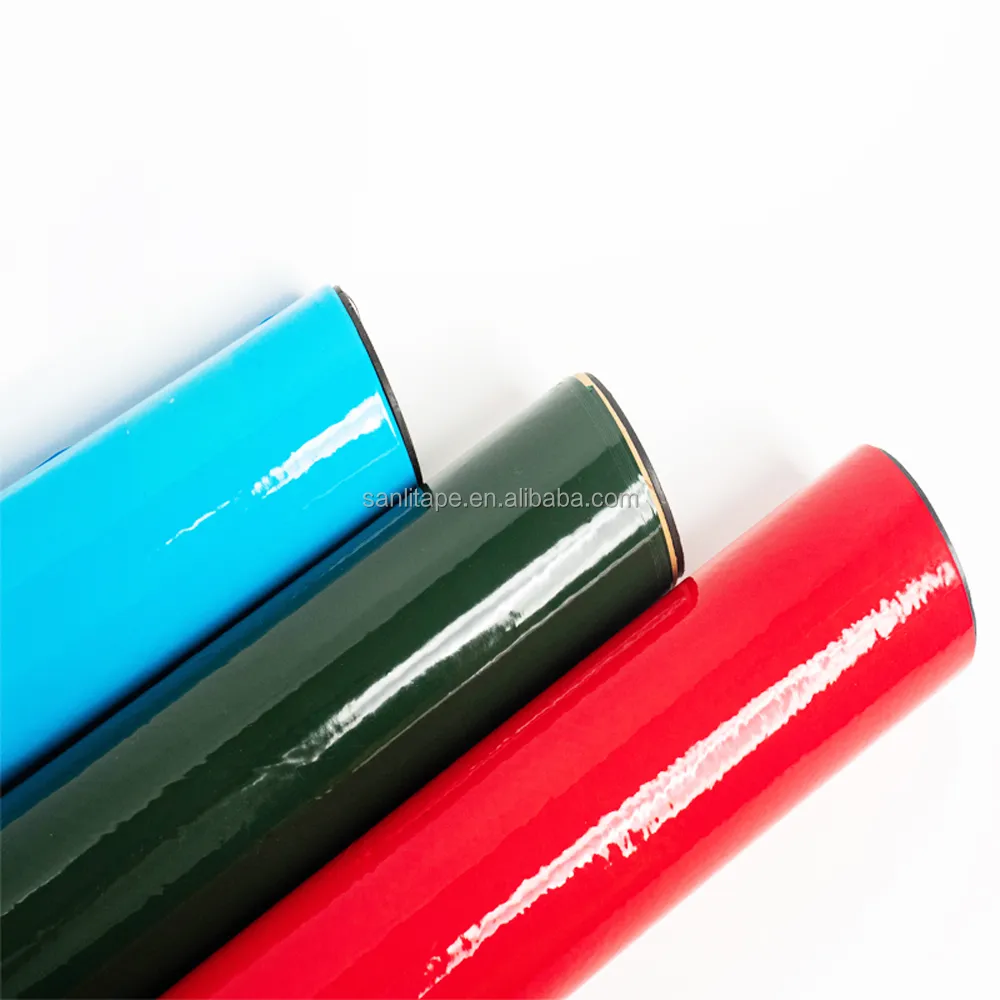 Anti-adhesive coated PE film used for printing on double-sided adhesive foam tape insulation film
 -
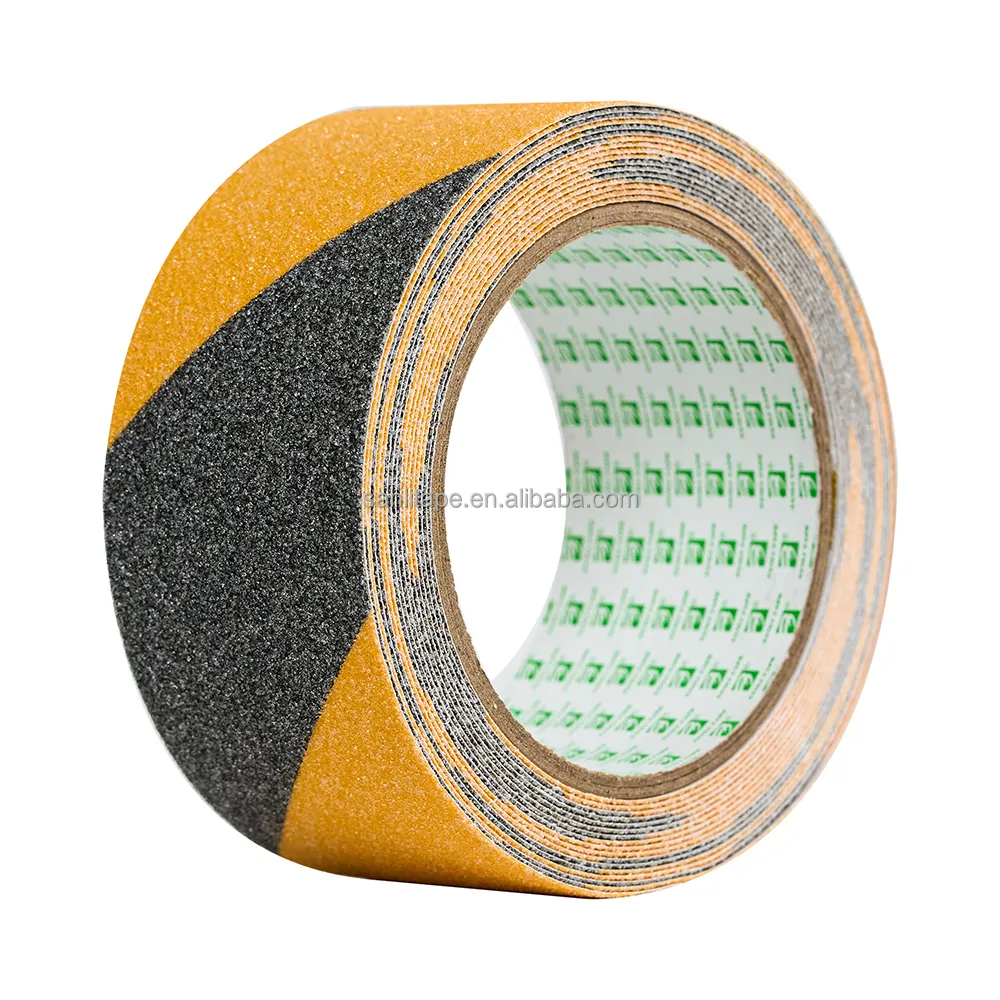
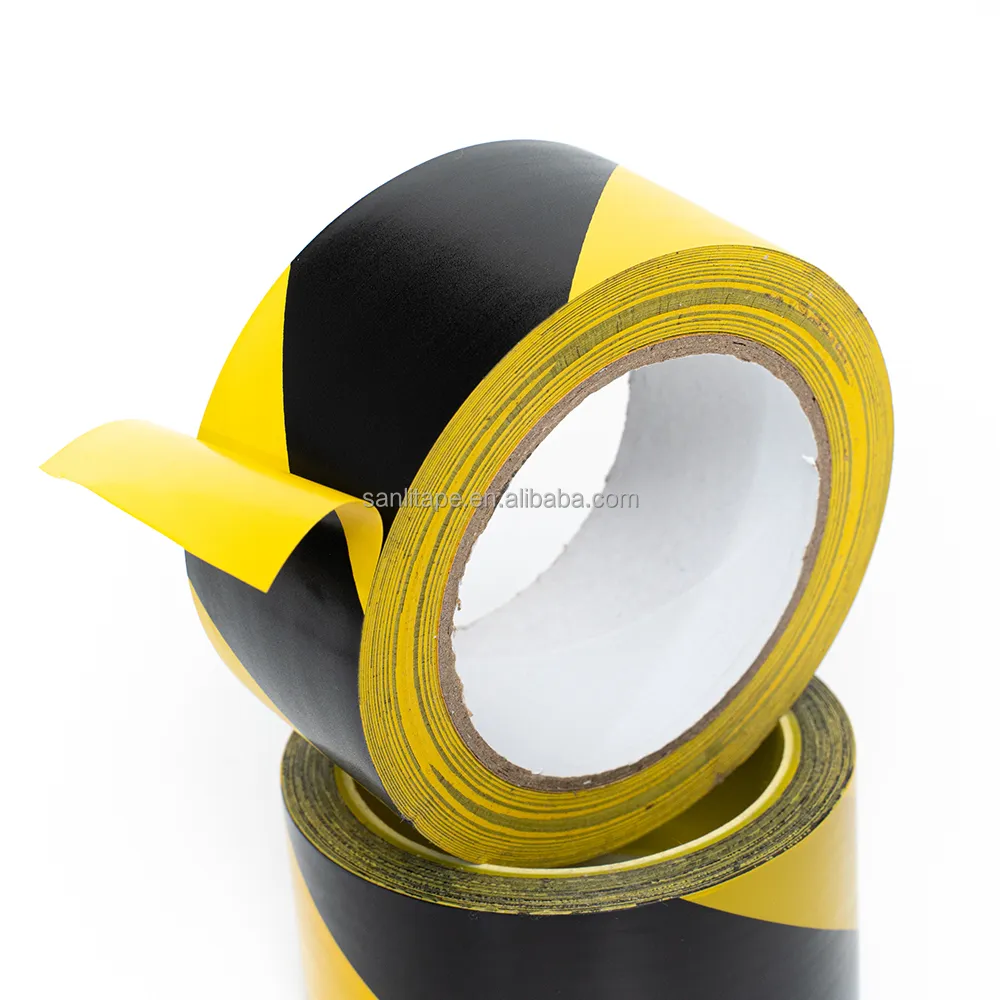 PVC Warning Tape Marking Warning Tape Decorative Floor Tape
 -
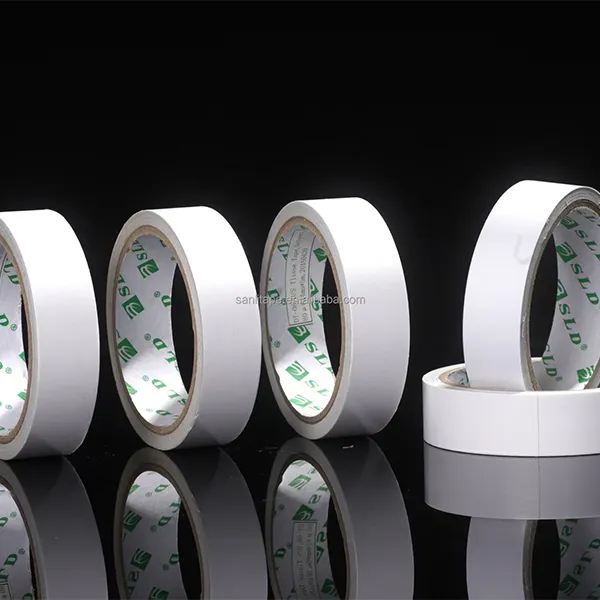 Thin Double Sided Adhesive Tape Clear PET Polyester Film Adhesive Tape Installation and Fastening of Industrial Parts Die-Cut Double Sided Adhesive Tape
 -
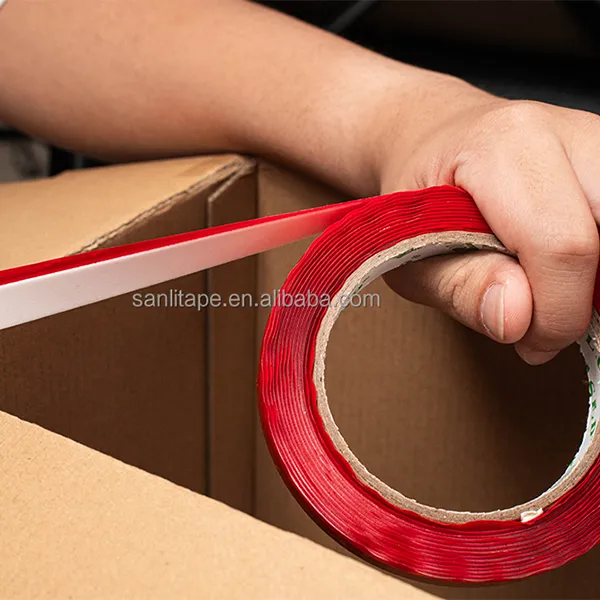 Packing tape with raised tape
 -
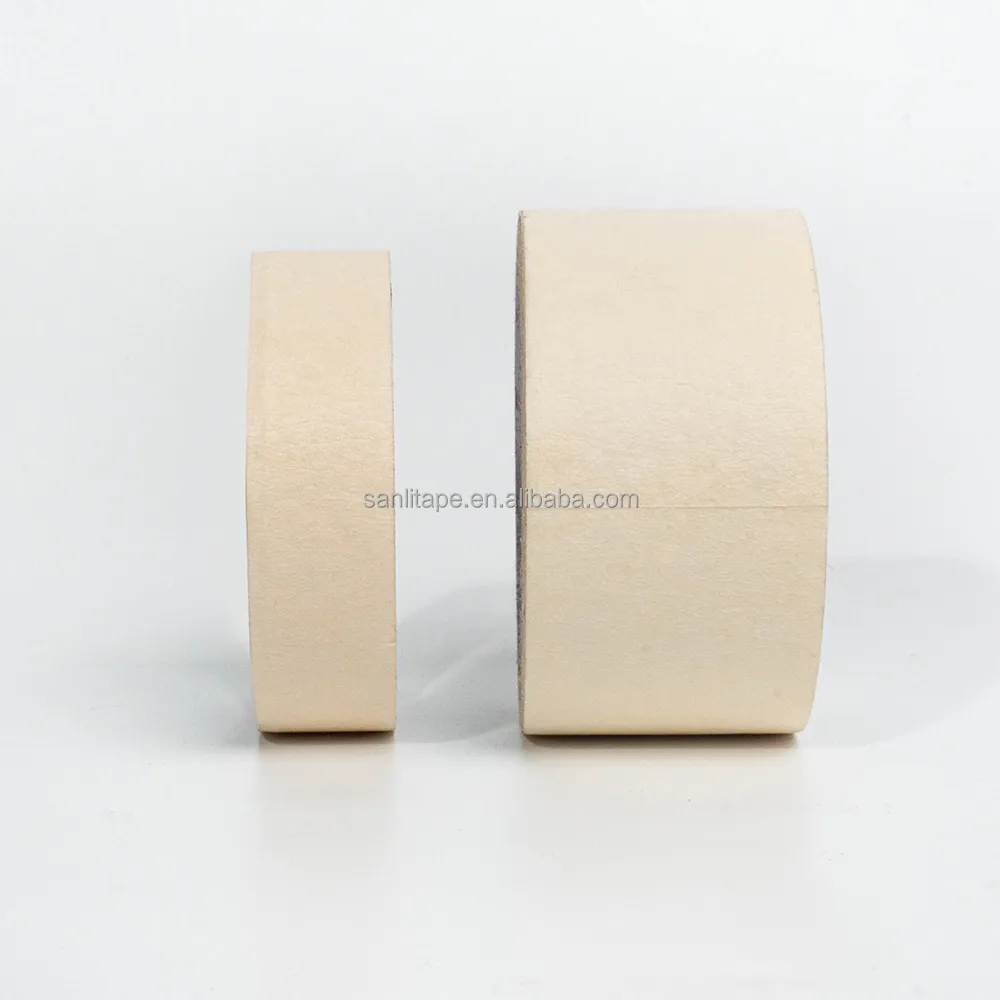
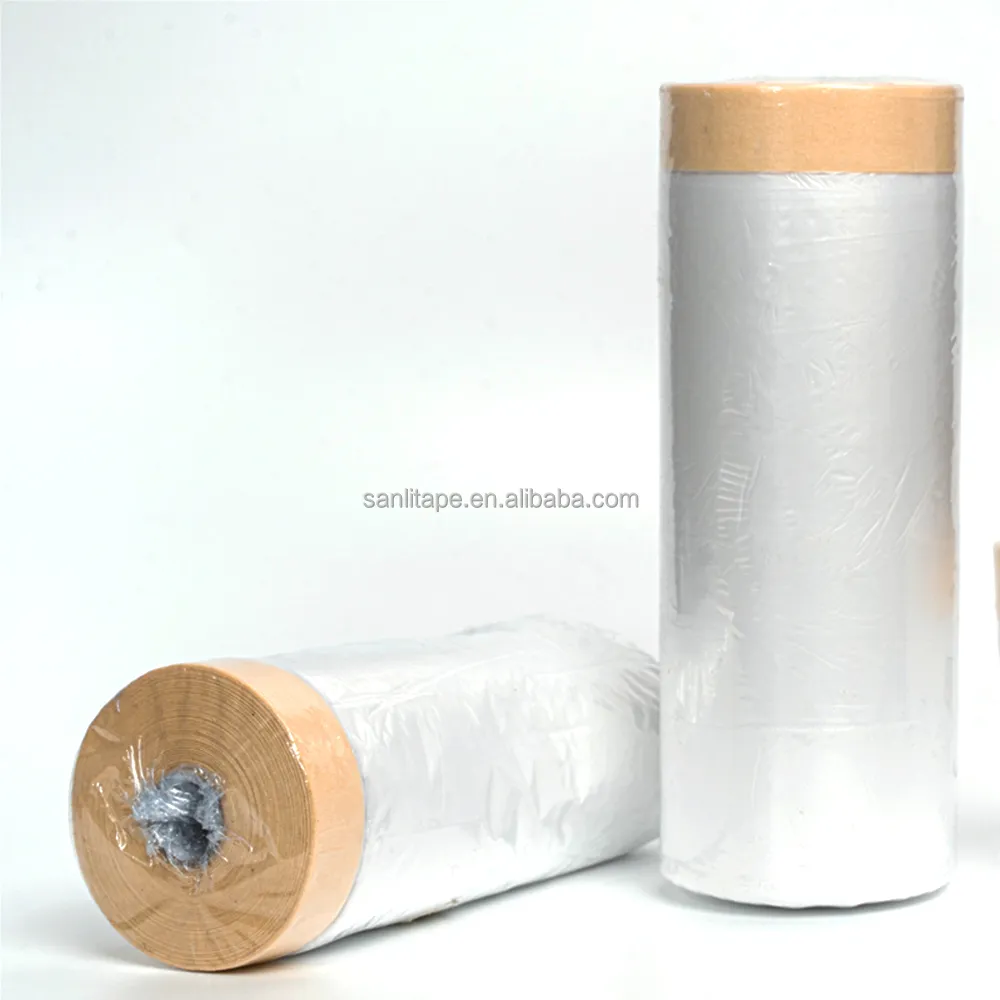 Paint Spray Anti Dust Film Clear Furniture Decoration Film Masking Tape Masking Tape Protective Film
 -
 Single Sided Double Sided Backing Paper Double Sided Adhesive Tape PE Parchment Label Paper
 -
 Double-sided foam tape, strong adhesive, white and black EVA foam, installation, fastening, sealing, double-sided adhesive tape
 -
 Double Sided Adhesive Tape, High Adhesive Cotton Paper Adhesive Tape, Clear Double Sided Adhesive Tape for Manual Office and Industrial Use
 -
 Immortal double-sided tape hardware equipment decorative parts with high insurance transparent tape
 -
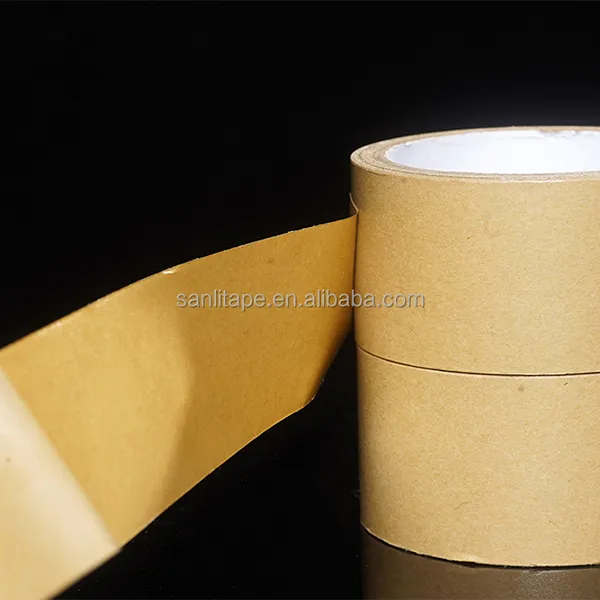 Waterproof Kraft Paper Adhesive Tape Water-based packaging tape with high adhesion for reliable sealing
Relatedsearch
Related Search- Double-sided adhesive tape 19 price
- Double sided adhesive tape vhb tape 3m main buyer
- Double Sided Adhesive Polypropylene Tape Supplier
- Adhesive double sided nano tape factory
- Double-sided tape for fastening manufacturer
- Double sided tape pvc supplier
- Anti-slip tape supplier
- Double sided tape vhb factory
- Double sided tape 3 m factories
- Automotive double-sided tape main buyer