




double sided adhesive tape 3mm
I’ll say right away that there are a lot of people when choosingdouble sided adhesive tape 3 mmThey think it's a one-size-fits-all solution. Sometimes this is true, of course. But, as with any glue, there are nuances. You see, it's not just a thin layer of glue on two sides of the paper. What is important is the base itself, adhesive strength, and resistance to environmental factors. And 3 mm is not always the optimal choice. I have come across situations many times when thinner or thicker was much better.
What does '3mm' actually mean?
The first thing that catches your eye is the thickness. Often when they talk aboutdouble-sided adhesive tape 3 mm, imply a general profile, including precisely the sticky surface and paper. But this is not always the case. There are tapes where the glue layer is 3 mm, and the base can be much thinner. Conversely, the base can be thicker and the glue thinner. This is critical because thickness affects joint strength, elasticity and, of course, placement. For example, if you need to glue two uneven surfaces, then a thicker tape can better fill microcracks.
Often sellers do not clarify what exactly they mean by '3 mm', and you have to clarify to avoid disappointment. This, you know, is not the best sign.
What materials are best for 3mm tape?
The type of material that needs to be glued plays a huge role. Plastic, glass, wood, textiles - each requires its own type of glue. For example, for polypropylene and polyethylene the usualdouble sided tape 3 mmalmost won't fit. You need a special adhesive designed for these materials, often acrylic or silicone based. In this regard, I recently worked on a project to produce advertising materials for a shopping center. We needed to glue plastic panels with fabric inserts. After several unsuccessful attempts with the usualdouble-sided tape 3 mm, we switched to tape with a stronger polyurethane based adhesive. The result was much better - the joints withstood significant loads and did not peel off over time.
Sometimes it is not even the type of glue itself, but its composition that determines the success of gluing. For example, tapes with added antistatic components are excellent for bonding electronics and other static-sensitive materials.
Adhesion problems and how to avoid them
One of the most common problems is poor adhesion. Most often this is due to the wrong choice of glue or insufficient surface preparation. The surface must be clean, dry and free of grease. Insufficient cleaning or the presence of dust and dirt will significantly reduce adhesive strength. In one project, we once encountered the problem of gluing two panels of laminated fiberboard. It turned out that the surface of the panels was covered with a thin layer of wax from transportation. We thoroughly washed the surfaces before gluing, and the result improved significantly.
It is also important to consider the temperature and humidity of the environment. The adhesive may not adhere as well at low temperatures or high humidity. Sometimes even small temperature fluctuations can affect the strength of the connection. I always recommend doing a test gluing of small fragments to make sure the connection is secure.
Experience working with various labels and manufacturers
In my practice, I worked with tapes of different manufacturers and markings. Some of them give out very high characteristics, but in reality the quality is not so high. For example, I have repeatedly encountered tapes that 'stick together' over time, especially when exposed to sunlight or heat. Sometimes this happens due to the poor quality of the glue components, and sometimes due to incorrect production technology. When choosing a tape, it is important to pay attention not only to the characteristics specified by the manufacturer, but also to reviews from other users.
Enping Sanli Adhesive LLC, for example, produces quite high-qualitydouble sided adhesive tapes, includingdouble-sided adhesive tape 3 mm. They have a fairly wide range, and you can find tape for different materials and operating conditions. At the same time, you should not blindly trust the brand; you should always conduct testing.
Alternatives and additional options
Sometimesdouble sided adhesive tape 3mm- not the best choice. In such cases, other bonding methods can be used, such as jet adhesive, epoxy adhesives or mechanical joints. The choice of method depends on the type of materials, operating conditions and the required joint strength.
By the way, there are specialdouble-sided adhesive tapes 3 mmwith various coatings. For example, there are tapes with a protective layer that prevents the adhesive from fading or being damaged. There are tapes with an anti-corrosion coating that are suitable for gluing metal surfaces. It is important to take these features into account when choosing a tape.
Correspondingproducts
Related Products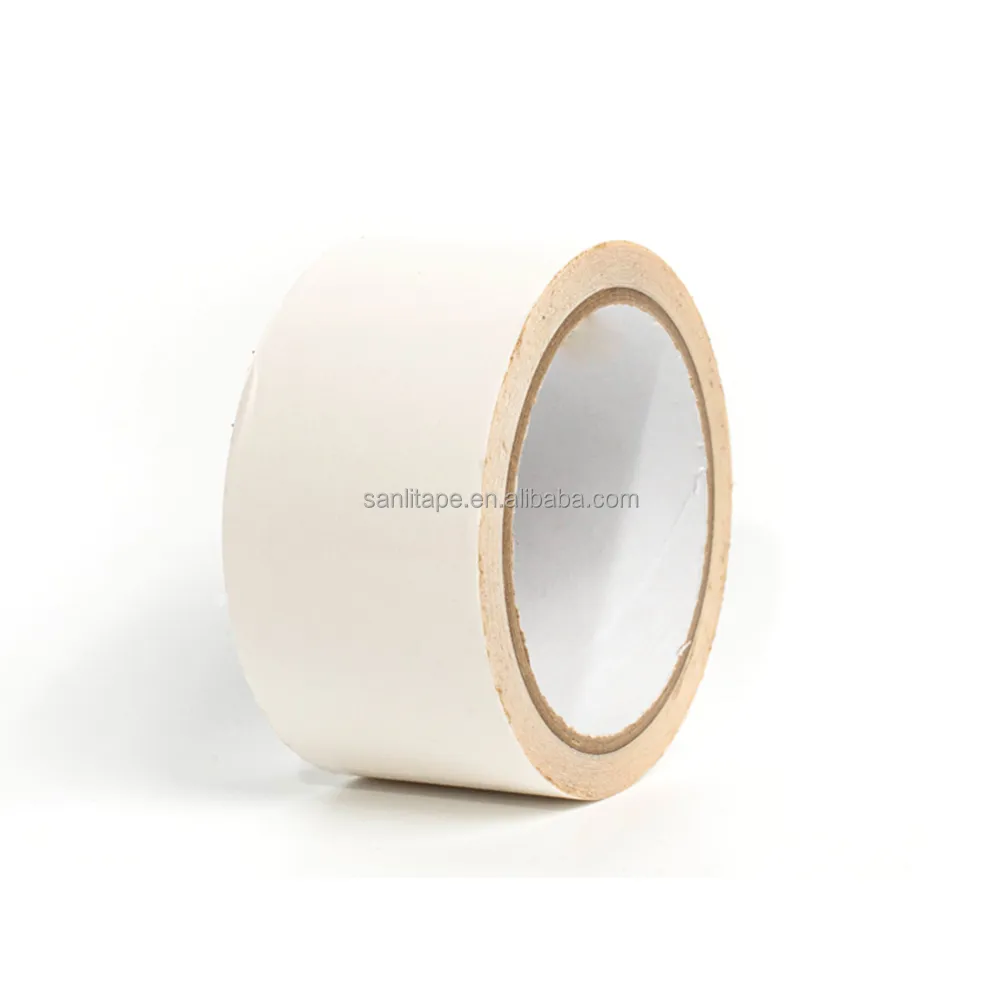
Best Sellingproducts
Best Selling Products-
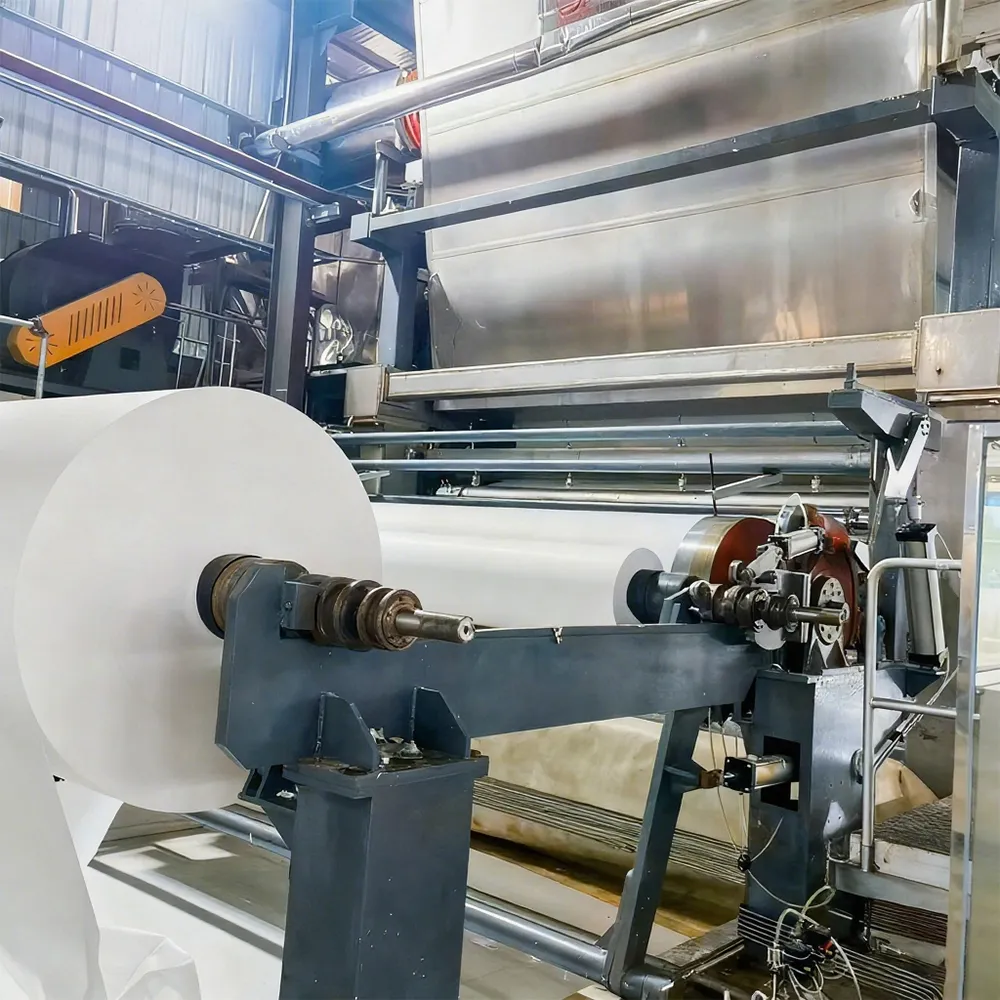 Flexible and eco-friendly cotton paper white double-sided adhesive tape material, soft thin packaging material 14g, 18g, 20g.
 -
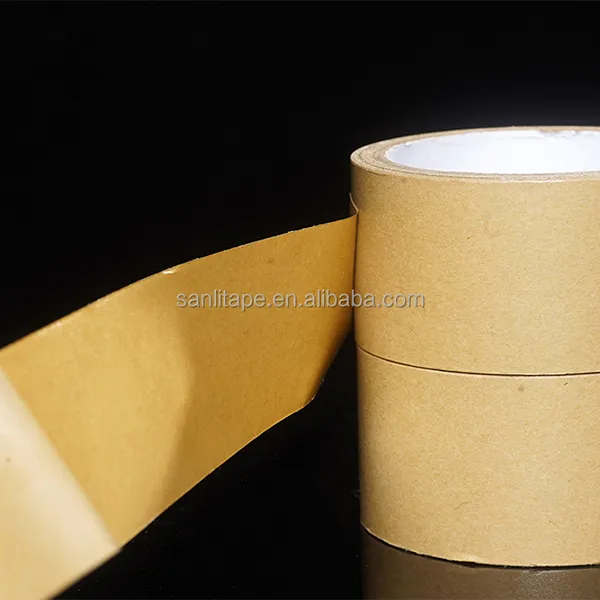 Waterproof Kraft Paper Adhesive Tape Water-based packaging tape with high adhesion for reliable sealing
 -
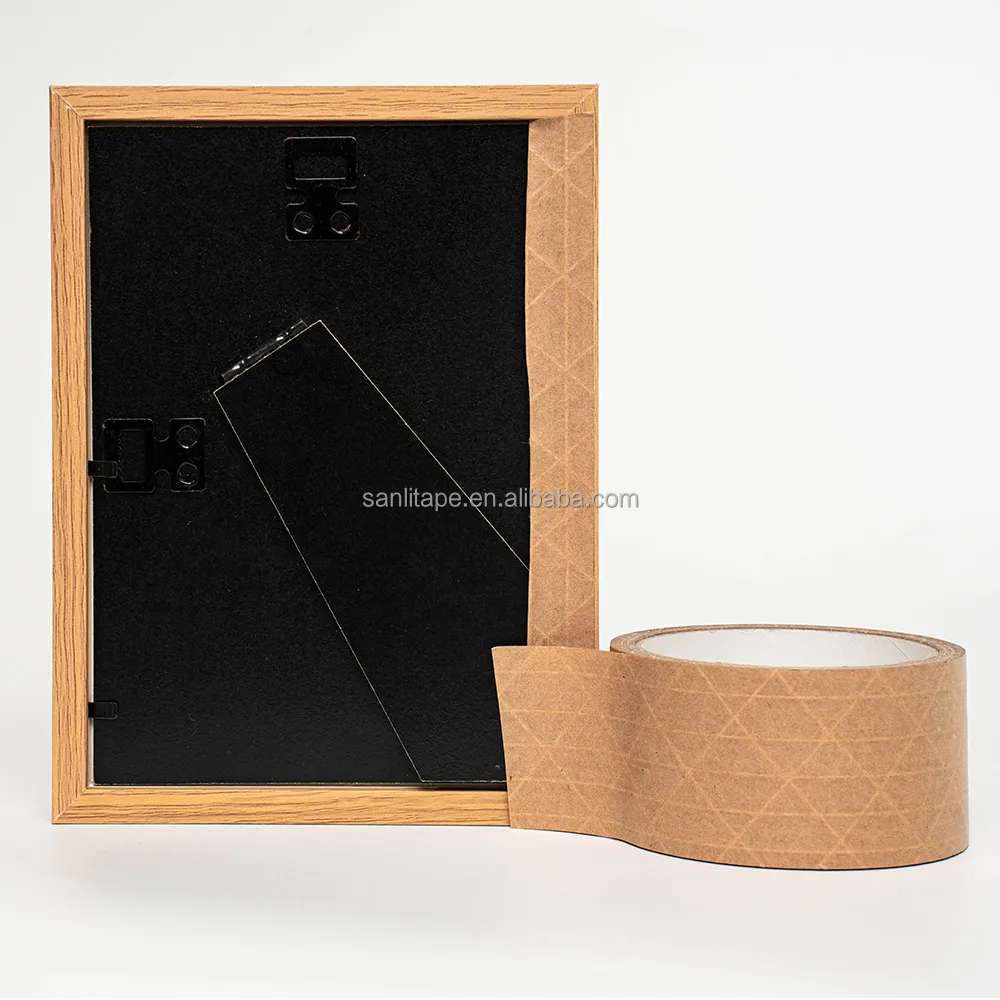 Reinforced kraft paper adhesive tape reinforced tape self-adhesive packaging tape without water content
 -
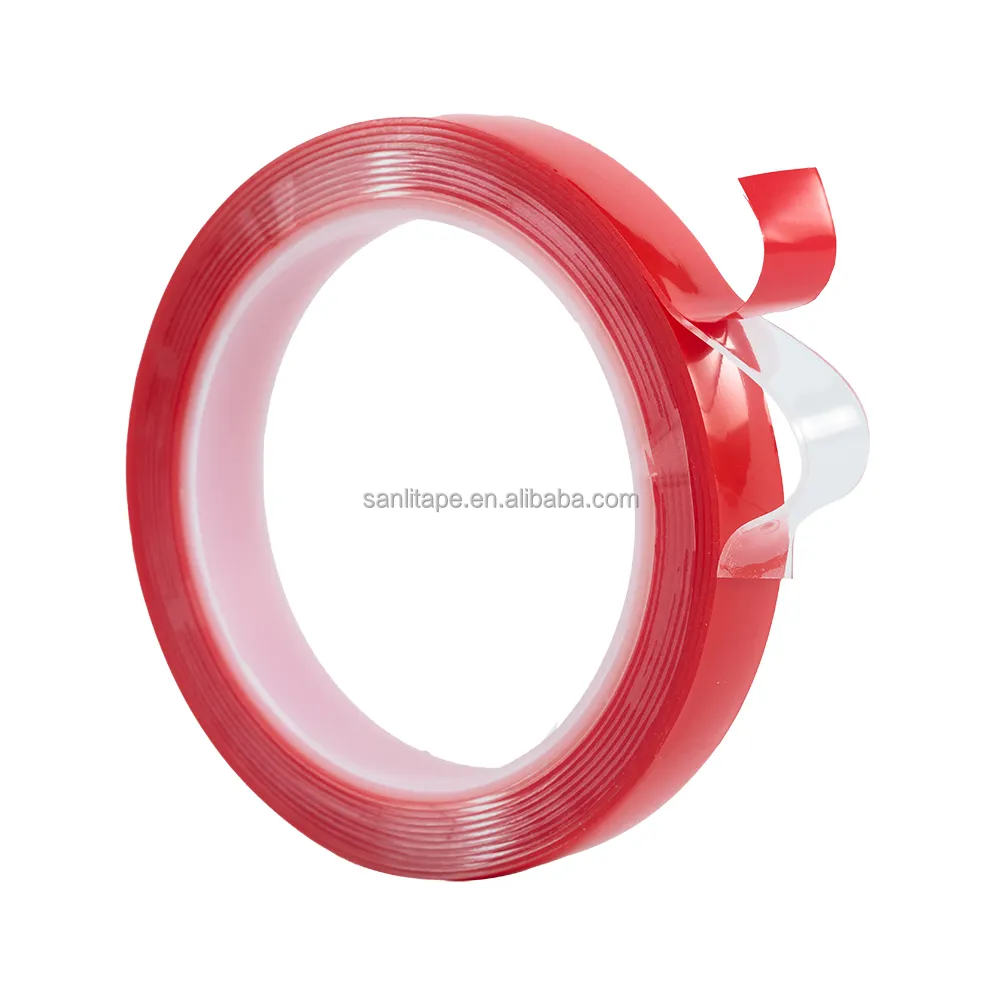 Heavy Duty Double Sided Adhesive Tape Waterproof Acrylic Foam Tape Gray Clear White
 -
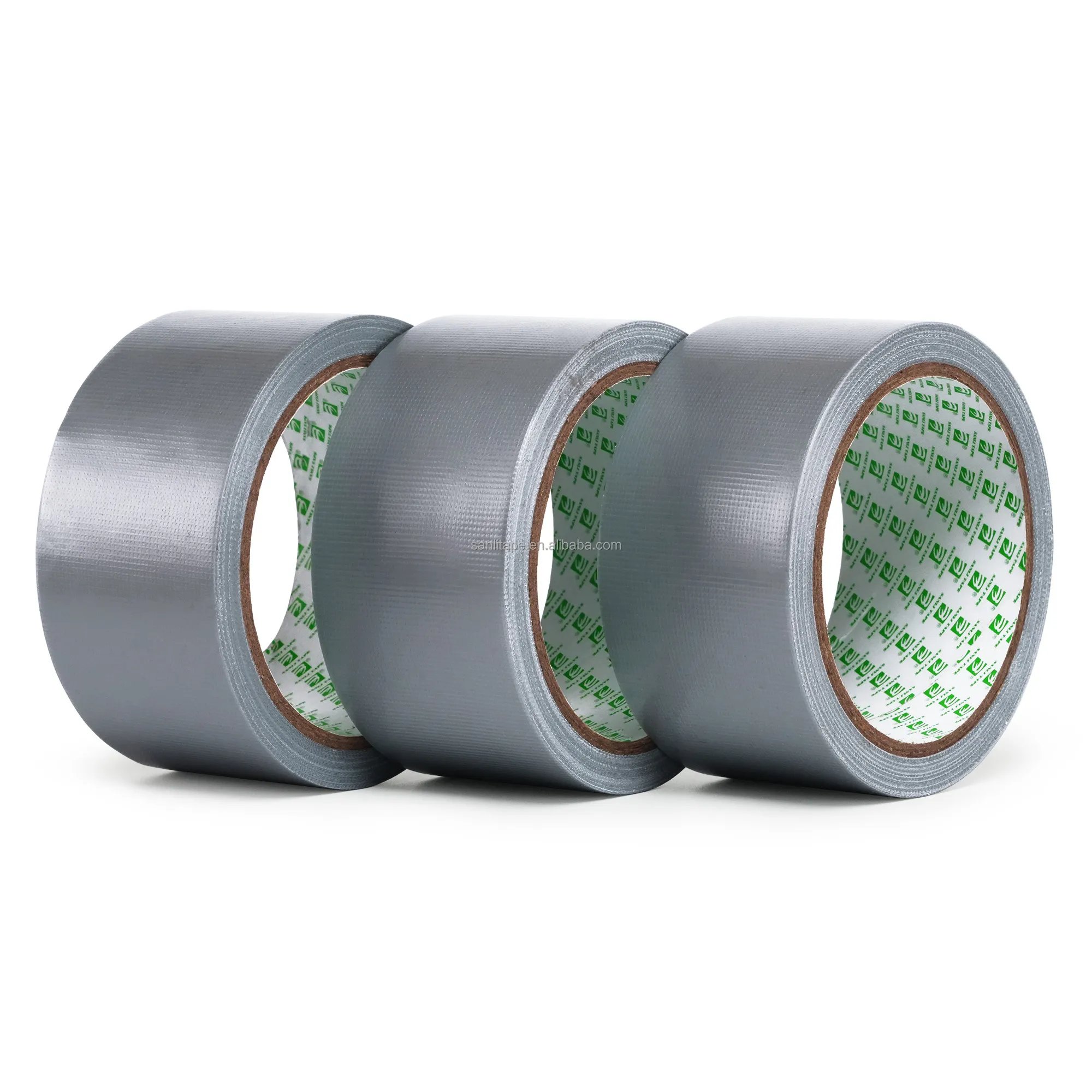 Fabric Backed Adhesive Tape Single Sided High Viscosity Hand Tearable Adhesive Tape for Carpet Fastening Decorative Tape
 -
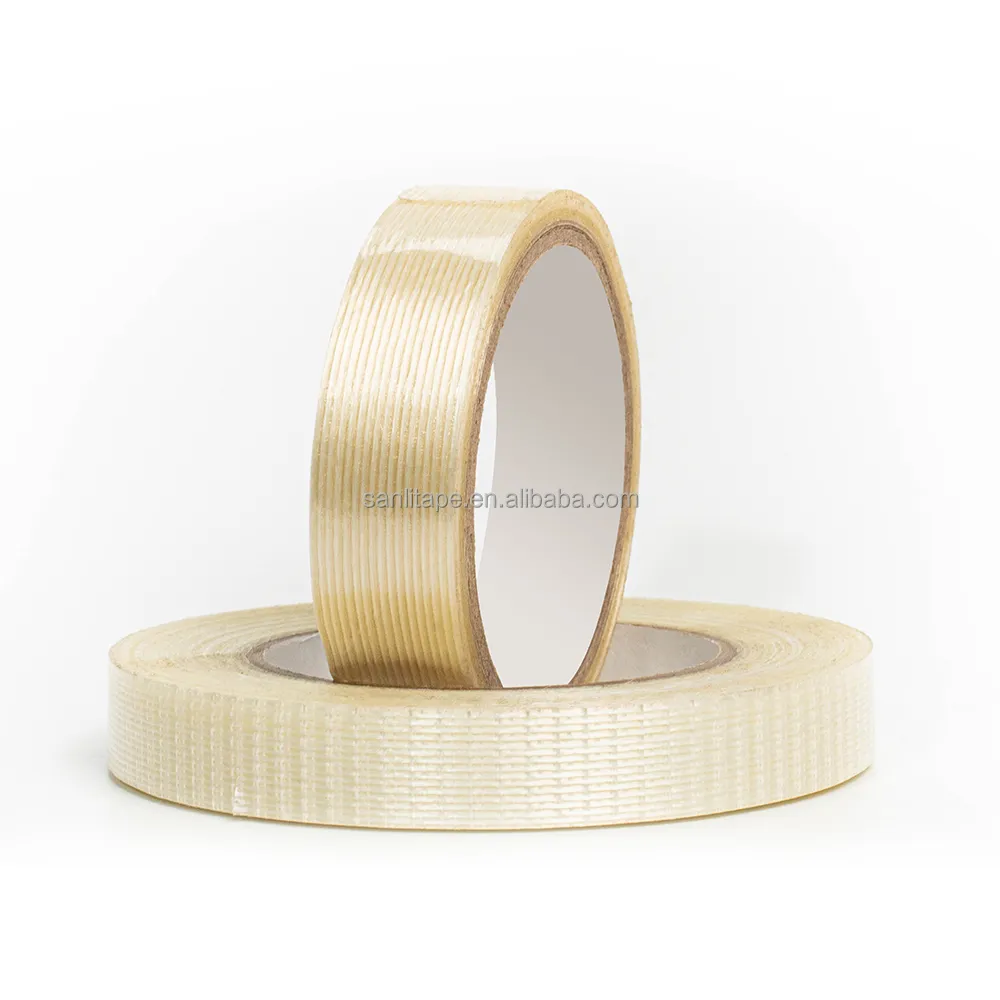 Super Heavy Objects with Integrated Fiberglass Tape Electrical Apparatus Packaging Transparent Attaching Tape
 -
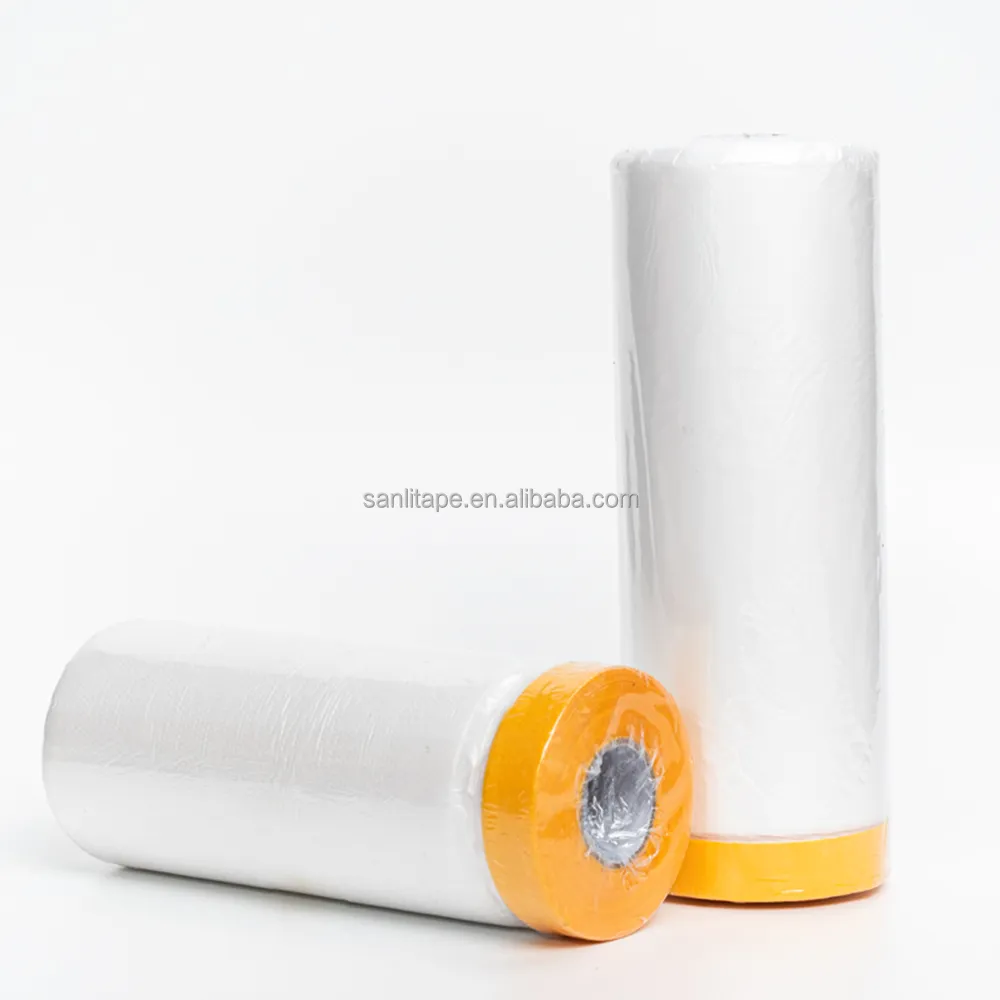 Comb Paint Covers Anti-dust Transparent Furniture Decoration Film and Paper Masking Protective Film
 -
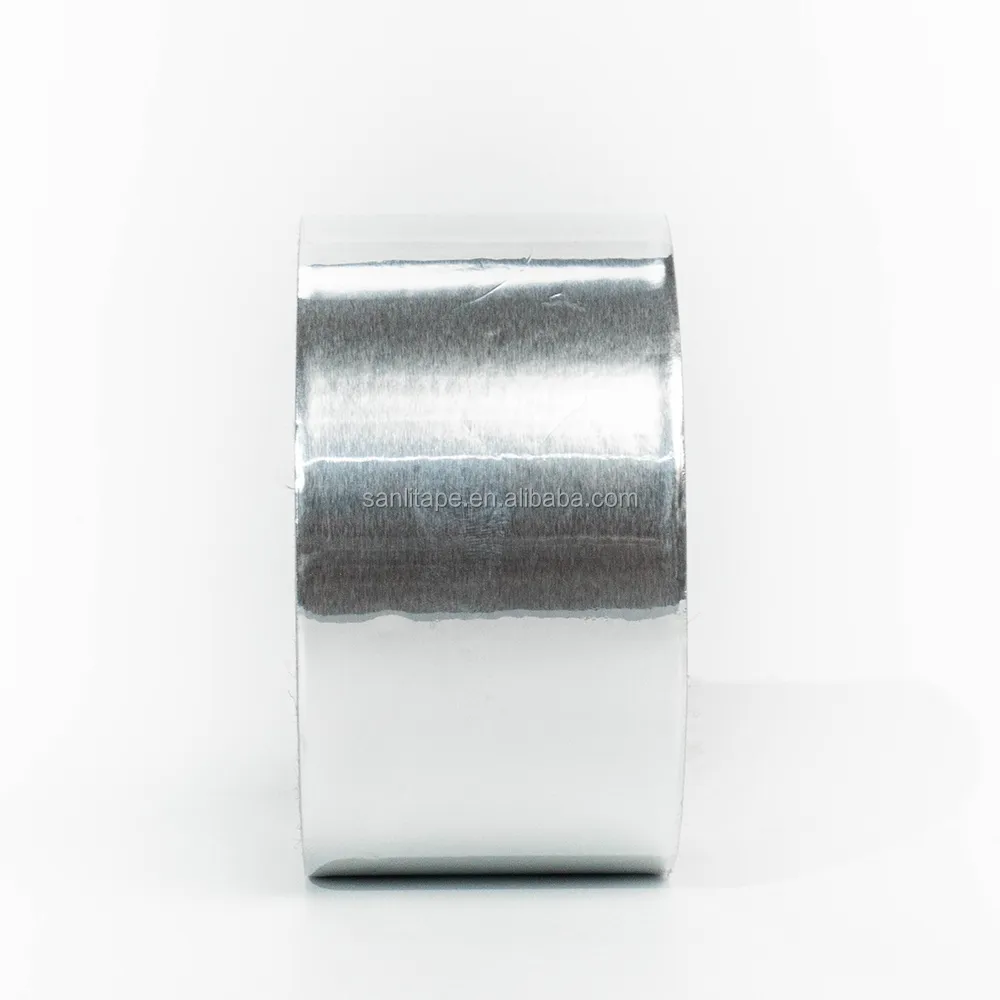 Temperature Resistant Aluminum Foil Tape
 -
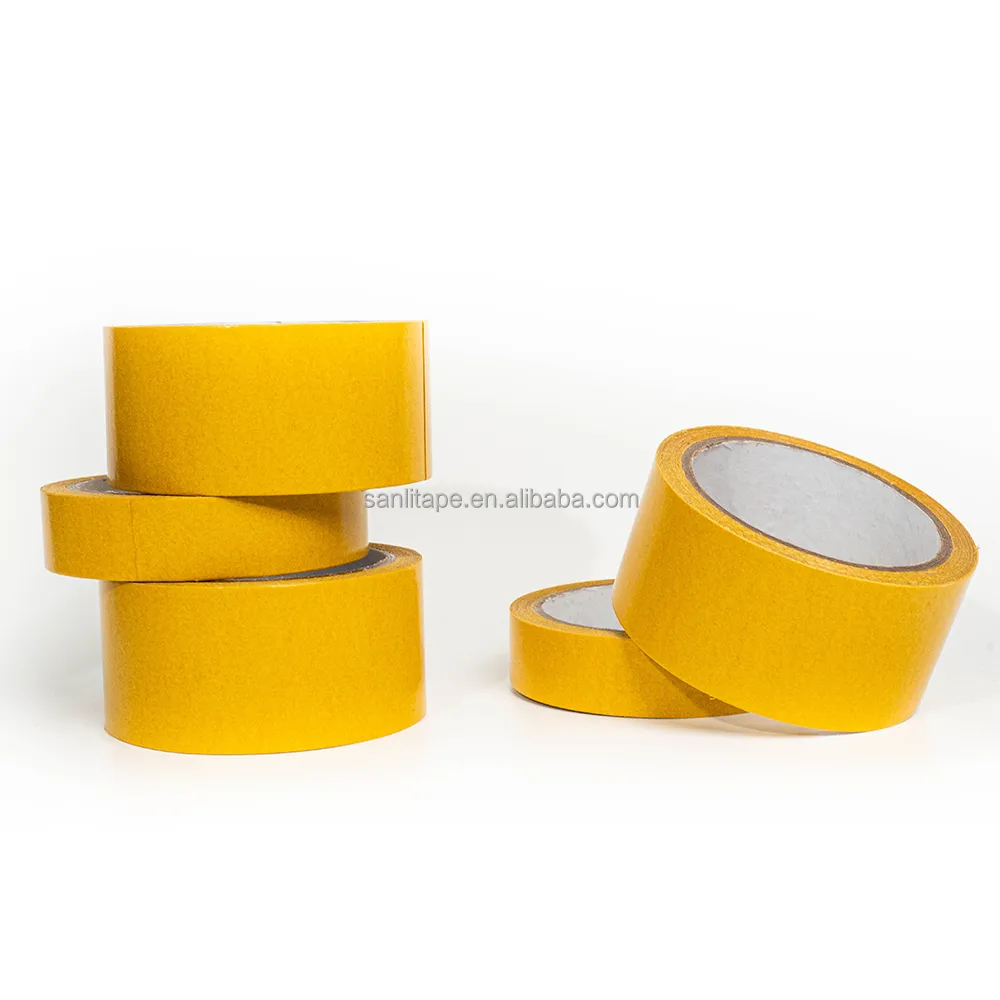 High Density Mesh Tape, High Viscosity, Double Sided Carpet Fastening Tape
 -
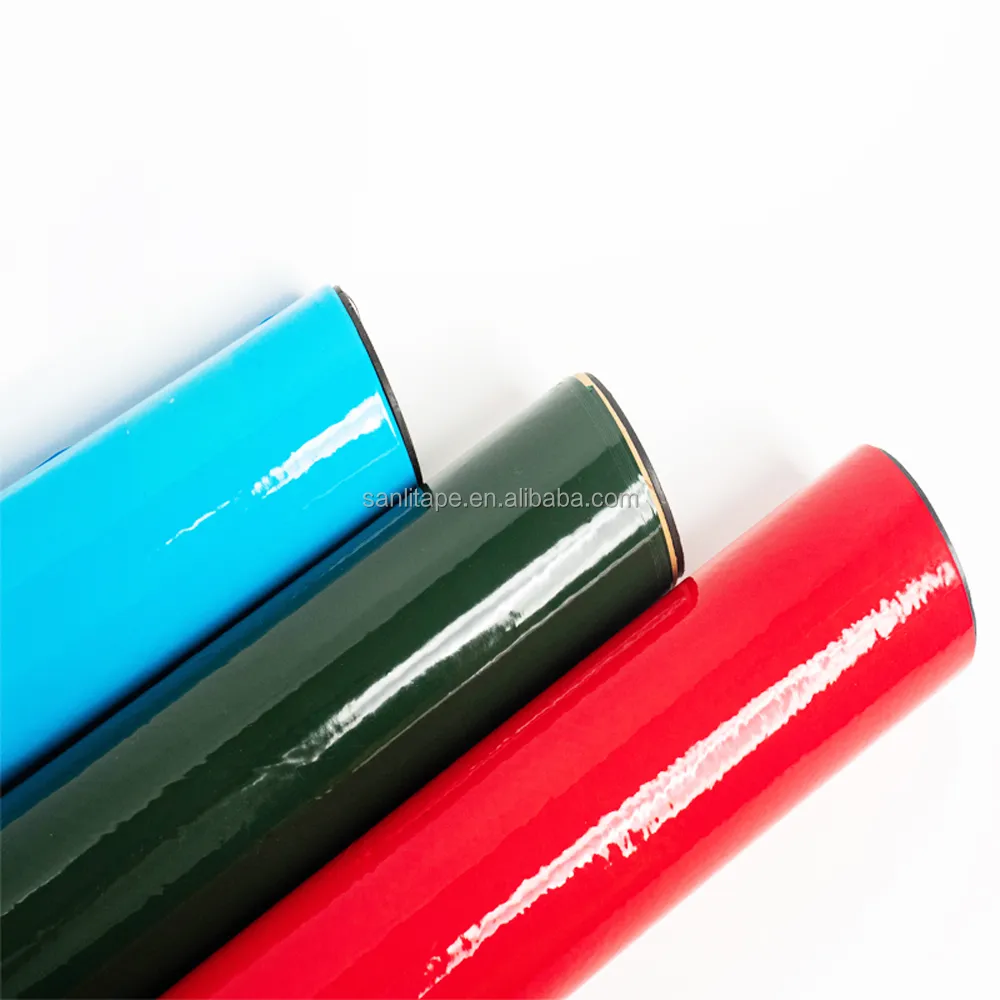 Anti-adhesive coated PE film used for printing on double-sided adhesive foam tape insulation film
 -
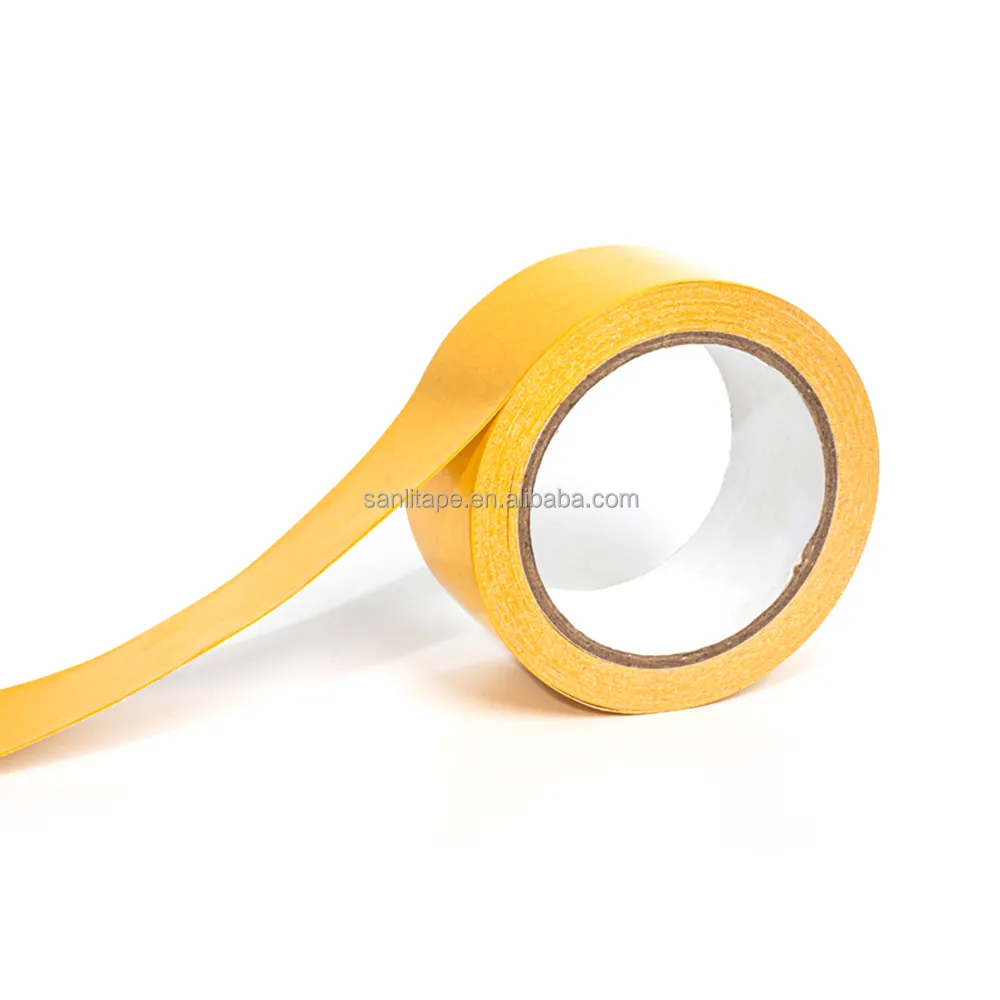 Double-sided fabric-based tapes with strong adhesion for attaching carpets, floor mats, sofa cushions and other items.
 -
 High Transparent Nano Tape, High Viscosity, High Water Resistance, Trace Free Fixation, Acrylic Double Sided Tape
Relatedsearch
Related Search- Anti-slip tape yellow manufacturers
- Order double-sided acrylic tape in China
- Double sided tape strong supplier
- Order glass mesh adhesive tape from China
- Double-sided adhesive tape 19mm main buyer
- adhesive tape for repair
- Double sided foam tape 3m suppliers
- Special adhesive tape suppliers
- Double sided tape width factories
- vhb double sided tape