




double-sided adhesive tape 6 mm
Double-sided adhesive tape 6 mm- seems like a simple thing. But you often find yourself in situations where it “doesn’t hold”, comes off, or simply doesn’t cope with the task. And it's not always about the quality of the tape itself. Over the years of working with various types of adhesives, I have learned that understanding the nuances of application is critical. Recently, for example, a client had to redo their entire packaging because regular tape couldn't withstand even mild temperatures. This got me thinking - what is really important when choosing and using this seemingly simple material?
Review: Why simple tape can fail?
Many people believe thatdouble-sided adhesive tape 6 mm– a universal solution for gluing. This is partially true, but it is important to understand its limitations. The main problem is, as a rule, the choice of tape material, as well as the preparation of surfaces. Different types of surfaces have different adhesion - smooth, non-porous surfaces adhere better than rough ones. And here the type of adhesive layer is important: acrylic, silicate, solvent-based, etc. Each of them has its own characteristics in terms of strength, heat resistance, and chemical resistance. Just take the first one you come acrossdouble-sided tape 6 mmfrom the store - it's like playing roulette.
Sometimes the problem lies in improper cleaning of surfaces. Even a small amount of dust, dirt or grease can significantly reduce adhesion. We often encounter a situation where the client is sure that the surface is clean, but the tape comes off after a day. You have to figure out what kind of contamination it is, how to remove it, and what type of adhesive layer is suitable in this situation. And it's not just a matter of proper cleaning, it's also about using the appropriate solvents if necessary.
Types of adhesive layers: acrylic, sealant, solvent
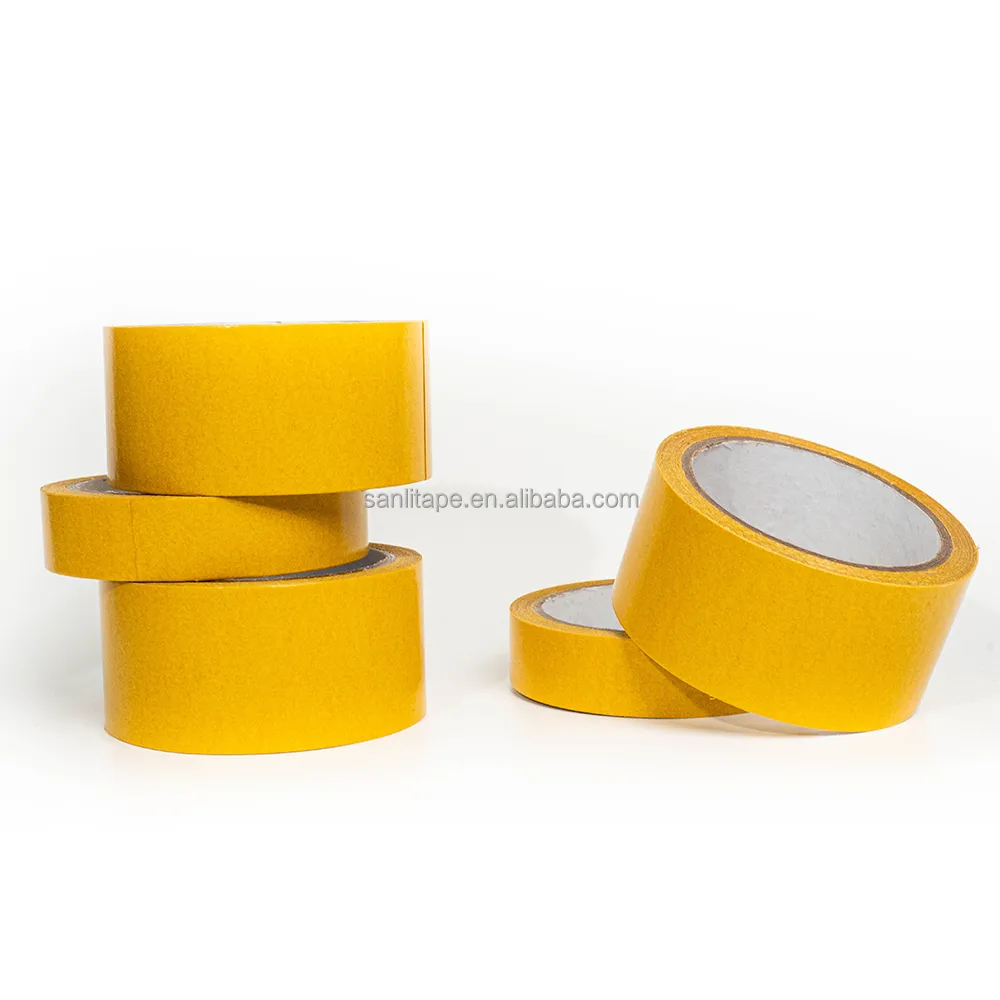
The most common type is acrylic. It has good adhesion to most materials, is relatively inexpensive and quite durable. Acrylicdouble-sided tape 6 mmIdeal for gluing cardboard, paper, plastic and metal. But its heat resistance is low - above 80-90 degrees Celsius it begins to lose its properties. Acrylic tape is often used in packaging, for temporary fixation of elements, and in advertising.
A silicone adhesive layer is a more expensive, but also more reliable solution. It has high heat resistance (up to +200 degrees Celsius), is resistant to moisture and chemicals. Siliconedouble-sided tape 6 mmoften used in the automotive industry, in electronics, for bonding materials exposed to high temperatures and aggressive environments. However, it can be more difficult to use and requires more thorough surface preparation. We once worked with silicone tape in the production of housings for electronic devices - this was necessary due to the high temperatures that arose when operating the equipment.
Solvent-based adhesive layers provide maximum adhesion to various materials, especially plastics and rubbers. They have very high strength, but require special surface preparation and the use of solvents.Double-sided tape 6 mmwith solvent is often used in the aviation industry for gluing composite materials.
Practical experience: How to avoid common mistakes?
One of the most common mistakes is the wrong choice of tape for a particular material. You cannot use the samedouble-sided tape 6 mmfor gluing wood and metal. You need tape with the appropriate adhesive layer and adhesion. We once received an order for gluing aluminum panels with a plastic base. The client wanted to use regular acrylic tape, but we strongly recommended using tape with a solvent-based adhesive layer, which would provide better adhesion to the plastic and resistance to temperature changes.
It is also important to consider the thickness of the materials that need to be glued. For thin materials, it is better to use tape with a low thickness of the adhesive layer so as not to deform the surface. For thick materials, use tape with a higher thickness to ensure reliable adhesion.
Peeling Problems: Causes and Solutions
Peeling is one of the most common problems when usingdouble-sided adhesive tape 6 mm. There may be several reasons: improper surface preparation, use of inappropriate adhesive tape, non-compliance with the gluing process. Often the problem occurs due to moisture getting under the tape. In such cases, it is necessary to use tape with a waterproof adhesive layer or apply protective coatings.
We encountered a peeling problem when gluing polypropylene. It turned out that polypropylene requires a specialdouble-sided tape 6 mmwith a solvent-based adhesive layer. Using regular acrylic tape resulted in rapid peeling.
Materials and manufacturers: What to choose?
Marketdouble-sided adhesive tape 6 mmvery diverse. There are many manufacturers offering products in different price categories and with different characteristics. When choosing adhesive tape, it is important to pay attention not only to the price, but also to the manufacturer’s reputation, quality certificates, and technical specifications. Enping Sanli Adhesive Co., Ltd., for example, is a large manufacturerdouble sided adhesive tapeand offers a wide range of products for various industries. [https://www.sanlitape.ru/](https://www.sanlitape.ru/) is the company’s website. They have tape for a variety of purposes.
I recommend that you always test the tape on a small area of the surface before using it for gluing a large volume. This will help avoid unpleasant surprises and save time and money.
Conclusion: Don't underestimate the details
Double-sided adhesive tape 6 mm- this is, of course, a convenient and quick way of gluing. But for it to really work, you need to understand its features and choose the right material. You should not skimp on the quality of the adhesive tape and surface preparation. And, of course, always test the tape on a small area before you begin gluing a large volume. Ultimately, the reliability and durability of your product depends on this.
Correspondingproducts
Related Products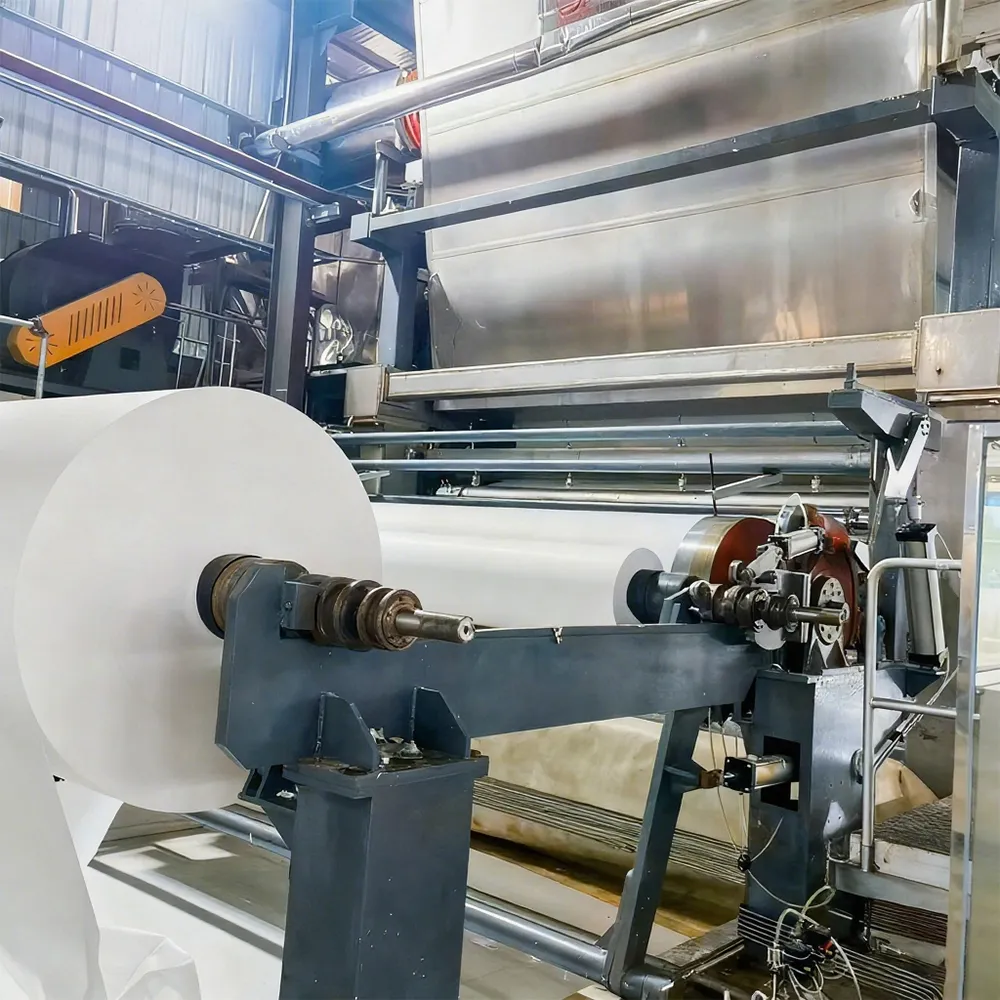
Best Sellingproducts
Best Selling Products-
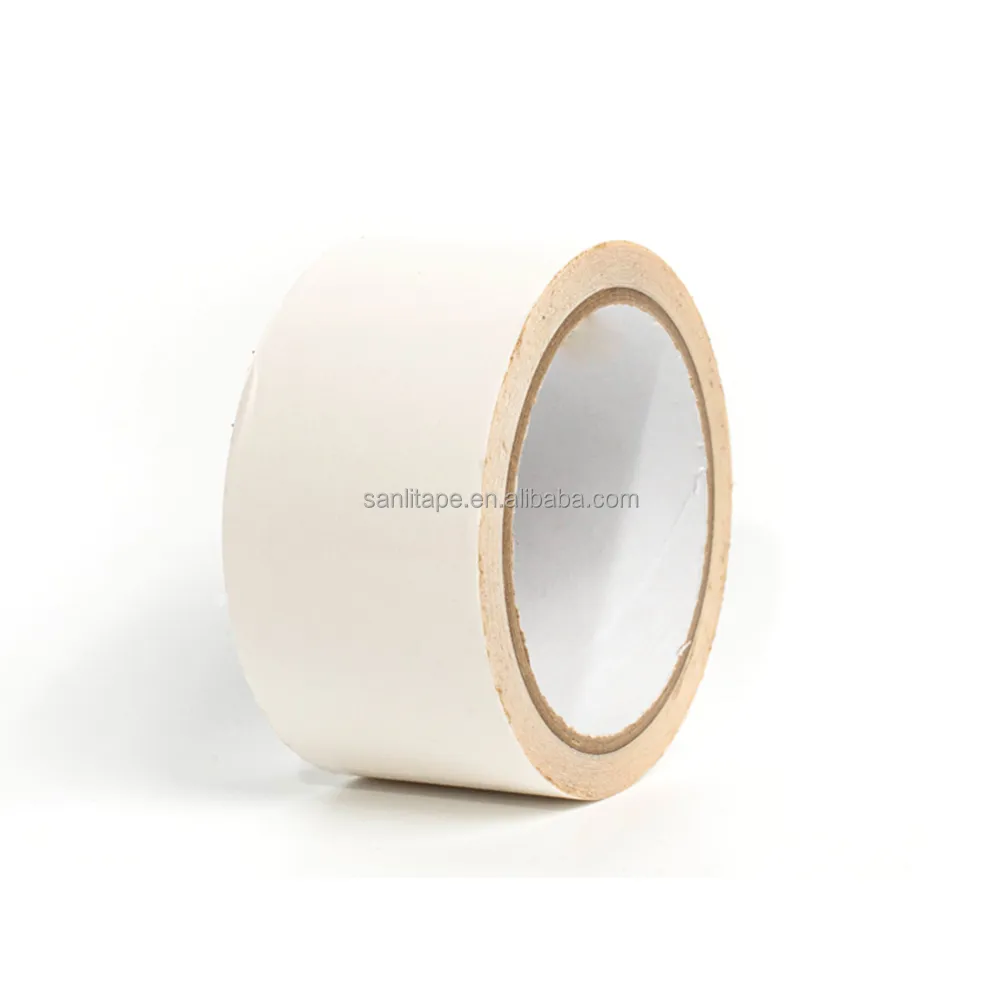
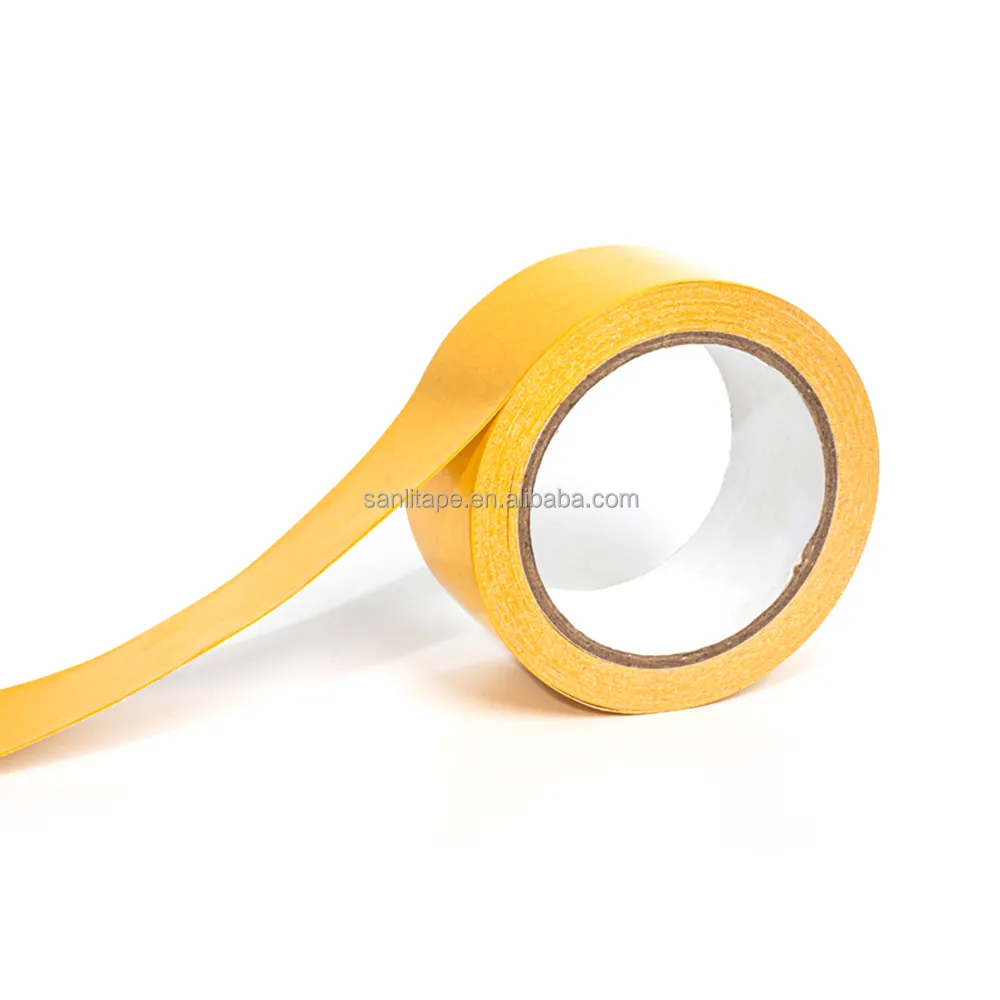 Double-sided fabric-based tapes with strong adhesion for attaching carpets, floor mats, sofa cushions and other items.
 -
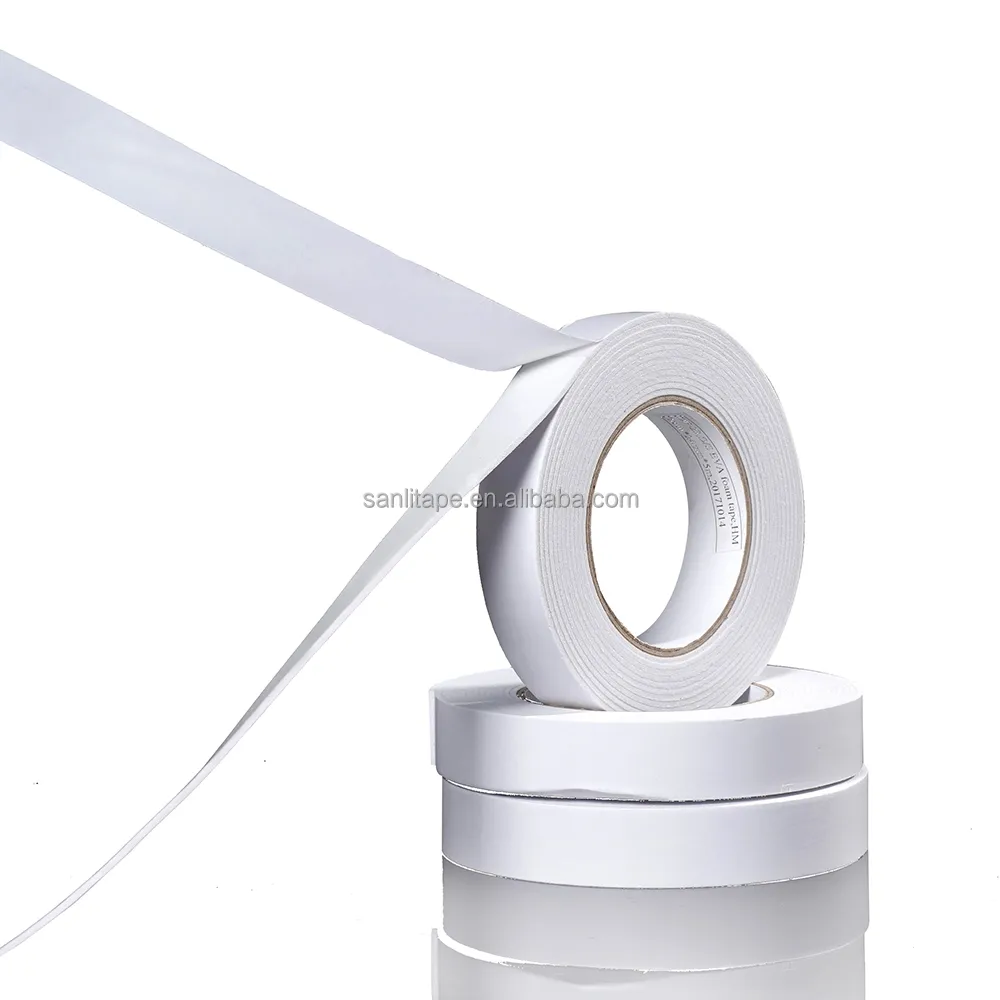 Double-sided foam tape, strong adhesive, white and black EVA foam, installation, fastening, sealing, double-sided adhesive tape
 -
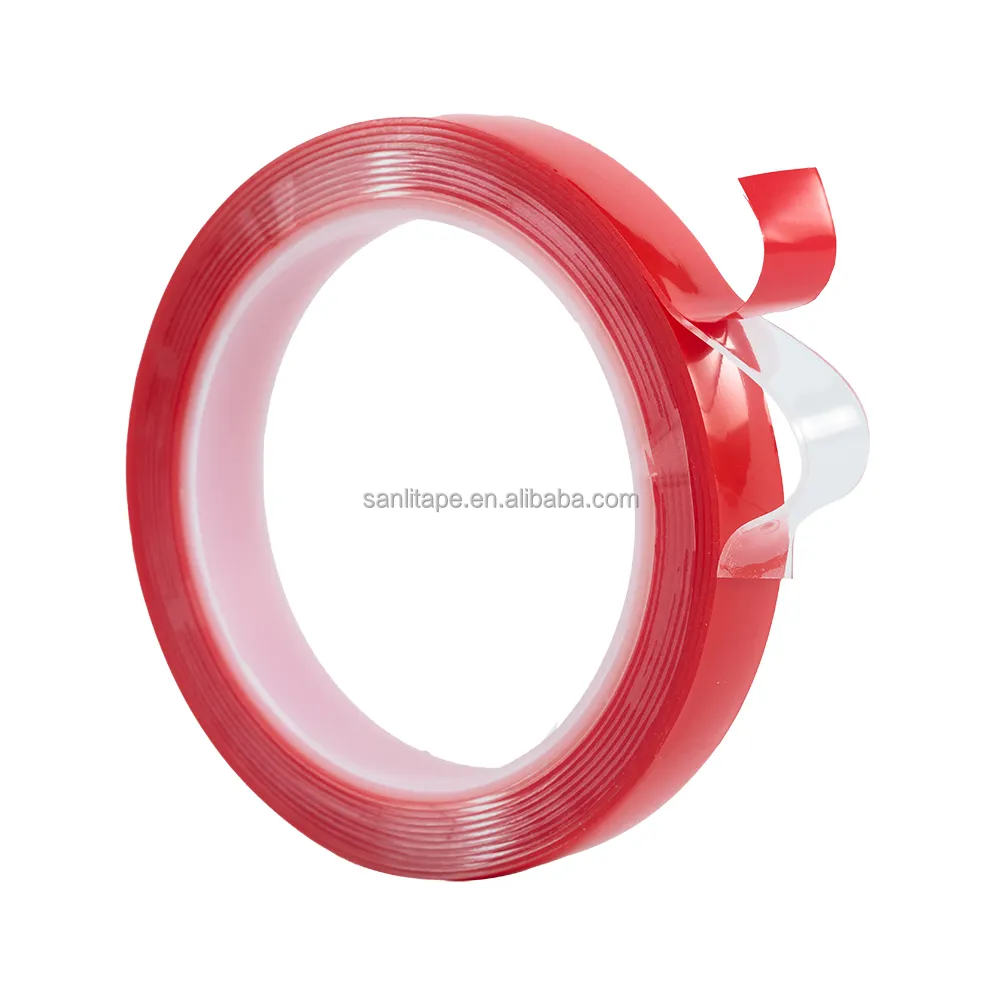 Heavy Duty Double Sided Adhesive Tape Waterproof Acrylic Foam Tape Gray Clear White
 -
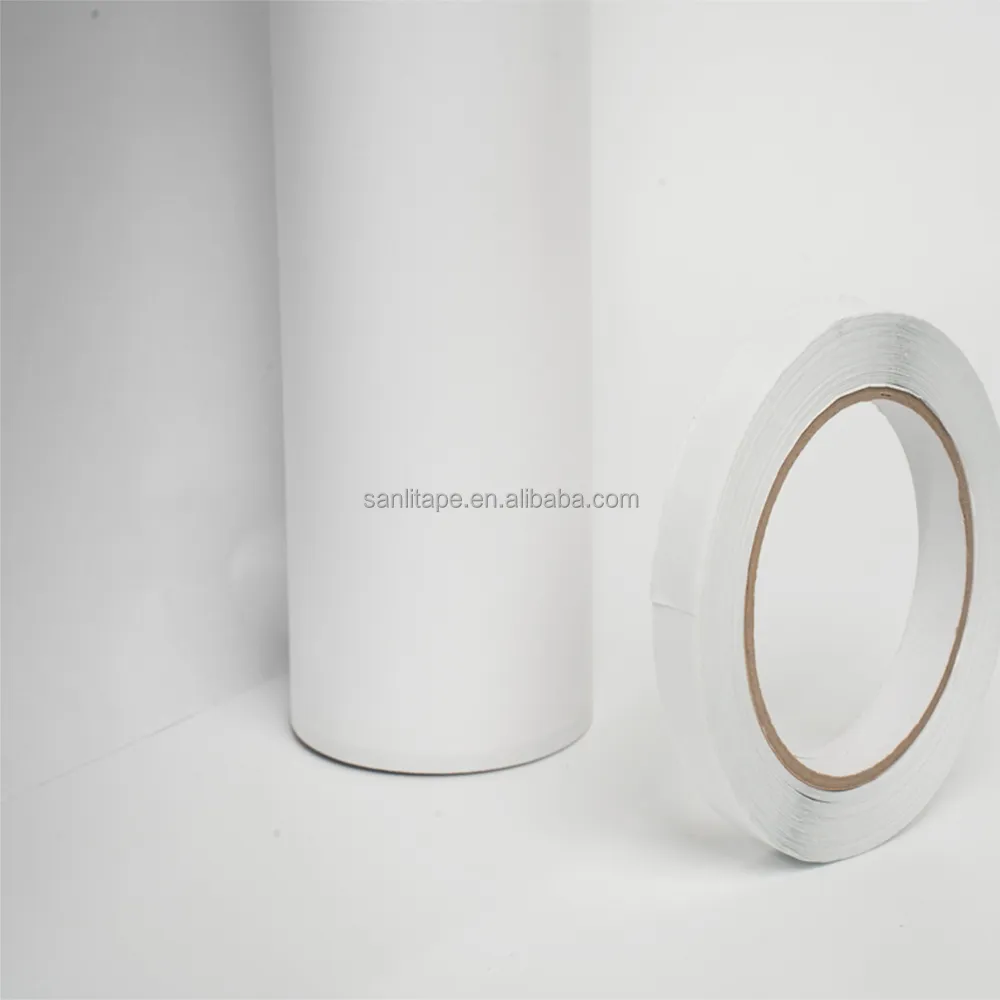 Single Sided Double Sided Backing Paper Double Sided Adhesive Tape PE Parchment Label Paper
 -
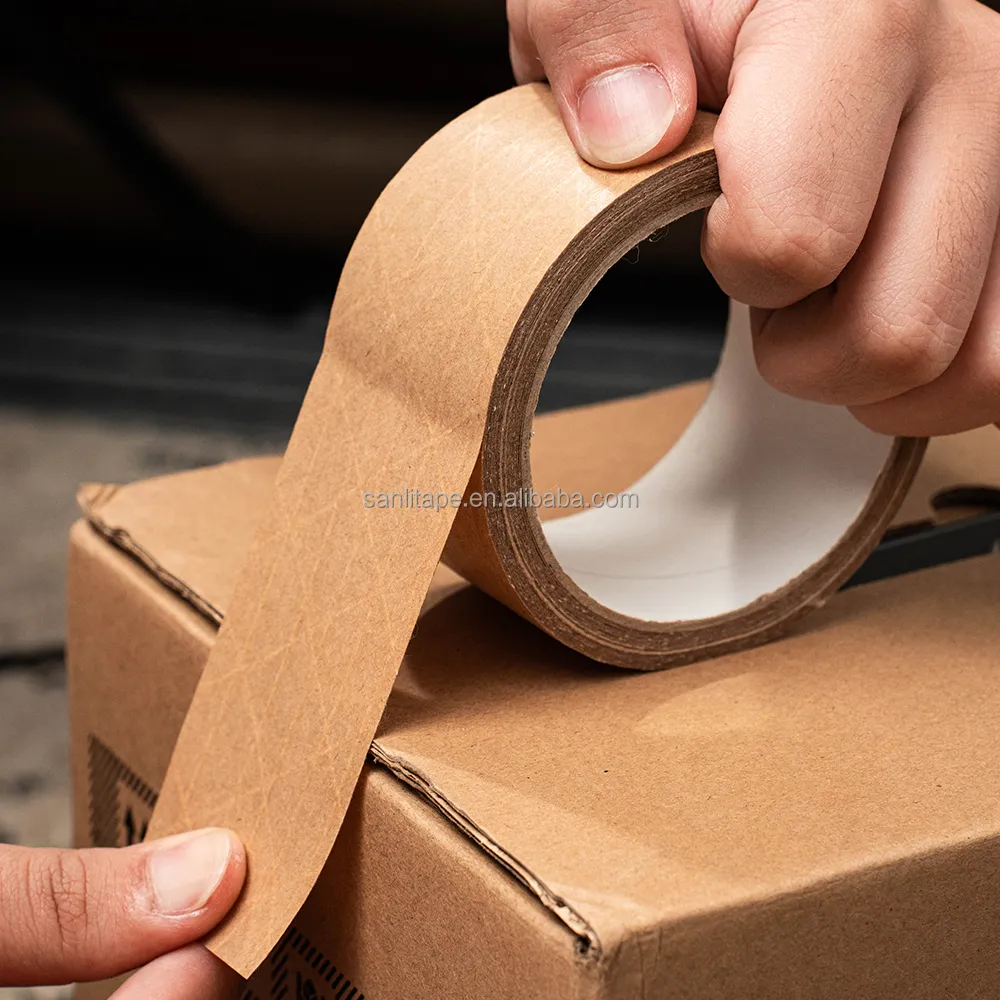 Water based reinforced kraft paper tape with water based adhesive and wire reinforcement for sealing boxes and packaging
 -
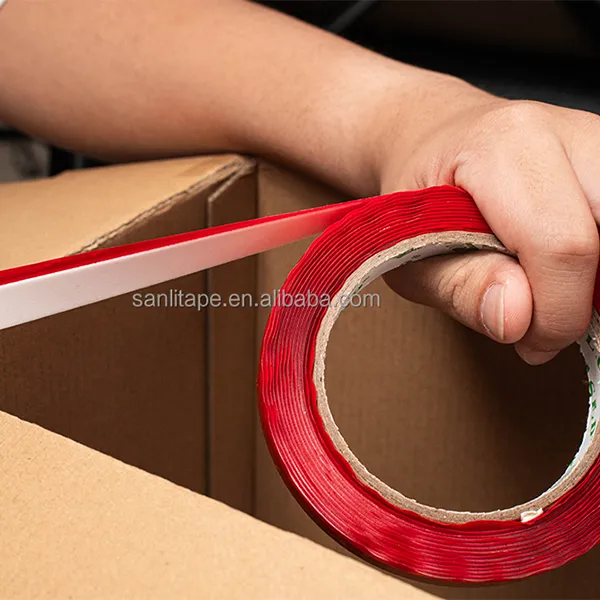
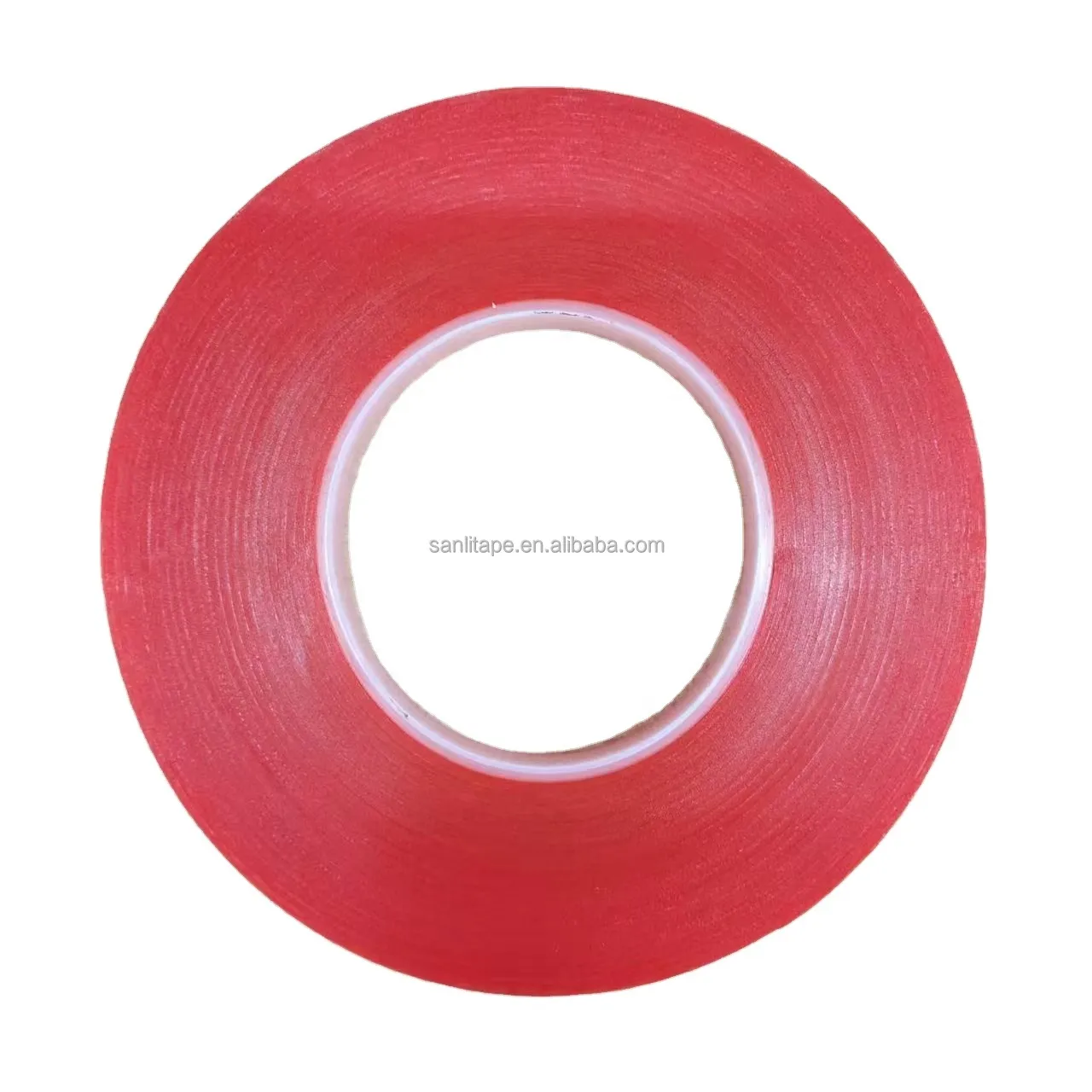 Red Film Durable Ultra Clear Double Sided Polyester Tape with High Temperature Acrylic Adhesive Double Sided PET Tape
 -
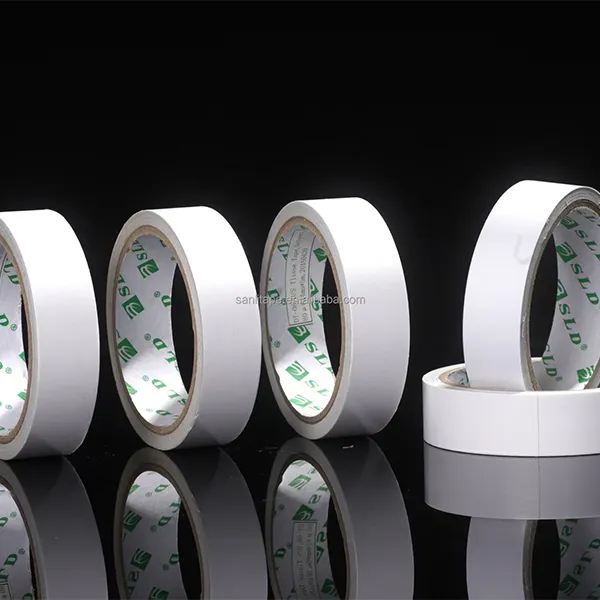 Thin Double Sided Adhesive Tape Clear PET Polyester Film Adhesive Tape Installation and Fastening of Industrial Parts Die-Cut Double Sided Adhesive Tape
 -
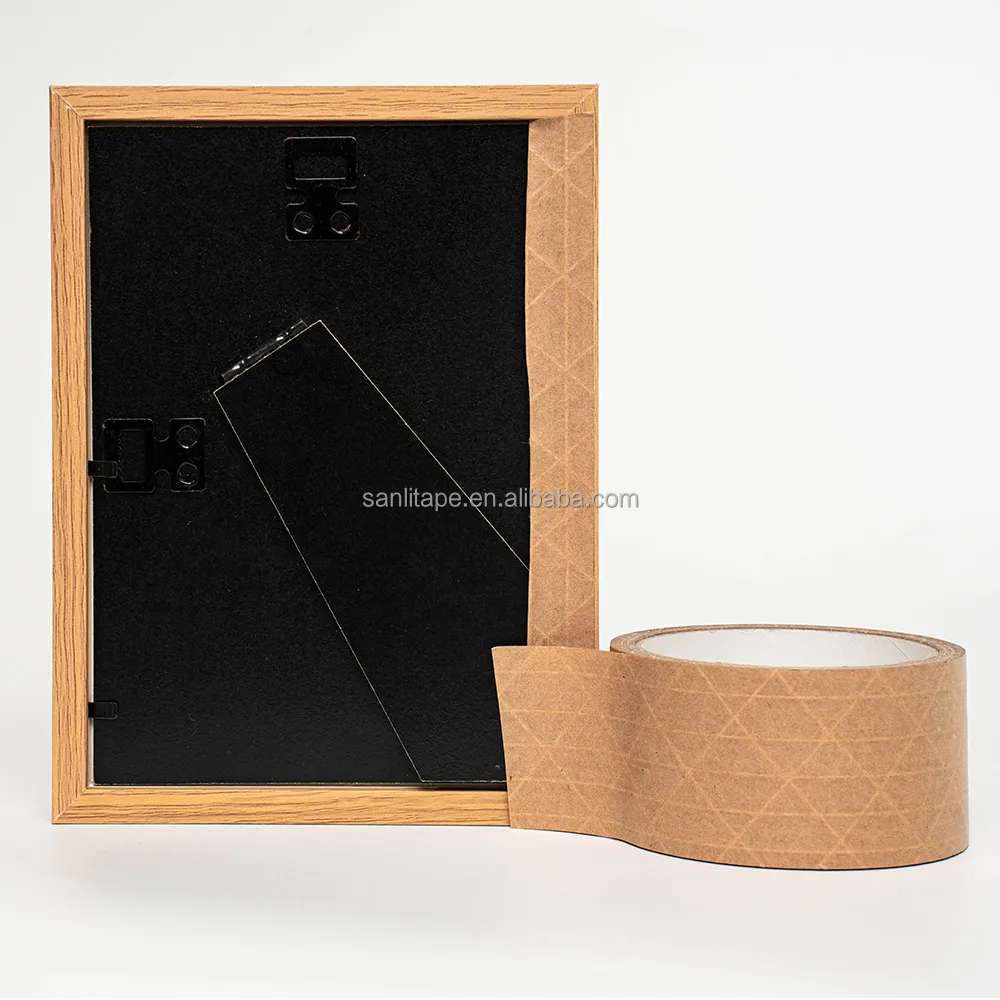 Reinforced kraft paper adhesive tape reinforced tape self-adhesive packaging tape without water content
 -
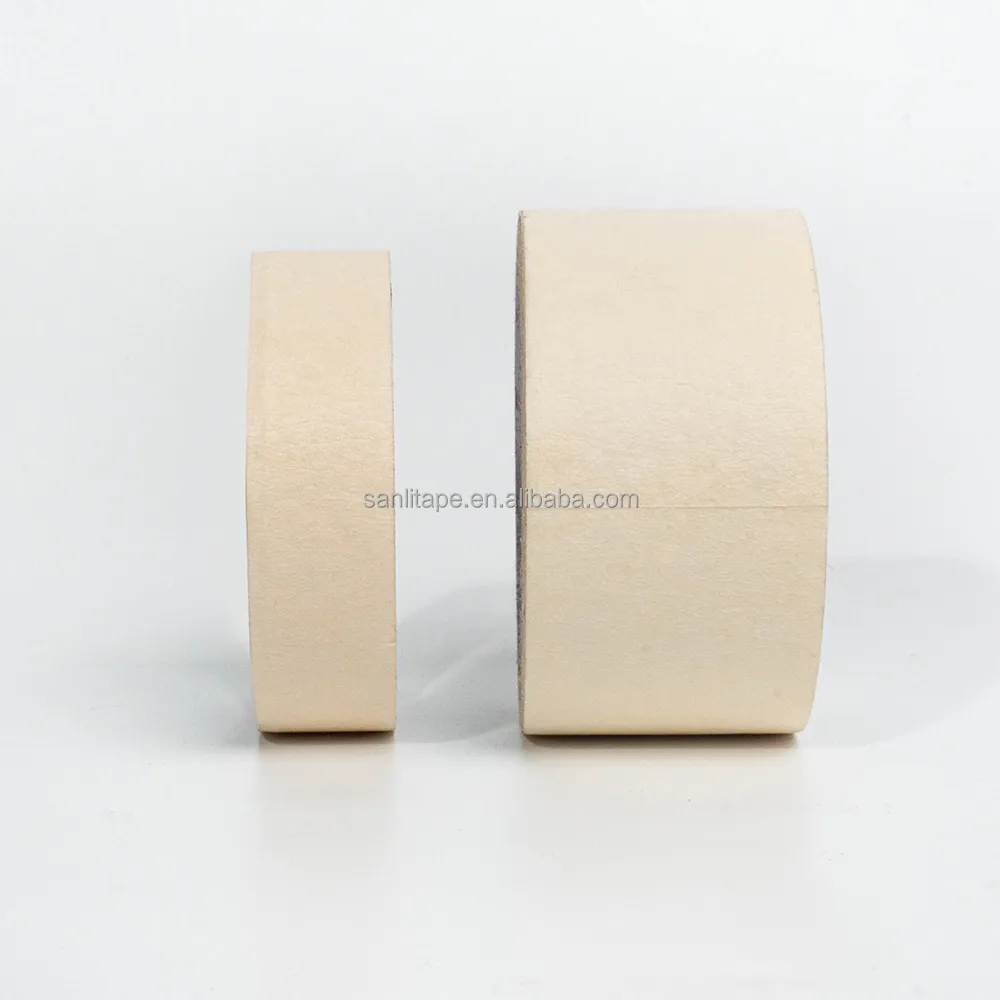 Masking Tape Paint Sprayer Decoration Masking One-Way Wrinkles
 -
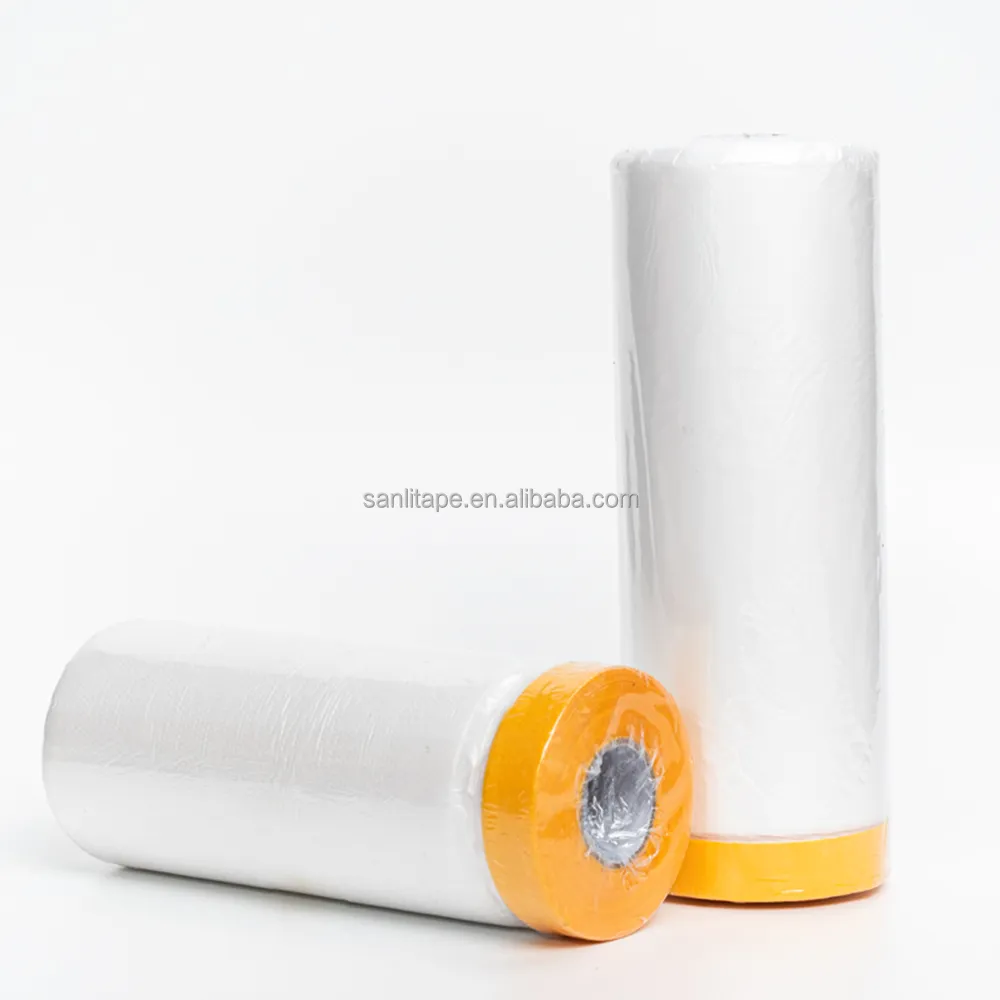
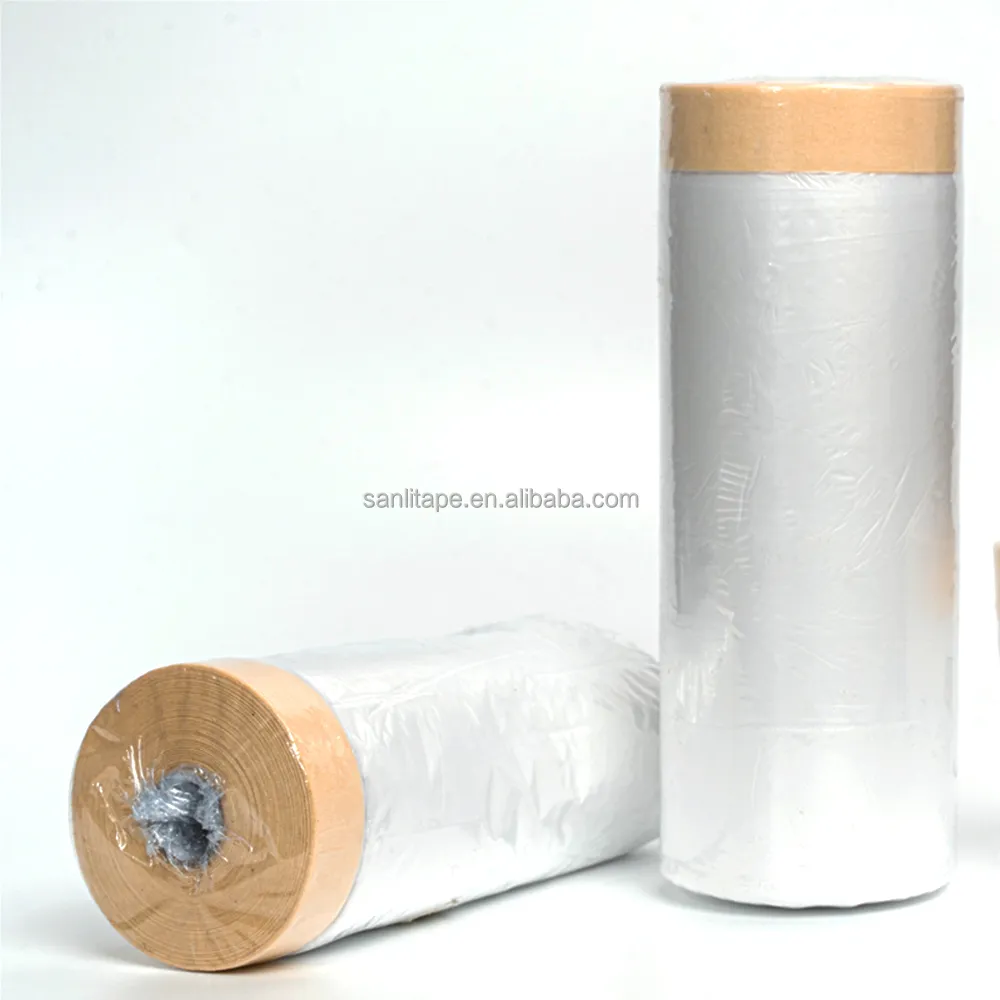 Paint Spray Anti Dust Film Clear Furniture Decoration Film Masking Tape Masking Tape Protective Film
 -
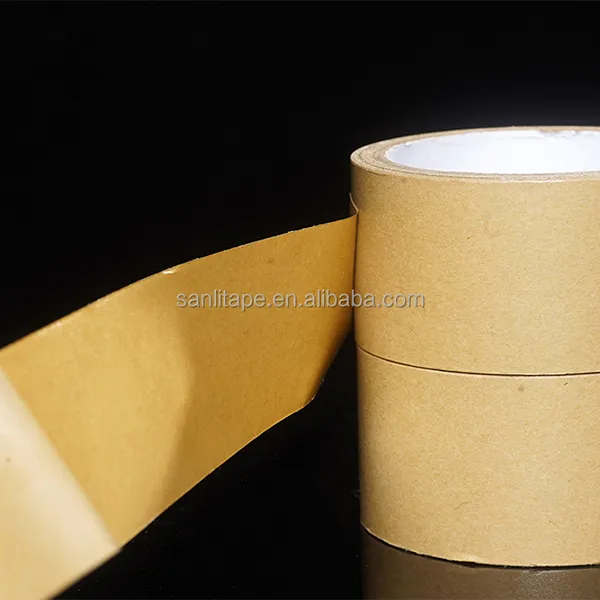 Waterproof Kraft Paper Adhesive Tape Water-based packaging tape with high adhesion for reliable sealing
 -
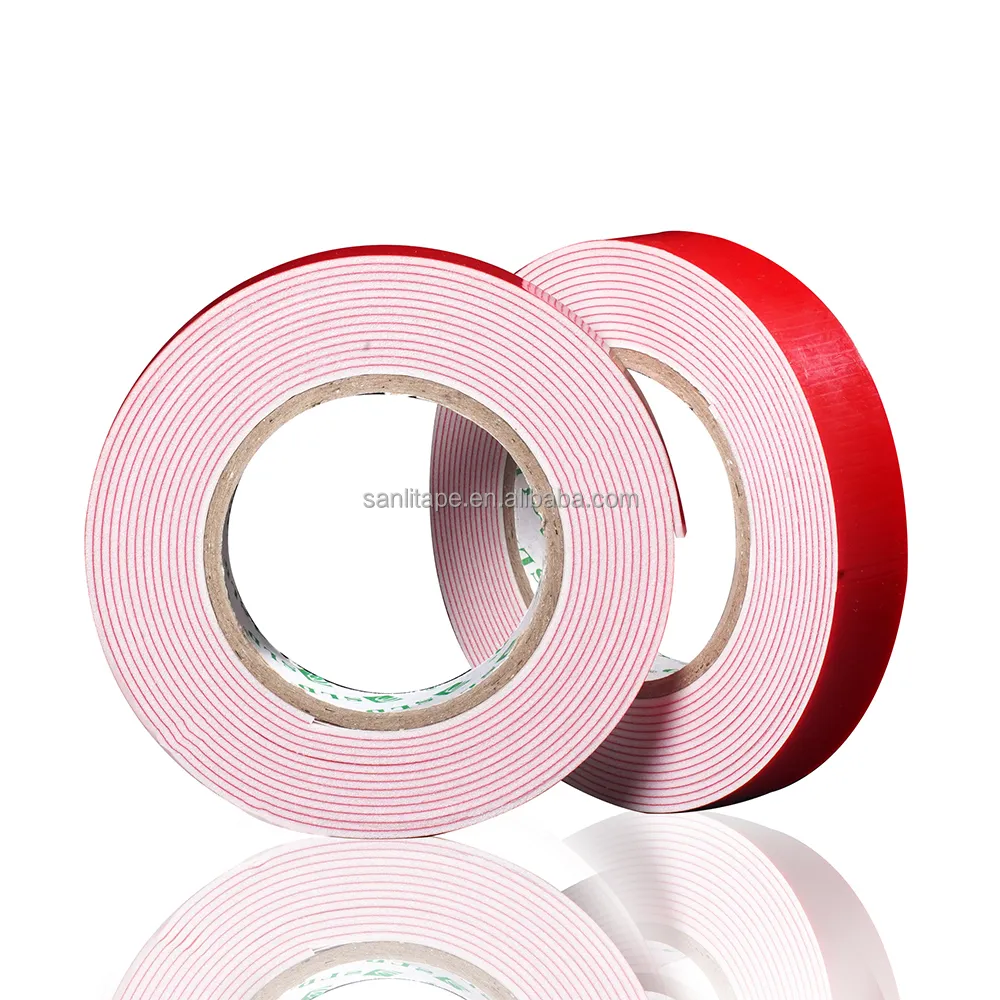 Double Sided Foam Tape High Density High Adhesion White and Black Double Sided Adhesive PE Foam Tape
Relatedsearch
Related Search- Double-sided tape for fastening heavy objects manufacturers
- Double sided acrylic tape suppliers
- Double sided tape for cars price
- Double-sided white tape price
- Acrylic foam tape main buyer
- Double sided tape vhb factory
- Anti-slip tape for steps manufacturers
- Double sided tape adhesive suppliers
- Adhesive tape double-sided tape main buyer
- Double sided tape transparent thin supplier