




double sided adhesive vhb tape
Double-sided adhesive VHB tape... When they talk about this, images of the automotive industry, electronics, and furniture production immediately pop up in my head. But, to be honest, there is often a feeling that everything is simplified to the limit. Just 'stick it on and you're done'. It's not that simple. In addition to the material itself, there are many nuances that affect the result. And experience suggests that understanding these nuances is worth the time to study. In this article, I want to share not only general knowledge, but also some practical observations, mistakes and successes that we had at Enping Sanli Adhesiv LLC.
What is VHB tape and why is it so popular?
VHB is an acrylic tape with high adhesion (Very High Bond). Its production technology makes it possible to create incredibly strong connections that can withstand significant loads, temperature fluctuations and moisture. Unlike many other types of adhesives, it does not require additional heat or pressure during application. This simplifies the installation process and reduces equipment costs. This is why VHB is so in demand in industries such as the automotive industry (for example, for fastening body panels), aircraft manufacturing (where reliability and durability are important) and the production of household appliances.
However, it is important to understand that 'high adhesion' does not guarantee a perfect result. Success of usedouble sided adhesive VHB tapedepends on many factors, ranging from surface preparation to the correct choice of tape for a particular material. The wrong choice can lead to delamination, reduced bond strength, or even complete failure of the project. And we, at Sanli, have encountered this many times.
A particularly common problem is surface preparation. Even minor dirt or dust can significantly reduce adhesion. Sometimes the surface appears to be perfectly clean, but upon closer inspection, microscopic particles are discovered that prevent the formation of a strong connection. Using special degreasers is a must, but even with them, sometimes you have to spend time reapplying the tape.
Choosing the right VHB tape: what to look for?
Not alldouble sided adhesive VHB tapesare the same. There are many different types, differing in composition, characteristics and applications. When choosing a tape, several key factors must be taken into account: the type of materials being bonded, operating conditions (temperature, humidity, exposure to chemicals), the required bond strength and application method.
For example, tapes with low volatile organic compound (VOC) emissions are often used for bonding plastics. For working with metal – tapes with high heat resistance. And, of course, it is important to consider the type of surface. Some tapes are better for smooth surfaces, others for rough ones.
At Sanli we offer a wide rangedouble sided VHB tapesfor various applications. We cooperate with leading manufacturers and constantly monitor new developments in this area. But even with a wide choice, choosing the 'best' tape is always a compromise between various factors.
Differences in composition and properties
The composition of VHB tape can vary significantly, which affects its properties. For example, some tapes contain polyurethane resin, which provides high elasticity and resistance to impact loads. Other tapes contain acrylic resin, which has better heat and chemical resistance. The choice of a specific composition depends on the operating conditions and the required characteristics of the connection.
An important parameter is also the thickness of the tape. Thicker tape usually provides a stronger bond, but may be more difficult to apply. Sometimes you have to experiment with different thicknesses to find the best option.
Also, it is worth paying attention to the presence of special coatings on the surface of the tape. For example, some tapes have an anti-reflective coating that improves their adhesion to dark surfaces. Other tapes have a protective film that prevents the tape from becoming dirty during storage and transportation.
Mistakes when using double-sided VHB tape and how to avoid them
Unfortunately, even experienced professionals sometimes make mistakes when usingdouble sided adhesive VHB tape. Here are some of the most common:
- Insufficient surface preparation.(Described above)
- Incorrect pressure when applying tape.Too little pressure leads to reduced adhesion, too much pressure leads to damage to the materials.
- Using low-quality degreasers.Some degreasers can leave residue on the surface that prevents a strong bond from forming.
- Failure to comply with temperature conditions.At low temperatures, tape adhesion may be reduced.
- Using old or damaged tape.VHB tape has a limited shelf life and using expired or damaged tape may cause unpredictable results.
At Sanli, we have experience working with a variety of materials and operating conditions, so we can offer the optimal solution for any application. We also provide training to our clients to help them avoid common mistakes and get the most out of their use.double sided adhesive VHB tape.
Detailed consideration of the problem of adhesion to polypropylene
Particularly often difficulties arise with attaching VHB tape to polypropylene. The surface of polypropylene is quite 'smooth' and careful preparation is required to achieve optimal adhesion. The use of special pre-treatments, such as surface etching, can significantly improve results. In some cases, it is recommended to apply an adhesive primer before applying the tape.
At Sanli, we have experimented with different approaches for bonding VHB tape to polypropylene and have found that proper tape selection and careful surface preparation are key factors for success. In particular, tapes with increased adhesion and special coatings work well for polypropylene. It is also important to make sure that the surface of the polypropylene is dry and free of residual contaminants.
Don't underestimate the importance of pre-testing. Before starting a large project, it is recommended that you do some testing to ensure that the selected tape and application method will provide the required bond strength.
In conclusion
Double-sided adhesive VHB tapeis a powerful tool that can greatly simplify and speed up the process of joining materials. But to achieve optimal results, you need to understand all the nuances and take into account various factors. Experience, knowledge and the right choice of materials are the key to a successful project.
If you have questions or need help choosingdouble sided adhesive VHB tape, contact us. Enping Sanli Adhesive LLC is always ready to offer professional advice and an individual approach.
Our website:https://www.sanlitape.ru
Correspondingproducts
Related Products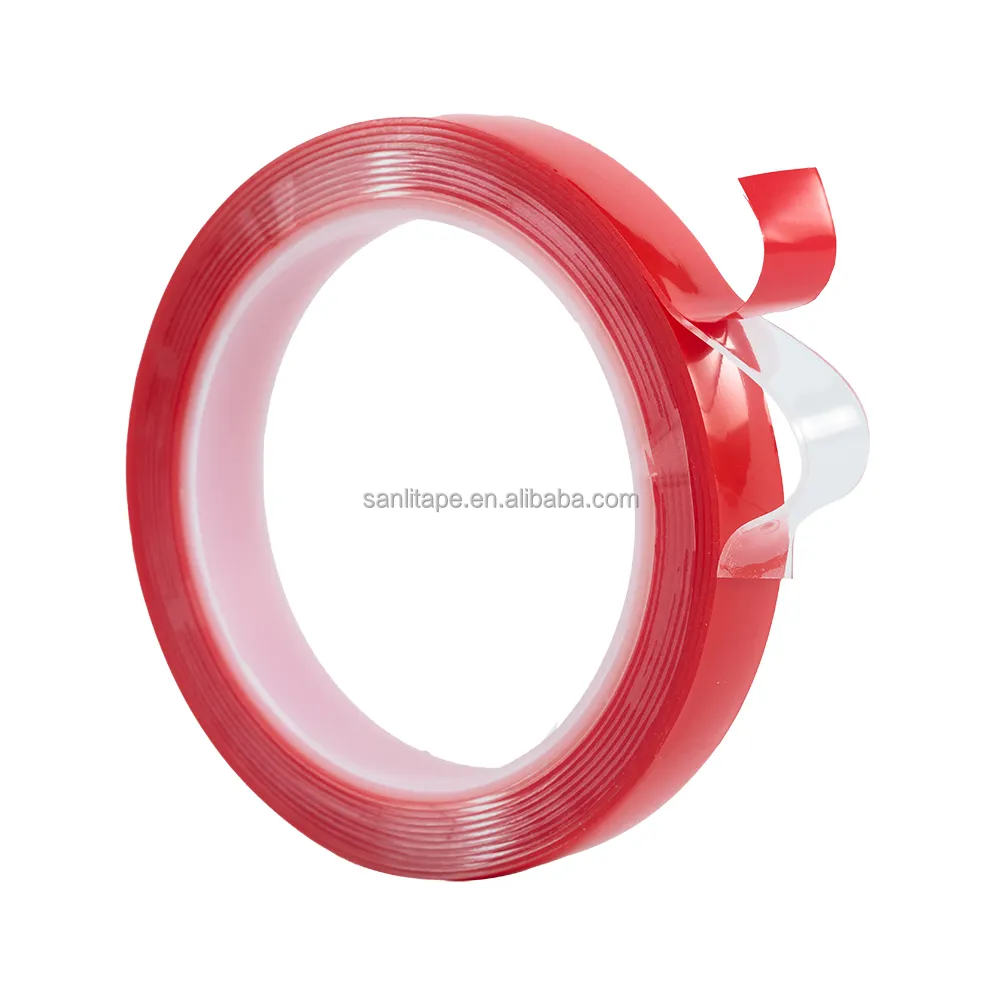
Best Sellingproducts
Best Selling Products-
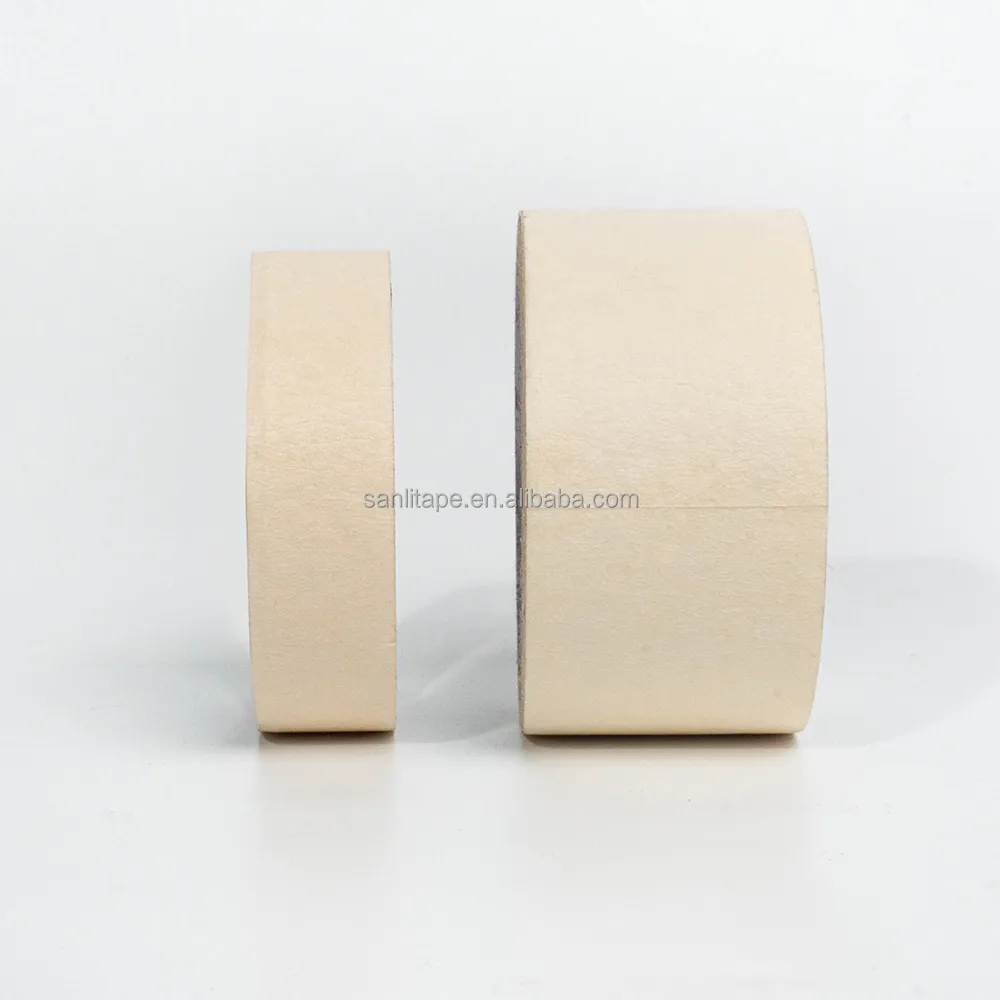
 High-temperature masking adhesive masking tape for decorative car painting, high viscosity, easy to tear without leaving marks, single-sided, wrinkle-free
 -
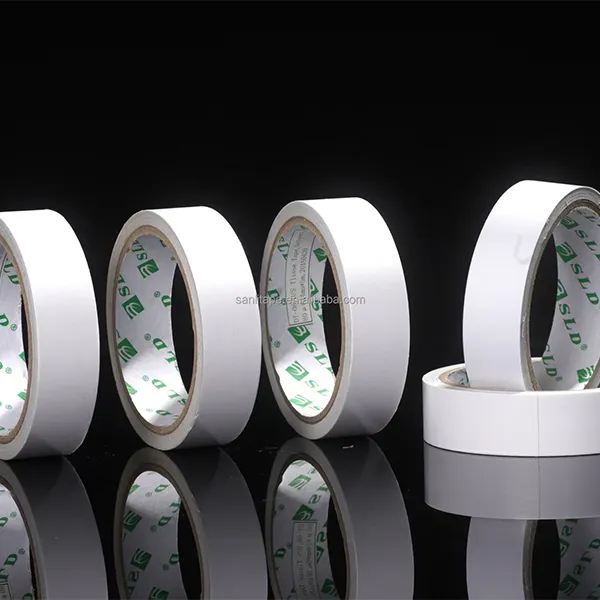 Thin Double Sided Adhesive Tape Clear PET Polyester Film Adhesive Tape Installation and Fastening of Industrial Parts Die-Cut Double Sided Adhesive Tape
 -
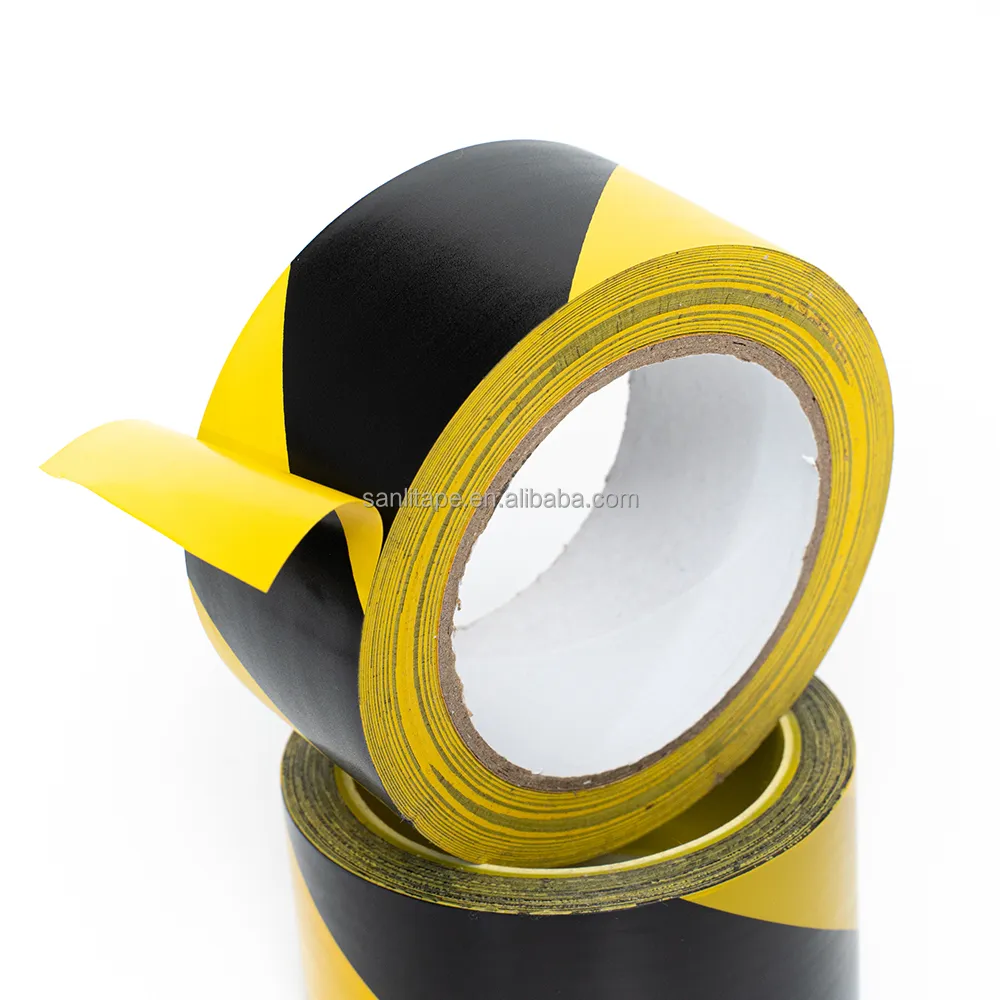 PVC Warning Tape Marking Warning Tape Decorative Floor Tape
 -
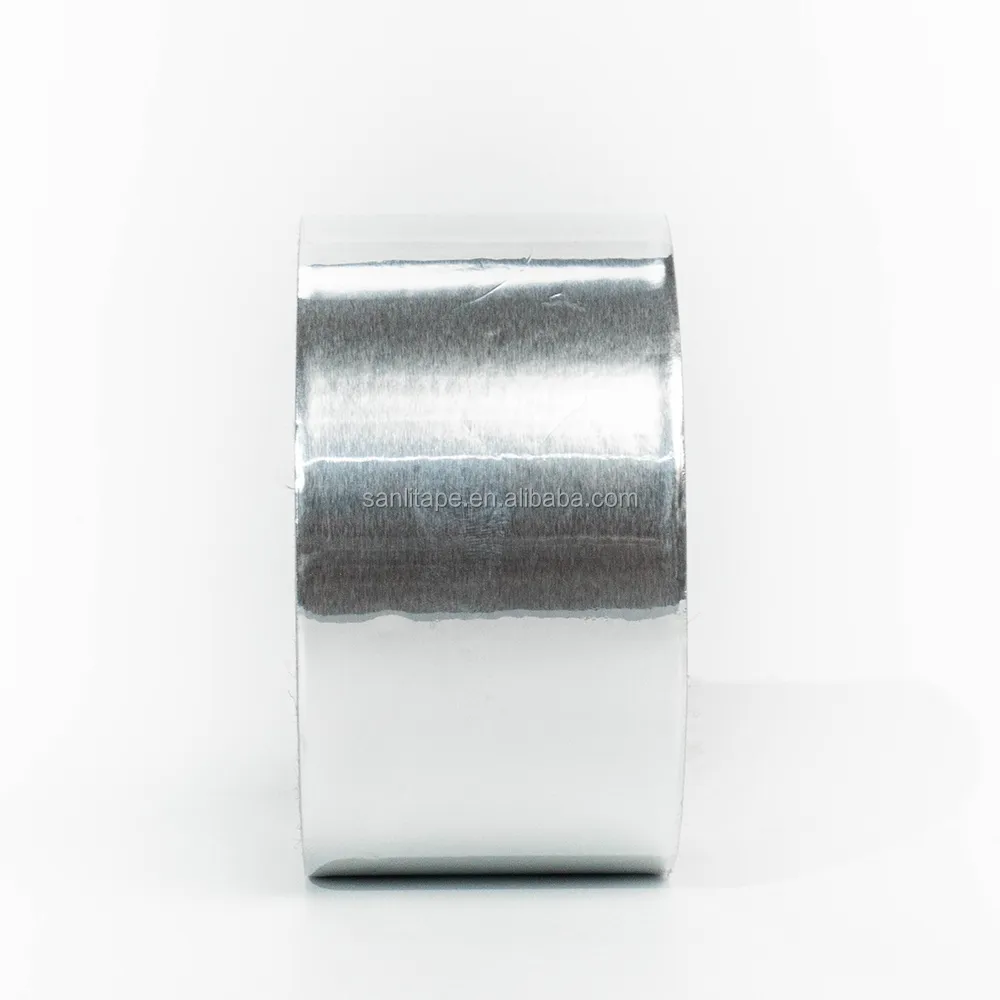 Temperature Resistant Aluminum Foil Tape
 -
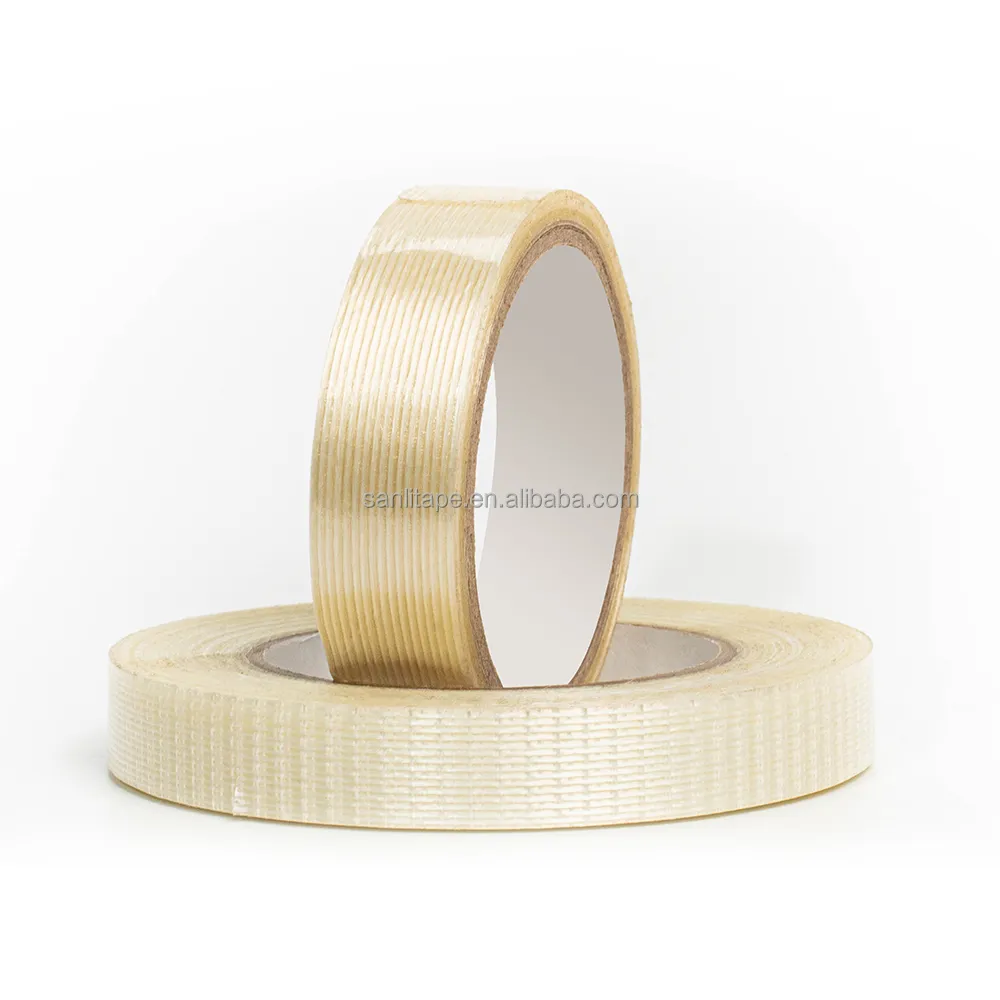 Super Heavy Objects with Integrated Fiberglass Tape Electrical Apparatus Packaging Transparent Attaching Tape
 -
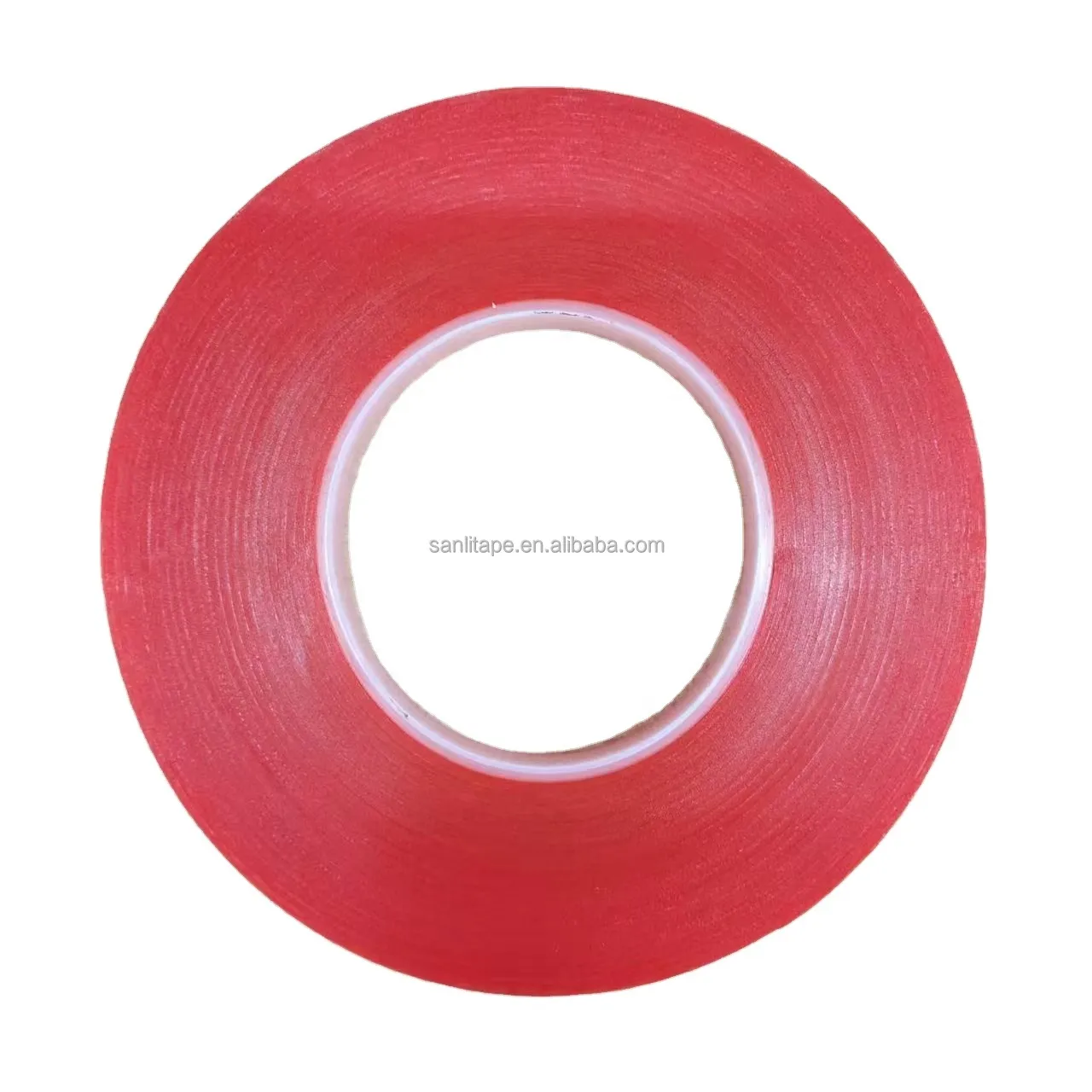 Red Film Durable Ultra Clear Double Sided Polyester Tape with High Temperature Acrylic Adhesive Double Sided PET Tape
 -
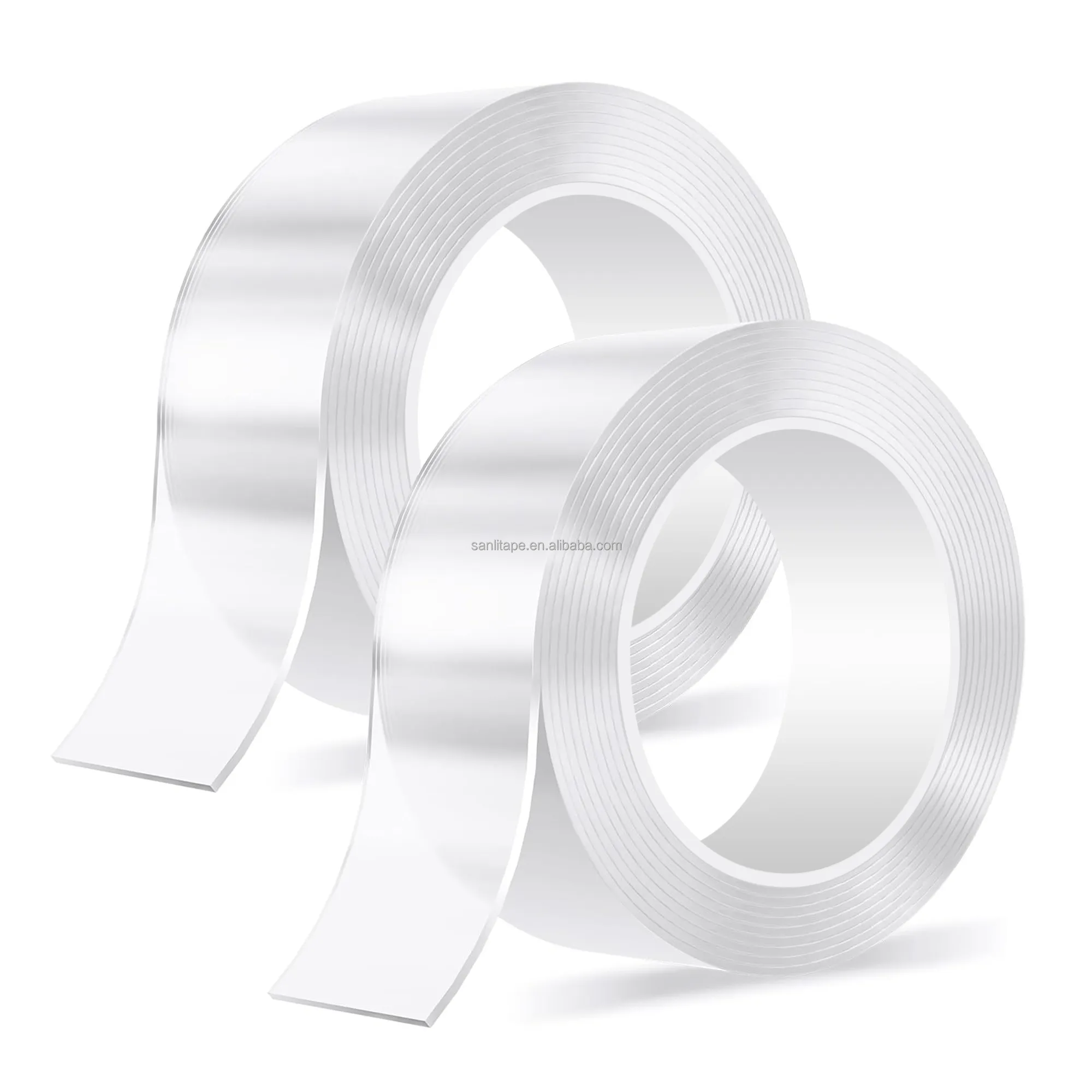 High Transparent Nano Tape, High Viscosity, High Water Resistance, Trace Free Fixation, Acrylic Double Sided Tape
 -
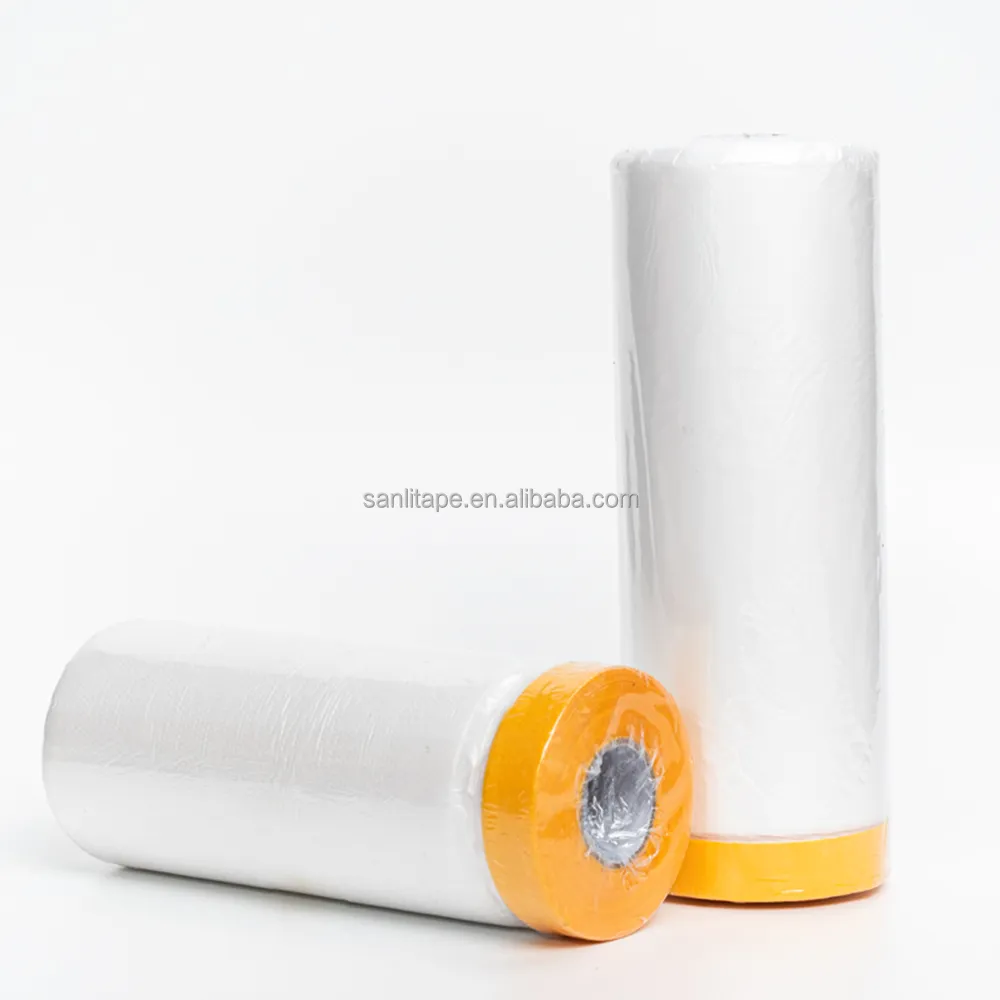 Comb Paint Covers Anti-dust Transparent Furniture Decoration Film and Paper Masking Protective Film
 -
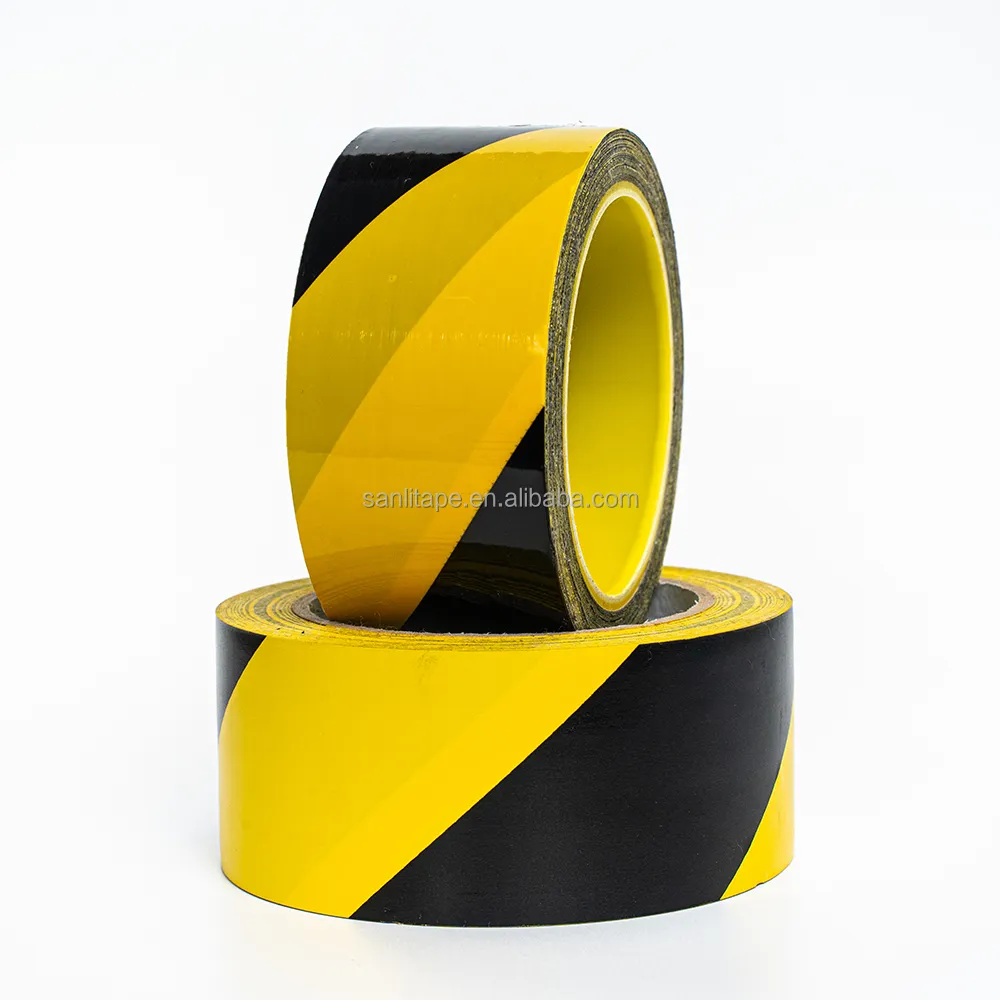 EVPEC Warning Tape for Marking PE Composite Floor Warning Tape Decorative Tape
 -
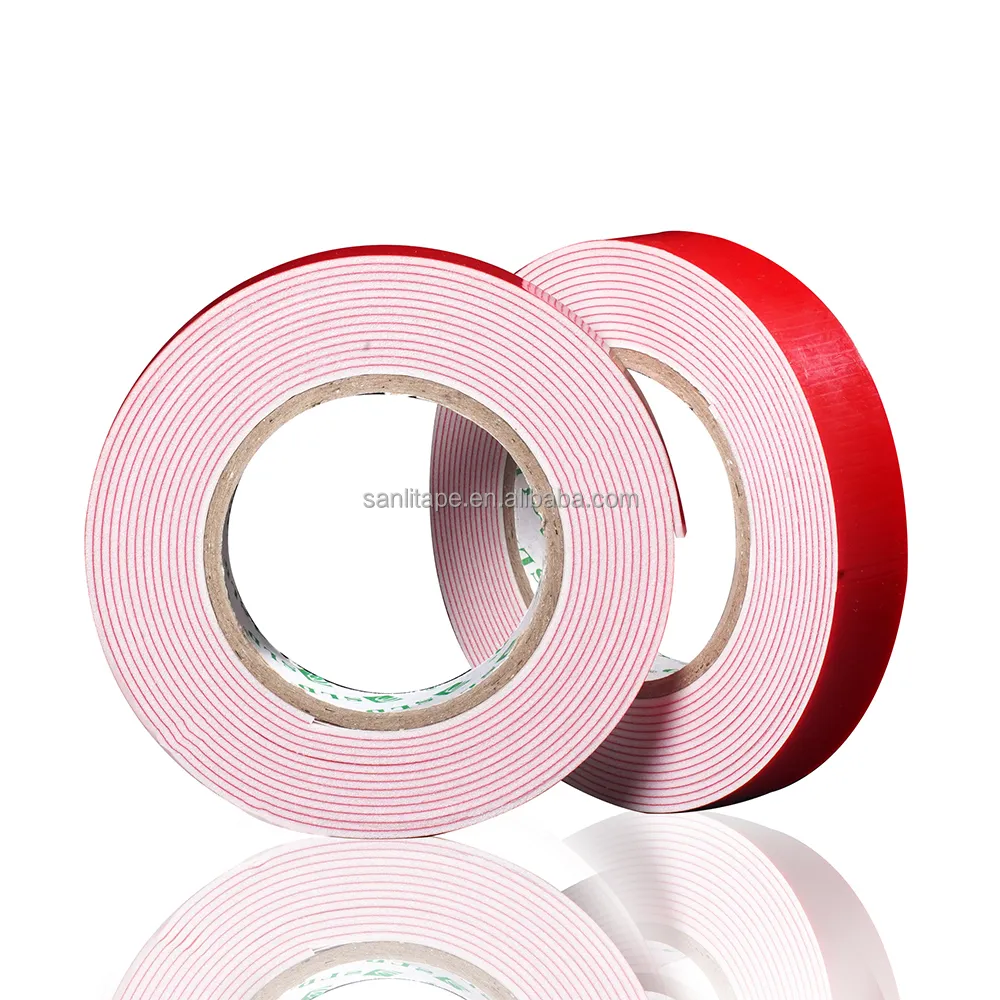 Double Sided Foam Tape High Density High Adhesion White and Black Double Sided Adhesive PE Foam Tape
 -
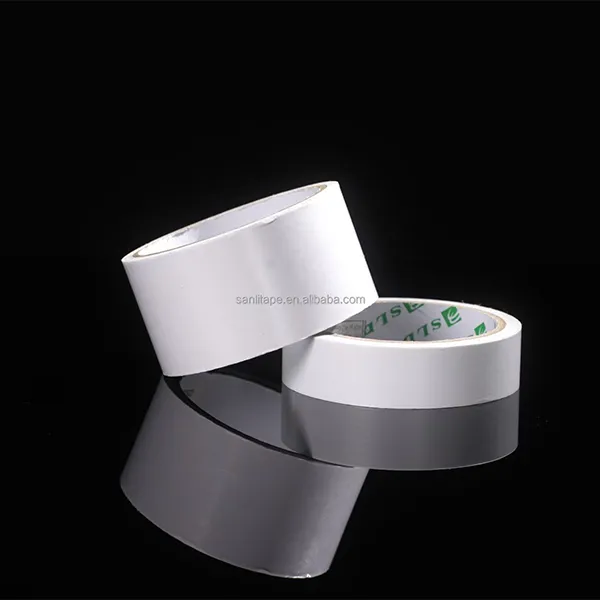
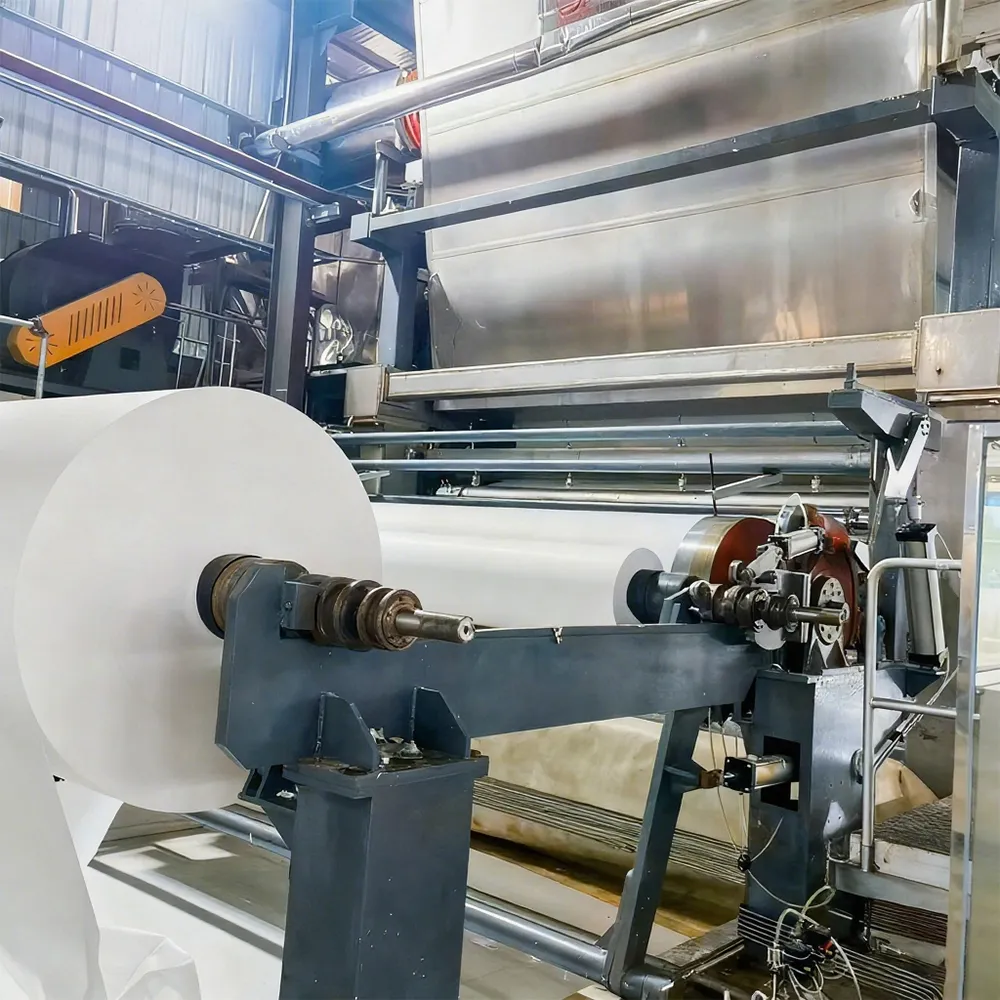 Flexible and eco-friendly cotton paper white double-sided adhesive tape material, soft thin packaging material 14g, 18g, 20g.
 -
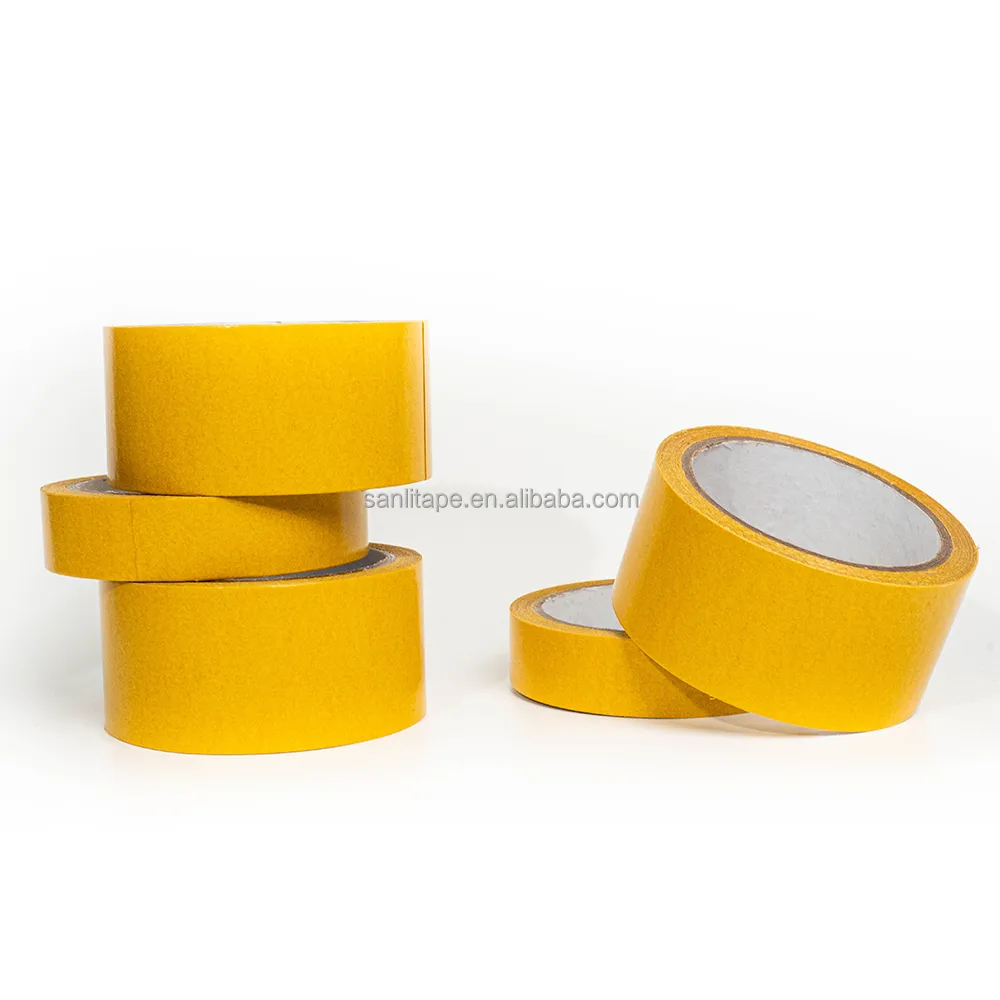 High Density Mesh Tape, High Viscosity, Double Sided Carpet Fastening Tape
Relatedsearch
Related Search- Double-sided polypropylene tape suppliers
- Double-sided or double-sided tape manufacturers
- Adhesive double sided tape suppliers
- Order masking tape with film and paper in China
- Double sided tape pvc price
- Glue double sided tape price
- Double sided fabric adhesive tape suppliers
- Double Sided Adhesive Tape 10mm Manufacturers
- Adhesive tape double sided polypropylene plant
- Double-sided tape for moldings main buyer