




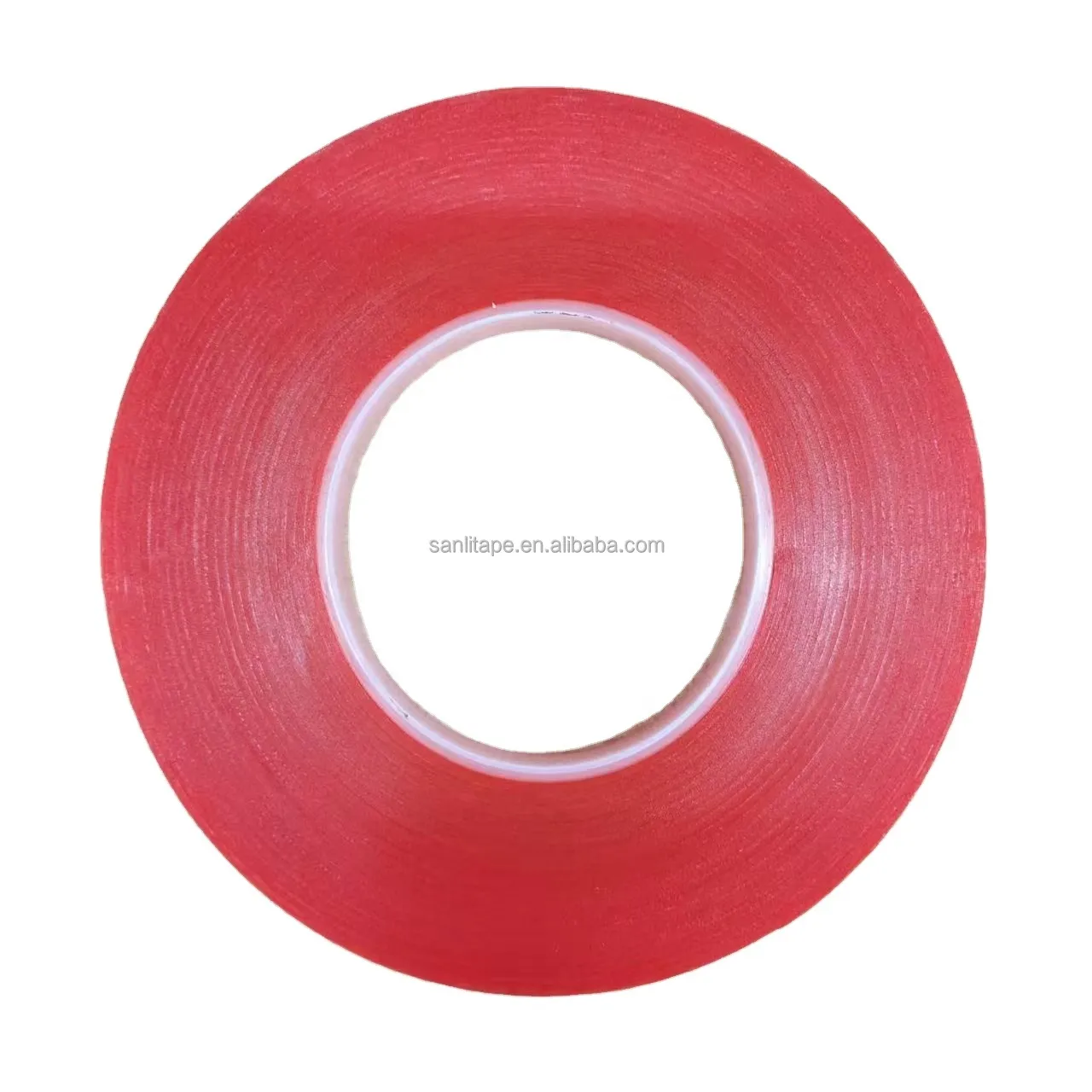
Double-sided PET film tape
Double-sided PET film tape– this is, at first glance, a simple thing. But, having worked in this field for many years, I understand that its application is much wider than just gluing two surfaces. Often clients come expecting a universal solution, and we try to choose the best option, taking into account many factors: adhesion to a specific material, temperature, humidity, service life... Often there are no 'universal' solutions, and compromises have to be made. I will try to share the experience that I have encountered in practice - from successful projects to unsuccessful experiments.
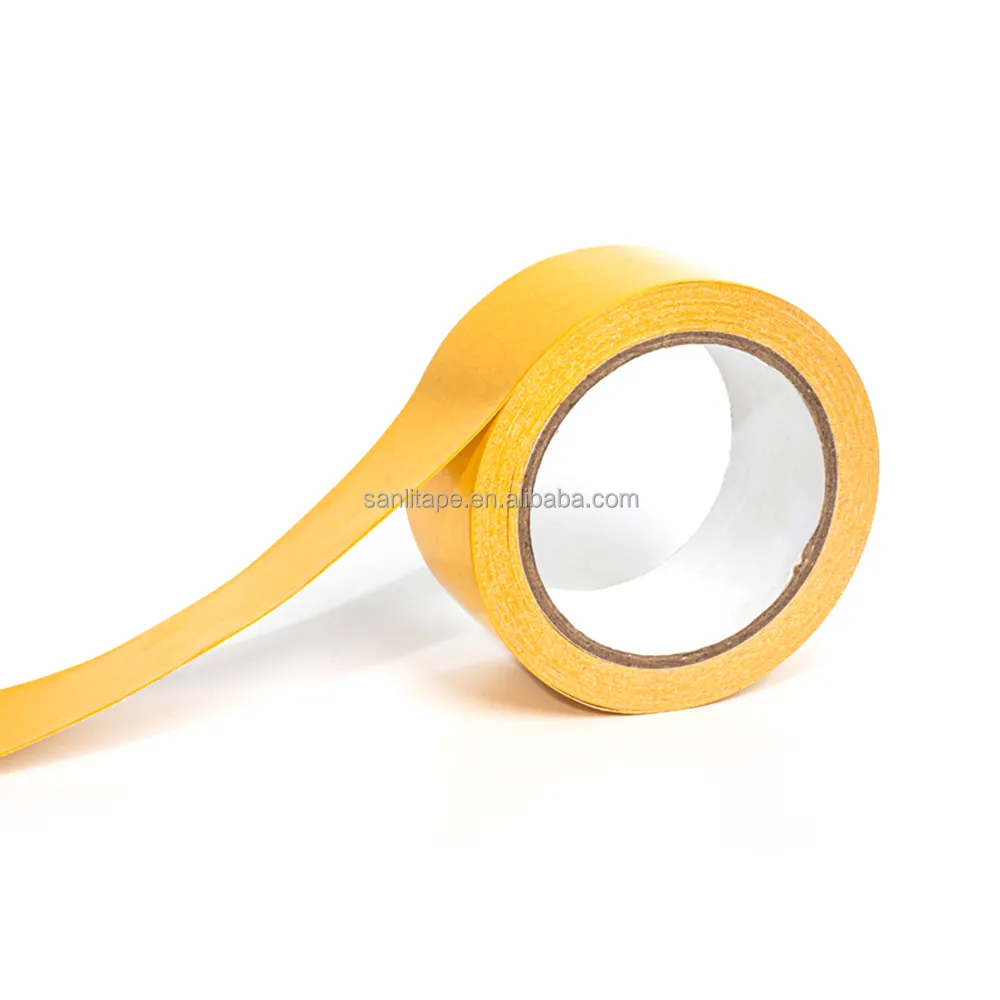
What is double-sided PET film tape and why is it good?
PET, or polyethylene terephthalate, is a polymer known for its strength, chemical resistance and heat resistance. It is these properties that makedouble-sided PET film tapein demand in a variety of industries. It can be used for gluing plastic, glass, metal, and textiles, and at the same time withstands fairly high temperatures. Of course, it is not suitable for everything, but in general it is a very good base material for creating adhesive solutions.
The most important thing to understand isdouble-sided PET film tapesthere are different ones. They differ in the type of glue that is used. This could be acrylic glue, silane glue, or even a special solvent-based glue. The choice of adhesive is a key factor that determines the characteristics of the tape and its suitability for a particular application. For example, acrylic tapes are good for gluing plastic and glass, and silane tapes are good for gluing metal and ceramics. The wrong choice of adhesive can lead to complete destruction of the joint.
Often, clients come with the request 'need the strongest tape'. But strength is not the main thing. It is important to consider how stable the connection will be under certain operating conditions. For example, outdoors under the influence of UV rays, or indoors with high humidity. In these cases, it is necessary to choose tapes with UV stabilizers or waterproof adhesives. This, by the way, is often underestimated, and then problems arise associated with the destruction of the bond.
Application in electronics industry
In the electronics industrydouble-sided PET film tapesare widely used when mounting components on printed circuit boards. They provide reliable fixation of the elements and protect them from vibrations and shocks. Tapes with heat-resistant adhesive that can withstand high temperatures during soldering are especially in demand.
One interesting case was when we worked with a company that produces LED panels. They needed a tape that could withstand prolonged exposure to high temperatures during production, as well as humidity during installation. After several tests and trials, we chose a specialdouble-sided PET film tapewith silane adhesive, which met all the requirements. This allowed them to significantly improve the reliability of their products and reduce production time.
I noticed that many people order tape 'for a specific board', without proper analysis of the design and operating conditions. This leads to choosing a tape that is too thick or too thin, or simply not one that adheres well to the board material. It is important to remember that the thickness of the tape and the adhesive properties of the glue must be compared with the design features of the product.
Problems and errors during use
One of the common problems we encounter is insufficiently thorough preparation of surfaces for gluing. Any dirt, dust, grease can significantly reduce the adhesion of the glue. Therefore, surfaces must be thoroughly cleaned before applying the tape. We use special degreasers to remove residual contaminants and ensure maximum adhesion.
Another mistake is incorrect gluing pressure. It is necessary to ensure uniform pressure over the entire surface of the joint so that the glue is well distributed and provides reliable adhesion. Sometimes, special presses or rollers are used for this.
Solving adhesion problems
If after gluing there is a problem with adhesion, then it is necessary to carry out diagnostics. Often the cause is the wrong choice of glue, insufficient pressure, or surface contamination. In some cases, re-bonding may be necessary using a different adhesive or more thorough surface preparation.
We once worked on a project where the bonding of plastic panels turned out to be extremely unstable. It turned out that the plastic was treated with some kind of special coating that prevented adhesion. In this case, we had to use a special primer that improved the adhesion of the glue to the plastic. This allowed us to solve the problem and ensure reliable bonding of the panels.
Key points when choosing double-sided PET film tape
So, if you are thinking about choosingDouble-sided PET film tape, here are a few key points to pay attention to:
- Glue type:Select an adhesive that matches the materials you plan to bond.
- Temperature:Make sure that the glue can withstand operating temperatures.
- Humidity:If the product will be used in a humid environment, choose waterproof tape.
- Adhesion:Test adhesion on samples of the materials you plan to glue.
- Tape thickness:Select a tape thickness that matches the design features of the product.
Don't forget that consultation with a specialist can help you choose the best option. We at Enping Sanli Adhesive LLC are always happy to help our clients choosedouble-sided PET film tapesthat suit their needs.
Enping Sanli Adhesive Co.,Ltd has rich experience in manufacturing and supplyingdouble-sided PET film tapes. Our factory is located in Enping, China, and we offer a wide range of belts for various industries. Our products meet international quality standards and have reliably proven themselves in the market.
Conclusion
Double-sided PET film tapeis a universal material that can be used to solve a variety of problems. But in order to achieve the best results, it is necessary to choose the right tape and ensure that the surfaces are properly prepared for gluing. With the right approach,double sided PET film tapecan be a reliable and effective solution for your tasks.
Correspondingproducts
Related Products
Best Sellingproducts
Best Selling Products-
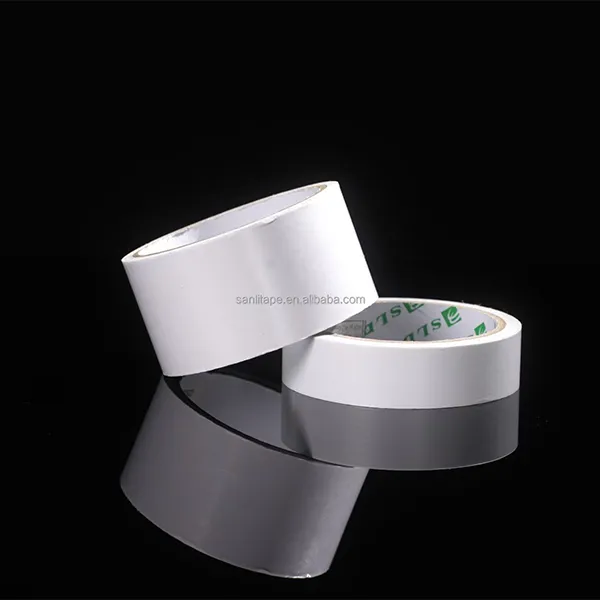 Thin Double Sided Adhesive Tape Transparent OPP Film Adhesive Tape Double Sided Adhesive Tape for Industrial Installation and Fixing
 -
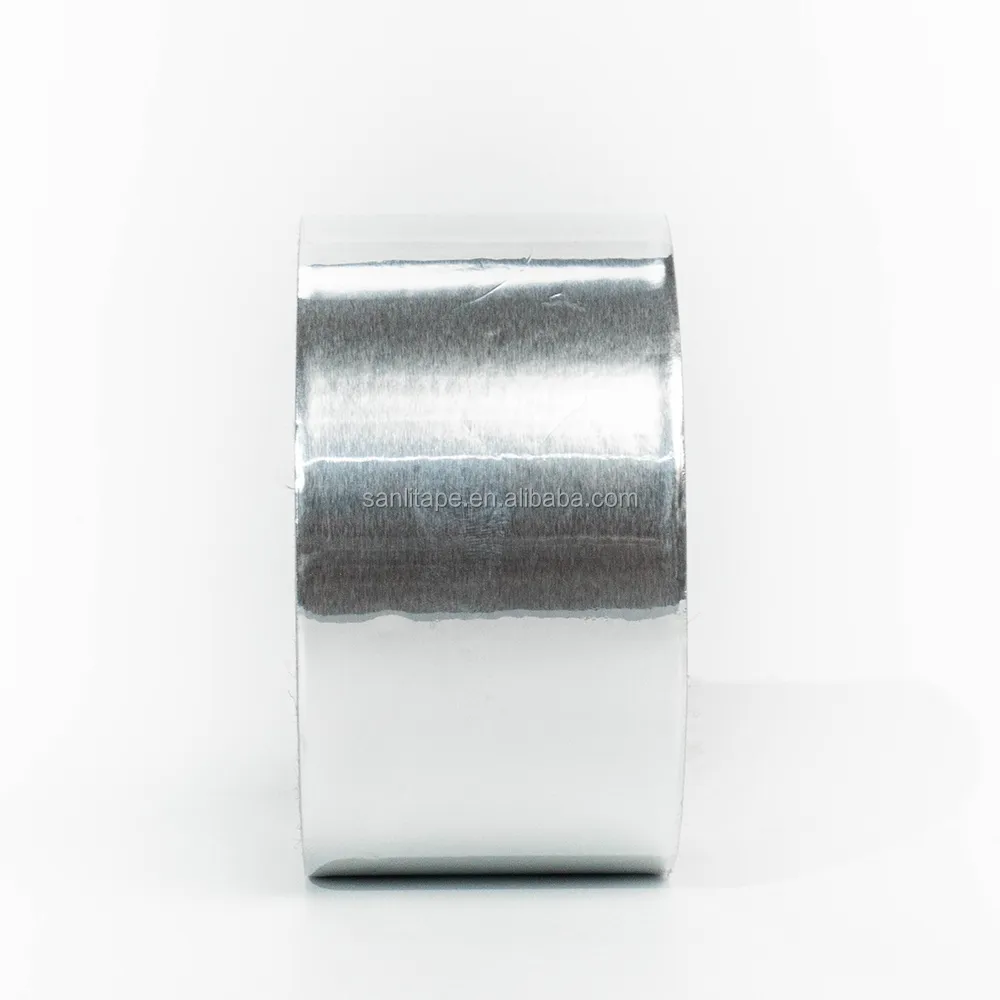 Temperature Resistant Aluminum Foil Tape
 -
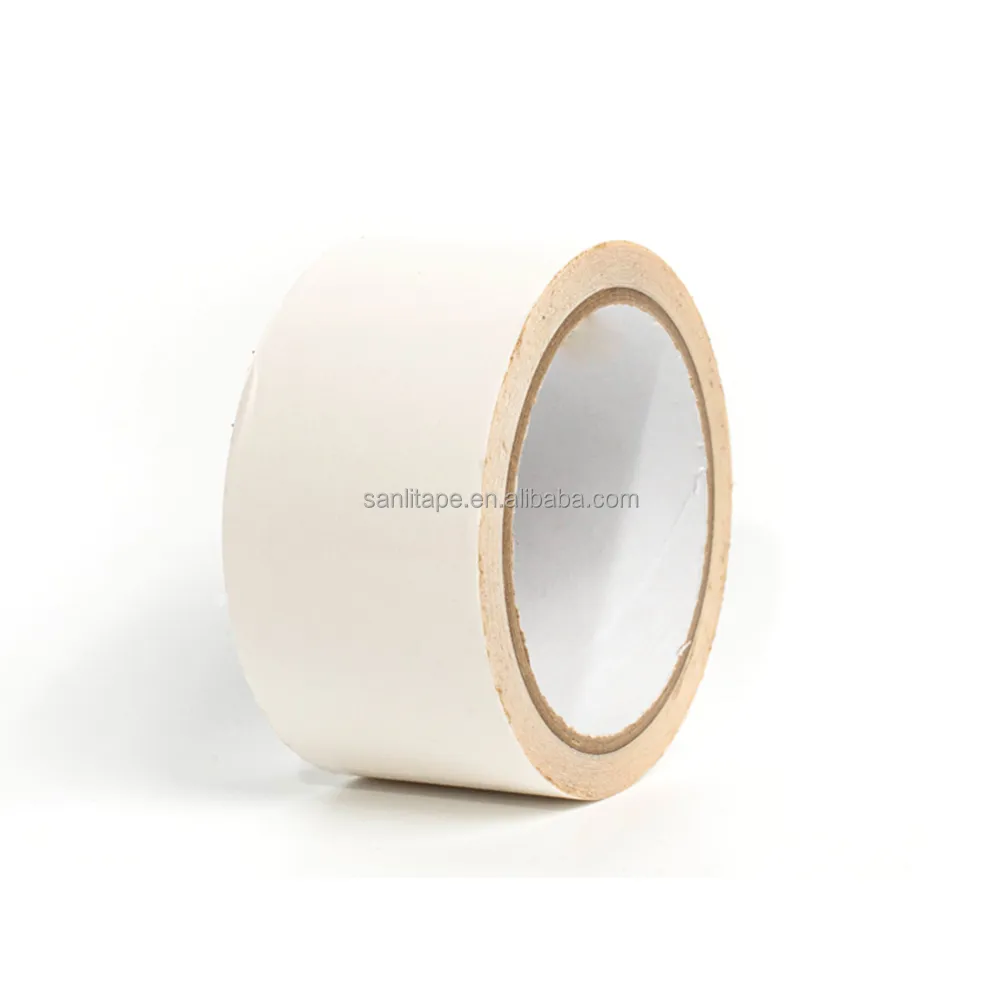 Immortal double-sided tape hardware equipment decorative parts with high insurance transparent tape
 -
 High Transparent Nano Tape, High Viscosity, High Water Resistance, Trace Free Fixation, Acrylic Double Sided Tape
 -
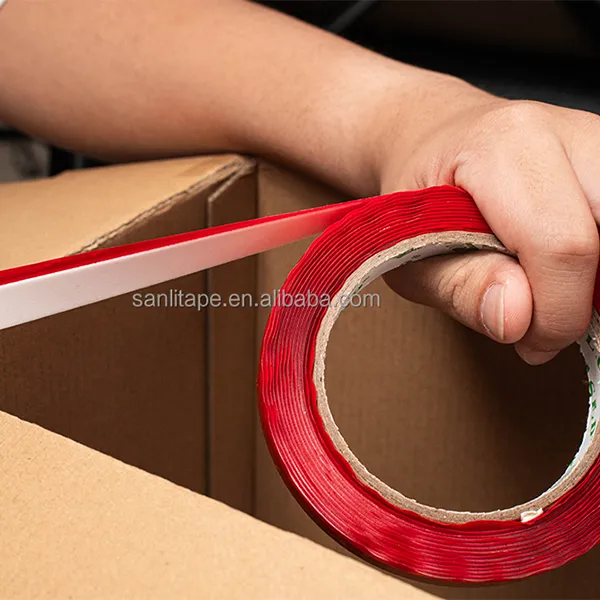 Packing tape with raised tape
 -
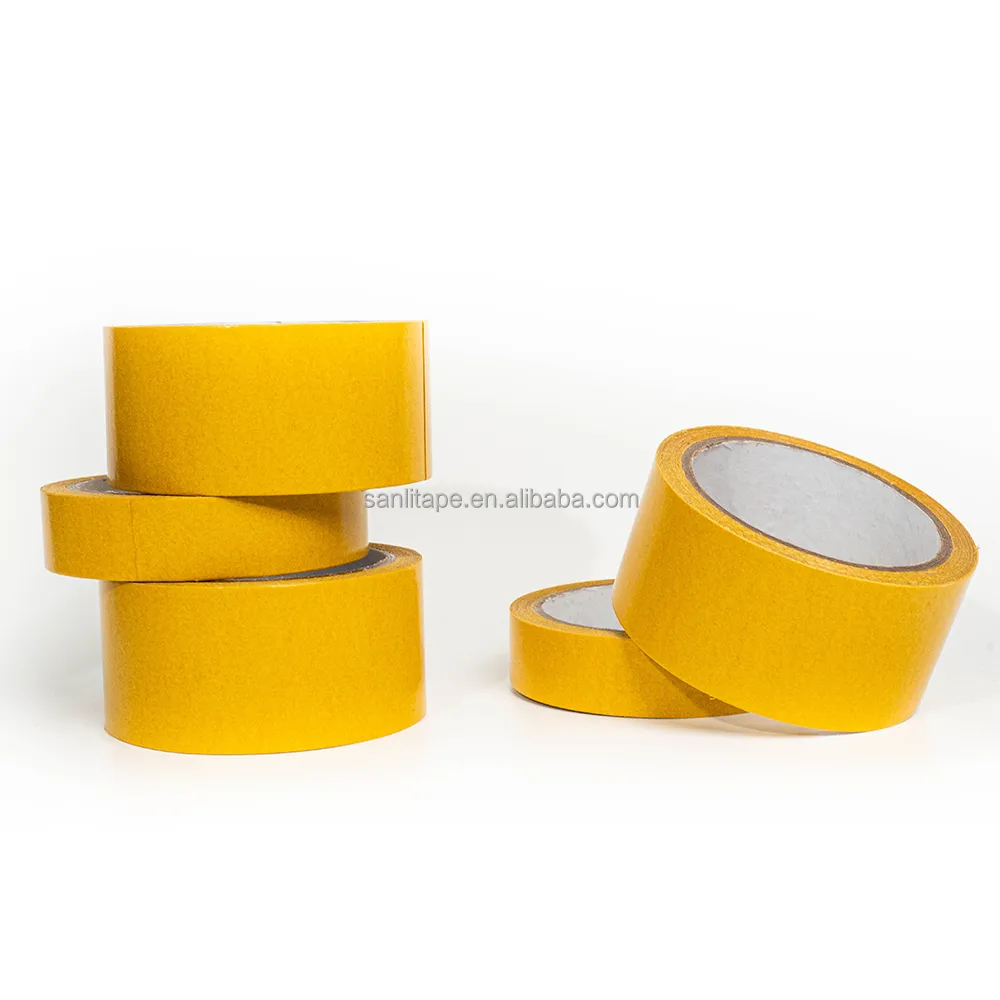 High Density Mesh Tape, High Viscosity, Double Sided Carpet Fastening Tape
 -
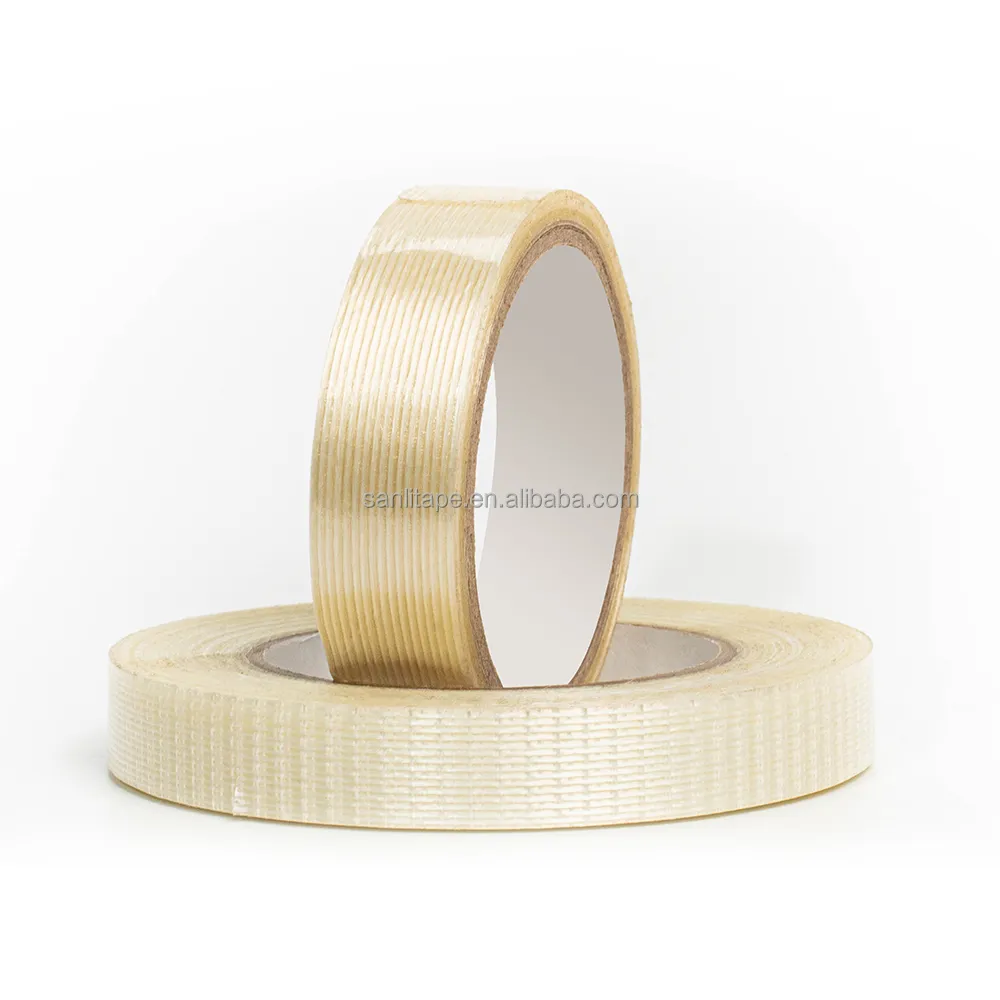 Super Heavy Objects with Integrated Fiberglass Tape Electrical Apparatus Packaging Transparent Attaching Tape
 -
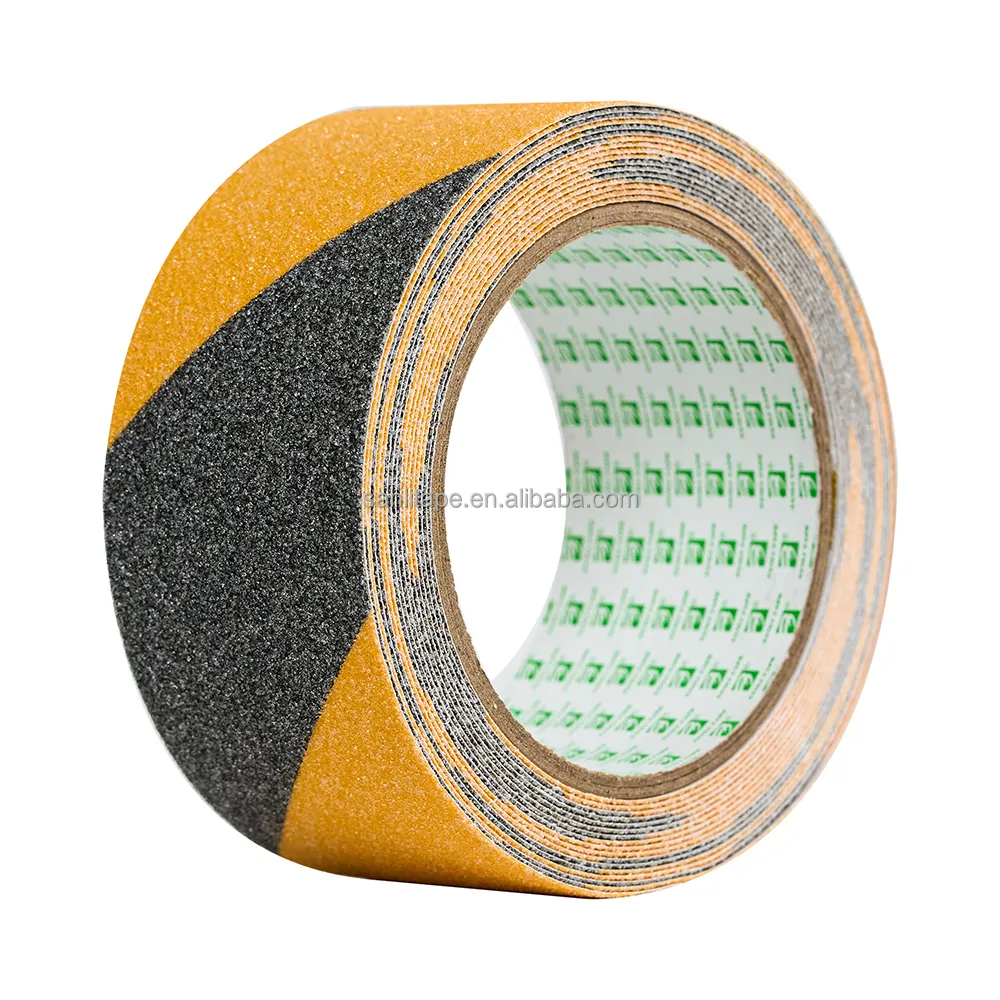 Waterproof matte anti-slip adhesive tape with strong adhesive acrylic adhesive outdoor warning anti-slip sticker wear-resistant color self-adhesive tape
 -
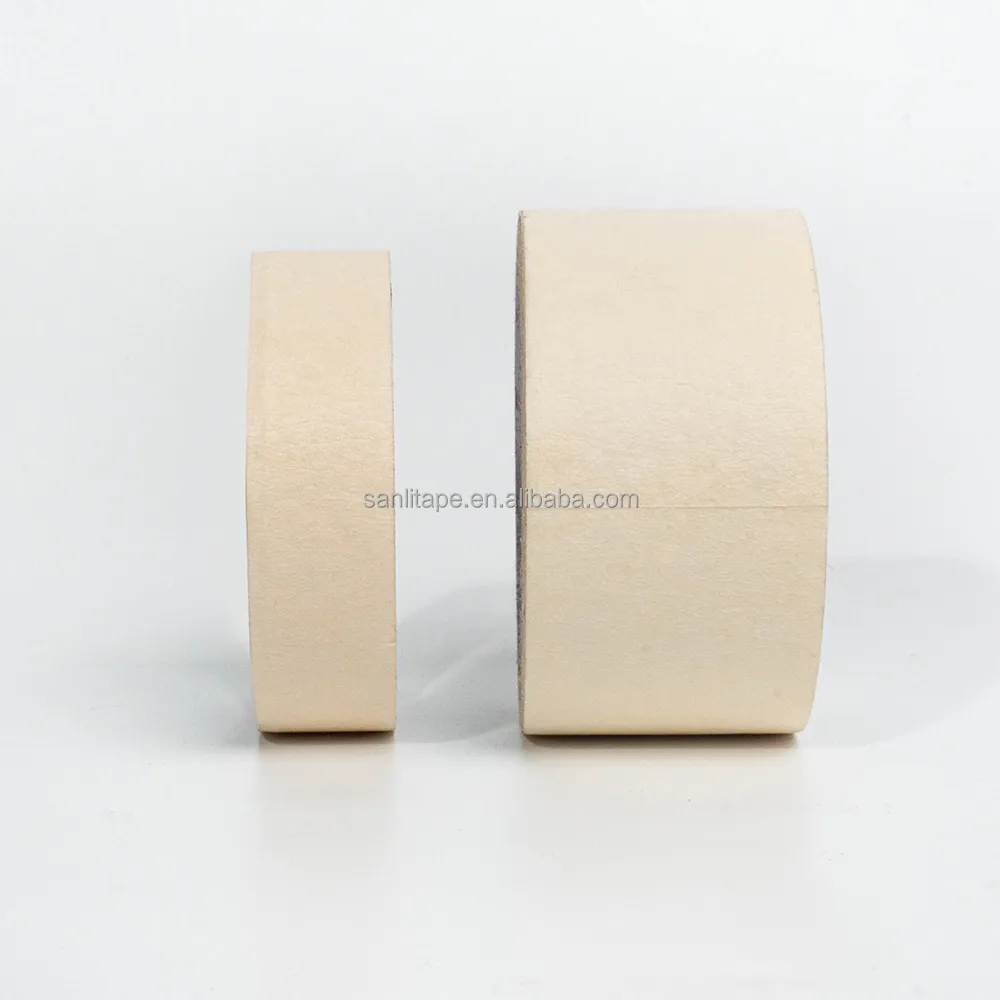 Masking Tape Paint Sprayer Decoration Masking One-Way Wrinkles
 -
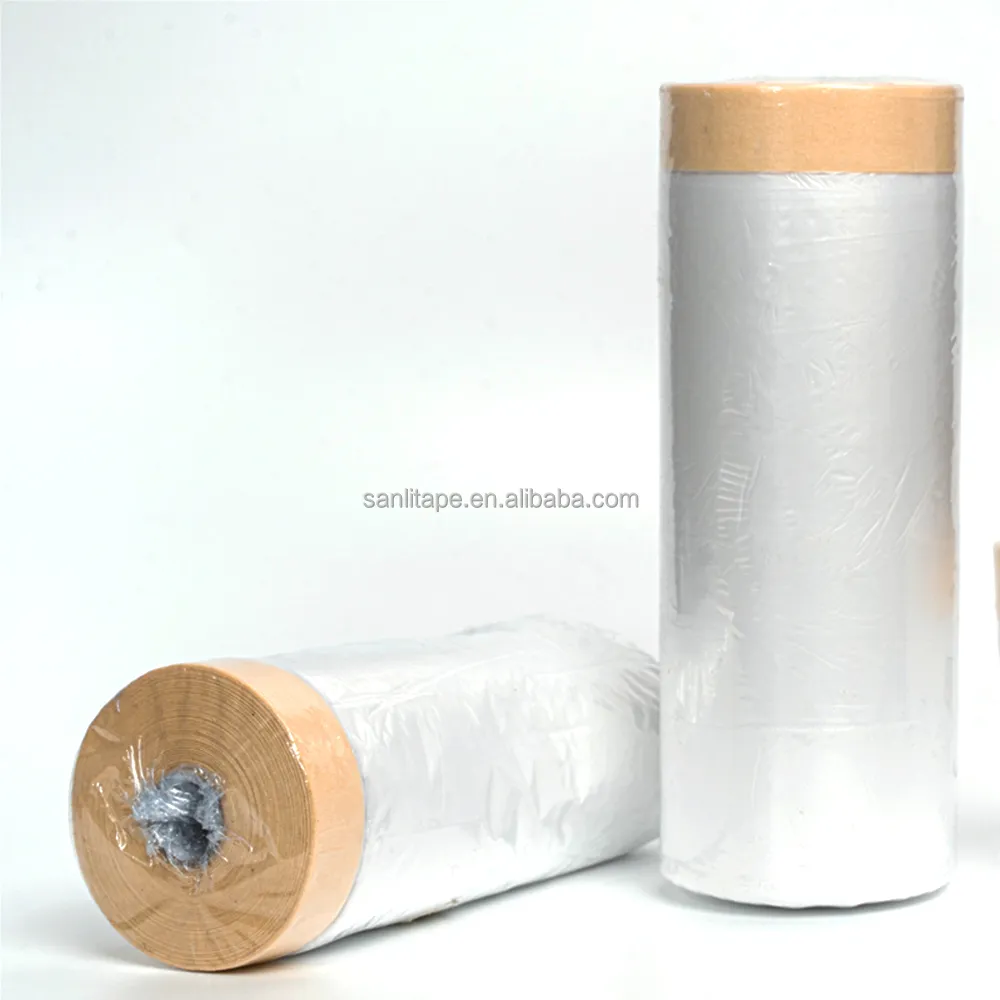 Paint Spray Anti Dust Film Clear Furniture Decoration Film Masking Tape Masking Tape Protective Film
 -
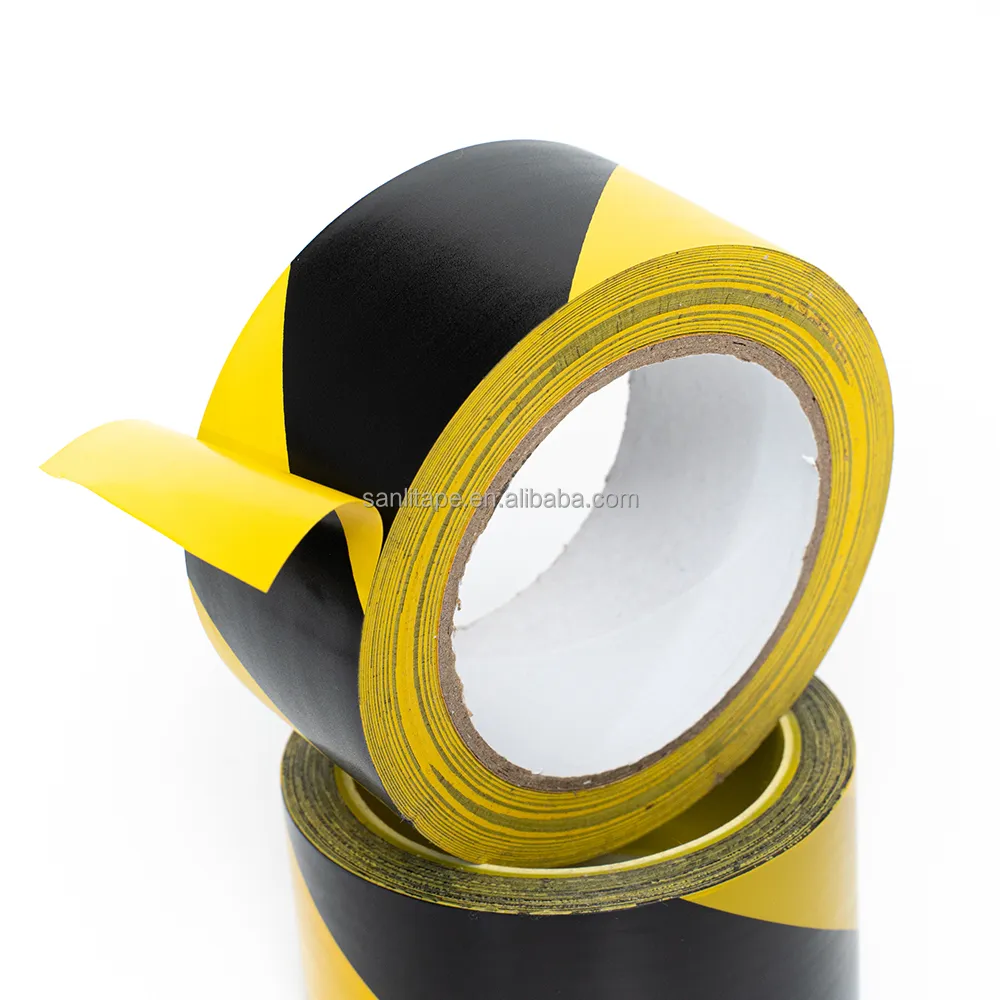 PVC Warning Tape Marking Warning Tape Decorative Floor Tape
 -
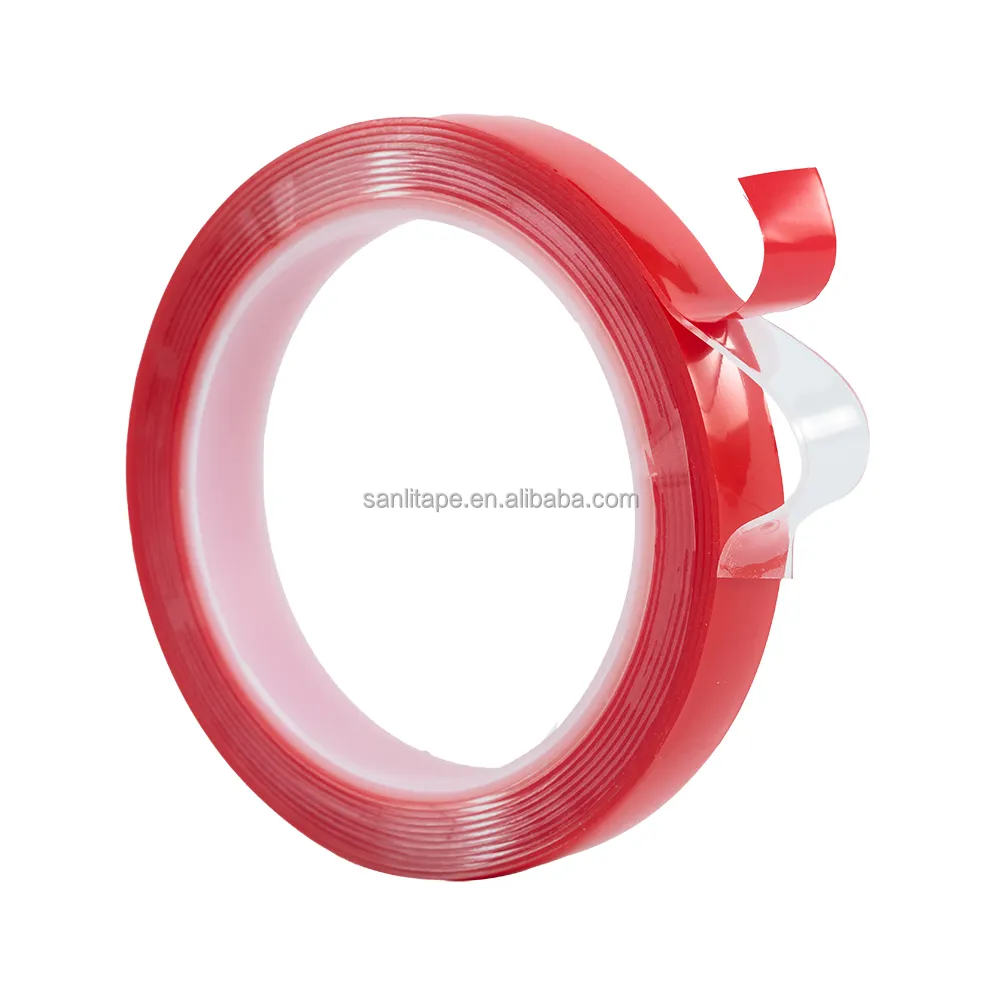 Heavy Duty Double Sided Adhesive Tape Waterproof Acrylic Foam Tape Gray Clear White
Relatedsearch
Related Search- Order 3mm double-sided tape in China
- double-sided tape for heavy objects
- Double-sided tape 50 mm manufacturer
- anti-slip tape 25
- Adhesive film
- Double-sided adhesive tape transparent 3m factory
- Double-sided tape mounting manufacturer
- Order adhesive tape 50 mm 50 m in China
- Double-sided foam tape 3mm thickness suppliers
- Anti-adhesive material main buyer