




double sided fabric tape
Double Sided Fabric Tape- a seemingly simple thing. At first glance, it is just fabric covered with glue. But experience shows that choosing the right tape is an art that requires an understanding of many factors. Often, especially novice specialists, focus only on the basic characteristics - width, length, thickness. But the type of fabric, type of glue, and even the method of applying the glue determine the reliability of gluing, durability and, ultimately, the success of the final product. I’ll try to share some observations based on practice, and also talk about mistakes that, unfortunately, are made quite often.
What exactly is double-sided fabric tape?
Essentiallydouble sided fabric tapeis an adhesive material based on various fabrics, both natural (cotton, linen) and synthetic (polyester, nylon). There are tapes with different types of adhesive layer: based on acrylate, rubber, silicone, and even specialized polyurethane adhesives. Each of these types of glue has its own characteristics: heat resistance, adhesion to different materials, resistance to moisture and chemicals. This is where the main difficulty lies - choosing an adhesive that is ideal for a specific task. The wrong choice of adhesive can lead to peeling of the tape, deterioration of adhesion, and, as a consequence, to the rejection of the entire batch of products. Sometimes we encounter situations where even when using a seemingly 'good' glue, problems arise. The reason often lies in the incorrect selection of base fabric for the glue.
For example, we worked on a project to produce decorative panels for the automotive industry. The requirements for the tape were the highest: resistance to ultraviolet radiation, temperature changes, exposure to technical fluids, as well as high adhesion to plastic and metal. After several unsuccessful attempts with different types of tape, we settled on polyester fabric with acrylic adhesive. It was this option that provided us with the required strength and durability of the connection. This is direct proof that the choice of material and adhesive is not an accident, but a conscious choice based on a careful analysis of the requirements for the final product.
Types of fabrics fordouble sided fabric tapeand their properties
The choice of backing fabric plays a critical role in the performance of the tape. Cotton fabric is a classic option that provides good adhesion to textile materials. It also has good heat resistance and elasticity. But cotton tape may not be the best choice for applications where high moisture resistance is required. Polyester fabric, on the contrary, is more resistant to moisture and ultraviolet radiation, but may have less adhesion to some materials. Nylon fabric is highly durable and wear-resistant, which is why it is often used in industry. In the case ofdouble-sided fabric tape, we often choose mixed fabrics that combine the advantages of different materials. For example, cotton with polyester provides a good balance between adhesion, strength and heat resistance.
We once worked with a supplier who only offered cotton-based ribbon. The tape looked good, but when used to attach decorative elements to furniture upholstery, it quickly lost its properties: the fabric began to delaminate and the glue peeled off from the fabric. When determining the reasons, it was discovered that cotton is not sufficiently resistant to friction and wear that occurs during the use of furniture. As a result, the fastening design had to be completely redesigned using polyester-based tape. This was an expensive but necessary step to ensure the quality of the final product.
Glue application technologies: subtleties and nuances
The method of applying glue is another important factor affecting the quality.double sided fabric tape. There are several main technologies: rotary application, roller application, and calendering. Each of these technologies has its own advantages and disadvantages, and the choice of a specific technology depends on the type of adhesive and the properties of the base fabric. Rotary application is typically used to apply adhesive to high density fabrics, while roller application is suitable for lower density fabrics. Calendering is a more complex technology that allows you to obtain tapes with a very thin and uniform layer of glue. However, calendering requires special equipment and experience.
We encountered a problem with uneven application of the adhesive when using roller application on polyester fabric. This caused some areas of the tape to stick poorly and others to stick too tightly. It was necessary to optimize the parameters of roller application and additionally control the quality of the glue. Ultimately, we were able to achieve uniform application of the glue and improve the quality of the tape. This experience has shown that even minor changes in the technological process can significantly affect the quality of the final product.
Applicationsdouble sided fabric tape
Double Sided Fabric Tapeis widely used in various industries. It is used in the automotive industry for fastening decorative elements and upholstery, in the textile industry for fastening parts of clothing and shoes, in construction for fastening insulating materials and decorative panels, as well as in other areas. With increasing demands on the quality and durability of materials, the demand for high-qualitydouble sided fabric tapecontinues to grow.
We recently participated in the development of a new concept for a car showroom. The main requirement was the use of environmentally friendly materials, which at the same time had to be sufficiently strong and durable. We have chosendouble sided fabric tapebased on natural cotton with acrylic glue. The tape met all the requirements and was successfully used to secure the upholstery. This project showed thatdouble sided fabric tapecan be an excellent alternative to traditional methods of fastening parts, especially in cases where environmental friendliness and aesthetics are required.
Conclusion
Double Sided Fabric Tapeis not just an adhesive material, but a complex engineering product that requires an understanding of many factors. Choosing the right tape is an art that requires experience and knowledge. I hope my observations and experience will help you make the right choice and avoid mistakes when working with this material. Remember that the quality of the tape directly affects the quality of the final product. Sometimes, especially in complex projects, you shouldn’t skimp on materials and technologies, because in the end it will pay off handsomely.
Enping Sanli Adhesive Co., Ltd., with its many years of experience in the production of adhesive tapes, provides a wide range ofdouble sided fabric tapes, meeting the highest quality and reliability requirements. We are ready to help you choose the optimal solution for your task. More detailed information can be found on our website:https://www.sanlitape.ru.Correspondingproducts
Related Products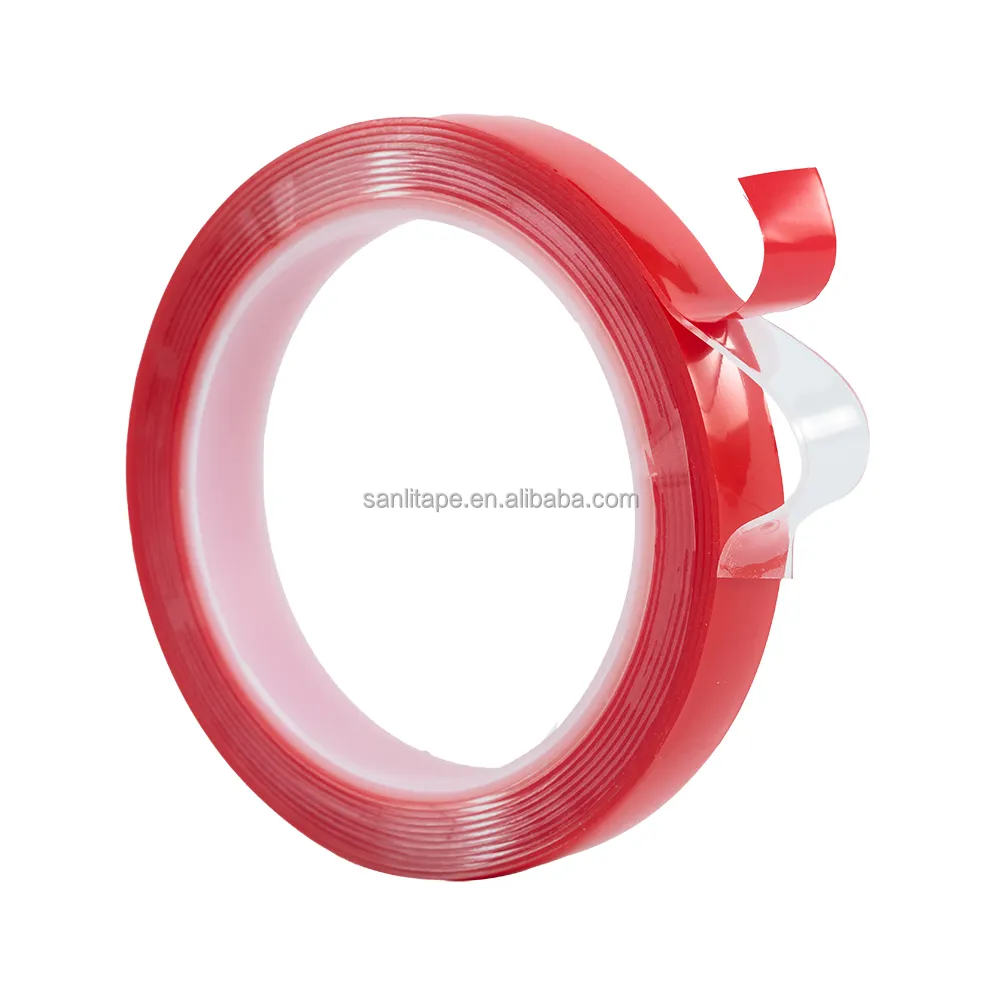
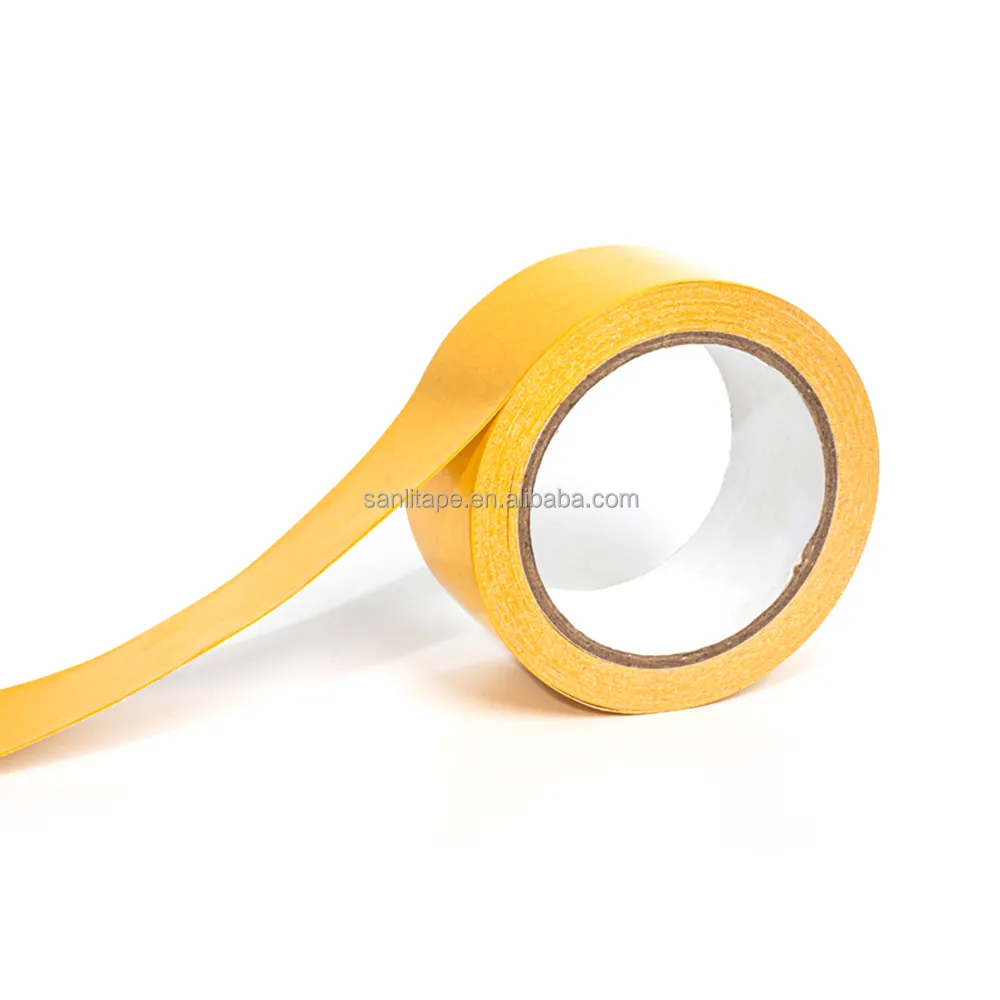
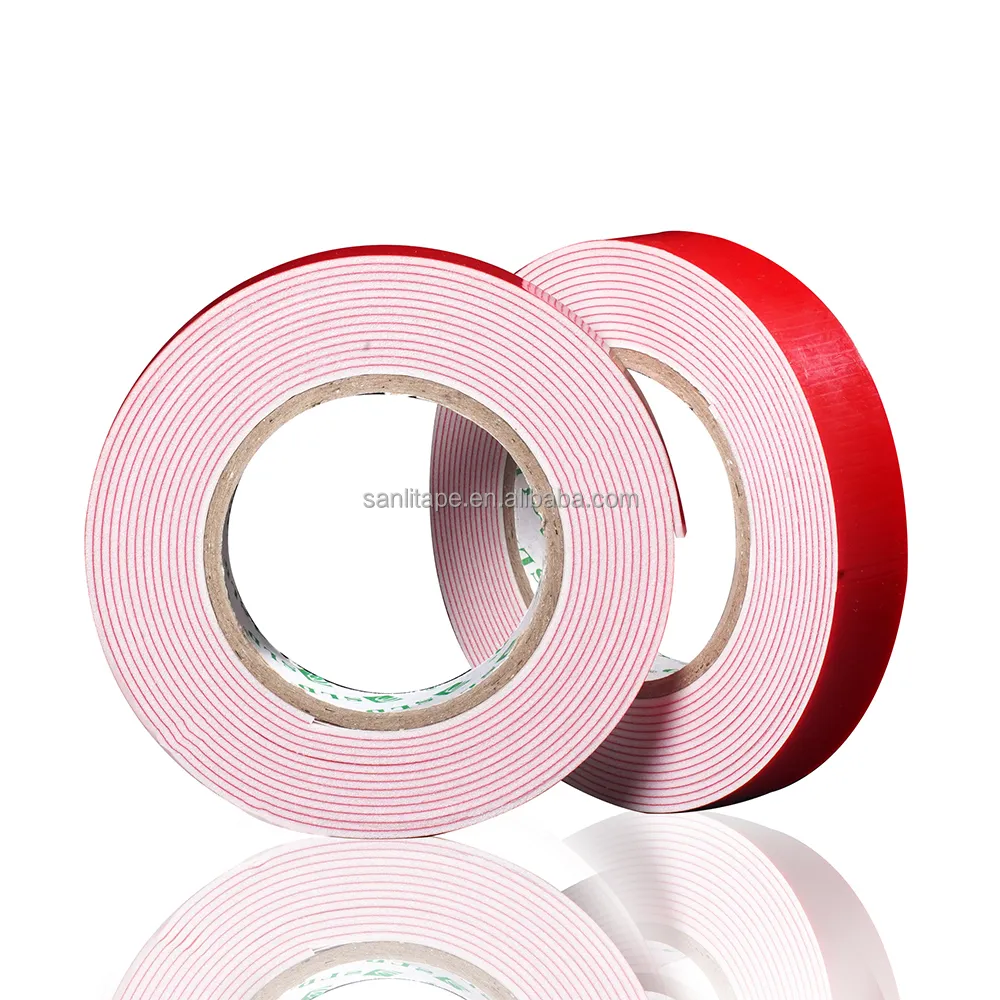
Best Sellingproducts
Best Selling Products-
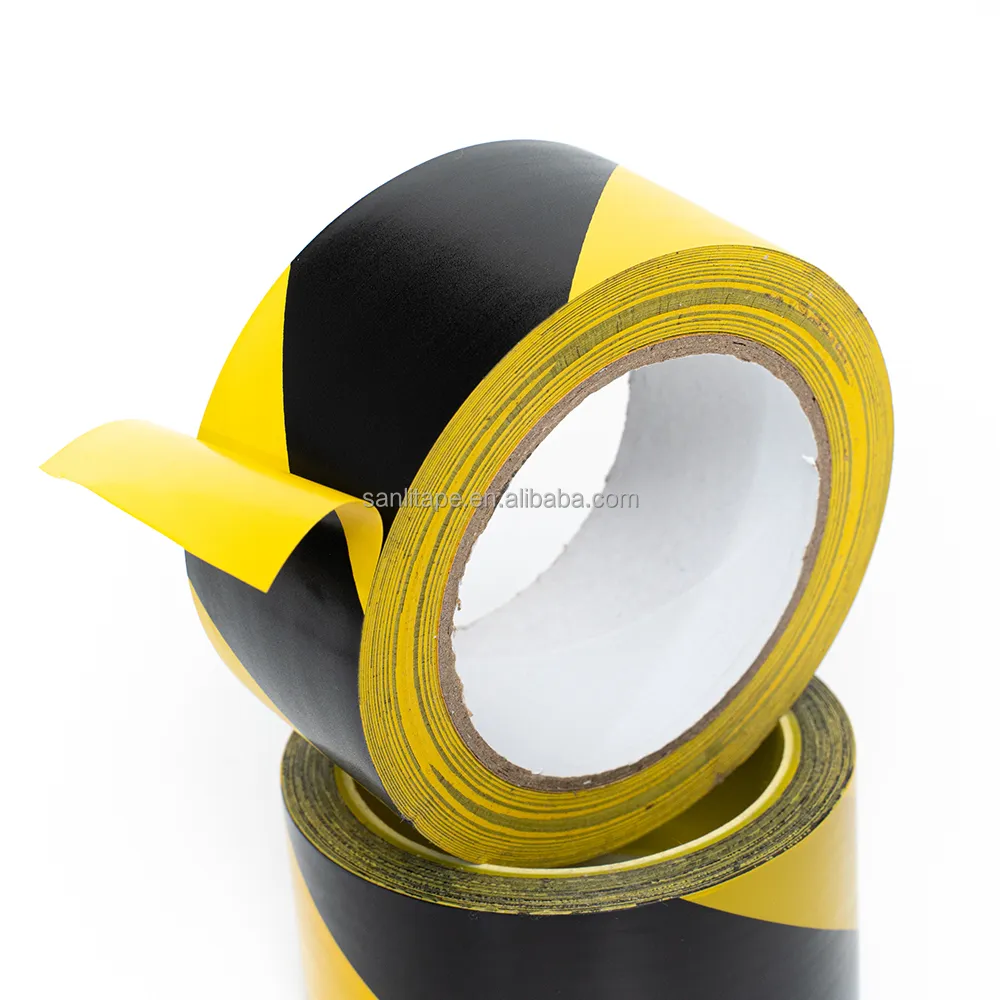
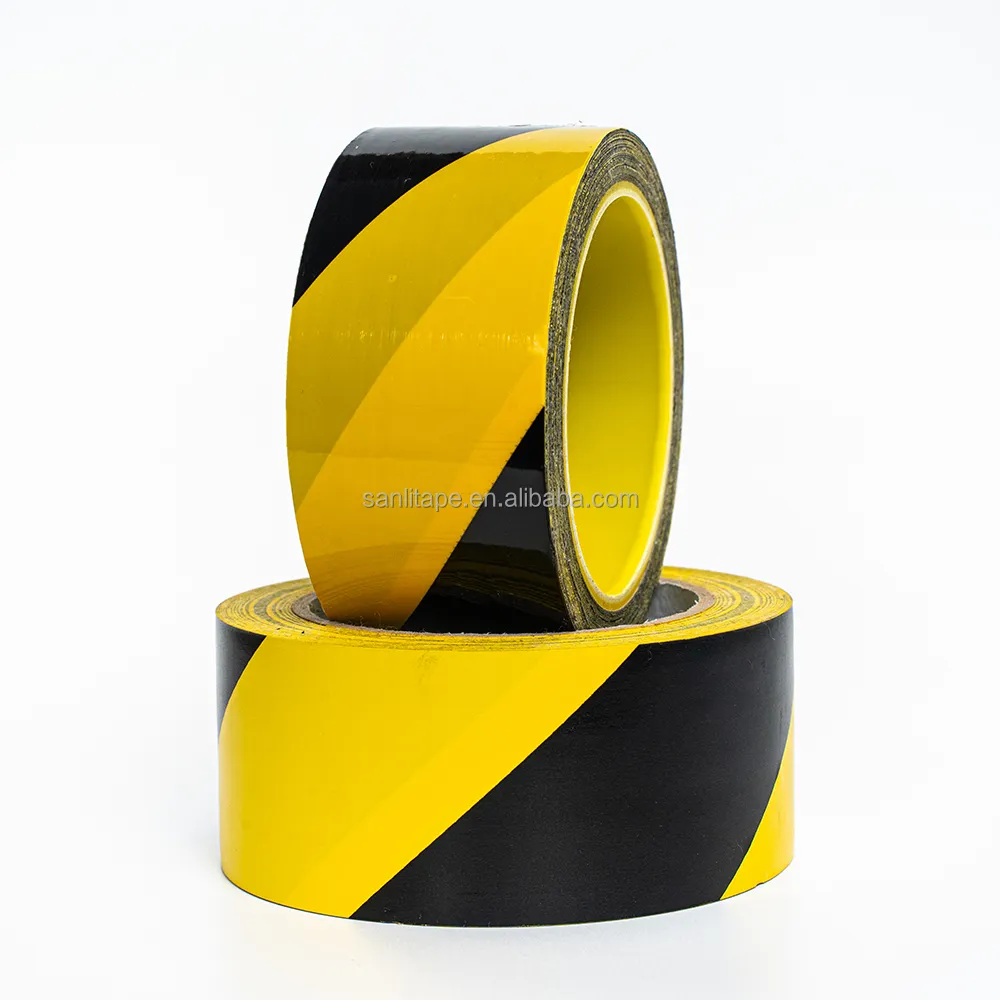 EVPEC Warning Tape for Marking PE Composite Floor Warning Tape Decorative Tape
 -
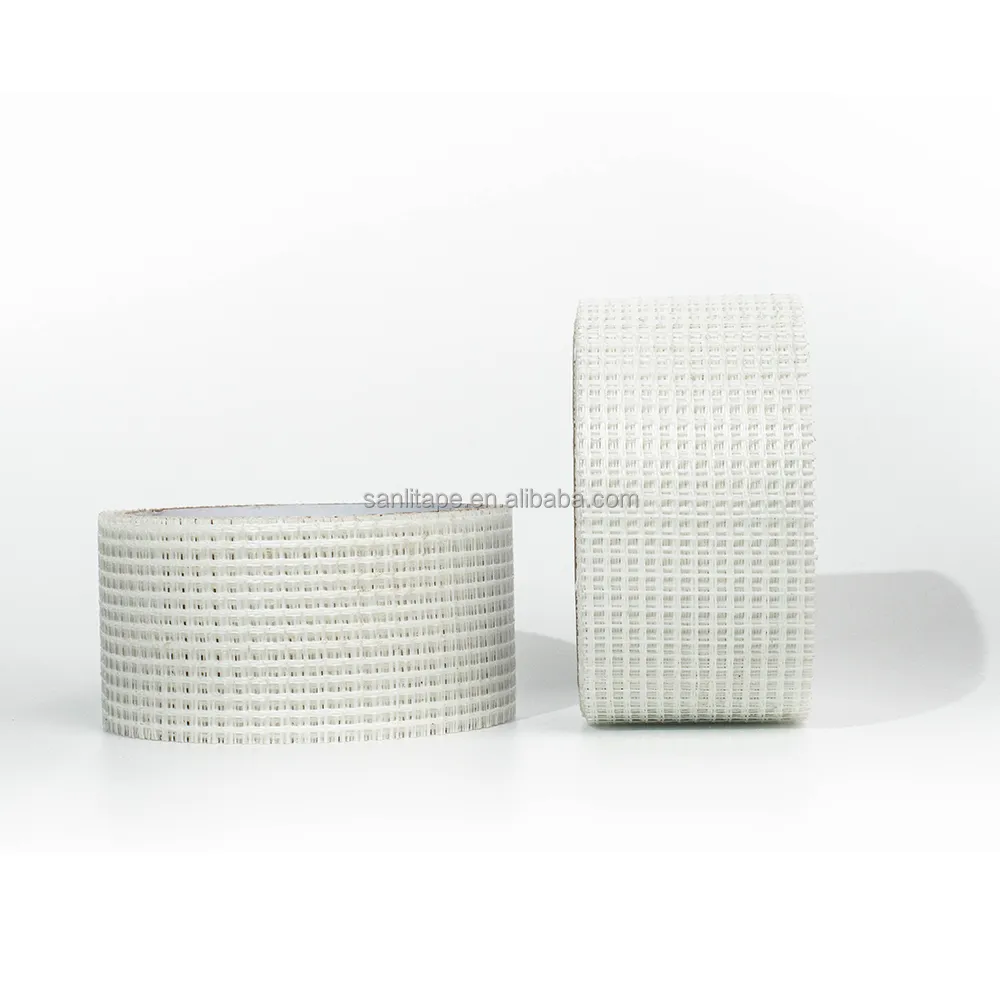 Crack Resistant Fiberglass Mesh Adhesive Tape for Repairing Interior and Exterior Building Walls
 -
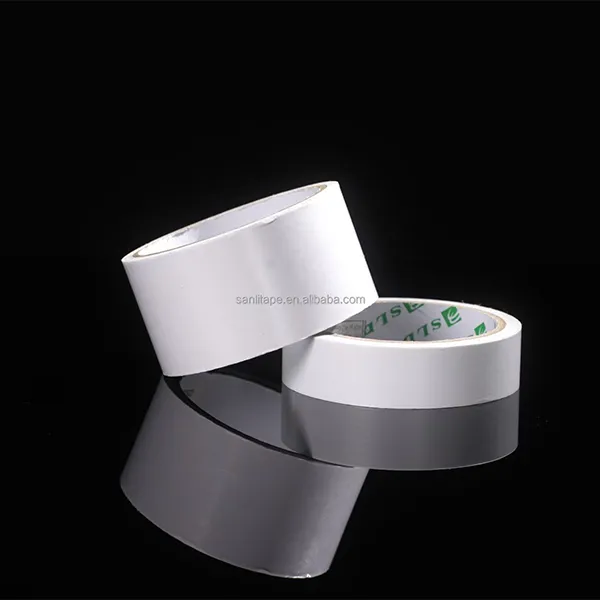 Thin Double Sided Adhesive Tape Transparent OPP Film Adhesive Tape Double Sided Adhesive Tape for Industrial Installation and Fixing
 -
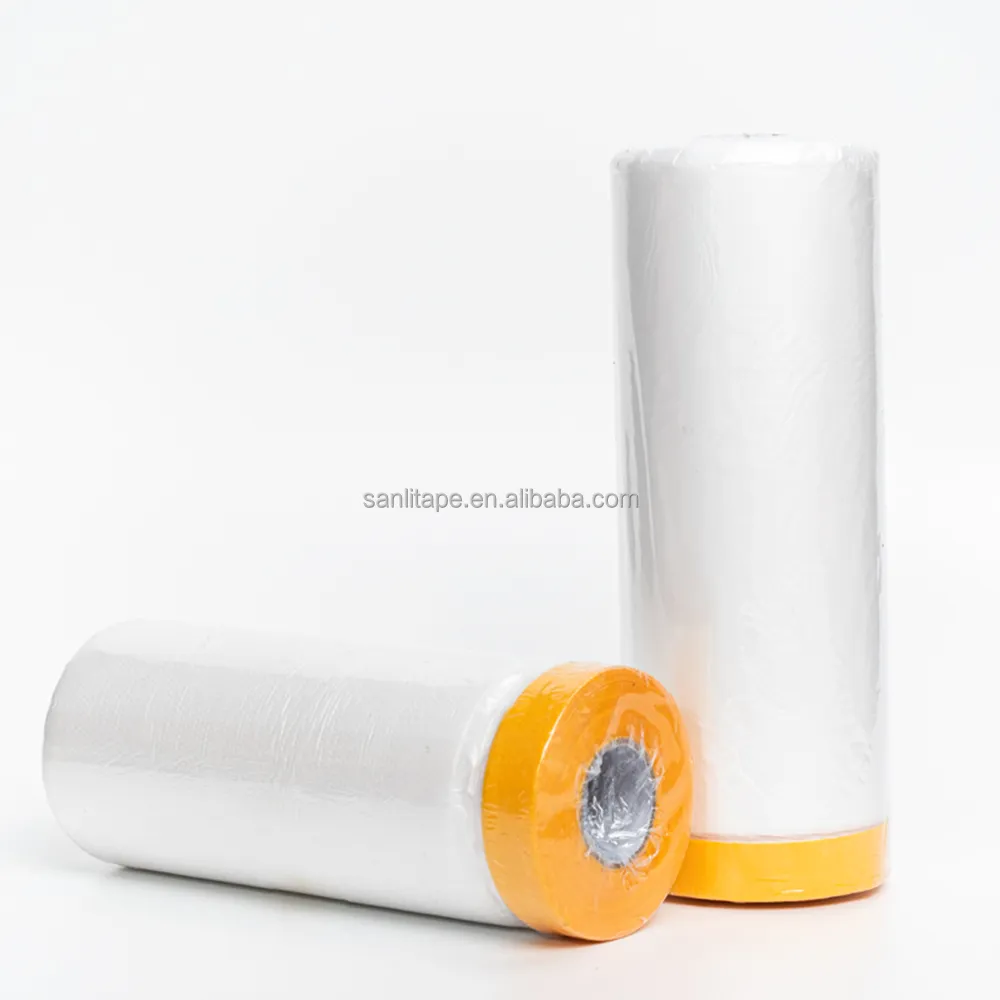 Comb Paint Covers Anti-dust Transparent Furniture Decoration Film and Paper Masking Protective Film
 -
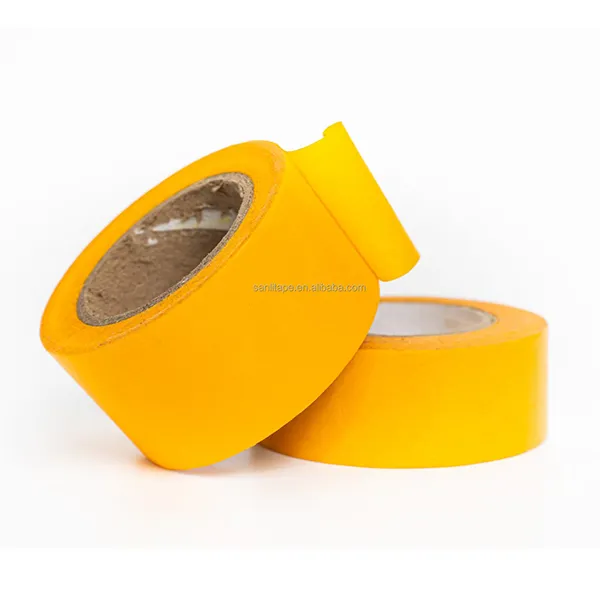 Yellow and Paper Adhesive Tape DIY Decoration Spray High Viscosity Hand Tear Seamless Painting Tape
 -
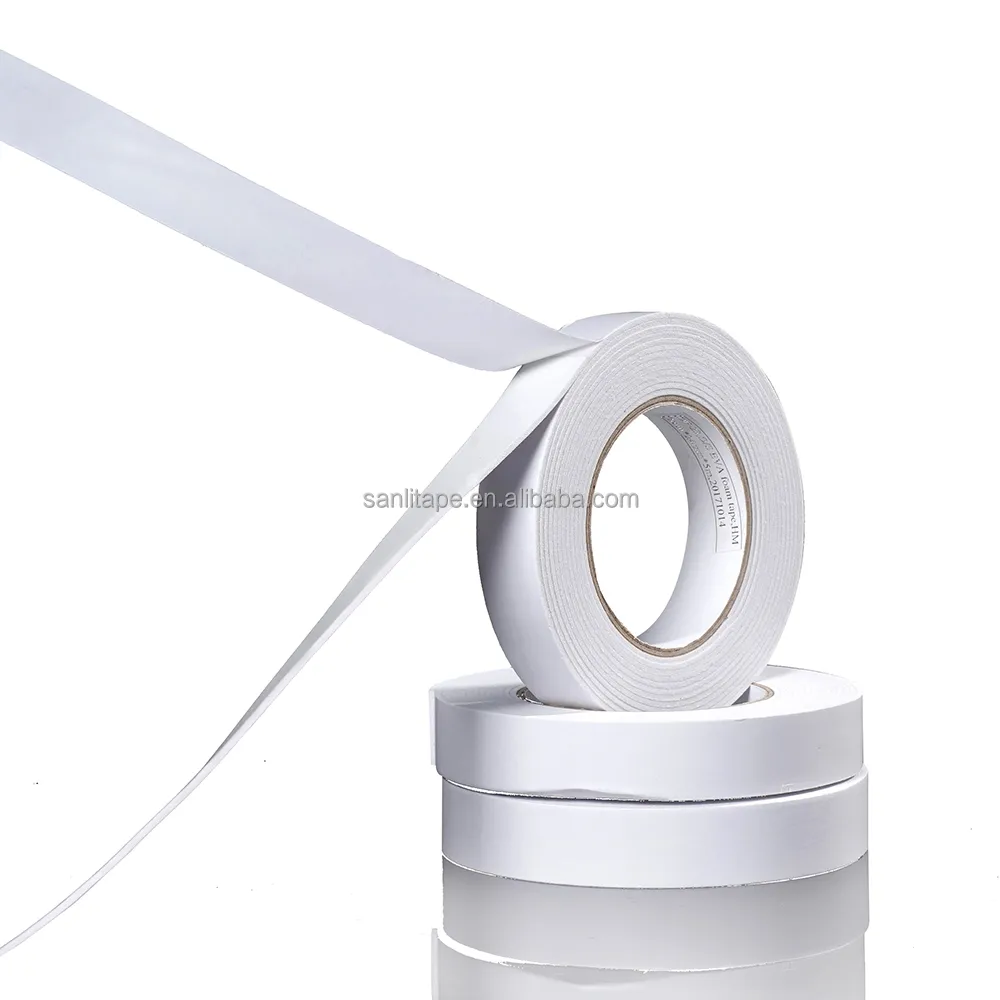 Double-sided foam tape, strong adhesive, white and black EVA foam, installation, fastening, sealing, double-sided adhesive tape
 -
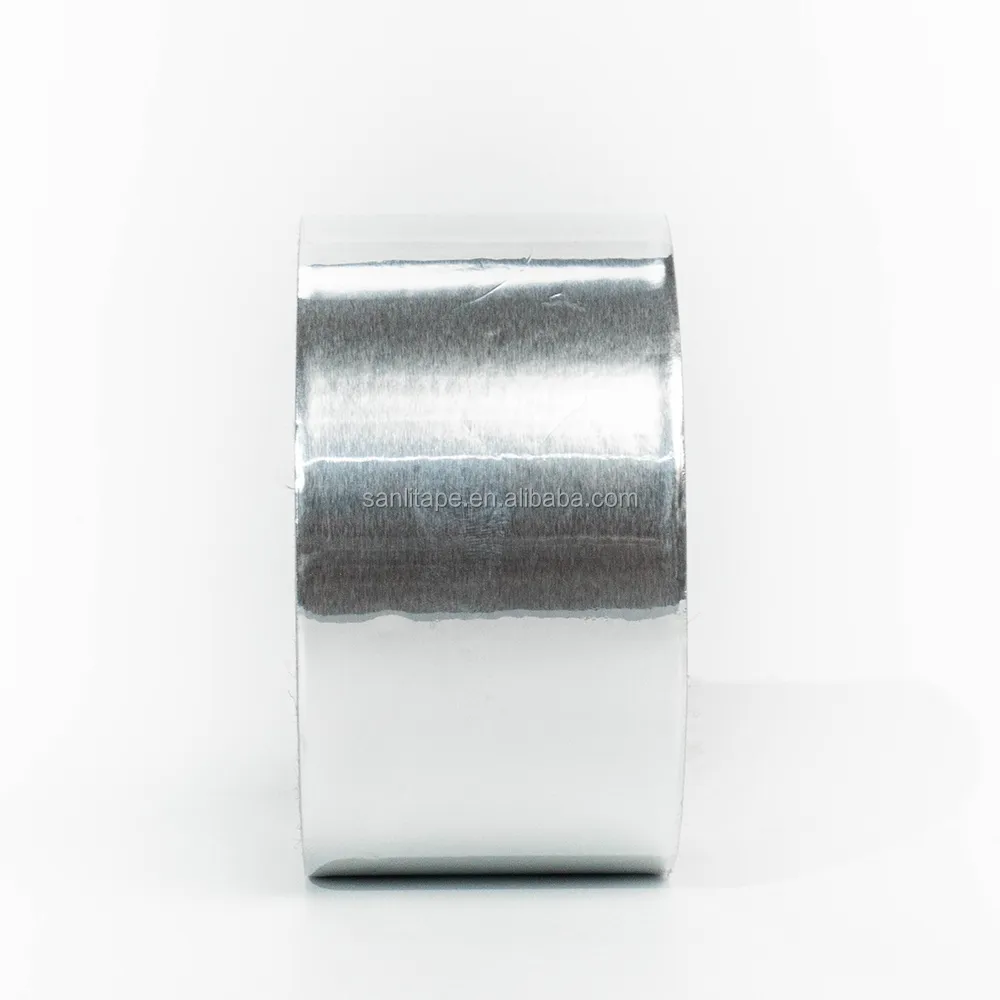 Temperature Resistant Aluminum Foil Tape
 -
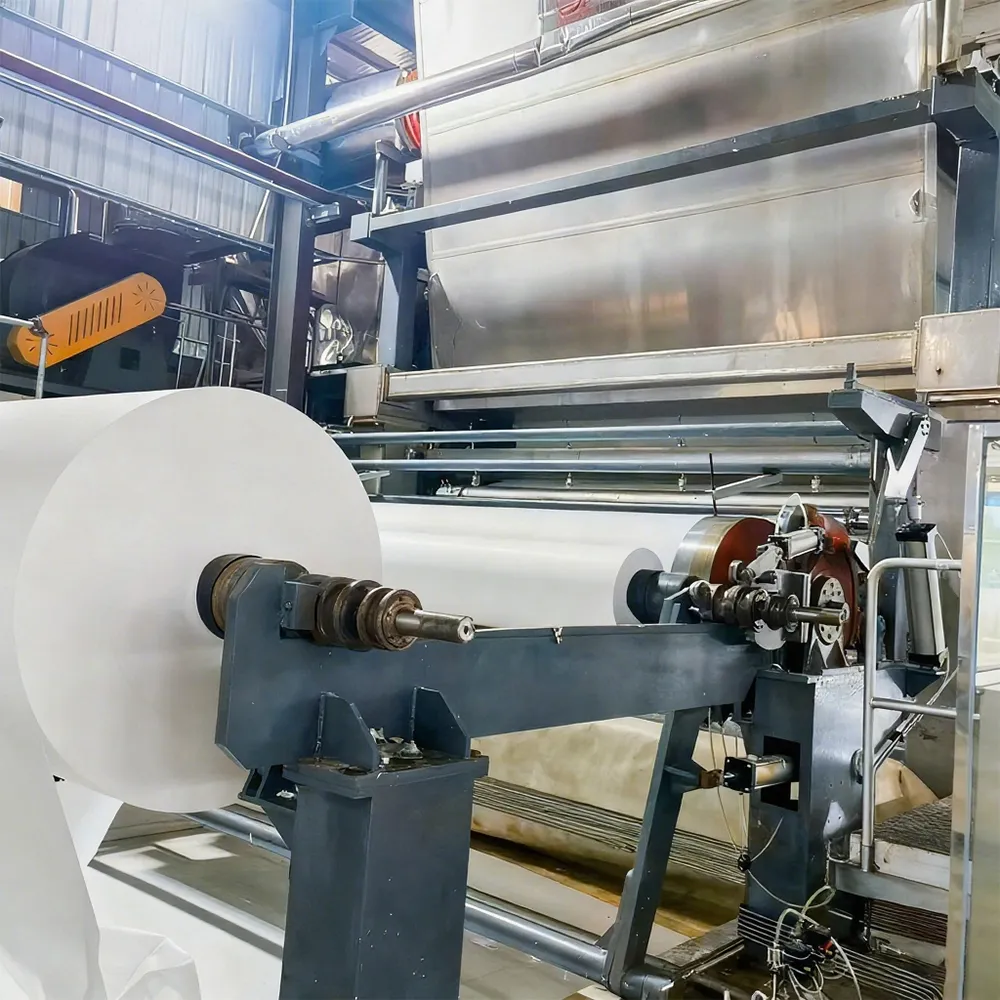 Flexible and eco-friendly cotton paper white double-sided adhesive tape material, soft thin packaging material 14g, 18g, 20g.
 -
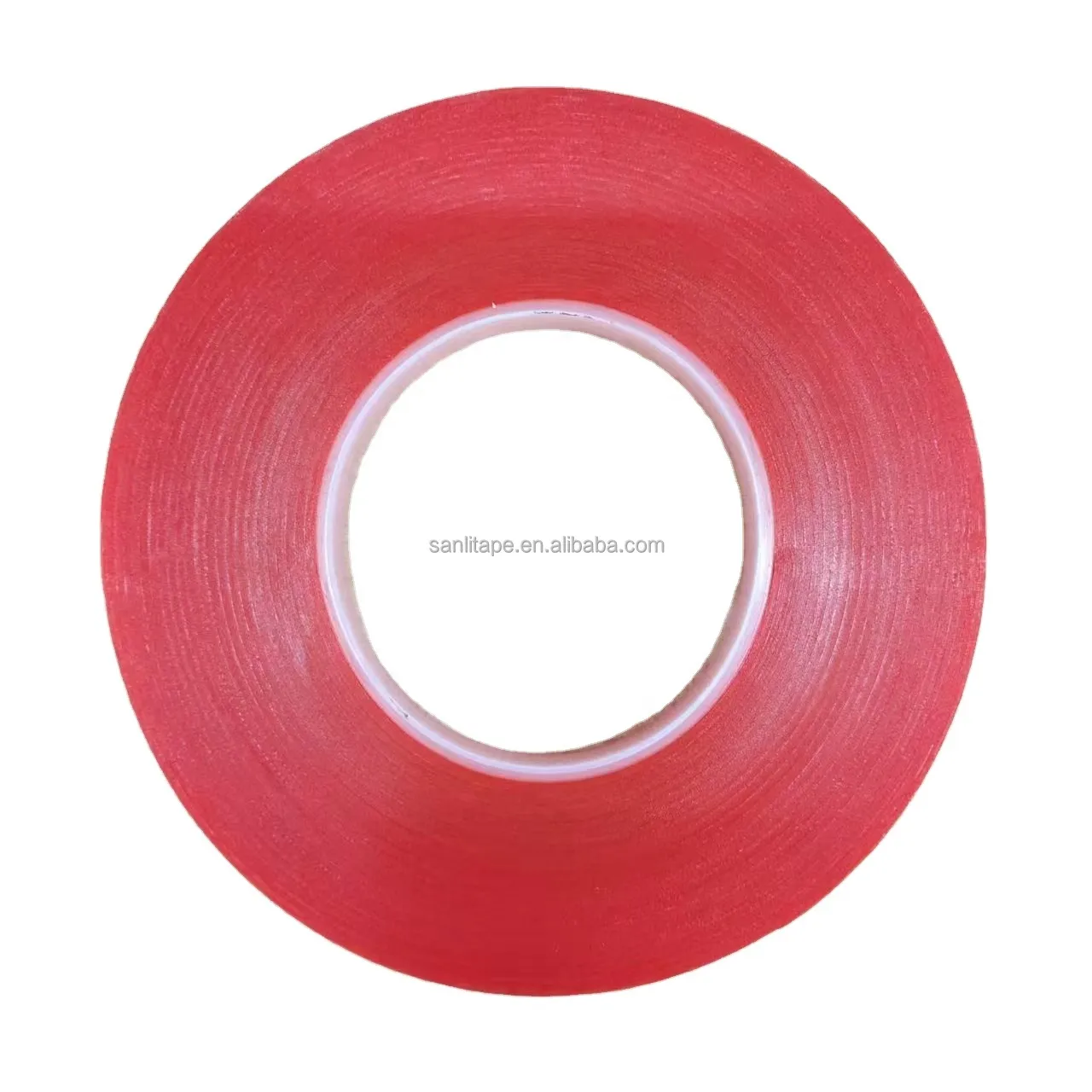 Red Film Durable Ultra Clear Double Sided Polyester Tape with High Temperature Acrylic Adhesive Double Sided PET Tape
 -
 Packing tape with raised tape
 -
 Super Heavy Objects with Integrated Fiberglass Tape Electrical Apparatus Packaging Transparent Attaching Tape
 -
 Paint Spray Anti Dust Film Clear Furniture Decoration Film Masking Tape Masking Tape Protective Film
Relatedsearch
Related Search- Double-sided adhesive tape 12 mm factories
- double sided adhesive tape 5mm
- Double-sided tape for heavy objects factory
- Anti-slip tape 50 mm yellow-black manufacturer
- Order mounting adhesive tape in China
- Adhesive tape 50 m double-sided suppliers
- double-sided tape for heavy objects
- Double sided tape width suppliers
- Aluminum foil tape price
- Order double-sided tape thickness in China