




yellow adhesive tape
Lately, when everyone is talking about advanced technologies and innovative materials, it is easy to lose sight of simple but critical things. And so, let's talk aboutyellow adhesive tape. Sounds corny, right? But believe me, in a certain context it is an indispensable tool. Not that I'm insisting that this is some kind of super-advanced material, but it is wrong to underestimate its application, especially in manufacturing processes or logistics.
What is hidden behind the usual color?
Many people thinkyellow adhesive tapesimply a cheap option designed for temporary fixation or marking. And there is some truth in this. But modern manufacturers offer a wide rangeyellow adhesive tapewith different characteristics: peel strength, adhesion to various surfaces, resistance to temperature and humidity. It is important to understand that 'yellow tape' is not a homogeneous product.
I remember one case when we had to urgently fix parts on the assembly line. Initially we used standardyellow adhesive tape, but she didn’t hold it tightly enough, which led to breakdowns in the process. I had to switch to tape with higher adhesion, designed for working with plastic. This increased the cost but greatly improved reliability.
Differences in material and application
Mostyellow adhesive tapeIt is made of polypropylene film with an acrylate-based adhesive layer. But there are also tapes made from other materials, such as polyester, which provide higher strength and abrasion resistance. The choice of material directly depends on the operating conditions. If the tape will be exposed to aggressive environments or high temperatures, it is better to choose a polyester tape.
It is important to consider the type of surface to which the tape will stick. Some tapes work well on smooth surfaces, others work well on rough surfaces. It is also worth paying attention to the presence of a special coating that increases adhesion to certain materials.
Adhesion problems: common mistakes and solutions
One of the most common problems is poor adhesion. This may be due to several factors: incorrect choice of tape type, dirty surface, insufficient temperature or humidity. We often come across situations where customers complain about the tape peeling off. In such cases, the first thing we do is check the cleanliness of the surface. Even a small speck of dust or dirt can significantly reduce adhesion.
It is also important to consider temperature. Low temperatures can reduce the adhesive properties of the adhesive layer, so in cold rooms it is recommended to use tape with a higher operating temperature. Sometimes preheating the surface helps, but this must be done carefully so as not to damage the material.
Surface preparation: the key to reliable fastening
Don't underestimate the importance of surface preparation. Before applying the tape, it must be cleaned of dust, dirt and grease. To do this, you can use special degreasers or alcohol-containing solutions. You can also lightly sand the surface with an abrasive cloth to improve adhesion.
In some cases, especially when gluing two different materials, it may be necessary to apply a primer first. This will improve the adhesion of the adhesive layer and provide a stronger connection. For example, when gluing plastic to metal, a primer based on acrylic resins can significantly improve the reliability of the connection.
Case studies: whenyellow adhesive tapesaved the situation
In one of our projects related to the transportation of large parts, we usedyellow adhesive tapefor securing the load. Conventional belts did not provide sufficient reliability, and the use of more expensive fastening systems was not economically feasible. The choice fell on a tape with high tensile strength and vibration resistance. As a result, the cargo was delivered safe and sound.
Another example: in a warehouse, a client had a problem with labeling boxes. Standard labels kept peeling off, causing shipping delays. We suggested usingyellow adhesive tapefor attaching labels. It ensured reliable fixation, even during transportation in adverse conditions. The client now uses this marking method everywhere.
Resistance to external factors: an important parameter
We must not forget about resistance to external factors such as humidity, temperature, ultraviolet radiation. To work in difficult conditions, it is necessary to choose a tape with appropriate characteristics. For example, for outdoor use, it is recommended to choose a tape with UV protection.
It is also important to consider the compatibility of the adhesive layer with other materials. Some chemicals can destroy the adhesive layer, so when working with aggressive environments it is necessary to choose a tape with increased chemical resistance. For example, when working with oils or solvents, it is recommended to choose a polyurethane-based tape.
Sanli: experience and solutions in the world of adhesive tapes
Enping Sanli Adhesive Co.,Ltd was founded in 1997. Its factory is located in Enping City, Jiangmen, Guangdong Province, with an international trade center in Guangzhou and a domestic trade center in Dongguan, Guangdong Province. Sanli specializes in producing various types of adhesive tape, includingyellow adhesive tape. Thanks to many years of experience and constant innovation, we offer our customers a wide range of solutions that meet the highest requirements.
Our company is constantly working to improve the quality of its products and expand the range. We use only high-quality materials and modern production technologies. In addition, we offer customized solutions tailored to the specific needs of our clients. If you need a reliable and efficientyellow adhesive tape, contact us.
Beyond the ordinary: the futureyellow adhesive tape
Futureyellow adhesive tape– this is, of course, the development of technology. We see promising directions in the development of tapes with self-healing properties, with improved adhesion to hard-to-reach surfaces, and with integrated sensors for monitoring the condition of the connection. It's still not the near future, but the trend is clear.
Nowadays the direction of environmentally friendly materials is actively developing. Manufacturers are striving to use biodegradable polymers and other environmentally friendly components. This will reduce the negative impact on the environment and makeyellow adhesive tapemore resilient to climate change. For now, this technology is more expensive, but in the future it will become more accessible.
Correspondingproducts
Related Products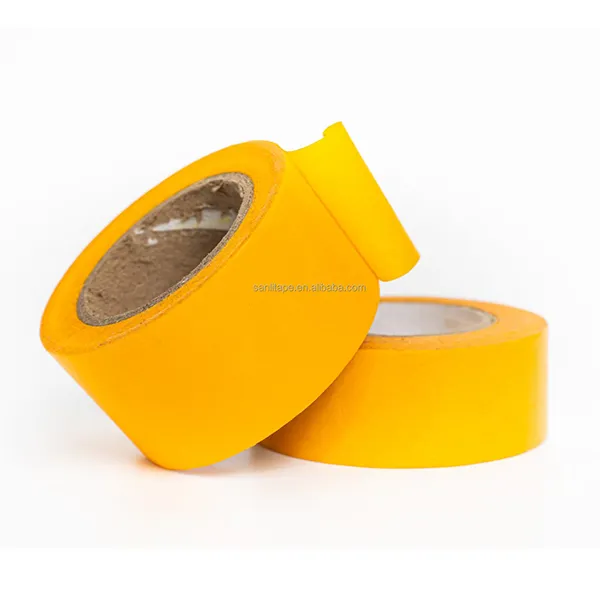
Best Sellingproducts
Best Selling Products-
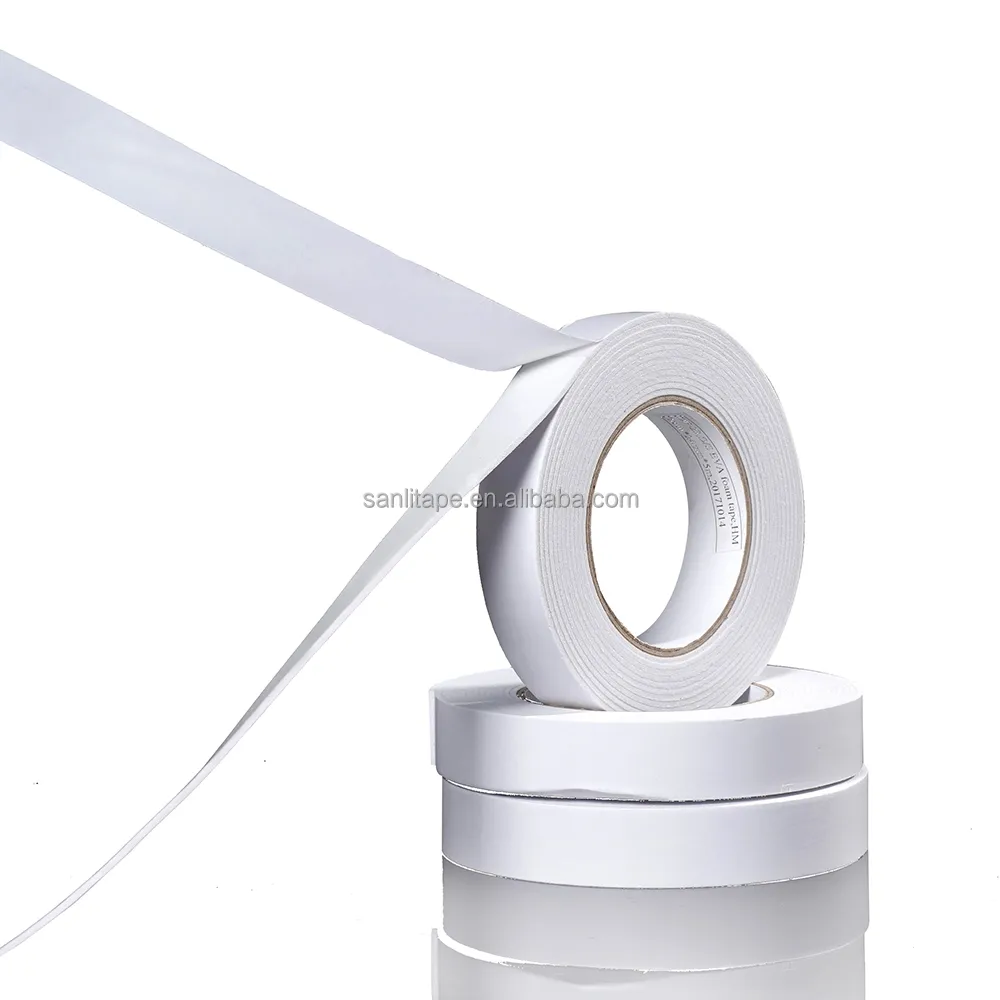 Double-sided foam tape, strong adhesive, white and black EVA foam, installation, fastening, sealing, double-sided adhesive tape
 -
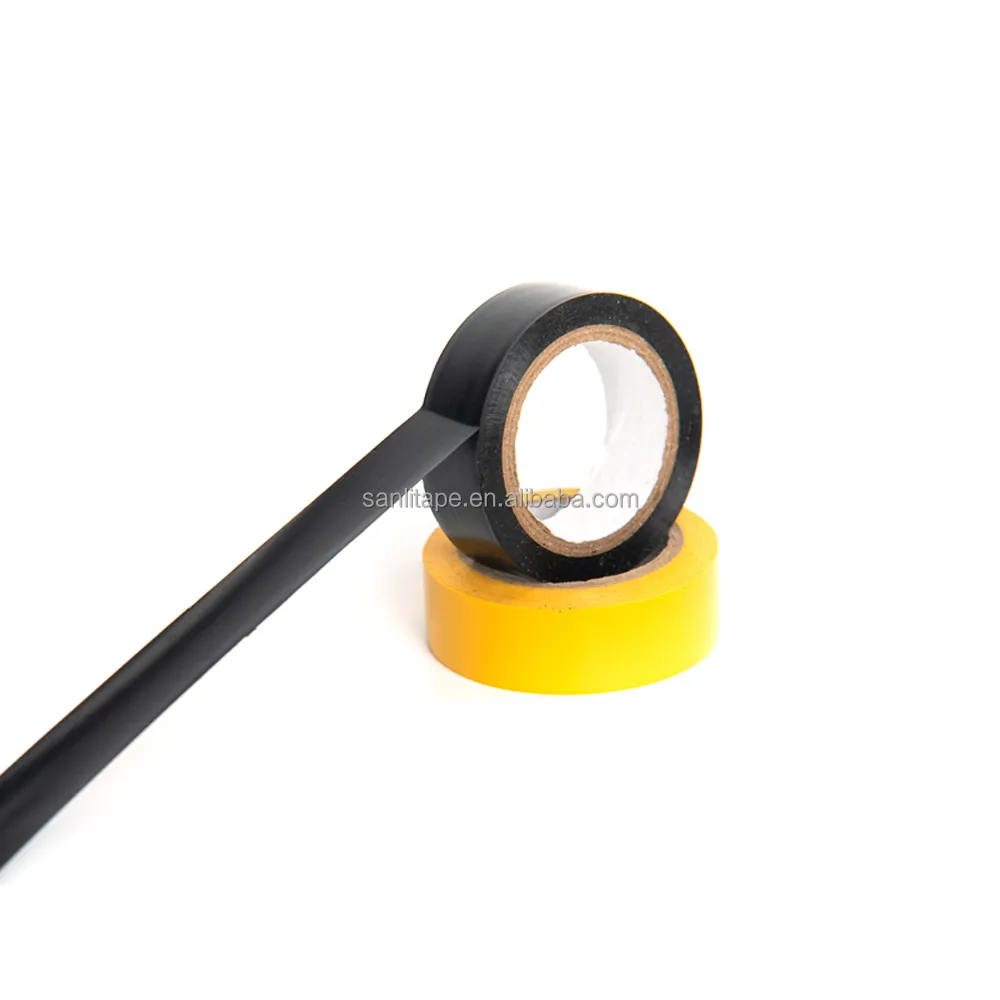 Waterproof Black Color PVC Insulation Tape Wrap Insulated Electrical Tape with High Viscosity
 -
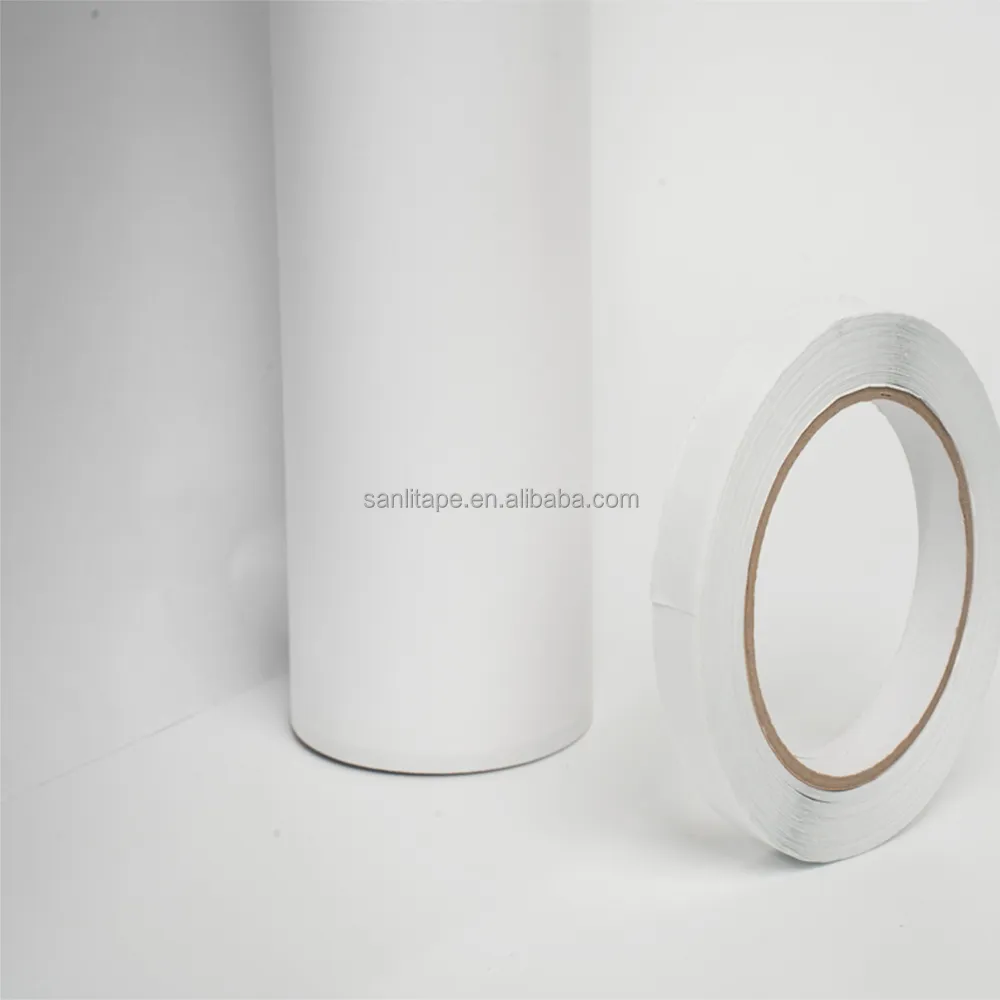
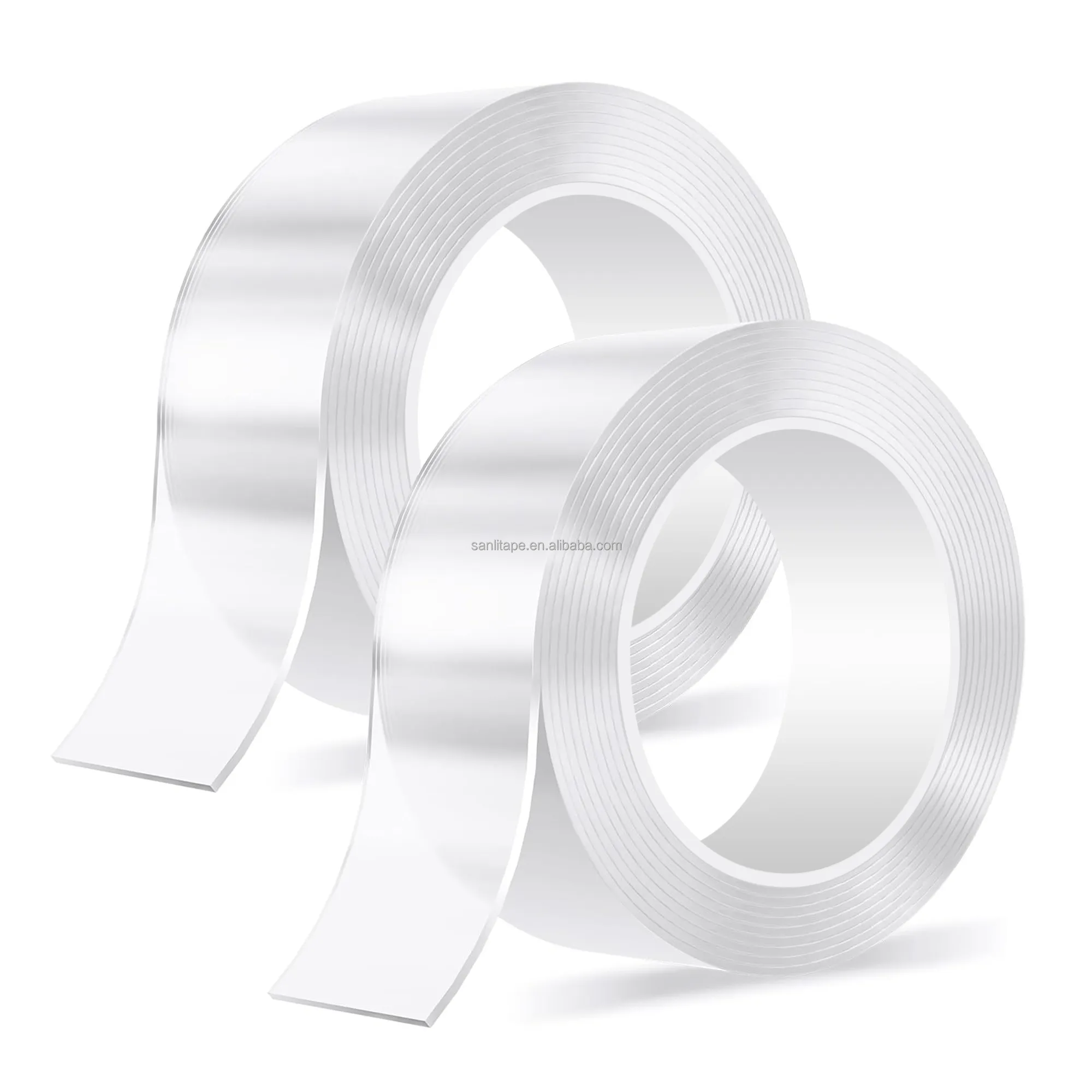 High Transparent Nano Tape, High Viscosity, High Water Resistance, Trace Free Fixation, Acrylic Double Sided Tape
 -
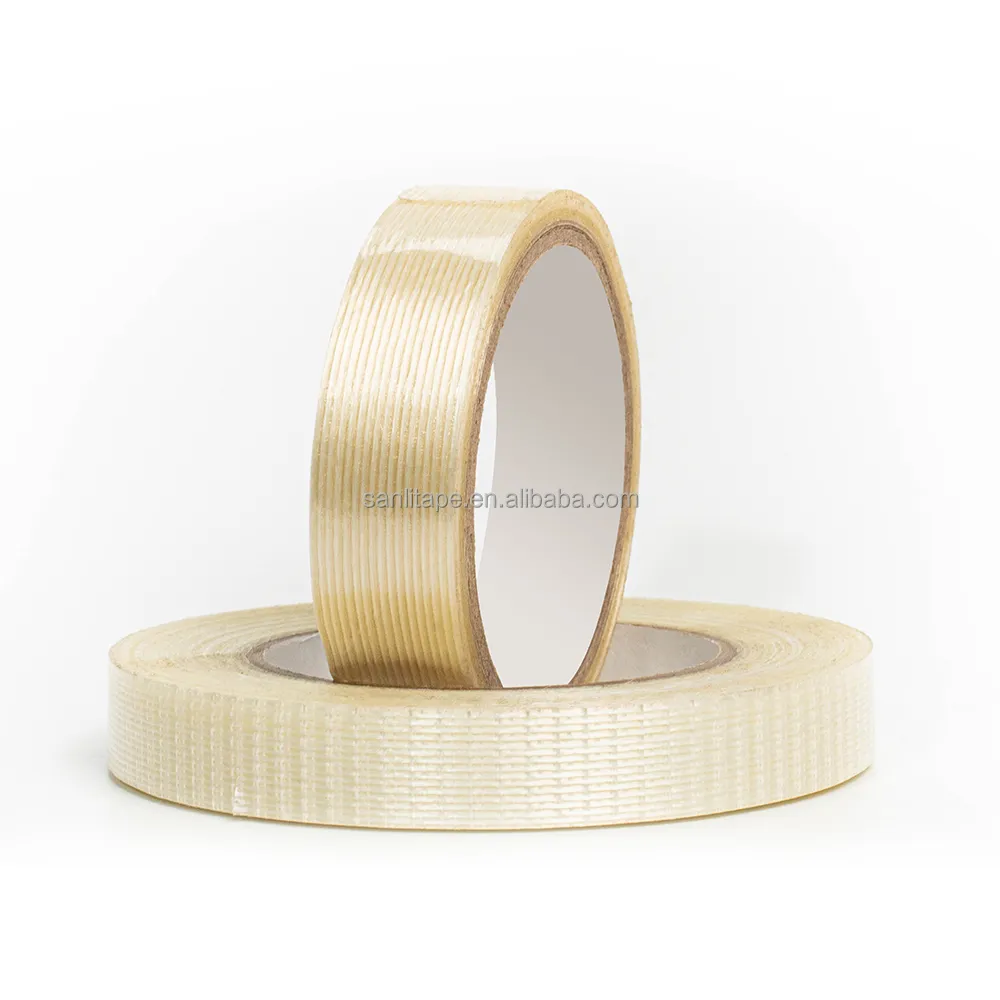 Super Heavy Objects with Integrated Fiberglass Tape Electrical Apparatus Packaging Transparent Attaching Tape
 -
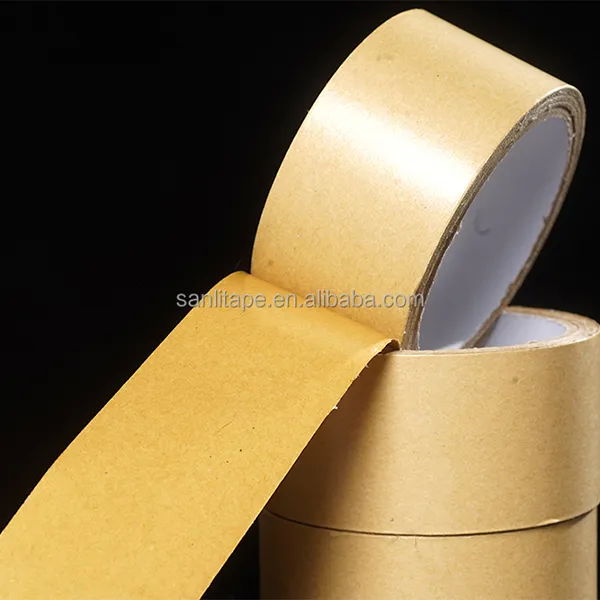 High Viscosity Kraft Paper Adhesive Tape Hand Tear Off Masking Sealing Packing Tape
 -
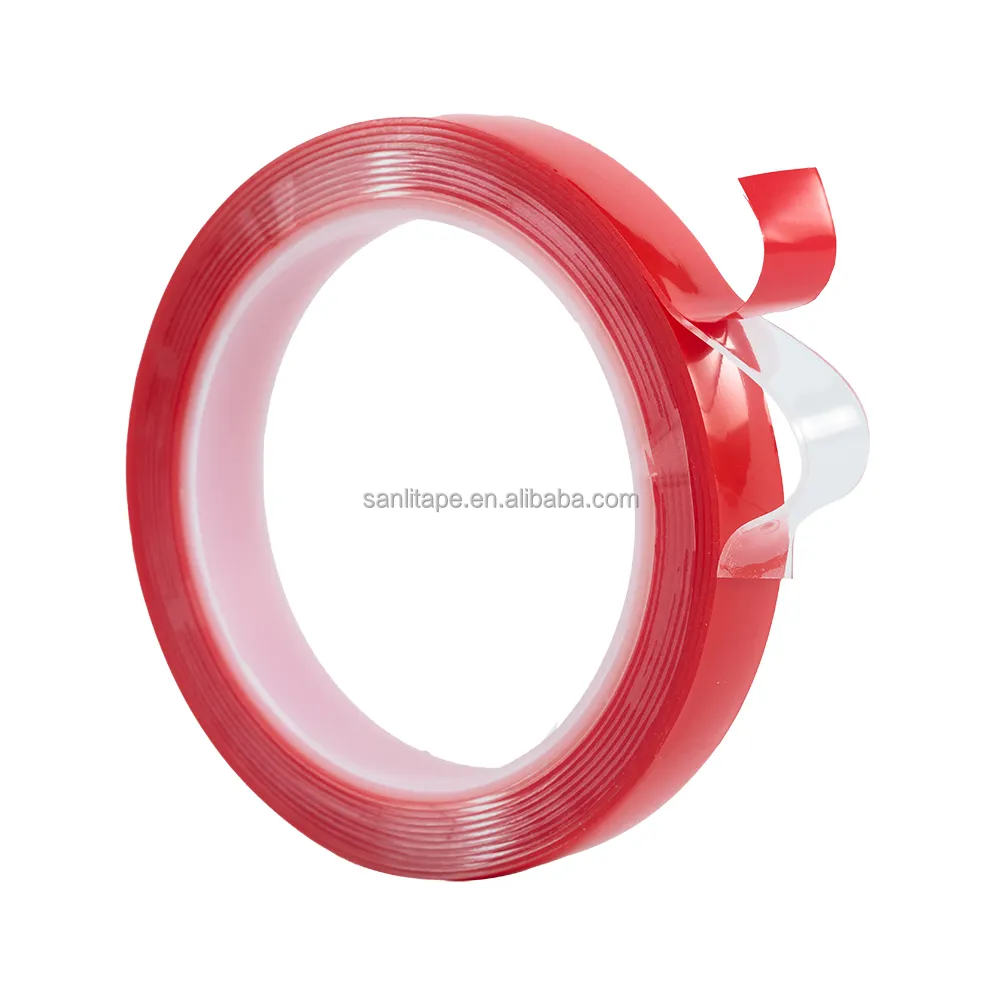 Heavy Duty Double Sided Adhesive Tape Waterproof Acrylic Foam Tape Gray Clear White
 -
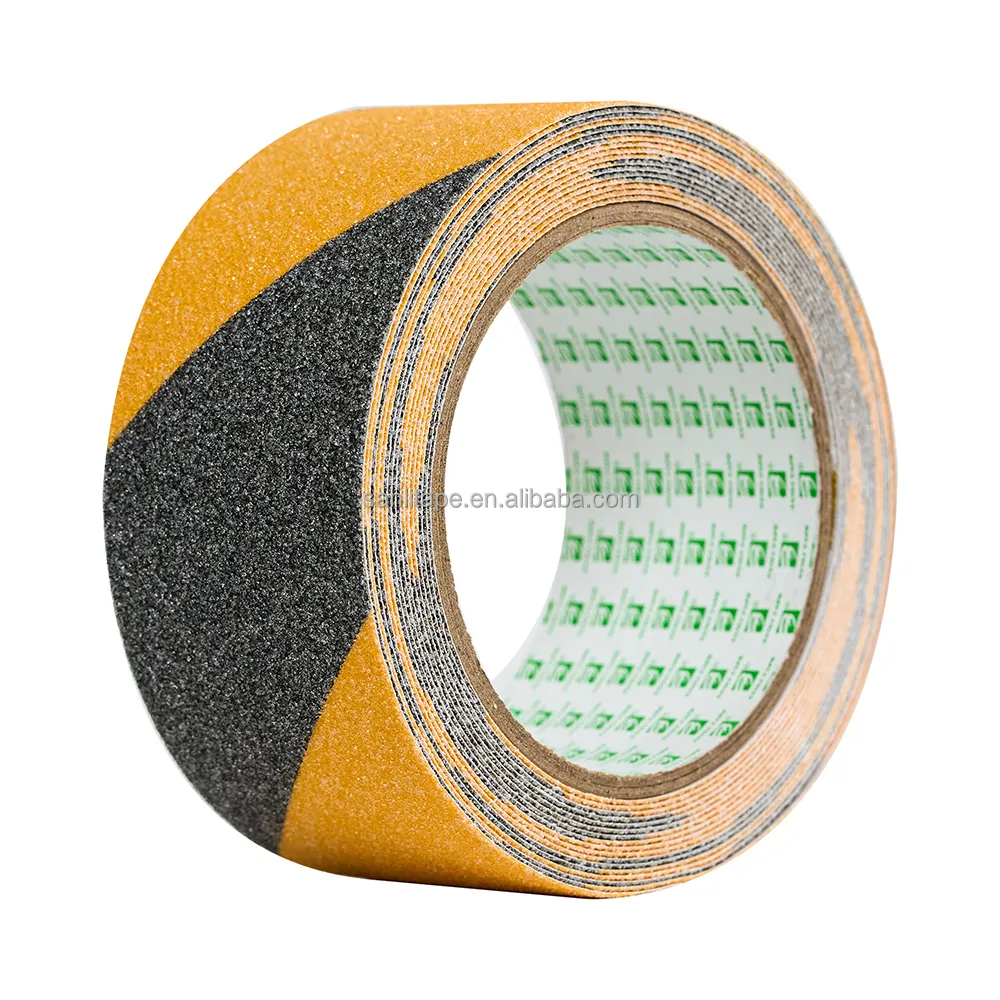 Waterproof matte anti-slip adhesive tape with strong adhesive acrylic adhesive outdoor warning anti-slip sticker wear-resistant color self-adhesive tape
 -
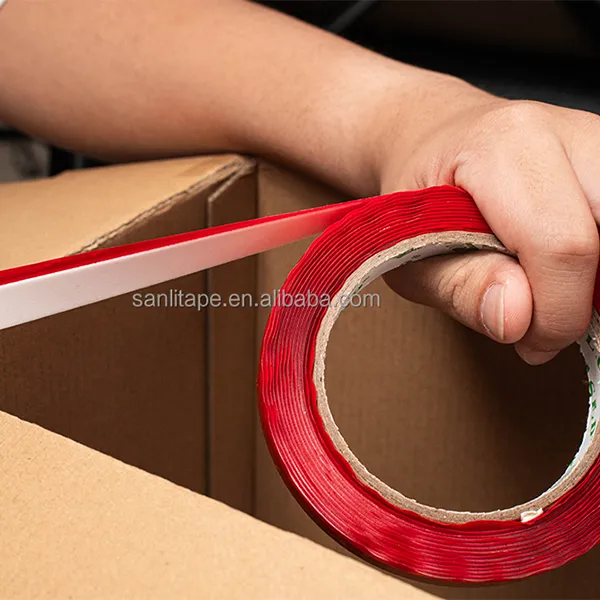
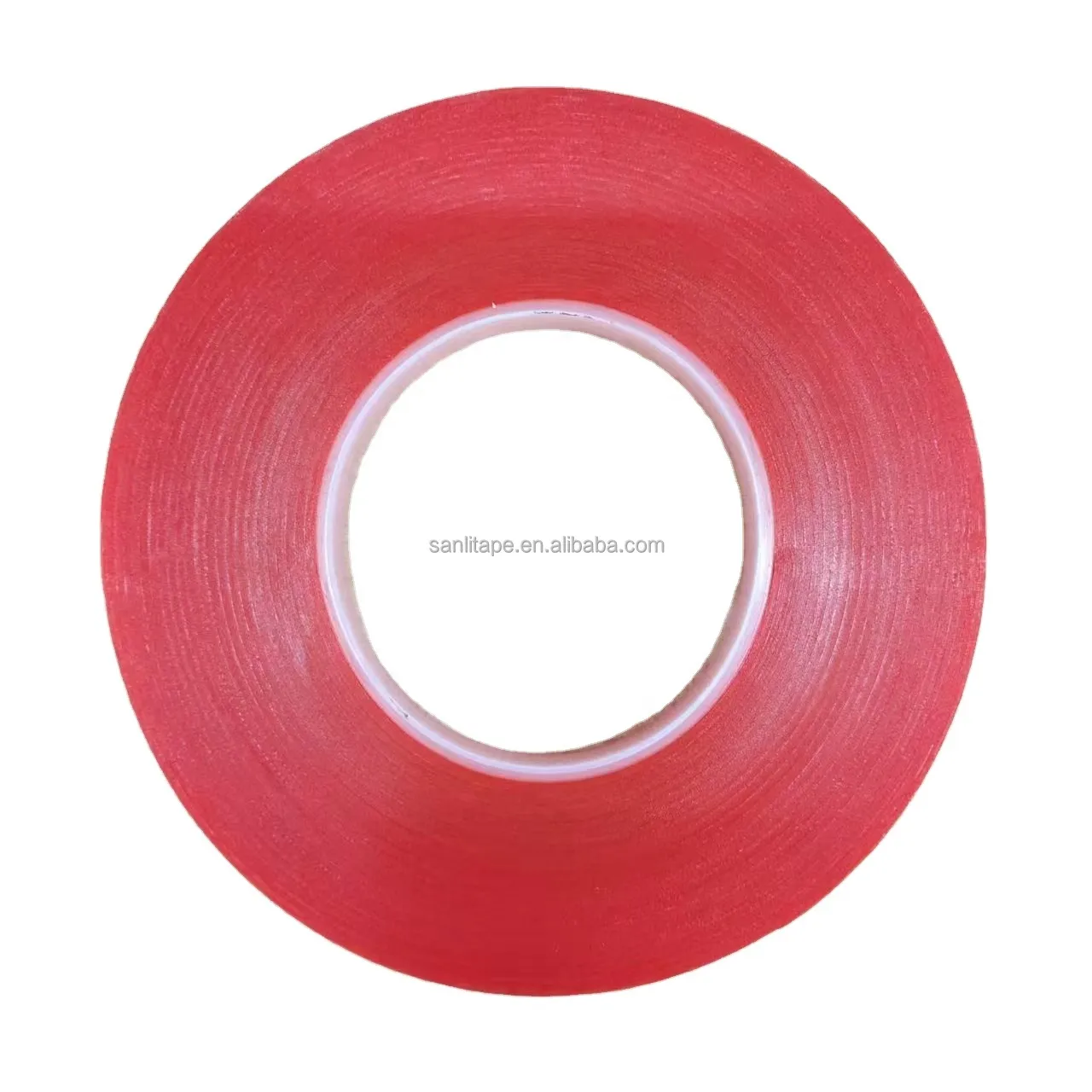 Red Film Durable Ultra Clear Double Sided Polyester Tape with High Temperature Acrylic Adhesive Double Sided PET Tape
 -
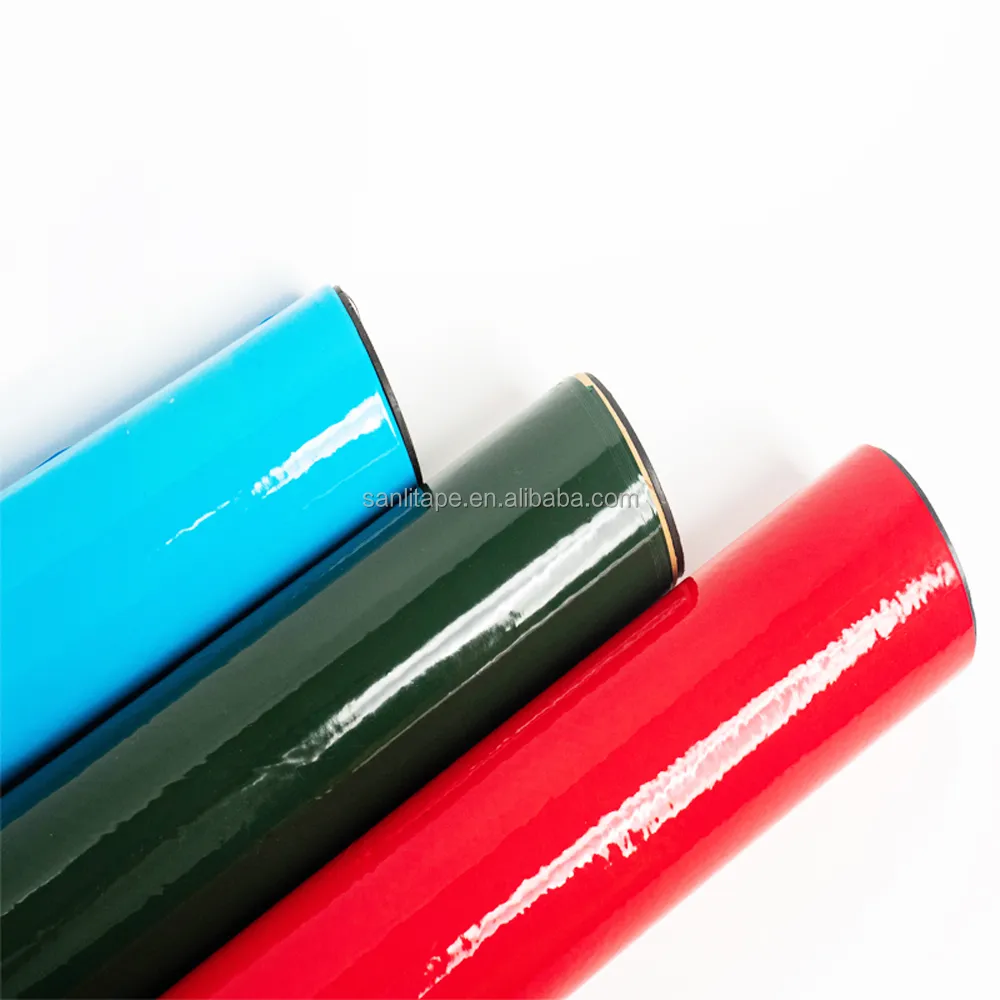 Anti-adhesive coated PE film used for printing on double-sided adhesive foam tape insulation film
 -
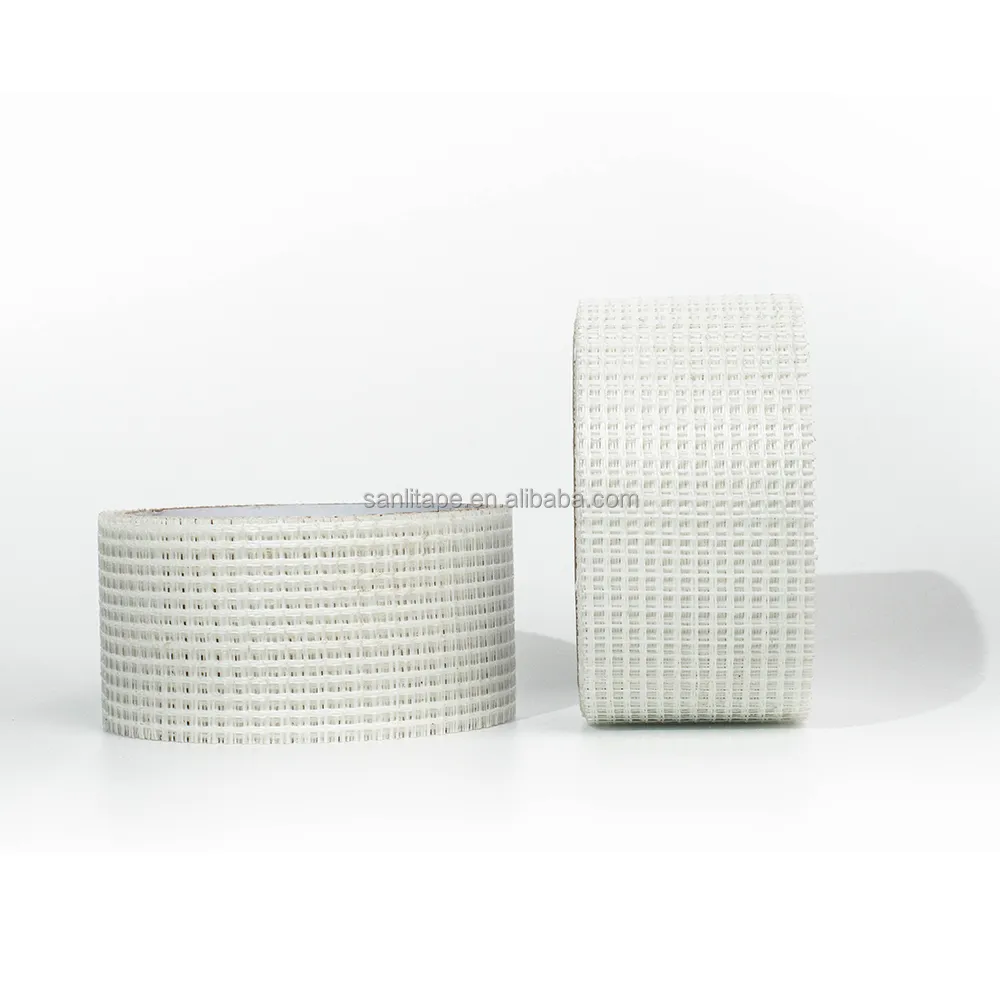 Crack Resistant Fiberglass Mesh Adhesive Tape for Repairing Interior and Exterior Building Walls
 -
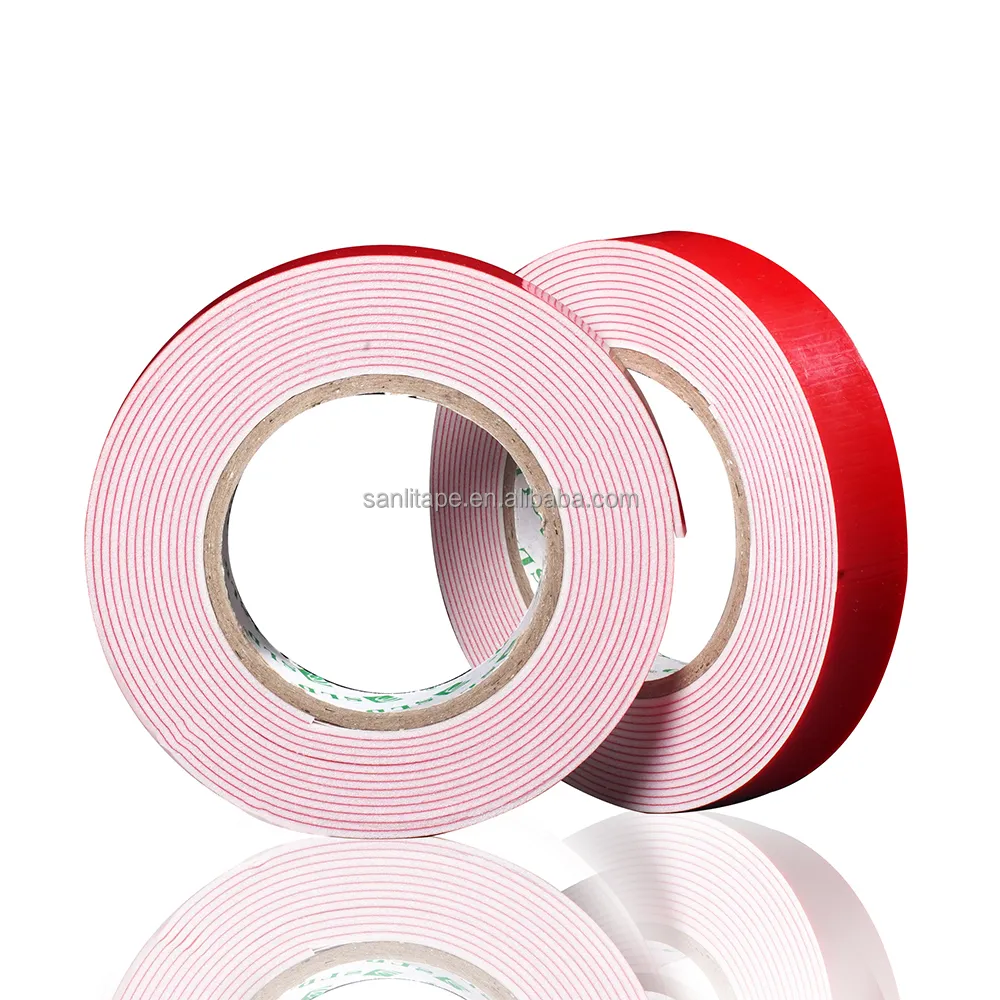 Double Sided Foam Tape High Density High Adhesion White and Black Double Sided Adhesive PE Foam Tape
 -
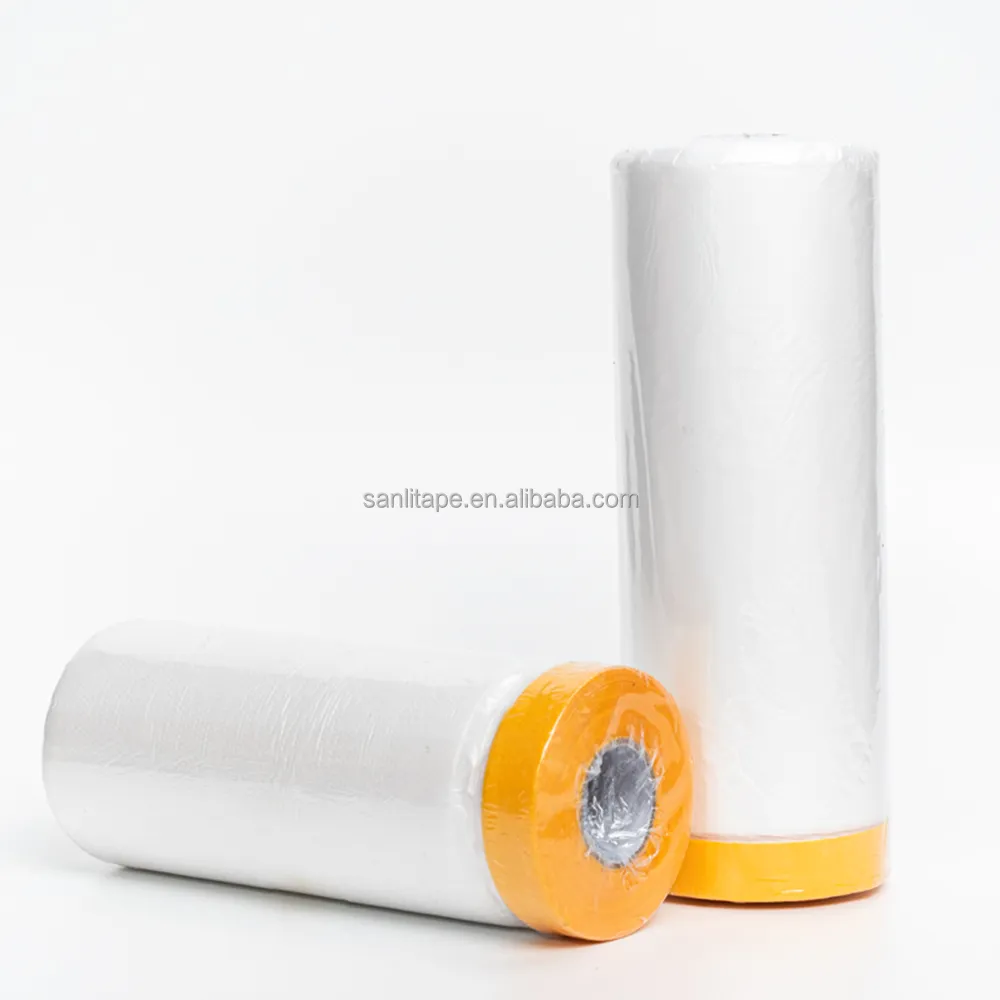 Comb Paint Covers Anti-dust Transparent Furniture Decoration Film and Paper Masking Protective Film
Relatedsearch
Related Search- Double-sided acrylic tape main buyer
- Double sided tape vhb factory
- Double sided opp film tape manufacturers
- Masking tape supplier
- Anti-slip tape transparent factory
- Double sided adhesive tape vhb tape 3m supplier
- double-sided adhesive tape 50mm
- Double-sided tape assembly plant
- Double Sided Adhesive Tape 6mm Suppliers
- Anti-slip tape price