




adhesive double sided nano tape
Adhesive double-sided nano tape… This is now one of the most discussed solutions in various industries. They promise incredible strength and adhesion to a wide variety of surfaces. There are so many different options on the market that it is really difficult to figure it out. I often see how people make their choice, relying only on the stated characteristics, without taking into account the actual operating conditions. From experience, I have encountered several times that “nano” does not always mean “better,” and a number of nuances can be hidden behind the apparent ease of use.
What isnano tape, and what is its charm?
So what exactly is this? Basically, it's not just duct tape. Rather, it is a thin film consisting of layers of various materials, including polymers and nanoparticles. It is the nanoparticles that give it the declared unique properties - increased tensile strength, resistance to high temperatures and various chemical influences. Usually the composition contains polyurethane or polyester, which provide basic adhesion. But when nanoparticles are added, this is where the fun begins. Different manufacturers use different nanoadditives, and this greatly affects the final characteristics of the tape. For example, aluminum oxide or titanium dioxide are often used. The concentration of these nanoparticles, by the way, is also important. More is not always better. Perhaps, on the contrary, excessive concentration leads to deterioration of adhesion or other undesirable effects.
Why is this necessary? And why are very different things. Basically it is an alternative to traditional fixation methods such as adhesives or mechanical fasteners. Ideal when you need to join two materials that are difficult to glue, or when high reliability of the connection is required in conditions of variable temperatures or humidity. For example, in electronics, in the manufacture of displays, or in the automotive industry, for fastening various parts. Sometimes used to create a temporary fixation during installation, and then dismantled without leaving a trace.
Real Issues: Adhesion and Compatibility
Despite all the advertising claims, there are several problems that we constantly have to face. The first is adhesion. The declared peel strength is one thing, but the real one is completely different. It is important to understand that peel strength is a laboratory indicator, and actual adhesion depends on many factors: type and preparation of the surface, temperature, humidity, contact time. I once used tape to attach plastic panels to an aluminum frame. The surface was thoroughly cleaned and degreased, but the connection still did not last long. It turned out that aluminum is coated with a thin layer of oxide, which does not provide good contact with the polymer. As a result, I had to use additional adhesive.
The second problem is material compatibility. Not every **adhesive double-sided nano tape** is suitable for all surfaces. Some materials, such as high-strain surfaces or porous materials, require special preparation or the use of tapes with a specific type of adhesive. It happened that the tape adhered perfectly to glass, but did not stick at all to plastic. I had to experiment with different types of tapes and surface preparation. A particularly challenging task is working with ceramics or composite materials.
Practical experience: application in electronics
One of the interesting applicationsnano tapesis electronics. For example, for attaching printed circuit boards to the device body. In this area, high precision and reliability are required, since the performance of the entire system depends on it. Recently we worked with OLED displays. It was necessary to fix thin layers of film on a glass substrate. We chose a tape with good transparency and adhesion to glass. The main thing is to apply the tape very carefully so that no air bubbles form and damage the delicate layers of the film. We make sure to test for resistance to thermal cycles, as displays are often subject to heat during operation.
Another important thing: when working with electronics, you should not use tapes that contain adhesive residue, as this can lead to short circuits or other problems. You need to choose tapes that can be easily removed without leaving marks.
Alternatives and pitfalls
Of coursenano tapes– this is not the only solution for fixation. There are other options: adhesives, epoxy resins, hot melt adhesives. The choice depends on the specific task. For example, if you need to join two materials with a large difference in temperature, it is better to use epoxy resin. And if you need to quickly secure parts for a temporary period, then hot melt adhesive is suitable.
And here's another thing. Don't forget about environmental friendliness. Some **nano tapes** contain harmful substances that can be released into the environment. It is important to choose tapes from trusted manufacturers that meet environmental standards. Recently, more and more attention has been paid to the development of environmentally friendly **nano tapes**, which are made from biodegradable materials.
Sanli Adhesive: experience and expertise
Enping Sanli Adhesive Co., Ltd., a company founded in 1997, has rich experience in producing various types of adhesive tapes, includingadhesive double sided nano tape. Thanks to a wide network of branches and production facilities, the company is able to offer a wide range of products for various industries. Sanli Adhesive pays great attention to the quality and environmental friendliness of its products, using advanced technologies and materials.
The company has extensive experience working with various materials and can offer the optimal solution for any task. The company has a particularly strong position in the production of adhesive paper. The company regularly participates in international exhibitions and conferences, which allows it to follow the latest trends in the field of adhesive technologies.
If you need reliable and high-quality **adhesive double-sided nano tape**, you should contact a trusted manufacturer such as Enping Sanli Adhesive LLC. They will be able to choose the best option, taking into account your needs and operating conditions.
Correspondingproducts
Related Products
Best Sellingproducts
Best Selling Products-
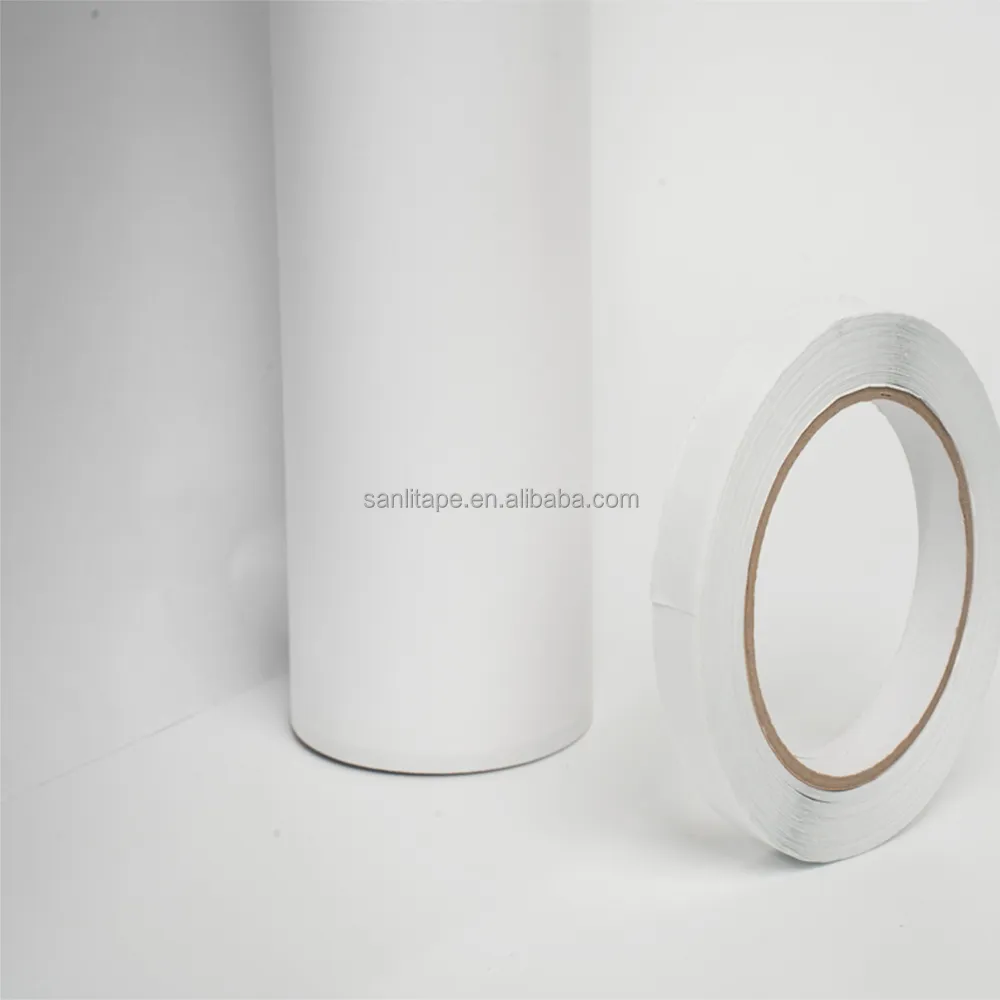 Single Sided Double Sided Backing Paper Double Sided Adhesive Tape PE Parchment Label Paper
 -
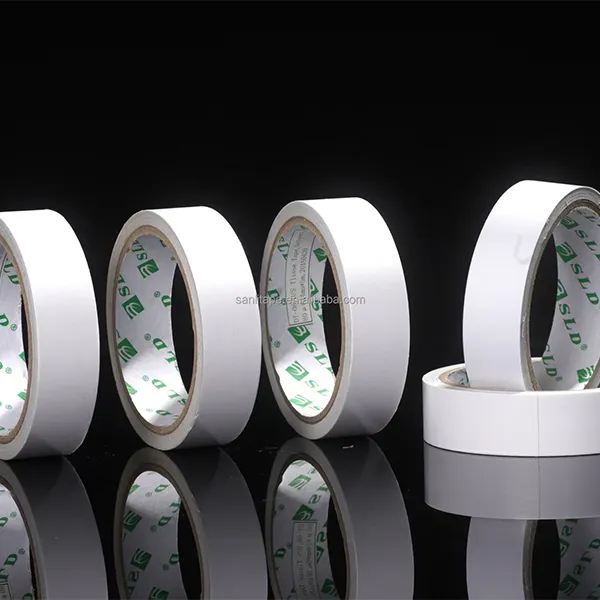 Thin Double Sided Adhesive Tape Clear PET Polyester Film Adhesive Tape Installation and Fastening of Industrial Parts Die-Cut Double Sided Adhesive Tape
 -
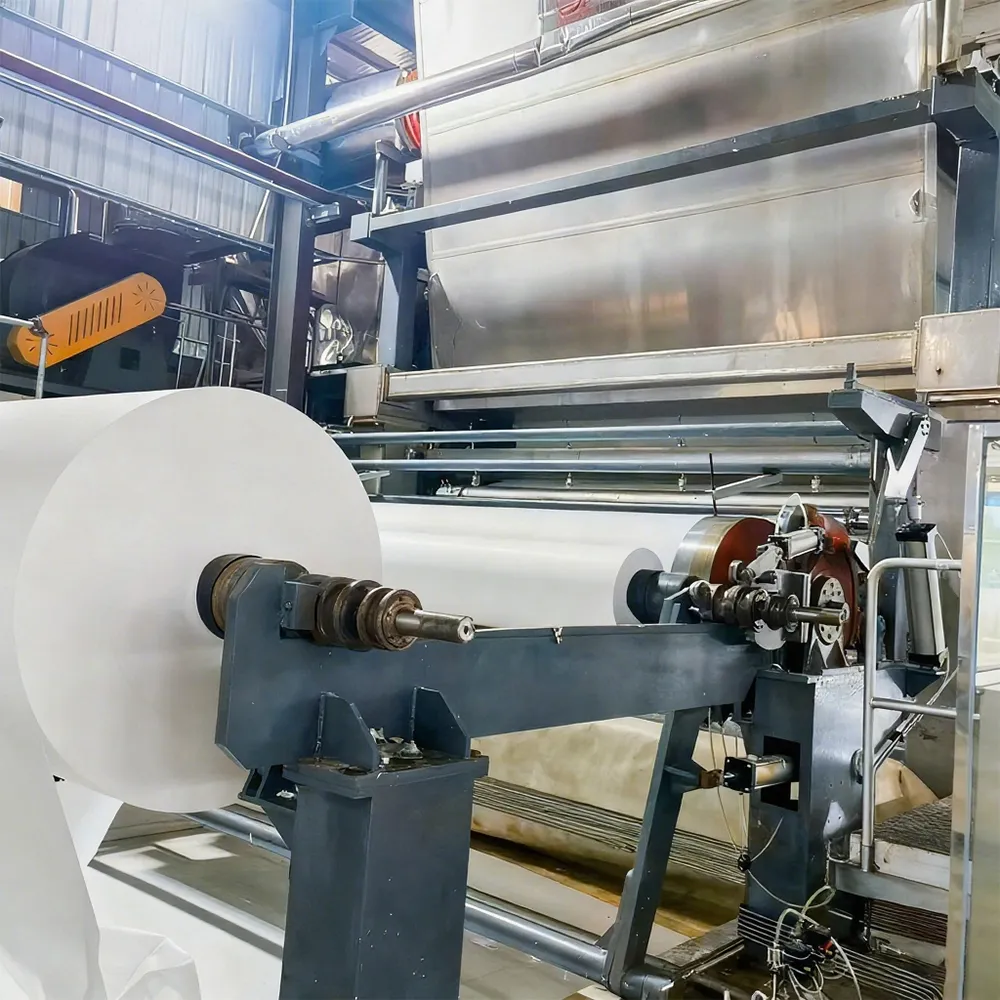 Flexible and eco-friendly cotton paper white double-sided adhesive tape material, soft thin packaging material 14g, 18g, 20g.
 -
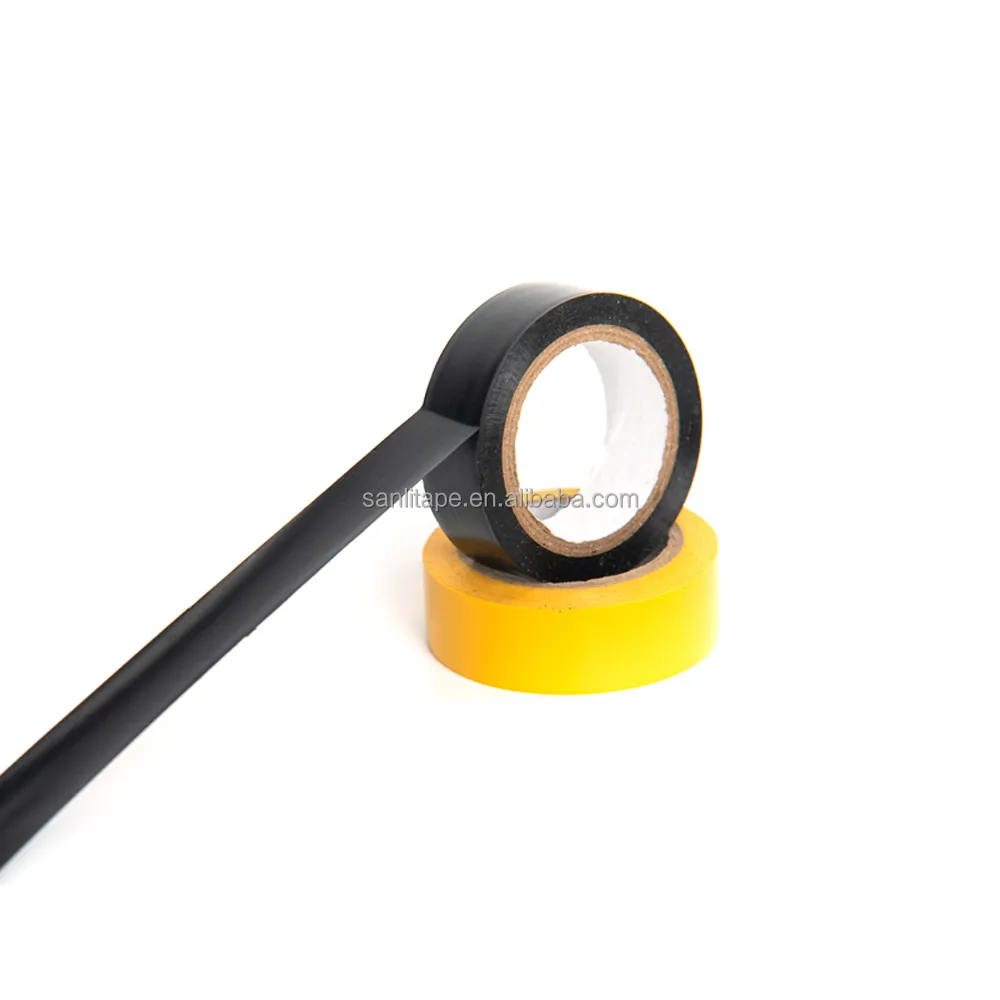 Waterproof Black Color PVC Insulation Tape Wrap Insulated Electrical Tape with High Viscosity
 -
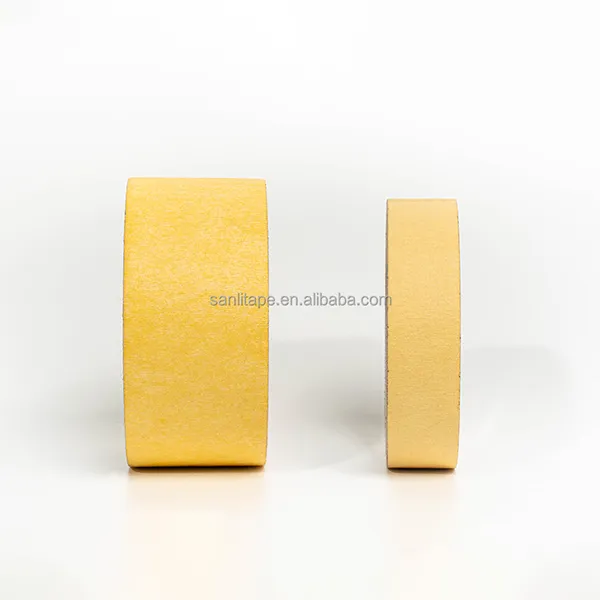 High-temperature masking adhesive masking tape for decorative car painting, high viscosity, easy to tear without leaving marks, single-sided, wrinkle-free
 -
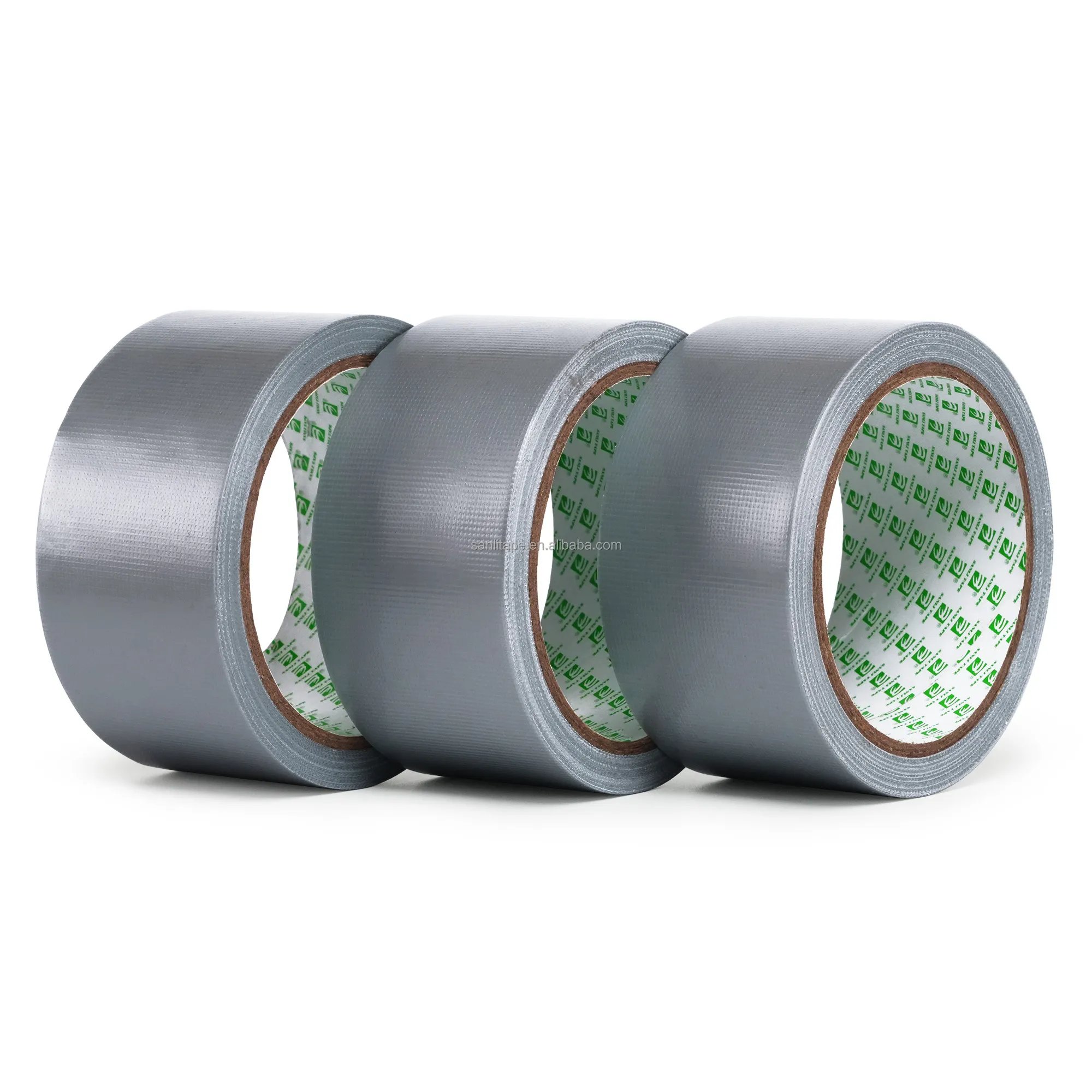 Fabric Backed Adhesive Tape Single Sided High Viscosity Hand Tearable Adhesive Tape for Carpet Fastening Decorative Tape
 -
 High Transparent Nano Tape, High Viscosity, High Water Resistance, Trace Free Fixation, Acrylic Double Sided Tape
 -
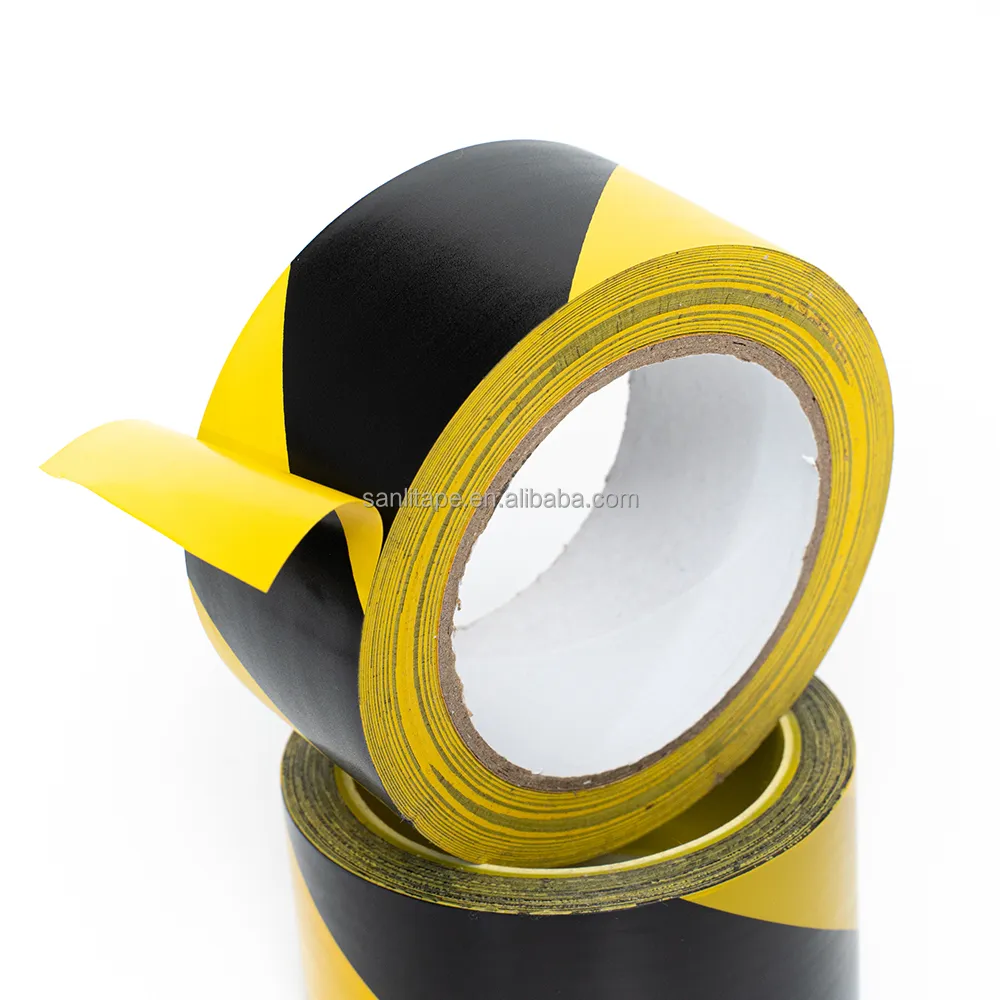 PVC Warning Tape Marking Warning Tape Decorative Floor Tape
 -
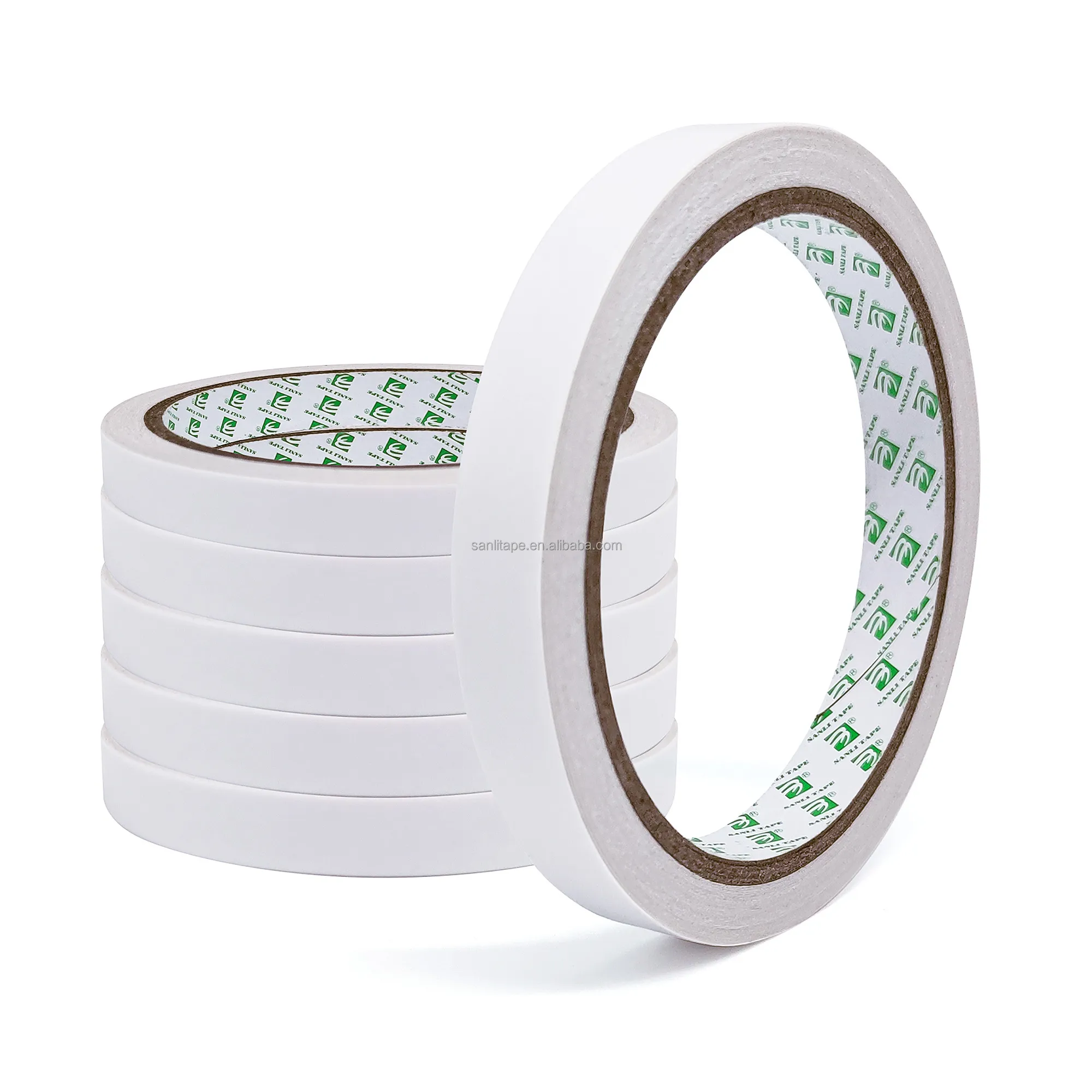 Double Sided Adhesive Tape, High Adhesive Cotton Paper Adhesive Tape, Clear Double Sided Adhesive Tape for Manual Office and Industrial Use
 -
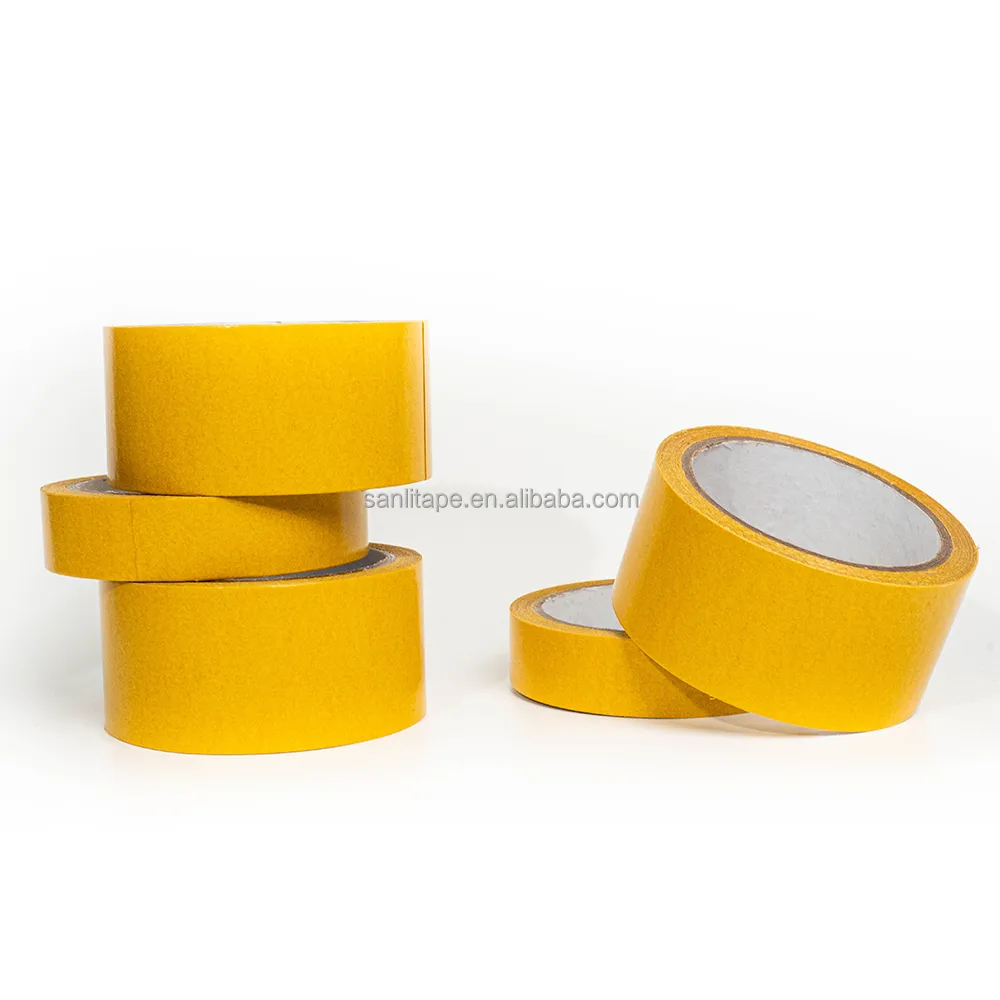 High Density Mesh Tape, High Viscosity, Double Sided Carpet Fastening Tape
 -
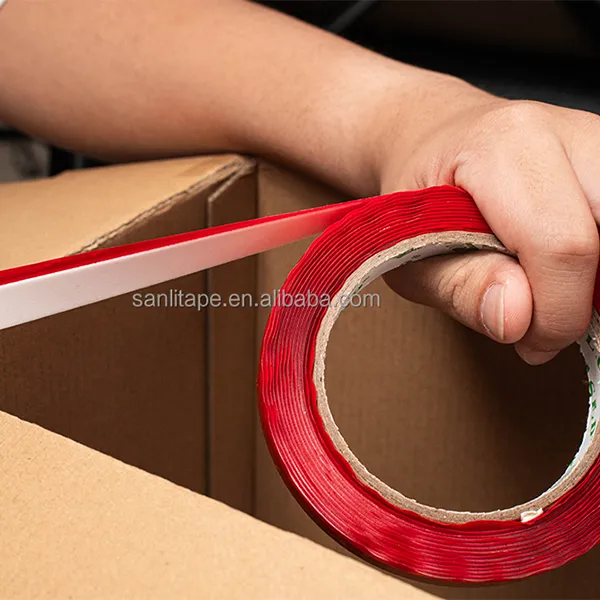 Packing tape with raised tape
 -
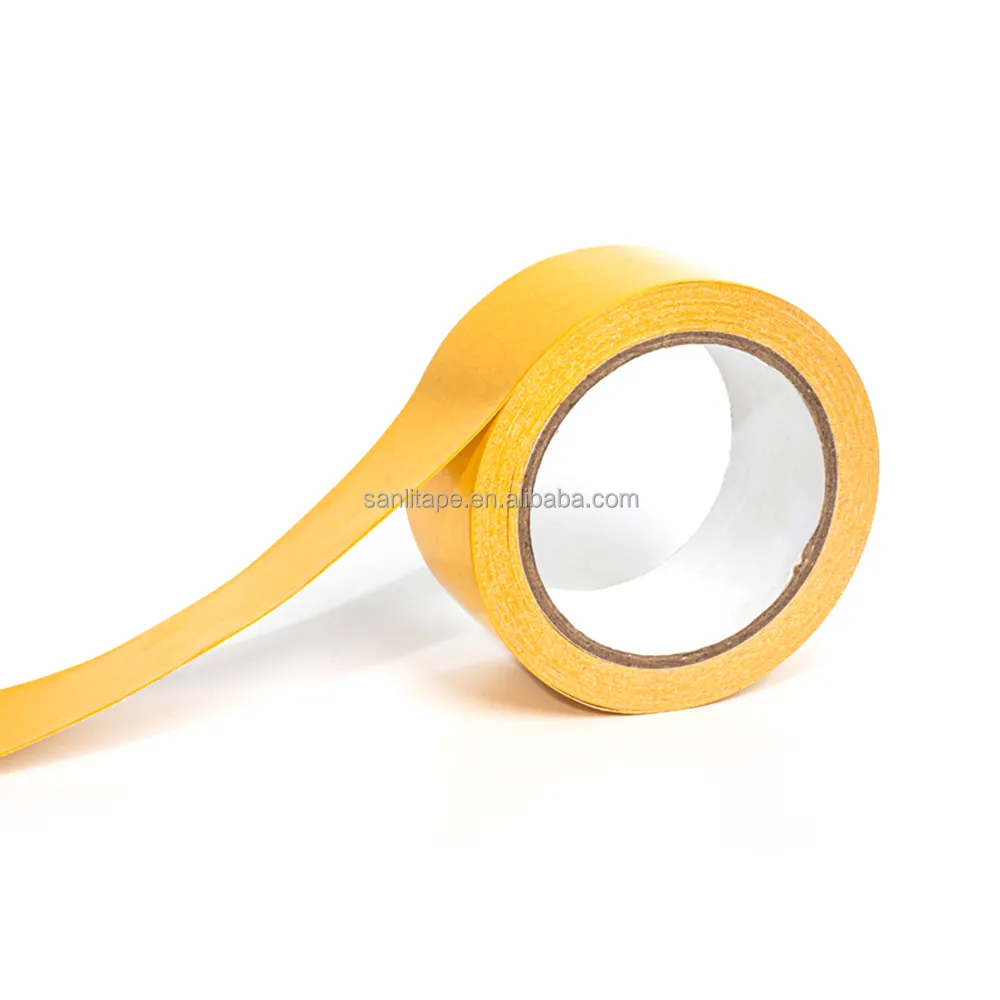 Double-sided fabric-based tapes with strong adhesion for attaching carpets, floor mats, sofa cushions and other items.
Relatedsearch
Related Search- Double-sided tape for auto manufacturers
- Double Sided Tape for Heavy Items Suppliers
- Double-sided mounting adhesive tape manufacturers
- Double sided tape on the wall factories
- double sided adhesive tape
- Double sided opp film tape supplier
- Double-sided mounting adhesive tape main buyer
- Double-sided tape adhesive manufacturers
- Double-sided nano tape transparent manufacturers
- Double sided opp film tape manufacturer