




adhesive tape 10 mm
There are a huge number of options on the **adhesive tape** market, and often buyers, especially beginners, focus only on width. It is often underestimated how critical the choice of material and adhesive is for a particular application. It seems that 10 mm is the standard, but what is it used for, and what characteristics are important? Recently we encountered a problem when packing large-sized cargo - the standard tape simply did not hold, despite the declared strength. This made me think about the real parameters, and not just the numbers on the packaging.
Types of 10 mm adhesive tape: selection of material
I'll say right away: '10mm adhesive tape' is more of a size than a separate type of product. The tapes themselves come from different materials, and their scope of application greatly depends on this. The most common are polypropylene (PP), polyester (PET) and paper tapes. PP is cheap and durable, good for temporary fixing, box packing and so on. PET is more durable and resistant to high temperatures, used for gluing heavier objects or under conditions of increased stress. Paper tapes are environmentally friendly, but less durable, suitable for packaging fragile items where careful fixation is important. When choosing, focus on the weight of the cargo, storage and transportation conditions, as well as temperature conditions.
For example, in our production, Enping Sanli Adhesive LLC (https://www.sanlitape.ru), we often advise clients on the choice of tape for packaging products. We have extensive experience working with various types of **adhesive tape**, and we can say that the choice of material is half the success. We offer tapes made of PET, polypropylene, paper and even special self-adhesive fabrics to solve the most complex problems.
Adhesive: Reliability Core
The quality of the glue is a critical factor. Even the strongest tape made from high quality material will fail its job if the adhesive is of poor quality. There are different types of adhesives: based on acrylate, rubber, silicone. Acrylic adhesives are usually more durable and resistant to temperature changes, rubber adhesives are flexible and well suited for gluing uneven surfaces, silicone adhesives are elastic and waterproof. You should not skimp on glue, especially when it comes to important cargo.
At Sanli we are constantly working to improve adhesive formulations. We use modern technologies and materials to ensure maximum adhesion and durability of our products. We recently developed a special adhesive for working with polyethylene, which showed excellent results in tests. This is important because these are the types of problems our clients often face.
Factors affecting adhesion
In addition to the material and glue, several other factors affect adhesion: surface cleanliness, gluing pressure, temperature. Surfaces must be clean and dry, free from dust, dirt and grease. It is necessary to ensure sufficient pressure during gluing so that the glue is evenly distributed over the entire surface. Temperature also plays a role - the glue works better at room temperature. Do not use the tape at very low or high temperatures.
We often see problems due to improper surface preparation. For example, a client is trying to glue two sheets of cardboard that are covered in dust. As a result, the tape simply does not hold. Therefore, we always recommend pre-cleaning the surfaces before gluing. At Sanli, we also offer surface pre-treatment services - this can significantly improve bond reliability.
Real cases: successes and mistakes
I remember a time when we needed to pack a batch of large mirrors. We chose polyester tape with good adhesive and hope everything goes smoothly. Unfortunately, the glue turned out to be incompatible with the surface of the mirror, and the tape came off already at the loading stage. All the packaging had to be redesigned, which caused a delay in deliveries. Lesson learned: always test the tape on the selected material before mass use.
On the other hand, we have had successful experience using special tape for packaging fragile glass products. The tape was made of paper, with a strong but not aggressive adhesive. It ensured careful fixation and prevented damage during transportation. The client was very pleased with the result. This shows that the right choice of tape and adhesive can solve even the most difficult problems.
Alternative options: tape and other solutions
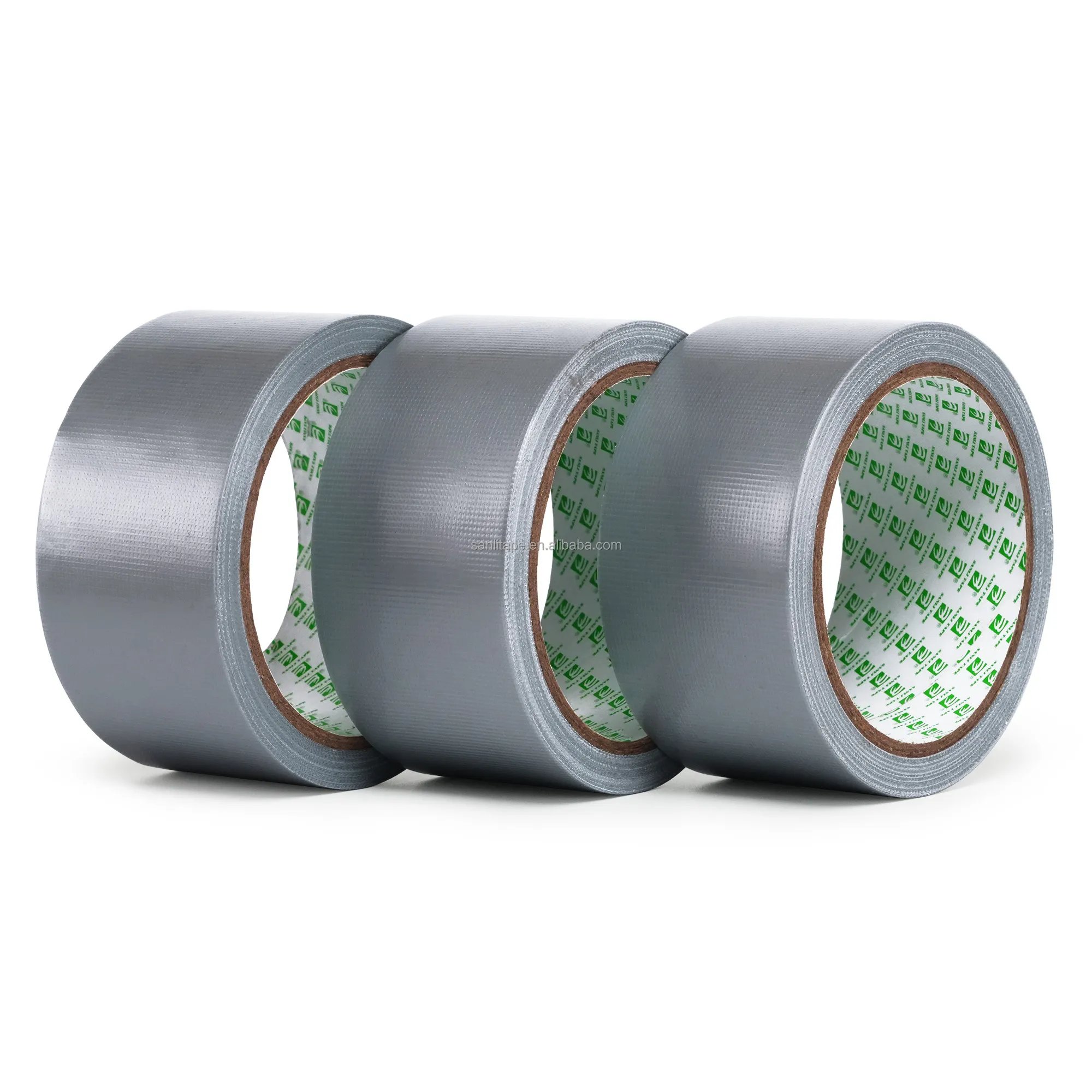
Of course, **duct tape** is not the only packaging solution. There are other options: tape, reinforced tape, shrink film. The choice depends on the specific task. Scotch tape is a convenient and quick solution for temporary fixation. Reinforced tape – for packing heavy loads that require high strength. Shrink film – for packaging products of complex shapes.
We at Enping Sanli Adhesive Co., Ltd. offer a wide range of packaging materials, including various types of tape, reinforced tape and shrink film. We can help you choose the best solution for your application.
Conclusion
Choosing **10mm adhesive tape** is not just about choosing the width. This is a complex process that requires taking into account many factors: material, glue, surface properties, operating conditions. You should not skimp on quality and rely only on the stated characteristics. Always test the tape on the selected material and take into account the specifics of the task. This is the only way to ensure reliable and safe packaging.
Correspondingproducts
Related Products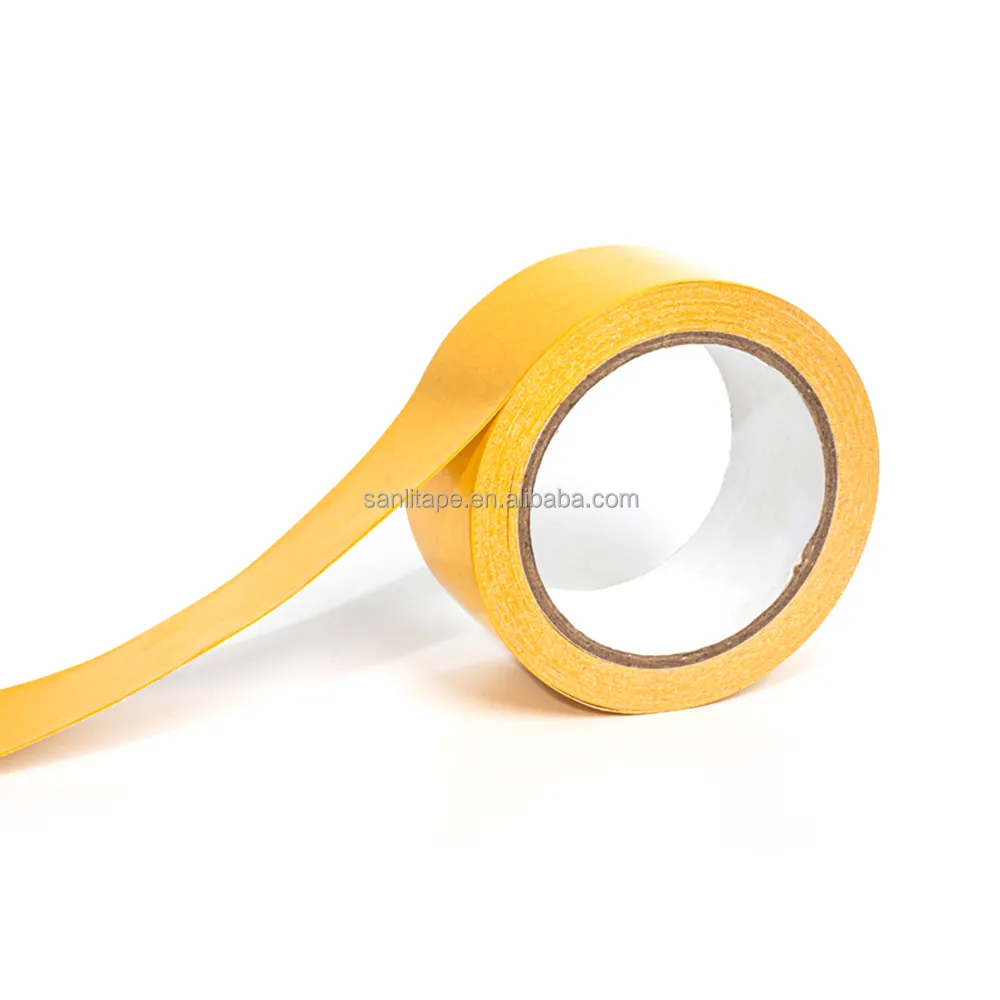
Best Sellingproducts
Best Selling Products-
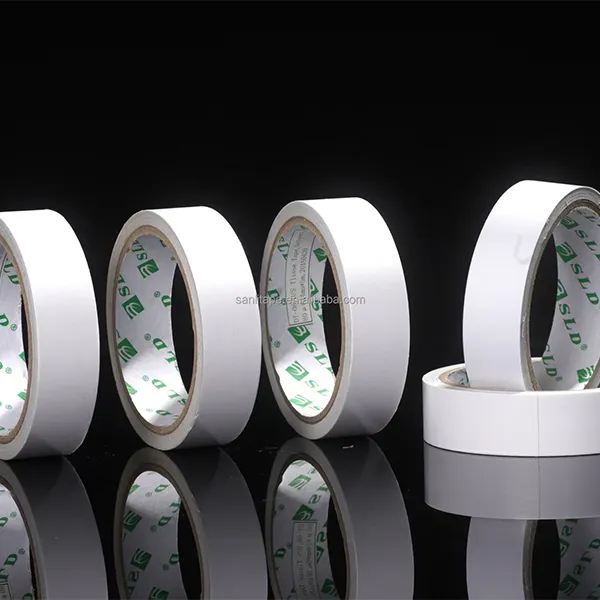 Thin Double Sided Adhesive Tape Clear PET Polyester Film Adhesive Tape Installation and Fastening of Industrial Parts Die-Cut Double Sided Adhesive Tape
 -
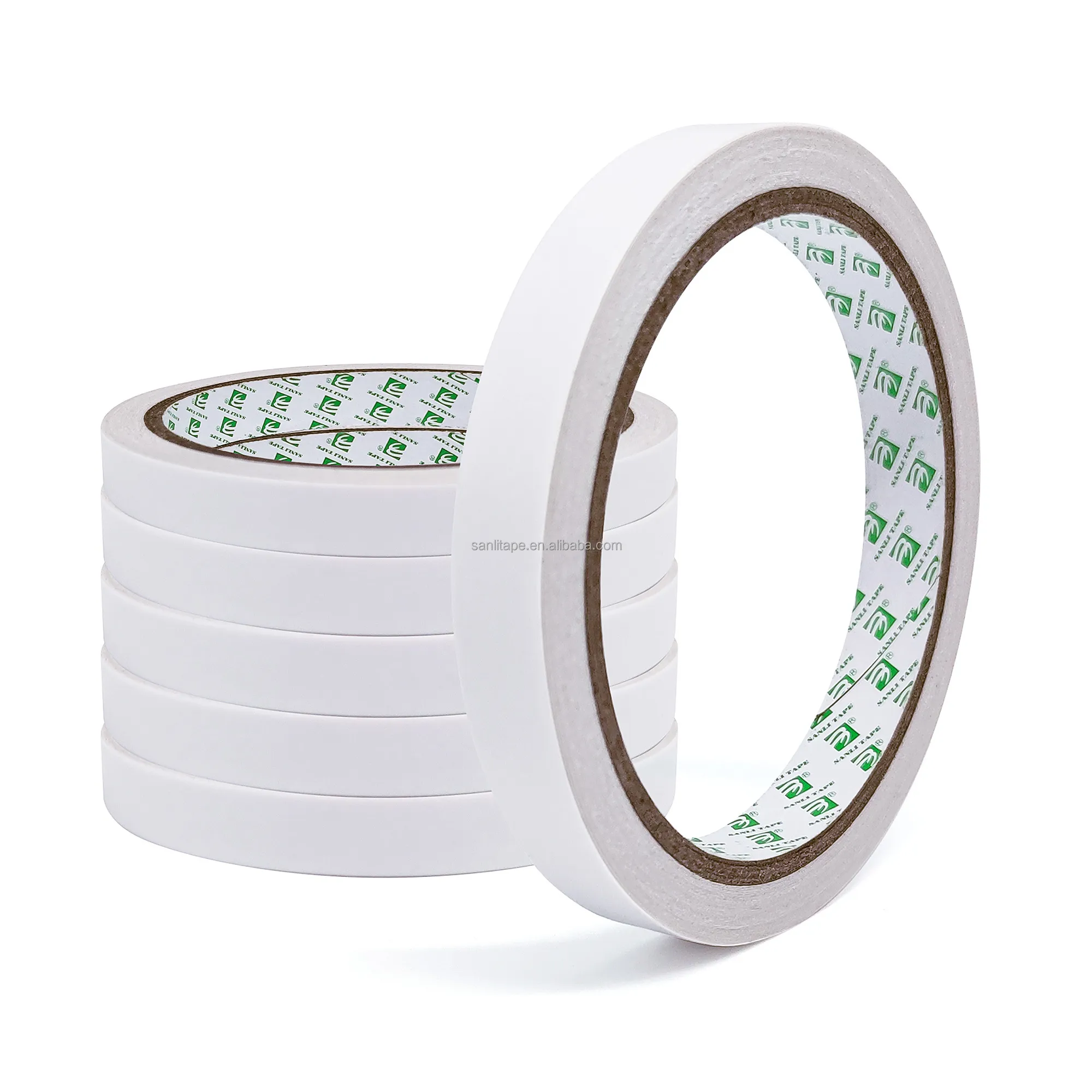 Double Sided Adhesive Tape, High Adhesive Cotton Paper Adhesive Tape, Clear Double Sided Adhesive Tape for Manual Office and Industrial Use
 -
 Temperature Resistant Aluminum Foil Tape
 -
 High Transparent Nano Tape, High Viscosity, High Water Resistance, Trace Free Fixation, Acrylic Double Sided Tape
 -
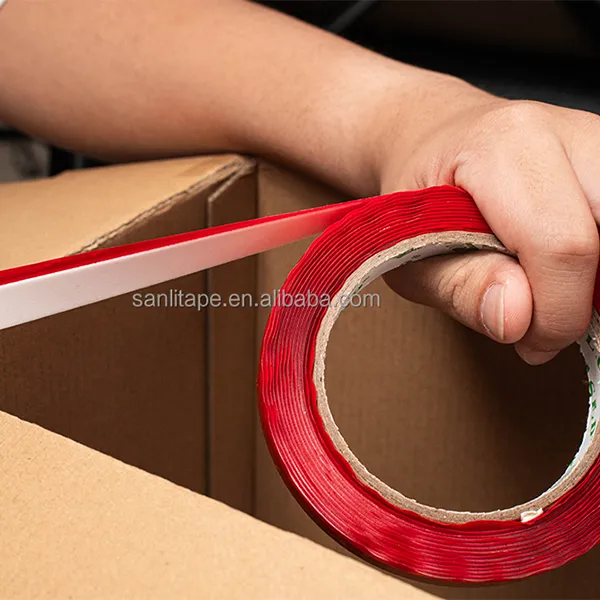 Packing tape with raised tape
 -
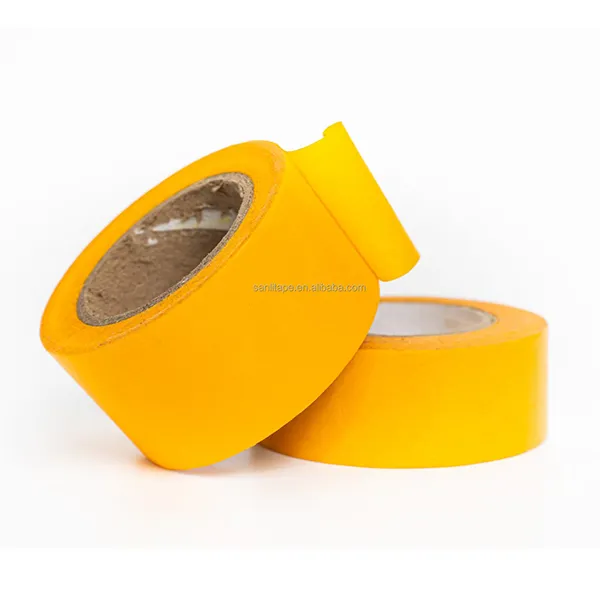 Yellow and Paper Adhesive Tape DIY Decoration Spray High Viscosity Hand Tear Seamless Painting Tape
 -
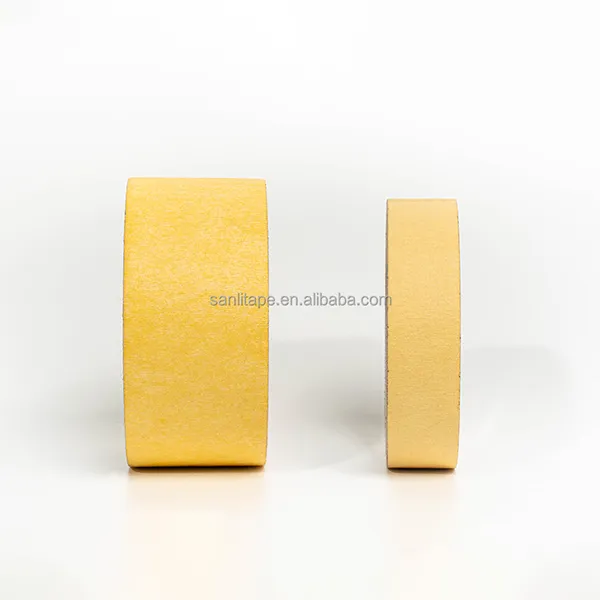 High-temperature masking adhesive masking tape for decorative car painting, high viscosity, easy to tear without leaving marks, single-sided, wrinkle-free
 -
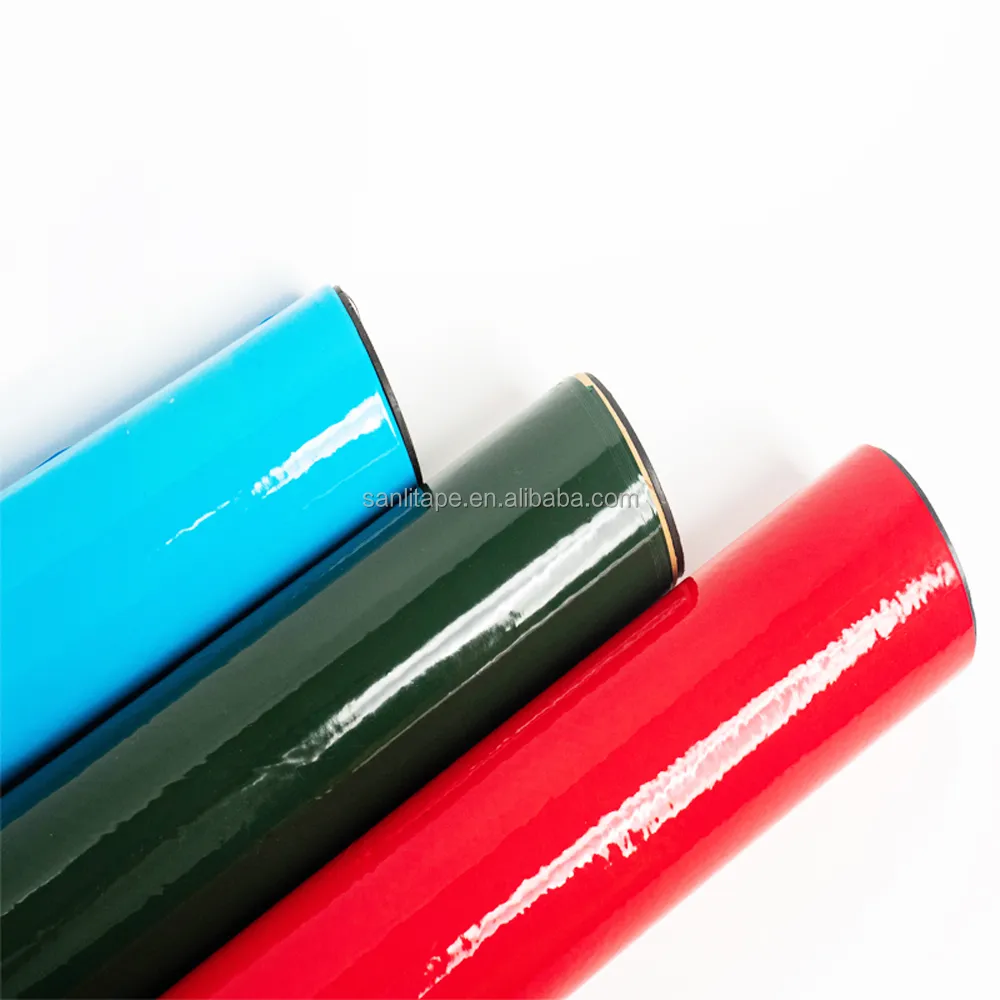 Anti-adhesive coated PE film used for printing on double-sided adhesive foam tape insulation film
 -
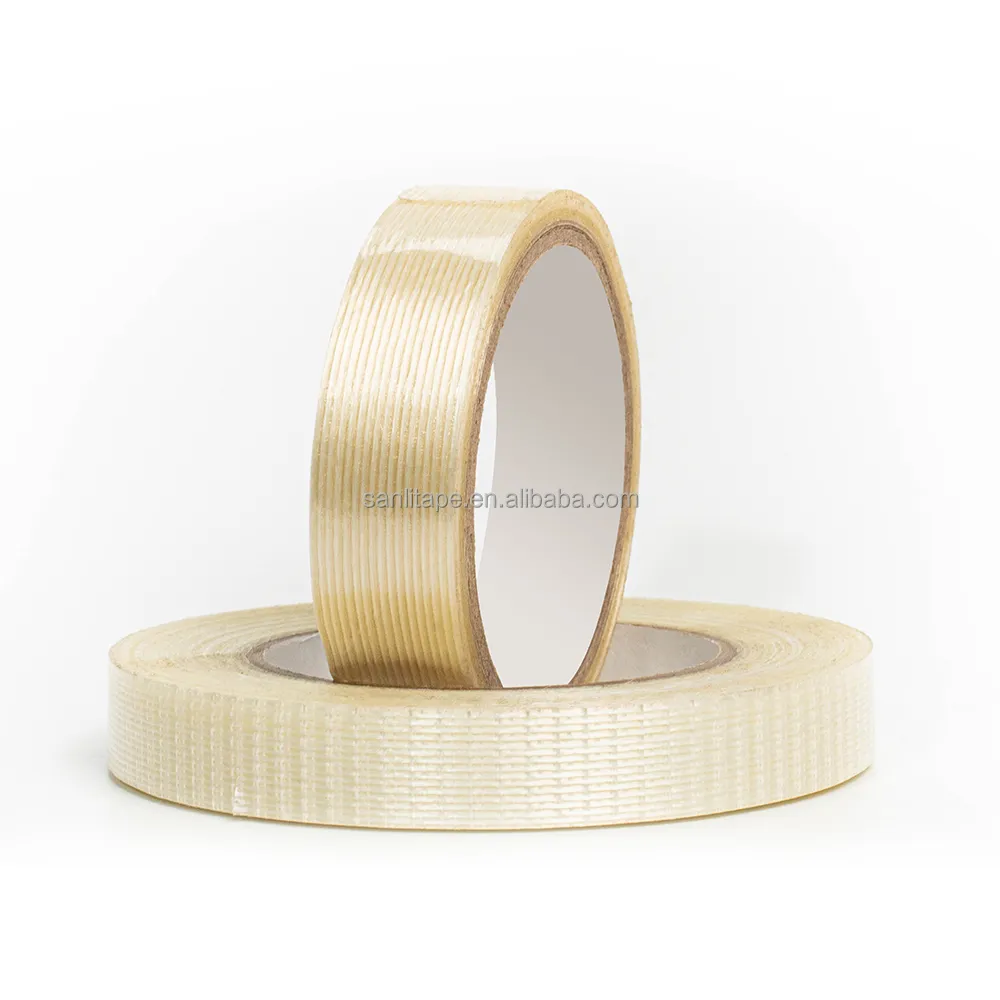 Super Heavy Objects with Integrated Fiberglass Tape Electrical Apparatus Packaging Transparent Attaching Tape
 -
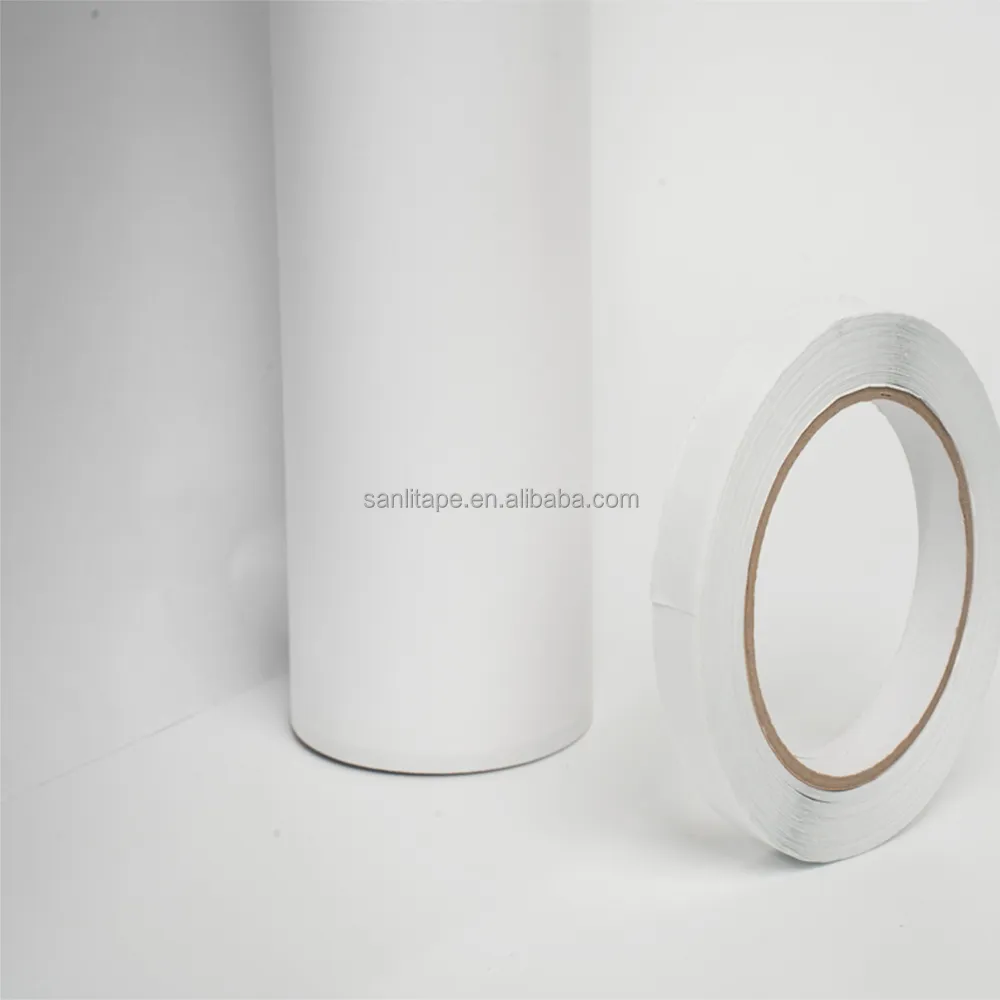 Single Sided Double Sided Backing Paper Double Sided Adhesive Tape PE Parchment Label Paper
 -
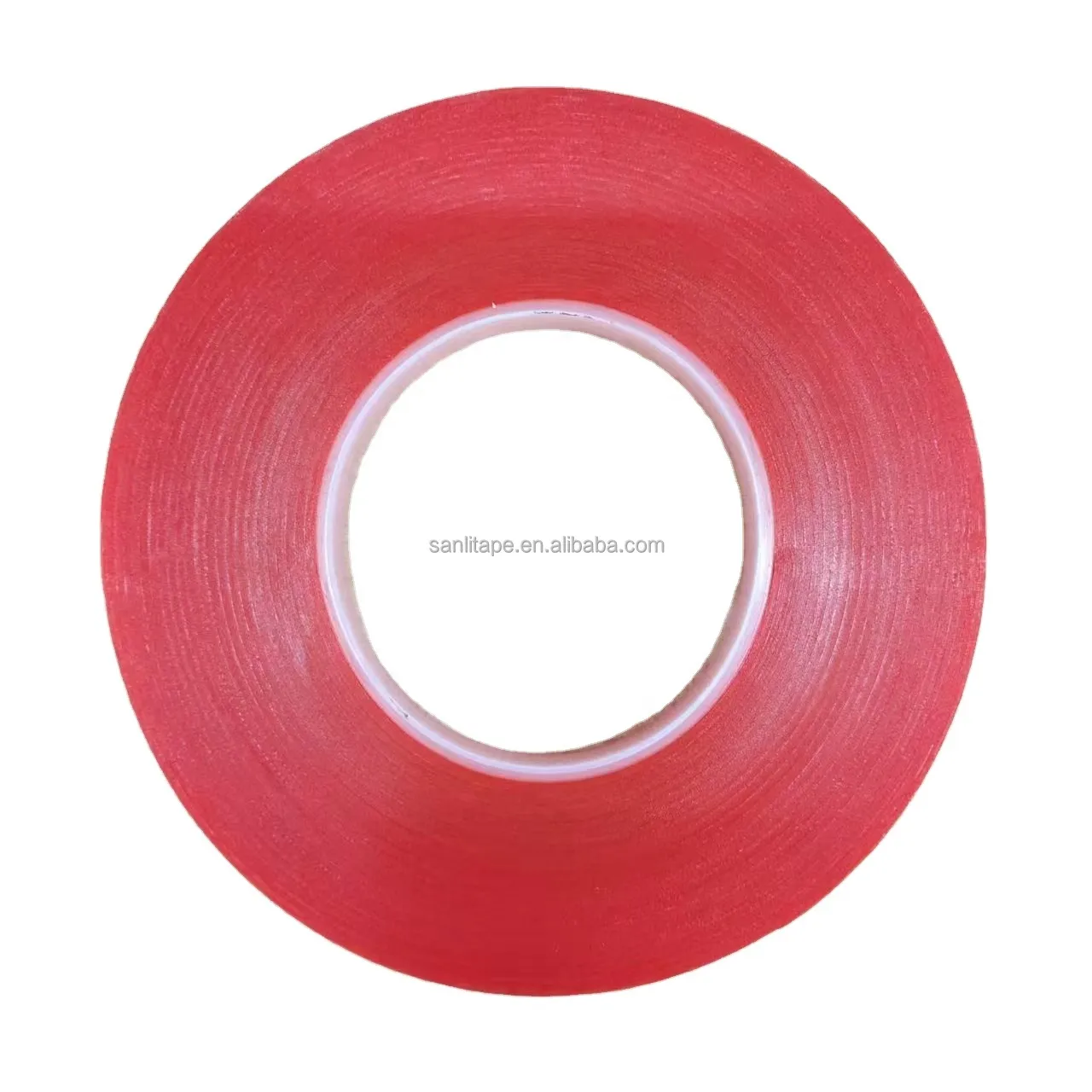 Red Film Durable Ultra Clear Double Sided Polyester Tape with High Temperature Acrylic Adhesive Double Sided PET Tape
 -
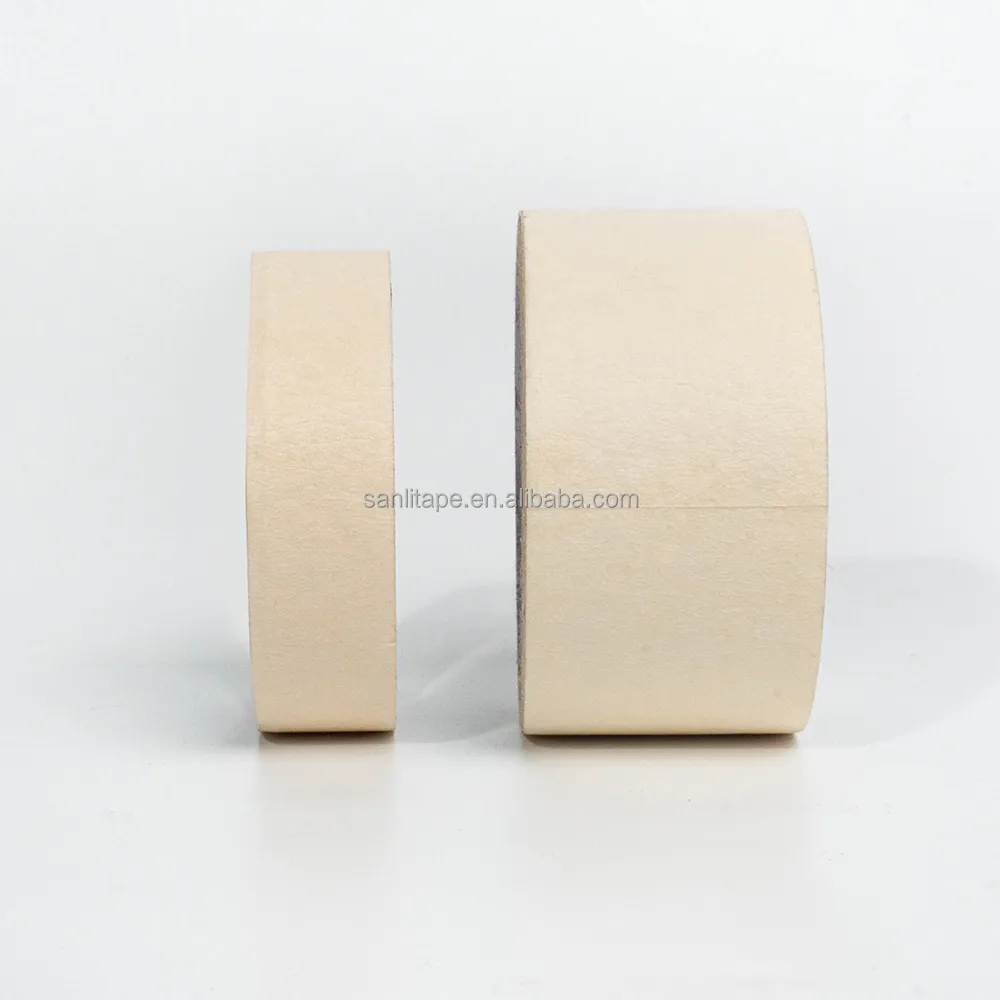 Masking Tape Paint Sprayer Decoration Masking One-Way Wrinkles
Relatedsearch
Related Search- double sided adhesive tape 5m
- Double sided tape 3 mm manufacturers
- double-sided tape for heavy objects
- Order Reinforced Kraft Paper Adhesive Tape from China
- Double sided tape factory
- Construction double-sided tape factories
- Double-sided tape for glass price
- Wide double sided tape factory
- adhesive tape 10 mm
- Double-sided adhesive tape 19 manufacturers