




adhesive tape 25 mm
What a strange thing - duct tape. It seems like a simple product, but in practice there are often nuances. Especially when it comes to specific parameters, for example,adhesive tape 25 mm. Often clients come with a clear request - 'need 25 mm', as if this solves all problems. But this is just the beginning. I have come across many times that this parameter is only one of many factors influencing the final result. Everything seems to be according to the book, and then there are problems - it doesn’t hold well, it peels off, it’s not suitable for a particular material. And then you start to think that something is wrong somewhere... This is exactly what we will talk about. Not about advertising, but about real experience.
Types of adhesive backings: not just 'duct tape'
The first question to ask yourself is which adhesive base is suitable for your purposes. Three main options immediately pop up here: rubber (based on natural and synthetic rubber), acrylic and solvent-based. Each of them has its own advantages and disadvantages. Rubber tapes are usually more flexible and are good for bonding uneven surfaces. Acrylic tapes are characterized by high adhesion and resistance to environmental influences - this is good if the tape will be used outdoors or in conditions of high humidity. Solvent tapes are the most durable, but require special care when using and may leave marks on some materials. We at our company, Enping Sanli Adhesive LLC, often see situations where the customer chooses solvent-based tape, thinking that this is always the best option, but then it turns out that it damages the surface that needs to be glued. This is a fairly common mistake.
When choosingadhesive tape 25 mm, especially for sensitive materials, it is important to consider not only the type of adhesive base, but also its composition. Different manufacturers use different additives and modifiers, which can significantly affect the properties of the tape. For example, packaging tapes often add substances that increase strength and tear resistance, and marking tapes often contain ink that does not wear off. You should not rely only on the general description - you need to look at the technical specifications and, if possible, conduct your own tests.
Features of choice for different materials
The material you are going to glue the tape to is another key factor. Paper, cardboard, plastic, metal, wood - each material needs its own tape. For example, rubber tapes are best suited for gluing paper and cardboard, and acrylic or solvent tapes are best for plastic (if the material allows). When working with metal, it is important to ensure that the tape will not cause corrosion. This is especially true for solvent-based tapes. We often encounter questions from customers usingadhesive tape 25 mmfor gluing plastic panels, and only after consultation we understand that this requires a special tape with a certain composition so as not to damage the material. The wrong choice can result in the adhesive being brittle and peeling off quickly.
In addition to the type of material, it is important to consider its surface. Smooth surfaces bond more easily than rough surfaces. For rough surfaces, tapes with stronger adhesion or with a special coating that improves adhesion are often used. It is also worth considering the porosity of the material - for porous materials, tapes are best, as they can fill the pores and provide a stronger connection.
Practical experience: personal example with packaging
We recently had an order for packaging lightweight but fragile parts. The client wanted to useadhesive tape 25 mmfor fixing cardboard. He chose the cheapest tape that was available. The result was sad - the tape did not hold well, the cardboard fell apart. I had to redo the entire packaging using better quality tape with higher adhesion. This cost the client additional costs and time. This case is a great example of how saving on tape can lead to serious problems.
Another point that is often overlooked is the ambient temperature. In cold conditions, the adhesion of many tapes decreases, and in hot conditions they can become deformed. Therefore, when choosingadhesive tape 25 mmIt is important to consider the conditions in which it will be used. If the packaging will be stored or transported in cold temperatures, it is best to use tapes that are specifically designed to work in cold conditions.
Testing is the key to success
Ideally, before launching mass production or usingadhesive tape 25 mmFor important tasks, it is worth doing a little testing. This will ensure that the tape is suitable for your purposes and does not cause any problems. You can glue several samples from different materials, check the strength of the bond, resistance to moisture and temperature. It won't take much time, but it can save you a lot more money and stress in the future. We at Enping Sanli Adhesive LLC offer such tests to our customers so that they can be confident in the quality of our products.
Small mistakes to avoid
Customers often make simple mistakes when usingadhesive tape 25 mm. For example, the tape is not tensioned correctly when gluing, which leads to a loose connection. Or they do not clean the surfaces from dust and dirt, which reduces adhesion. Or they use too much tape, resulting in wasted tape. All these little things can significantly affect the result.
It is important to remember that correctly selected adhesive tape is not just a consumable material, but an important element that affects the quality of the final product. You shouldn't skimp on this, especially when it comes to important tasks such as packaging or labeling. And it’s always better to play it safe and do a little testing than to face unpleasant surprises later. Rememberadhesive tape 25 mm– this is not just a tape, it is a solution that needs to be selected individually.
Correspondingproducts
Related Products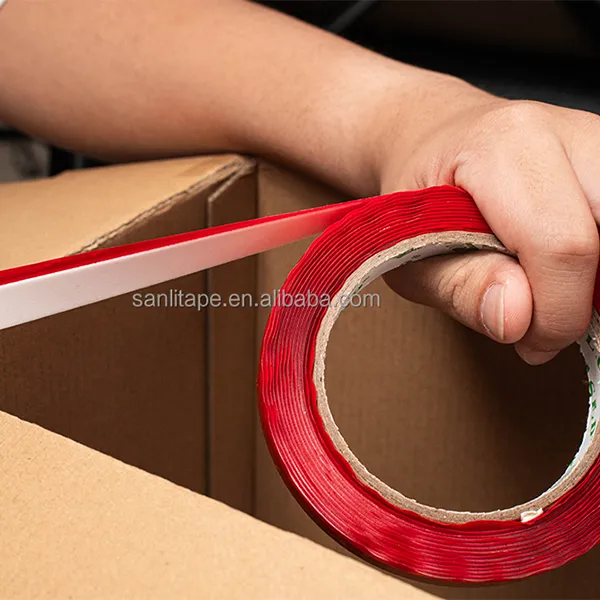
Best Sellingproducts
Best Selling Products-
 Immortal double-sided tape hardware equipment decorative parts with high insurance transparent tape
 -
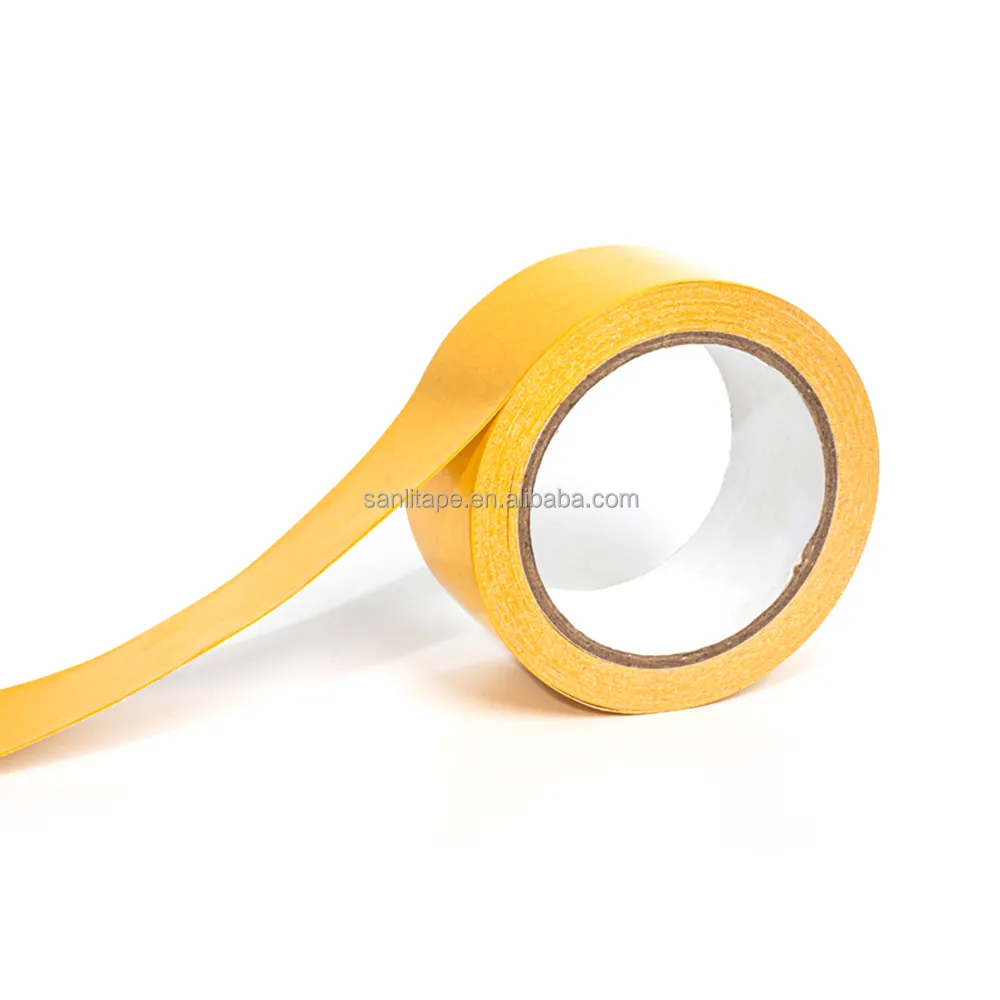 Double-sided fabric-based tapes with strong adhesion for attaching carpets, floor mats, sofa cushions and other items.
 -
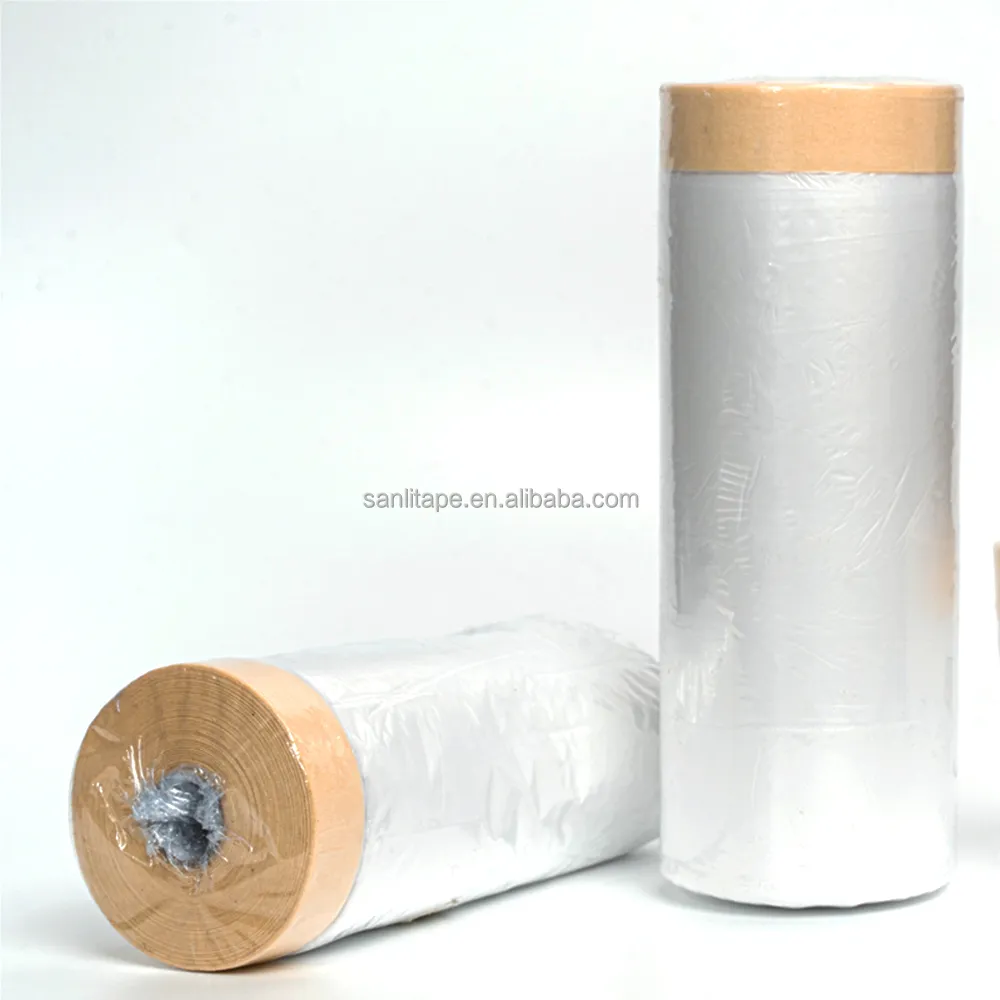 Paint Spray Anti Dust Film Clear Furniture Decoration Film Masking Tape Masking Tape Protective Film
 -
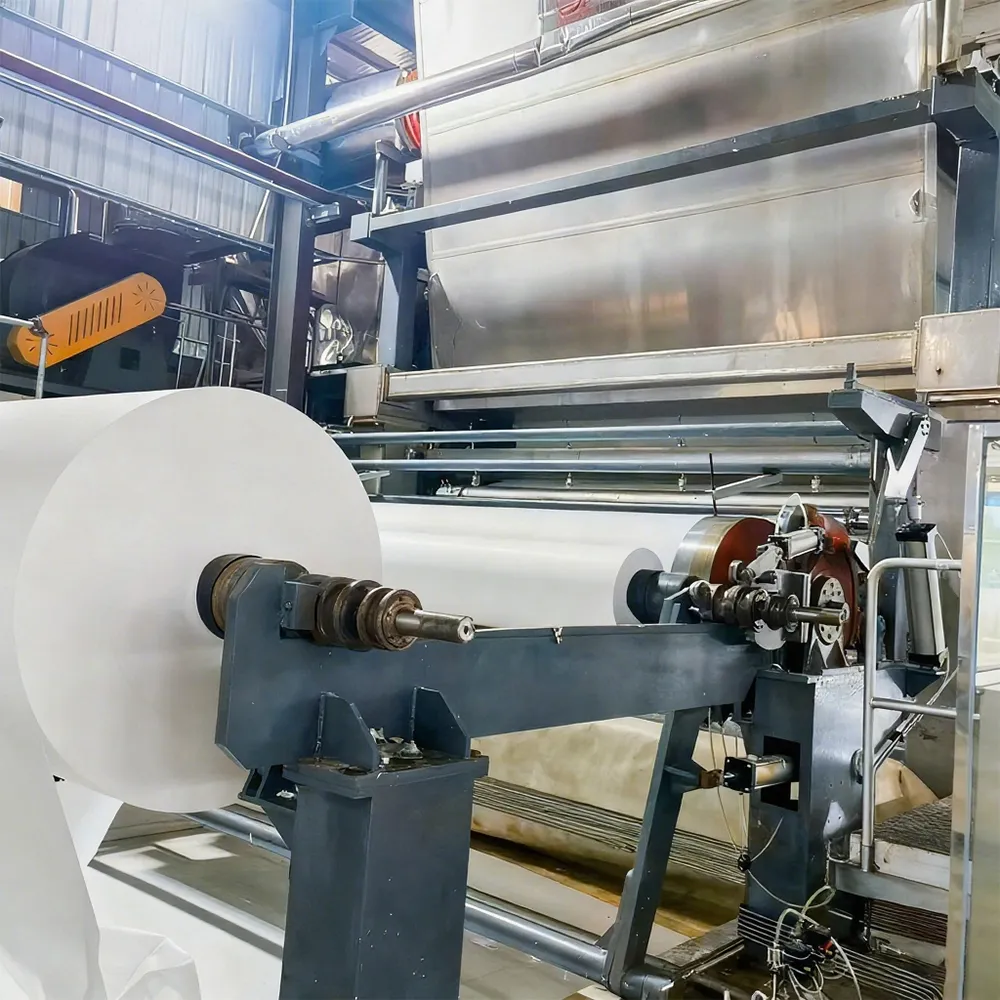 Flexible and eco-friendly cotton paper white double-sided adhesive tape material, soft thin packaging material 14g, 18g, 20g.
 -
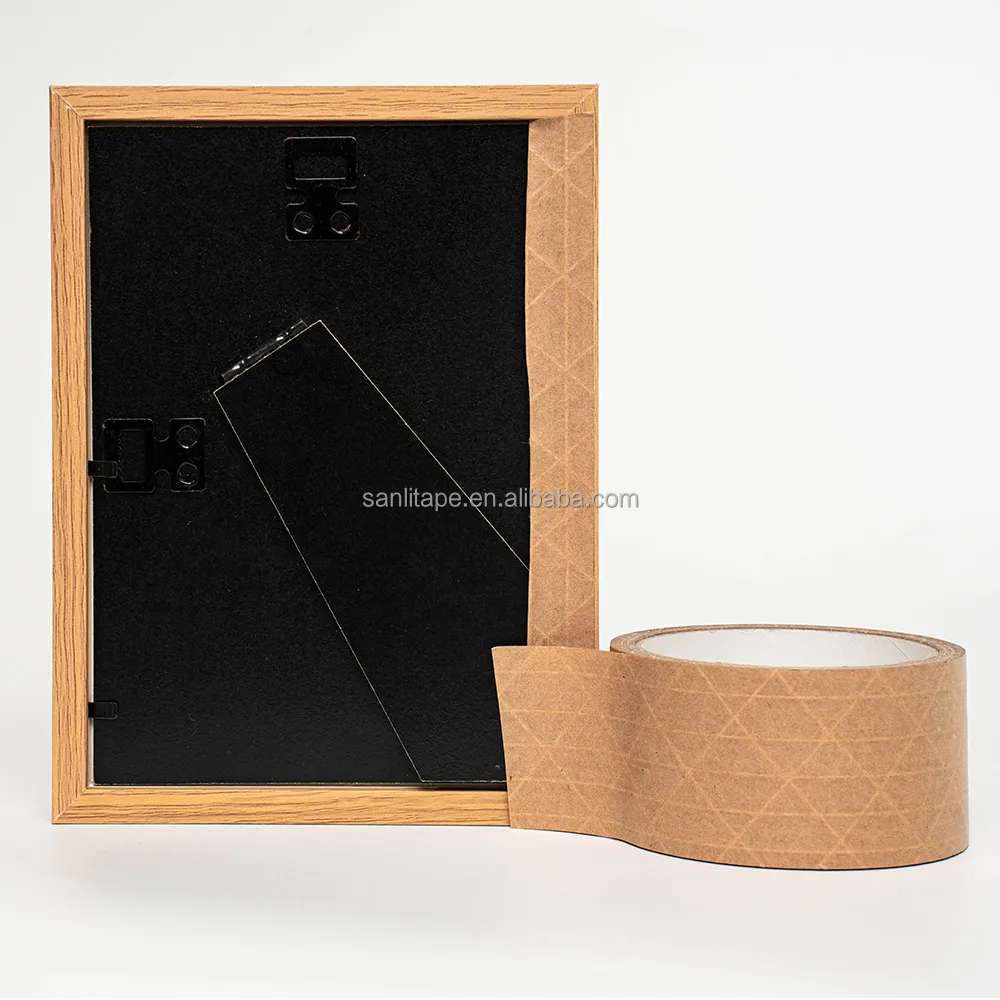 Reinforced kraft paper adhesive tape reinforced tape self-adhesive packaging tape without water content
 -
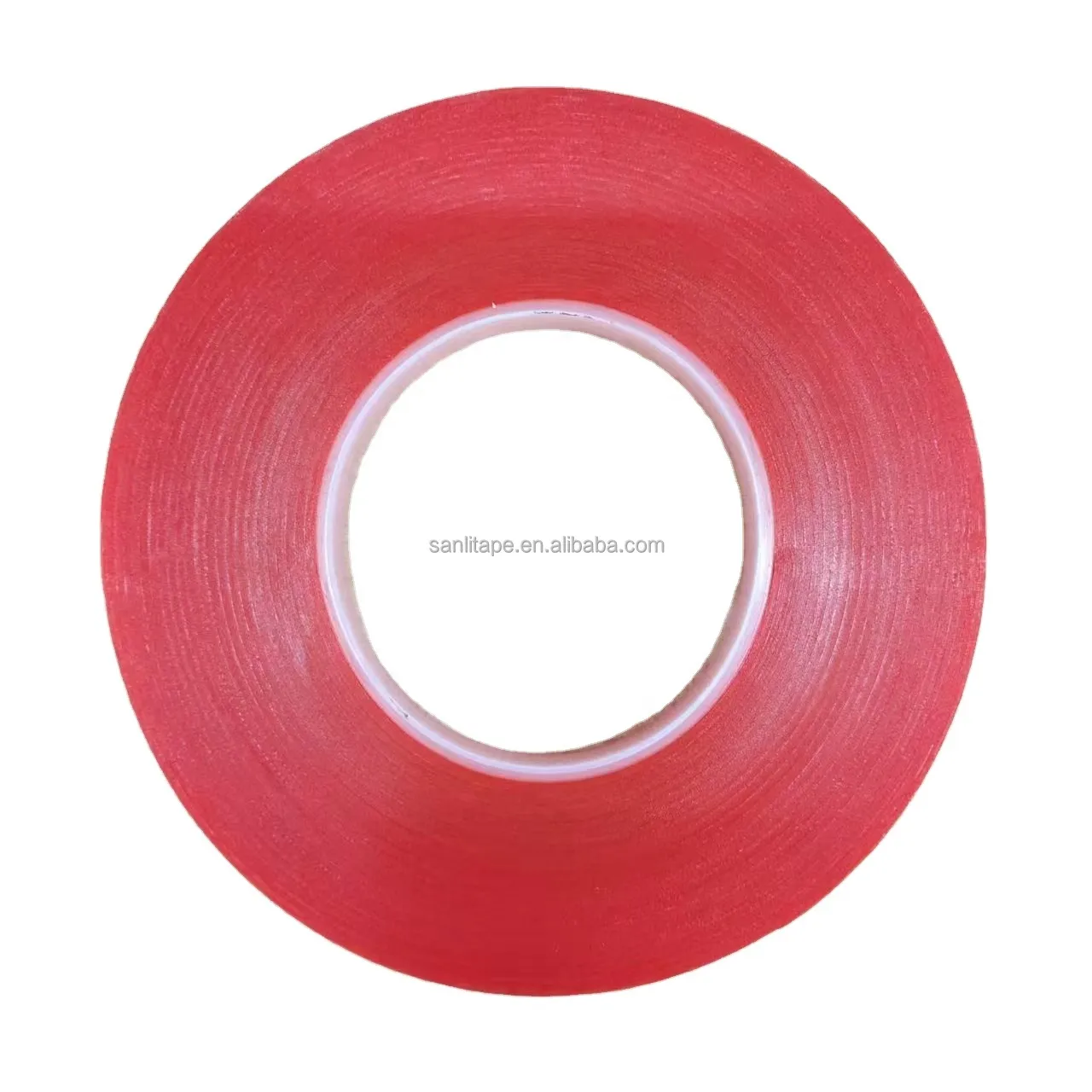 Red Film Durable Ultra Clear Double Sided Polyester Tape with High Temperature Acrylic Adhesive Double Sided PET Tape
 -
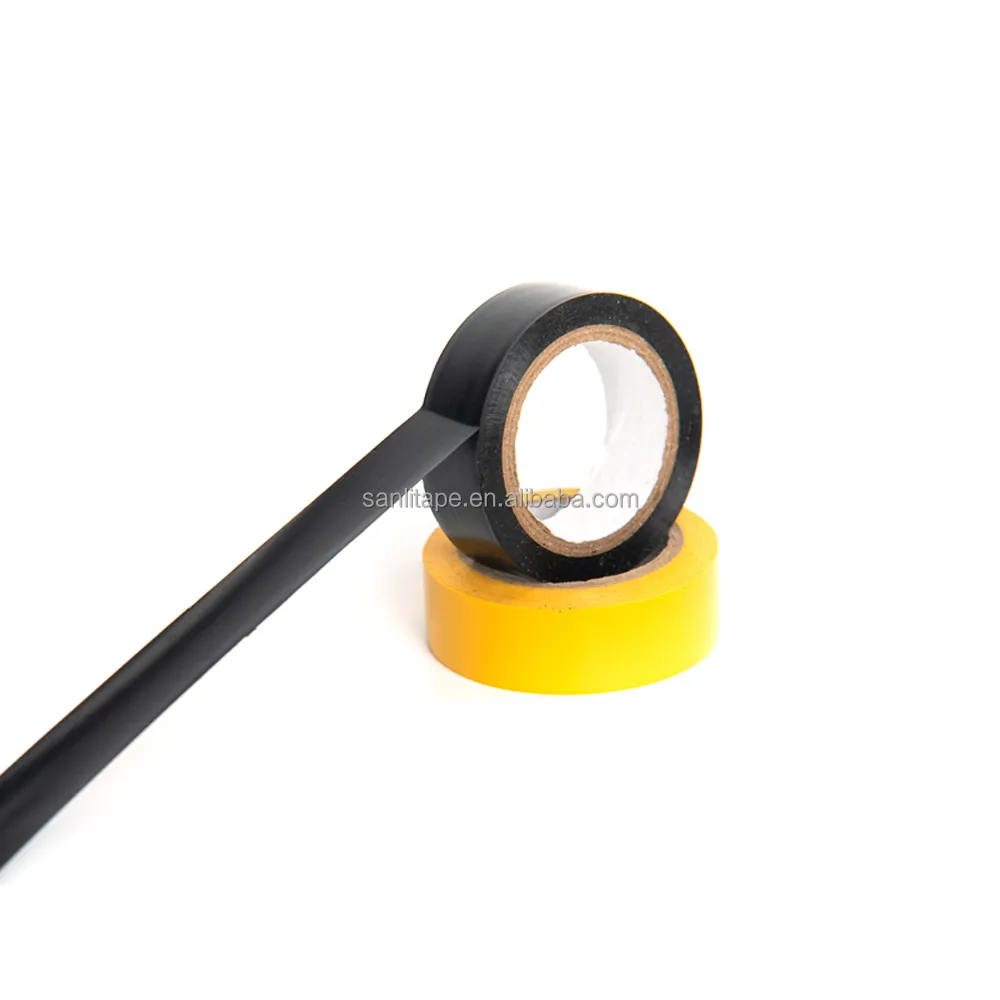 Waterproof Black Color PVC Insulation Tape Wrap Insulated Electrical Tape with High Viscosity
 -
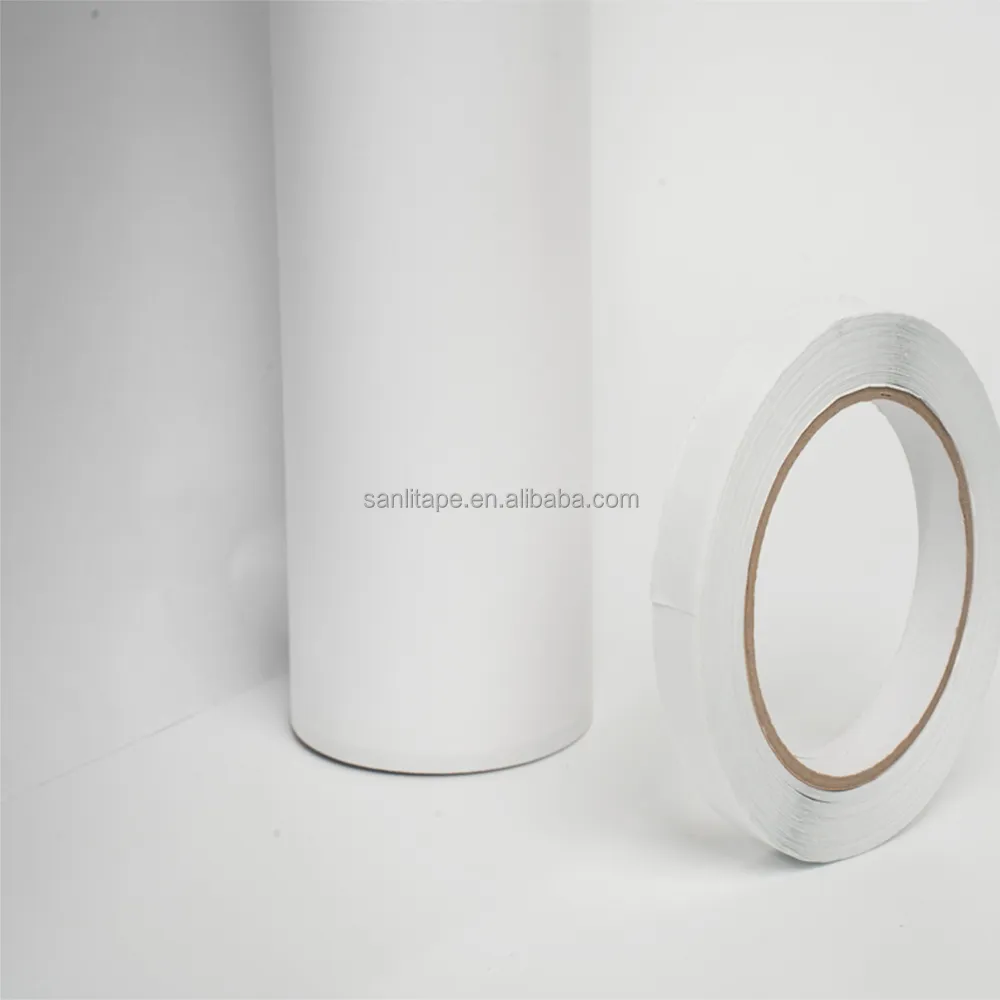 Single Sided Double Sided Backing Paper Double Sided Adhesive Tape PE Parchment Label Paper
 -
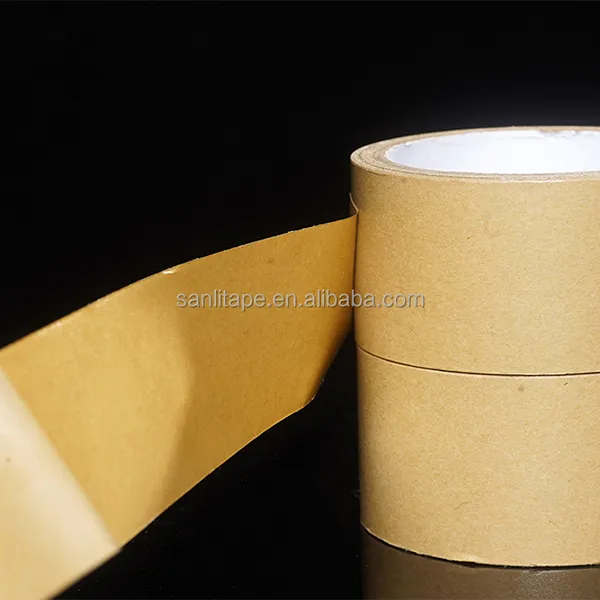 Waterproof Kraft Paper Adhesive Tape Water-based packaging tape with high adhesion for reliable sealing
 -
 High Transparent Nano Tape, High Viscosity, High Water Resistance, Trace Free Fixation, Acrylic Double Sided Tape
 -
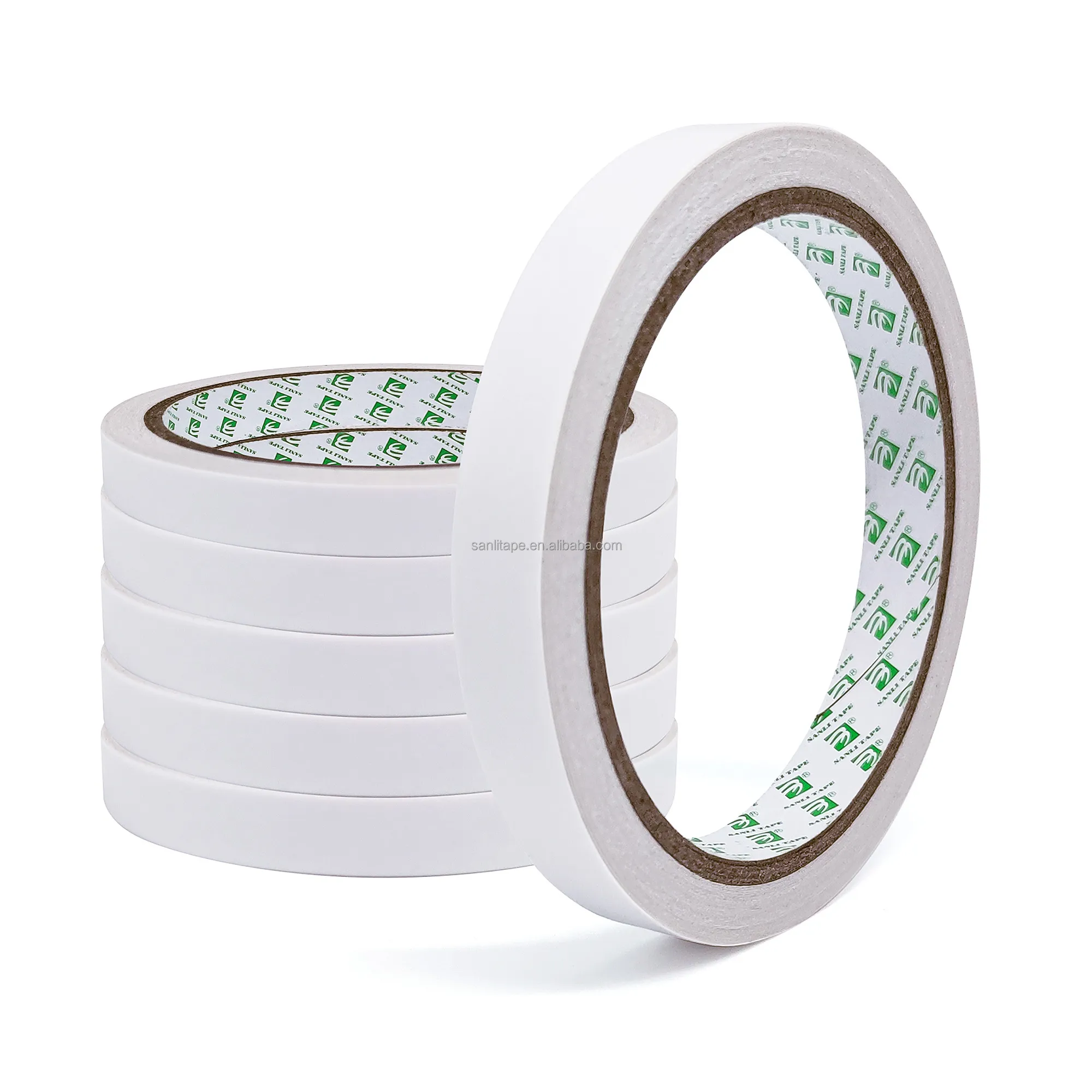 Double Sided Adhesive Tape, High Adhesive Cotton Paper Adhesive Tape, Clear Double Sided Adhesive Tape for Manual Office and Industrial Use
 -
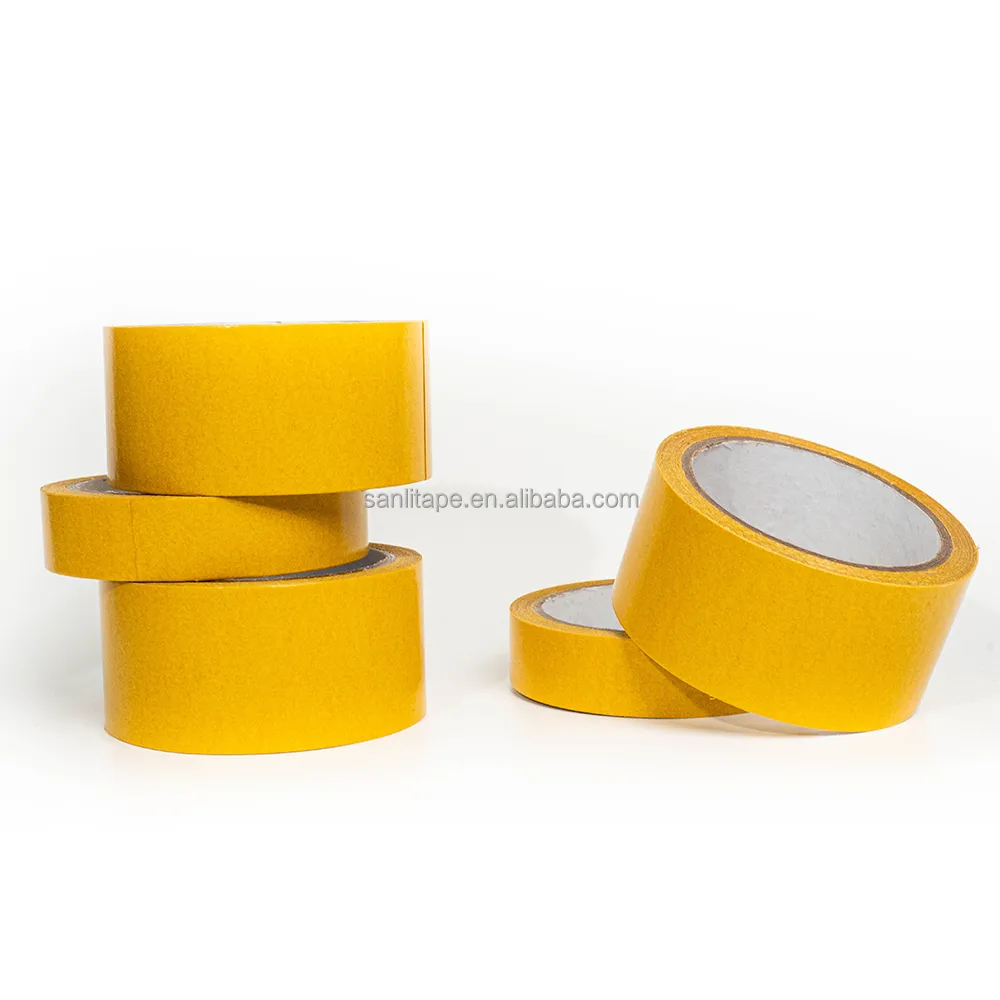 High Density Mesh Tape, High Viscosity, Double Sided Carpet Fastening Tape
Relatedsearch
Related Search- Wide double sided tape suppliers
- Order double-sided foam tape in China
- Heat Resistant Double Sided Adhesive Tape Factory
- Double Sided Mesh Tape Supplier
- Double-sided adhesive tape 50mm factories
- 3m anti-slip tape supplier
- Thin double sided tape supplier
- The best double sided tape for auto plants
- Acrylic foam tape manufacturers
- Anti-slip tape black factory