




Black PVC insulating tape
So,black PVC insulating tape. At first glance, a simple thing. But how often do we actually just buy the first thing we come across? And often this leads to problems. Especially when it comes to serious tasks, where reliability is a matter of life and death, or at least stable operation of the equipment. Over the years of working in the field of adhesive materials, I have seen a lot. From a budget option, which turns into trash after a month of use, to professional solutions that last for decades. Therefore, I decided to share some observations - what was really useful and what only caused disappointment.
Types and characteristicsPVC insulating tape
The very first thing you need to understand is that there is no one, universalblack polyurethane insulating tape. PVC, as a material, has many variations, and each of them has its own characteristics. Different additives, different production processes - all this affects the final properties of the tape: elasticity, adhesion, heat resistance, resistance to chemicals and UV radiation. For example, a tape designed to work in aggressive environments will be significantly different from a tape used for household needs.
People often confuse polyurethane tape with polyvinyl chloride (PVC). These are different materials! PVC is a harder and more fragile plastic, while polyurethane is elastic and wear-resistant. So if you need a tape that will withstand constant stretching and twisting, or work in cold temperatures, then PVC may not be the best choice. In addition to the base material, additives are also important. Adhesion improvers, UV stabilizers, antioxidants - all this affects the service life and functionality of the tape. For example, I often encountered a situation where a tape that looked quite decent, after several months of use, cracked due to exposure to sunlight. The reason is the absence or insufficient amount of UV stabilizers in the composition.
Adhesion: what to pay attention to?
Adhesion is perhaps one of the most important parametersPVC insulating tape. It determines how well the tape will stick to the surface. And here it is important to understand that adhesion depends not only on the tape material, but also on the surface preparation. A poorly cleaned or contaminated surface can significantly reduce the adhesive properties of even the highest quality tape. In our company, we often recommend pre-degreasing the surface with alcohol or special cleaners.
In addition, you need to consider the type of surface to which the tape will stick. Metal, plastic, wood, glass - each surface requires its own approach. For metals, simple cleaning is usually sufficient, but for difficult, rough surfaces, pre-treatment such as sanding or priming may be required. Do not forget that even when using high-quality tape, improper surface preparation can lead to the tape peeling off and, as a result, to serious consequences. I remember one case where we installed protective tape on a piece of equipment without prepping the surface to remove any adhesive residue. As a result, the tape came off after a few days, and everything had to be redone.
Heat resistance and chemical resistance
Heat resistance and chemical resistance are two more important parameters to consider when choosingblack polyurethane insulating tape. If you need to use the tape at high temperatures, then you need to choose a tape that can withstand such temperatures without losing its properties. And if the tape will be exposed to chemicals, then you need to choose a tape that is resistant to these substances. For example, if you need to use tape in a chemistry lab, then you need to choose a tape that is resistant to acids, alkalis, and solvents.
Again, misunderstandings are common. The tape may be heat resistant over a certain temperature range, but that does not mean it will withstand extreme conditions. Please review the product specifications carefully to ensure that it is suitable for your specific operating conditions. And don't forget about trial tests. Before installing the tape on the equipment, it is recommended to conduct a trial test to ensure its reliability and durability.
Practical recommendations and examples of use
As I said, over the years I have seen many examples of useblack PVC insulation tape. And here are some of them:
- Protection of cable connections from moisture and mechanical damage. This is probably the most common application.
- Insulation of electrical connections. It is important to choose a tape with good dielectric properties.
- Protection of metal surfaces from corrosion. You need to make sure that the tape is compatible with the metal being processed.
- Sealing seams and joints. To do this, you need to choose an elastic band that holds its shape well.
- Marking and identification of equipment.
For example, we once usedblack polyurethane tapefor protecting cable lines in an industrial workshop. The cables were laid in hard-to-reach places where they were exposed to vibrations and mechanical shocks. We chose a tape with high elasticity and wear resistance, and it did the job perfectly. After several years of use, the tape did not crack or peel off, but continued to reliably protect the cables. This was a great example of how the right choice of material can significantly extend the life of equipment.
What should you remember to avoid problems?
Before you buyblack PVC insulation tape, ask yourself a few questions:
- What are the operating conditions for the tape? (temperature, humidity, chemical exposure)
- What surface will the tape stick to?
- What is the required adhesion?
- What is the required heat resistance?
And do not hesitate to seek advice from specialists. We at Enping Sanli Adhesive LLC are always ready to help you choose the optimal solution. Our factory, located in Enping, uses modern production technology, which allows us to produce high-quality adhesive products. We have a wide rangeblack PVC insulating tapesfor any task. You can view our catalog on the website https://www.sanlitape.ru.
And, of course, don’t skimp on quality. Cheap tape can end up being much more expensive in the long run when it starts to peel and needs to be replaced. It is better to immediately buy a high-quality tape and be confident in the reliability of its operation.
Possible pitfalls and mistakes
Unfortunately, we often encounter errors when usingblack PVC insulation tape. The most common is the wrong choice of tape type for a specific task. For example, using a tape with low heat resistance at high temperatures leads to its rapid destruction. Another mistake is insufficient surface preparation. This may result in poor adhesion and tape peeling off. In addition, many users neglect to clean the surface from dust and dirt, which also negatively affects adhesion.
I personally observed a case where an enterprise usedblack PVC tapeto protect equipment from vibration. The tape was cheap and looked pretty good. But after a few months of use, it came unstuck, and the equipment began to vibrate more strongly. The cause turned out to be insufficient adhesion due to improper surface preparation. I had to redo everything, using a better quality tape and thoroughly cleaning the surface before applying.
Therefore, before starting work, always carefully plan the process, choose the appropriate material and
Correspondingproducts
Related Products

Best Sellingproducts
Best Selling Products-
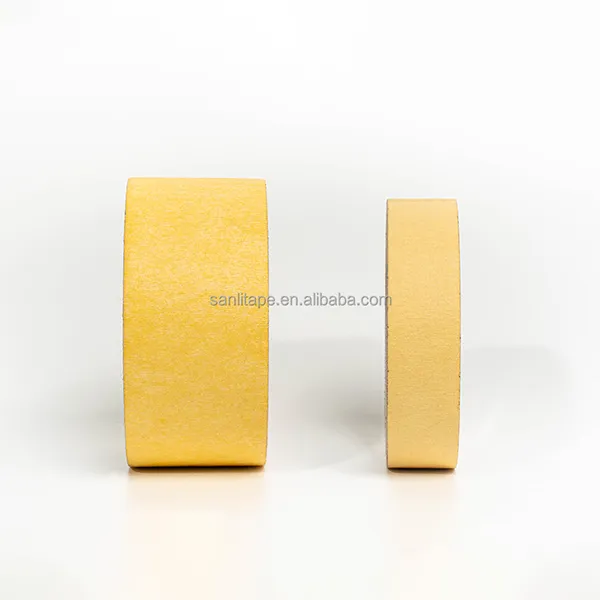 High-temperature masking adhesive masking tape for decorative car painting, high viscosity, easy to tear without leaving marks, single-sided, wrinkle-free
 -
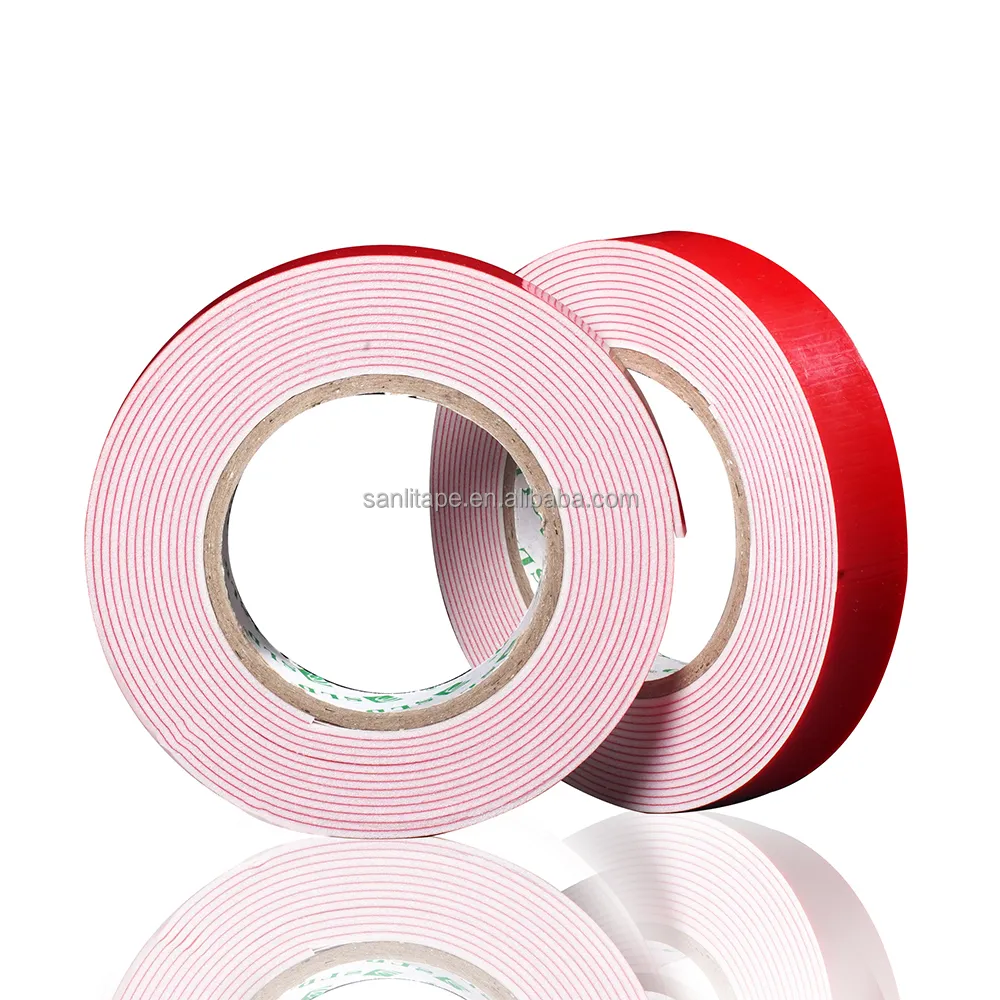 Double Sided Foam Tape High Density High Adhesion White and Black Double Sided Adhesive PE Foam Tape
 -
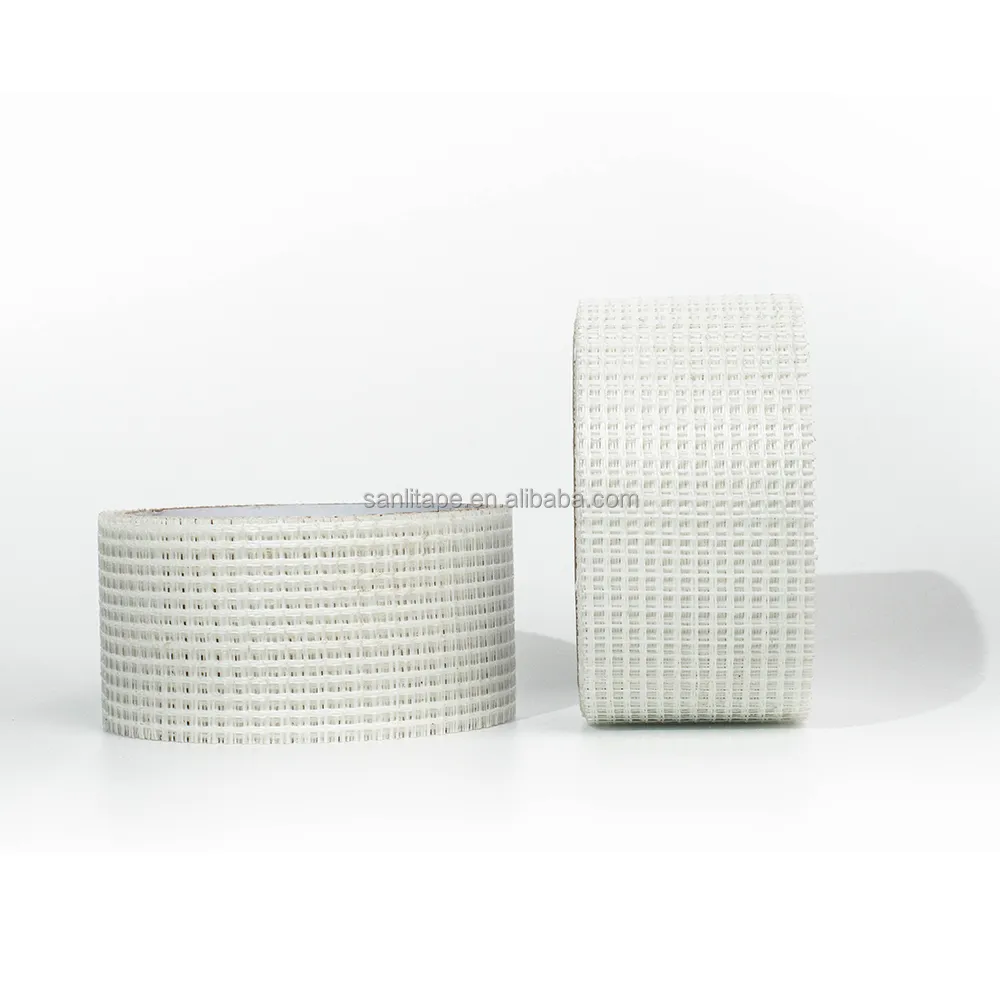 Crack Resistant Fiberglass Mesh Adhesive Tape for Repairing Interior and Exterior Building Walls
 -
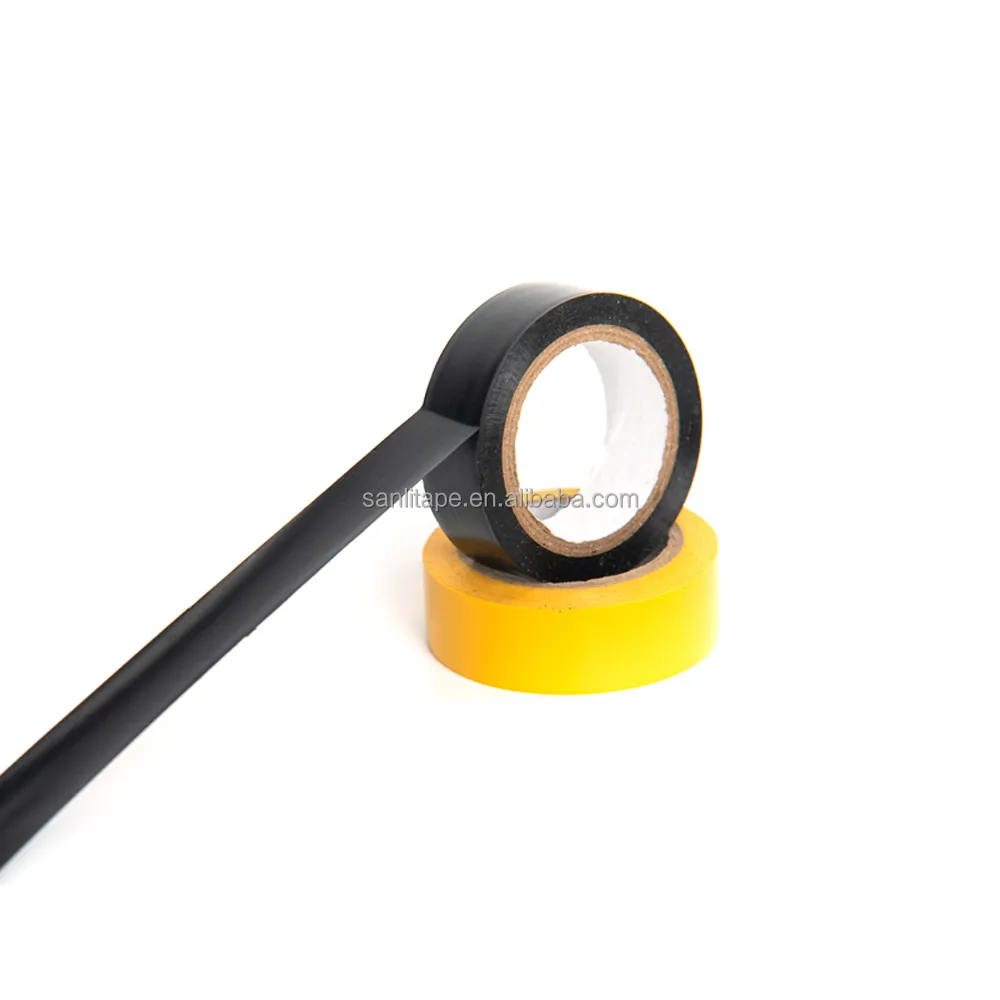 Waterproof Black Color PVC Insulation Tape Wrap Insulated Electrical Tape with High Viscosity
 -
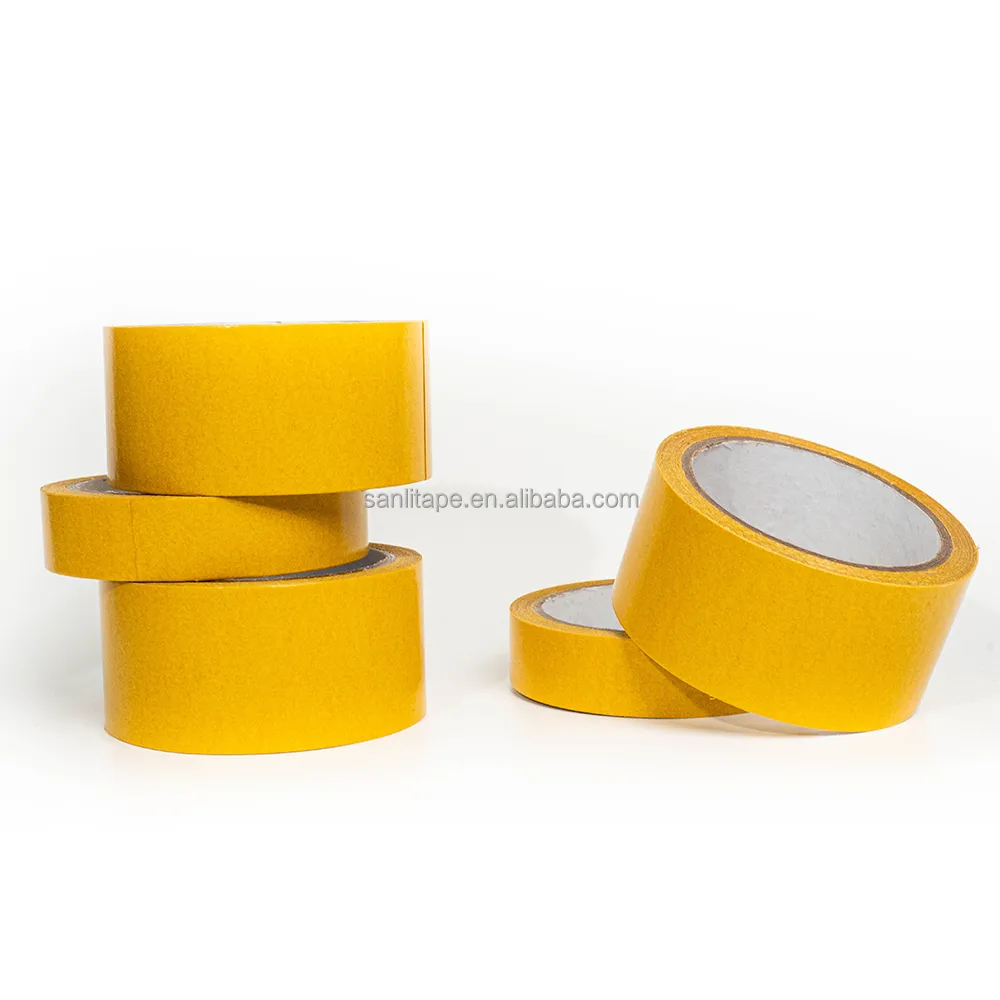 High Density Mesh Tape, High Viscosity, Double Sided Carpet Fastening Tape
 -
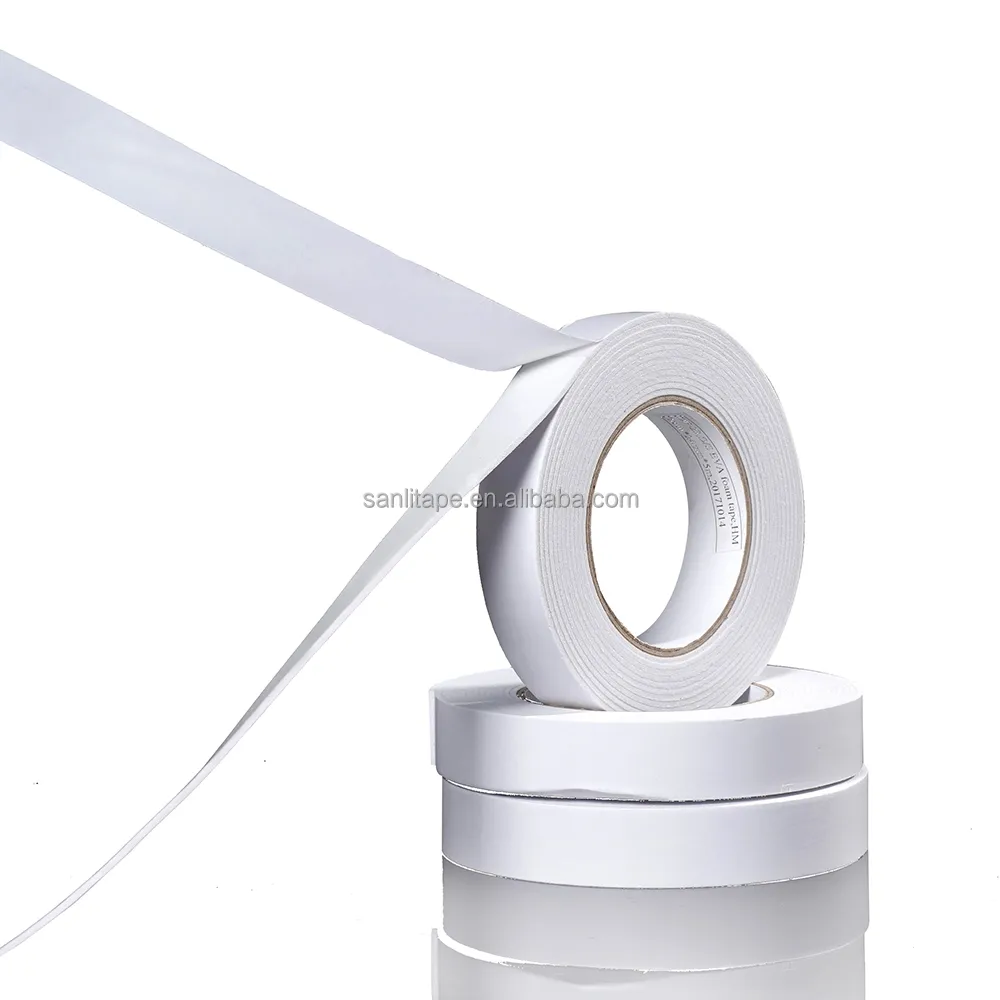 Double-sided foam tape, strong adhesive, white and black EVA foam, installation, fastening, sealing, double-sided adhesive tape
 -
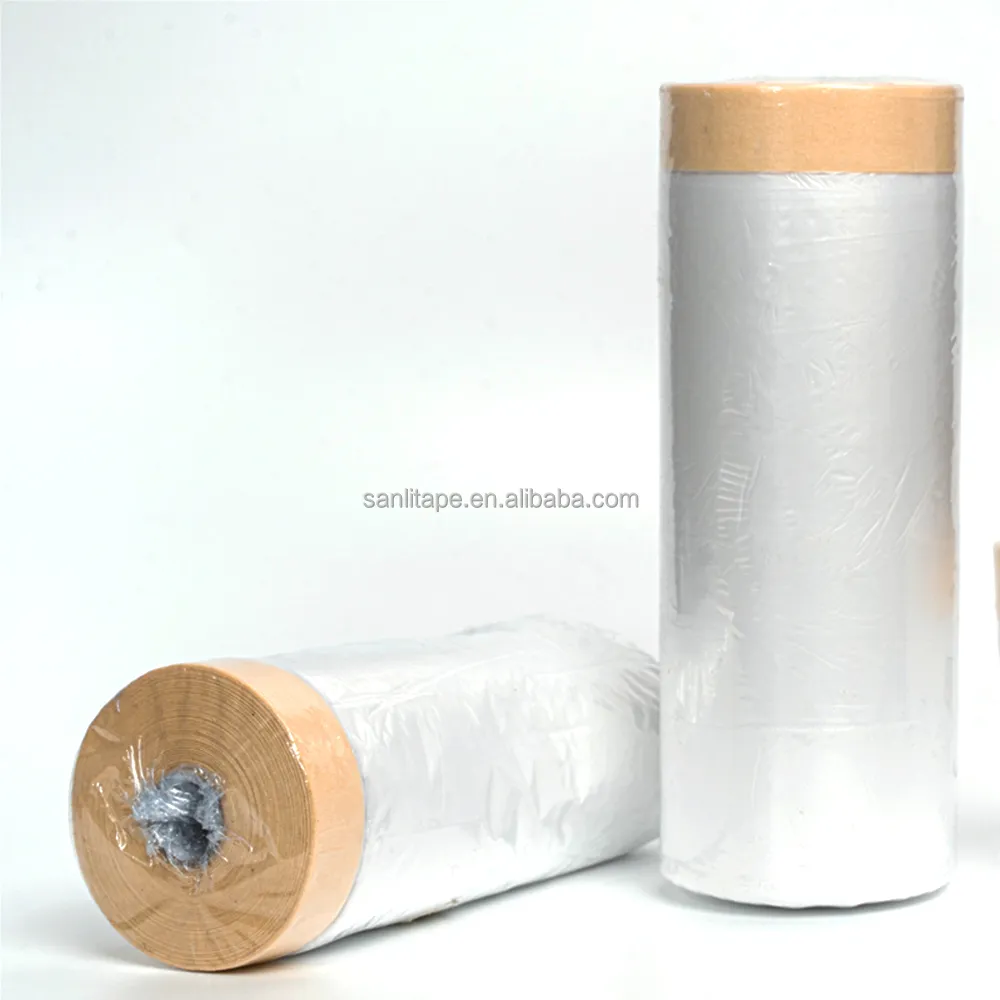 Paint Spray Anti Dust Film Clear Furniture Decoration Film Masking Tape Masking Tape Protective Film
 -
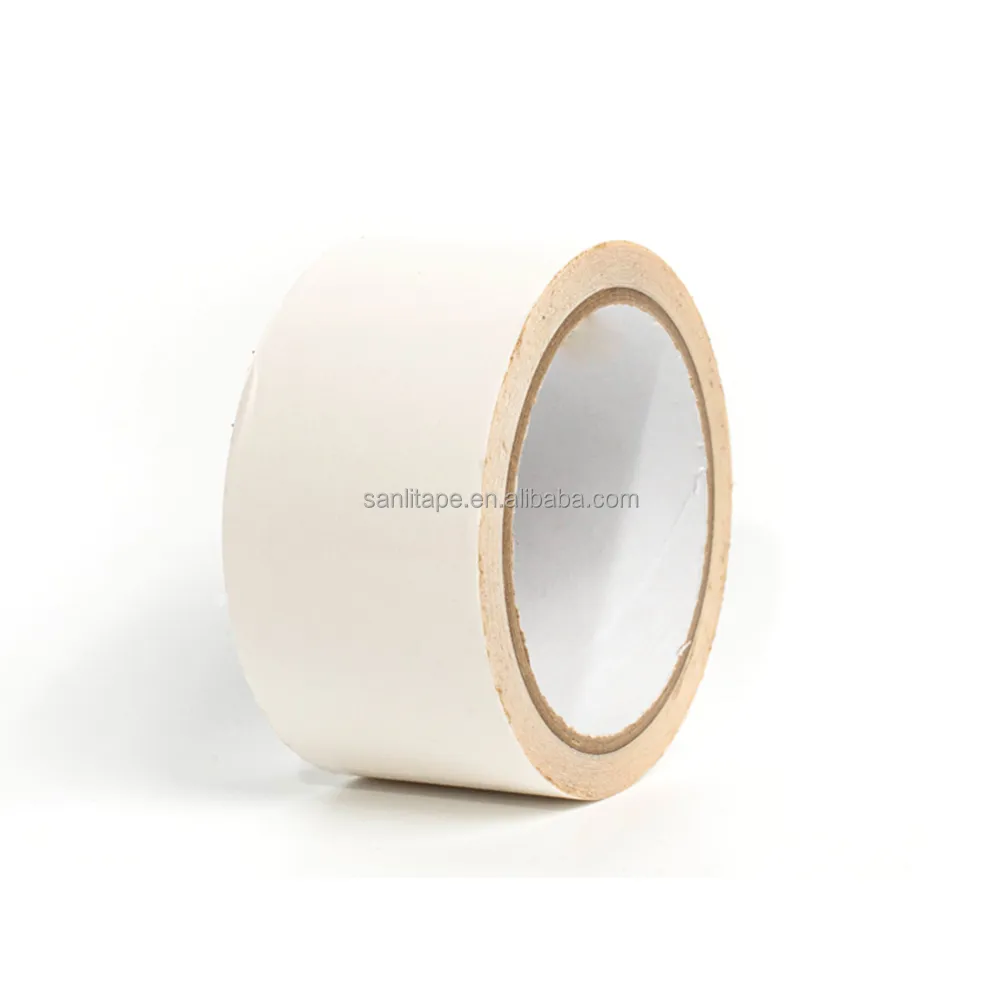 Immortal double-sided tape hardware equipment decorative parts with high insurance transparent tape
 -
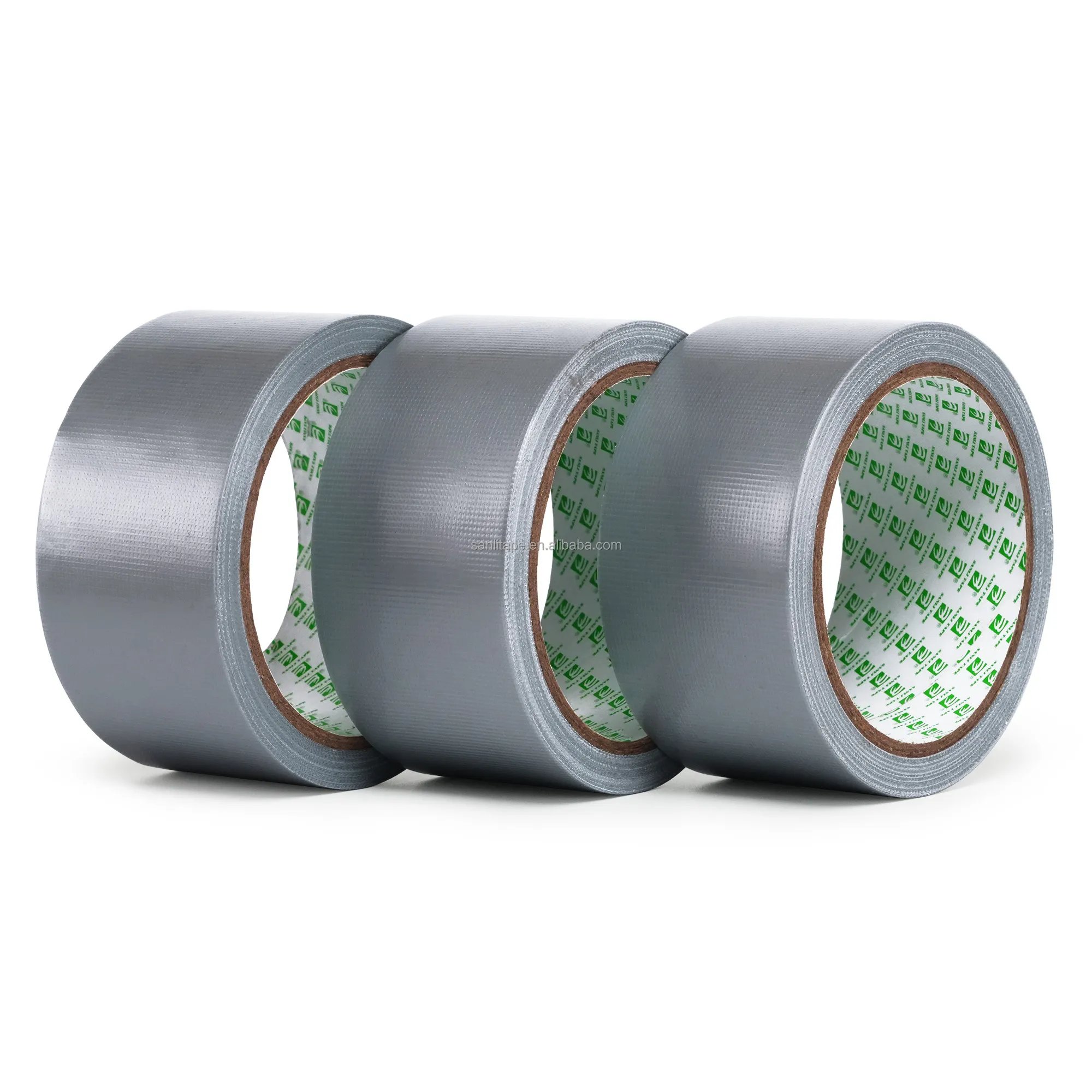 Fabric Backed Adhesive Tape Single Sided High Viscosity Hand Tearable Adhesive Tape for Carpet Fastening Decorative Tape
 -
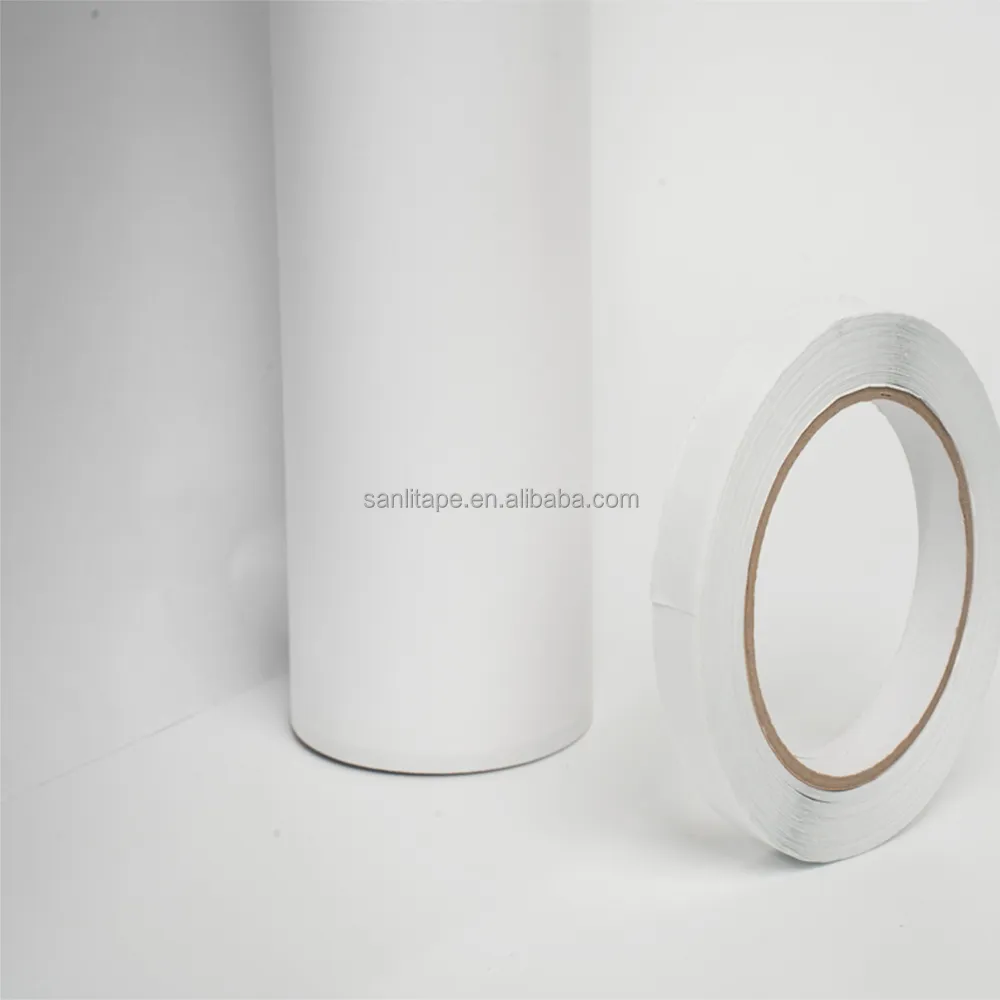 Single Sided Double Sided Backing Paper Double Sided Adhesive Tape PE Parchment Label Paper
 -
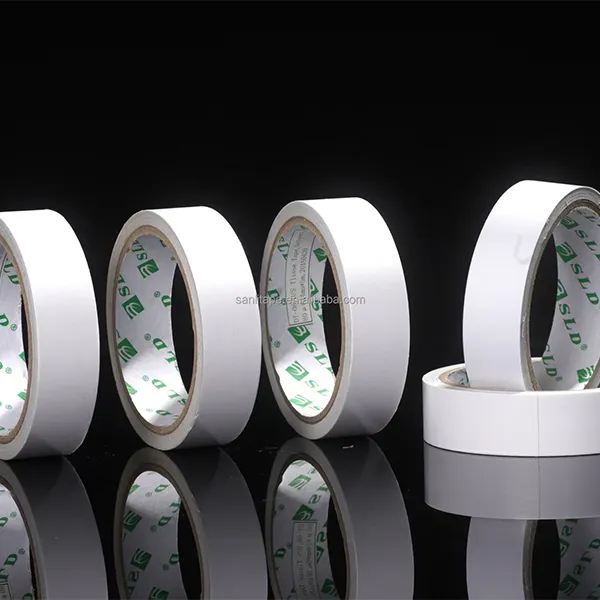 Thin Double Sided Adhesive Tape Clear PET Polyester Film Adhesive Tape Installation and Fastening of Industrial Parts Die-Cut Double Sided Adhesive Tape
 -
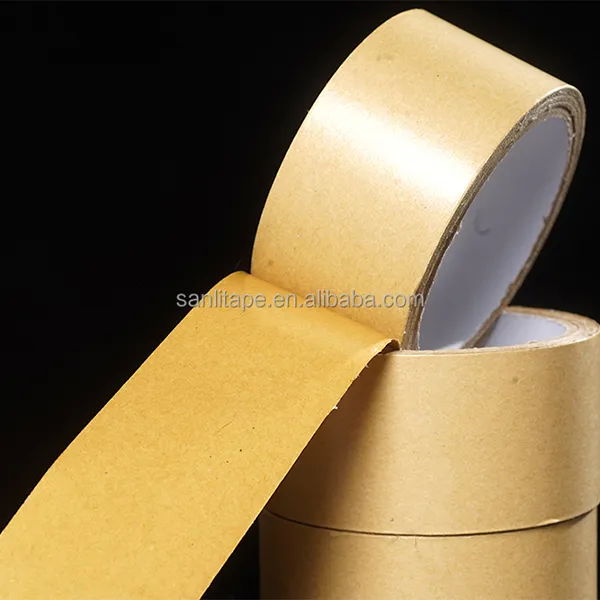 High Viscosity Kraft Paper Adhesive Tape Hand Tear Off Masking Sealing Packing Tape
Relatedsearch
Related Search- Double sided pet film tape manufacturer
- Double sided adhesive tape 19mm factories
- Double-sided tape for moldings factories
- Double-sided adhesive tape 19 supplier
- Masking tape with film
- Double-sided adhesive tape 19 main buyer
- Double-sided tape for cars main buyer
- Double sided tape black suppliers
- glue double sided tape
- Rolled double sided tape suppliers