




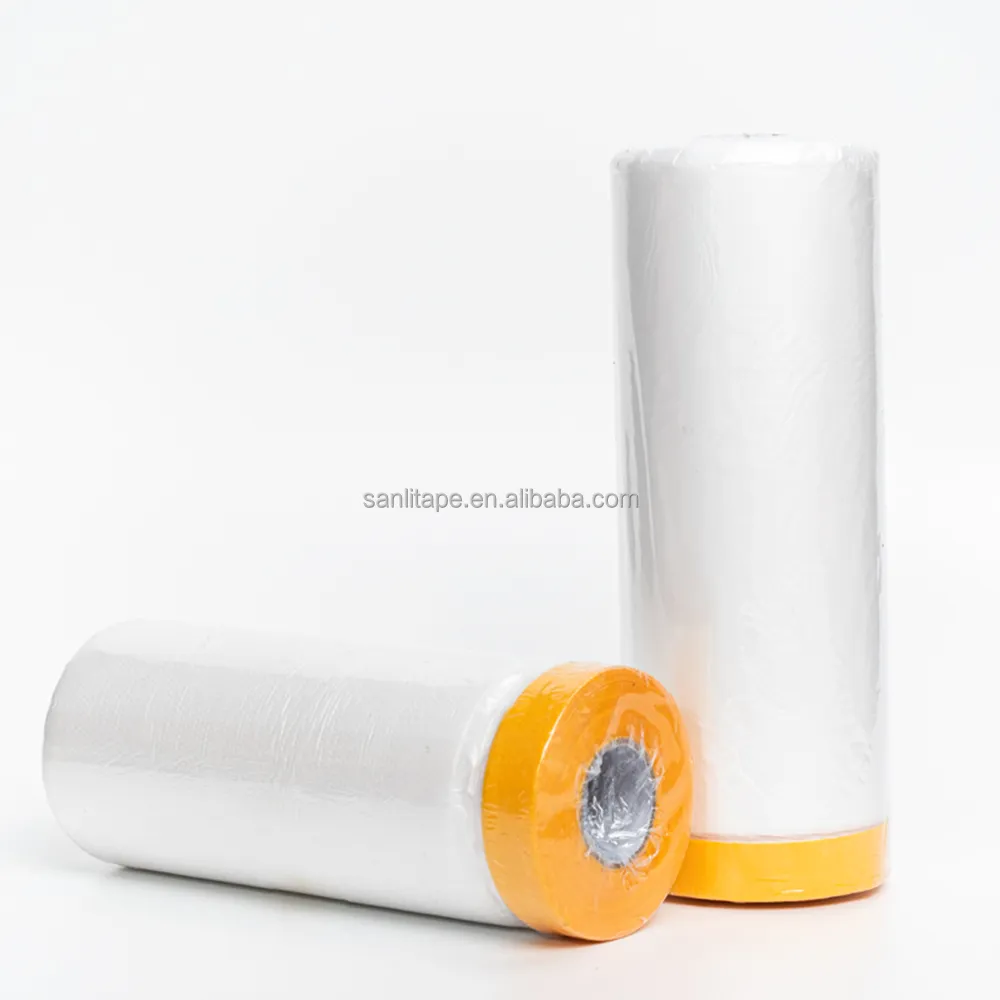
masking tape
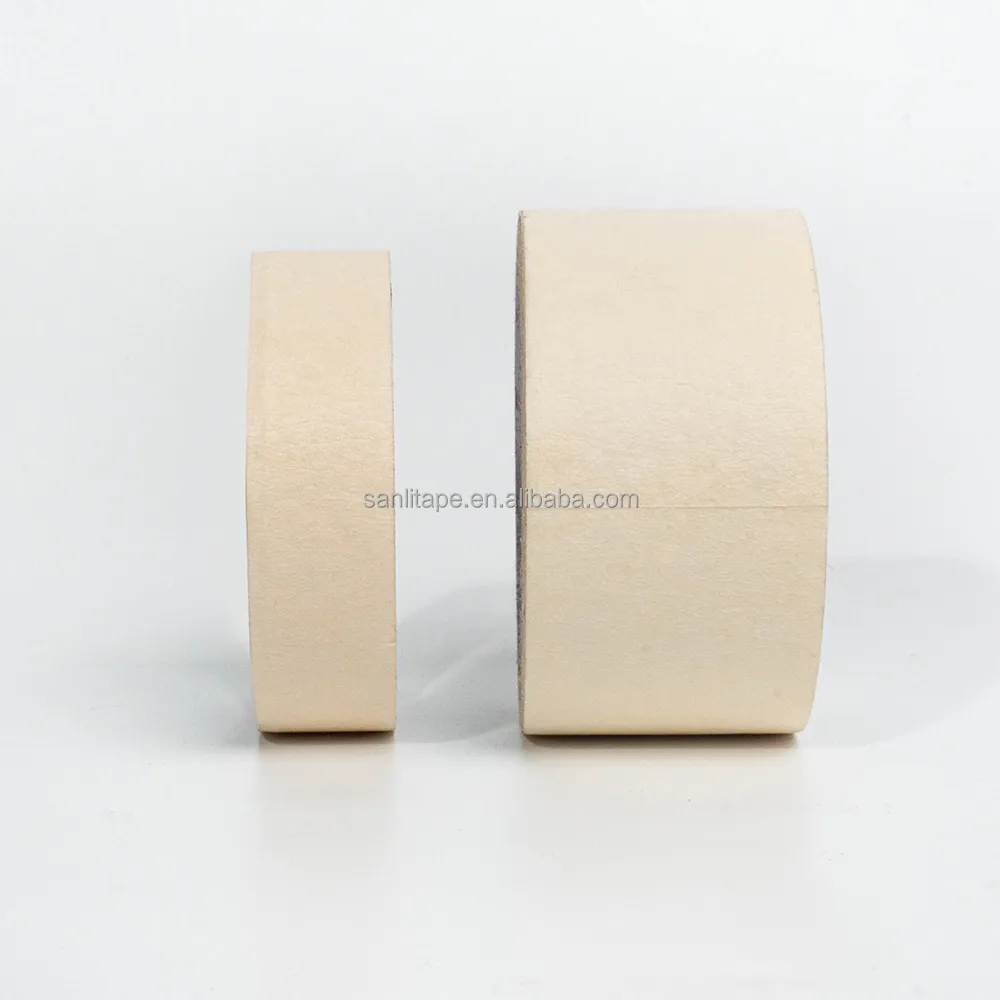
Hello everyone. You know, sometimes when you start painting seriously, all thesemasking adhesive tapesare perceived as a simple tool. Just glued it, painted it, peeled it off - done. But this, as always, is not entirely true. I think I started out the same way, and then ran into a lot of problems that could have been avoided if I had chosen and used them wisely from the very beginning. I speak as a person who has seen everything, and lately I have often encountered unsuccessful painting, which is often caused by incorrectly selected or applied tape. This is not just a 'sticky piece of paper', it is a whole system.
Why not everyonemasking adhesive tapesequally useful
There is a huge amount on the marketmasking adhesive tapes. And their composition, of course, is very different. Obviously, tapes designed for smooth surfaces are different from those used for, say, plaster or wallpaper. The most common experience is to buy the cheapest tape and then suffer with paint residue that stuck to the surface, or with torn paint that left a streak on the walls. And this is usually the result of poor-quality glue or unsuitable paper. It is important to understand that “cheap” in this case costs much more in the end.
The question is often asked which is better - with a paper base or a polymer one. There is no clear answer. Paper usually works better on smooth walls, providing a cleaner tear-off. Polymer is more durable and resistant to moisture, so for complex surfaces, for example, for painting plumbing or wooden parts, it may be preferable. For example, I burned out on polymer a couple of times when I didn’t prepare the surface properly - the glue simply didn’t hold, and the paint remained on the wall.
Surface preparation: the key to successful work with tape
The importance of surface preparation before application cannot be underestimated.masking adhesive tape. Even on a perfectly flat and clean surface, the tape may not adhere well if there is dust, dirt or old glue residue on it. Be sure to wipe down the surface with degreaser to ensure good adhesion. Sometimes it helps to lightly prime the surface, especially if it is porous or absorbs moisture.
Particular attention should be paid to corners and joints. There, the tape often comes off first. Therefore, it is important to carefully glue it around the perimeter of the surface, pressing it tightly to the edges. Using a special tool, such as a roller, can help ensure the tape adheres more evenly.
The secrets to perfect peel-off: no scratches or streaks
Peeling offmasking adhesive tapeis a separate type of art. The main thing is to do it slowly and carefully. Do not try to simply pull the tape away, otherwise you risk scratching the surface. It is best to peel off the tape at a slight angle, using a gradual and even pulling motion. If the tape does break, don't panic. It is better to peel it off in small sections than to leave a streak of paint.
There are a few tricks that can help make the peeling process smoother. For example, you can use a hair dryer to slightly heat the tape and soften the glue. But don't overdo it, otherwise the paint may start to smear. It also helps to use a special tape peeling tool - it allows you to carefully lift the tape without damaging the surface.
When to think about a special tape
There are situations when the usualmasking tapeIt just doesn't fit. For example, when painting complex geometric patterns or when using multiple colors. In these cases, it is better to use a special tape with thinner edges, which allows you to get sharper lines. There are also tapes for delicate surfaces - for example, for painting wallpaper or wood. They have a softer glue that does not leave marks after peeling off.
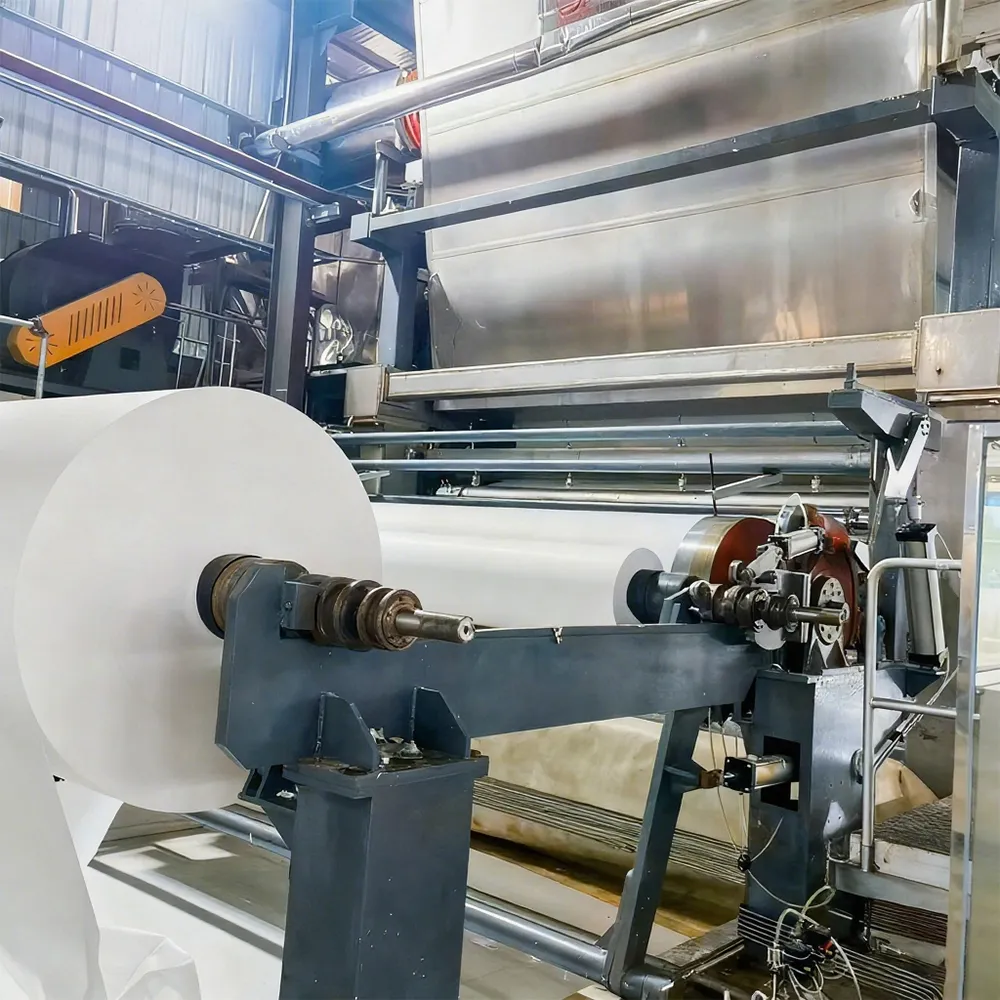
Our customers often turn to us for help in choosing tape for specific applications. For example, one day we needed to paint an antique wooden cabinet. Regular tape simply ruined the varnish, but special tape for delicate surfaces allowed us to get the perfect result. By the way, we use tapes from Enping Sanli Adhesive LLC. They have a large selection and the quality is always top notch. They have a factory located in Enping, Guangdong Province, and they are constantly introducing new technologies.
Mistakes to avoid
So what else should you consider when working withmasking tape? First of all, don’t skimp on quality. Cheap tape may save you money now, but will cost much more later. Secondly, do not forget about surface preparation. And thirdly, take your time when peeling off. A slow and careful process is the key to a perfect result.
We often see people trying to apply tape to a wet or uneven surface. This, of course, leads to disaster. The tape peels off into pieces, the paint smudges, and in the end you have to redo everything. Therefore, always ensure that the surface is dry and level before applying the tape.
Experience is the best teacher: what I learned from
Over the years of practice, I realized that correctly selected and appliedmasking tape– this is not just a tool, it is the key to high-quality and durable painting. And if you want to avoid problems and get the perfect result, then don’t skimp on the tape, carefully prepare the surface and be careful when peeling off. And don't be afraid to experiment - eventually you'll find the one that's right for you.
Would you like to learn more about our work with adhesive products? Visit our website:
Correspondingproducts
Related Products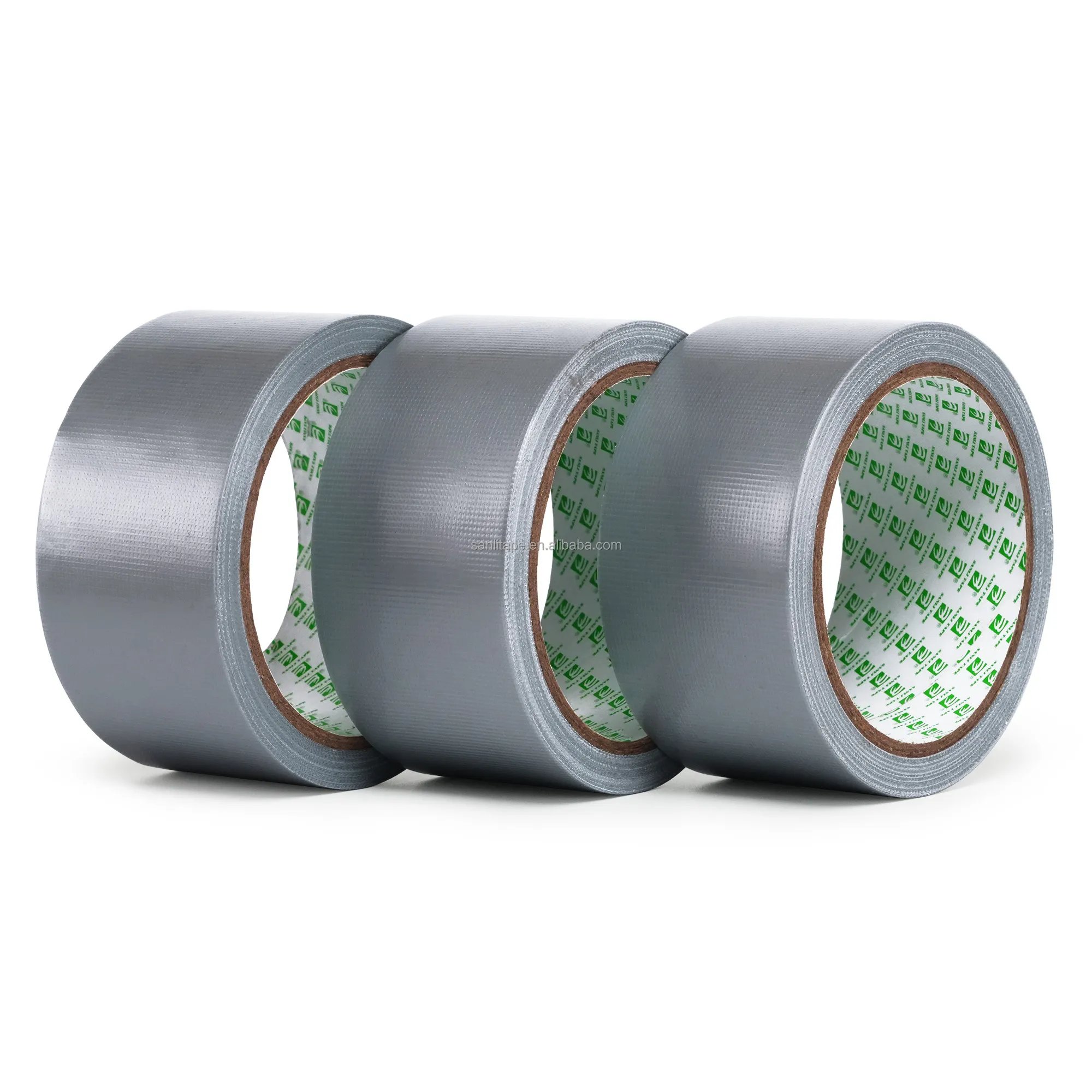
Best Sellingproducts
Best Selling Products-
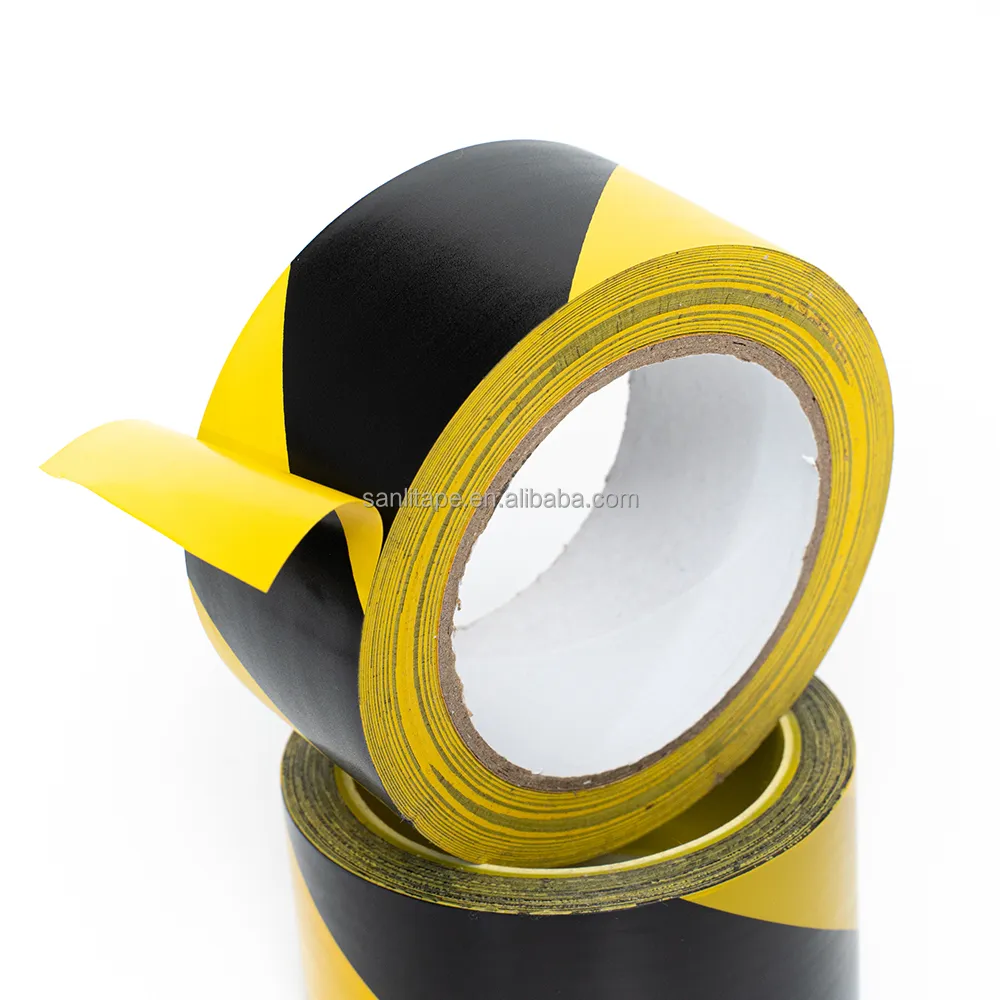
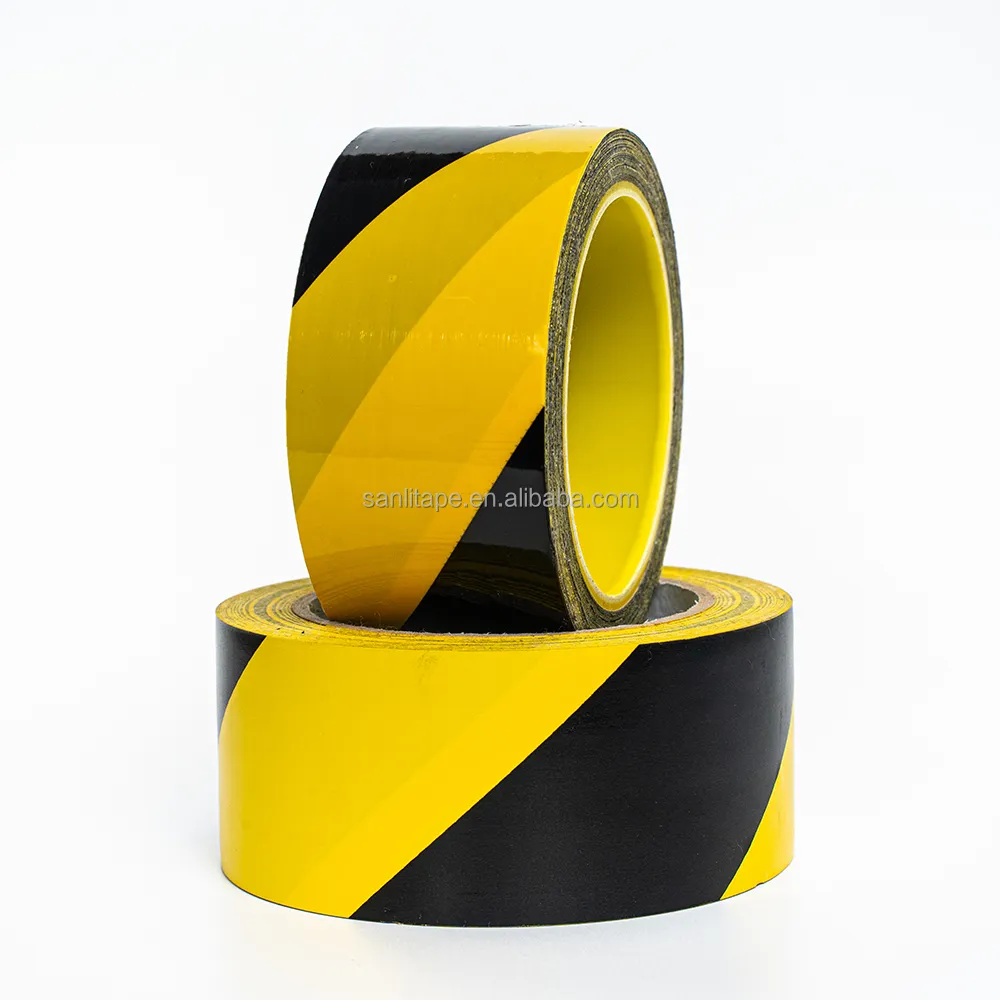 EVPEC Warning Tape for Marking PE Composite Floor Warning Tape Decorative Tape
 -
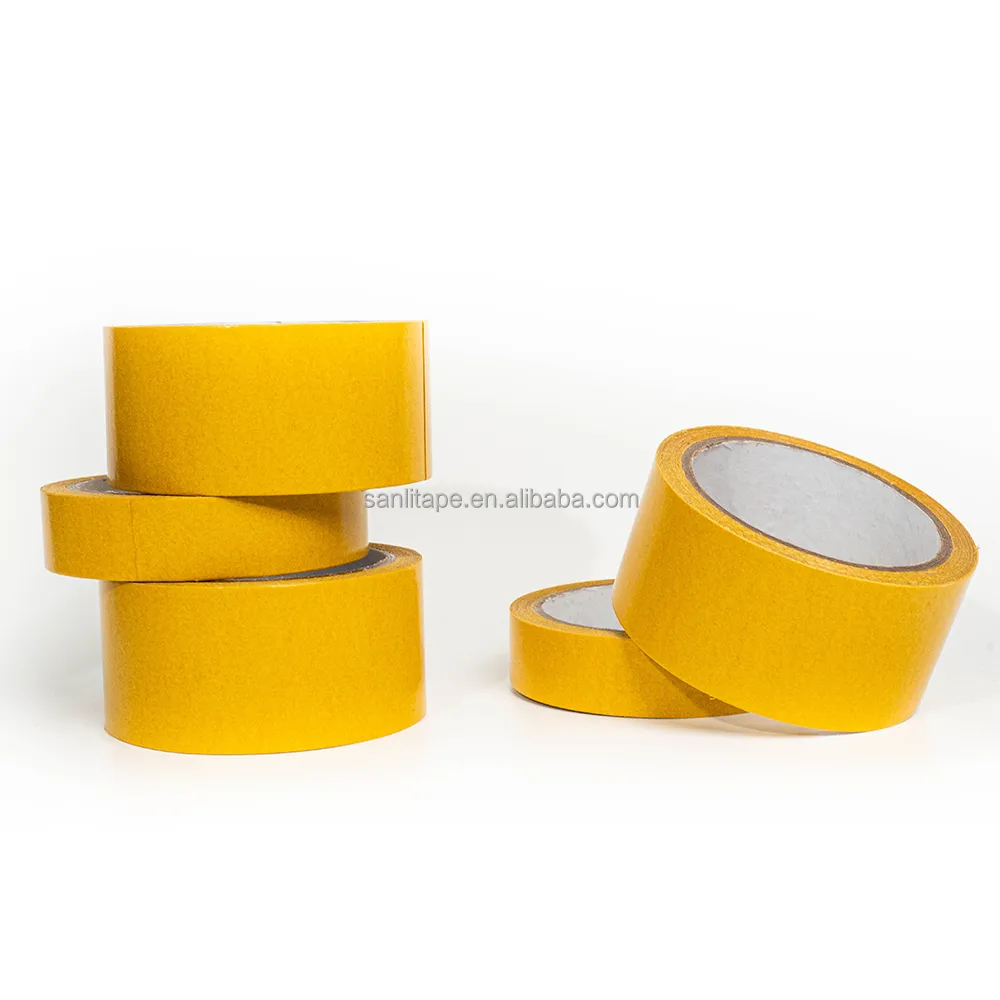 High Density Mesh Tape, High Viscosity, Double Sided Carpet Fastening Tape
 -
 Flexible and eco-friendly cotton paper white double-sided adhesive tape material, soft thin packaging material 14g, 18g, 20g.
 -
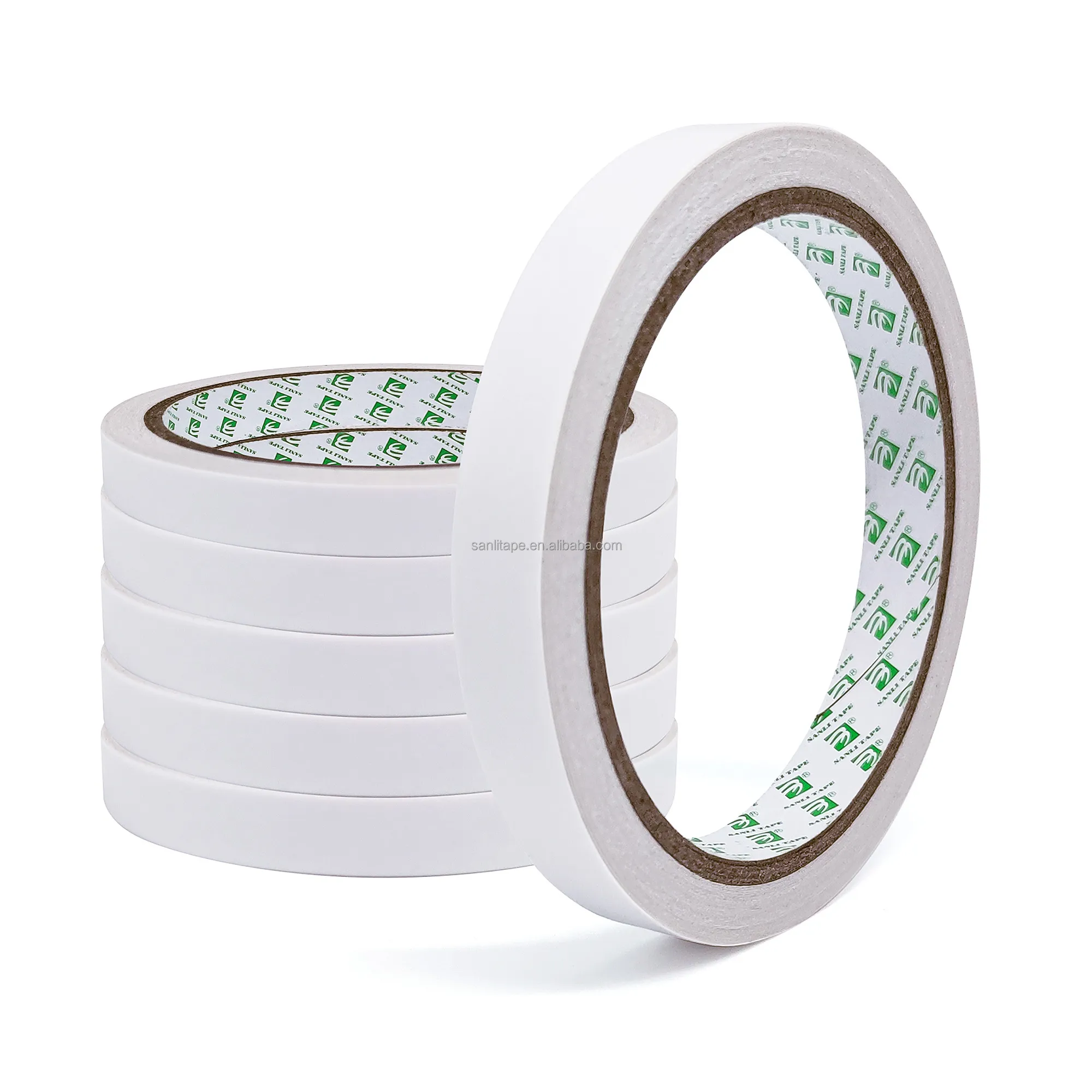 Double Sided Adhesive Tape, High Adhesive Cotton Paper Adhesive Tape, Clear Double Sided Adhesive Tape for Manual Office and Industrial Use
 -
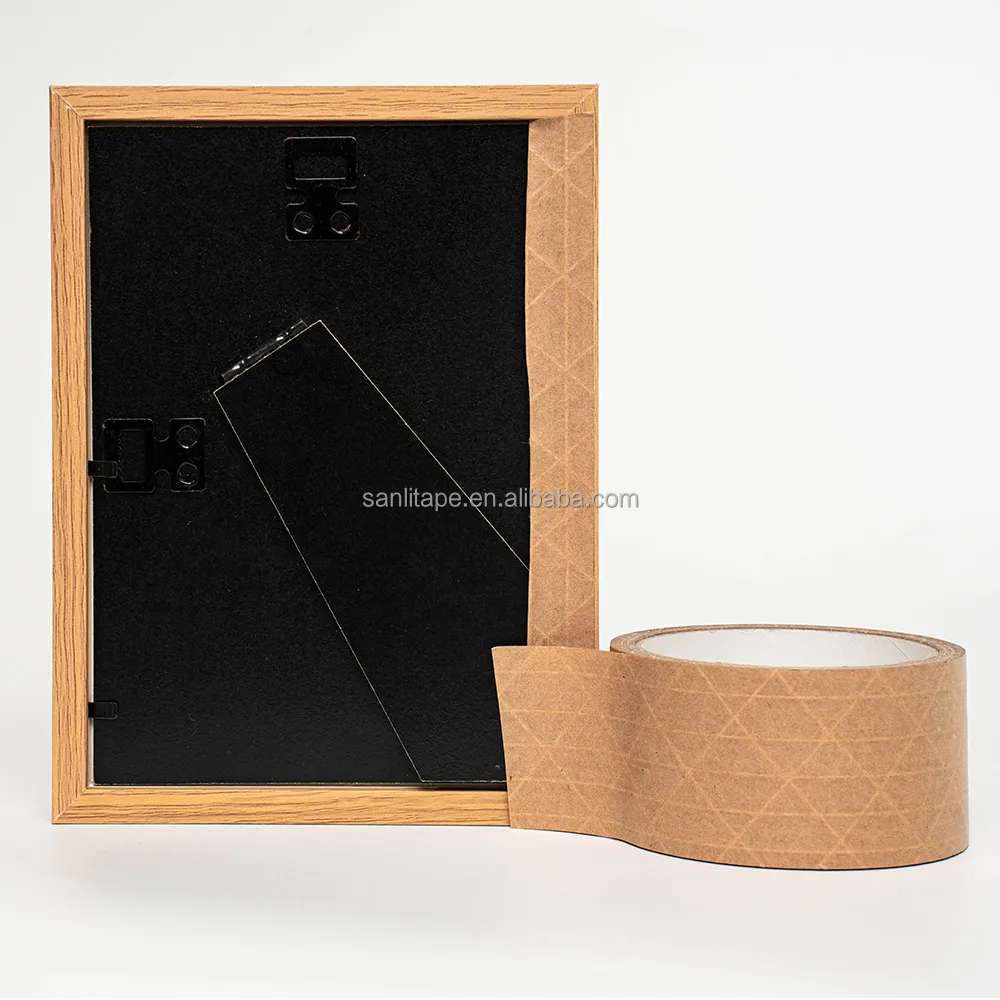 Reinforced kraft paper adhesive tape reinforced tape self-adhesive packaging tape without water content
 -
 Single Sided Double Sided Backing Paper Double Sided Adhesive Tape PE Parchment Label Paper
 -
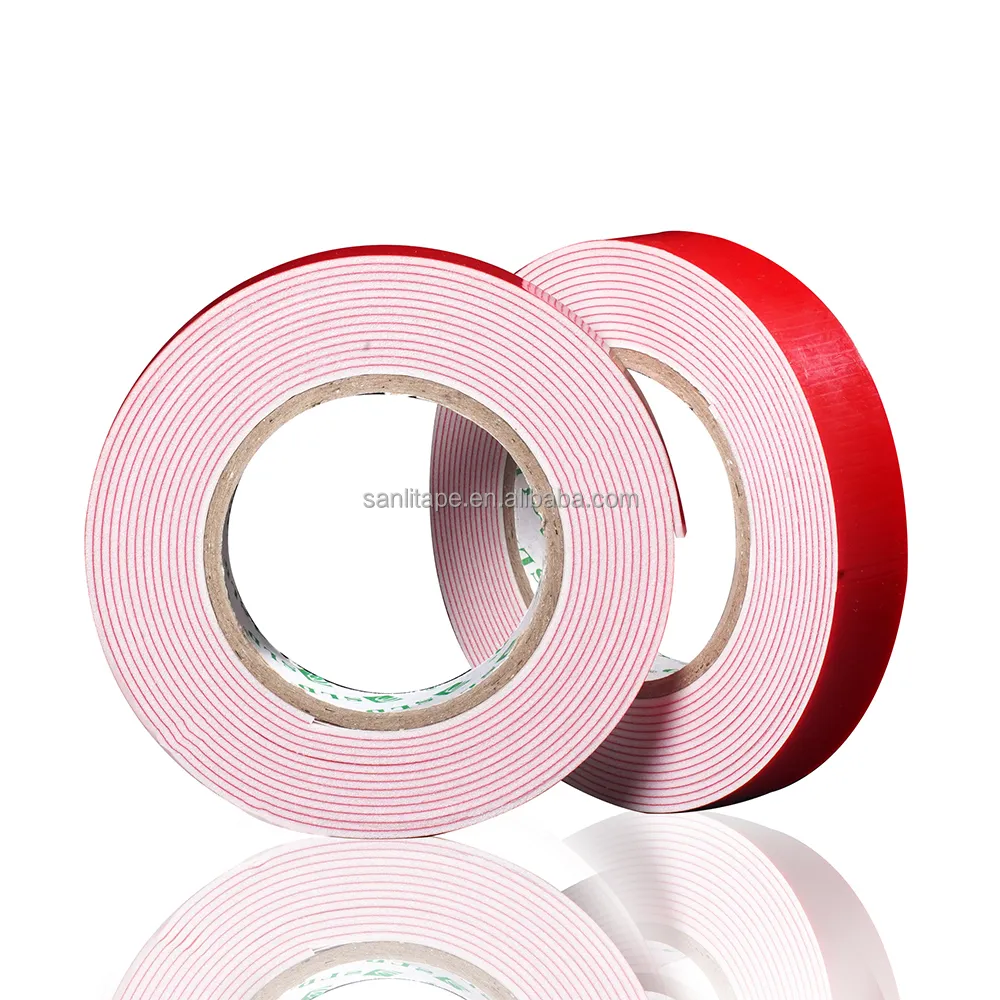
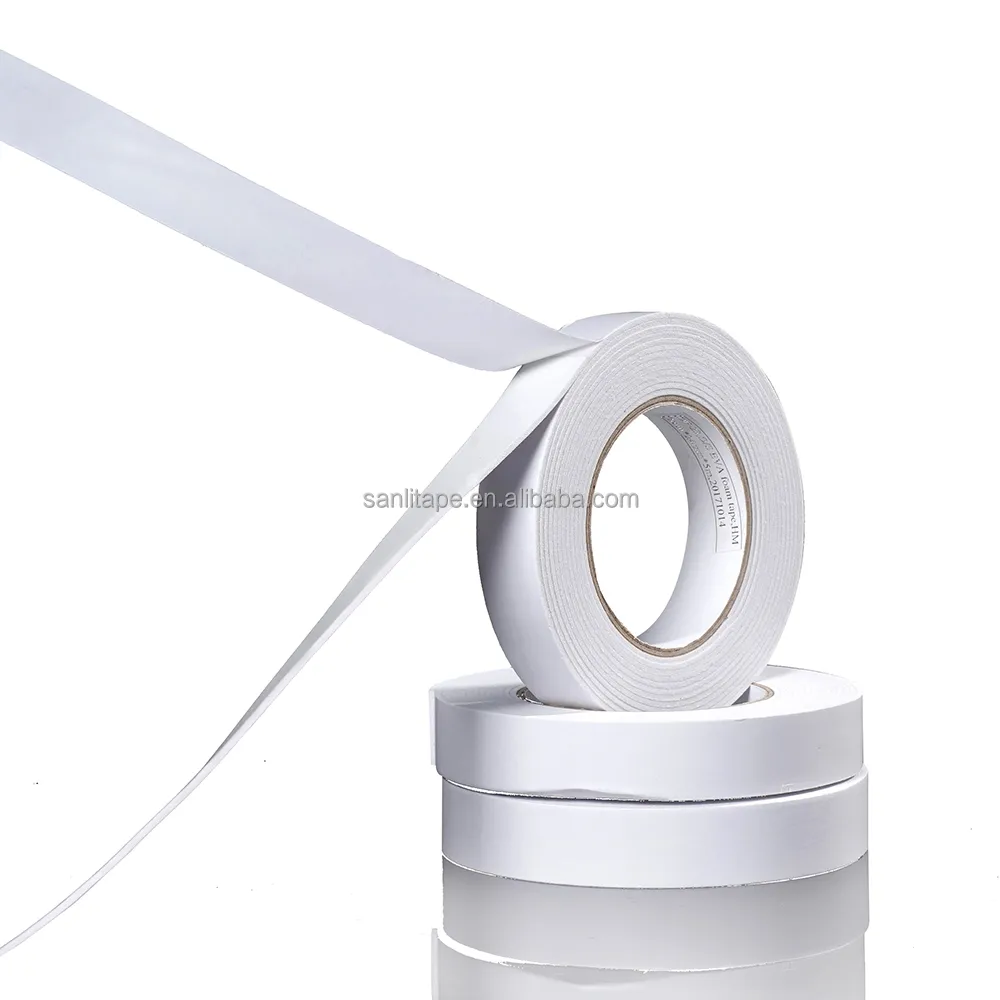 Double-sided foam tape, strong adhesive, white and black EVA foam, installation, fastening, sealing, double-sided adhesive tape
 -
 Thin Double Sided Adhesive Tape Transparent OPP Film Adhesive Tape Double Sided Adhesive Tape for Industrial Installation and Fixing
 -
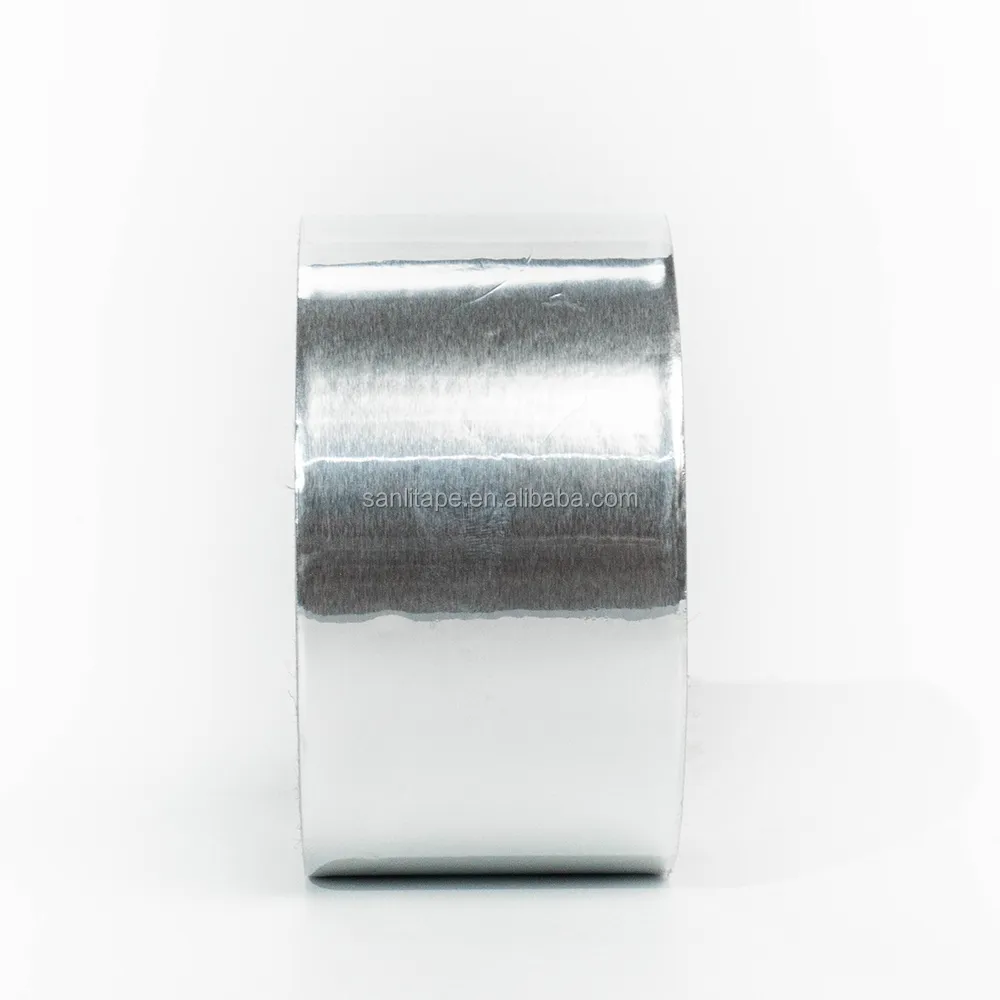 Temperature Resistant Aluminum Foil Tape
 -
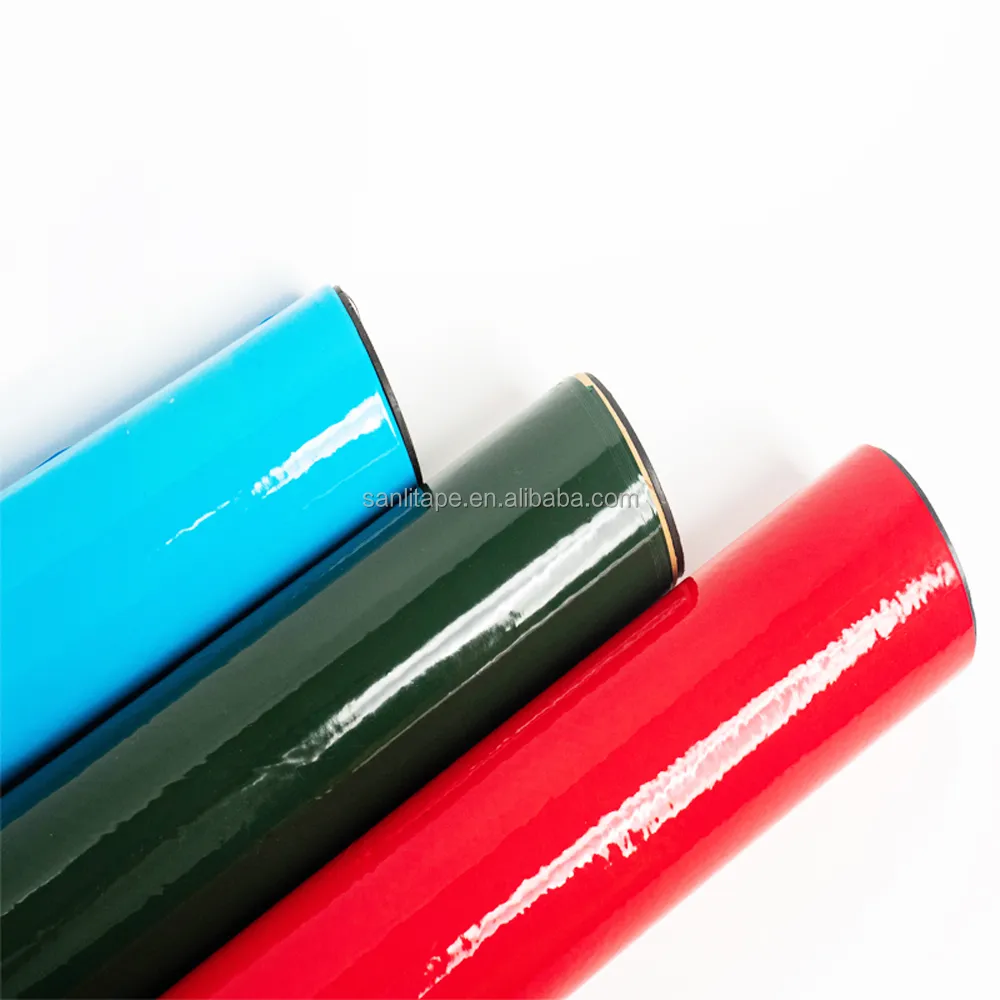 Anti-adhesive coated PE film used for printing on double-sided adhesive foam tape insulation film
 -
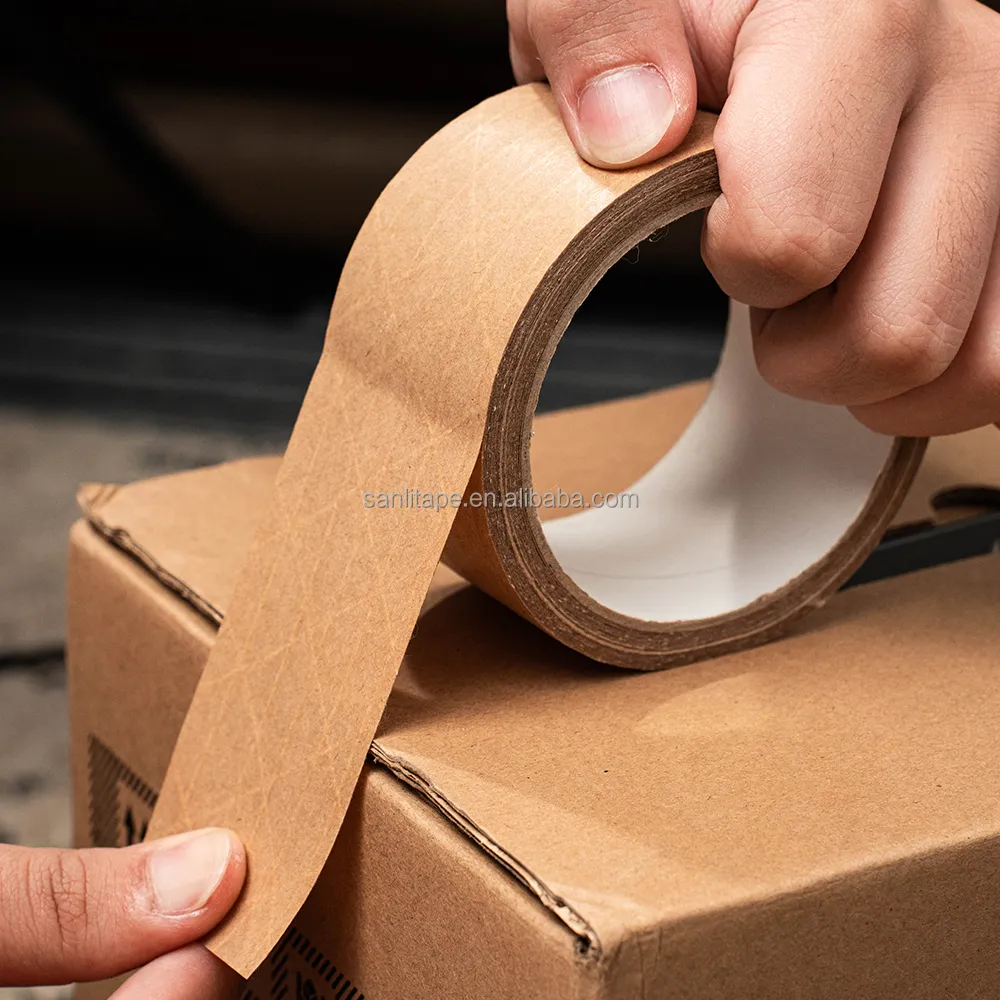 Water based reinforced kraft paper tape with water based adhesive and wire reinforcement for sealing boxes and packaging
 -
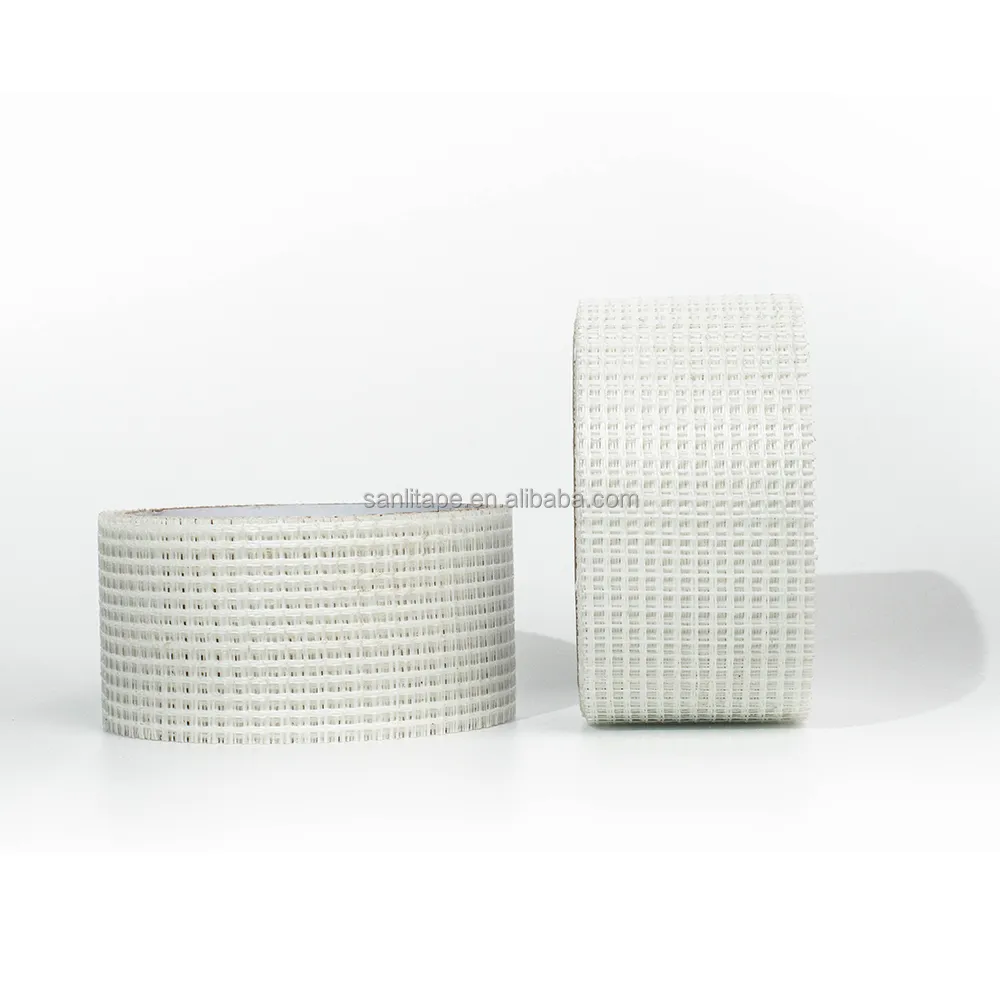 Crack Resistant Fiberglass Mesh Adhesive Tape for Repairing Interior and Exterior Building Walls
Relatedsearch
Related Search- Double-sided tape for moldings factory
- Vell anti-slip tape manufacturers
- Double-sided adhesive tape 50mm price
- Double sided nano tape transparent supplier
- Double-sided polypropylene adhesive tape factories
- Which double-sided tape is better?
- Double-sided tape 3mm main buyer
- Anti-slip tape black price
- Masking tape factory
- double-sided tape for vapor barrier