





Masking tape with film and paper
Masking tape with film and paper– a seemingly simple thing. But how often do we face disappointment when it leaves marks on the surface, does not hold, or simply falls apart at the most inopportune moment? Today I want to share not some abstract theories, but the practical experience that we gained while working with these products. Many people believe that all tapes are the same, that the only difference is thickness. This is wrong. And choosing the right tape is already half the battle, if not the whole result.
What ismasking tape with film and paperand why is it needed?
Let's start with the basics. What do we have? It is essentially adhesive tape consisting of two main layers: a polymer film (usually PVC or polyester) and a paper backing. This combination provides excellent adhesion, flexibility and, importantly, the ability to be carefully removed without damaging the surface. Why is it needed? To protect surfaces from paint, varnish, glue during painting, wallpapering, and other construction and repair work. Protection, neatness and cleanliness are the three pillars on which its popularity rests.
I remember one time we were working with a client who needed to paint an antique wood door. We recommended using this particular tape, explaining that it does not leave marks even on delicate surfaces. As a result, the door was painted perfectly, without a single stain on the wood. If regular masking tape had been used, the consequences could have been very unpleasant.
Differences in materials and their impact on results
The fun starts with the materials. The film can be different: PVC, polyester, Teflon. Paper - cotton, fiberglass, sometimes even with additives. And a lot depends on this. For example, polyester film tape is usually stronger and more durable and can withstand high temperatures better, but can be more expensive. Cotton paper provides better adhesion, especially on uneven surfaces, but is more susceptible to warping when exposed to moisture. Teflon film is for special cases when you need to ensure maximum resistance to chemicals. In our production, for example, we often use tape on PVC film, but with cotton paper - this is a good compromise between price and quality.
We once tested several samples of tape designed to work with solvent-based paints. Some samples immediately began to break down, leaving a sticky residue on the surface. As a result, it was found that only tape with Teflon film and special paper could withstand the effects of the solvent without any damage. Of course, there is not always time for such tests, so we rely on the experience and recommendations of the manufacturers.
Problems during use and ways to solve them
Even the best tape can fail. The most common problems are peeling from the surface, leaving marks after removal, or an inability to hold the edge of the paint. The reasons can be different: improper surface preparation (it must be clean and dry), insufficient tape pressure, incorrect choice of tape for a particular type of paint or glue, too fast or too slow drying temperature.
A customer once complained that the tape left a sticky residue after removal. It turned out that he kept the tape on the surface for too long and then abruptly tore it off. The solution is to carefully remove the tape at a slight angle, gradually, using a special tool (for example, a spatula). Or you can use a special product to remove glue residue, but this is a last resort.
Practical tips and advice
A few simple tips to help you avoid problems when usingmasking tape with film and paper:
- Prepare the surface: make sure it is clean, dry and dust-free.
- Press the tape firmly, especially along the edges.
- Do not apply tape to wet surfaces.
- Do not leave the tape on the surface for too long.
- When removing tape, remove it slowly and carefully.
- Use a special tool to remove the tape.
And, of course, always test the tape on an inconspicuous area of the surface before starting work. This will allow you to ensure that it is suitable for the particular type of paint or adhesive and that it will not leave a residue when removed.
Our observations and experience with products
Enping Sanli Adhesive Co., Ltd. is a large manufacturer of adhesive tapes, and we have the ability to work with a wide range of products. We regularly conduct our own tests and compare different tape samples to choose the best option for each application. For example, we often use Sanli tape, which is designed specifically for working on delicate surfaces. It has excellent adhesion, leaves no marks and is easy to remove. We also cooperate with other manufacturers and constantly monitor new products on the market. Our website:https://www.sanlitape.ru.
It is important to remember that qualitymasking tape with film and paperdirectly affects the results of your work. You should not skimp on materials; it is better to choose tape from a trusted manufacturer. And then painting or wallpapering will not turn into a headache.
Recently, we are increasingly seeing ribbons with an improved paper composition that is more resistant to moisture and mechanical damage. This is a positive trend, but you need to carefully read the specifications and choose a tape that suits your needs.
Choosing a tape for difficult surfaces
For uneven or porous surfaces such as plaster or textured wallpaper, it is recommended to use a tape with a thicker paper backing. It fills unevenness better and provides more reliable adhesion. It is also worth paying attention to tape with improved adhesion, for example, with the addition of special glue. We've found that cotton paper tape works especially well on textured wallpaper.
Remember, choicemasking tape with film and paper- this is not just a matter of personal preference, but an important stage that can determine the success of the entire work. Pay attention to this, and the result will not disappoint you.
Correspondingproducts
Related Products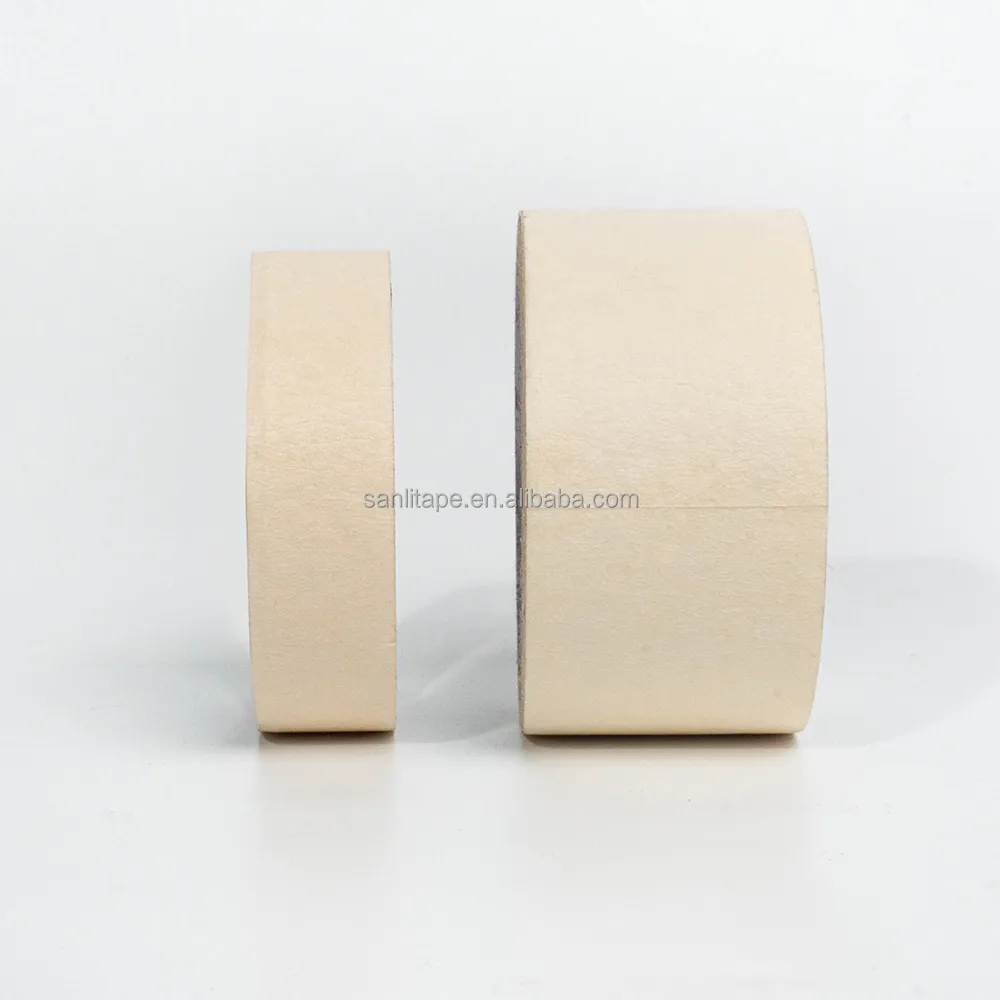
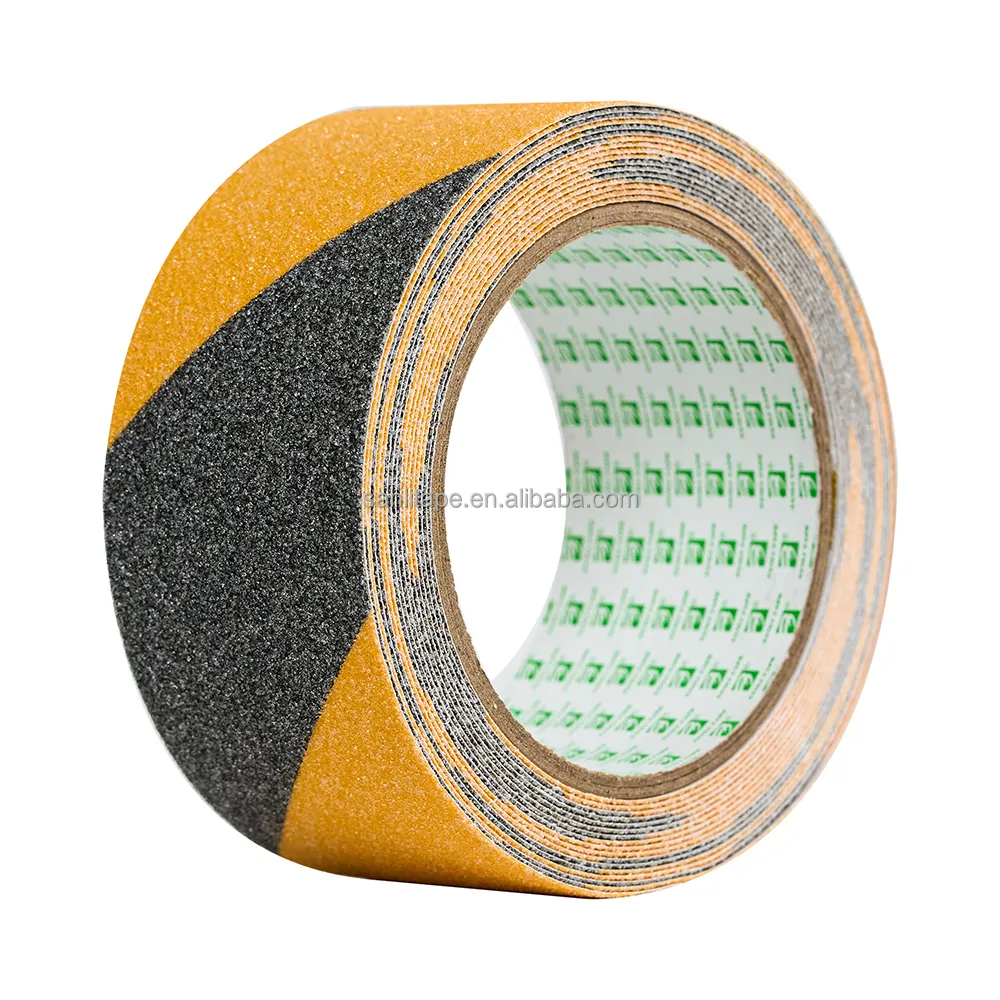
Best Sellingproducts
Best Selling Products-
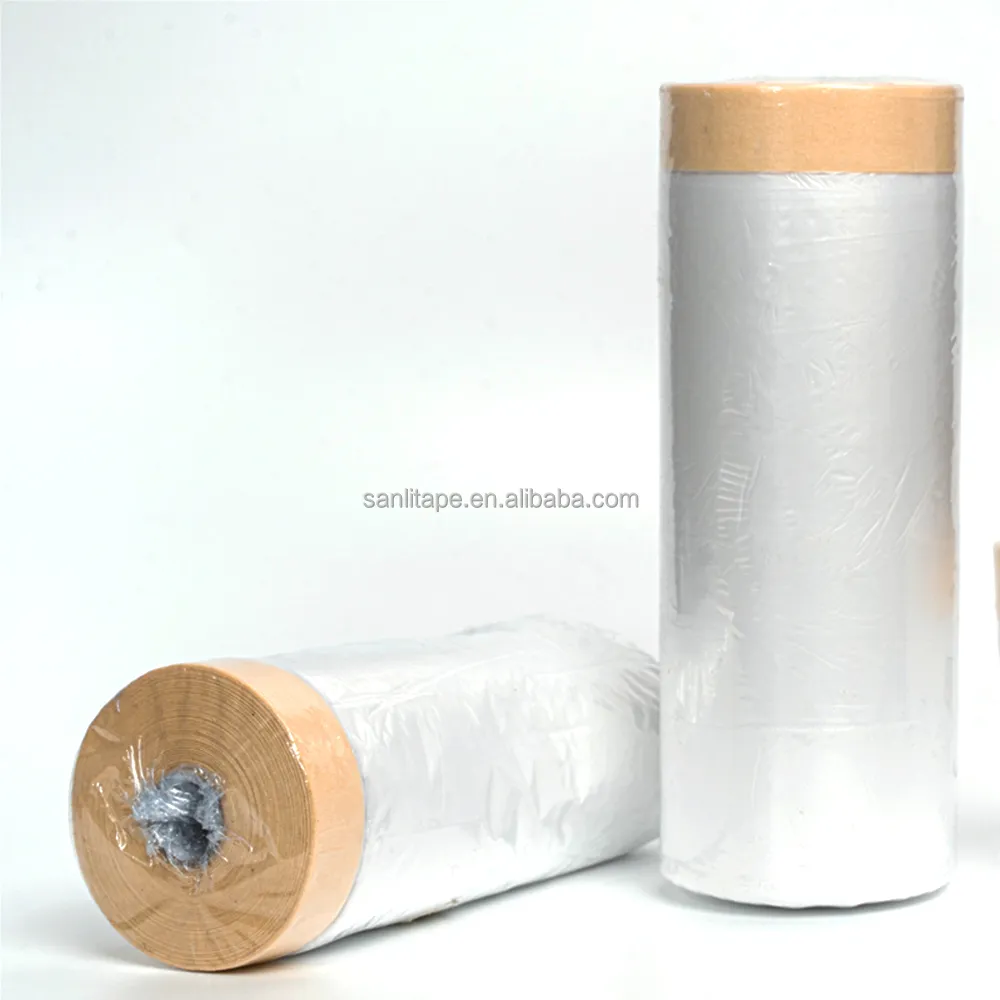 Paint Spray Anti Dust Film Clear Furniture Decoration Film Masking Tape Masking Tape Protective Film
 -
 Reinforced kraft paper adhesive tape reinforced tape self-adhesive packaging tape without water content
 -
 PVC Warning Tape Marking Warning Tape Decorative Floor Tape
 -
 Double-sided fabric-based tapes with strong adhesion for attaching carpets, floor mats, sofa cushions and other items.
 -
 Fabric Backed Adhesive Tape Single Sided High Viscosity Hand Tearable Adhesive Tape for Carpet Fastening Decorative Tape
 -
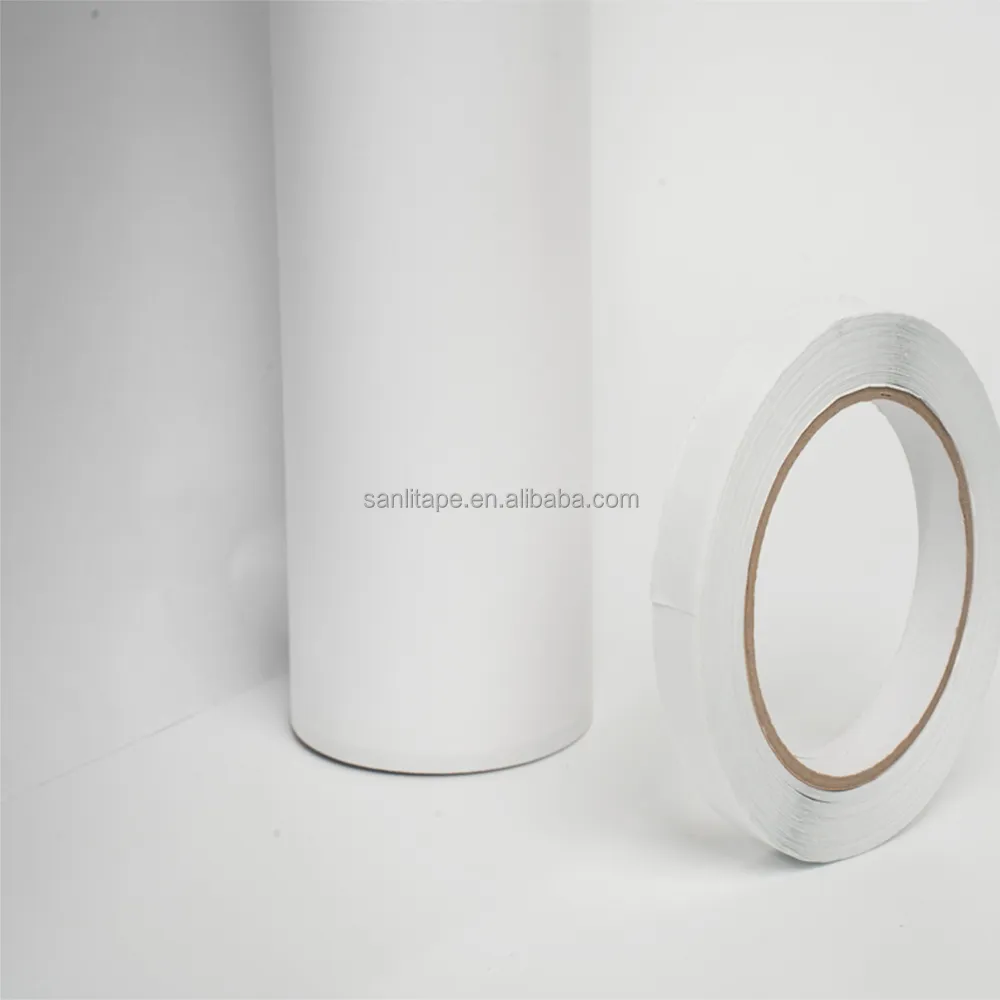 Single Sided Double Sided Backing Paper Double Sided Adhesive Tape PE Parchment Label Paper
 -
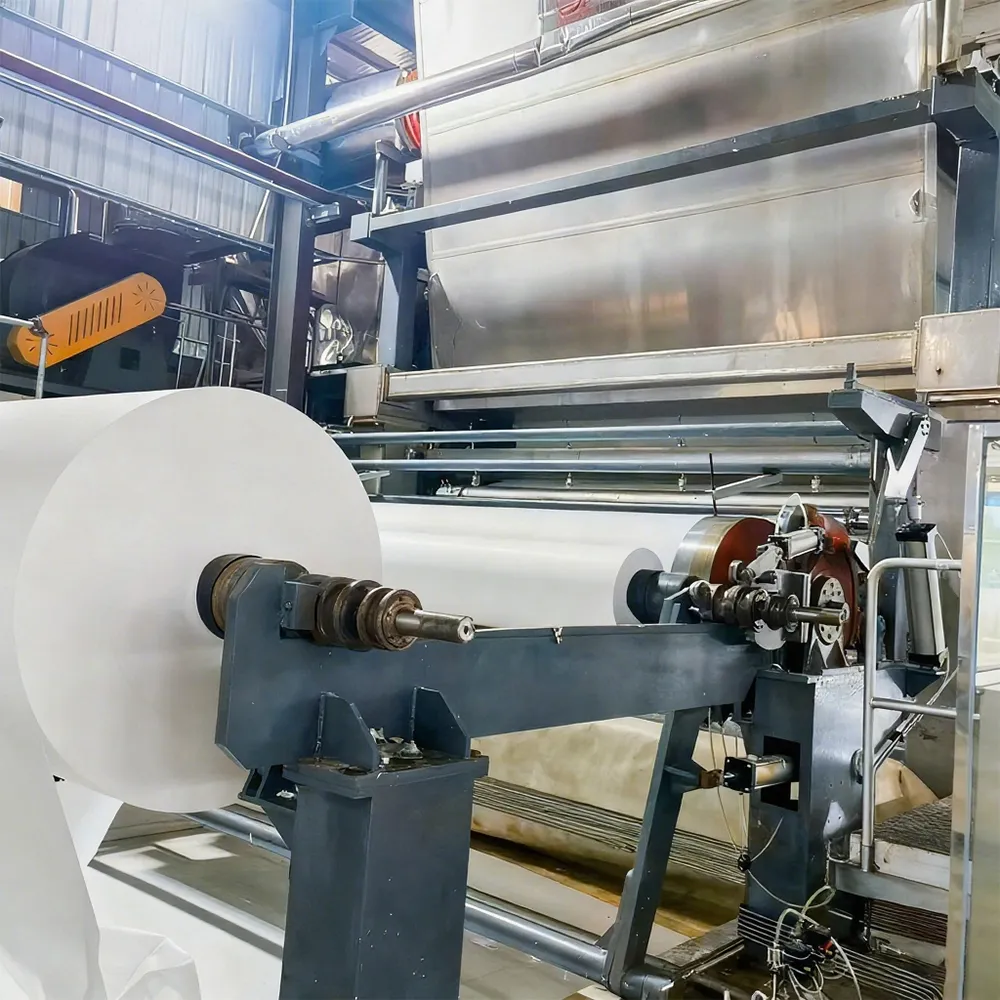 Flexible and eco-friendly cotton paper white double-sided adhesive tape material, soft thin packaging material 14g, 18g, 20g.
 -
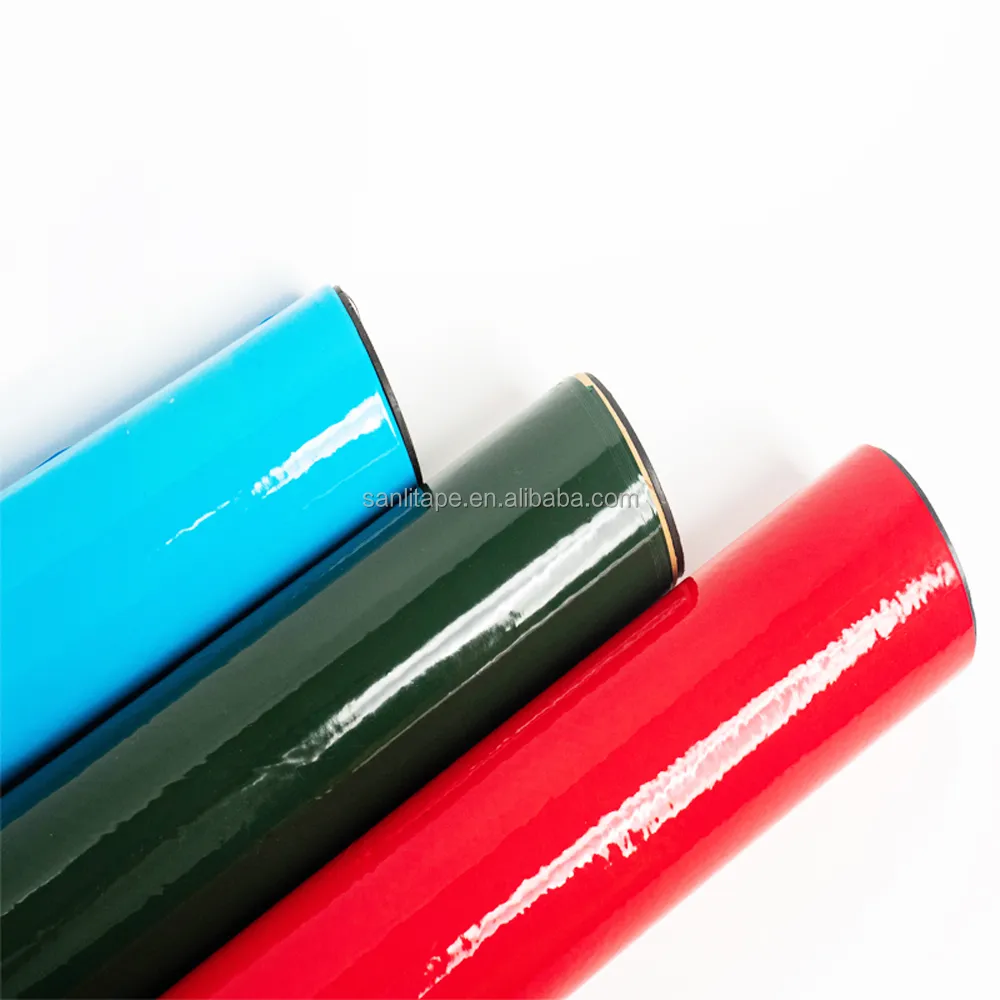 Anti-adhesive coated PE film used for printing on double-sided adhesive foam tape insulation film
 -
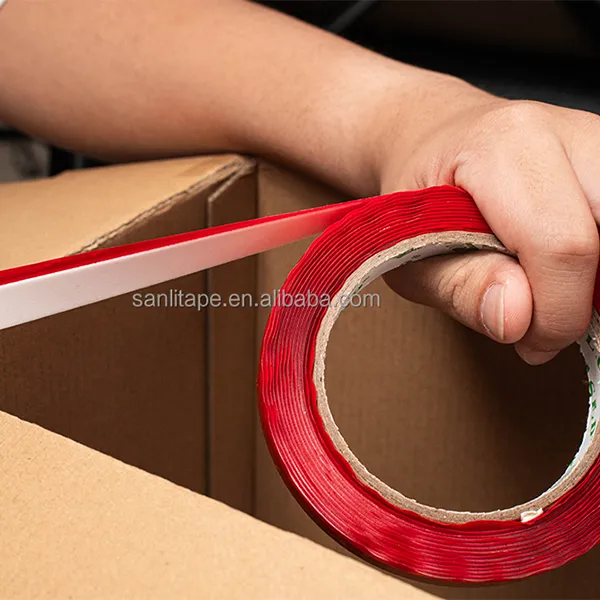 Packing tape with raised tape
 -
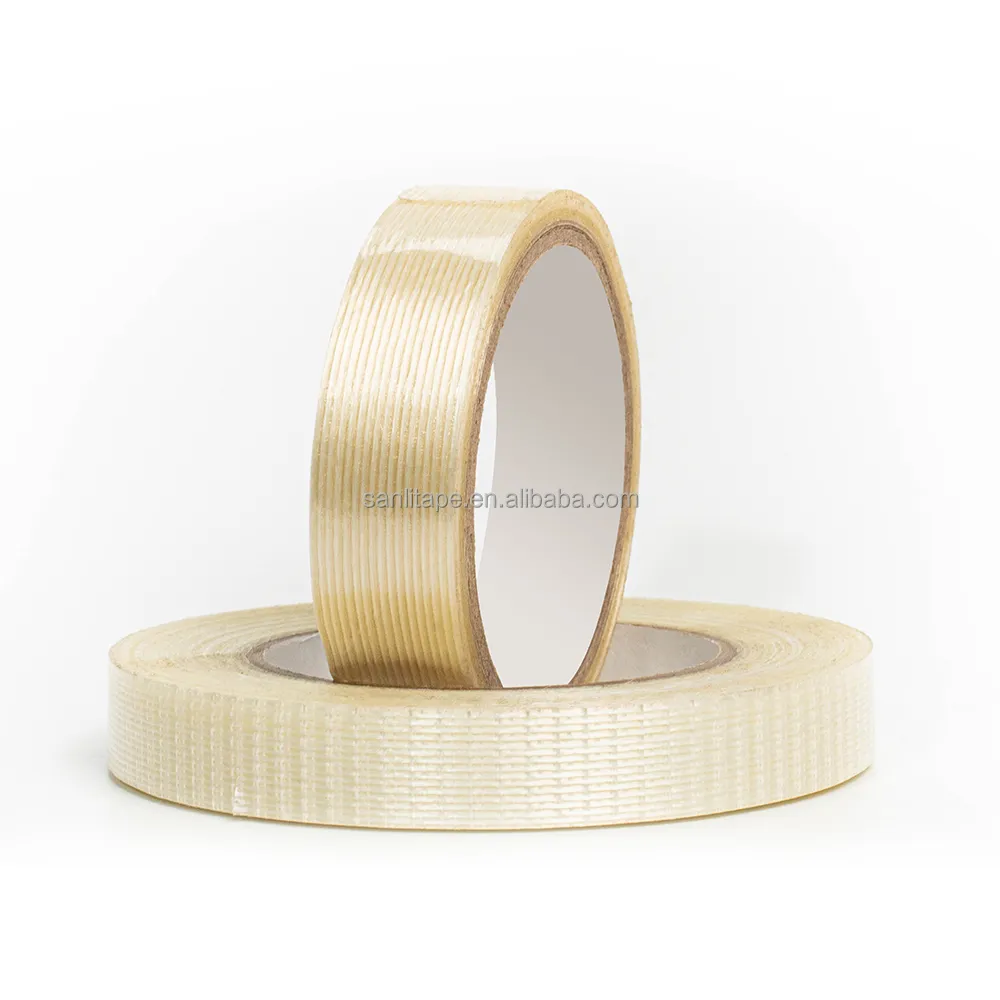 Super Heavy Objects with Integrated Fiberglass Tape Electrical Apparatus Packaging Transparent Attaching Tape
 -
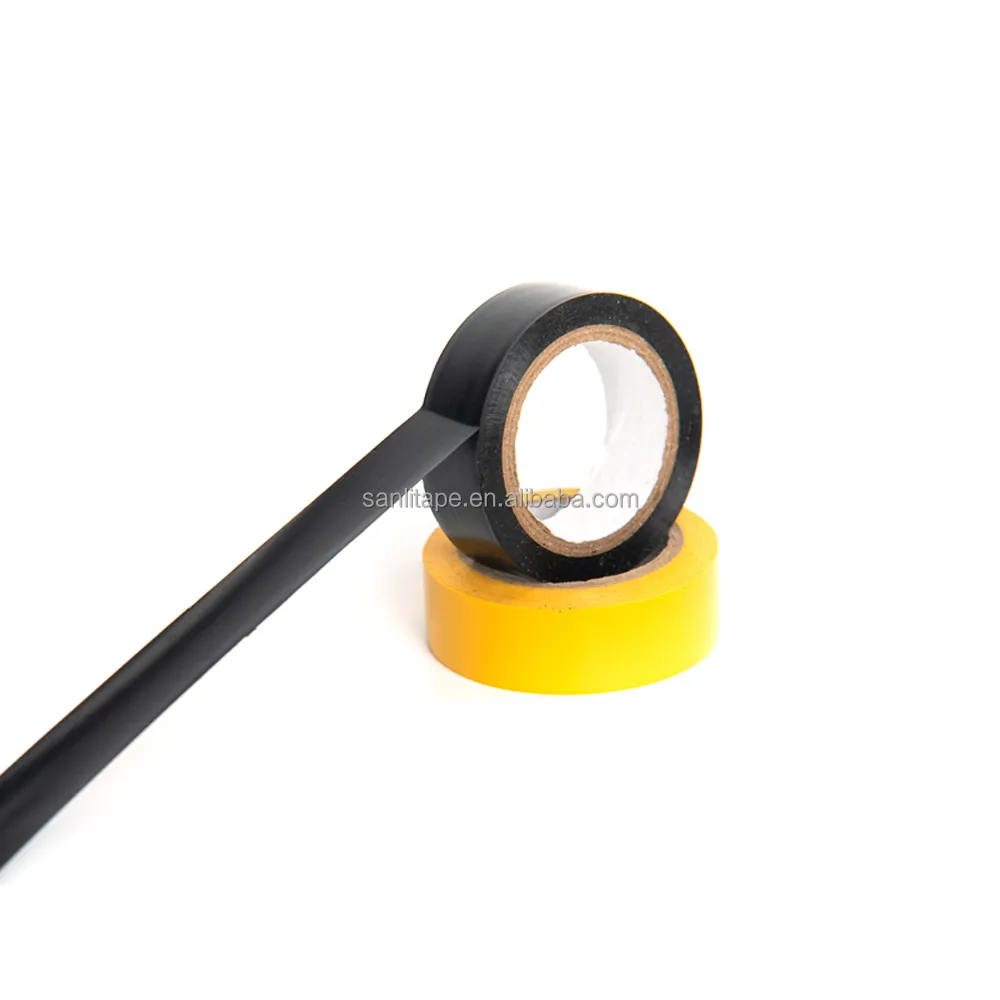 Waterproof Black Color PVC Insulation Tape Wrap Insulated Electrical Tape with High Viscosity
 -
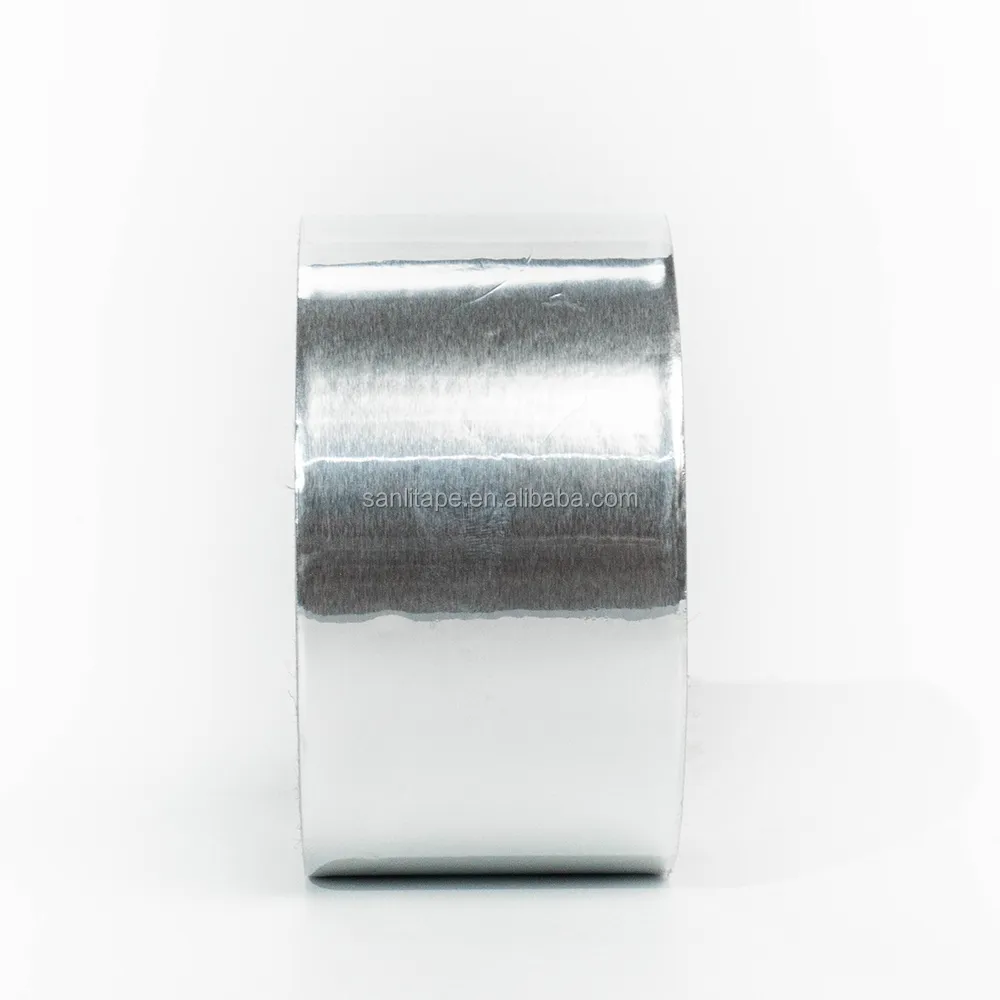 Temperature Resistant Aluminum Foil Tape
Relatedsearch
Related Search- Double-sided tape 50 m plant
- Anti-slip tape, self-adhesive
- Double-sided adhesive tape 10mm factory
- Strong double-sided tape factory
- Anti-slip tape supplier
- Order double-sided tape 3 m in China
- Double-sided tape for heavy objects price
- 3m anti-slip tape factory
- Double sided pet film tape suppliers
- Anti-slip tape manufacturer