




Nanoribbon application
Nanoribbons... are often found in scientific articles and presentations about the future. They talk about incredible properties, applications in microelectronics and medicine. But what does this look like in practice? How are they actually used, what problems arise? We at Enping Sanli Adhesive LLC have been producing various adhesive materials for quite some time, and have observed many experiments with these materials. And this is what I can say - while this is not a panacea, but it is not just a beautiful theory. It is important to understand the real possibilities and limitations.
What is a nanoribbon, if not simplified?
I'll start with the definition, although many may be superficially familiar with this term.Nanoribbonis a thin tape whose width and thickness are in the nanometer range. Essentially, this is a single layer of material (often polymer) with dimensions comparable to the wavelength of electromagnetic radiation. It is these dimensions that give the tape unique properties: high mechanical strength, excellent adhesion, and the possibility of flexible deformation. Moreover, depending on the material used (such as carbon nanotubes or graphene), electrical and thermal conductivity can be achieved that is significantly superior to traditional polymers. For example, we have recently been experimenting with tapes based on polyurethane modified with silicon nanoparticles. The resulting samples have increased heat resistance and wear resistance, which opens up interesting opportunities for use in the automotive industry.
Of course there are many optionsnanoribbonswith different compositions and properties. The main thing is to choose the right material for a specific task. Simply taking a ready-made tape and hoping for a miracle is not an option. Many factors must be taken into account: surface compatibility, required strength, operating temperature, etc. This is where, in practice, difficulties often arise. For example, when trying to usenanoribbonsFor gluing layered composites, we are faced with the problem of uneven distribution of adhesive stress, which leads to the formation of cracks. The solution is to optimize the application process and, possibly, modify the surface of the materials being bonded.
Application in microelectronics: a look from the inside
The first thing that comes to mind when talking aboutnanoribbons, is microelectronics. And this is a truly promising direction. Nanoribbons can be used to create flexible printed circuit boards, sensors and other microdevices. Their flexibility and elasticity make it possible to create devices that can be bent, twisted and even stretched. We worked with a client developing wearable electronics and usednanoribbonsbased on polyimide for creating flexible connectors. The result exceeded expectations: the connectors turned out to be more reliable and durable than similar structures made from traditional materials.
However, there are also pitfalls here. For example, ensuring stability and reproducibility of propertiesnanoribbonsin industrial production conditions this is a difficult task. Even small variations in composition or manufacturing process can result in significant changes in belt performance. This requires strict quality control and the use of modern equipment. At Enping Sanli Adhesive Co., Ltd., we use proprietary quality control methods, including microscopy, spectroscopy, and tensile and compression testing, to ensure that our products meet customer requirements.
Another interesting point is integrationnanoribbonswith other materials. There is often a need to combine benefitsnanoribbons(flexibility, strength) with the characteristics of other materials (for example, electrical conductivity or thermal conductivity). This requires the development of special joining technologies and optimization of the composite structure. We are currently exploring the possibility of usingnanoribbonsas a conductive element in flexible solar cells. The results are not yet conclusive, but the potential looks promising.
Medicine: Potential and Limitations
In medicinenanoribbonsalso show great potential. For example, they can be used to create biocompatible implants, drug delivery systems and sensors for health monitoring. Flexibility and biocompatibilitynanoribbonsmaking them ideal candidates for creating implants that can adapt to the body's shape without causing rejection.
But here too there are difficulties. The main problem is ensuring biodegradability and safetynanoribbons. Not all materials that are suitable for microelectronics are suitable for medical purposes. The influence needs to be carefully studiednanoribbonson the human body and make sure that they do not cause allergic reactions or other undesirable consequences. For example, we are working on creatingnanoribbonsbased on biodegradable polymers that can gradually disintegrate in the body without leaving harmful traces. This is a very complex task that requires an integrated approach and collaboration with experts in the field of medicine and materials science.
Industry experience: specific examples
I would not like to limit myself only to theoretical reasoning. Here are some specific use casesnanoribbonsin industry that we have observed or been directly involved with.
- Automotive industry:Usagenanoribbonsas a reinforcing material for polymer composites used in the production of body parts. This allows you to reduce the weight of the car and increase its strength.
- Aviation industry:Applicationnanoribbonsas a material for flexible sensors that monitor the condition of wings and other aircraft structures.
- Textile industry:Applicationnanoribbonson fabrics to give them water-repellent, antistatic and antibacterial properties.
- Energy:Usagenanoribbonsas a conductive material for flexible solar cells, allowing for lighter, more efficient devices.
However, it is worth noting that the implementationnanoribbonsinto industry - this is a complex and expensive process. It requires not only the development of new materials and technologies, but also the adaptation of existing production lines. We at Enping Sanli Adhesive LLC strive to donanoribbonsmore accessible and easier to use, offering a wide range of products and providing technical support to our customers. We regularly conduct seminars and trainings for specialists to help them understand the features of working withnanoribbons.
Futurenanoribbons: what awaits us?
What does the future hold for us? I think thatnanoribbonswill play an increasingly important role in various industries. As technology develops and production costs decrease, their use will become wider and more accessible. Particularly interesting is the direction of development of self-healingnanoribbons, who will be able to independently repair damage and extend the service life of devices.
Another promising way is to create functionalnanoribbonswith specified properties, for example,nanoribbonswith selective adhesion ornanoribbons, capable of responding to external stimuli (for example, light or temperature). This will open up new opportunities for creating smart materials and devices. We at Enping Sanli Adhesive LLC are confident thatnanoribbons– this is the future of adhesive technology, and we will continue to work on its development.
Correspondingproducts
Related Products
Best Sellingproducts
Best Selling Products-
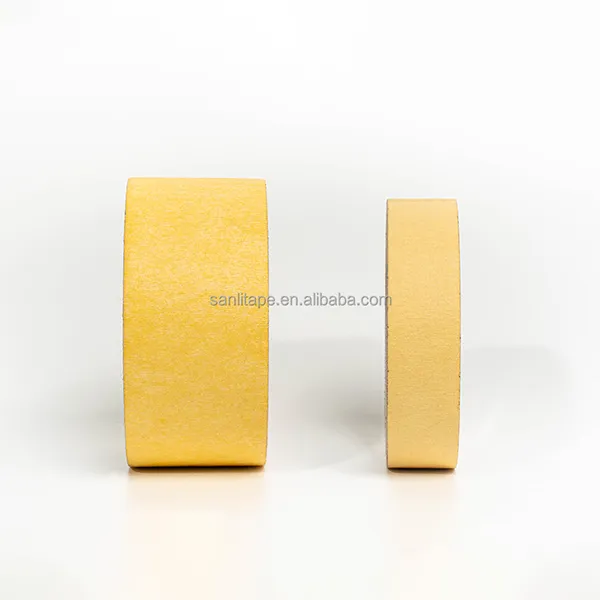 High-temperature masking adhesive masking tape for decorative car painting, high viscosity, easy to tear without leaving marks, single-sided, wrinkle-free
 -
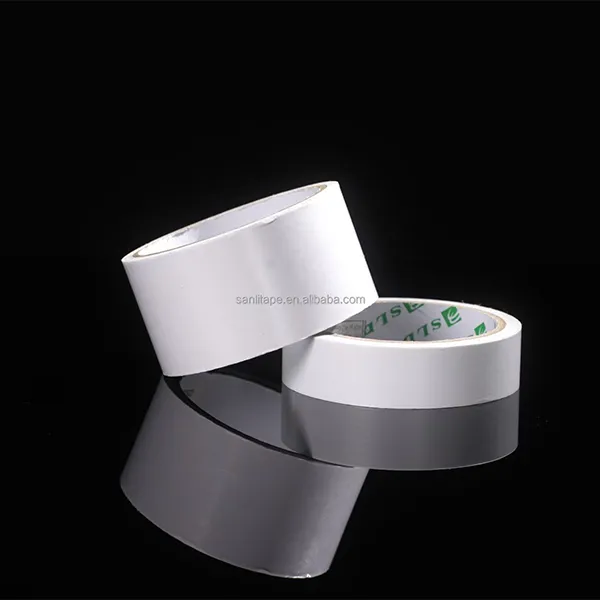 Thin Double Sided Adhesive Tape Transparent OPP Film Adhesive Tape Double Sided Adhesive Tape for Industrial Installation and Fixing
 -
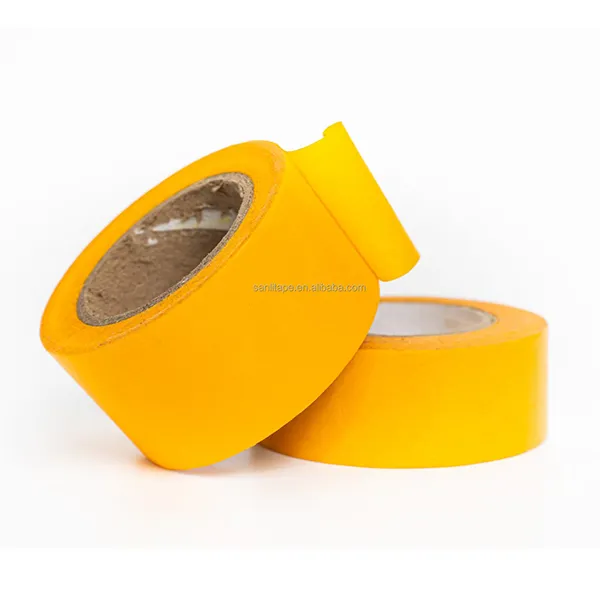 Yellow and Paper Adhesive Tape DIY Decoration Spray High Viscosity Hand Tear Seamless Painting Tape
 -
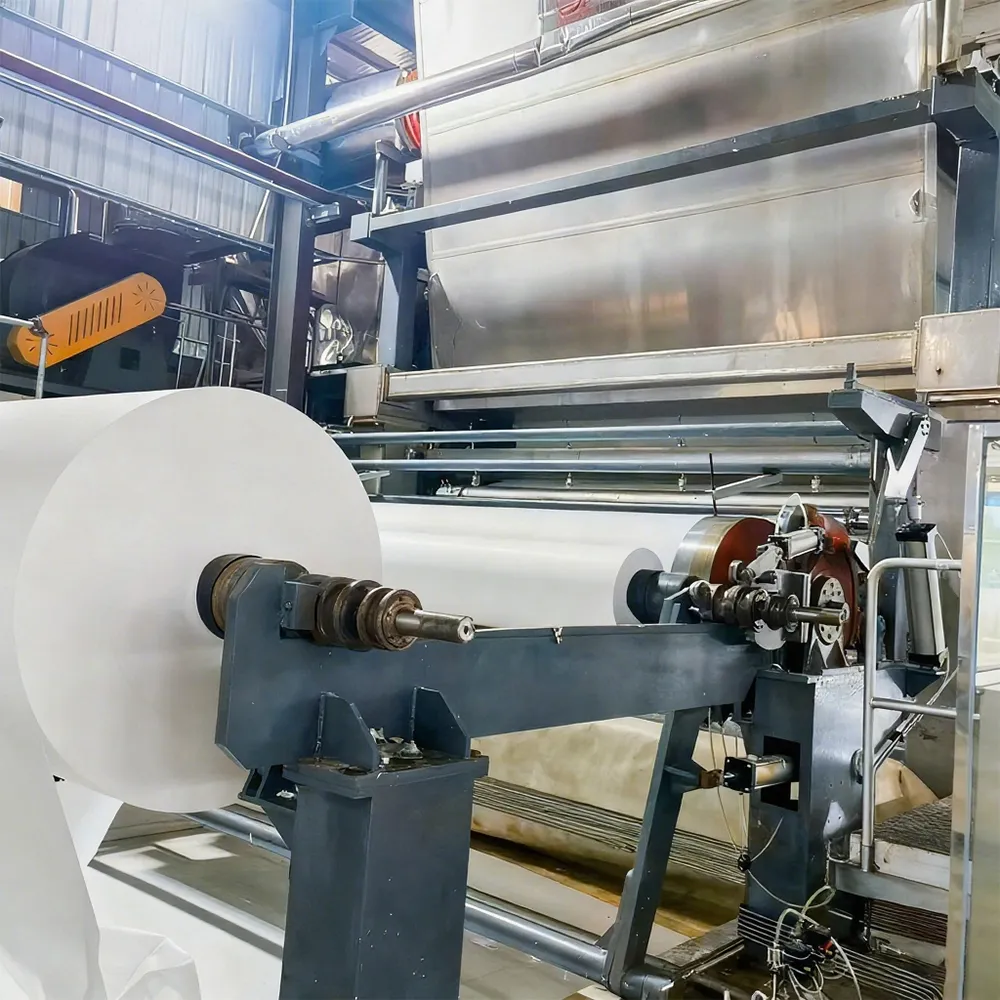 Flexible and eco-friendly cotton paper white double-sided adhesive tape material, soft thin packaging material 14g, 18g, 20g.
 -
 High Transparent Nano Tape, High Viscosity, High Water Resistance, Trace Free Fixation, Acrylic Double Sided Tape
 -
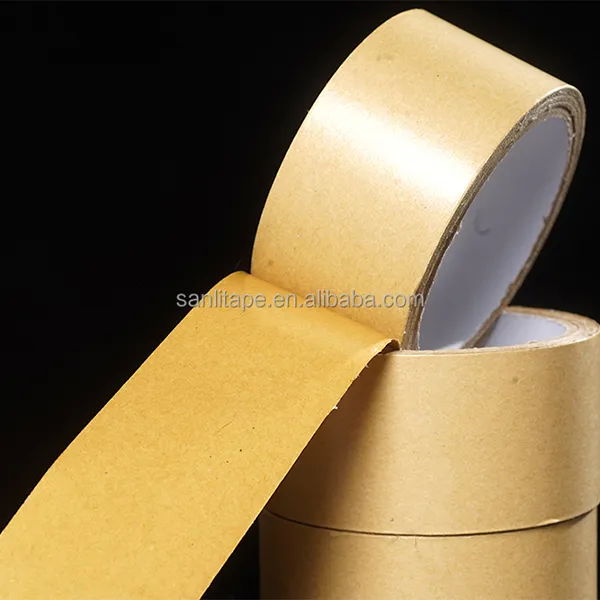 High Viscosity Kraft Paper Adhesive Tape Hand Tear Off Masking Sealing Packing Tape
 -
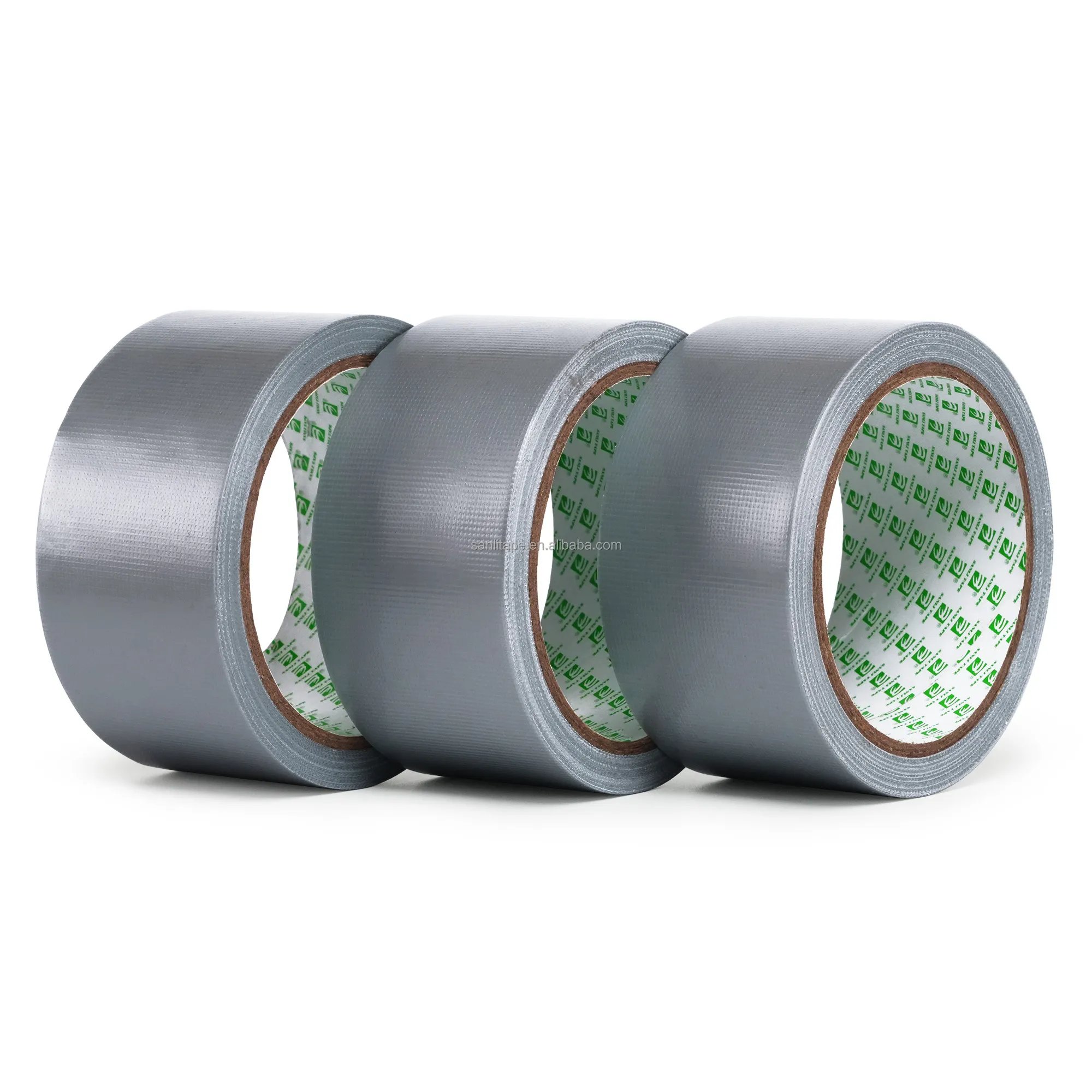 Fabric Backed Adhesive Tape Single Sided High Viscosity Hand Tearable Adhesive Tape for Carpet Fastening Decorative Tape
 -
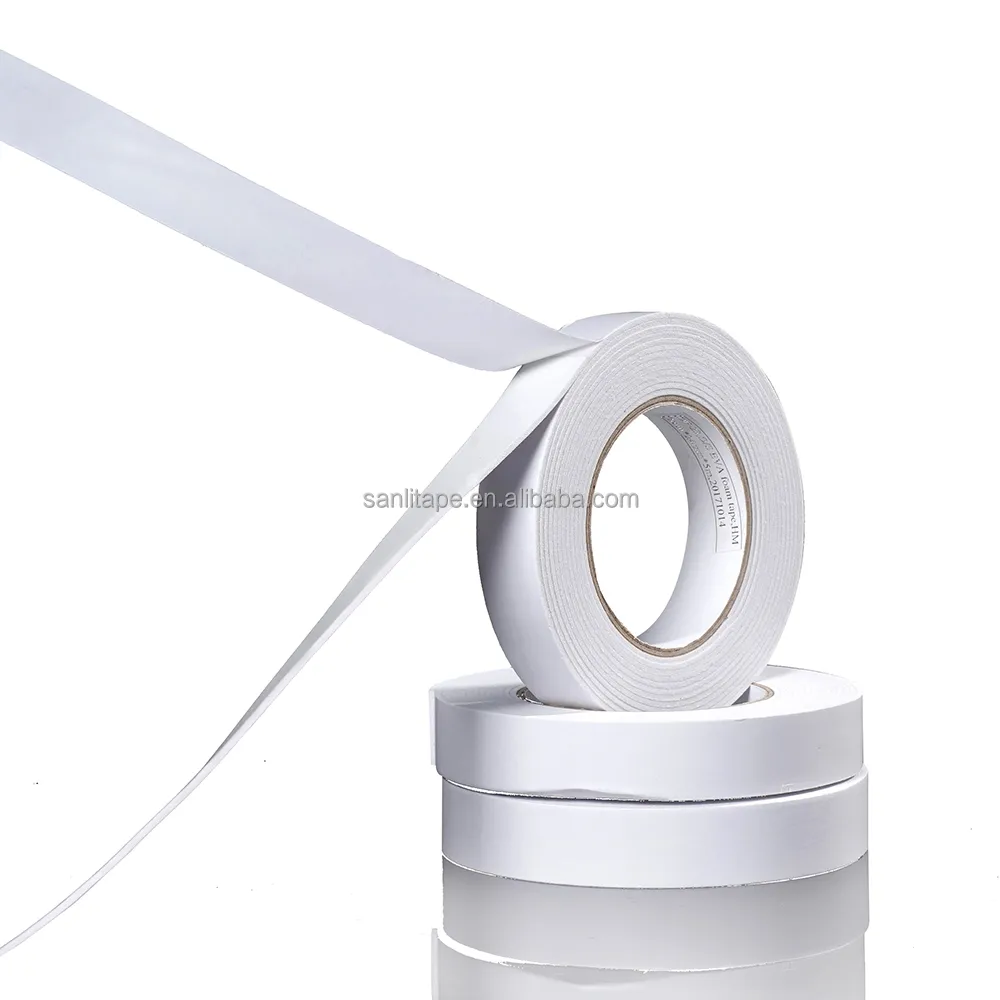 Double-sided foam tape, strong adhesive, white and black EVA foam, installation, fastening, sealing, double-sided adhesive tape
 -
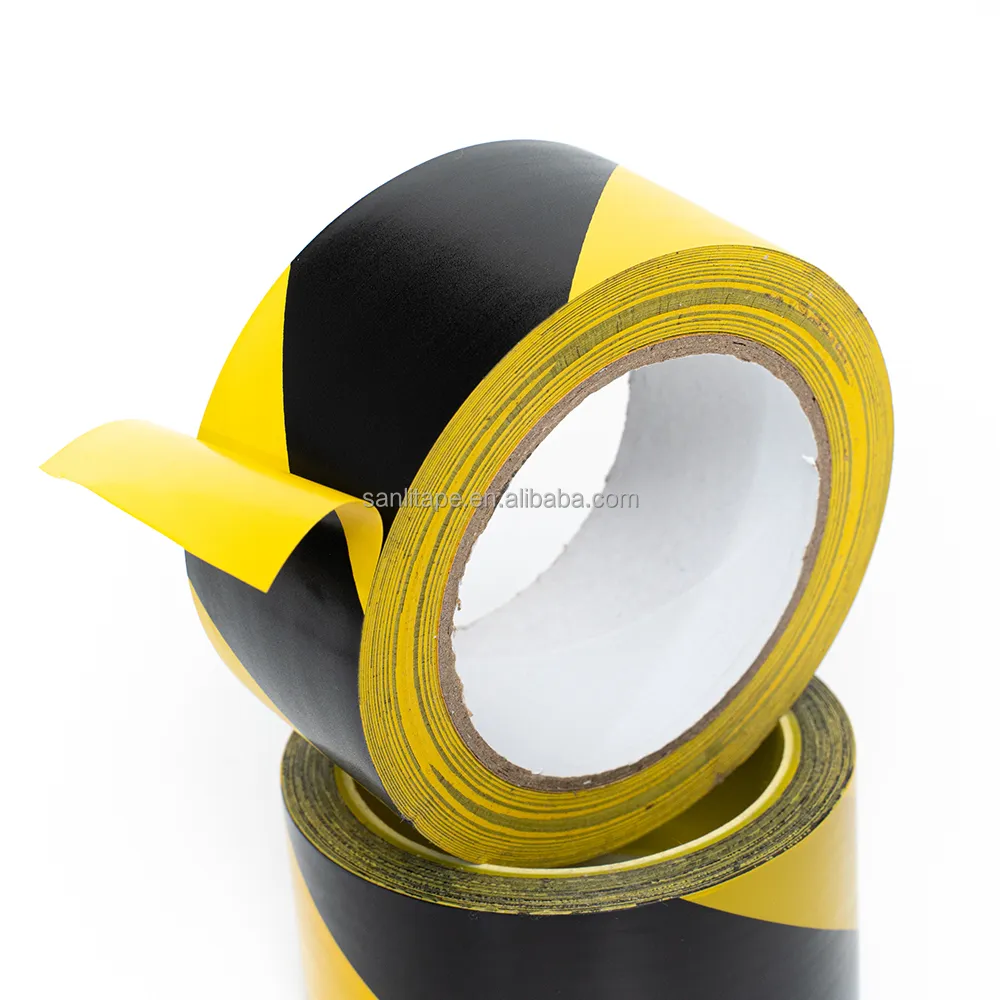 PVC Warning Tape Marking Warning Tape Decorative Floor Tape
 -
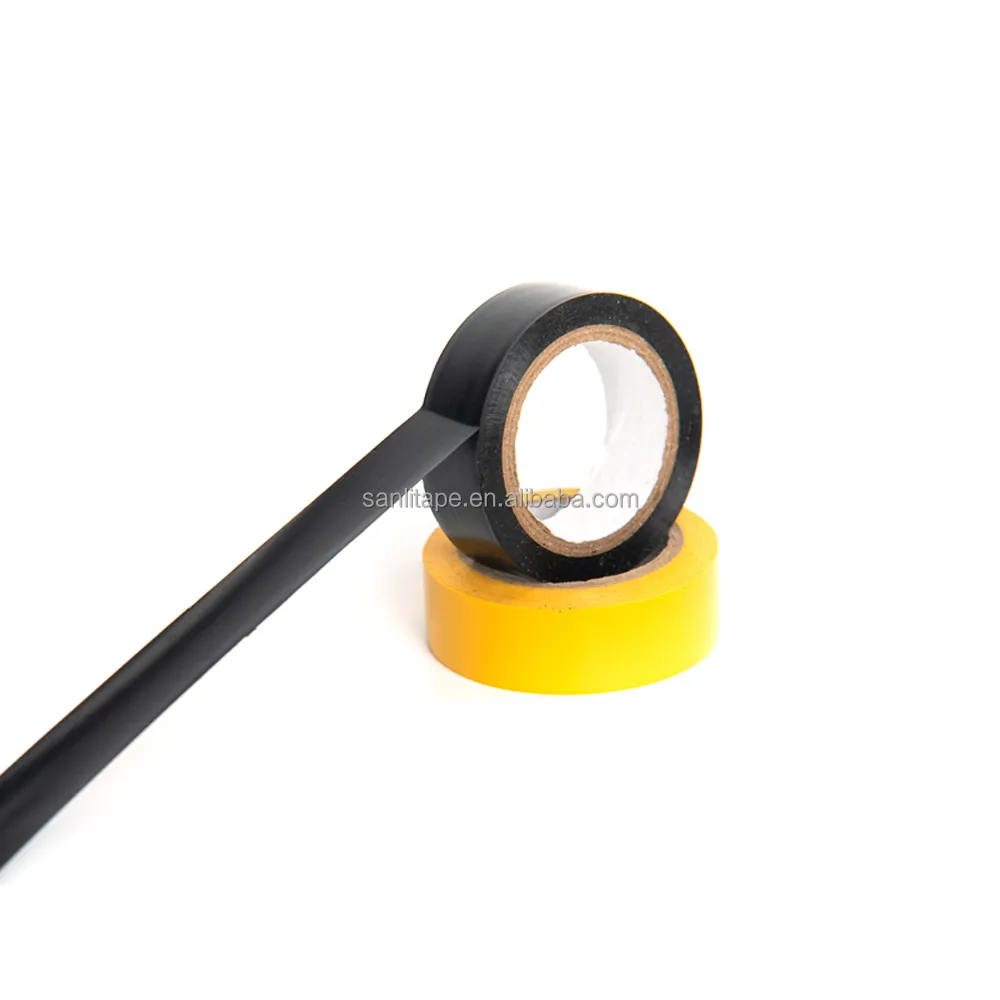 Waterproof Black Color PVC Insulation Tape Wrap Insulated Electrical Tape with High Viscosity
 -
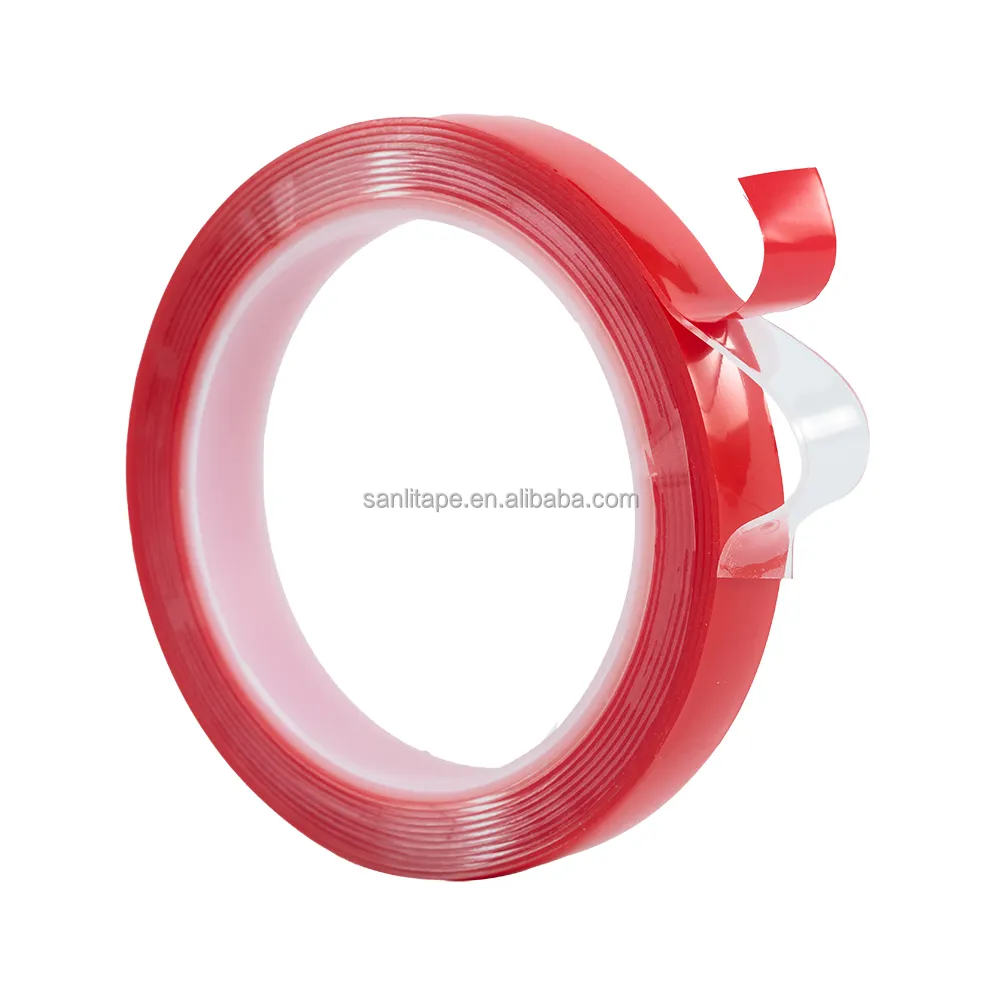 Heavy Duty Double Sided Adhesive Tape Waterproof Acrylic Foam Tape Gray Clear White
 -
 Masking Tape Paint Sprayer Decoration Masking One-Way Wrinkles
Relatedsearch
Related Search- Double-sided adhesive tape 2 mm main buyer
- Double sided tape thickness factories
- The best double-sided tape for auto manufacturers
- double-sided fabric tape
- Double Sided Mesh Tape Manufacturer
- Double-sided tape 50 m factories
- Double sided or double sided tape manufacturer
- double sided tape pvc
- Double-sided tape installation main buyer
- double-sided adhesive tape 19 mm