




polypropylene double sided adhesive tape
Polypropylene Double Sided Adhesive Tape- a thing that seems simple at first glance. The catalogs contain a lot of options, different thicknesses, widths, adhesion. But real-life applications often turn out to be much more complex than described in the technical specifications. I often see how clients choose a tape based only on price and stated performance, and then encounter problems in real operating conditions. It’s not that polypropylene is a bad material; on the contrary, it has a number of advantages, but you need to understand that it is not universal. I would like to share my experience without claiming the absolute truth, but simply convey the things that I have learned over the years of work.
What is polypropylene double sided adhesive tape? Not only about polymer
Let's start with the basics.Polypropylene Double Sided Adhesive Tape- This is, in fact, a polypropylene base coated with an adhesive layer. It is important to understand that 'polypropylene' here is a base material, not an adhesive. Glue can be of different types: acrylic, rubber, silicate, and each of them has its own characteristics. It is the type of adhesive that determines adhesion, heat resistance, solvent resistance and other important characteristics of the tape. It seems obvious, but many people skip this point, choosing a tape that “looks” suitable, but in fact does not cope with the task.
What's the difficulty? Polypropylene itself is quite resistant to external factors, but its adhesive properties, of course, are not as high as those of other materials. Therefore, glue plays a key role. It is necessary to take into account not only the type of glue, but also its composition, the presence of additives that can improve adhesion, flexibility, and heat resistance. Sometimes you can find a tape where the polypropylene base is just a shell, and the main adhesive force is in a layer of a special polymer applied to the surface of the polypropylene. This should also be taken into account when choosing, especially if you plan to work with non-standard surfaces.
Adhesion problems and adhesive selection
The most common problem we encounter is insufficient adhesion. This may be due to incompatibility of the adhesive with the surface, the wrong type of adhesive for the specific application, or even improper surface preparation. For example, if the surface is dirty or covered with a layer of dust, then adhesion will be significantly lower. In such cases, of course, you need to clean the surface, but sometimes this does not help. In this case, you should think about using a special primer that will improve the adhesion of the glue to the surface. Sometimes, even after using a primer, adhesion is still insufficient, indicating a problem with the choice of adhesive.
I remember one case involving the production of packaging tapes for the food industry. The client chose a tape based on acrylic adhesive, but after testing it turned out that it did not adhere well to plastic film. Upon further analysis, it turned out that acrylic glue does not have sufficient adhesion to polyethylene, and the polypropylene base does not improve the situation. The solution was to replace the glue with rubber, which provides significantly better adhesion to polyethylene. Sometimes, a small adjustment in the choice of glue can solve the problem.
What influences the choice of glue?
The choice of adhesive depends on many factors: the type of surface to which the tape will be glued, operating conditions (temperature, humidity, exposure to chemicals), required adhesive strength, abrasion resistance. Don't think that 'one glue fits everything'. Sometimes it is necessary to carry out additional tests to ensure that the selected adhesive meets all requirements.
Application of polypropylene double-sided tape: case studies
Polypropylene Double Sided Adhesive Tapeis a universal material that is widely used in various industries. For example, in electronics it is used for fixing components, in the automotive industry for gluing interior parts, in the furniture industry for joining plywood and other materials. In packaging - for sealing boxes and bags, in the textile industry - for fixing fabric. Recently, the use of this tape as a temporary fixation during installation work has become especially popular. This is convenient because the tape can be easily removed without damaging the surface.
We, at Enping Sanli Adhesive Co., Ltd., often encounter requests for the development of specialpolypropylene double-sided adhesive tapesfor specific tasks. For example, we recently needed to develop a tape that could withstand high temperatures and oils for use in the automotive industry. This required the use of a special polyurethane-based adhesive and a polypropylene base with increased heat resistance. Initially, we considered several options, but only this one turned out to be suitable for our needs. We have a strong production capacity, including three factories, which allows us to design and produce tapes to suit individual requirements.
Possible difficulties and how to avoid them
Despite all the advantages, the usepolypropylene double-sided adhesive tapemay be accompanied by some difficulties. For example, the tape may be sensitive to ultraviolet radiation, resulting in poor adhesive properties. In such cases, you can use tape with the addition of UV stabilizers, or apply a protective coating. In addition, the tape may be sensitive to certain solvents, so prior to use, ensure compatibility with the solvents used.
One of the most common mistakes is improper tape storage. If stored incorrectly, the tape may lose its properties, which will lead to poor adhesion. It is recommended to store the tape in a cool, dry place away from direct sunlight.
Conclusion: take your time with your choice
In conclusion, I would like to emphasize once again that the choicepolypropylene double-sided adhesive tape– this is a responsible process that requires a careful approach. You should not skimp on the quality of material and glue, and you should not neglect surface preparation. If you are in doubt about your choice, it is better to contact specialists who will help you choose the tape that best suits your requirements.
Enping Sanli Adhesive Co., Ltd. has extensive experience in the development and production of various types of adhesive tapes, and we are always happy to help our customers choose the optimal solution. Our factory is located in Enping City, Jiangmen, Guangdong Province, and we can offer a wide range of products at competitive prices. You can view our assortment on the website https://www.sanlitape.ru.
Correspondingproducts
Related Products
Best Sellingproducts
Best Selling Products-
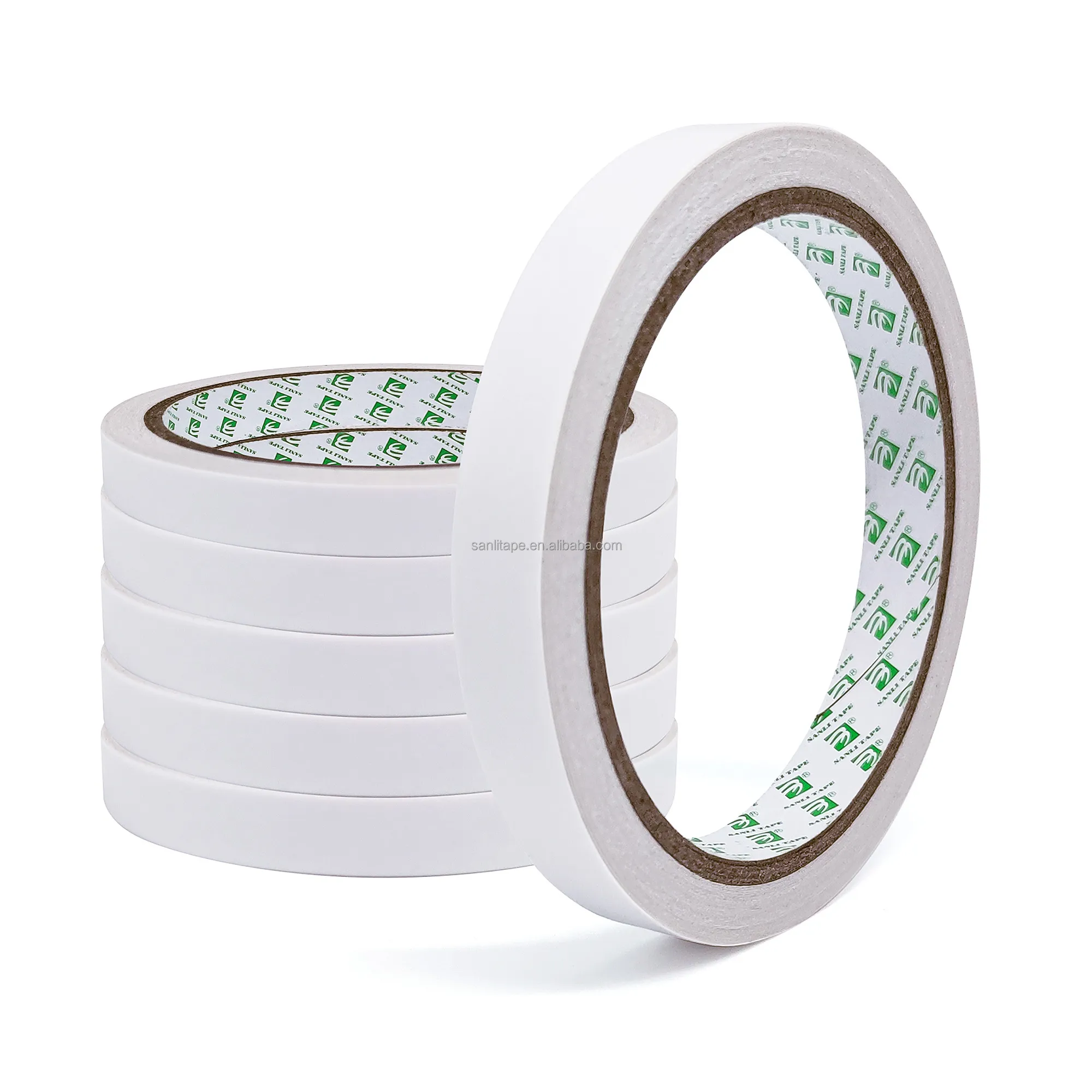 Double Sided Adhesive Tape, High Adhesive Cotton Paper Adhesive Tape, Clear Double Sided Adhesive Tape for Manual Office and Industrial Use
 -
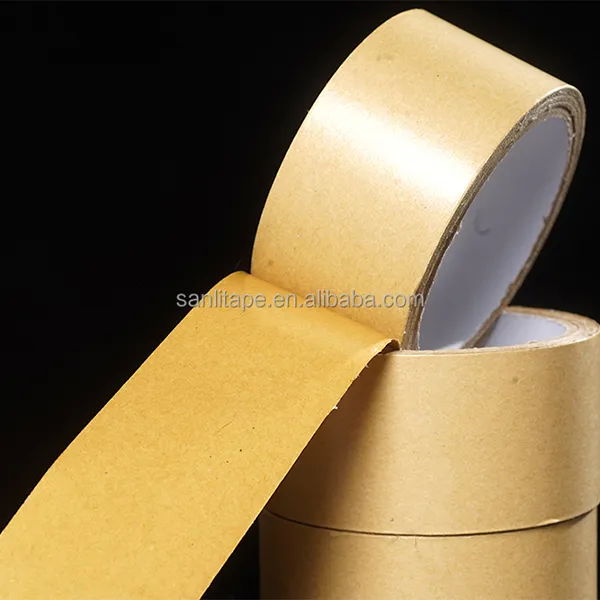 High Viscosity Kraft Paper Adhesive Tape Hand Tear Off Masking Sealing Packing Tape
 -
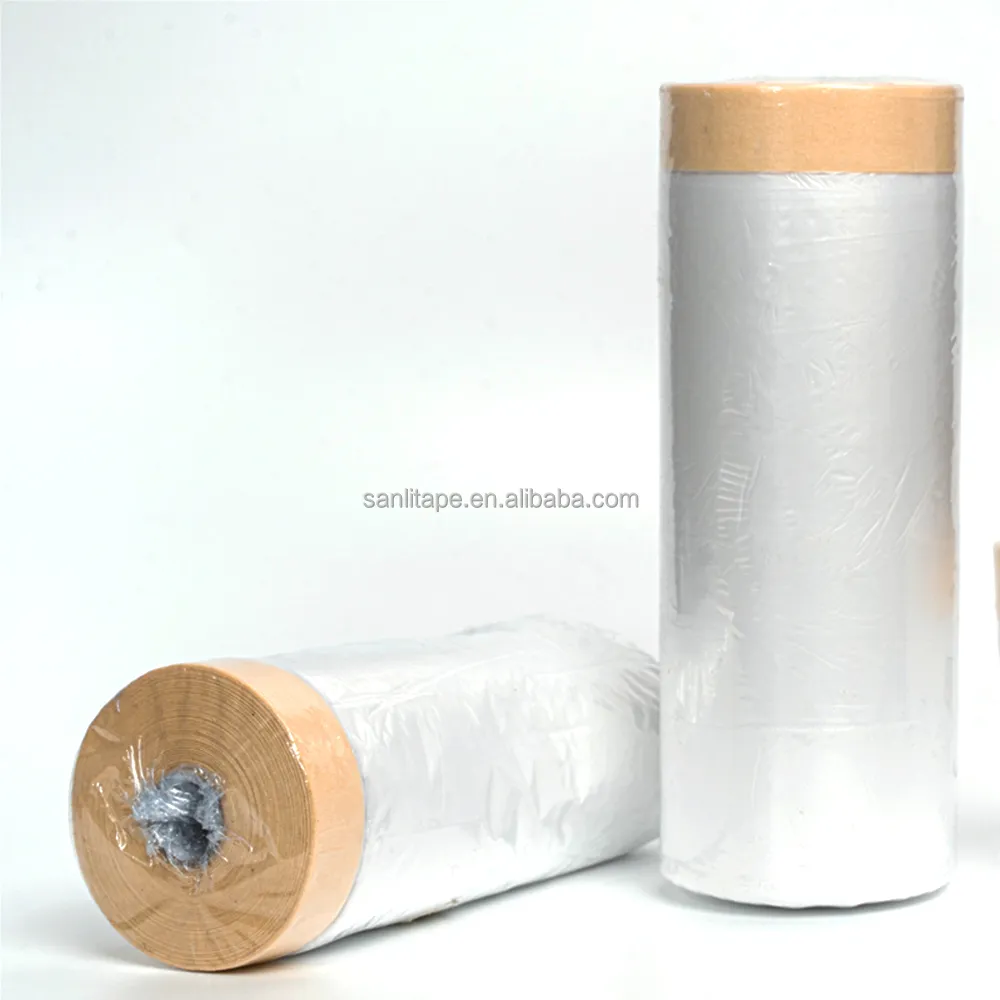 Paint Spray Anti Dust Film Clear Furniture Decoration Film Masking Tape Masking Tape Protective Film
 -
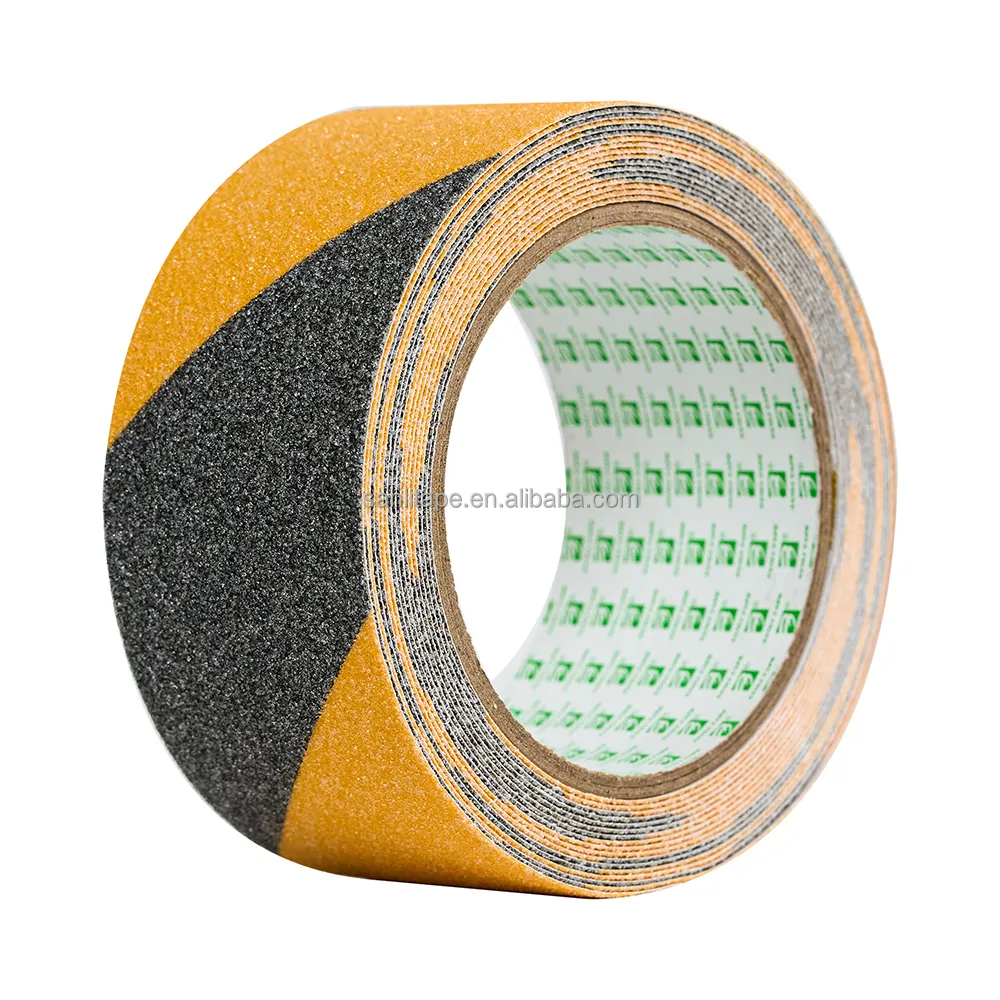 Waterproof matte anti-slip adhesive tape with strong adhesive acrylic adhesive outdoor warning anti-slip sticker wear-resistant color self-adhesive tape
 -
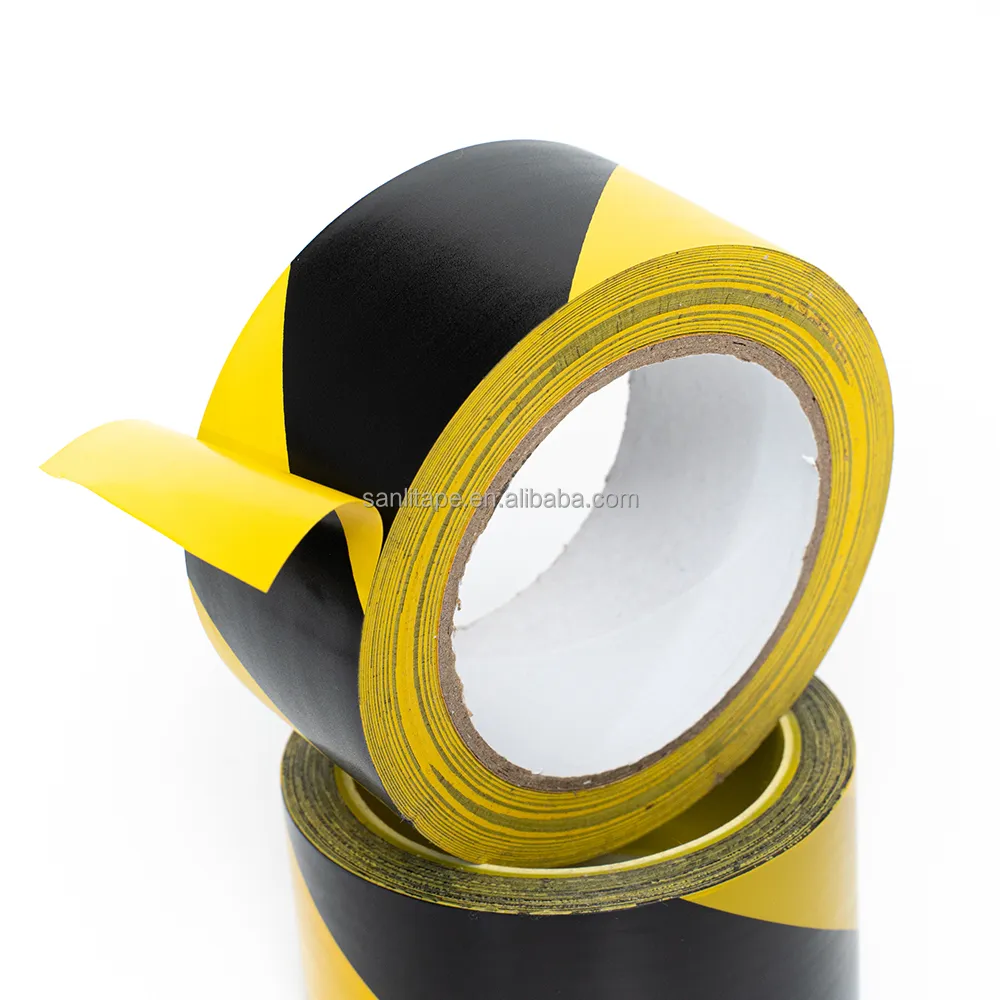 PVC Warning Tape Marking Warning Tape Decorative Floor Tape
 -
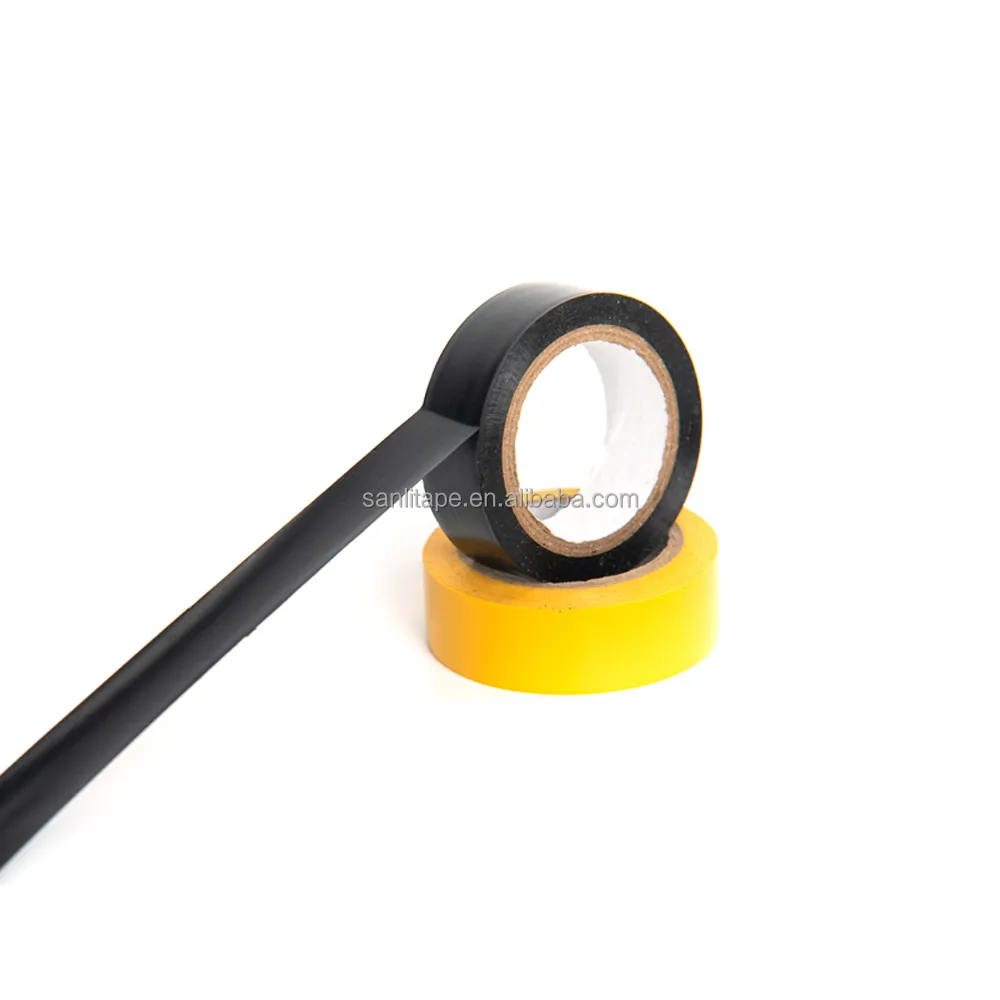 Waterproof Black Color PVC Insulation Tape Wrap Insulated Electrical Tape with High Viscosity
 -
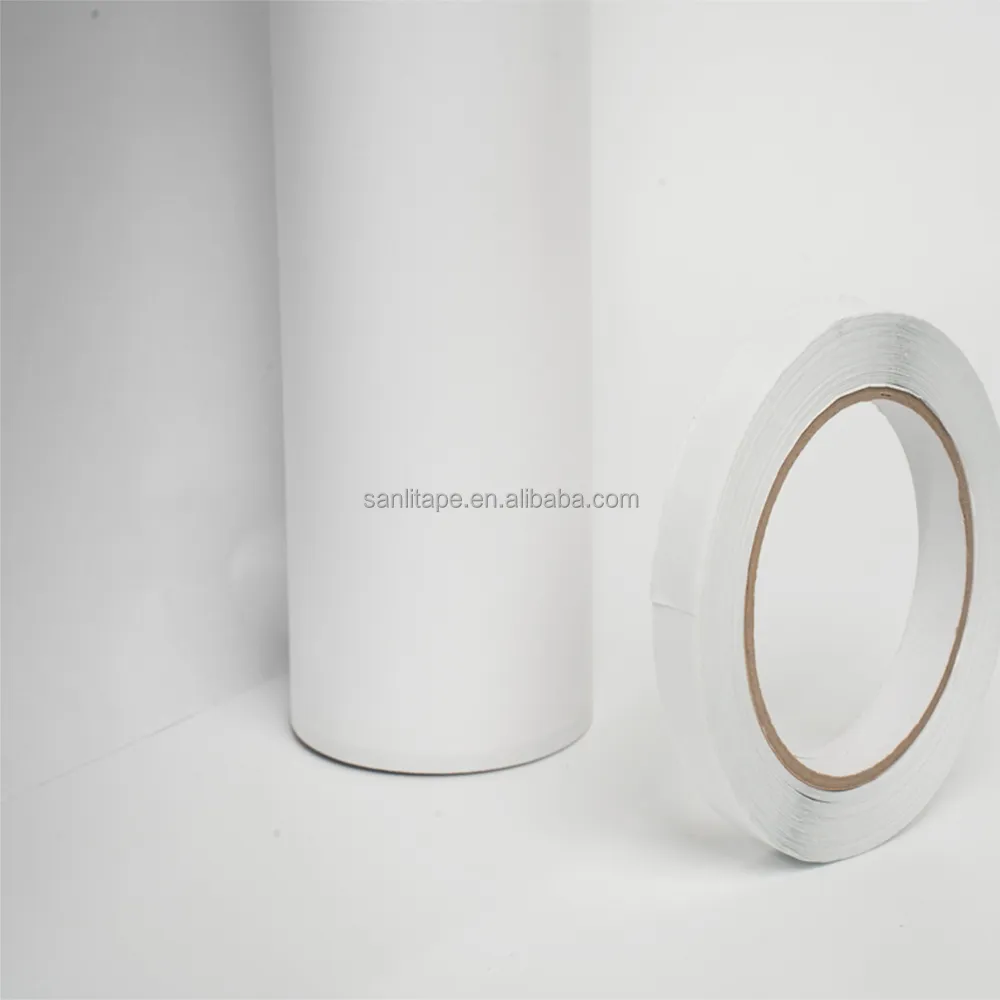 Single Sided Double Sided Backing Paper Double Sided Adhesive Tape PE Parchment Label Paper
 -
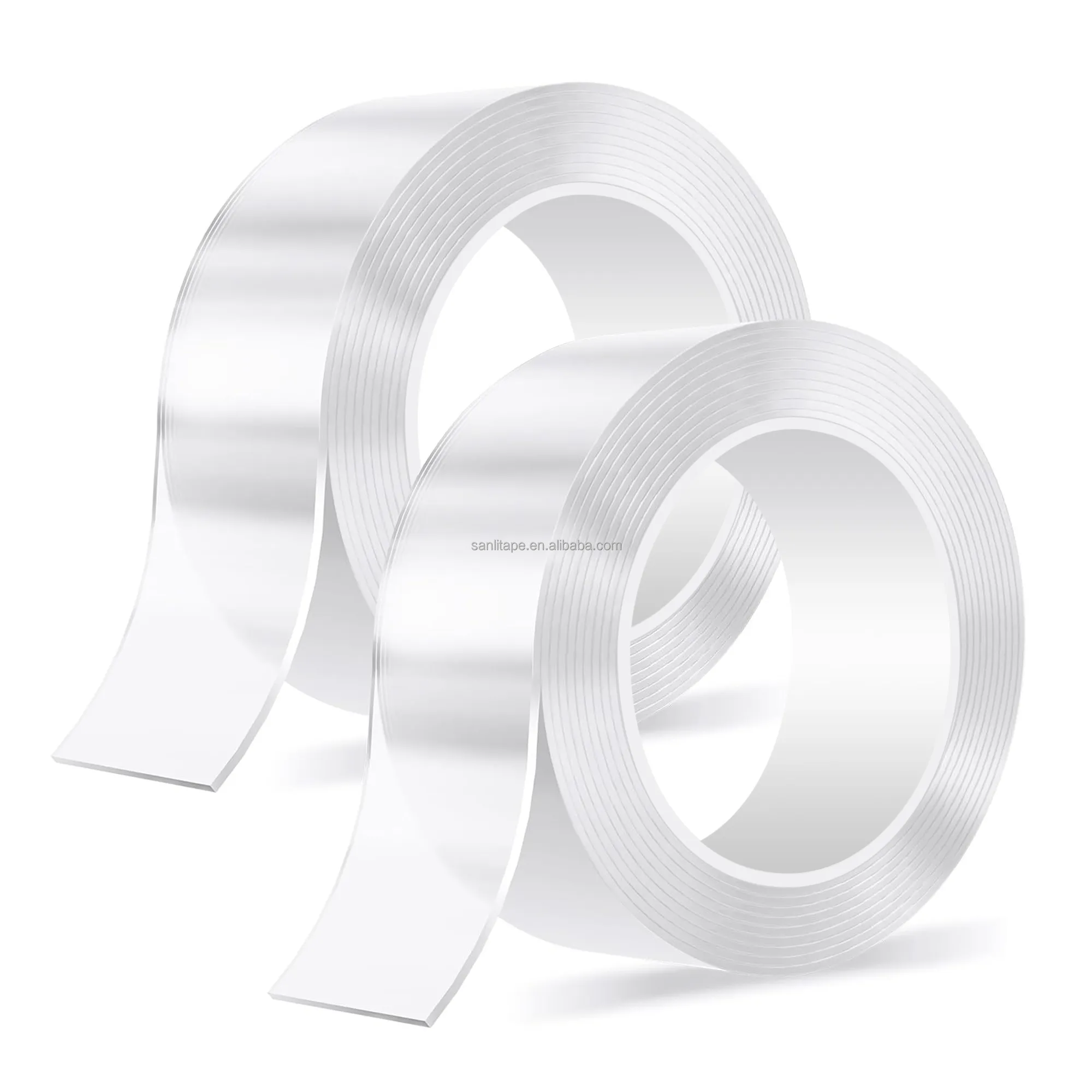 High Transparent Nano Tape, High Viscosity, High Water Resistance, Trace Free Fixation, Acrylic Double Sided Tape
 -
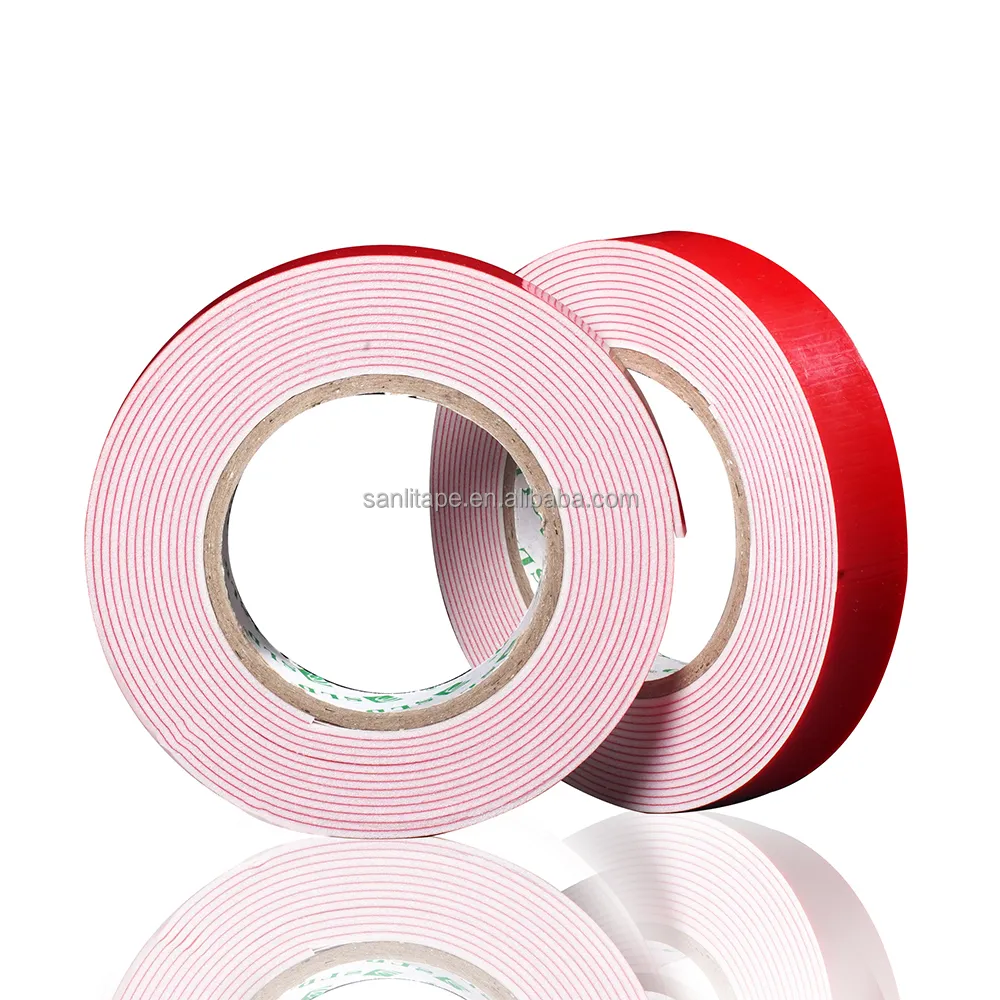 Double Sided Foam Tape High Density High Adhesion White and Black Double Sided Adhesive PE Foam Tape
 -
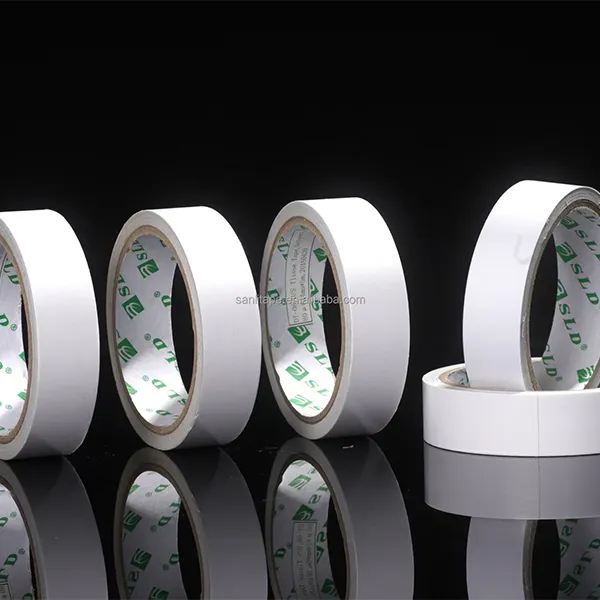 Thin Double Sided Adhesive Tape Clear PET Polyester Film Adhesive Tape Installation and Fastening of Industrial Parts Die-Cut Double Sided Adhesive Tape
 -
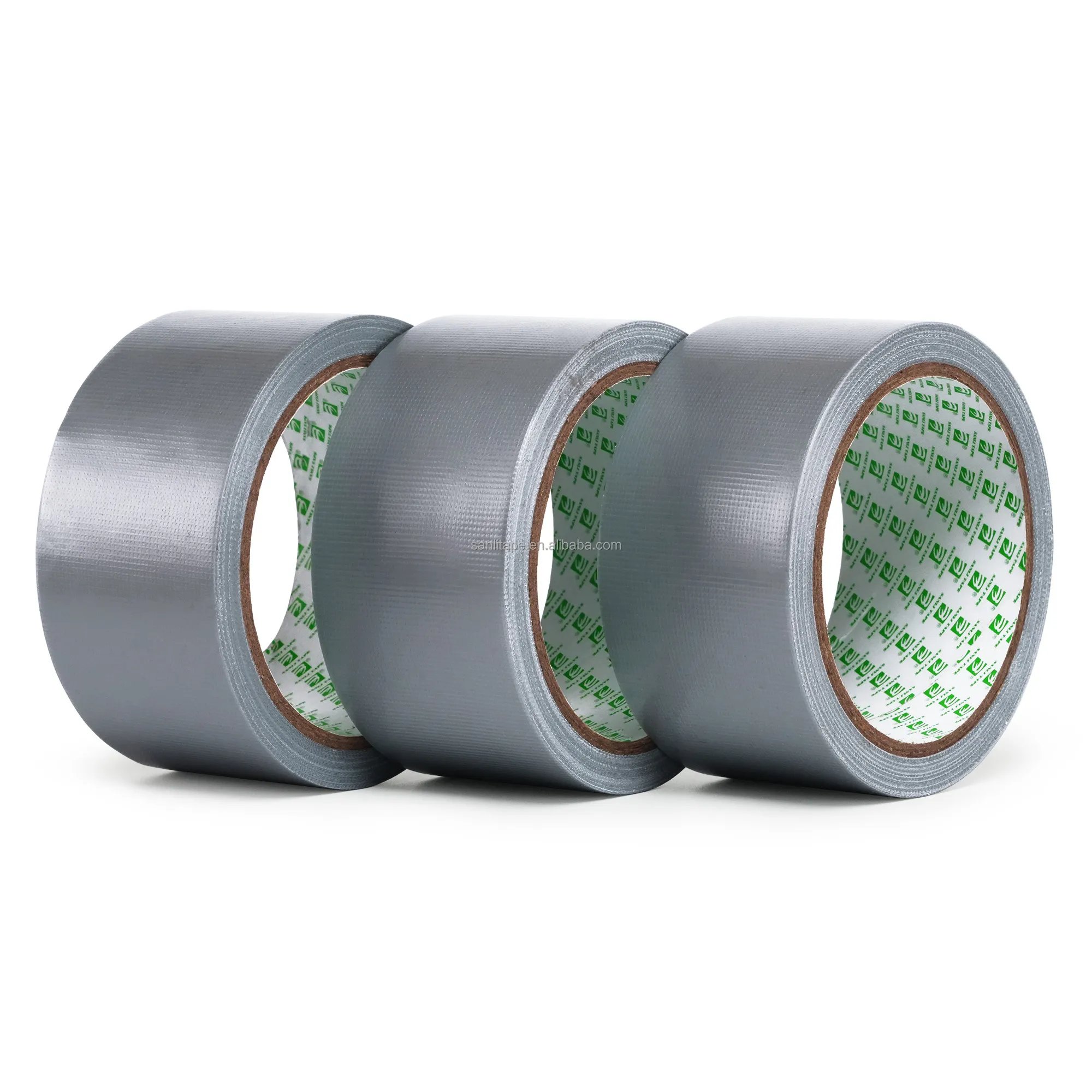 Fabric Backed Adhesive Tape Single Sided High Viscosity Hand Tearable Adhesive Tape for Carpet Fastening Decorative Tape
 -
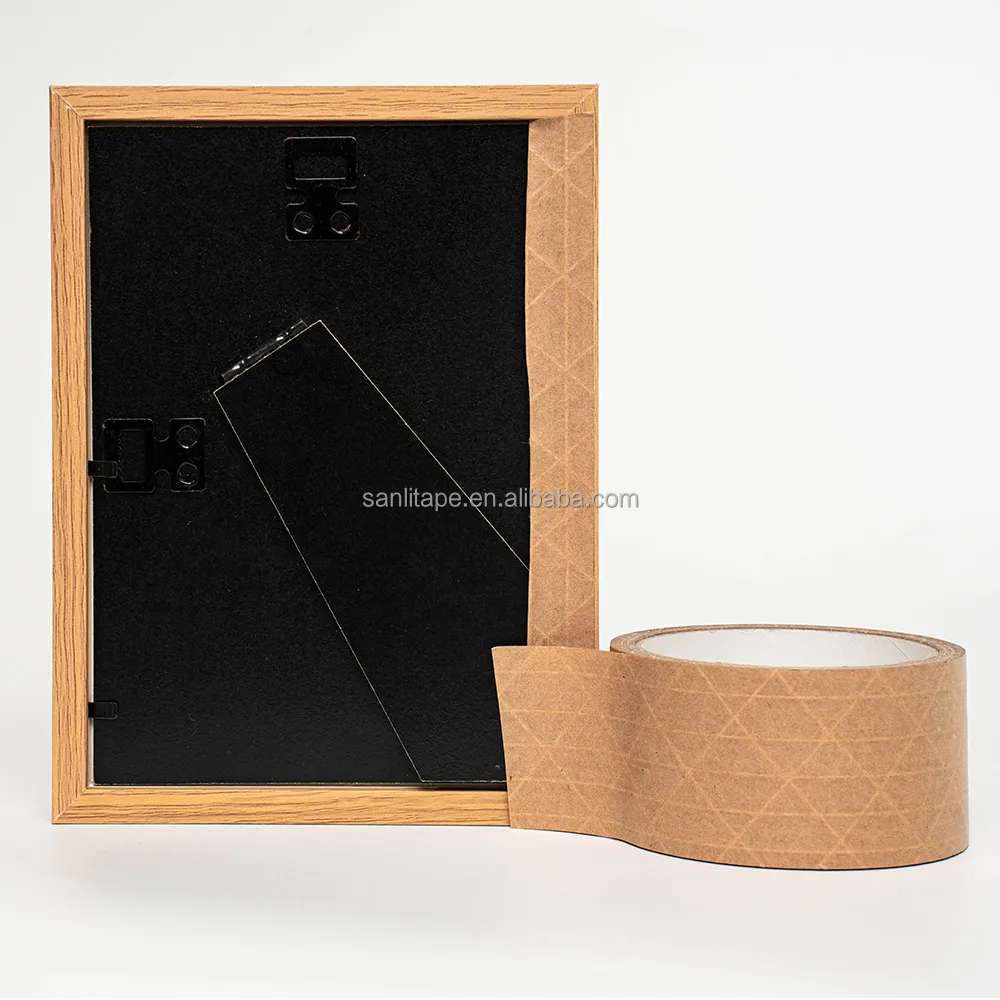 Reinforced kraft paper adhesive tape reinforced tape self-adhesive packaging tape without water content
Relatedsearch
Related Search- Adhesive double-sided tape main buyer
- Heat resistant double sided adhesive tape price
- Double-sided tape for securing heavy objects
- Order double-sided tape for cars in China
- Construction double-sided tape factories
- Double sided tape adhesive supplier
- glue transfer tape
- PVC insulating tape manufacturer
- Silicone tape double-sided transparent main buyer
- Double sided adhesive tape transparent supplier