




double sided acrylic tape
Double-sided acrylic tape– a seemingly simple thing. But how many times have you seen how it doesn’t hold, peels off, or doesn’t want to stick at all? Many people think that it’s all about the quality of the adhesive tape itself, but in fact there are many more factors. I once spent a lot of time and materials trying to solve a problem with attaching decorative panels, and in the end I realized that I needed to look more broadly than just at the manufacturer’s “rating”. And this story served as the impetus for a more detailed study of this issue.
What is double-sided acrylic tape and how does it differ from other types?
Let's start with the basics.Double-sided acrylic tapeis an adhesive material based on acrylic resin. Unlike, say, rubber-based tape, acrylic is more resistant to temperature, moisture and ultraviolet radiation. This is a key difference, especially if you plan to use it outdoors or in rooms with a changeable microclimate. There are different types of acrylic compositions: with different adhesion strength, different elasticity and different types of base (paper, polyester, film).
Acrylic tape is often confused with other types of double-sided tapes - for example, polyurethane or silicone. Polyurethane generally provides a stronger, more durable bond, but is more expensive and may require more extensive surface preparation. Silicone has high heat resistance, but their adhesion is often lower than that of acrylic. Ultimately, the choice depends on the specific task and operating conditions. It is important to understand that “double-sided” is simply a design principle, and not an indicator of the quality of the adhesive layer itself.
I have noticed that many beginners, especially when working with decorative elements or in the advertising field, are often limited to buying the cheapest optiondouble sided acrylic tape. And the result is usually disappointing. Because cheap tape often contains low-quality components that quickly lose their properties.
Factors influencing adhesion: surface preparation is the key to success
The most common reason for criticismdouble sided acrylic tape– this is its poor adhesion. But often the problem is not in the tape, but in the surface on which it is glued. The surface must be clean, dry and free of grease. Even slight contamination can significantly reduce adhesive properties.
For example, when working with plastic (especially polypropylene or polyethylene), it is necessary to pre-treat the surface with an abrasive material or degreaser. This is necessary to create a roughness that will improve the adhesion of the adhesive layer to the plastic. Otherwise, the tape simply won't be able to 'catch'. I once spent half a day trying to stick acrylic tape to a smooth polished surface, and it was no use until I remembered to abrade.
But with wood everything is usually simpler, but even here you need to be careful. Wood may contain resins and other substances that inhibit adhesion. Therefore, before applying tape, it is recommended to treat the surface with acrylic primer or degreaser. Simply wiping the surface with a damp cloth is not enough.
Choosing the right adhesive tape: thickness, density and type of base
There are a huge number of typesdouble sided acrylic tape, and choosing the right one can be a daunting task. Its adhesive properties are usually put in first place, but do not forget about other parameters.
The thickness of the tape affects its strength and elasticity. Thicker tape is generally more durable, but may be less flexible. The density of the tape is also important - denser tape will ensure a more uniform distribution of the adhesive layer and, accordingly, more reliable adhesion.
The type of base affects the resistance of the tape to various environmental factors. Paper base is the cheapest option, but it is less resistant to moisture and temperature changes. The polyester base is more durable and resistant to external factors, but it is more expensive. Film is the most flexible option, but may be less durable.
Real examples and mistakes to avoid
We recently received an order to attach large advertising banners to a store window. Useddouble sided acrylic tapewith a polyester base, recommended by us. However, after a week of use, some of the banners began to peel off. It turned out that the surface of the display case was covered with a thin layer of silicone sealant. Silicone blocked the adhesion of the adhesive layer. I had to completely redo the mount using a different technology.
Another common mistake is applying the tape incorrectly. You can't just take it and stick it on like it was regular adhesive tape. It is necessary to carefully align the tape on the surface to avoid the formation of air bubbles. It is also important to ensure uniform pressure on the tape during gluing.
As the practice of Enping Sanli Adhesive LLC shows, qualitydouble sided acrylic tapeis directly related to its production process and the use of high quality materials. We are constantly working to improve our products so that they meet the highest requirements. Our company is one of the largest manufacturers of adhesive products in China. Our factory is located in Enping City, Jiangmen, Guangdong Province, with an international trade center in Guangzhou and a domestic trade center in Dongguan, Guangdong Province.
Alternative solutions: when tape is not the best choice
Sometimesdouble sided acrylic tape- not the most optimal solution. In such cases, it is worth considering other fastening options: glue, screws, clamps. The choice depends on the material, size and weight of the objects that need to be fastened.
For example, to attach decorative elements to wooden surfaces, it is better to use glue or self-tapping screws. To attach large advertising banners to walls, you can use special fasteners. Using tape in these cases can be not only ineffective, but also dangerous.
I hope this information is useful. Always remember that choosing the right material and proper surface preparation is the key to a durable and reliable fastening. And it might be worth spending a little more time and money on qualitydouble sided acrylic tapethan a cheap one to avoid problems in the future.
Correspondingproducts
Related Products
Best Sellingproducts
Best Selling Products-
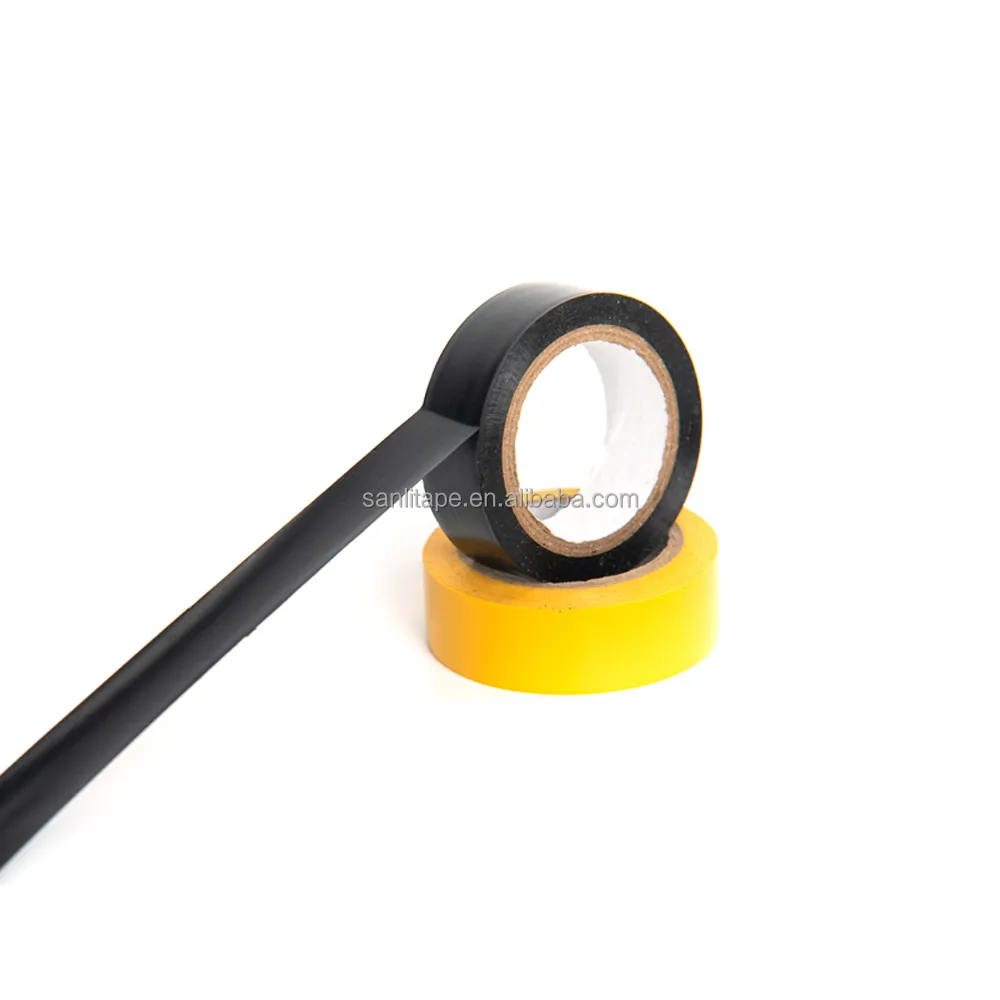 Waterproof Black Color PVC Insulation Tape Wrap Insulated Electrical Tape with High Viscosity
 -
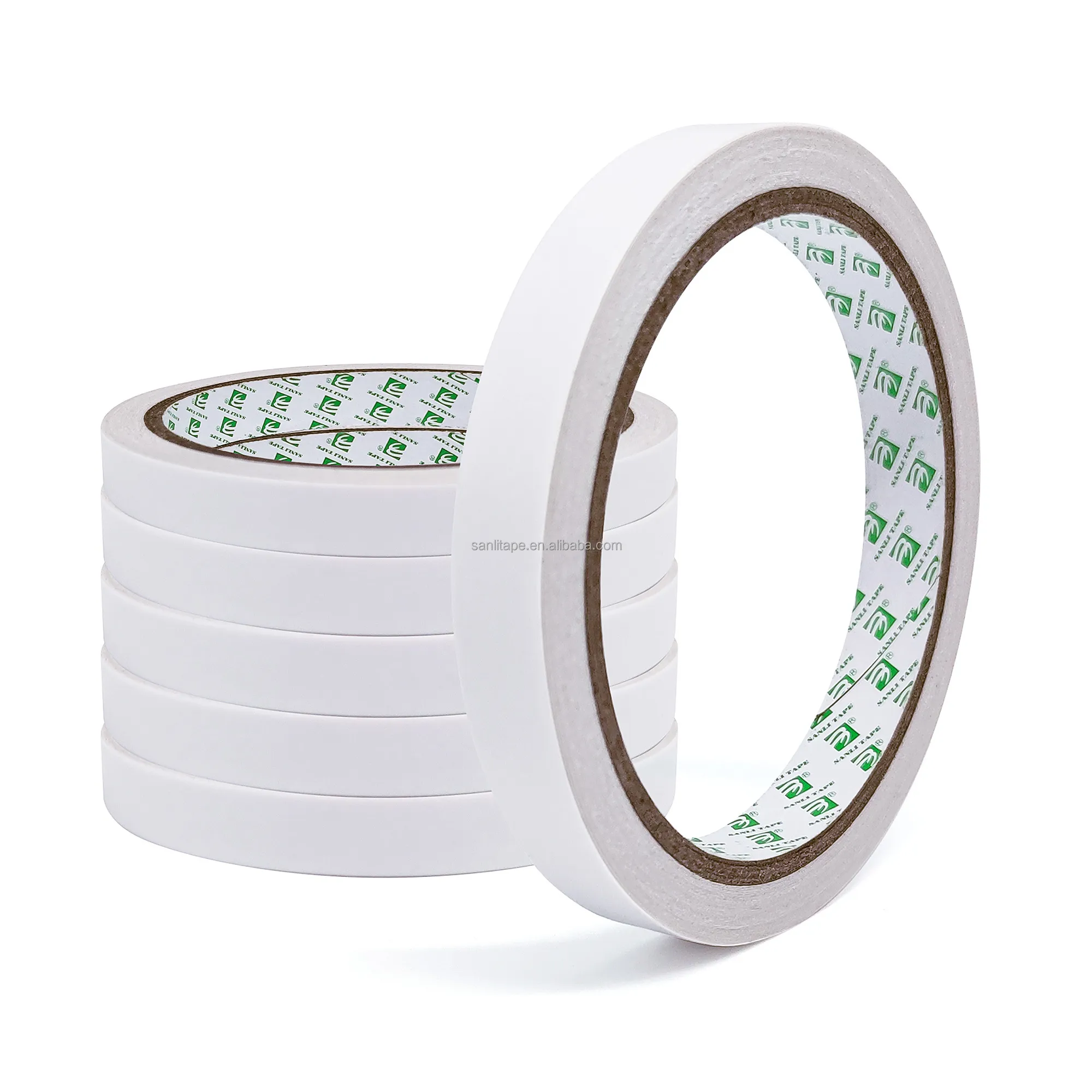 Double Sided Adhesive Tape, High Adhesive Cotton Paper Adhesive Tape, Clear Double Sided Adhesive Tape for Manual Office and Industrial Use
 -
 PVC Warning Tape Marking Warning Tape Decorative Floor Tape
 -
 Double-sided foam tape, strong adhesive, white and black EVA foam, installation, fastening, sealing, double-sided adhesive tape
 -
 Masking Tape Paint Sprayer Decoration Masking One-Way Wrinkles
 -
 Packing tape with raised tape
 -
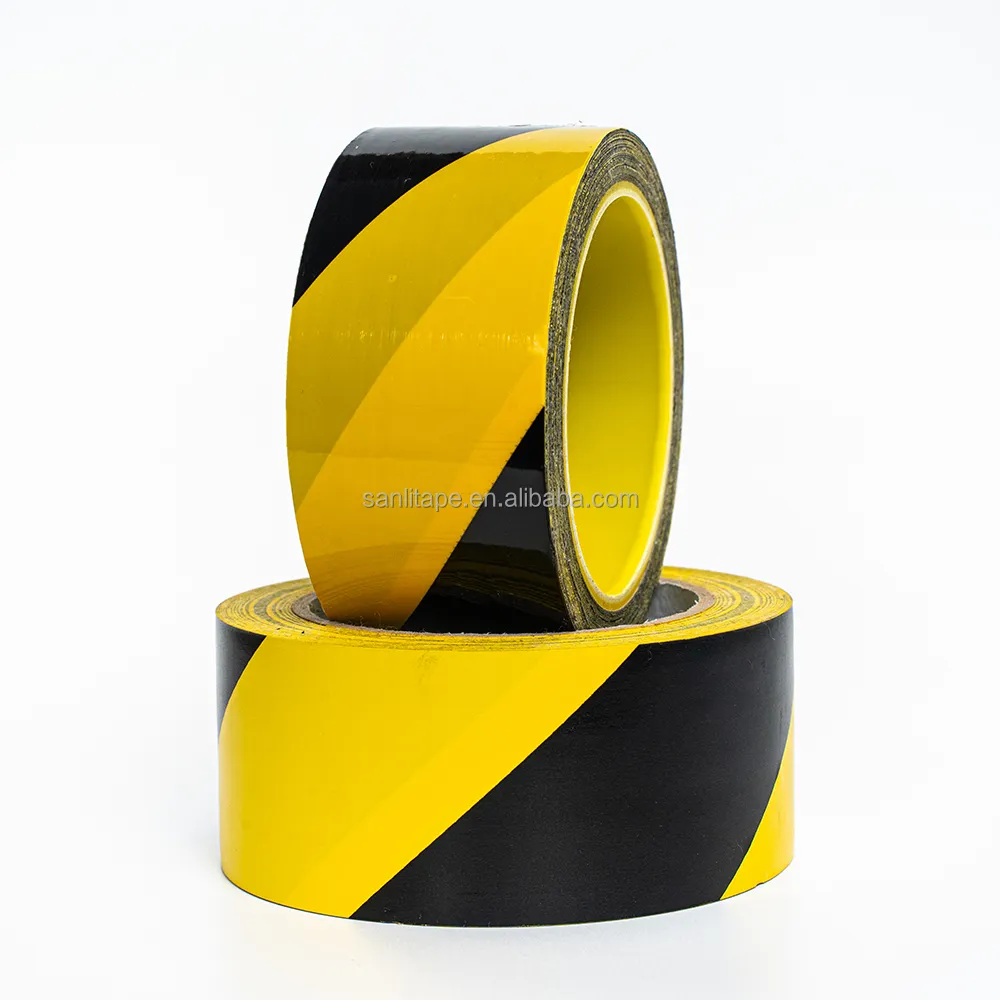 EVPEC Warning Tape for Marking PE Composite Floor Warning Tape Decorative Tape
 -
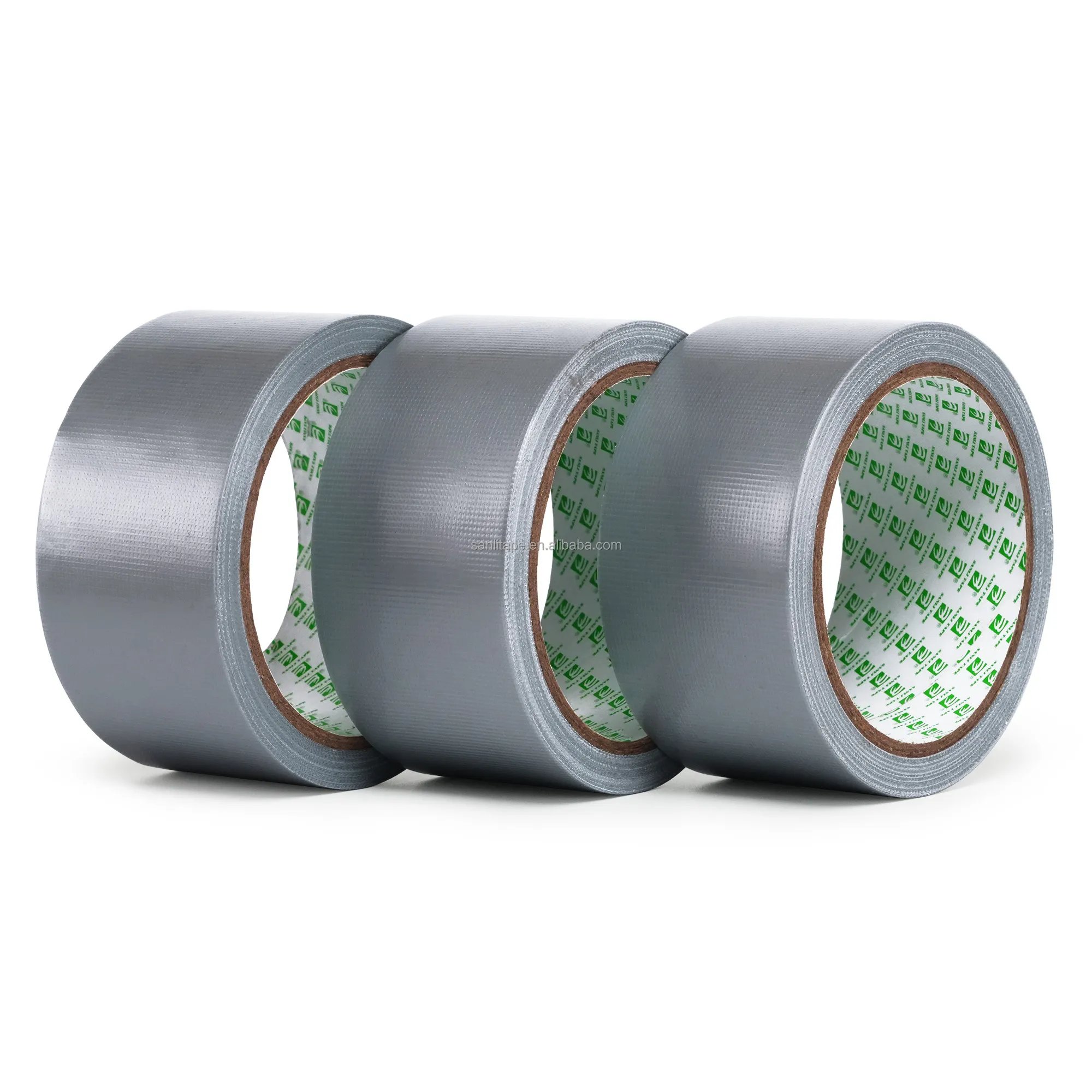 Fabric Backed Adhesive Tape Single Sided High Viscosity Hand Tearable Adhesive Tape for Carpet Fastening Decorative Tape
 -
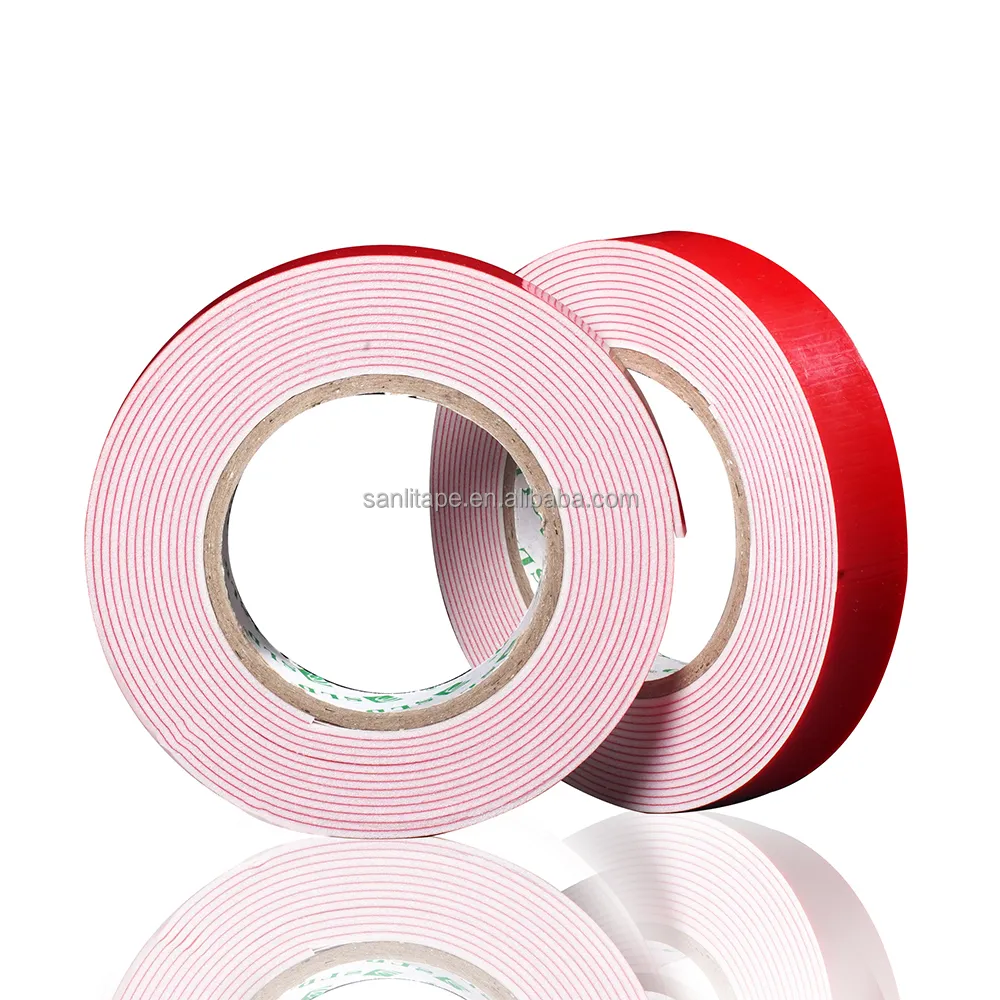 Double Sided Foam Tape High Density High Adhesion White and Black Double Sided Adhesive PE Foam Tape
 -
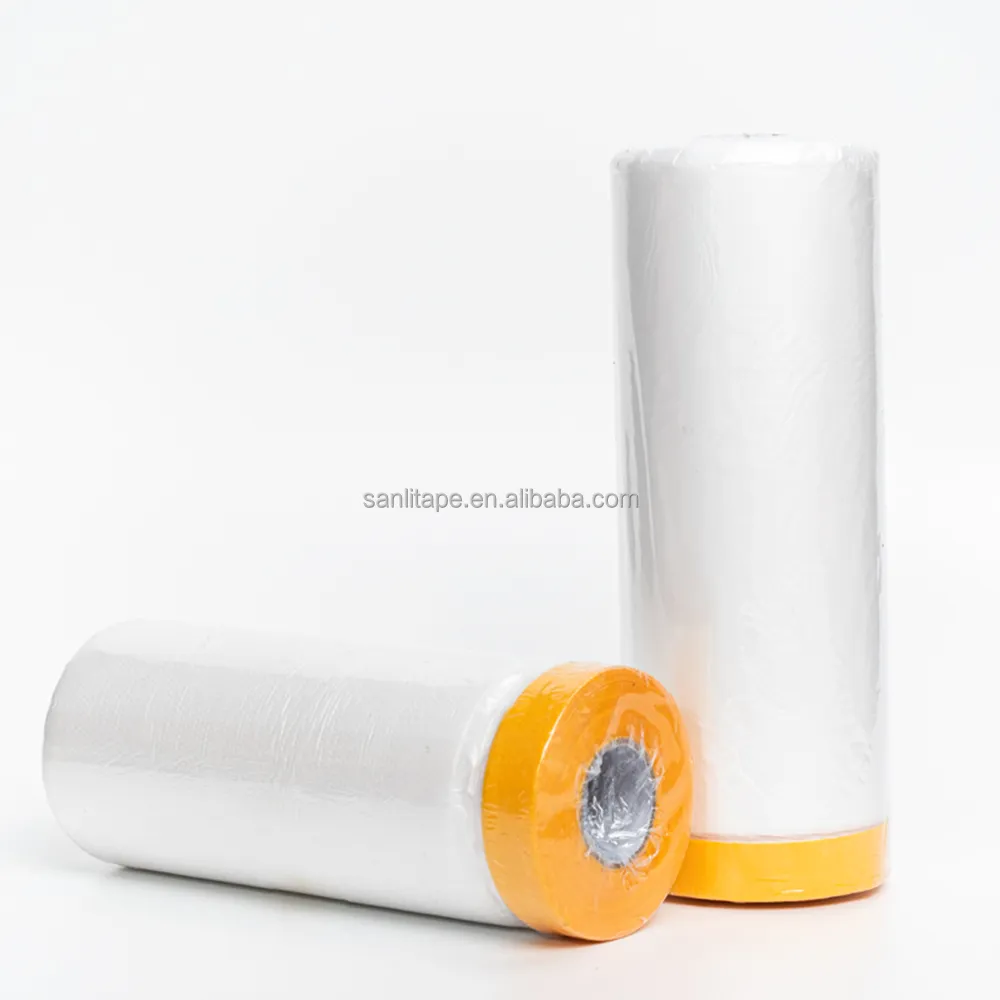 Comb Paint Covers Anti-dust Transparent Furniture Decoration Film and Paper Masking Protective Film
 -
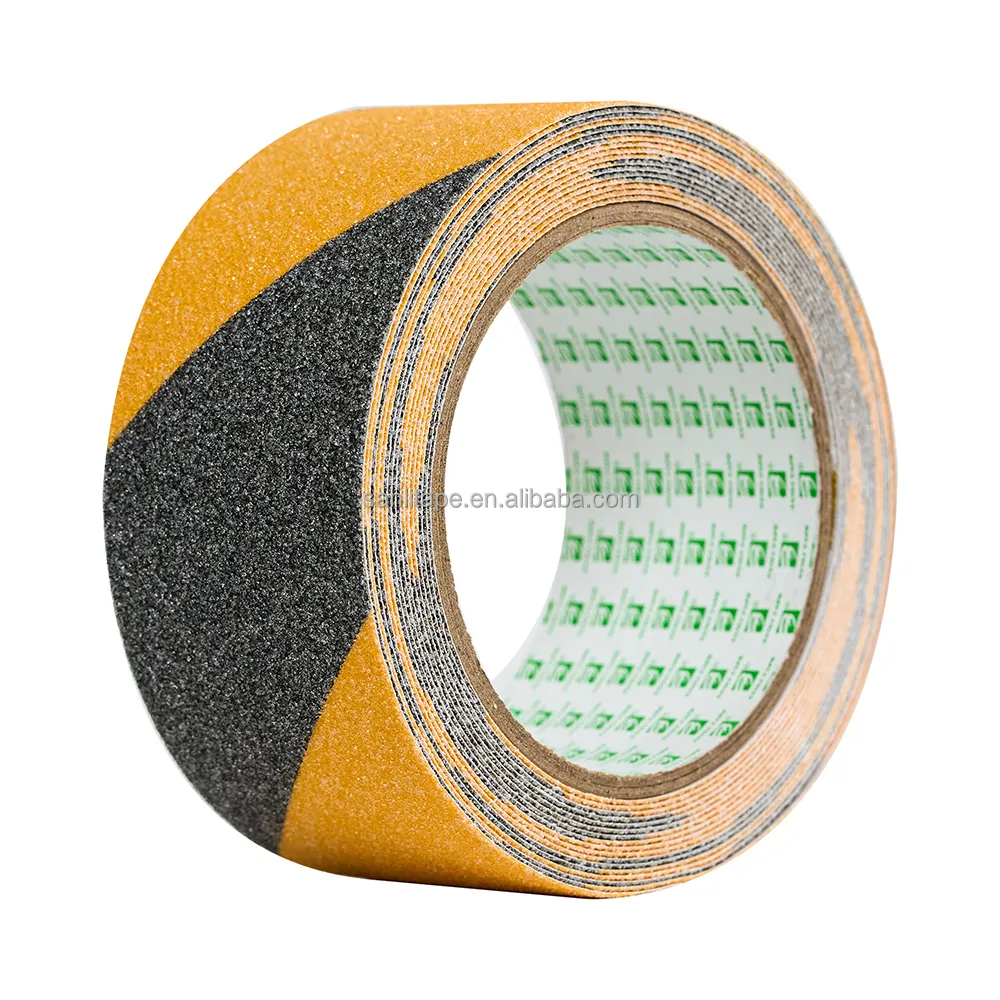 Waterproof matte anti-slip adhesive tape with strong adhesive acrylic adhesive outdoor warning anti-slip sticker wear-resistant color self-adhesive tape
 -
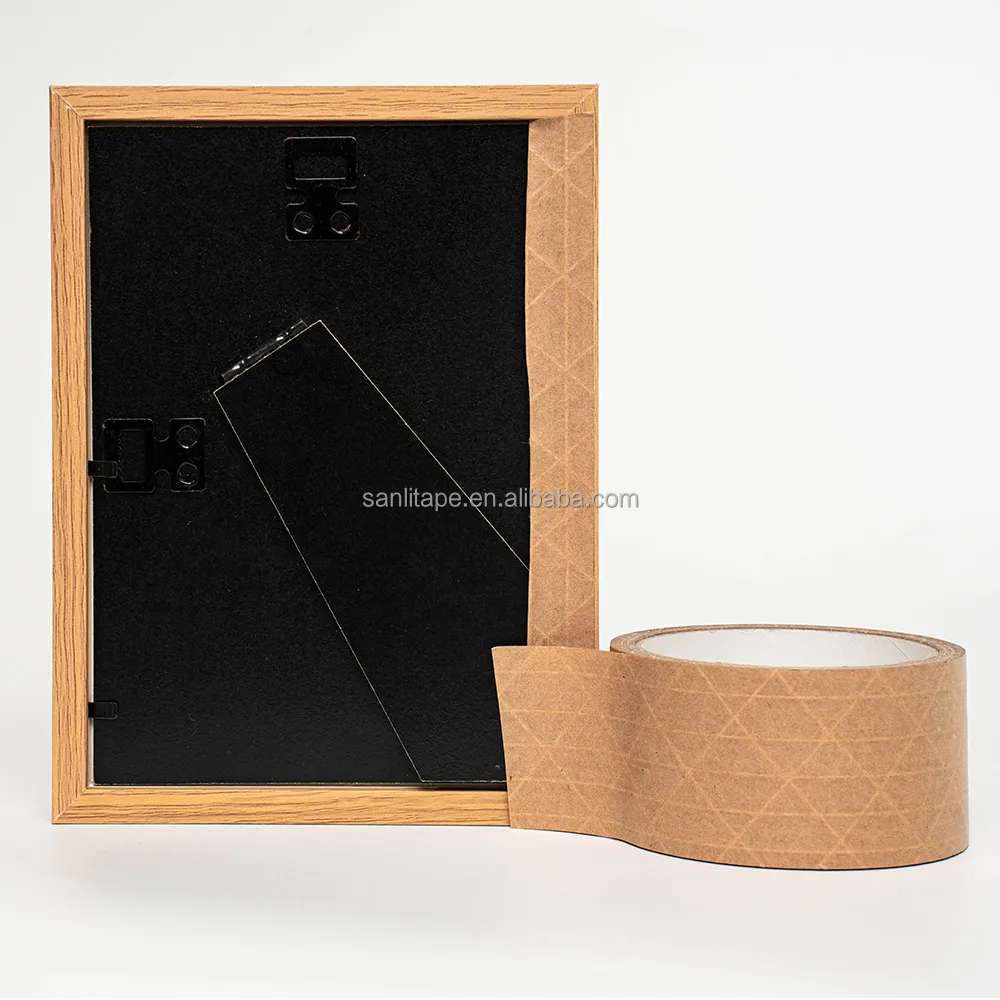 Reinforced kraft paper adhesive tape reinforced tape self-adhesive packaging tape without water content
Relatedsearch
Related Search- Double sided or double sided tape price
- Order double-sided tape 50 mm in China
- The strongest double-sided tape factories
- PVC insulation tape suppliers
- Double-sided tape narrow suppliers
- Double sided pet film tape manufacturers
- Rolled double sided tape manufacturer
- Double sided adhesive tape vhb tape 3m price
- Anti-slip tape black factories
- Order masking tape with film in China