




heat resistant double sided adhesive tape
Heat Resistant Double Sided Adhesive Tape– it would seem to be just a product. But in reality, choosing the right tape for a specific task is a whole science. Often clients come in confident that any 'heat resistant' tape will do, and that's where the problems begin. And so I thought - let's figure out what is really important, what mistakes people make and how to avoid them. This is not a theoretical review, but rather experience gained from years of working with these products. I don’t promise perfect purity, but I will try to present everything as honestly and practically as possible.
What is hidden behind the word 'heat resistant'? Let's understand the terminology
The first thing to start with is to understand that 'heat resistance' is not an absolute value. It is always limited to a certain temperature range and exposure time. Different manufacturers use different testing methods, so comparing tape performance directly may not be correct. For example, a tape that can withstand 80°C may begin to deform as early as 75°C with prolonged exposure. Here you cannot do without data from the manufacturer, preferably with confirmatory tests.
Sometimes customers confuse thermal resistance with resistance to temperature changes. This is also an important parameter, especially if the tape will be used in conditions where the temperature can change quickly. Some tapes tolerate sudden changes well, others do not. For example, a tape with high heat resistance may be sensitive to rapid cooling, which can cause cracking or peeling.
It is especially important to pay attention to the operating temperature and maximum operating temperature. These are the indicators that directly affect the durability and reliability of the connection. For example, we often encounter situations where customers select a tape based on the minimum required temperature, without taking into account possible peak loads or prolonged exposure to heat. As a result, the tape fails much faster than expected.
Types of Heat-Resistant Double-Sided Adhesive Tapes and Their Applications
There are several main typesheat-resistant double-sided adhesive tape, each of which has its own characteristics and areas of application. They differ in the type of glue, base material and, accordingly, in characteristics. For example, polycorin backing tapes generally have good heat resistance and strength, but may be less resistant to chemicals. Tapes based on a textile base are more resistant to wear and mechanical stress, but may have lower heat resistance. And, of course, there are polyester-based tapes that combine the benefits of both types of bases. Sometimes tapes with different widths and thicknesses are used, depending on the required load-bearing capacity.
In our practice, tapes with high heat resistance and UV resistance are often chosen for the automotive industry. For electronics - tapes with good dielectric properties and a low content of residual substances. In construction, tapes that can withstand prolonged exposure to sunlight and temperature changes. It is important to understand that there is no universal tape, and the choice of a specific type depends on the specific task.
Don't forget about the adhesive. It determines the adhesion of the tape to the surface. The adhesive can be based on various polymers, each of which has its own properties. For example, acrylic adhesives are well suited for bonding a variety of materials, while silicone adhesives offer increased flexibility and moisture resistance. When choosing tape, it is important to consider the type of surface to which it will adhere. Poor quality adhesive is the most common reason for tape failure.
Real problems and ways to solve them
One of the most common problems is poor surface preparation. Even the bestheat resistant double sided adhesive tapewill not be able to provide a reliable connection if the surface is not cleaned of dust, dirt and grease. Before gluing the tape, you must thoroughly clean the surface using a special degreaser or solvent. It is best to use several cleaning steps to ensure that the surface is completely free of contaminants.
Another problem is incorrect pressure when gluing. Insufficient pressure leads to poor contact of the tape with the surface, and excessive pressure leads to damage to the surface or leakage of adhesive. It is recommended to use special tape application equipment that ensures uniform pressure and temperature control. Sometimes just pressing the tape down well by hand is enough, but it is important to be careful not to damage the surface.
Another common mistake is using tape in high humidity conditions. Moisture can reduce the adhesive properties of the tape and cause it to peel off. If the tape must be used in wet conditions, it is recommended to select a tape with a water-resistant adhesive or apply an additional protective layer.
Enping Sanli Adhesive LLC: work experience and solutions
Enping Sanli Adhesiv LLC (https://www.sanlitape.ru) specializes in the production of a wide range of adhesive tapes, includingheat-resistant double-sided adhesive tapes. They have experience working with a variety of industries, from automotive to electronics. They offer both standard solutions and the ability to develop tapes according to individual customer requirements. Their production is equipped with modern equipment, which allows them to provide high quality products.
We have been cooperating with Enping Sanli Adhesive LLC for several years and can confidently recommend their products. We especially like their flexibility and willingness to meet customer requirements. They are always ready to provide technical advice and help in choosing the optimal solution.
Sometimes, if very high heat resistance is required, it is necessary to resort to multi-layer solutions, where several layers of tape with different characteristics are combined to achieve an optimal result. This, of course, increases the cost, but in some cases it is a justifiable choice. Ultimately the choiceheat-resistant double-sided adhesive tapeis a trade-off between cost, performance and reliability. And it is important to find the balance that suits you.
Correspondingproducts
Related Products
Best Sellingproducts
Best Selling Products-
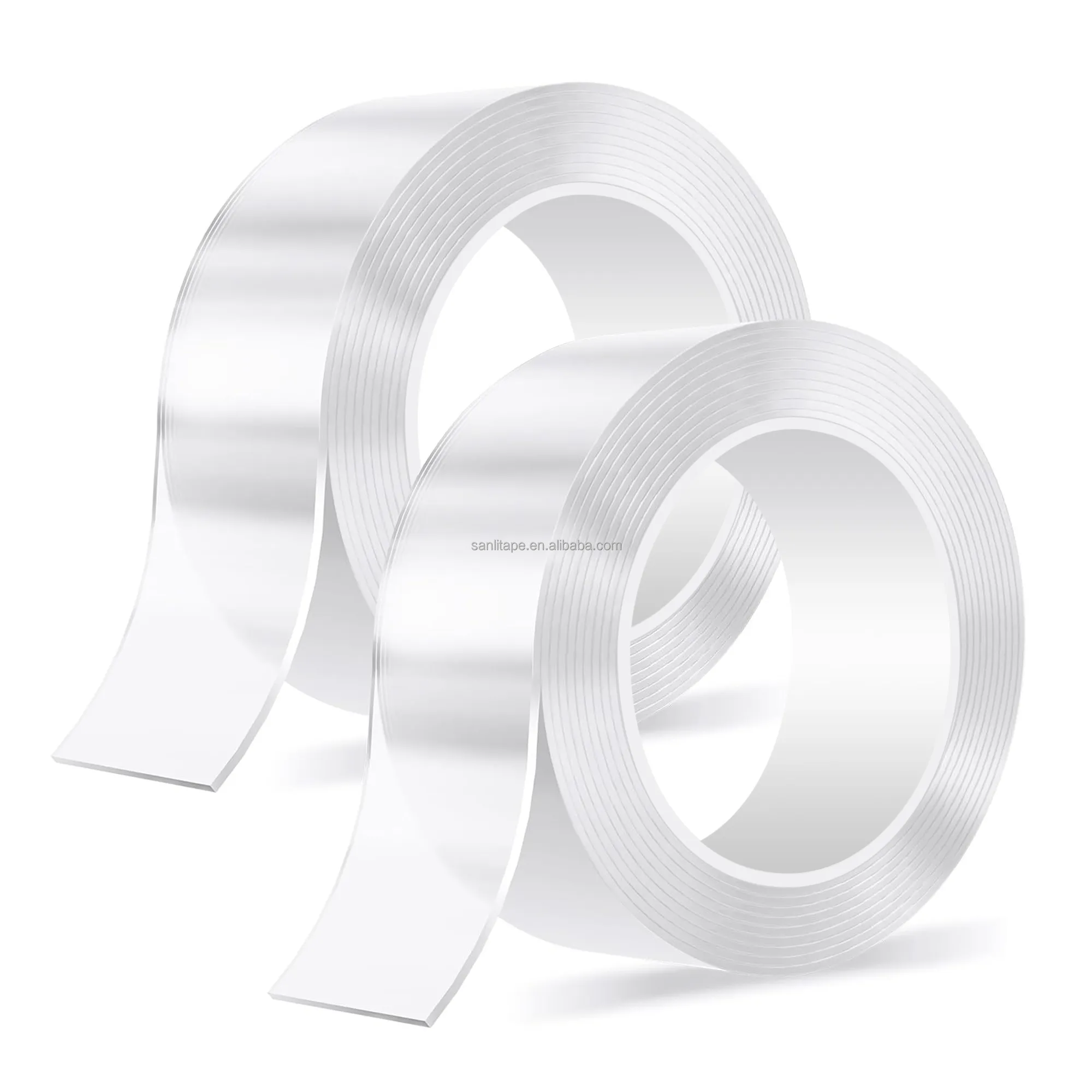 High Transparent Nano Tape, High Viscosity, High Water Resistance, Trace Free Fixation, Acrylic Double Sided Tape
 -
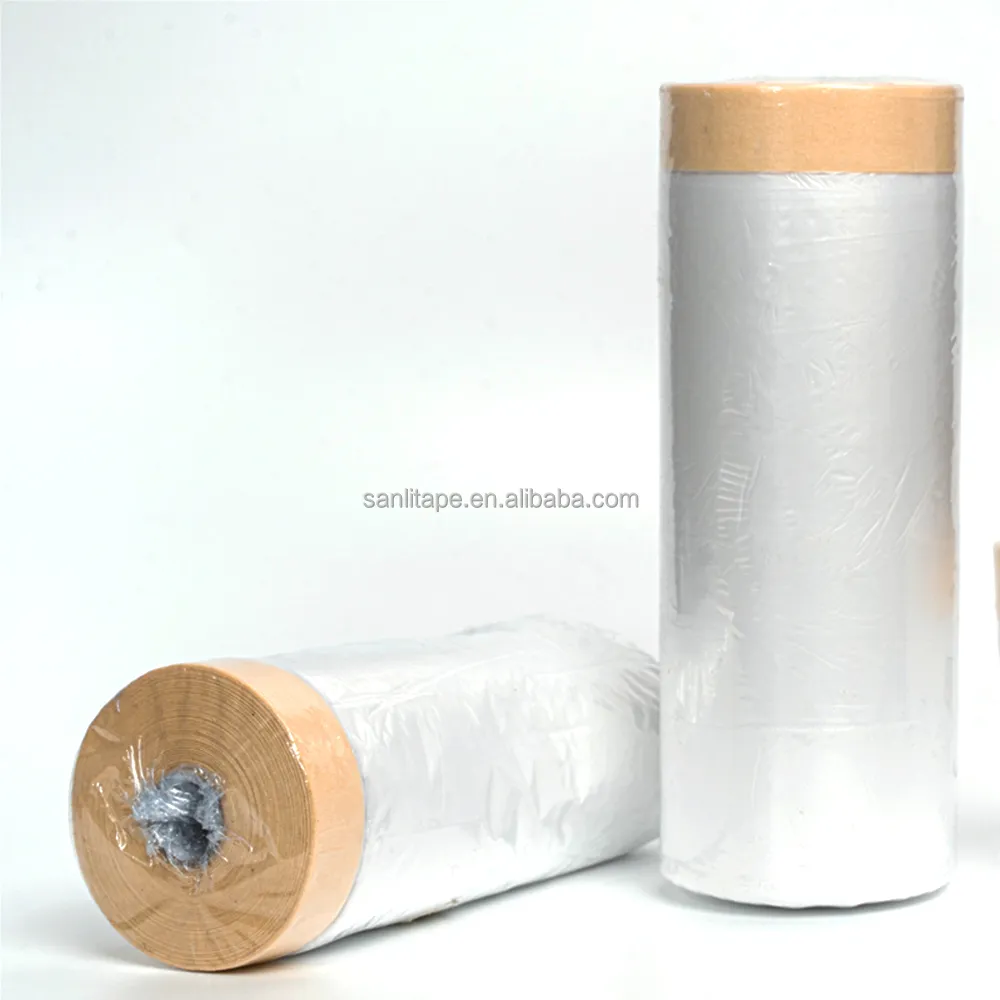 Paint Spray Anti Dust Film Clear Furniture Decoration Film Masking Tape Masking Tape Protective Film
 -
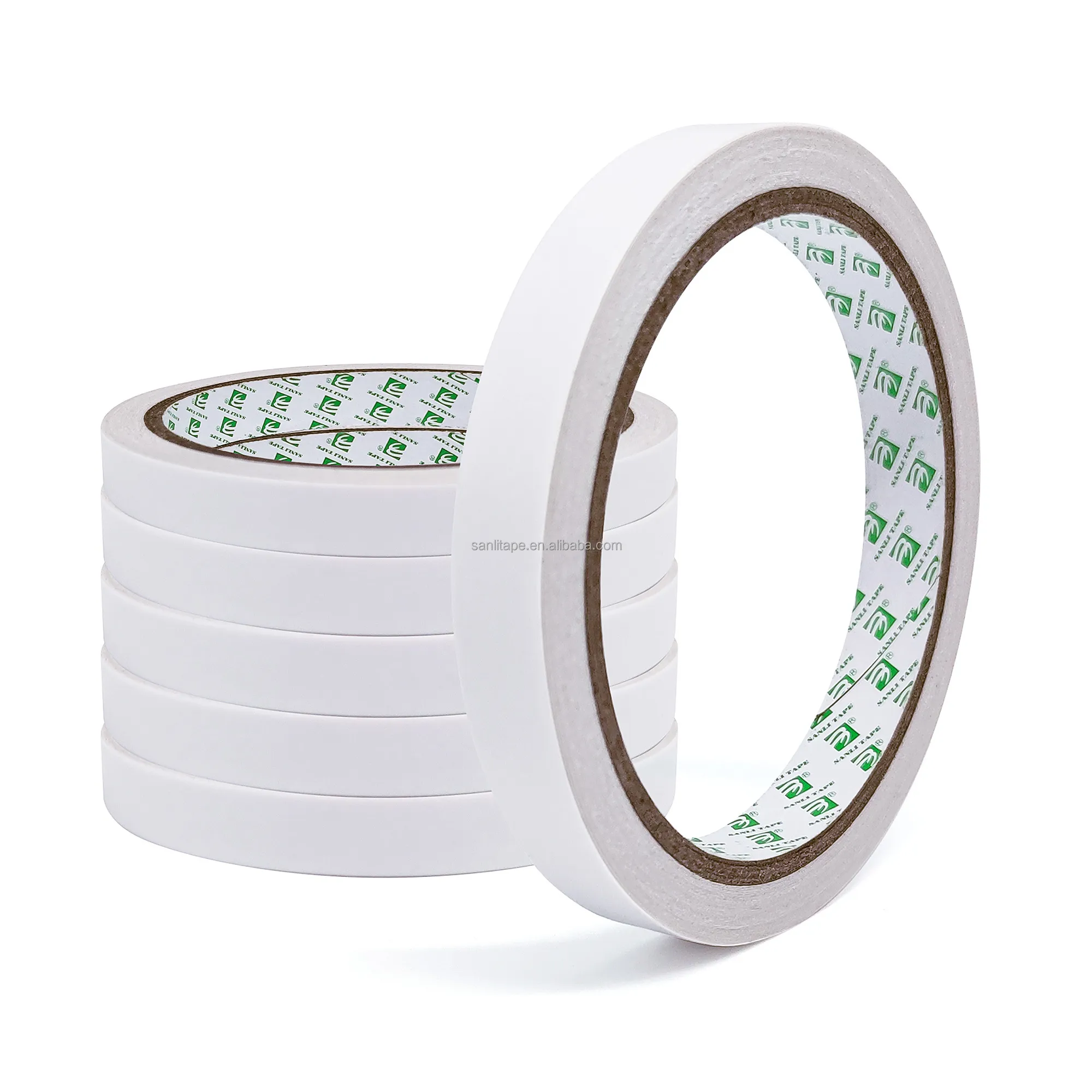 Double Sided Adhesive Tape, High Adhesive Cotton Paper Adhesive Tape, Clear Double Sided Adhesive Tape for Manual Office and Industrial Use
 -
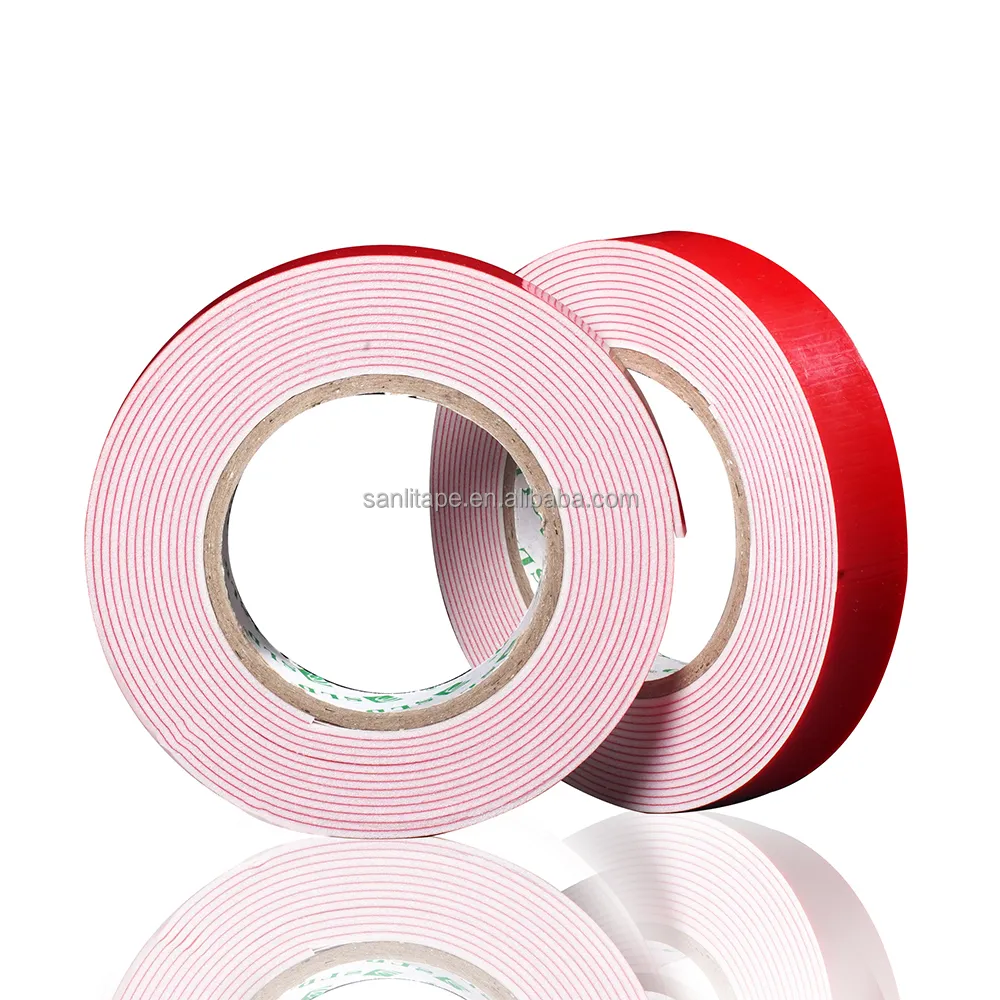 Double Sided Foam Tape High Density High Adhesion White and Black Double Sided Adhesive PE Foam Tape
 -
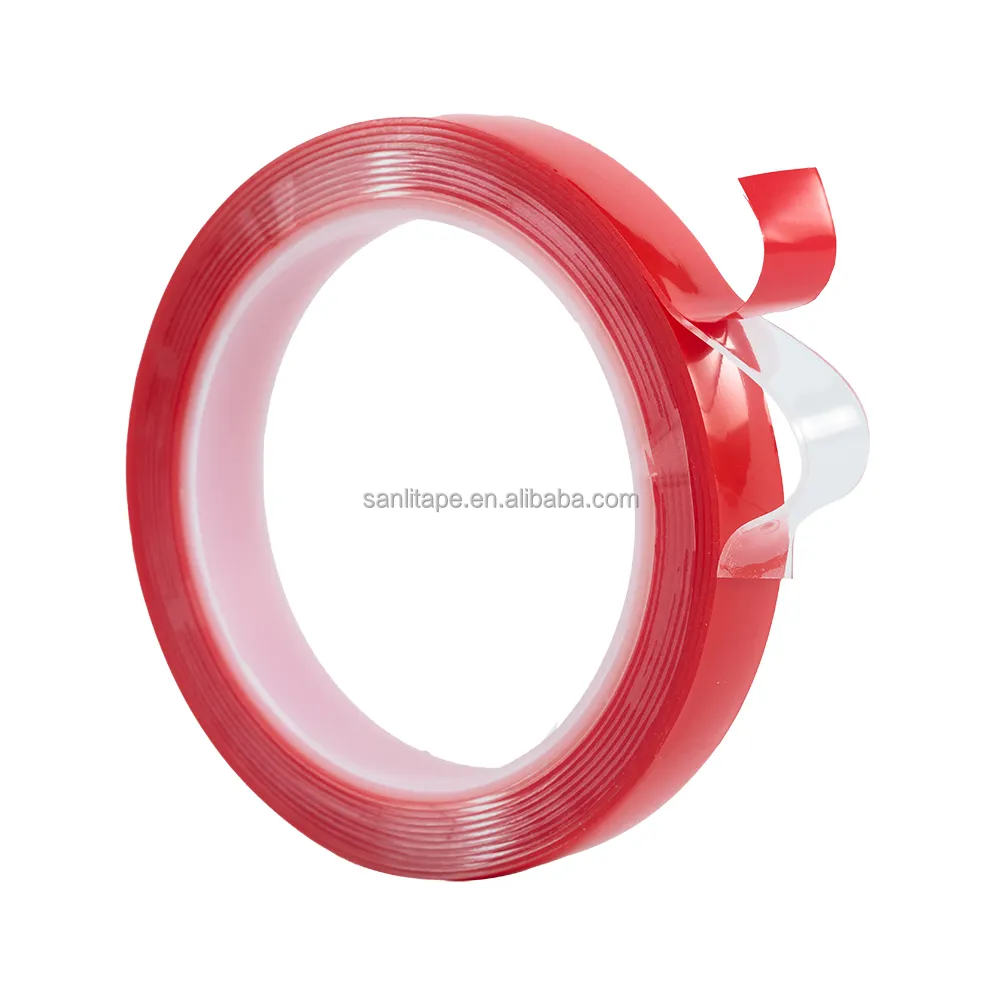 Heavy Duty Double Sided Adhesive Tape Waterproof Acrylic Foam Tape Gray Clear White
 -
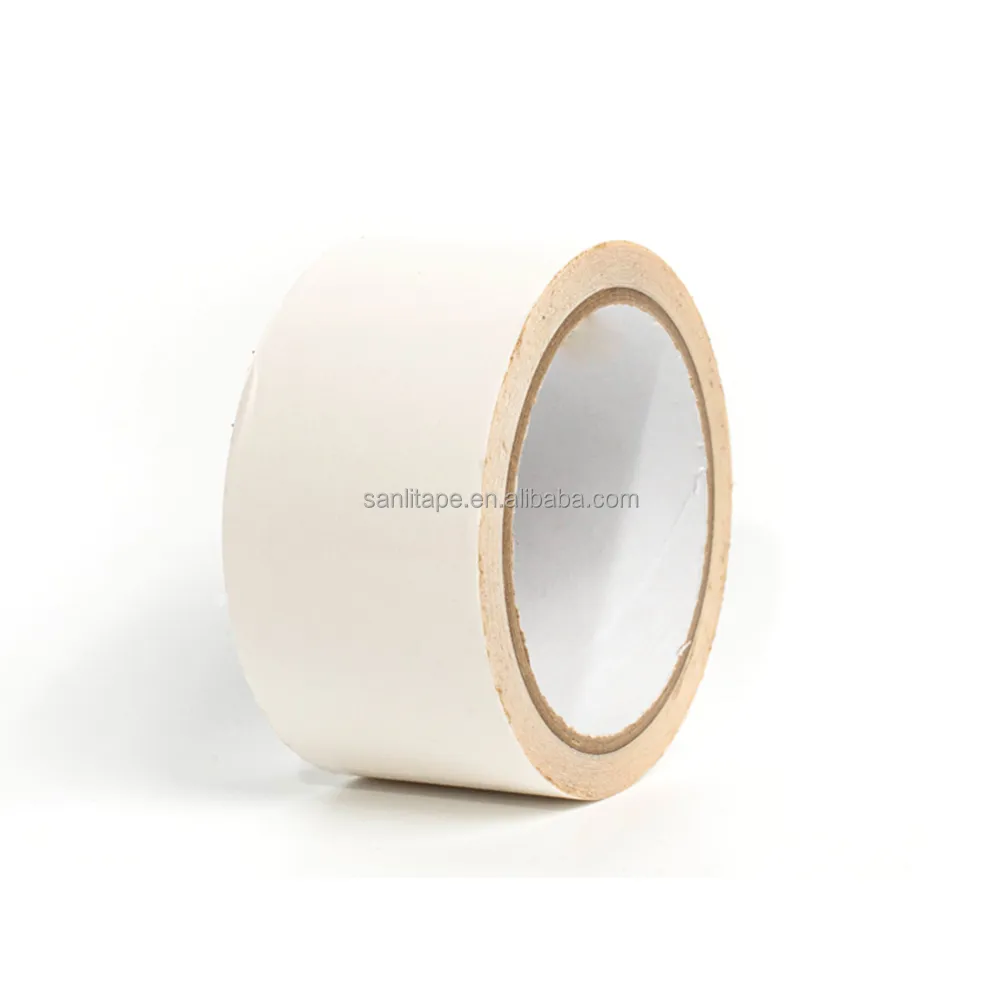 Immortal double-sided tape hardware equipment decorative parts with high insurance transparent tape
 -
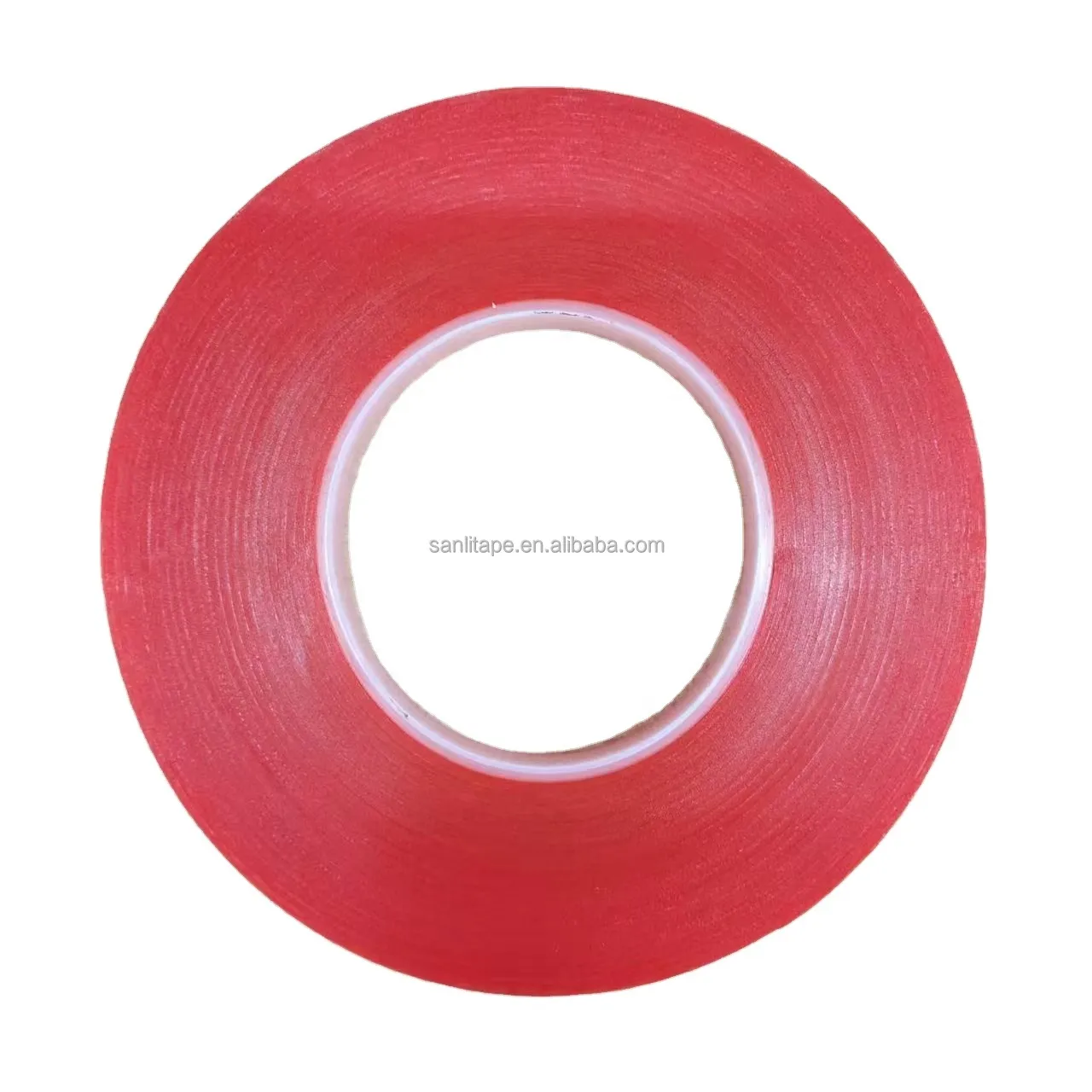 Red Film Durable Ultra Clear Double Sided Polyester Tape with High Temperature Acrylic Adhesive Double Sided PET Tape
 -
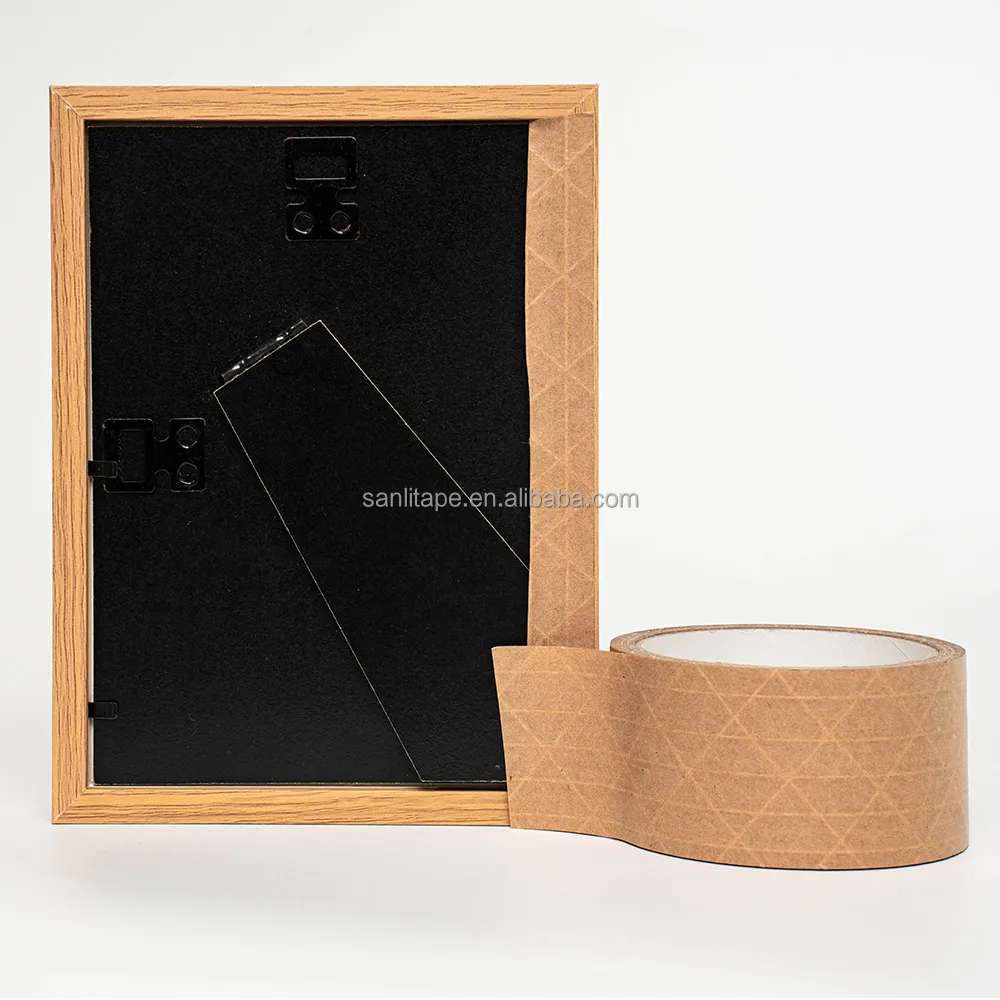 Reinforced kraft paper adhesive tape reinforced tape self-adhesive packaging tape without water content
 -
 High-temperature masking adhesive masking tape for decorative car painting, high viscosity, easy to tear without leaving marks, single-sided, wrinkle-free
 -
 Masking Tape Paint Sprayer Decoration Masking One-Way Wrinkles
 -
 Anti-adhesive coated PE film used for printing on double-sided adhesive foam tape insulation film
 -
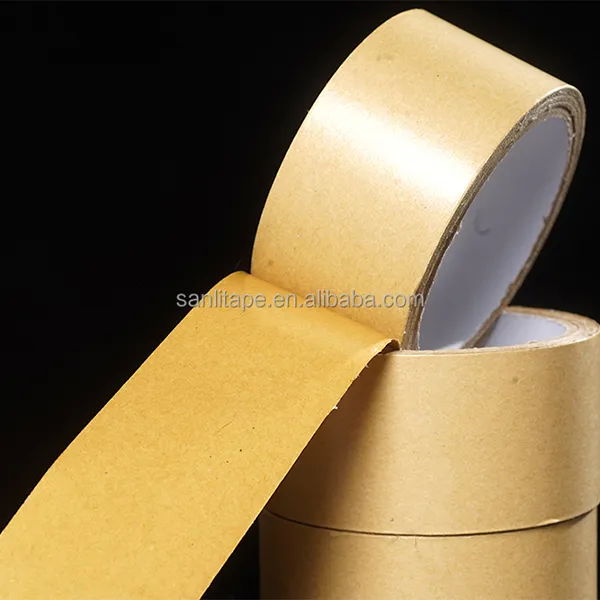 High Viscosity Kraft Paper Adhesive Tape Hand Tear Off Masking Sealing Packing Tape
Relatedsearch
Related Search- Double-sided mounting tape manufacturers
- Order double-sided tape 5m in China
- Order foam adhesive tapes in China
- fabric adhesive tape 50 m
- Double-sided tape transparent thin suppliers
- Double sided tape thickness manufacturer
- Order adhesive tape 5 in China
- Adhesive double-sided nano tape main buyer
- Double sided white tape suppliers
- Order automotive double-sided tape in China