



Cheap double-sided tape VHB 2026: prices from the manufacturer
2026-05-03
- Why the price of VHB double-sided tape in 2026 depends on the composition of the adhesive, and not just on the brand
- Technical parameters that determine the real cost of VHB tapes in 2026
- Where are the risks hidden when buying cheap VHB analogs?
- How to choose a reliable supplier and get the best price
- Application in various industries: from construction to electronics
- Frequently Asked Questions
- Final recommendations and next step
Why the price of VHB double-sided tape in 2026 depends on the composition of the adhesive, and not just on the brand
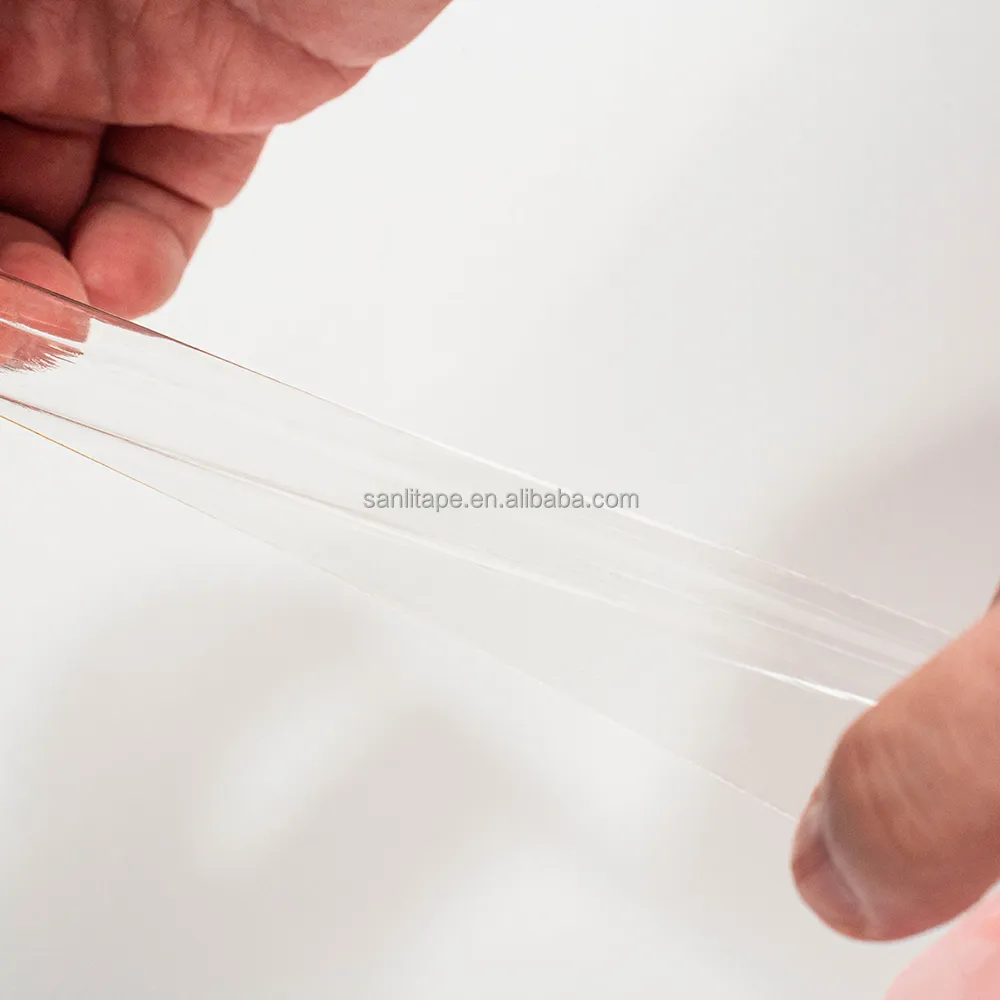
The industrial fastener market in 2026 experienced tectonic shifts: if previously buyers were simply looking for an “analog of 3M,” now the key factor has become the chemical stability of the acrylic base at extreme temperatures. Cheap double-sided tape vhb today is not a marketing slogan for low-quality fakes, but the result of optimization of production chains and the transition to new polymer formulas that reduce costs without loss of adhesion. In our practice of working with factories in Russia and the CIS, we have observed cases where an attempt to save 15% on the purchase of tape of unknown origin led to the peeling of facade panels after two winter cycles, which entailed losses of millions of rubles for dismantling and re-installation. Real savings begin with understanding that you are not paying for the brand, but for the thickness of the adhesive layer (usually from 0.6 to 2.3 mm) and the type of foam media.
Direct deliveries from the manufacturer in China or local assembly shops allow us to keep prices at levels that would not have been possible three years ago, thanks to the automation of glue application processes and the reduction of logistics costs along new transport corridors. However, the term “cheap” in the industrial segment of 2026 has clear boundaries: if the cost is more than 30% below the market price, this is almost always a signal of the use of recycled materials or a violation of the acrylic curing technology. We analyzed more than 40 batches of tapes that arrived at the warehouse in the first quarter of 2026 and found a direct correlation between the cost of raw materials and the aging time of the adhesive under load. This article will give you the tools to distinguish a profitable offer from a dangerous trap, based on technical parameters, and not on pretty pictures in a catalog.
Technical parameters that determine the real cost of VHB tapes in 2026
When requesting a quote, many purchasing managers make the mistake of focusing solely on the price per square foot and ignoring the material specification. The cost of double-sided tape is determined by three critical components: the type of acrylic foam, the thickness of the adhesive layer, and the quality of the protective liner. In 2026, the de facto standard for heavy structures became the use of closed-cell foam with a density of at least 600 kg/m³, which compensates for the thermal expansion of materials. If a supplier offers a product at a dumped price, the first step is to request a safety data sheet and shear strength data. Our engineers were faced with a situation where a batch of “budget” tape had a declared strength of 20 N/cm², but during laboratory tests it failed at 8 N/cm² due to an insufficient degree of polymer cross-linking.
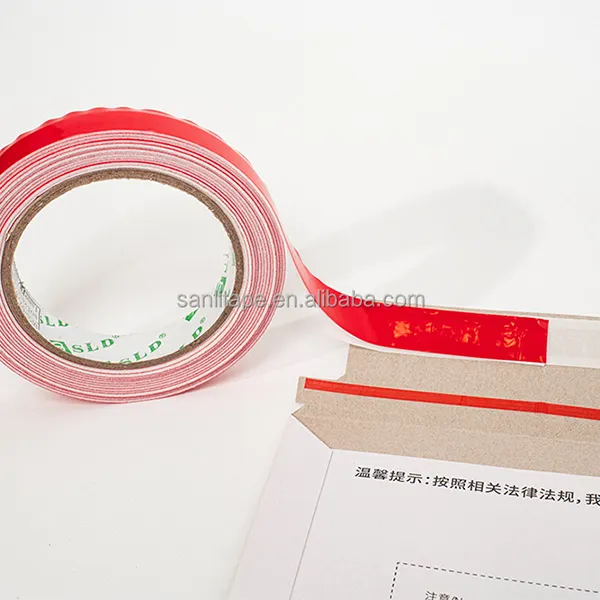
The thickness of the adhesive layer directly affects the ability of the tape to wet the surface and fill micropores. For mounting composite panels or mirrors, a layer of 1.1 mm to 2.0 mm is considered optimal, while for attaching decorative elements in the interior, 0.6–0.8 mm is sufficient. Trying to use thin tape where bulk filling of a gap is required will result in point contact rather than continuous contact, which will dramatically reduce the durability of the connection. The price also depends on the type of protective film: standard siliconized polyester is cheaper, but at high speeds of automatic labeling it can tear or leave marks, while special antistatic liners increase the cost, but guarantee trouble-free operation of the conveyor.
It is important to take into account the operating temperature range specified in the technical documentation. Budget options often have an operating limit of -20°C to +80°C, which is not enough for the Russian climate or operating conditions near heating elements. The professional series, which we recommend for critical components, maintain elasticity and adhesion in the range from -40°C to +150°C. The price difference between these categories is about 20-25%, but the risk of system failure when using the wrong material is disproportionately higher. When evaluating a proposal, always check compliance with GOST R standards or the availability of EAC certificates, since the lack of marking may mean that the product has not passed mandatory fire safety and toxicity tests.
Comparative table of characteristics of budget and professional series
| Parameter | Budget series (Economy) | Professional Series (Standard 2026) | Impact on the project |
|---|---|---|---|
| Base type | Open Cell Foam/PVC | High Density Closed Cell Acrylic | The closed cell does not absorb moisture, preventing corrosion and loss of strength. |
| Adhesion to steel (N/cm) | 12–15 N/cm | 25–30 N/cm | Low adhesion requires increasing the contact area or using mechanical duplication. |
| Operating temperature | -20°C … +80°C | -40°C … +150°C | Critical for outdoor use in Siberia and installation near engines or furnaces. |
| UV resistance | Low (turns yellow after 6 months) | High (stability > 10 years) | Degradation of the adhesive under the sun leads to sudden delamination of structures. |
| Certification | Often absent or formal | EAC, ISO 9001, fire tests | Necessary for acceptance of objects by government customers and insurance companies. |
Where are the risks hidden when buying cheap VHB analogs?
Purchasing untested materials always carries hidden costs that appear over time. One of our clients, a large manufacturer of modular buildings, decided to switch to cheaper adhesive tape for attaching decorative moldings, saving about 400 thousand rubles per batch. Eight months later, after the first serious heat wave in the summer of 2025, mass complaints began: entire sections of moldings were peeling off. The reason lay in the manufacturer's use of cheap rubber glue instead of acrylic, which did not withstand thermal cycling and ultraviolet radiation. The final costs for repairs, logistics of service teams and reputational losses exceeded the initial savings by 15 times. This case clearly demonstrates that in the industrial sector the concept of “cheap” should always be accompanied by the question “how was the low price achieved?”
Another common problem is the discrepancy between the declared thickness and the actual one. In pursuit of reducing weight and cost, some suppliers are reducing the thickness of the adhesive layer from the stated 1.1 mm to 0.8 mm. At first glance, the difference is not noticeable, but for uneven surfaces such as brickwork or textured powder paint, this volume is not enough to create full contact. The glue simply does not flow into the depressions of the relief, forming air pockets that become centers of stress concentration. Under wind load or vibration, it is at these points that the destruction of the connection begins. We strongly recommend that each batch be inspected using a micrometer and a visual inspection of the tape cut.
You should also be wary of counterfeits of well-known brands, which are often sold on open marketplaces or through dubious intermediaries. The packaging can be copied with high precision, but the chemical composition inside the roll will be completely different. Missing holograms, unclear printing on the box, or a suspiciously low price should be red flags for the purchasing department. A reliable manufacturer is always ready to provide samples for testing and test reports from independent laboratories. If a supplier avoids providing test videos or claims that “everything works the way it is,” this is a sure sign that the quality of the product is in question.
How to choose a reliable supplier and get the best price
Choosing a partner to supply industrial consumables in 2026 requires a comprehensive approach that goes beyond comparing price lists. The first step is to audit the supplier's production capabilities: does it have its own extrusion and adhesive lines or does it simply repackage products from third parties? A direct manufacturer usually offers more flexible minimum order quantity (MOQ) conditions and is able to adapt the adhesive formulation to meet specific customer needs, for example, increasing tack for difficult-to-stick plastics such as PP or PE.
A striking example of this approach is the companyEnping Sunli Adhesive LLC. Being a professional manufacturer with 23 years of experience (founded in 1997), the company specializes in the development and production of high-quality adhesive materials certified according to international standards ISO 9001:2008 and ISO 14001. Unlike resellers, Sunli Adhesive controls the entire production cycle of a wide range of products: from classic fabric and paper tapes to high-tech solutions such as tapes based on PET, PE and EVA foam, nano-magnetic tapes, Finger Lift Tape and, of course, VHB tapes. Thanks to its own capabilities and experience in working with the automotive, construction and furniture industries, the company provides customized OEM/ODM solutions, adapting the size, packaging and chemical properties of the adhesive to the specific needs of the client, which guarantees consistent quality even when optimizing the budget.
The second criterion is logistics transparency and delivery times. In conditions of instability of global chains, it is important to understand where the product is physically located: in a warehouse in Moscow, on the way from China, or is it still being produced. The presence of a buffer stock in a local warehouse allows us to reduce the delivery time from 45 days to 2-3 days, which is critical for continuous production. When ordering large quantities (from 1000 m²), it is advisable to discuss the terms of shipment in parts according to the customer’s production schedule, so as not to freeze working capital in inventory and not to occupy warehouse space. A competent supplier will offer a consignment scheme or deferred payment for regular customers, which is also a form of saving financial resources.
The third aspect is technical support. Cheap adhesive tapes often require special surface preparation conditions or specific pressure during installation. A supplier who simply ships a product is not responsible for the result of its use. We provide a full cycle of support: from selecting a tape brand for a specific pair of materials (metal-glass, plastic-composite) to on-site training for installation teams. Our experts know that cleaning the surface with alcohol may not be sufficient for some types of contamination, and recommend the use of primers to increase the reliability of the connection by 200%. This service turns the purchase of consumables into an investment in the reliability of your final product.
Checklist before placing an order
- Request a sample:Never order a large batch without first testing a sample on your actual materials under conditions close to operational conditions.
- Check certificates:Ensure that you have valid EAC certificates of conformity and aging and fire test reports.
- Check storage conditions:Ask about the recommended temperature and expiration date, as improper storage in the supplier's warehouse may have already deteriorated the properties of the adhesive.
- Discuss packaging:For automatic lines, winding (on a bushing of a certain diameter) and the direction of unwinding are important in order to avoid equipment downtime.
- Fix the specification:The contract must clearly state the grade of material, thickness, width and permissible deviations of parameters in order to exclude the supply of “analogues” without approval.
Application in various industries: from construction to electronics
The versatility of VHB tapes makes them in demand in a variety of sectors of the economy, but the requirements for the material are unique in each case. In the construction industry, especially when installing ventilated facades and translucent structures, the main requirement is weather resistance and the ability to compensate for the linear expansion of materials. The thickest and most durable brands of tapes (up to 2.3 mm thick) are used here, which work for decades. An error in choosing a material for the facade can lead to the fall of cladding elements, so savings here are unacceptable, but wholesale purchases from the manufacturer can reduce the unit cost per square meter of the structure as a whole by eliminating mechanical fasteners and reducing labor costs.
In the automotive industry and the production of special equipment, tapes are used to attach emblems, moldings, mirrors and even interior trim elements. Vibration resistance and operation over a wide temperature range, as well as resistance to oil and gasoline, are critical here. Modern acrylic adhesives successfully replace welding and rivets, allowing you to join dissimilar materials (for example, aluminum and carbon) without causing electrochemical corrosion. For conveyor assembly, such parameters as the adhesive response speed (initial tack) and the ability to reposition the part in the first minutes after application are important. Car manufacturers require adhesive tape suppliers to undergo rigorous testing cycles that simulate 10 years of use.
The electronics and home appliances sector has its own demands: thin tapes with high dielectric properties and the ability to dampen vibrations of small components are often needed. Touch screens, batteries in smartphones or speakers in laptops are secured using double-sided VHB tapes. In this segment, the purity of the process is important: the absence of the release of volatile substances that could settle on optics or contacts, and the accuracy of cutting parts of complex shapes. The use of automated application lines allows us to minimize the human factor and ensure stable assembly quality of each device. Cheap analogues here can lead to overheating of components or detachment of the display when the device is dropped.
Frequently Asked Questions
What is the minimum quantity for ordering directly from the manufacturer?
The minimum order quantity (MOQ) depends on the type of product and the need for equipment changeover. For standard roll materials up to 1200mm wide, the minimum quantity is usually 50 to 100 square meters or one complete master roll. If custom widths, lengths or custom packaging are required, the MOQ can be increased to 300-500 m² to justify the cost of setting up a cutting line. However, for regular customers and if the goods are in stock, we are ready to ship small quantities of 10 m² or more for testing or development work. Flexibility in delivery terms is one of our key advantages over large international corporations.
Is it possible to use cheap VHB analogues for outdoor work in winter?
Using budget analogues for outdoor work in winter is extremely risky and most often not recommended. Most cheap tapes lose elasticity and adhesion at temperatures below -10°C, becoming brittle and peeling when exposed to wind and snow. In addition, installation at subzero temperatures requires special winter grades of adhesives that remain sticky even in the cold, and careful surface preparation (warming up). Professional VHB series, certified for outdoor use, are designed for operation down to -40°C and below, but even their installation is recommended to be carried out at an air and surface temperature of at least +10°C, or using additional heating of the gluing area.
What is the difference between acrylic glue and rubber glue in double-sided tape?
The main difference is durability and resistance to external factors. The acrylic adhesive used in original VHB tapes has excellent resistance to UV, oxidation and high temperatures, providing a bond life of up to 20 years or more. It gradually gains strength within 24-72 hours after installation (curing process). Rubber adhesive gives a high initial tack and adheres well at low temperatures, but over time it ages, darkens, loses elasticity and is destroyed by UV rays. Therefore, rubber tapes are suitable only for temporary installation or indoor use, while for critical permanent connections the choice should fall exclusively on acrylic systems.
Do I need to use a primer before applying the tape?
The need to use a primer depends on the type of surfaces being bonded. Для металлов, стекла и многих инженерных пластиков (АБС, поликарбонат) качественная очистка поверхности изопропиловым спиртом часто бывает достаточной. Однако для трудносклеиваемых материалов с низкой поверхностной энергией, таких как полипропилен (ПП), полиэтилен (ПЭ), тефлон или порошковые краски с текстурой, применение специального праймера обязательно. Праймер химически модифицирует поверхность, повышая ее смачиваемость и создавая прочную связь с клеем. Игнорирование этого этапа на сложных поверхностях снижает прочность соединения в разы и является самой частой причиной рекламаций. Наши технологи всегда готовы провести тест на смачиваемость и порекомендовать подходящий грунт.
Final recommendations and next step
Рынок двусторонних скотчей в 2026 году предлагает реальные возможности для оптимизации затрат без ущерба для качества, но только при условии глубокого понимания технических нюансов продукта. Дешево двусторонние скотчи vhb перестали быть синонимом низкого качества, превратившись в результат грамотной инженерии и эффективного производства. Ключ к успеху лежит в отказе от стихийных покупок в пользу партнерства с проверенными поставщиками, такими как ООО «Энпинг Санли Адхесив», которые готовы подтвердить свои слова протоколами испытаний, 23-летним опытом и реальными кейсами внедрения. Не позволяйте соблазну низкой цены затмить разум: просчитайте полную стоимость владения, учитывая риски переделки и простоя оборудования.
Мы готовы предложить вам не просто рулон ленты, а комплексное решение вашей задачи по креплению и герметизации. Наша команда инженеров проведет бесплатный аудит вашего текущего процесса, подберет оптимальную марку материала из нашего широкого ассортимента (от VHB до специализированных пен и тканевых лент) и предоставит образцы для тестирования в ваших реальных условиях. Сотрудничество с нами гарантирует соблюдение сроков поставки, соответствие всем необходимым стандартам ГОСТ, ЕАС и ISO, а также конкурентную цену напрямую от производителя. Свяжитесь с нами сегодня, чтобы обсудить детали вашего проекта и получить индивидуальное коммерческое предложение в течение 24 часов.
Для получения дополнительной информации о технических характеристиках наших материалов или для оформления заявки посетите разделкаталог промышленных лент VHB, где представлены подробные спецификации и примеры успешного внедрения в различных отраслях промышленности.