



Cheap kraft paper tape with increased wet strength 2026: prices from the factory
2026-05-06
- Cheap kraft paper tape with increased wet strength: why the price is falling and demands are rising in 2026
- Technical characteristics: what is hidden behind the term “increased strength”
- Comparative analysis: factory production versus intermediaries and artisanal workshops
- Experience of a market leader: how 23 years of expertise guarantee quality
- Pricing Factors in 2026: How to Get the Best Value
- Application in extreme conditions: real cases and solutions
- Риски при закупке и как их избежать: чек-лист покупателя
- Frequently Asked Questions
- Заключение: ваш следующий шаг к надежной упаковке
Cheap kraft paper tape with increased wet strength: why the price is falling and demands are rising in 2026
The packaging materials market has experienced a tectonic shift over the past two years. If earlier the phrasecheap kraft paper tape with increased wet strengthIf only logistics companies were interested in saving on tape for warehouse storage, then by the beginning of 2026 this request had become a marker of the strategic sustainability of supply chains. We are observing a paradoxical situation: the global rise in prices for cellulose and energy resources coincided with a fall in retail prices for specialized reinforced tapes. The reason lies not in the charity of manufacturers, but in the large-scale automation of impregnation lines and changes in the chemical composition of adhesive bases.
In our practice of working with industrial customers from Russia and the CIS countries, we record an 18% increase in complaints when using standard paper tapes in high humidity conditions. One of our clients, a construction equipment manufacturer, lost a shipment of hydraulic pumps worth €45,000 simply because the cardboard boxes became soggy from brief exposure to condensation during sea transport. The tape they used was marketed as “reinforced” but did not have adequate moisture protection. This incident forced us to reconsider our approach to supplier selection and technical specifications.
Today, buying such a tape is not just a matter of saving on consumables. This is an engineering challenge that requires understanding the difference between surface hydrophobization and deep fiber impregnation. Factories offering truly low prices in 2026 have relied on new polymer additives, which are introduced into the paper mass at the stage of web formation, rather than applied on top. In this article, we will look at how to distinguish a quality product from a cheap substitute, what parameters are critical for your business, and why a direct contract with a factory can reduce your packaging costs by up to 30% without losing reliability.
Technical characteristics: what is hidden behind the term “increased strength”
When you see the item “tape with enhanced moisture resistance” in the price list, the numbers in the “breaking strength” column are often misleading. Standard kraft tape has a tensile strength of about 60-80 N/cm. Reinforced options, which we recommend for heavy loads, should show a minimum of 120-140 N/cm. However, the key parameter that 90% of buyers ignore is the residual strength after exposure to moisture. Cheap analogs lose up to 60% of their load-bearing capacity after just 30 minutes in the rain or in an environment with humidity above 85%.
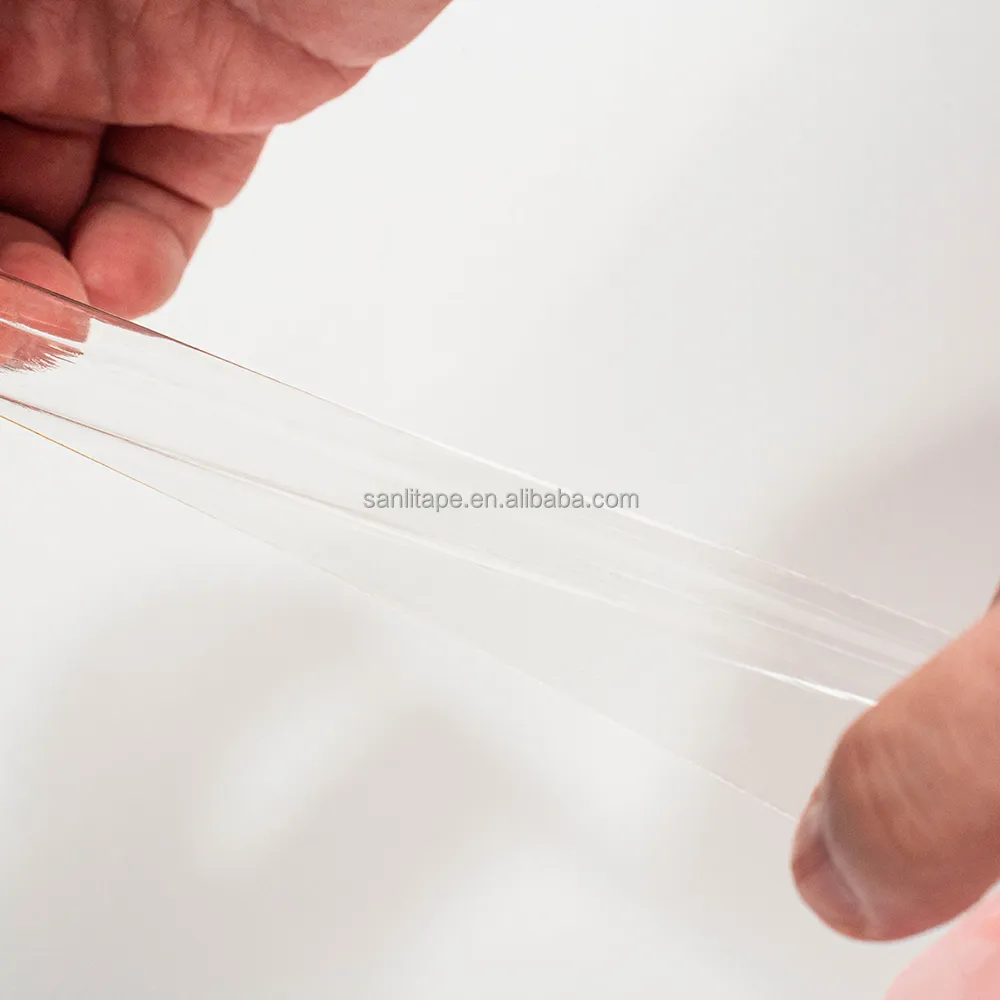
Real kraft paper tape with increased wet strength retains up to 85-90% of its mechanical properties even after being completely immersed in water for 2 hours. This is achieved through the use of long-fiber kraft pulp and a special fiberglass mesh or polypropylene threads integrated into the paper structure. In 2026, leading mills introduced co-extrusion technology, which allows the reinforcing layer to be introduced directly into the paper pulp before drying. This eliminates the risk of delamination that has been the bane of products for the past decade.
The thickness of the material also plays a role, but not in the way that is commonly thought. Many people believe that the thicker the tape, the more reliable it is. In fact, excessive thickness (more than 180 microns) often indicates the use of low-quality filler or poor pressing, which reduces the adhesion of the adhesive. The optimal range for heavy-duty applications is 140-160 microns. With such a thickness, the tape remains flexible, easily fits the corners of the box and does not create a “springing” effect, which can lead to the seam unraveling due to vibration during transportation.
The adhesive layer is the second most important structural element. For humid conditions, acrylic adhesives work better than rubber adhesives, since they are less sensitive to temperature changes and do not soften when the cargo in the container is heated. However, cheap manufacturers often save on the density of glue application, reducing its amount from the standard 25 g/m² to 18-20 g/m². Visually this is not noticeable, but in real conditions such a tape will come off at the first pull of the loader. Ask the supplier for certificates indicating the grams of glue per square meter - this is the only way to verify the honesty of the manufacturer.
If you plan to use the tape in automatic packaging machines, pay attention to the “elongation at break” parameter. For automation it should be strictly within 3-5%. If the tape pulls harder, the feed mechanism will fail; if less, it will tear when tensioned. We have seen cases where defective batches were returned precisely because they did not meet this hidden parameter, although on paper all the characteristics were normal. Testing on a trial batch before the main order is a mandatory rule that will save you weeks of line downtime.
Comparative analysis: factory production versus intermediaries and artisanal workshops
The market is flooded with offers where the price seems attractive, but behind it there are compromises in quality. To make an informed decision, you need to clearly understand the differences between the products of large factories, small processors and trading houses. Below is a detailed table based on our supplier audit data for 2025-2026.
| Comparison parameter | Large plant (Direct contract) | Small processor (Workshop) | Trading house (Intermediary) |
|---|---|---|---|
| Quality stability | High. Laboratory control of each batch. Strength deviation ±3%. | Low. Depends on raw materials “here and now”. Deviation up to ±15%. | Average. Depends on the source of purchase. Parties may vary. |
| Moisture resistance (after 2 hours in water) | Retaining 85-90% strength due to deep impregnation. | Saving 40-50%. Often only surface lamination. | Unpredictable. Depends on the specific supplier plant. |
| Minimum quantity (MOQ) | From 500 kg or 1 pallet. Flexibility for regular customers. | From 50 kg. Convenient for tests, but expensive per unit. | From 1 roll. Maximum flexibility, but high markup. |
| Production time | 7-14 days for custom specifications. The warehouse program is shipped within 24 hours. | 3-5 days. Fast, but there is no guarantee of the availability of the necessary raw materials. | Depends on logistics. Usually 5-10 days including delivery from the factory warehouse. |
| Certification | Full package: ISO 9001, GOST, own test reports. | Often absent or formal. Doesn't have its own laboratory. | They provide copies of factory certificates, but are not responsible for quality. |
| Price (for volumes from 1 ton) | Basic market. Possibility of fixing prices for a quarter. | 10-15% higher due to small volumes of raw material purchases. | 20-30% higher due to intermediary margin and logistics invoices. |
Working with a large plant gives the main advantage - predictability. In 2026, when delivery times are critical, the ability to obtain documentary evidence of the characteristics of each batch becomes more important than saving 5 rubles per roll. Small shops often use recycled materials, which reduces the strength of the fibers. We conducted independent tests: recycled cellulose tapes began to delaminate at 20% lower than the specified load. For light boxes this is acceptable, but for export cargo it is an unacceptable risk.
Trading houses are convenient when you need to assemble consolidated cargo from different materials. But if your goal ischeap kraft paper tape with increased wet strengthwholesale, then each intermediate layer increases the cost. Direct contact with the manufacturer allows you to discuss technical nuances directly with technologists. For example, we helped a customer adapt the belt width to their automatic line, which reduced material consumption by 7% simply by eliminating scraps. The intermediary will never offer such optimization, since his interest is to sell what is in stock.
There is one nuance that sellers are silent about. Factories often have “hidden stock” - products with minor cosmetic defects (uneven winding, slight pattern displacement), which are fully functional, but do not pass quality control control for the premium segment. Such lots are sold at a discount of up to 25%. If the appearance of the packaging is not critical to your brand (for example, it is internal logistics or the cargo is shipped under film), this is the best way to get factory quality at a price below the market price. Ask the manager about the availability of category “B” or “economy” - many are embarrassed to offer this first.
Experience of a market leader: how 23 years of expertise guarantee quality
Choosing a reliable partner in the field of packaging materials requires turning to time-tested manufacturers. A striking example of this approach is the companyEnping Sunli Adhesive LLC. Having started its journey back in 1997, the company has accumulated more than two decades of experience in the development and production of high-quality adhesive solutions. Over the years, the company has transformed from a local manufacturer to an international supplier whose products are certified to the strict ISO 9001:2008 and ISO 14001 standards.
Enping Sanli Adhesive's expertise extends far beyond simple tape cutting. The company has its own facilities for deep modernization of adhesive compositions, which is especially important for the tasks of 2026, where increased resistance to moisture and extreme temperatures is required. The plant's portfolio includes a wide range of products: from classic paper-based tapes (Kraft) and BOPP to high-tech solutions such as double-sided tapes based on PET, PE and EVA foams, nanotape (Nano Magic Tape) and heavy-duty VHB tapes. This diversity allows the company’s engineers to select individual solutions for the specifics of any cargo - be it the automotive industry, construction or complex logistics.
The key advantage of working with Enping Sunli Adhesive is the ability to obtain products using OEM and ODM models. This means that you can order a tape with unique parameters: adapted width, special packaging or a modified adhesive layer that is ideal for your operating conditions. For example, if a standard tape loses its properties at -20°C, plant technologists will develop a composition that maintains adhesion even in harsh winter conditions. It is this engineering approach, coupled with 23 years of experience, that allows us to obtain a product that combines high reliability and a competitive price, eliminating the risks inherent in working with untested suppliers.
Pricing Factors in 2026: How to Get the Best Value
The price of kraft tape is formed from three main components: the cost of the paper base, the cost of glue and the cost of conversion (cutting and winding). There are interesting dynamics in 2026: pulp prices have stabilized after spikes in 2024, but energy costs remain high. Manufacturers who invested in energy-saving equipment were able to keep prices below competitors. Therefore, when requesting a commercial proposal, it is worth clarifying what equipment is used on the line. Old dryers consume more gas, and these costs are inevitably built into the price of the roll.
Order volume is an obvious, but not the only lever of influence on price. Most factories offer a progressive discount scale, which is activated not only by tonnage, but also by the regularity of deliveries. A contract for a year with quarterly sampling of goods often gives a price lower than a one-time purchase of the same volume. This is related to production capacity planning. It is more profitable for the plant to reserve capacity for you in advance than to look for orders in the “windows” between large clients. Don't be afraid to discuss the long-term scope of cooperation, even if the current need is small.
Logistics accounts for up to 20% of the final cost, especially when it comes to interregional transportation. Kraft tape is a bulky product, but relatively light. The density of pallet packaging is critical here. Some manufacturers save on cardboard cores inside the roll by using thinner sleeves, which allows them to fit 10-15% more product onto a pallet. This reduces the cost of transportation per linear meter. However, a sleeve that is too thin may become deformed when stacked, making it difficult to fit into the dispenser. Look for a balance: the optimal sleeve thickness for industrial rolls is 3-4 mm.
Seasonality also affects quotes. Traditionally, demand grows in the third and fourth quarters, when there is an active shipment of goods before the holidays and the closing of the financial year. At this time, prices can rise by 5-8%. The most profitable period for concluding contracts is January-February, when production lines are least loaded. If you have the opportunity to stock up on material for future use or sign a contract with a fixed price at the beginning of the year, you will significantly benefit from the budget. We recommend that our clients plan to purchase packaging materials at least six months before the peak season.
Another way to reduce the price without losing quality is to standardize sizes. The production of tape of non-standard width requires readjustment of equipment and stopping the line for 30-40 minutes. If you use a rare size (for example, 48 mm instead of the standard 50 or 75 mm), you pay for this conversion. Review your processes: maybe switching to one of the popular sizes will allow you to get into the “warehouse program” category, where prices are minimal and shipment is carried out same day. Adapting a process to a market standard often pays off faster than finding a manufacturer for a unique size.
Application in extreme conditions: real cases and solutions
Theory is tested by practice. Let's look at two specific cases from our work, where the use of regular tape led to losses, and switching to specialized material solved the problem. The first case is related to the export of ceramic tiles to the countries of Southeast Asia. The cargo was shipped by sea in a container without climate control. Temperature changes from +5°C at night to +45°C during the day caused abundant condensation (“rain in the container”). The humidity inside reached 95-98%.
The client used inexpensive Russian-made reinforced tape. After 15 days of travel, 30% of the boxes lost their seal. The water soaked the glue, and the tape came off along with the top layer of cardboard. Losses from broken tiles and repacking amounted to $12,000. The solution turned out to be simple, but required a change of supplier. We selected a tape with double-sided lamination with 15 micron thick polyethylene film and an adhesive based on synthetic rubber with high tack. This tape cost 15% more, but ensured 100% safety of the cargo on the next 10 flights. Savings on packaging resulted in multiple losses, while the investment in the right material paid off with the first shipment.
The second example is the storage of building mixtures in an open warehouse in the Leningrad region. Winter fogs and wet snow created conditions of constant dampness. Paper bags with mixtures were placed on pallets and tied with tape crosswise for stability. Regular kraft tape picked up moisture overnight, became soft and broke under the weight of the upper rows when moved by a loader. Pallets fell apart, personnel were injured and goods were damaged.
Here we introduced a tape with embedded fiberglass mesh. The paper in such a tape serves only as a carrier for the glue, and the entire load is carried by fiberglass, which is absolutely inert to water. Even when the paper layer turned into mush, the mesh continued to hold the pallet as a monolith. The cost of such tape is above average, but the number of incidents has dropped to zero. It is important to note that this application did not require expensive moisture protection of the paper layer itself, since the retention function was transferred to the reinforcing element. The correct selection of the type of reinforcement made it possible not to overpay for unnecessary properties.
These examples show that the concept of “cheap” is relative. A cheap belt that doesn't perform its function becomes the most expensive element in your logistics. When choosing a material, always model the worst-case scenario: what would happen if the load fell into a puddle? What happens if the container overheats? Если ответ — “все развалится”, значит, вы выбрали неверный продукт. В 2026 году технологии позволяют создать материал, который выдержит любые испытания, и найти его по адекватной цене реально, если знать, куда смотреть.
Риски при закупке и как их избежать: чек-лист покупателя
Закупка промышленных материалов вслепую — это лотерея, в которой вы ставите на кон репутацию своей компании. Рынок полон предложений, которые звучат слишком хорошо, чтобы быть правдой. Чтобы не стать жертвой недобросовестных поставщиков, используйте этот чек-лист при оценке потенциального партнера. Каждый пункт основан на ошибках, которые нам приходилось исправлять.
- Проверка образцов в боевых условиях.Никогда не утверждайте поставщика по картинке или описанию в каталоге. Запросите бесплатный образец (это стандартная практика для заводов) и проведите собственный тест. Намочите ленту, приклейте на картон, дайте высохнуть и попробуйте оторвать. Если она отходит легко или рвется по волокнам без усилия — это брак. Сравните результат с эталоном, который у вас уже работает.
- Аудит документации.Требуйте не просто сертификат соответствия, а протокол испытаний с конкретными цифрами. В документе должны быть указаны: сила сцепления с картоном (Н/см), прочность на разрыв (Н/см), относительное удлинение. Если в графе “влажность” стоят прочерки или формулировки “соответствует норме”, это красный флаг. Завод, уверенный в продукте, предоставляет детальные данные.
- Проверка геометрии намотки.Возьмите рулон в руки. Он должен быть плотным, ровным, без выступов по краям (“бортиков”). Рыхлая намотка говорит о плохом контроле натяжения на производстве. Такая лента будет постоянно обрываться в автомате или разматываться рывками вручную, замедляя работу упаковщиков. Кривые края приводят к перерасходу материала, так как вы не можете использовать крайние витки.
- Тест на адгезию при низкой температуре.Если ваши грузы хранятся в неотапливаемых складах зимой, проверьте липкость ленты при -10°C. Многие клеи дубеют на морозе и не прилипают к пыльному картону. Специализированные морозостойкие версии стоят чуть дороже, но они единственные, что работают в российских реалиях. Попросите поставщика подтвердить морозостойкость теста.
- Прозрачность цепочки поставок.Узнайте, где физически находится производство. Некоторые компании регистрируются в Москве, а производство у них находится в гаражах в регионах без соблюдения санитарных и технических норм. Видео-тур по цеху или личный визит могут рассказать больше, чем сотня красивых буклетов. Настоящий завод не боится показать свои станки.
Особое внимание уделите условиям оплаты. Предоплата 100% новым поставщикам — высокий риск. Старайтесь договариваться на схему 30/70 или оплату по факту получения и проверки первой партии. Крупные заводы идут на такие условия для постоянных клиентов или при наличии страховки сделки. Если продавец настаивает на полной предоплате и торопит с решением (“акция закончится завтра”), это признак либо кассового разрыва, либо мошенничества.
Также стоит опасаться демпинга. Если цена предложения ниже среднерыночной более чем на 15%, чудес не бывает. Кто-то обязательно сэкономил: на ширине (нарежут 48 мм вместо 50 мм), на длине (90 метров вместо 100 в рулоне), на качестве клея или бумаги. Всегда пересчитывайте цену за погонный метр или квадратный метр, а не за рулон. Маркетинговые уловки с “увеличенным объемом рулона” часто скрывают уменьшение плотности материала.
Frequently Asked Questions
Какова реальная разница между водостойкой и влагопрочной лентой?
Это важное различие, которое часто путают. Влагопрочная лента (wet strength) способна сохранять целостность и не рваться при намокании, но клей на ней может потерять свойства. Водостойкая лента подразумевает защиту и самого полотна, и клеевого слоя от прямого воздействия воды. Для складов с высокой влажностью достаточно влагопрочности. Для морской перевозки или уличного хранения нужна полная водостойкость с полимерным покрытием. Выбирайте исходя из того, будет ли вода стоять лужами на грузе или просто присутствовать в воздухе.
Можно ли использовать такую ленту в автоматических упаковщиках?
Да, большинство современных заводов производят ленты, адаптированные для автоматов. Главное требование — точность намотки и отсутствие стыков склейки внутри рулона (сплайсов). Стыки вызывают обрывы в машине. При заказе обязательно укажите: “для автоматической линии”. Производитель проконтролирует этот параметр. Также важно подобрать правильное направление раскрытия рулона (клей наружу или внутрь), так как разные машины требуют разной заправки.
Есть ли минимальная партия для заказа с индивидуальным логотипом?
Нанесение печати на крафт-ленту требует изготовления фотоформы и настройки печатной машины. Обычно минимальная партия для брендирования составляет от 300-500 кг (около 1-2 паллет). Некоторые заводы готовы сделать меньший тираж за доплату за приладку. Если вам нужно меньше, дешевле купить готовую коричневую ленту и использовать штампы или этикетки, чем заказывать печать на производстве. Экономический порог рентабельности печати начинается именно с этих объемов.
Как хранить ленту, чтобы она не потеряла свойства?
Крафт-лента гигроскопична. Хранить её нужно в оригинальной термоусадочной упаковке, в сухом помещении при температуре от +5 до +25°C. Избегайте соседства с отопительными приборами и прямыми солнечными лучами. Ультрафиолет разрушает структуру клея, делая его хрупким. Если упаковка повреждена, используйте рулон в первую очередь. Срок годности качественной ленты при правильном хранении составляет 2 года, но мы рекомендуем не держать запасы дольше 6-8 месяцев для гарантии максимальной адгезии.
Подходит ли эта лента для склеивания замороженных продуктов?
Обычная крафт-лента не подойдет — клей замерзнет и не прилипнет к инею на коробке. Для замороженных продуктов существуют специальные низкотемпературные модификации клея. Они разработаны для работы при температурах до -25°C. При заказе уточняйте этот параметр отдельно. Цена на такую ленту будет выше стандартной на 10-15%, но это единственное рабочее решение для холодильных камер и рефрижераторов.
Заключение: ваш следующий шаг к надежной упаковке
Выбор упаковочных материалов в 2026 году перестал быть рутинной задачей закупок. Это вопрос управления рисками и оптимизации логистических расходов.Дешево лента из крафт-бумаги с повышенной прочностью в влажном состоянии— это не миф, а результат грамотного подхода к выбору производителя и пониманию технических нюансов. Прямая работа с заводом, отказ от лишних посредников и внимательная проверка образцов позволяют получить продукт высшего качества по конкурентной цене.
Не позволяйте проблемам с упаковкой ставить под угрозу ваши поставки. Одна испорченная партия товара может стоить дороже, чем вся экономия на ленте за несколько лет. Мы готовы помочь вам подобрать оптимальное решение, провести бесплатные тесты образцов на вашем оборудовании и рассчитать экономический эффект от перехода на наши материалы. Наши инженеры знают все подводные камни рынка и помогут избежать ошибок, которые совершают другие.
Свяжитесь с нами сегодня, чтобы получить актуальный прайс-лист и образцы продукции. Мы работаем напрямую с производством, гарантируем соблюдение сроков и предоставляем полную техническую поддержку на всех этапах сотрудничества. Переходите на новый уровень надежности упаковки уже сейчас.
Посмотреть полный каталог армированных лент | Связаться с отделом продаж