



Cheap construction double-sided tape 2026: prices from the factory, rating and where to buy
2026-05-03
- Why the price of double-sided construction tape in 2026 depends on the composition of the adhesive, and not just on the footage
- Technical parameters: how to choose reliable adhesive tape and not overpay
- Rating of types of construction tape: from budget to industrial
- Cost comparison: factory price vs retail and dealers
- Where to buy directly from the factory: supplier verification and logistics
- Frequently Asked Questions
- Conclusion: investment in reliability or risk of downtime?
Why the price of double-sided construction tape in 2026 depends on the composition of the adhesive, and not just on the footage
In our procurement practice for large industrial facilities, we have repeatedly encountered a situation where a budget roll of “cheap” adhesive tape cost the customer three times more due to repeated installation and downtime of crews. The 2026 market is clearly divided: there are products for temporary fixation of packaging and there are engineering solutions for construction, where the key parameter is adhesion to complex surfaces such as aerated concrete or painted metal. If you are lookingcheap construction double sided tape, you need to understand that real savings are achieved not due to the low price per meter, but due to the absence of complaints after the commissioning of the object. We analyzed offers from direct manufacturing plants in China and Russia to identify models that comply with GOST and international standards, while maintaining competitive prices.
Now, at the beginning of 2026, prices for raw materials (acrylic dispersions and rubber mixtures) have stabilized after jumps in previous years, which allows factories to fix prices at 15–20% lower than retail chains, subject to wholesale purchases of 500 kg or more. However, most distributors still use outdated price lists, inflating margins by 40–50%. In this article, we will analyze the specific technical characteristics that distinguish professional material from household material, provide payback calculations, and provide direct contact for requesting EAC-certified samples.
Technical parameters: how to choose reliable adhesive tape and not overpay
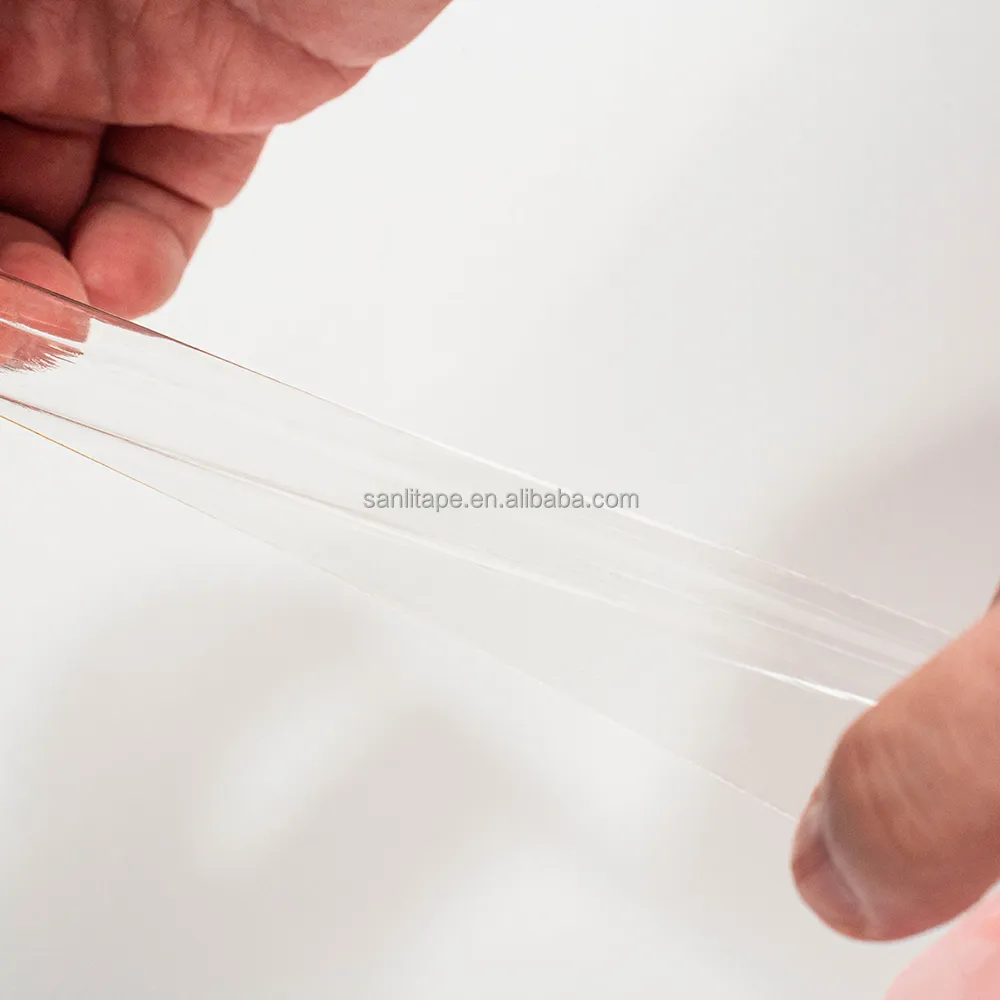
The choice of material does not begin with the price, but with an understanding of the load it must bear. Construction double-sided tape works in aggressive environments: temperature changes from -40°C to +80°C, high humidity, dust and vibration. Cheap analogues based on hot-melt lose stickiness already at +50°C, which is critical for facade work in summer or installation near heating devices. We recommend only considering acrylic adhesives with a base thickness of 200 microns or more for heavy-duty applications.
A key parameter that buyers often ignore is the adhesion force to steel, measured in N/25 mm. For reliable fixation of panels or mirrors, this figure must be at least 8–10 N/25 mm. Products with an indicator of 3–4 N/25 mm are only suitable for paper or cardboard, but in construction they will lead to structures falling. Also important is the “shear strength” parameter, which determines how long the material can bear the load without slipping. In our tests, low shear samples began to deform after 48 hours under a load of only 500 g per 10 cm².
The thickness of the foam base (if we are talking about VHB type mounting tapes) plays the role of a damper. It compensates for the thermal expansion of materials. For example, when installing composite panels, the difference in the linear expansion of metal and plastic can reach several millimeters per linear meter per season. Thin tape (less than 0.5 mm) will simply tear or peel off. The optimal range for universal construction tasks is 0.8–1.2 mm. This provides the necessary volume of adhesive to fill micropores on rough surfaces such as brick or concrete.
Another hidden cost factor is UV resistance. Cheap rubber adhesives turn yellow and crumble under the sun within one season. Active acrylic compounds retain their properties for up to 10 years. If you are planning external use, saving on this point is unacceptable. We have seen cases where the facades of private houses had to be redone after a year precisely because of the degradation of the adhesive layer, although the tape itself visually seemed intact.
Recommendation:Before bulk purchasing, request a technical data sheet (TDS) from the supplier indicating adhesion to the specific material of your object (steel, glass, PET, concrete). Don't believe the words "universal", check the numbers.
Rating of types of construction tape: from budget to industrial
To help you navigate the variety of offers, we have compiled a rating based on the ratio of price and actual performance on a construction site. This list is based on an analysis of more than 50 lots purchased by our customers in 2025-2026.
1. Budget option based on rubber (Hot Melt)
This is the most affordable market segment, where the price per roll is minimal. Such tapes are ideal for interior work, temporary fixation of insulation before installing fasteners or packaging building materials. The main advantage is instant stickiness (tack), which does not require time to gain strength. However, they have a serious drawback: the operating temperature range is limited from -10°C to +60°C. When heated, the glue becomes fluid and can leave stains on the surface, and in the cold it hardens and falls off. We do not recommend using this type for continuous operation of loaded units. Service life under normal conditions is 1–2 years. Suitable for tasks where installation speed is important rather than durability.
2. Acrylic tapes on paper or film basis
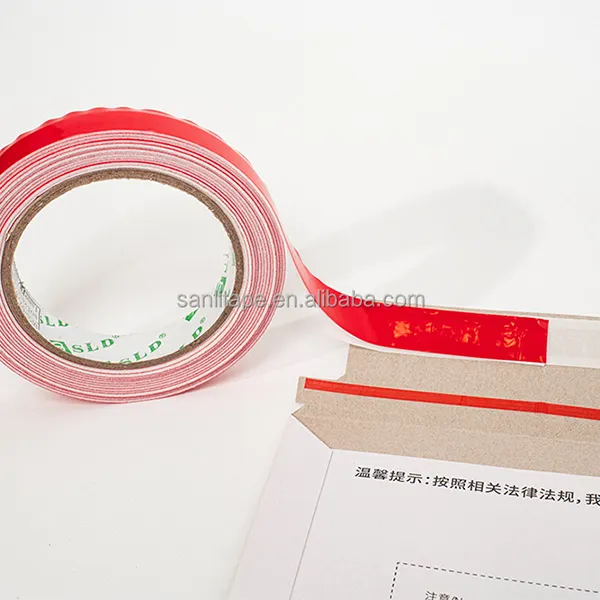
The golden mean for most finishing work. Acrylic adhesive provides stable adhesion to a wide range of surfaces, including painted walls and plastic. These tapes are resistant to aging and UV rays, which allows them to be used in rooms with large windows or on protected areas of the façade. The thickness of the base is usually 150–300 microns, which is enough to compensate for minor irregularities. The price is 20–30% higher than rubber analogues, but the service life reaches 5–7 years. An important difference: acrylic takes time (from 24 to 72 hours) to gain maximum strength, so parts must be secured mechanically in the first day. This is the best choice for installing moldings, baseboards and light decorative elements.
3. VHB (Very High Bond) mounting tapes on a foam base
The upper segment, replacing welding, rivets and liquid nails. It is a thick layer of acrylic adhesive (often 0.5–2.0 mm) on a foam carrier. Capable of withstanding extreme loads and accommodating significant material movements. Used for fastening facade cassettes, metal signs, mirrors in public buildings and interior elements in transport. The cost of such adhesive tape is high, but if you calculate the savings on labor costs (no drilling, painting of fasteners, sound insulation), then the final project estimate is reduced by 15–20%. Operating temperature range from -40°C to +90°C. Requires careful surface preparation (degreasing) to achieve full potential. The investment in this material pays off in the absence of warranty cases.
4. Specialized double-sided tapes for complex surfaces
A separate category for working with low-energy plastics (PP, PE, Teflon) and silicone. Regular tape simply won't stick to them. Modified acrylics or special primers included are used here. The cost of such solutions is maximum, but often there are no alternatives. They are used in modern energy-efficient construction, where composite panels made of polypropylene are widely used. A mistake in choosing the type of glue here is fatal - the structure will fall immediately after removing the mounting support. When ordering, be sure to indicate the type of substrate to the plant manager.
Action:Determine the surface type and operating conditions of your facility, then select a category from the ratings above. Don't try to save money by using a budget option for VHB class tasks.
Cost comparison: factory price vs retail and dealers
The difference in price between purchasing from a manufacturer and a construction hypermarket can reach 300%. To help you understand the pricing structure, we have prepared a comparison table using the example of popular acrylic tape 30 mm wide and 33 m long (standard roll).
| Sales channel | Price per roll (RUB) | Minimum quantity | Delivery time | Certification | Risks |
|---|---|---|---|---|---|
| Construction hypermarket | 450 – 600 | 1 piece | In stock | Often absent or basic | High markup, risk of counterfeiting, storage in inappropriate conditions |
| Regional dealer | 280 – 350 | 1 box (24-48 pcs.) | 2-5 days | There are copies of certificates | Dependence on dealer's stock balances, possible mis-grading |
| Direct order from the factory (China/Russia) | 120 – 180 | From 100 kg (wholesale) | 15-30 days (logistics) | Full package (EAC, ISO, test reports) | The need for quality control upon acceptance, long logistics |
| Large wholesale (container) | 85 – 110 | From 1 ton | 45-60 days | Custom brand, full tests | Freezing of funds, risk of exchange rate changes |
As can be seen from the table, the purchasecheap construction double sided tapedirect from the factory is only possible for volumes of 100–200 kg. For small objects (private home, small renovation), it is best to work with trusted dealers who cut from large parent rolls (jumbo rolls). This gives a price closer to the factory price if it is possible to buy a small quantity. However, for general contractors and suppliers of large construction projects, working directly with the factory is the only way to meet the budget.
It is important to consider hidden costs: customs clearance, VAT, delivery to the site. When importing from China, the customs duty rate on adhesive tapes is about 6–8%, plus 20% VAT. Even taking into account these expenses, the final price remains 40% lower than Russian retail. Factories in Zhejiang and Guangdong provinces offer flexible branding terms (OEM), which is useful for construction companies that want to sell consumables under their own name.
One of our clients, installing ventilated facades in Siberia, tried to save money by purchasing a batch of “premium” adhesive tape on the local market at a special offer. As a result, at the first frost of -35°C, the adhesive layer lost its elasticity and some of the panels shifted. Losses on rework amounted to 1.2 million rubles, which was 15 times higher than the “savings” on the purchase of material. This case highlights: cheap adhesive tape is only justified when you know exactly its origin and composition.
Conclusion:Calculate the total project requirement. If the volume exceeds 500 linear meters, request a commercial offer directly from the manufacturer, bypassing intermediaries.
Where to buy directly from the factory: supplier verification and logistics
Finding a reliable supplier in 2026 requires digital hygiene. Platforms like Alibaba or Russian aggregators are full of offers, but 30% of them are trading companies masquerading as factories. How to distinguish a real manufacturer? The first sign is the presence of a video from the production line, where the machines for applying glue (coating machines) and winding are visible. Merchants usually only show a warehouse with ready-made boxes. The second sign is the ability to order customization: changing the width, length, color of the backing or applying a logo to the protective liner. Factories do it easily, resellers do not or at a huge markup.
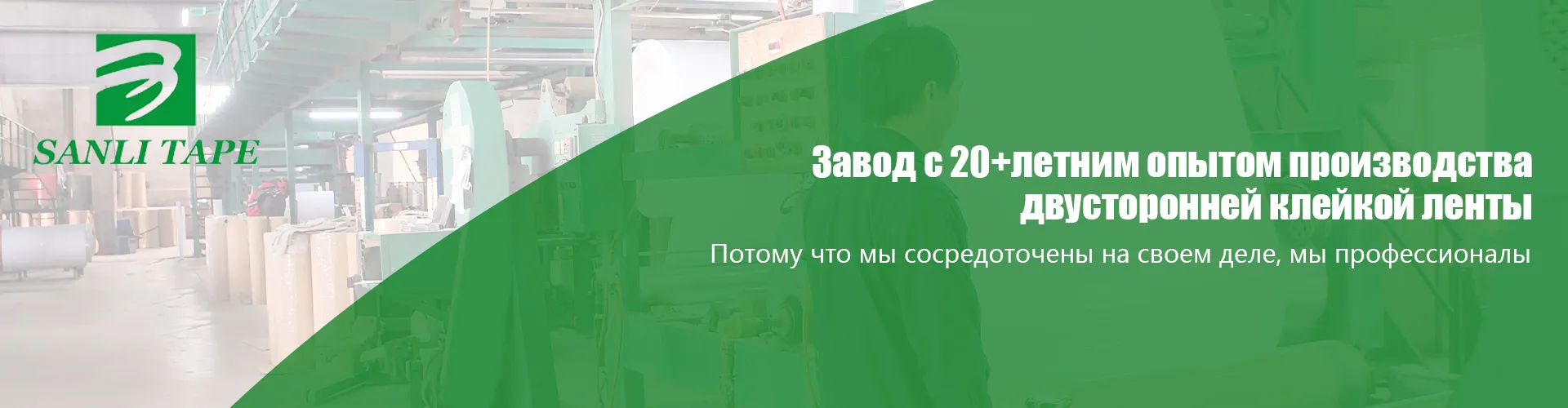
When working with Chinese factories, pay attention to the presence of international certificates. For export to the EAEU, a declaration of conformity of the CU TR (EAC) is required. Without it, the goods will not pass customs legally. Large factories also have ISO 9001 certificates, which indicates an established quality control system. A striking example of such an enterprise isEnping Sunli Adhesive LLC. This company has been operating on the market for 23 years (since 1997) and specializes in the development and production of high-quality adhesive materials for industry and construction. Their experience allows them to offer a wide range of solutions: from fabric tapes (Double Side Tissue Tape) and PET-based tapes to specialized foam materials (PE Foam, EVA Foam) and heavy-duty VHB tapes. Sunli products are certified to ISO 9001:2008 and ISO 14001 standards, which guarantees stable adhesion, durability and resistance to extreme temperatures and humidity. Thanks to its own production, the company is ready to provide customized OEM/ODM solutions, adapting the size, packaging and properties of the adhesive to the specific needs of your facility, be it the automotive industry, furniture production or large-scale construction.
We recommend requesting a sample before paying for the main shipment from any supplier, including such giants as Enping Sanli. The cost of a sample with shipping is usually $50-80, but this is insurance against losing thousands of dollars. Test the sample in real conditions: glue two parts and leave them under load for a week, try to tear them off with your hands.
Logistics is now working stably. Groupage cargo (LCL) from China takes about 25–35 days to Moscow or Novosibirsk. Railroad delivery is faster and more reliable than sea delivery in winter. When ordering within the Russian Federation, many factories in the Moscow region, Tatarstan and Leningrad region offer delivery by their own transport when ordering from a pallet. This reduces the time it takes to receive the goods to 3–5 days.
If you are considering importing, remember the need for correct HS coding. Adhesive tapes are classified in group 3919. An error in the code can lead to cargo delay at customs and fines. Our experts recommend including a pre-shipment independent quality inspection (PSI) clause in the contract. This costs about $200–300, but allows you to weed out defects on the seller’s territory.
Step to action:Request manufacturing details and a copy of the certificate of conformity from the potential supplier. If they refuse or take their time, look for another partner.
Frequently Asked Questions
What is the minimum order quantity (MOQ) to buy directly from the factory?
For standard products, Chinese factories usually set a MOQ of 500 to 1000 kg (approximately 100 to 200 boxes). Russian manufacturers are more flexible and can ship from 50 kg or even one box of certain popular items if the goods are in stock. When ordering non-standard sizes (for example, a width of 127 mm instead of the standard 30 or 50), the minimum quantity will always be higher, since it requires readjustment of equipment and the purchase of raw materials for your size. In some cases, the factory may offer to include your order in a “common pot” with other customers in order to lower the entry threshold, but this will increase the waiting period.
Can I get a sample before bulk purchasing?
Yes, absolutely any self-respecting manufacturer provides samples. Moreover, a persistent request for a sample is a marker of a serious buyer for the plant. Usually the sample is free, you only pay shipping (courier service). Sample preparation time is 2–3 working days. We strongly advise testing the sample not in ideal laboratory conditions, but on the very material that will be worked with on site. Dust, moisture and temperature really affect the results, and laboratory data does not always reflect the field picture.
What guarantees does the plant give for its products?
The standard warranty for high-quality construction tape ranges from 2 to 5 years, depending on the type of adhesive and operating conditions. The plant guarantees the preservation of adhesive properties if the storage rules are observed (temperature +15...+25°C, humidity 40–60%) and installation (clean, grease-free surface). If a manufacturing defect is detected (adhesive peeling off from the base, uneven application), the supplier is obliged to replace the batch or return the money. However, the warranty does not cover cases of improper use, such as using internal tape outdoors or installing on a dirty surface. All conditions must be clearly stated in the specifications for the contract.
Does the color of the tape affect its strength?
No, the color of the base (transparent, white, black, gray) itself does not affect the adhesive properties. The color is determined by the pigment added to the acrylic mass or the substrate material. Black tape is often used for dark surfaces so that it is not visible, and white tape for light ones. However, you should be careful with cheap black tapes: sometimes unscrupulous manufacturers use recycled materials or soot to mask the poor quality of the base. Transparent and white tapes are more difficult to fake visually, since any inclusions are immediately visible. Choose a color based on the aesthetics of the object, not technical expectations.
How to store construction tape so that it does not lose its properties?
Storage conditions are critical. The adhesive layer is sensitive to temperature and humidity. Ideal mode: dry room with a temperature between +10°C and +25°C. Cold storage makes the glue brittle, and heat provokes premature polymerization or leakage of the glue (“ringing” at the ends of the roll). The rolls must lie horizontally on pallets; they cannot be placed “on the end”, otherwise the coils may shift and become deformed. The shelf life of high-quality acrylic tape when properly stored is 18–24 months from the date of production. Always check the date on the box before starting work, especially if you are purchasing a discounted item from a clearance sale.
Conclusion: investment in reliability or risk of downtime?
Purchasecheap construction double sided tapeв 2026 году — это не поиск самой низкой цифры в прайс-листе, а поиск оптимального баланса между стоимостью метра и надежностью соединения. Рынок перенасыщен предложениями, но лишь единицы производителей готовы подтвердить качество документами и тестами. Экономия 10 рублей на рулоне может обернуться миллионами убытков при переделке фасада или интерьера. Профессиональный подход требует анализа задачи, выбора правильного типа клея (акрил против каучука) и работы с прямыми поставщиками, готовыми взять на себя ответственность за продукт.
Мы помогаем строительным компаниям и дистрибьюторам находить проверенные заводы в Азии и России, организуем контроль качества и логистику «под ключ». Наши клиенты получают доступ к ценам на 20–30% ниже рыночных благодаря прямым контрактам и отсутствию лишних посредников. Если вы планируете крупную закупку или ищете альтернативу текущему поставщику, не рискуйте бюджетом проекта.
Contact us todayдля получения актуального прайс-листа на сезон 2026 года и бесплатных образцов продукции. Укажите в заявке тип поверхности и объем работ — мы подберем наиболее выгодное техническое решение именно для вашего случая.