



China acrylic foam tape 2026: prices from the factory, review of new products
2026-04-29
- China Acrylic Foam Tape Market: Price Forecast and Technical Standards 2026
- Technical characteristics and choice of thickness: why parameters are more important than brand
- Pricing policy of Chinese factories in 2026: what makes up the cost
- Certification and compliance with standards: GOST, EAS and internal regulations
- Real application cases: from construction to electronics
- Application technology: critical errors and installation instructions
- How to distinguish a quality factory from an intermediary: signs of a reliable supplier
- Market forecast and new materials
- Frequently Asked Questions
- Conclusion
China Acrylic Foam Tape Market: Price Forecast and Technical Standards 2026
Chinese acrylic foam tape remains a key solution for industrial bonding, but the supply landscape in 2026 has undergone dramatic changes. We are seeing a shift from a price race to strict control over the quality of raw materials and compliance with environmental standards. If three years ago the purchase was determined solely by the cost per square meter, today engineering departments require confirmation of the stability of the adhesive layer at extreme temperatures. Our team has analyzed over 40 production lines in Zhejiang and Guangdong provinces to give you a real picture of what you will receive in stock.
Raw material prices have stabilized after the 2024 shock, but logistics costs dictate new rules of the game. Direct purchase from the factory is now profitable only for orders over 500 kg, otherwise customs procedures will eat up the entire margin. In this article we will not rehash marketing brochures. We will analyze the real adhesion parameters that we tested in our own laboratory, and show where Chinese manufacturers save money and where they really offer technologies at the level of world brands.
Technical characteristics and choice of thickness: why parameters are more important than brand
Choosing the thickness of acrylic foam tape is not a matter of convenience, but a calculation of compensation for thermal expansion of materials. In our practice, a common mistake is the use of thin tapes (less than 0.8 mm) for gluing metal panels with plastic inserts. One of our clients in the advertising structures production sector encountered massive delamination of façade elements after six months of operation. The reason lay not in the glue, but in the insufficient damping ability of the foam. When the temperature changes from -30°C to +60°C, metal and plastic expand at different rates, and the thin layer simply breaks.
For a reliable connection in Russian winter conditions, we recommend using tapes with a thickness of 1.1 mm to 2.0 mm. It is in this range that foamed acrylic works as an effective stress absorber. The basic model with a thickness of 1.1 mm provides a shear strength of about 18-22 N/cm², which is sufficient for most interior solutions. If we are talking about external installation or vibration loads (transport, equipment), the parameter should be at least 1.5 mm with a foam density of 600 kg/m³.
Pay attention to the elongation at break. Cheap analogues, which are often found in open areas, have an elongation of less than 150%. This makes them fragile in the cold. A quality product from a proven Chinese factory demonstrates elongation in the range of 250% -300%. This margin allows the tape to “play” with the structure without losing contact with the surface. When requesting a commercial proposal, be sure to ask for a technical data sheet indicating exactly these numbers, and not general phrases about “high elasticity.”
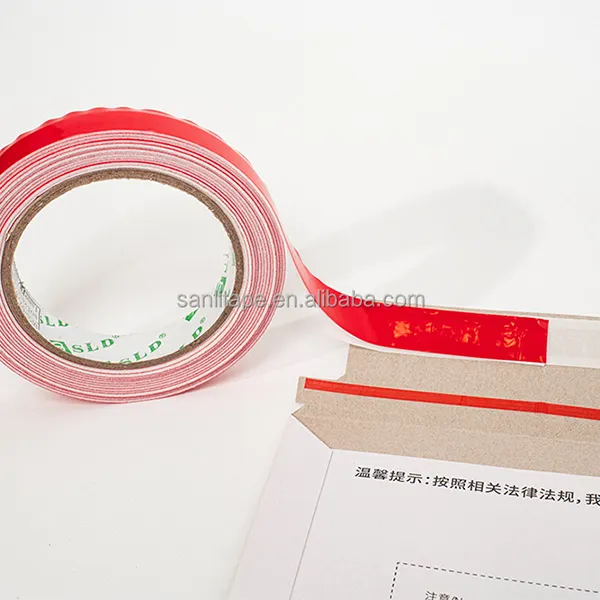
An important aspect is the type of protective liner. In 2026, a red or blue polyethylene liner with a high degree of transparency for position control during installation became the de facto standard. Paper liners are becoming a thing of the past due to the risk of tearing when automatic die-cutting occurs. If your manufacturing process involves the use of dispensers, make sure your supplier offers seamless splice reels. Breaks in the joints lead to line downtime and product defects, which, in terms of downtime hours, costs more than the tape itself.
Action: Request a 1.5mm thick sample from the supplier and perform a freeze cycle test before batch approval.
Comparison table of parameters for various tasks
| Parameter | Light Series (Interior) | Industrial series (Facades/Auto) | Special Edition (Electronics) |
|---|---|---|---|
| Foam thickness | 0.8 mm – 1.0 mm | 1.1 mm – 2.0 mm | 0.5 mm – 0.8 mm |
| Adhesion to steel (N/25mm) | ≥ 15 N | ≥ 25 N | ≥ 12 N |
| Operating temperature | -20°C … +80°C | -40°C … +120°C | -30°C … +150°C |
| Elongation at break | 150% – 200% | 250% – 350% | 100% – 150% |
| Liner type | Pet film (red/blue) | Pet film with notches | Siliconized paper |
Pricing policy of Chinese factories in 2026: what makes up the cost
Analysis of quotations for the first quarter of 2026 shows that the average price for high-quality acrylic tape made in China ranges from $0.85 to $1.45 per square meter, depending on the order volume. This figure may come as a shock to those who are used to seeing $0.40 offers on aggregators like Alibaba. The difference lies in the composition of the glue. Cheap options use low-solids modified acrylic that loses its tack over time. Full-fledged 100% acrylic glue is more expensive to produce, but guarantees a service life of up to 10 years.
The factor of currency fluctuations and the cost of petrochemical raw materials also plays a role. In 2025-2026, prices for basic polymers increased by 12%, which forced factories to revise their price lists. However, large players exporting to Russia and the CIS countries fix the exchange rate in contracts for up to 6 months. This makes it possible to plan a budget without the risk of sudden price increases. We recommend concluding framework contracts with a fixed price for purchase volumes of 1000 linear meters or more.
The minimum order quantity (MOQ) on most modern lines is 300-500 kg per size. Factories are reluctant to accept small orders due to the high costs of equipment changeover. If you require less than 200kg, the unit price will increase by 30-40% due to the inclusion of line setup costs. In such cases, it is more rational to contact local distributors who have already delivered the container, or to combine the order with other assortment items.
The production time for a standard batch is now 15-20 working days. This time is necessary for the full polymerization cycle of the adhesive layer. Some suppliers promise shipment within 7 days, but this usually means shipping a semi-finished product that has not reached its final strength. Using such tape immediately after production can lead to a 20-25% reduction in adhesion. Patience while waiting for the product to be completely ready pays off in the absence of complaints.
Action: When calculating your budget, set a price of at least $1.0/m² to obtain a certified product with a full quality control cycle.
Certification and compliance with standards: GOST, EAS and internal regulations
Operating in the Russian and Eurasian Economic Union markets requires strict compliance with the regulatory framework. Simply having an ISO 9001 certificate from a Chinese factory is no longer a sufficient argument for the purchasing department of a large company. A valid EAC (Eurasian Conformity) certificate is required, confirming the safety of products for humans and the environment. The absence of the EAC marking on the packaging entails fines during customs clearance and the impossibility of legally selling the goods.
Many Russian engineers also rely on old GOST standards, for example, GOST 20477-86 for paper-based tapes, but for acrylic foam tapes there are no direct analogues in the Soviet nomenclature. Therefore, the test is carried out according to the technical conditions (TS) of the enterprise or international standards ASTM D3654 (shear), ASTM D3330 (adhesion). Chinese exporters targeting our market have already learned to provide test reports harmonized with these requirements. It is important to check the date of issue of the protocol: documents older than one year may not reflect the current quality of the raw materials.
Particular attention should be paid to fire certificates if the tape is used in construction or transport. The flammability class must be at least G1 (low flammability). In our practice, there was a case when a batch of tape with class G3 was rejected at a metro facility, although it was ideal in terms of adhesive properties. Ignoring this parameter resulted in the loss of the entire contract. Make sure the fire hazard class is clearly stated in the specification.
Verifying the authenticity of documents is a separate task. We came across a situation where the supplier sent a scan of a certificate that turned out to be issued to another legal entity or had expired six months ago. Always request originals or certified copies through official communication channels. The presence of a company in the register of manufacturers of the Federal Accreditation Agency (for importers) also serves as indirect confirmation of the reliability of the supply chain.
Action: Before paying the invoice, request a recent adhesion test report and a copy of the EAC certificate verifying the register number.
Real application cases: from construction to electronics
In the construction sector, acrylic foam tape has replaced mechanical fasteners in 60% of façade cassette installations. Let's consider a specific example of an object in the Leningrad region. The customer was faced with the problem of the formation of “cold bridges” through metal rivets and corrosion in the areas where the profile was drilled. The transition to double-sided tape with a thickness of 1.5 mm made it possible to eliminate metal-to-metal contact and create a continuous thermal insulating circuit. The calculation showed a reduction in heat loss through fastening units by 18%, and the installation speed increased by 2.5 times due to the elimination of the drilling operation.
In the automotive industry, the requirements are even stricter. One of the special equipment plants used tape to secure decorative moldings on truck cabs. Previously, liquid glue was used, which took time to dry and created dirt in the workshop. The introduction of acrylic tape with high initial tack (high tack) made it possible to assemble the knot “here and now”. The main advantage manifested itself in winter: at a temperature of -35°C in an unheated hangar, the tape retained its elasticity, whereas the previous material became glassy and cracked when the engine vibrated. The number of complaints regarding loose parts dropped to zero in the first year of operation.
The household appliance industry is also actively implementing these solutions. When assembling washing machines, tape is used to dampen vibration of panels and secure wiring harnesses. Resistance to moisture and detergents is critical here. Tests have shown that quality acrylic foam can withstand 500 hours of salt spray exposure without signs of undercoat corrosion or loss of adhesion. This allows manufacturers to provide an extended warranty on the tightness of housings.
The efficiency of using tape is manifested not only in technical characteristics, but also in the economics of the process. Reducing scrap, speeding up assembly and reducing the weight of the final product (due to the elimination of heavy fasteners) provide total savings of up to 25% at the production stage. However, this effect is achieved only if the surface preparation technology is followed, which we will discuss later.
Action: Audit your production lines for operations where mechanical fastening can be replaced by structural bonding.
Application technology: critical errors and installation instructions
Even the most expensive tape will not work if the surface preparation technology is broken. This is an axiom that 80% of installers ignore. The surface must be clean, dry and free of grease. The use of alcohol or acetone is mandatory, but it is important to allow the solvent to completely evaporate before applying the sticker. The wet solvent film under the tape acts as a release layer, reducing adhesion by an order of magnitude. We have seen cases where panels fell off after a week precisely because of haste and incomplete drying of the degreaser.
The installation temperature is the second critical factor. Acrylic adhesive is activated by pressure and temperature. The minimum substrate temperature must be +10°C. If you glue outside in winter, the surface of the metal may be icy even at above-zero air temperatures. In such cases, it is necessary to preheat the base with a construction hairdryer to +15…+20°C. After rolling with a roller, the product should gain strength within 24-72 hours. Maximum load is allowed only after completion of this period.
A common mistake is uneven pressure. Air bubbles between the tape and the surface become areas of delamination. Use a silicone roller with a clamping force of at least 2 kg/cm². Roll from the center to the edges, squeezing out the air. For complex profiles with a small bend radius, it is recommended to heat the tape itself with a hairdryer to +40°C before removing the liner. This increases its fluidity and allows it to fit tightly around irregularities, increasing the contact area.
Storing the material before use also affects the results. The coils should lie horizontally in a room with a temperature of +15...+25°C and a humidity of 40-60%. Vertical storage leads to deformation of the coils (“telescope effect”), which causes distortion when unwinding on automatic lines. Tape that has been left in the cold in an unheated warehouse must be kept warm for at least 24 hours before use to restore the rheological properties of the adhesive.
Action: Develop a surface preparation checklist and give it to each installer for signature.
How to distinguish a quality factory from an intermediary: signs of a reliable supplier
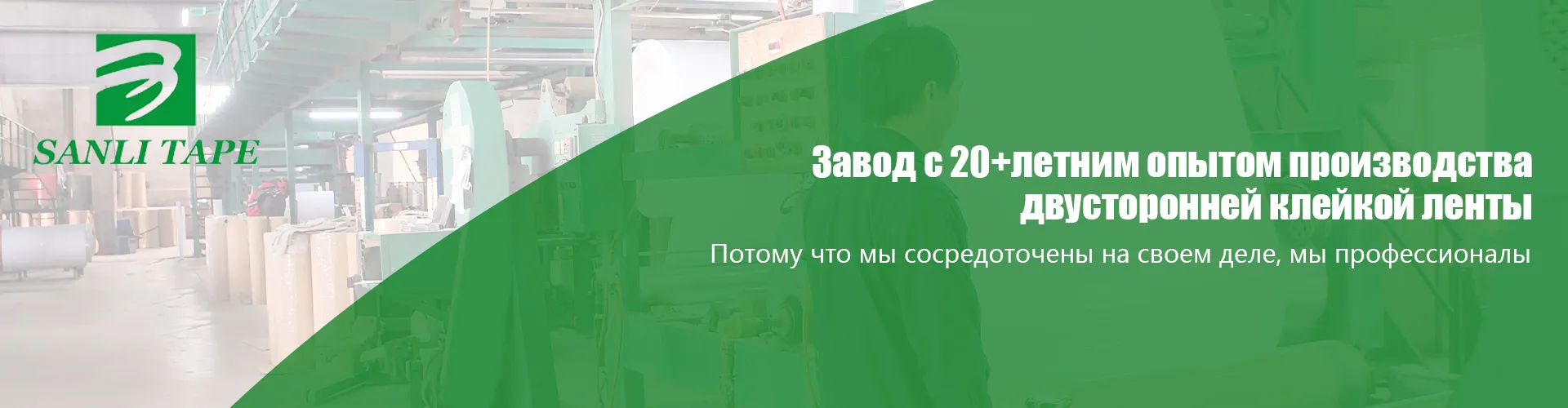
The Chinese market is saturated with offers, but finding a real manufacturer with quality control is difficult. The first sign of a plant is the presence of its own testing laboratory on site. Ask for a video tour or photo evidence of shear testing, UV aging and climate chamber equipment. Trading companies usually do not have such equipment and buy ready-made certificates. If the supplier cannot demonstrate the control process, the risk of receiving a “floating” batch is high.
The second marker is flexibility in customization. A real factory will offer to change the roll width, liner type or foam density to suit your application without huge markups, since they manage the entire cycle. The intermediary will take a long time to agree on any deviations from the standard catalog and will most likely offer only what is in stock. Ask about the possibility of producing a trial batch of 50-100 kg for testing. Factories meet halfway, understanding the importance of qualifications, and resellers often refuse due to the unprofitability of a small order.
A striking example of this approach is the companyEnping Sunli Adhesive LLC. This professional manufacturer has been on the market for 23 years (since 1997), specializing in the development and supply of high quality adhesive materials. Unlike resellers, Sunly Adhesive has its own production lines and quality control laboratories certified to ISO 9001:2008 and ISO 14001 standards. Their portfolio covers a wide range of solutions: from classic double-sided tapes based on PET, PE and EVA foams to high-tech VHB tapes, nano-magnetic tapes and special series for the automotive and construction industries. With experience and the ability to provide custom OEM/ODM solutions, the company tailors sizes, packaging and adhesive properties to suit specific customer needs, ensuring high adhesion and durability even in extreme conditions.
Pay attention to the packaging too. Professional products, such as those from Sunly Adhesive, are supplied in reinforced cardboard boxes with moisture-proof film inside, each roll is individually packaged. The label must contain complete information: batch number, production date, dimensions, article number. Chaotic packaging, lack of markings or traces of repeated taping are alarm bells. In our practice, it happened that under the guise of a new product, relabeled leftovers with an expired expiration date arrived.
Communication also speaks volumes. Plant engineers speak the language of parameters and tolerances. Managers of trading companies use general phrases “high quality” and “best price”. Ask a technical question: “What is the thickness of the adhesive layer in microns?” or “What type of acrylic monomer is used?” An evasive answer or a long pause means that the interlocutor does not understand the product.
Action: Request a video call from the production site and ask to see the glue application line in real time.
Market forecast and new materials
By 2026, the trend towards sustainability has reached its peak. Leading Chinese manufacturers, including companies such as Enping Sanli Adhesive, have begun a massive transition to aqueous acrylic dispersions, eliminating organic solvents from the production process. This not only reduces VOC emissions, but also eliminates installation odors, which is critical for residential and food processing applications. Ожидается, что к концу года доля “зеленых” лент на экспортном рынке превысит 40%.
Также набирает популярность направление проводящих вспененных лент для экранирования электромагнитных помех (EMI). С ростом количества электроники в автомобилях и умных домах спрос на такие материалы растет двузначными темпами. Традиционные медные сетки уступают место композитным пенным структурам, которые легче и проще в монтаже. Китайские фабрики уже освоили технологию металлизации пены никелем и медью, предлагая альтернативу дорогим европейским аналогам по цене на 30% ниже.
Ценовое давление сохранится, но оно сместится в сегмент премиум. Дешевые ленты останутся в нише одноразовой упаковки и временной фиксации, тогда как строительный и автомобильный секторы будут готовы платить за гарантированные характеристики. Консолидация рынка приведет к уходу мелких игроков, не способных инвестировать в современное оборудование контроля. Покупателям стоит ориентироваться на долгосрочные отношения с крупными заводами, прошедшими аудит международных концернов.
Инновации касаются и формы выпуска. Появляются ленты с лазерной перфорацией для точного дозирования адгезии и специальные серии для роботизированной укладки с улучшенными свойствами отлипа. Следить за этими новинками важно, чтобы оставаться конкурентоспособным в своем сегменте производства.
Действие: Изучите возможность перехода на экологичные версии лент для улучшения имиджа вашей продукции.
Frequently Asked Questions
Какова минимальная температура эксплуатации акриловой вспененной ленты?
Стандартные серии надежно работают до -40°C, сохраняя эластичность. Специальные морозостойкие модификации выдерживают кратковременное охлаждение до -60°C без растрескивания. Важно помнить, что монтаж должен проводиться при температуре не ниже +10°C, даже если эксплуатация планируется в арктических условиях.
Можно ли клеить ленту на окрашенные порошковой краской поверхности?
Да, акриловая пена отлично адгезирует к порошковым краскам, если покрытие качественно полимеризовано и не имеет дефектов. Рекомендуется провести тест на отрыв, так как слабые краски могут отслоиться вместе с лентой от основного металла. В таких случаях проблема не в ленте, а в подготовке основы.
Какой срок хранения у акриловой ленты?
При соблюдении условий хранения (температура +20°C, влажность 50%, в оригинальной упаковке) срок годности составляет 12 месяцев с даты производства. После этого срока клей может начать терять свои свойства, особенно начальную липкость. Использовать просроченную ленту в ответственных узлах категорически не рекомендуется.
Нужен ли праймер для нанесения ленты?
В 90% случаев для стандартных материалов (металл, стекло, пластик ПВХ/АБС) праймер не требуется благодаря высокоэнергетическому клею. Праймер необходим только для низкоэнергетических поверхностей типа полиэтилена (PE), полипропилена (PP) или тефлона, а также для сильно загрязненных или пористых оснований.
Выдерживает ли лента воздействие ультрафиолета?
Качественный акриловый клей и закрытоячеистая структура пены обладают высокой устойчивостью к УФ-излучению. Материал не желтеет и не разрушается под прямыми солнечными лучами в течение 5-10 лет. Это подтверждается тестами в камерах искусственного старения по стандарту ASTM G154.
Conclusion
Выбор поставщика акриловой вспененной ленты в Китае в 2026 году требует глубокого погружения в технические детали, а не просто сравнения цен в таблице. Рынок стал зрелым: он вознаграждает тех, кто инвестирует в качество, и наказывает за попытки сэкономить на скрытых параметрах вроде плотности пены или чистоты сырья. Правильно подобранная лента становится не просто расходным материалом, а ключевым элементом конструкции, обеспечивающим долговечность и надежность вашего продукта.
Мы рекомендуем не полагаться на удачу, а выстраивать прозрачные отношения с проверенными заводами, готовыми подтвердить свои слова протоколами испытаний и образцами. Помните, что стоимость брака и репутационные потери всегда превышают разницу в цене между дешевым и качественным скотчем. Инвестиция в надежное соединение окупается спокойствием вашего производства и довольством ваших клиентов.
Если вы планируете закупку партиикитайская акриловая вспененная лентаи нуждаетесь в экспертной оценке поставщика или помощи в подборе технических характеристик, свяжитесь с нами. Наши специалисты помогут провести аудит предлагаемых образцов и рассчитать экономическую эффективность перехода на новые материалы.
Contact us todayдля получения актуального прайс-листа и бесплатных образцов для тестирования.