



China double-sided tape thickness: prices 2026, market overview
2026-04-24
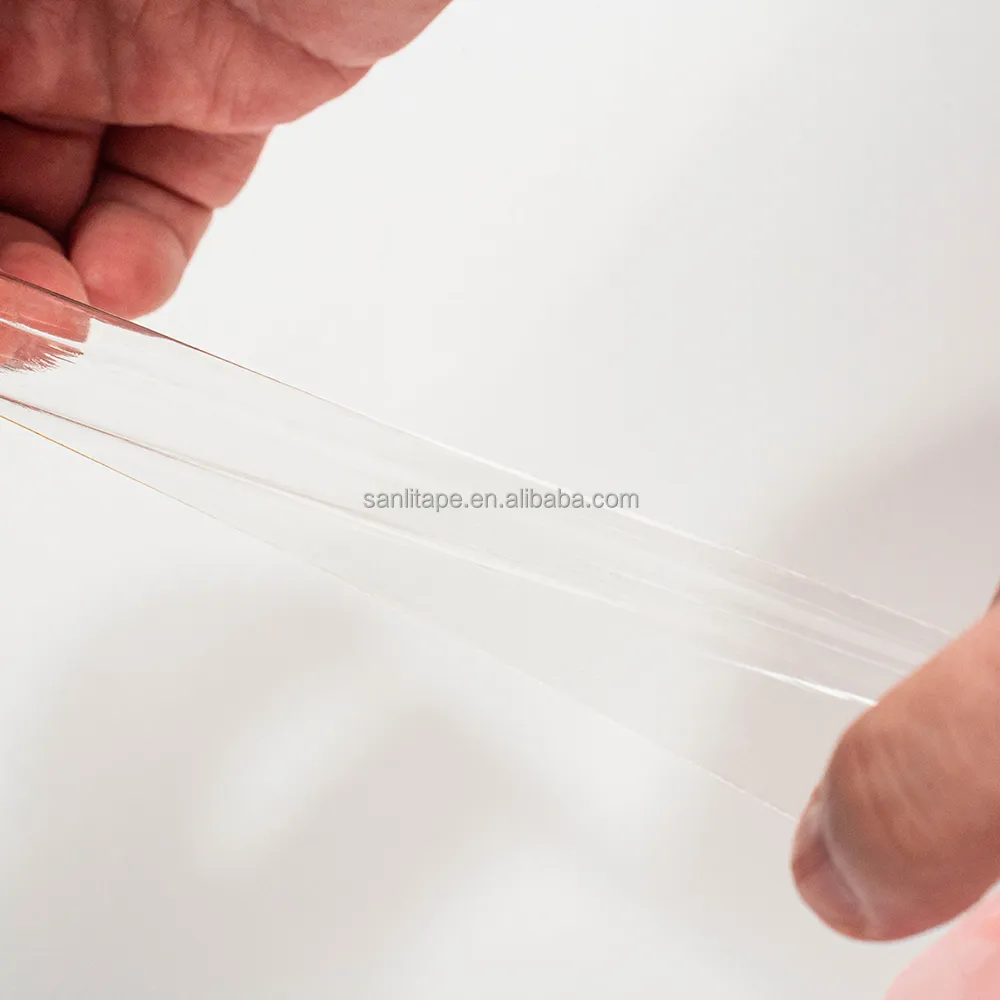
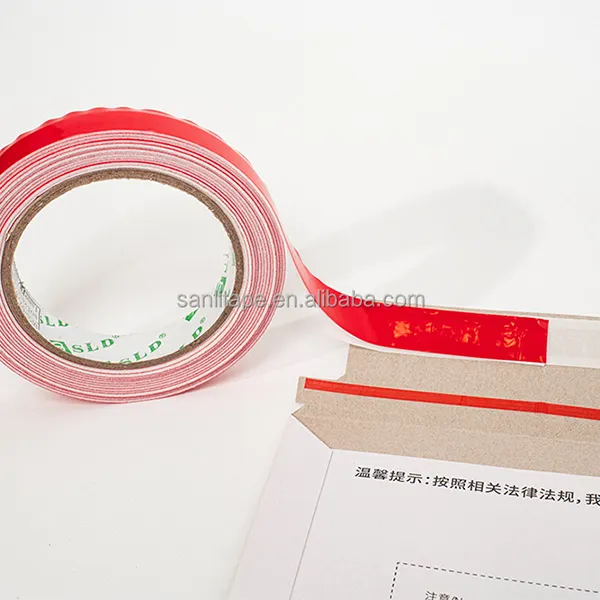
China double-sided tape thickness is a key parameter that determines the adhesive strength and application area of the tape. In 2026, the market offers solutions from ultra-thin (0.05 mm) for electronics to thick foam options (up to 3 mm) for construction in Russia. Choosing the correct thickness directly affects the durability of the connection and the cost of the project, allowing you to avoid waste of materials or defects during installation.
Double-sided tape market from China in 2026: trends and price dynamics
The Russian market for adhesive materials is undergoing a significant transformation. Following changes in supply chains, China has established itself as the main supplier of industrial tape, displacing many European niche solutions manufacturers. As of early 2026, there has been a steady increase in imports, especially in the segment of acrylic and rubber adhesive bases. It is critically important for buyers in Moscow, St. Petersburg and the Urals regions to understand not only the pricing policy, but also the technological nuances of the product.
The main driver of growth is the development of the construction sector and the automotive industry of the Russian Federation. Factories operating according to GOST standards are increasingly switching to premium Chinese analogues, which in terms of their characteristics are not inferior to brands of the 3M or Tesa level, but cost 30–40% less. However, the term "Chinese tape" no longer means low quality. Leading factories in Guangdong and Zhejiang provinces have implemented automated quality control lines that meet ISO 9001 international certifications.
A striking example of this approach is the companyEnping Sunli Adhesive LLC. This professional manufacturer with 23 years of experience (founded in 1997) specializes in developing and supplying high quality adhesive materials for industrial and construction applications. The plant is certified according to ISO 9001:2008 and ISO 14001 standards, which guarantees the stability of product parameters from batch to batch. The company's product range includes a full range of solutions: from fabric tapes and PET-based materials to specialized foam tapes (PE and EVA foam), nano-magnetic tapes and VHB analogues. With the ability to provide customized OEM/ODM solutions, Sunly Adhesive tailors adhesive layer thickness, base type and packaging to the specific requirements of Russian customers, ensuring high adhesion even in extreme temperature conditions.
The pricing policy in 2026 is formed under the influence of several factors: the cost of raw materials (acrylic polymers, PVC films), the yuan exchange rate and logistics costs through the border crossings of Zabaikalsk and Grodekovo. The average price for a roll of industrial double-sided tape 0.8 mm thick varies from 450 to 800 rubles, depending on the batch size and delivery conditions (FCA, FOB, DDP). It is important to note that cheap options often have a lower density of the adhesive layer, which can lead to peeling due to temperature changes characteristic of the Russian climate.
Industry experts note a shift in demand towards specialized products. If previously universal adhesive tape occupied the lion's share of the market, now there is a growing need for solutions for specific tasks: mounting mirrors, fixing panels in the automotive industry, assembling LED screens. This requires buyers to have a deep understanding of such parameters asКитай двусторонний скотч толщина, since it is this indicator that dictates the ability to compensate for surface unevenness and dampen vibrations.
Factors influencing value formation in 2026
- Type of adhesive base:Acrylic adhesives are more expensive than rubber adhesives, but provide better resistance to UV radiation and aging, which is critical for outdoor use in harsh winter conditions.
- Media material:Foamed polyethylene (PE foam) is more expensive than paper or film analogues due to the complexity of production and high shock-absorbing properties.
- Layer thickness:An increase in thickness by 0.1 mm can increase the price by 10–15%, since the consumption of raw materials increases nonlinearly, and the requirements for uniformity of the structure become more stringent.
- Order quantity:Direct contracts with factories starting from 500 kg allow us to reduce the price per unit of production by up to 25% compared to purchasing from resellers in Russia.
When planning purchases, it is recommended to take into account seasonality. Traditionally, prices rise between August and October due to high demand from construction companies seeking to complete projects before the cold weather sets in. In our opinion, the optimal time for concluding long-term contracts is the first quarter of the year, when manufacturers launch new production cycles and offer more flexible conditions.
Technological classification: how thickness affects the properties of adhesive tape
Understanding the relationship between material thickness and functionality is fundamental to making the right choice. Many users mistakenly believe that “the thicker the better,” but in engineering practice this rule does not always work. The thickness of double-sided tape determines its ability to fill gaps, accommodate thermal expansion of materials, and withstand shear and peel loads.
In the modern classification, there are three main groups according to thickness:
- Ultra-thin tapes (0.05 – 0.2 mm):Designed for tasks where minimal visibility of the connection and high positioning accuracy are important. Often used in the production of touch screens, mobile phones and fine electronics. Here the adhesive layer is applied directly to the film without a foam base.
- Average thickness (0.3 – 0.8 mm):The most common segment for domestic and light industrial use. Suitable for fastening plastic panels, carpets, indoor advertising signs. Optimal balance between flexibility and strength.
- Thick foam tapes (1.0 – 3.0 mm or more):Specialized solutions for construction and heavy industry. Capable of compensating for surface unevenness up to 50% of its thickness, dampening vibrations and operating in extreme temperature ranges from -40°C to +90°C.
Particular attention should be paid to the structure of foam materials. High-quality Chinese tape with a thickness of 1 mm has a closed-cell structure that prevents moisture absorption and retains its properties for decades. Cheap analogues may have open pores, which leads to degradation of the adhesive upon contact with water or condensate. According to industry laboratories, the difference in service life between high-quality and budget foam tape can reach 5–7 years.
For Russian operating conditions, frost resistance is a critical parameter. At temperatures below -20°C, some types of rubber adhesive lose elasticity and become brittle, which leads to cracking of the seam. The acrylic adhesives used in most modern thick tapes from China retain adhesion even at -40°C, making them the preferred choice for outdoor installations in Siberia and the Far East.
Comparison table of characteristics by thickness
| Parameter | Ultra-thin (up to 0.2 mm) | Medium (0.3–0.8 mm) | Thick foam (1.0–3.0 mm) |
|---|---|---|---|
| Main Application | Electronics, optics, decor | Advertising, interior, easy installation | Construction, auto industry, facade work |
| Compensation for unevenness | No (perfect surface required) | Up to 0.1 mm | Up to 1.5 mm |
| Shear strength | High (with perfect contact) | Average | Very high (due to the volume of glue) |
| Temperature range | -20°С … +80°С | -30°С … +90°С | -40°С … +120°С (special series) |
| Average price (RUB/roll) | 300 – 600 | 450 – 900 | 1200 – 3500 |
This table demonstrates that the choice of thickness should be based on the technical requirements of the application, and not just on budget. Using tape that is too thin to mount heavy objects will inevitably lead to accidents, while using excessively thick material in electronics can disrupt the geometry of the device.
Selection guide: which tape to buy for your needs
Selecting the optimal product requires a systematic approach. Before placing an order for a batch of adhesive tape from China, it is necessary to conduct an audit of surfaces and operating conditions. Below is a step-by-step algorithm that will help you avoid mistakes and choose material that fully suits your needs.
Step 1: Surface Type Analysis
The first thing to determine is the material and texture of the surfaces to be glued. Smooth materials (glass, metal, polycarbonate) allow the use of thin film tapes with a thickness of 0.1–0.3 mm. Porous or rough surfaces (concrete, brick, textured plastic) require the mandatory use of foam tapes with a thickness of 0.8 mm. The glue must penetrate the micropores of the material to create reliable mechanical adhesion.
If surfaces have different coefficients of thermal expansion (for example, metal and glass), then the use of thin, rigid tape is unacceptable. In this case, an elastic foam layer with a thickness of at least 1 mm is required, which will act as a damper, compensating for the linear expansion of materials during heating or cooling.
Step 2: Assess loads and environmental conditions
Determine the type of load: static (holding weight) or dynamic (vibration, shock). For static loads, the contact area and the peel strength of the adhesive are important. For dynamic ones, the viscoelastic properties of the base. Vibrations quickly destroy rigid connections, so tapes with a thickness of 1.5–2.0 mm with a high modulus of elasticity are recommended for the automotive industry and equipment.
Environmental conditions play a decisive role. For rooms with normal humidity, standard acrylic tapes are suitable. For outdoors, swimming pools or production halls with high humidity, moisture-resistant modifications are necessary. In Russia, special attention should be paid to ultraviolet resistance. Cheap tape without UV stabilizers begins to turn yellow and crumble after just one summer season. When ordering a batch, be sure to request UV aging testing data from the supplier.
Step 3: Checking compatibility with plasticizers
A common problem when working with some types of plastic (PVC, polypropylene) is the migration of plasticizers from the base material into the adhesive layer of the tape. This causes the glue to soften and lose adhesion over time. If you plan to glue materials containing plasticizers, you must choose specialized tapes with a barrier layer or use primers. The thickness of the tape in this case is less important than the chemical composition of the glue, but the presence of a sufficient volume of adhesive mass (thickness from 0.5 mm) can slow down the diffusion process.
Review of popular types and brands from China
The Chinese market is heterogeneous. Along with thousands of small workshops producing low-quality products, there are industry giants supplying materials to global corporations. When searching for a supplier for the query “China double-sided tape thickness”, it is important to focus on proven factory brands and series.
Foamed acrylic tape (VHB analogues)
This is the most sought-after category in the construction and automotive sectors. Chinese analogues of the famous 3M VHB (Very High Bond) have reached an impressive level of quality. Market leaders such asKansun, Shanghai Kingreal, Nitto Denko (manufactured in China)and products from"Enping Sanli Adhesive", offer tapes with thicknesses from 0.5 to 3.0 mm. Their products successfully pass adhesion tests to glass and metal, withstanding loads of up to 20 kg per square meter. see
A special feature of these tapes is the double-sided application of high-strength acrylic adhesive to the foam base. The thickness of the adhesive layer is usually about 40–50% of the total thickness of the tape. For example, in a tape 1 mm thick, 0.25 mm is occupied by glue on each side, and 0.5 mm is the foam itself. This structure provides instant initial tack and increasing strength over time.
Polymer and film tapes
For the electronics industry and precision engineering, thin polymer tapes based on PET or polyimide are used. The thickness of such materials rarely exceeds 0.15 mm. They have excellent heat resistance and dielectric properties. Chinese manufacturers operating in the Shenzhen cluster specialize in supplying such solutions for assembly lines of smartphones and laptops. When choosing, it is important to pay attention to the absence of air bubbles in the adhesive layer, which is a common defect in cheap products.
Paper and fabric bases
Although demand for them is declining, paper double-sided tapes remain relevant for printing, light packaging and temporary fixation. Their thickness usually varies from 0.1 to 0.3 mm. The main advantage is low price and environmental friendliness. However, they are not suitable for critical components in Russian winter conditions due to low moisture resistance and weak adhesion to difficult surfaces.
Logistics and import: how to order tape from China to Russia
Organizing the supply of adhesive materials from China requires taking into account the specifics of the product. Scotch tape belongs to the category of goods that are sensitive to temperature and storage conditions. Improper transportation can negate all the benefits of quality products.
Selection of delivery scheme
For small shipments (up to 100 kg), the best option is delivery of groupage cargo through cargo companies. Delivery time is 15–25 days, the cost includes customs clearance and delivery to a warehouse in Moscow or another large city. However, with this method it is difficult to control storage conditions during the journey, which is risky for acrylic tapes in winter.
For wholesale purchases (from 500 kg), direct contract work under the FCA or FOB scheme is recommended, followed by organizing your own freight. This allows the use of refrigerated containers or isothermal trucks, which guarantees the preservation of the properties of the adhesive. This is especially true when ordering winter batches, when the temperature in a regular container can drop below critical values, causing crystallization of the adhesive layer.
Customs clearance and certification
When importing double-sided tape into Russia, it is necessary to issue a declaration of conformity with TR CU 017/2011 “On the safety of light industry products” (if the tape is considered a consumer product) or refuse certification for industrial purposes (an explanatory letter). The HS code is usually defined as 3919 (self-adhesive plastics). It is important to prepare technical documentation in Russian in advance, including a description of the composition, thickness and area of application, in order to avoid delays at customs.
It is recommended to request a Quality Certificate from the Chinese supplier indicating the specific parameters of the batch: base thickness, glue thickness, total thickness, adhesion strength to steel and glass. The presence of such documents simplifies customs control and increases confidence on the part of Russian clients.
Comparison: Chinese tape versus European brands
The question “Is it worth overpaying for European brands?” remains one of the most discussed in the professional environment. Let's make an objective comparison based on facts and operating experience in Russian realities.
| Criterion | European brands (3M, Tesa, Lohmann) | Chinese premium brands | Chinese mass market |
|---|---|---|---|
| Quality stability | Ideal (batch to batch) | High (microscopic deviations are allowed) | Low (thickness and stickiness may fluctuate) |
| Price | High (standard) | 30–40% lower than European | 60–70% lower than European |
| Availability in the Russian Federation | Limited, long delivery times | High, flexible logistics | Very high, in stock |
| Climate adaptation | Certified for all zones | Requires selection of special series | Often not suitable for the north |
| Technical support | Complete, on-site engineers | Remote, in English/Russian | Missing |
In our opinion, for critical objects (load-bearing structures of facades, car safety elements) it is still advisable to use European originals or top lines from Chinese factories that have undergone independent examination in the laboratories of Roskachestvo. For interior work, advertising, packaging and minor construction components, high-quality Chinese tape is the uncontested leader in terms of price/quality ratio. The technology gap has narrowed to a minimum over the past 5 years, and in many blind tests, experts could not distinguish the Guangdong sample from the American original.
Frequently asked questions (FAQ)
In this section, we have collected answers to the most popular questions that experts have when working with Chinese-made double-sided tape.
Question: How to accurately measure the thickness of tape at home?
Answer: For accurate measurements, use a micrometer rather than a caliper. You need to measure the roll itself without a protective backing, but taking into account both layers of glue. It is recommended to take measurements at three different points on the roll and take the average value. The permissible deviation for industrial tape is ±0.05 mm. If the scatter is greater, this indicates a poor quality of adhesive application.
Вопрос: Можно ли использовать летний скотч зимой?
Ответ: Категорически не рекомендуется. Большинство стандартных клеев при температуре ниже +10°С теряют способность к смачиванию поверхности (wet-out). Даже если лента прилипнет, прочность соединения будет крайне низкой. Для зимнего монтажа необходимо использовать специальные морозостойкие серии (часто маркируются как “All weather” или “Winter grade”) и прогревать поверхности строительным феном до +15…+20°С перед наклейкой.
Вопрос: Какой срок годности у китайского двустороннего скотча?
Ответ: При соблюдении условий хранения (температура +15…+25°С, влажность 40–60%, защита от прямого солнца) срок годности качественного акрилового скотча составляет 12–24 месяца с даты производства. Каучуковые аналоги имеют меньший срок — около 6–12 месяцев, так как натуральный каучук быстрее окисляется. Всегда проверяйте дату изготовления на упаковке перед крупной закупкой.
Вопрос: Влияет ли цвет скотча на его прочность?
Ответ: Сам по себе цвет пигмента не влияет на адгезию. Однако черные вспененные ленты часто содержат добавки сажи, которые дополнительно защищают основу от ультрафиолета, делая их более долговечными для наружного применения. Прозрачные ленты могут желтеть со временем под воздействием солнца, если не имеют специальных УФ-фильтров, но их начальная прочность одинакова с цветными аналогами той же толщины и состава.
Conclusion and recommendations on procurement
Рынок двустороннего скотча из Китая в 2026 году предлагает российскому бизнесу беспрецедентные возможности для оптимизации затрат без потери качества. Ключ к успеху лежит в грамотном подборе параметров, гдеКитай двусторонний скотч толщинавыступает определяющим фактором эффективности соединения. Ошибки в выборе толщины могут стоить дороже, чем экономия на цене самого материала.
Мы рекомендуем при формировании технического задания для поставщика четко указывать не только общую толщину, но и требуемую толщину клеевого слоя, тип основы и диапазон рабочих температур. Не стесняйтесь запрашивать образцы для проведения собственных тестов на адгезию и старение в условиях, максимально приближенных к реальной эксплуатации вашего объекта. Сотрудничество с проверенными импортерами и производителями, такими как"Enping Sanli Adhesive", имеющими многолетний опыт и техническую экспертизу, позволит минимизировать риски и получить доступ к лучшим продуктам китайской промышленности, адаптированным под нужды российского рынка.
Помните, что современный китайский скотч — это высокотехнологичный продукт, требующий профессионального подхода. Инвестиции времени в изучение характеристик и выбор правильного поставщика окупятся надежностью ваших конструкций и довольством ваших клиентов.
Остались вопросы по подбору конкретной марки скотча для вашего проекта? Оставьте комментарий или свяжитесь с нашими экспертами для получения индивидуальной консультации и расчета стоимости партии с доставкой в ваш регион.