



China double-sided pet film tape: prices 2026, market overview and suppliers
2026-04-29
- China Double Sided PET Film Tape Market: Price Forecast and Trends 2026
- Factors determining the price of Chinese PET tape in 2026
- Technical characteristics and choice of adhesive type for industrial applications
- Review of production regions and verification of suppliers
- Quality standards and certification for export to the Russian Federation and the CIS
- Typical procurement mistakes and ways to prevent them
- Market forecast and procurement strategy for 2026–2027
China Double Sided PET Film Tape Market: Price Forecast and Trends 2026
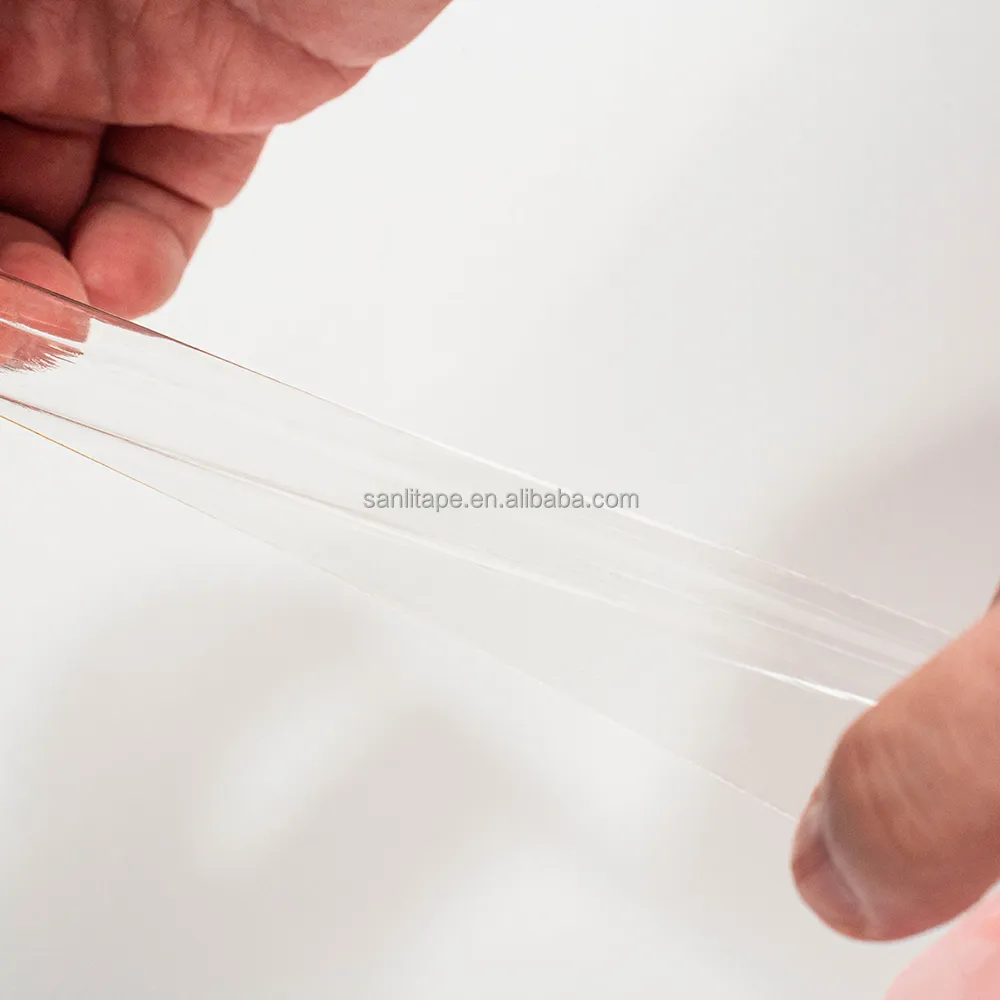
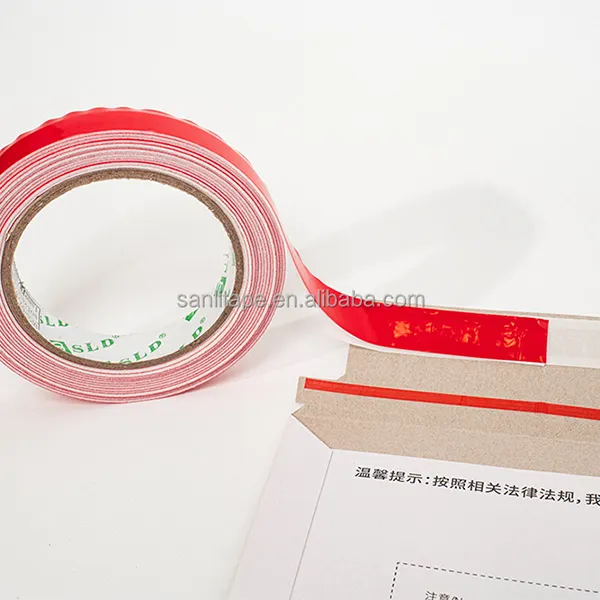
China's double-sided PET film remains a key element in supply chains for the electronics, automotive and construction industries by 2026. We are seeing the market transform under pressure from new environmental standards and fluctuating raw material costs. In our experience of working with dozens of factories in the provinces of Guangdong and Zhejiang, we see a clear trend: buyers are no longer chasing the lowest price, but are demanding stability of the adhesive layer at extreme temperatures. If you are planning to purchase a batch for next year, ignoring the increase in the price of the base polymer will lead to cash gaps in your project.
It is now 2026, which means that the era of “cheap China” is finally a thing of the past. The cost of entry for new producers has increased by 18% due to stricter requirements for wastewater treatment and energy consumption. Large players are consolidating the market, displacing small workshops that cannot comply with new GOST standards and international ISO certificates. This is good news for the importer: the risk of receiving a defective shipment from a fly-by-night company has decreased, but the average contract price has increased. We've analyzed customs declaration data and industry association reports to give you the real picture, not marketing hype.
In this article, we will analyze specific numbers, technical nuances of choosing the thickness of the base and the type of glue, and also list the real risks that our clients face when trying to save 5% on the cost of the roll. You'll learn why 50-micron tape can cost less than 40-micron tape under certain production conditions, and how to check the supplier before sending an advance payment.
Factors determining the price of Chinese PET tape in 2026
The cost of the finished product directly depends on three variables: the price of PET granules, the cost of acrylic or silicone adhesive and logistics costs. At the beginning of 2026, the exchange price of virgin PET raw materials stabilized at around 1150–1200 US dollars per ton, which is 7% higher than the previous year. This is a fundamental factor that dictates the lower price limit for any honest manufacturer. If you are offered a tape at a price lower than the estimated cost of raw materials, it means that the composition uses low-quality recycled materials or the adhesive application technology is broken.
The second critical component is the adhesive layer. We often see situations where a customer chooses the cheapest option, and six months later receives complaints from their customers due to peeling labels or fastening parts. Water-based acrylic adhesive remains the most popular solution for standard applications, but its price is sensitive to the cost of petrochemicals. Silicone adhesives, required for high-temperature applications (up to 200°C), rose the most, by 12-15%, as major silicone production facilities were repurposed for the needs of electric vehicles.
Logistics and packaging also play a role that many underestimate. Delivery by sea from the port of Shenzhen or Ningbo to the ports of Russia and the CIS in 2026 takes an average of 25–30 days, which requires an increase in warehouse stocks. Manufacturers offering FOB (Free On Board) terms shift the freight risk onto the buyer, while EXW (Ex Works) terms can hide the additional costs of inland transportation to the port. In our practice, one of our clients was faced with a situation where saving $200 on freight turned into downtime for a week on the conveyor due to the cargo being delayed at customs.
The exchange rate of the yuan against the dollar and ruble remains a factor of instability. Most large factories now fix prices in yuan, protecting themselves from currency fluctuations. This means that when planning your budget for 2026, you need to include an exchange rate differential of at least 5–7%. Ignoring this point leads to the fact that the agreed price at the time of signing the contract becomes unprofitable by the time of shipment.
To accurately calculate the cost of your products, use the following formula: price of raw materials + 25–30% (factory markup for processing and glue) + logistics. Any offer significantly lower than this amount should raise immediate questions for the plant technologist.Action:Request a certificate from your potential supplier about the current purchase price for PET granules to verify their commercial offer.
Technical characteristics and choice of adhesive type for industrial applications
The choice between acrylic, rubber and silicone adhesives determines 90% of the success of your application. Double-sided PET film tape with acrylic adhesive is a universal soldier: it is resistant to ultraviolet radiation, aging and oxidation, maintaining its properties for up to 10 years. However, it has a limit on initial stickiness (tack). If you need to instantly bond two surfaces without pressure, acrylic may not work as quickly as rubber. In our tests, acrylic tapes showed adhesion to stainless steel at a level of 8-10 N/25mm, which is sufficient for most installation tasks.
Rubber adhesive (natural or synthetic rubber based) provides phenomenal initial tack and excellent adhesion to rough surfaces such as cardboard, wood or painted metal. But it has a serious drawback, which many sellers are silent about: it turns yellow over time and loses elasticity at temperatures above 60–70°C. We have seen cases where fixing wires in a car harness using cheap rubber tape resulted in the glue drying out and subsequent parts rattling after two years of use. Use rubber only for temporary fixation or indoors in climate-controlled areas.
Silicone adhesive is a premium segment for extreme conditions. It can withstand heat up to 200–260°C and remains flexible in temperatures down to -60°C. It is the only true choice for lead-free soldered electronics or seals in motors. The price of such tape is 3–4 times higher than acrylic, but the cost of equipment failure can be hundreds of times higher. When choosing a silicone tape, pay attention not only to heat resistance, but also to residual adhesion after thermal shock. Cheap analogues often leave traces of glue on the board after heating.
The thickness of the PET base varies from 12 microns to 100 microns or more. Thin films (12–25 µm) are ideal for bonding displays and touch panels where minimal clearance is important. Thicker substrates (50-100 microns) act as vibration dampers and fill in uneven surfaces. It is important to understand: increasing film thickness does not always linearly increase tensile strength, but significantly affects the ability of the tape to compensate for the thermal expansion of materials.Action:Conduct a static load shear test at a temperature appropriate to your product's operating conditions before approving the specification.
Comparison table of types of adhesive bases
| Parameter | Acrylic glue | Rubber glue | Silicone glue |
|---|---|---|---|
| Operating temperature range | -40°C … +150°C | -20°C … +80°C | -60°C … +260°C |
| Initial Tack (Tack) | Average | Very high | Low / Medium |
| UV resistance | Excellent (does not turn yellow) | Poor (turns yellow over time) | Excellent |
| Chemical resistance | High (to solvents, oils) | Low (swells with oils) | High |
| Shelf life (per roll) | 12–18 months | 6–12 months | 12–24 months |
| Recommended Application | Stickers, installation in construction, household appliances | Packaging, temporary fixation, paper | Electronics, auto industry, high temperatures |
Review of production regions and verification of suppliers
The geography of production in China is heterogeneous, and knowing the characteristics of each cluster will help you avoid mistakes. Guangdong Province (Dongguan, Shenzhen, Foshan) is traditionally strong in the production of high-tech materials for electronics. Factories working with Japanese and German equipment for applying glue are concentrated here. If your project requires tape for smartphones, displays or precision optics, look for suppliers in this region. However, the cost of labor and rent is maximum here, which is reflected in the price of the final product.
Zhejiang Province (especially the Wenzhou and Yiwu city areas) is a center for the mass production of packaging and building materials. Here you will find huge volumes of production of ordinary PET tape for corrugated cardboard, carpeting and simple installation work. Competition in this region is fierce, which puts pressure on prices, but sometimes at the expense of quality control. We came across factories that changed the glue recipe every six months in order to maintain the price, which led to instability of batches. When working with this region, strict incoming control of each batch is required.
Jiangsu Province (Suzou, Wuxi) occupies an intermediate position, specializing in automotive components and industrial insulation. Factories here often have IATF 16949 certificates, which is critical for suppliers to automakers. Logistics from this region are convenient for both sea transport through Shanghai and rail shipments to Europe and Russia. If you need a balance between price and quality for medium-tech tasks, Jiangsu is the best choice.
Vendor verification in 2026 requires more than just asking for certificates. Fraudsters have learned to forge even ISO documents with holograms. Our verification algorithm includes three stages. First, a video call directly to the workshop: ask to see the film extrusion line and the glue application line. If a factory only buys ready-made film and cuts it, it is a trader or a small converter, and not a full-cycle manufacturer. Second, request a list of their current export clients for the last year and try to contact two of them (not from the list of references provided). Third, order a trial batch before the main contract. One of our clients lost a large sum by believing in the presence of a warehouse of finished products, which in fact did not exist - the goods were planned to be produced only after prepayment, but the deadlines were missed by a month.
Pay attention to the specialization of the plant. Generalists who do everything from tape to protective film often lose out in quality to narrow-profile players. A factory that makes only double-sided tapes for electronics will have a more consistent process for controlling the thickness of the adhesive layer than a factory that produces hundreds of different types of adhesive products. A striking example of this approach is the companyEnping Sunli Adhesive LLC. This professional manufacturer has been on the market for 23 years (since 1997) and specializes exclusively in the development and production of high-quality adhesive materials. Unlike small workshops, Sunli Adhesive has a full production cycle of a wide range: from classic double-sided tapes based on PET, fabric and foam materials (PE, EVA) to high-tech solutions such as nano-magnetic tapes, VHB and finger-lift tapes. The presence of ISO 9001:2008 and ISO 14001 certificates confirms the maturity of their quality management and environmental safety systems, which is especially important for supplies to the automotive and construction industries. In addition, the company offers flexible OEM/ODM solutions, adapting adhesive properties, sizes and packaging to the specific needs of the client, which avoids problems with products not meeting project requirements.
Action:Add to the contract a clause stating the right to have the production unannounced by a third party (for example, SGS or Bureau Veritas) at your own expense.
Quality standards and certification for export to the Russian Federation and the CIS
Entering the markets of Russia and the countries of the Customs Union requires strict compliance with the regulatory framework. The main document confirming the safety of products is the EAC (Eurasian Conformity) certificate. Without EAC marking, legal sale of industrial tape in the Russian Federation is impossible. The process of obtaining a certificate includes laboratory testing of samples for fire safety, toxicity and mechanical strength. A responsible Chinese supplier must already have a valid EAC certificate for its products or be ready to promptly provide samples for testing in an accredited laboratory.
In addition to EAC, many industrial applications require compliance with national GOST standards. For example, GOST R 58427-2019 regulates testing methods for adhesive tapes. Although Chinese factories can produce products according to their own technical specifications (TU), participation in government tenders or supplies to large Russian corporations often requires a test report confirming compliance with GOST. We recommend discussing in advance with the supplier the possibility of adapting their technical process to the requirements of Russian standards, especially in terms of adhesion to specific types of surfaces common in the Russian Federation.
International standards ISO 9001 (quality management system) and ISO 14001 (environmental management) are a marker of enterprise maturity. The presence of these certificates does not guarantee the quality of a particular roll, but indicates that the plant has established control and traceability processes. In 2026, more and more European and Russian companies are demanding that their Chinese partners comply with the principles of sustainable development. Plants using older solvents without recovery systems may face export restrictions in the future.
Special attention should be paid to fire safety. For the construction sector, the flammability class of a material is critical. PET film itself is a fire-resistant material, but the adhesive layer can change the overall picture. Make sure that the technical data sheet of the product indicates the fire hazard class (for example, KM1 or KM2 according to Russian standards). The absence of this data may result in refusal to accept the object by the fire inspector.Action:Request a copy of the EAC certificate and flammability test reports from the supplier before signing the contract.
Typical procurement mistakes and ways to prevent them
The most common mistake is focusing solely on the price per square meter without taking into account the yield of useful products. Cheap tape may have uneven application of glue (bald spots), which will lead to defects on the automatic sticker line. Conveyor downtime due to frequent breaks or poor adhesion will cost you more than the difference in price between a budget and premium supplier. In our practice, there was a case when a plant saved 10% on the cost of tape, but lost 30% of production due to the fact that the labels peeled off during transportation.
The second mistake is the incorrect choice of winding width and sleeve diameter. Automatic dispensers and applicators have strict requirements for the outer diameter of the roll and the unwinding force. Chinese suppliers often offer standard sizes that may not fit your imported equipment. Be sure to provide the supplier with a drawing of your roll holder and indicate the desired direction for unrolling the adhesive (inward or outward). Changing these parameters after the fact is impossible without rewinding, which leads to additional costs and the risk of damage to the adhesive layer.
The third problem is ignoring storage conditions and expiration dates. Adhesive materials are sensitive to temperature and humidity. A tape that has been left in a container for a month under the scorching sun before being shipped may lose its properties even before it arrives at your warehouse. Require your supplier to use insulated containers or ship during morning hours. Also check the shelf life: for acrylic tapes it is usually 12 months from the date of production. Using an expired tape is a lottery with a high risk of losing.
The fourth mistake is the lack of a clear technical specification (TOR). The phrase “you need good double-sided tape” doesn’t work. Your technical specification must contain: type of base (thickness, color, transparency), type of glue, required adhesion to a specific material (steel, plastic, glass), operating temperature, required width and length of the roll. The more detailed the technical specification, the less chance of getting a “pig in a poke”. We recommend enclosing a sample of the material to which the tape will be glued to the specification so that the factory can conduct compatibility tests.
Finally, the role of packaging is underestimated. Paper boxes may become wet during sea transport if the container sweats. Require the use of moisture-proof bags inside boxes and reinforcement of pallets with plastic tape. Damage to the ends of the rolls during transportation makes them unsuitable for use in machines.Action:Включите в спецификацию требования к упаковке и маркировке каждого рулона (партия, дата производства, направление намотки).
Market forecast and procurement strategy for 2026–2027
Рынок двусторонней ленты из ПЭТ-пленки входит в фазу зрелости с элементами технологической модернизации. Ожидается, что спрос будет расти со скоростью 4–5% в год, драйверами выступят сектор возобновляемой энергетики (крепление солнечных панелей) и производство аккумуляторов для электромобилей. Китайские производители активно инвестируют в разработку лент с повышенной теплопроводностью и электропроводностью, что открывает новые ниши для импортеров, готовых предложить инновационные решения своим клиентам.
Ценовое давление сохранится, но оно будет смещаться в сегмент сырьевых товаров. На рынке премиальных технических лент цена станет менее важным фактором, чем гарантия стабильности поставок и техническая поддержка. Мы прогнозируем дальнейшую консолидацию отрасли: мелкие игроки будут поглощаться крупными холдингами или уйдут с рынка из-за невозможности соответствовать экологическим нормам. Это создаст благоприятные условия для долгосрочного партнерства с оставшимися крупными заводами, такими как опытные производители с многолетней историей и сертифицированными процессами.
Для российских импортеров стратегия диверсификации поставщиков становится критически важной. Полагаться на одного поставщика из одного региона рискованно из-за возможных логистических сбоев или форс-мажоров. Оптимальная модель — работа с двумя-тремя проверенными заводами в разных провинциях, имеющими разные профили специализации. Это позволит гибко реагировать на изменения спроса и нивелировать риски срыва поставок.
Также стоит обратить внимание на локализацию некоторых процессов. Некоторые китайские компании начинают открывать склады готовой продукции на территории дружественных стран или рассматривают возможность организации финальной перемотки и упаковки в России. Это может сократить сроки поставки и снизить логистические издержки в долгосрочной перспективе. Следите за новостями крупных игроков рынка, так как они первыми запускают такие инициативы.
В заключение, успешная закупка китайской двусторонней ленты в 2026 году требует глубокого понимания технологии, тщательной проверки партнеров и грамотного управления рисками. Не экономьте на экспертизе и тестировании — эти инвестиции окупятся стабильностью вашего производства и репутацией надежного поставщика на вашем рынке.Contact us today, чтобы получить персонализированный аудит ваших текущих поставщиков и помощь в подборе оптимального технического решения для ваших задач.
Для получения дополнительной информации о спецификациях и условиях поставки посетите наш разделкаталог промышленных лент из ПЭТ, где представлены актуальные данные по наличию и техническим характеристикам.