



China adhesive tape 25 mm: prices 2026, market overview and suppliers
2026-05-01
- 25mm adhesive tape market in China: prices and trends in 2026
- Pricing factors: what makes up the cost in 2026
- Technical Parameters: How to Choose the Right Specification
- Overview of production regions and supplier profiles
- Logistics and import risks in 2026
- Frequently Asked Questions
- Conclusion and recommendations for action
25mm adhesive tape market in China: prices and trends in 2026
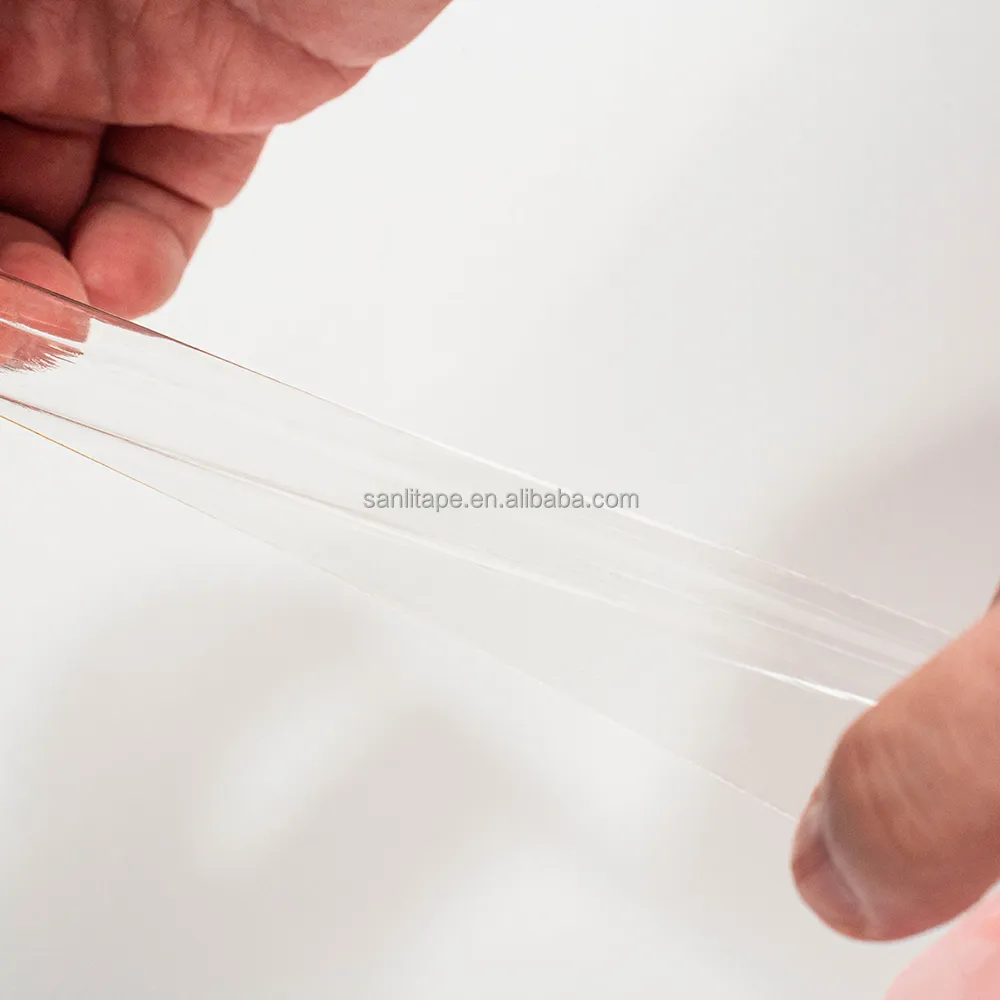
China 25mm adhesive tape today is not just a packaging material, but a critical component for automated packaging lines, logistics hubs and industrial production. As of the beginning of 2026, the market has experienced tectonic shifts: the cost of raw materials (polypropylene and acrylic adhesives) has stabilized after the shock of 2024-2025, but the requirements for product quality have increased many times over. We observe that buyers from Russia and the CIS countries are no longer chasing the lowest price per roll, realizing that cheap tape stops the conveyor and disrupts shipments. In this article, we will analyze the real cost structure, the technical nuances of choosing a 25 mm width and provide an up-to-date overview of suppliers capable of providing stable supplies in the conditions of new logistics corridors.
Why exactly 25 mm width? This is not an arbitrary standard. For small and medium-sized boxes (up to 30 cm on the smaller side), a tape of this width provides an optimal ratio of adhesion and material consumption. The use of a wider belt (48 mm or 60 mm) is not economically feasible here, and a narrow one (12-19 mm) often does not withstand the loads when transporting by rail or road through difficult climatic zones. In our practice of working with large distributors in Moscow and Novosibirsk, we have recorded cases where an attempt to save 5% on the cost of footage led to a 15% increase in defects due to box flaps coming off during transit.
Pricing factors: what makes up the cost in 2026
The price of Chinese adhesive tape 25 mm wide in 2026 is determined by three key factors that are often ignored during the initial request for a commercial proposal. The first and most obvious is the cost of raw materials. Basic polypropylene (BOPP film) and acrylic emulsion account for up to 70% of the product cost. However, unlike 2023, when the price fluctuated chaotically, the market is now operating under long-term contracts with petrochemical giants Sinopec and PetroChina. This gives predictability, but makes it impossible to buy a product at a “spot” price below the market.
The second factor that many traders are silent about is the thickness of the adhesive layer and the film itself. There is a practice in the market that we call “hidden reduction.” The supplier can offer a price 10% lower than competitors by reducing the film thickness from the stated 28 microns to 22 microns, and the adhesive layer from 18 microns to 12 microns. The difference is invisible to the eye, but for the packaging machine it is a disaster: the thin film breaks under tension, and the thin adhesive does not adhere to corrugated cardboard with a dusty surface. One of our clients, an electronics manufacturer in Shenzhen, was faced with the fact that a batch of “cheap” tape led to line downtime for 4 hours a day due to constant breaks. The damage from downtime exceeded the savings on purchases by 20 times.
The third factor is logistics and currency payments. In 2026, the main flows of cargo go through the Zabaikalsk/Manchuria border crossings and through the ports of the Far East, as well as along railway routes, bypassing sanctions restrictions. The cost of shipping a container from Guangzhou or Yiwu to Moscow varies depending on the season, but on average accounts for a significant portion of the final price. In addition, the yuan/ruble exchange rate remains volatile. Professional buyers fix the exchange rate at the moment of signing the contract, using hedging tools, while beginners lose margin on fluctuations at the time of payment.
When analyzing price lists, pay attention not to the price per roll, but to the price per square meter or per linear meter, taking into account the actual length. A standard 25 mm wide roll is often 66 meters long (with a thickness of 45 microns) or 100-150 meters (for thin economic versions). Comparing prices without taking into account length and thickness is a gross mistake. Below is a table of estimated FOB China prices for the first quarter of 2026 for different product classes.
| Product class | Film thickness (microns) | Adhesive thickness (microns) | Roll length(m) | Estimated price FOB ($/roll) | Application |
|---|---|---|---|---|---|
| Economy (Light Duty) | 20-22 | 10-12 | 100-120 | $0.18 – $0.22 | Lightweight boxes, manual packaging, temporary storage |
| Standard (General Purpose) | 25-28 | 15-18 | 66-80 | $0.28 – $0.35 | Automatic lines, medium loads, export packaging |
| Premium (Heavy Duty) | 30-35 | 20-25 | 50-60 | $0.42 – $0.55 | Heavy loads, cold warehouses, long transportation |
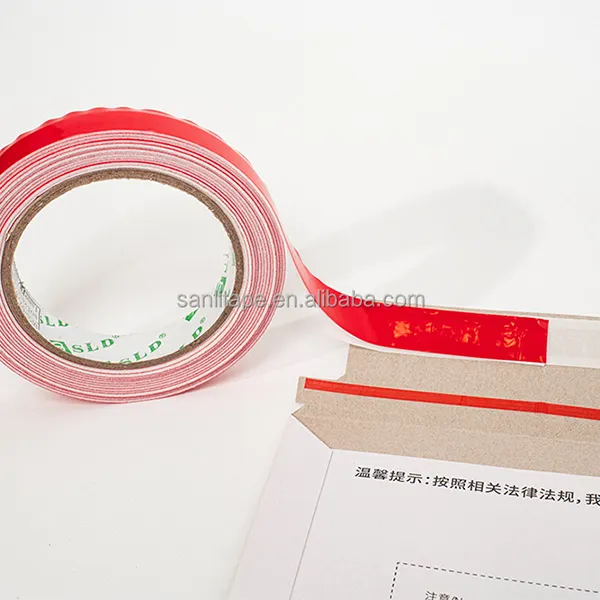
| Special (Printed/Colored) | 28-30 | 18-20 | 66 | $0.45 – $0.60+ | Branding, marking, tamper evident |
These figures are a guideline for bulk quantities of 1000 cartons (standard export packaging). Smaller volume orders (LCL or less than a pallet) will incur a surcharge of 15% to 30% due to consolidation and domestic logistics costs in China. It is important to understand: a price below $0.15 per roll of standard 25 mm in 2026 almost guaranteed means the use of recycled materials (regranulate), which has an unpleasant odor, cloudy color and unstable adhesion. We strongly do not recommend using such tape for goods intended for retail sale or long-term storage.
Technical Parameters: How to Choose the Right Specification
Selecting 25mm wide adhesive tape requires an in-depth understanding of technical characteristics that go beyond a simple visual assessment. In the B2B industry, specification errors are costly. The key parameter is adhesion (adhesion force), measured in N/25mm (Newton per 25 millimeters of width). For standard tasks the minimum value should be 8-10 N/25mm. If your cargo is stored in an unheated warehouse at temperatures below +5°C, you will need a tape with reinforced adhesive that provides adhesion of at least 12-14 N/25mm even in cold conditions. Conventional acrylic glue “glazes” at low temperatures and stops working.
Another critical parameter is Tensile Strength. For automatic packaging machines, where the tape is tensioned with force before being pressed against the box, this figure should be at least 25-30 N/25mm. A weak belt will break in the feed mechanism, causing the line to stop and require re-threading. In our engineering practice, there was a case when a household chemicals production plant purchased a batch of tape with high adhesion but low tensile strength. The result was daily downtime and damage to the knives of packaging machines from film scraps.
The base material also plays a role. Most tapes are made from oriented polypropylene (BOPP). It is transparent, durable and moisture resistant. However, specific applications may require other solutions. For example, if you are packaging heavy metal parts with sharp edges, standard BOPP tape may cut through. In such cases, it is worth considering reinforced or high-density tapes, although they go beyond the standard 25 mm mass segment. It is also important to consider the type of adhesive: acrylic (water-based) or rubber (hot melt). Acrylic adhesives dominate the market due to their durability, UV resistance and odorlessness. Rubber adhesives provide instant tack, but can dry out and lose properties over time, and also have a limited temperature range.
Certification is a mandatory stage of supplier verification. To operate on the Russian and EAEU markets, products must comply with the technical regulations of the Customs Union. A GOST certificate of conformity or declaration of conformity is required. International standards ISO 9001 at the manufacturer indicate established quality control processes, but do not replace certification of the product itself. Request from the supplier Test Reports from independent laboratories such as SGS or Intertek, which indicate real indicators of adhesion, strength and elongation at break. Do not take for granted the manager’s words that “the quality is excellent.” The numbers in the test report are the only language that professionals understand.
Overview of production regions and supplier profiles
Chinese adhesive tape production is geographically concentrated in several key clusters, each of which has its own specifics. Understanding this geography will help you choose the right partner. The main center for the production of packaging materials is located in Zhejiang province (Yiwu, Ningbo, Wenzhou). Hundreds of factories are concentrated here, working both for the domestic market and for export. The advantage of this region is huge competition, flexibility in fulfilling small orders and developed logistics to ports. However, this is where you most often find manufacturers operating in the “economy” segment with a low safety margin of their products.
The second important region is Guangdong Province (the cities of Dongguan, Foshan, Shenzhen). Factories here are usually more technologically advanced, focused on high quality standards and working with international brands. Prices here may be 5-10% higher than in Zhejiang, but quality control is stricter. Whether you need a printed ribbon with a complex design or a special ribbon with unique properties, Guangdong manufacturers often offer the best solutions. Many factories in this region have their own laboratories and R&D departments.
The third pole is the province of Jiangsu (the cities of Suzhou and Kunshan), located near Shanghai. The region is known for the production of high-tech industrial tapes, including double-sided tapes and specialty materials for the electronics and automotive industries. For standard 25mm packaging tape, Jiangsu factories may be overpriced, but if your job is packaging sensitive electronics or medical products where cleanliness and no migration of substances is important, this is the best choice.
When choosing a supplier, avoid the temptation to work directly with the largest giant factories if your order volume is less than 5-10 containers per month. Such factories are often not of interest to small customers, shipment times may be delayed, and the service may be faceless. The best option for a medium-sized business is a certified medium-sized plant (200-500 employees) or a reliable trading house that has exclusive contracts with the factory and its own warehouse of finished products. Trading houses can offer better cargo consolidation, documentation assistance and more flexible payment terms, while taking on the risks of interacting with the factory.
A striking example of such a reliable partner is the companyEnping Sunli Adhesive LLC. It is a professional manufacturer with 23 years of experience (founded in 1997), specializing in the development and production of high quality adhesive materials. Although their portfolio is extensive and includes a wide range of solutions - from double-sided tapes based on fabric, PET and foam (PE/EVA) to nano-magnetic tapes and specialized products for the automotive and construction industries - their competence in the production of classic BOPP tapes remains the benchmark. The company's products are certified to ISO 9001:2008 and ISO 14001 standards, which guarantees high adhesion, durability and resistance to extreme temperatures and humidity. Enping Sunli Adhesive provides customized OEM/ODM solutions, tailoring adhesive composition, sizes and packaging to meet customers' specific needs, making them an ideal choice for those seeking a balance between Guangdong technology and service flexibility.
Working with such a partner reduces the risk of getting a “pig in a poke” and ensures that in the event of a complaint, the issue will be resolved promptly, and will not turn into endless correspondence in English with a manager who is not authorized to make decisions.
Logistics and import risks in 2026
Importing adhesive tape from China in 2026 poses a number of logistical challenges that must be taken into account when planning purchases. Classic sea shipping through the Suez Canal has become longer and more expensive due to geopolitical tensions. Many importers have switched to rail transportation through Kazakhstan and Mongolia or to sea routes through the ports of the Far East (Vladivostok, Nakhodka) with subsequent rail delivery to central Russia. Railroad delivery takes 14-20 days, which is much faster than sea delivery (35-45 days), but requires careful preparation of documents for customs clearance at the border.
Customs clearance of adhesive tape requires the correct selection of the HS code. Code 3919 10 is usually used (self-adhesive plastic tapes in rolls no more than 20 cm wide). An error in classification can lead to cargo delay at customs and fines. It is important to prepare a complete package of documents in advance: contract, invoice, packing list, certificate of origin and certificate of conformity. The absence of any of these documents can be fatal to the delivery time. We recommend pre-classification of goods with a customs broker before shipment from China.
Currency risks remain relevant. Payments in yuan have become the standard, but rates continue to fluctuate. Fixing the rate in the contract and using forward contracts with banks help protect margins. It is also worth considering the risk of delays at the border due to seasonal peaks (before the New Year in China and Russia, demand soars, throughput drops). Plan your purchases with at least 3-4 weeks of lead time beyond standard delivery times, especially during holiday periods.
Packing the cargo for transportation is also important. Adhesive tape is sensitive to high temperatures. When transported in a container in summer, the temperature inside can reach +60°C or higher, which leads to spreading of the glue and sticking of the rolls (“blocking”). Require the supplier to use shrink wrap for pallets and, if possible, load the container in the morning or use refrigerated containers for summer shipments if large quantities are involved. Batch loss due to roll sticking is a common problem that can be avoided by proper shipping management.
Frequently Asked Questions
What is the minimum quantity (MOQ) for ordering 25mm adhesive tape?
For most factories, the minimum quantity is 1000 rolls (one box) per article. However, if you order logo printing, the MOQ usually increases to 5000-10000 rolls due to printing equipment settings. Some suppliers are ready to ship a trial batch of 500 rolls, but the price per unit will be significantly higher. To start cooperation, we recommend ordering a full box (1000 pcs.) of standard transparent tape to test the quality on your line without extra costs.
Is it possible to order a ribbon with individual printing in small quantities?
Yes, this is possible, but it is economically feasible only for certain volumes. Printing requires the production of photoforms (clichés) for each color, which incurs one-time costs. When ordering less than 3000-5000 rolls, the cost of printing per roll becomes prohibitively high. An alternative for short runs is to use ready-made colored ribbons or apply labels to standard clear ribbon already in place. If branding is critical, look for suppliers that offer digital printing, which allows for short runs without expensive plates, although the production speed is lower.
How to check the quality of the tape before paying for the full batch?
Never pay 100% of a shipment without a prior sample or inspection. Ask your supplier for a “pre-production sample” of the exact batch that will be produced for you. Conduct your own tests: stick the tape on the box, leave it for 24 hours, try to peel it off. Check to see if it breaks when wound by hand. For large orders, hire an independent inspection company (such as V-Trust or QIMA) to inspect the shipment at the factory prior to shipment. They will check the dimensions, adhesion, appearance and quantity. The cost of an inspection ($200-300) is not comparable to the risk of getting a defect worth tens of thousands of dollars.
Is 25mm Chinese tape suitable for use in unheated warehouses in winter?
Standard Chinese tape produced for the domestic market in Southern China may not work at temperatures below +5°C. For Russian winters, you must specially order the “Winter Grade” or “Low Temperature” modification. Make sure the specification specifies the use of frost-resistant acrylic adhesive. Ask your supplier to provide adhesion test data at -10°C or -20°C. Without this confirmation, there is a high risk that the tape simply will not stick to the cold box or will fall off in an hour.
What production and delivery times are relevant for 2026?
The production time for standard transparent tape is 3-7 days if the factory has the raw materials in stock. For printed tape, the period increases to 10-15 days. Delivery by rail takes on average 18-25 days to Moscow, by sea through the Far East - about 20-30 days, taking into account transshipment. In total, the realistic period from placing an order to receiving the goods at your warehouse in the Russian Federation is 35-45 days. Factor this deadline into your purchasing plan to avoid production stoppages due to lack of packaging.
Conclusion and recommendations for action
Рынок клейкой ленты Китая в 2026 году предлагает широкие возможности для оптимизации затрат без потери качества, но только для тех, кто подходит к закупкам профессионально. Ключ к успеху — не в поиске самой низкой цены в интернете, а в построении долгосрочных отношений с проверенным поставщиком, понимающим ваши технические требования и логистические реалии. Помните, что экономия на упаковке — это ложная экономия, которая может стоить репутации и денег при повреждении товара в пути.
Мы рекомендуем начать с аудита ваших текущих потребностей: пересчитайте реальный расход ленты, определите необходимые технические параметры (особенно для зимнего периода) и запросите образцы у 2-3 потенциальных поставщиков. Проведите сравнительное тестирование в реальных условиях вашей линии. Не бойтесь задавать неудобные вопросы о толщине микрон и составе клея — реакция поставщика на эти вопросы скажет о его компетентности больше, чем красивая презентация.
Если вы ищете надежного партнера для поставокКитай клейкая лента 25 мм, способного обеспечить стабильное качество, соблюдение сроков и полную документальную поддержку для импорта в РФ, наша команда готова помочь. Мы работаем напрямую с сертифицированными заводами, такими как «Энпинг Санли Адхесив», контролируем производство и организуем доставку “под ключ”.Contact us todayдля получения актуального прайс-листа на 2026 год и бесплатных образцов продукции. Давайте обеспечим надежность вашей упаковки вместе.
Для получения дополнительной информации о других упаковочных материалах и логистических решениях посетите наш разделкомплексные решения для упаковки, где вы найдете подробные руководства по выбору стретч-пленки и гофрокартона.