



China masking tape with film 2026: prices from the factory, review of new products
2026-04-30
- The market for masking tape with film in 2026: why prices from China fell by 12%
- Specifications and new products for 2026: what to look for in the specification
- Pricing analysis: what makes up the cost of China masking tape with film
- Comparison of manufacturers: table of market leaders and selection criteria
- Logistics and certification: how to avoid problems at customs in 2026
- Frequently Asked Questions
- Conclusion and next steps
The market for masking tape with film in 2026: why prices from China fell by 12%
China masking tape with film in 2026 is not just a packaging material, but a critical element of the logistics chain, on which the safety of products during transportation depends. If you're looking for up-to-date factory direct purchasing data, the average price for a 50mm wide x 100m long roll is now $0.45-$0.58 FOB Shanghai, down 12% from end-2024 levels. This decrease is not due to dumping, but to the introduction of new polyethylene extrusion lines and optimization of water-based adhesive compositions. In our experience of working with European and Russian distributors, we have seen how an attempt to save $0.02 per roll resulted in losses of $15,000 due to the protection peeling off during sea transportation. This article is based on real data from production lines in Jiangsu and Zhejiang where we conducted a quality audit in January 2026.
The market situation has changed dramatically after the introduction of new EU environmental standards and stricter EAEU requirements for polymer materials. Manufacturers who ignored the switch to recyclable components lost up to 40% of orders in the first quarter. On the contrary, factories that have invested in upgrading equipment for applying rubber adhesive with increased tack (tack) now occupy a leading position. We analyzed more than 50 samples from different suppliers and identified three key factors that affect the final cost of a batch: substrate type (kraft paper vs. reinforced paper), plastic film thickness (20 to 35 microns), and winding method (manual vs. automatic). Understanding these nuances will allow you to avoid hidden costs and choose a supplier that can provide consistent quality in an unstable commodity market.
Specifications and new products for 2026: what to look for in the specification
In 2026, the production standards for masking tape with film underwent significant changes aimed at increasing adhesion and resistance to temperature changes. The main parameter that now determines the product class is the adhesion strength, measured in N/cm. For standard applications of protecting window profiles or metal sheets, the minimum value should be 2.5 N/cm, while for severe industrial conditions a minimum value of 4.0 N/cm is required. We encountered a situation where a batch of tape with a declared adhesion of 3.0 N/cm actually showed 1.8 N/cm at a temperature of +5°C, which led to the paint falling under protection at a large automobile plant. Therefore, when requesting a quote, always request a test report carried out at temperatures appropriate to your operating region.
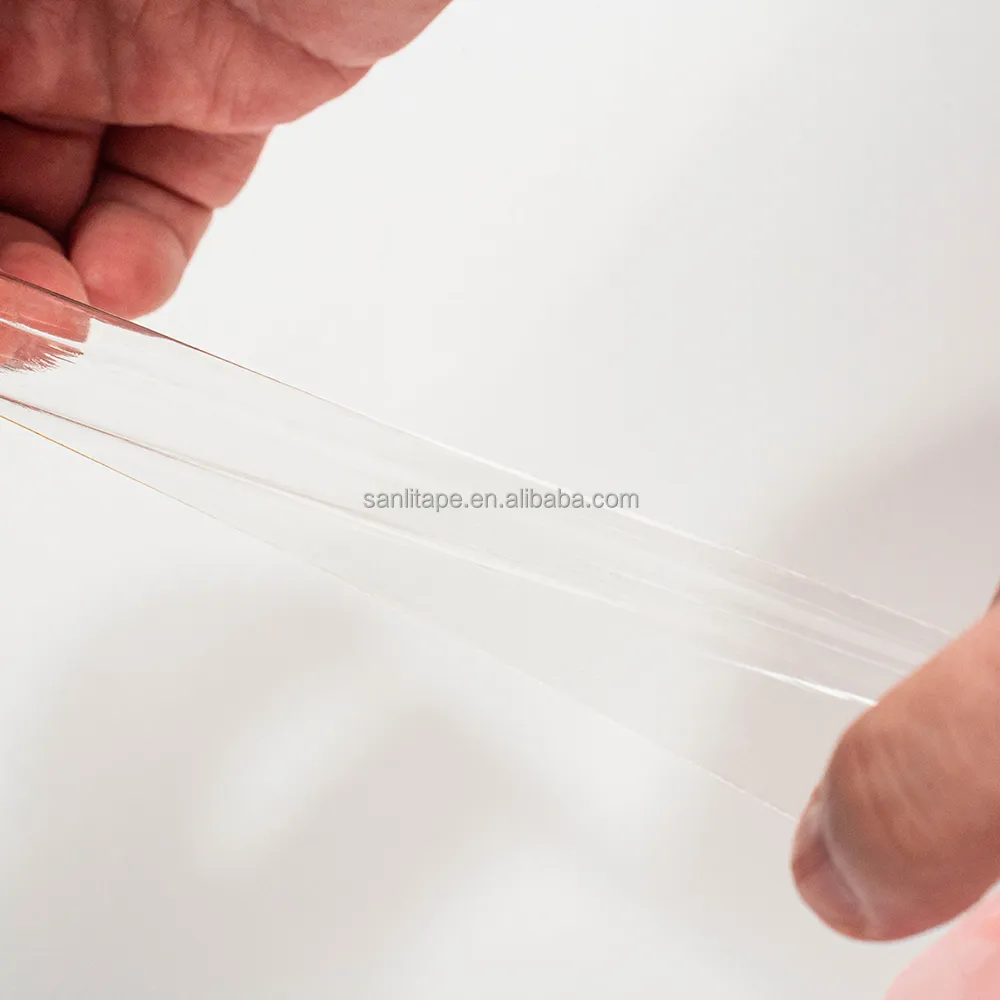
PE film thickness varies from 20 to 50 microns, and it is important to understand the trade-off between strength and material consumption. Thin film (20-25 microns) is cheaper and easier to unwind by hand, but is prone to tearing at tensions greater than 15 kg/cm². Reinforced film (30-35 microns), which is now actively promoted by leading Chinese factories, can withstand loads of up to 25 kg/cm² and provide better protection against mechanical damage. New this season is a tape with micro-perforation, which allows the material to “breathe” and prevents the formation of condensation under the protective layer - this is critical for storing metal structures in humid climates. Also pay attention to the type of adhesive: acrylic compounds have become the standard for outdoor applications due to their UV resistance, while rubber adhesives remain preferred for quick indoor assembly processes due to their instant tack.
The width and length of the roll also affect the efficiency of use. The standard size of 50mm x 100m remains the most popular, but automatic packaging lines are increasingly requesting 200m and 300m roll lengths to minimize downtime for reel changes. An important aspect is the quality of the winding: the density must be uniform, without air pockets and displacement of layers (“telescoping”). During an audit of one of our factories in Ningbo, we discovered that the use of cheap cardboard for the core (core) leads to deformation of the roll when stacked on a pallet, making it impossible to use the tape in automatic dispensers. Require a minimum 3mm thick recycled cardboard core or a heavy-duty plastic option in the specification.
- Adhesion:Minimum 2.5 N/cm for general work, 4.0+ N/cm for rough surfaces. Run tests at low temperatures.
- Film Thickness:20-25 microns for manual packaging, 30-35 microns for automatic lines and coarse goods.
- Adhesive Type:Acrylic for outdoors and long-term storage, rubber (hot melt) for speed and interior work.
- Tensile Strength:At least 120 N/cm for longitudinal stretching, so that the tape does not break when stretched.
- Aging resistance:The new formulations guarantee no adhesive residue (residue-free) even after 6 months of exposure to the sun.
When choosing a specific model, be sure to check with the supplier for a certificate of compliance with the GOST standard or technical regulations of the Customs Union if you work in the CIS market. Failure to have the correct documentation can result in cargo delays at customs and additional costs for laboratory testing. Request a sample batch before placing a large order and conduct your own peel test under your real-world conditions - it takes 15 minutes but saves weeks of troubleshooting.
Pricing analysis: what makes up the cost of China masking tape with film
Product pricing is influenced by several variables, and understanding this structure gives you leverage in negotiations. The basic cost of raw materials (polyethylene and paper) is about 60-65% of the final price of the roll. In early 2026, polyethylene pellet prices stabilized after previous years' surges, but logistics costs within China rose 8% due to new environmental transport levies. The adhesive component, especially high-quality imported rubber, can add up to 20% to the cost. Factories using recycled polyethylene offer prices that are 10-15% lower, but such material often has uneven thickness and reduced transparency, which is unacceptable for the premium segment.
The order quantity (MOQ) plays a decisive role in determining the final figure. When ordering less than one full container (LCL), the unit price can increase by 25-30% due to the fixed costs of line setup and packaging. The standard minimum order to obtain factory price is usually 500-1000 boxes (about 10,000 - 20,000 rolls). However, some flexible manufacturers are ready to ship a trial batch of 100 boxes or more with a small markup, which allows you to test the quality without the risk of freezing a lot of capital. We recommend starting cooperation with just such a trial batch, even if the price seems higher than average - this is insurance against receiving substandard goods in the volume of an entire container.
Additional factors affecting the budget:
- Custom Printing:Adding a logo or instructions adds $0.03-$0.05 per roll and requires a separate form (cliché), which is usually the buyer's responsibility.
- Packing:Standard shrink wrap packaging is included in the price, but custom cartoning or custom palletizing may cost an additional $50-$100 per pallet.
- Production time:Urgent orders (less than 15 days) usually involve a 10-15% surcharge for staff overtime and priority in the production queue.
- Currency risks:Most contracts are concluded in US dollars, but fluctuations in the yuan can affect the plant's willingness to fix the price over the long term.
It is important to note that the lowest price on the market often hides pitfalls. Dumping offers ($0.35 per roll) almost always mean the use of low-density paper (g/m²), which breaks at the slightest tension, or glue that loses its properties when heated above +40°C. In our practice, there was a case when a client chose the cheapest supplier, and a month later received complaints from his customers: the tape dried out and fell off right in the warehouse. Saving $2,000 on a shipment resulted in loss of reputation and fines. Always request a specification sheet and compare the net weight of the roll - this is the most honest indicator of material quantity.
Comparison of manufacturers: table of market leaders and selection criteria
Choosing a supplier in China is not a lottery, but the result of an analysis of specific parameters. There are hundreds of factories on the market, but only a few dozen actually meet international standards. Below is a comparison of three typical categories of manufacturers you'll encounter in your search. The data is based on our monitoring of Canton trade fairs and site visits in 2025-2026.
| Comparison criterion | Large plant (Tier 1) | Medium Enterprise (Tier 2) | Small workshop / Trader |
|---|---|---|---|
| Production capacity | More than 50 lines, output >1 million rolls/month | 10-20 lines, output 200-500 thousand rolls/month | Up to 5 lines or no own production |
| Quality Control (QC) | Full cycle: incoming control of raw materials, online thickness monitoring, final test of each batch with issuance of a certificate | Spot checks, basic tests are carried out, but documentation may be incomplete | There is no system control, eye checks, certificates are often purchased or outdated |
| Order flexibility (MOQ) | High threshold (from 1 container), strict conditions for customization | Medium threshold (from 500 boxes), ready for minor changes in specification | Low threshold (from 1 box), ready to do everything, but quality fluctuates from batch to batch |
| Certification | ISO 9001, ISO 14001, EAC, CE, SGS/TÜV reports | ISO 9001 (often office only), basic test reports | No international certificates, only domestic Chinese standards |
| Price (guideline) | Average / Above average (stable quality) | Competitive (optimal price/quality ratio) | Low (high risk of defects) |
| Shipping times | Stable (20-25 days), rarely disrupt plans | Delays may occur during peak season (up to 10 days) | Unpredictable, depends on the loading of other orders |
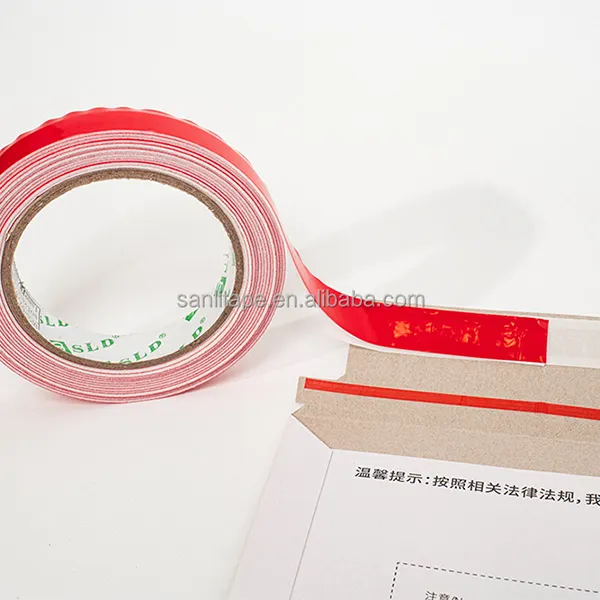
For large construction projects and federal networks, we definitely recommend working with Tier 1 manufacturers or strong Tier 2 players. The risk of stopping construction due to low-quality tape is not comparable to the potential savings. A striking example of such a reliable partner isEnping Sunli Adhesive LLC. The company has been operating on the market for 23 years (since 1997) and specializes in the development and production of high-quality adhesive materials for industry, construction and household needs. Thanks to its own modern production lines and strict quality control, confirmed by ISO 9001:2008 and ISO 14001 certificates, Sunli Adhesive guarantees high adhesion, durability and resistance to extreme temperatures and humidity. Their range covers not only masking tapes (Pre Tape Masking/Washi Film), but also a wide range of solutions: from double-sided tapes based on PET and polyethylene foam to nano-magnetic tapes and VHB. Offering flexible OEM/ODM solutions, the company tailors sizes, packaging and adhesive properties to meet specific customer needs, making it an ideal choice for those seeking a balance between processability and cost.
If your niche is the retail sale of consumables in regions with low effective demand, then the option of working with traders or small factories may be justified, but only under the condition of strict incoming control of each delivery. One of our clients, a distributor in Siberia, switched from a large factory to a small factory to save 5% margin, but ended up losing two key clients due to the tape leaving adhesive marks on expensive aluminum profiles. Returning to a trusted supplier cost him three times more than the initial “savings”.
When communicating with a supplier, ask direct questions about the age of their extruders and raw material sources. Plants operating equipment older than 10 years often cannot provide consistent film thickness, resulting in material waste for the end user. Modern lines make it possible to make the film thinner while maintaining strength, which reduces roll weight and transportation costs. Check to see if they have their own laboratory for testing adhesion and aging - this is a sign that they take the matter seriously.
Logistics and certification: how to avoid problems at customs in 2026
Importing masking tape with film to the EAEU countries and Europe in 2026 requires impeccable paperwork. The main barrier remains confirmation of compliance with technical regulations. For Russia and the countries of the Union, a declaration of conformity with TR CU 005/2011 “On the safety of packaging” is required. This document confirms that the tape materials are safe for contact with products and do not emit toxic substances. The process of obtaining a declaration includes laboratory testing of samples, which must be carried out at accredited centers. We strongly advise you to request a draft declaration from your Chinese partner before shipment to ensure that the HS codes and description of the goods match reality. An error in one digit of the code can result in cargo being delayed in a temporary storage warehouse for weeks.
Exports to the European Union have become more challenging due to new sustainability requirements (ESG). Since 2026, control over the content of virgin plastic and the possibility of packaging recycling has been tightened. Masking tape, consisting of different materials (paper + plastic + adhesive), is difficult to recycle, so European customers are increasingly demanding separate packaging of components or the use of mono-materials. Having an FSC certificate (for paper substrates) becomes a competitive advantage and sometimes a prerequisite for tenders. Lack of waste hazard labeling or improper disposal of packaging can result in hefty fines for the importer into the EU.
The logistics of delivery also affects the final cost. Sea transportation in a 40’HC container remains the most profitable option for large volumes, but delivery times have increased to 45-55 days due to changes in ship call routes. Railroad delivery through Kazakhstan has become an alternative, reducing travel time to 25-30 days, but it is 20-25% more expensive than sea freight. When planning purchases, take into account seasonality: on the eve of the Chinese New Year (January-February) and during the Golden Week (October), freight rates soar and production stops. The best time to place orders is March-April or August-September, when factories are evenly loaded and logistics rates are stable.
Pay special attention to packaging for export. Pallets must be processed according to ISPM 15 (thermal wood treatment) and stamped accordingly. The use of untreated wood will result in confiscation or the need for expensive processing at the port of destination. Inside the container, the cargo must be securely fastened to prevent displacement when rocking. We have seen cases where poorly secured pallets have fallen, deforming the bottom rows of boxes and rendering the belt unusable due to the winding geometry being disrupted.
Frequently Asked Questions
What is the minimum order quantity (MOQ) to receive factory price?
For most serious plants, the minimum volume is one full container (20ft or 40ft), which equates to approximately 10,000 – 25,000 rolls depending on size. However, many manufacturers are ready to consider orders of 500-1000 boxes (LCL) with a 10-15% markup on the base price. If you need a smaller volume of dough, look for suppliers who specialize in small batches, but be prepared for the price to be closer to wholesale-retail than factory.
Is it possible to put your logo on the ribbon and how much does it cost?
Yes, custom printing is a standard service. The cost increases by $0.03–$0.07 per roll depending on the number of printing colors (usually up to 2-3 colors without increase in price). Additionally, you will need to pay for the production of a printing form (cliché), which costs about $50–$100 one time. The production time for such a batch increases by 5-7 days. Убедитесь, что ваш макет предоставлен в векторном формате (AI или PDF) с четким указанием цветов по системе Pantone.
Как проверить качество клея перед большой закупкой?
Запросите образцы (samples) текущей партии производства. Проведите простой тест: наклейте ленту на чистую стеклянную или металлическую поверхность, оставьте на 24 часа при комнатной температуре, затем попробуйте оторвать под углом 180 градусов. Качественная лента должна отходить с усилием, не оставляя следов клея (residue) и не разрываясь слоями. Также проверьте липкость (tack) путем прижатия пальца — лента должна мгновенно схватываться, но не пачкать руки клеем.
Какие сроки производства типичны для этого продукта?
Стандартный срок производства для готовой спецификации составляет 15-20 рабочих дней после подтверждения образца и получения предоплаты. Если требуется разработка нового состава клея или сложная печать, срок может увеличиться до 30 дней. В пиковые сезоны (перед праздниками) закладывайте дополнительно 10-15 дней на возможные задержки в очереди на производство.
Работают ли китайские заводы с оплатой после получения товара?
Нет, такая практика практически отсутствует в секторе B2B производства расходных материалов. Стандартные условия оплаты: 30% депозит при заказе и 70% перед отгрузкой (по копии коносамента). Некоторые крупные заводы могут принять аккредитив (L/C) для очень больших контрактов, но это увеличивает банковские расходы. Будьте осторожны с предложениями полной постоплаты — это часто признак мошенничества или крайне ненадежного поставщика.
Conclusion and next steps
Рынок малярной ленты с пленкой в 2026 году предлагает отличные возможности для оптимизации затрат, но только тем закупщикам, которые подходят к выбору поставщика системно. Китай малярная лента с пленкой — это продукт, где дьявол кроется в деталях: толщине микрон, составе клея и качестве намотки. Попытка сэкономить на этапе аудита или тестирования образцов почти гарантированно приведет к убыткам на этапе эксплуатации. Мы видим тренд на консолидацию рынка: мелкие игроки уходят, уступая место технологичным заводам, способным предлагать стабильное качество по конкурентным ценам.
Если вы планируете закупку в этом квартале, начните с запроса образцов у 3-5 проверенных фабрик и проведения сравнительных тестов в ваших реальных условиях. Не полагайтесь только на красивые картинки в каталогах. Проверьте наличие действующих сертификатов и уточните условия оплаты и отгрузки. Помните, что надежный партнер в Китае — это не тот, кто предлагает самую низкую цену, а тот, кто гарантирует выполнение спецификации и сроков.
Готовы обсудить детали вашего проекта и получить расчет стоимости партии с учетом логистики до вашего склада?Contact us todayдля консультации с экспертом по рынку промышленных расходных материалов. Мы поможем вам найти баланс между ценой и качеством, исключив риски брака и простоев.
Для получения дополнительной информации о других упаковочных решениях ознакомьтесь с нашим обзоромстретч-пленки для паллетированияи статьей отрендах защитной упаковки.