



China anti-slip tape transparent 2026: prices, review and purchase from the manufacturer
2026-04-29
- China anti-slip tape transparent: market realities in 2026 and selection criteria
- Specifications: Why transparency complicates production
- Comparative analysis: Chinese production versus European counterparts
- Areas of application and installation specifics in 2026
- Procurement process: from inquiry to customs
- Frequently Asked Questions
- Final summary and partner selection strategy
China anti-slip tape transparent: market realities in 2026 and selection criteria
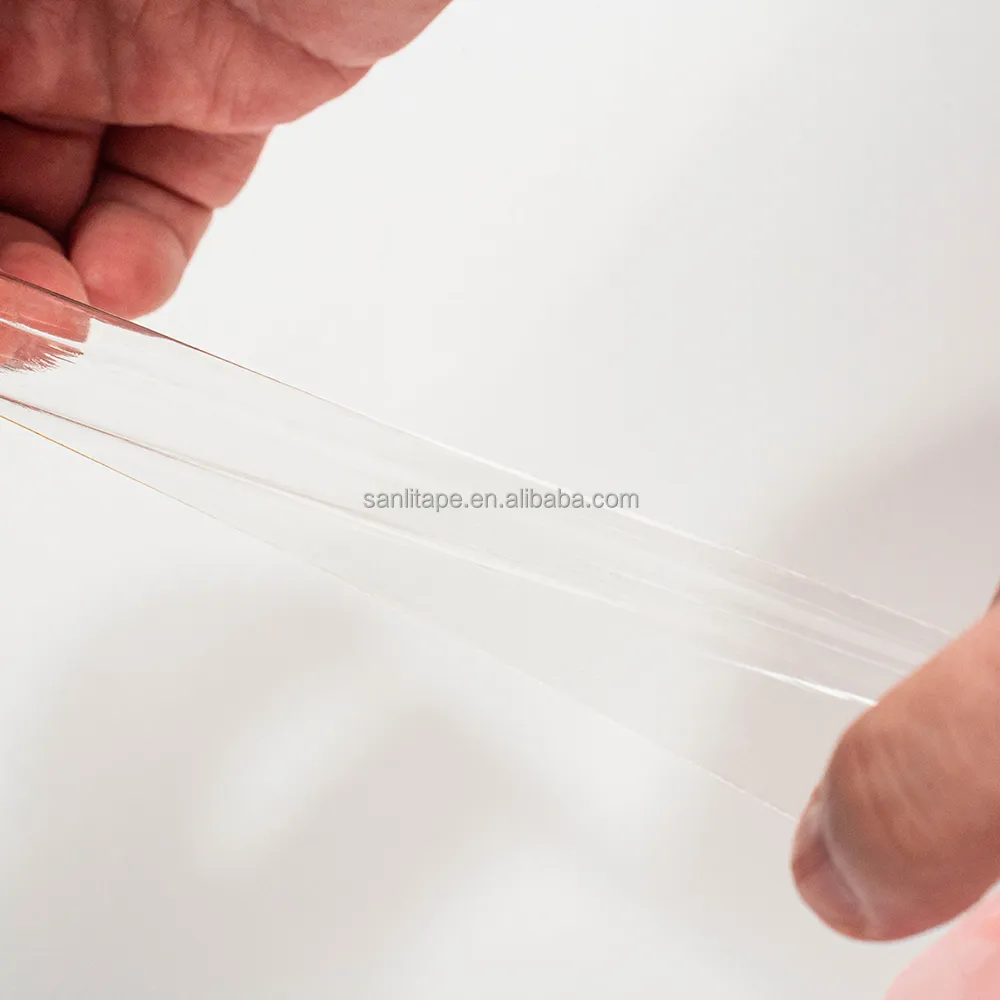
The industrial safety market in 2026 dictates new rules of the game, whereChina anti-slip tape transparenthas ceased to be just a consumable item and has become a strategic element of asset protection. We are seeing a fundamental shift: while five years ago customers were looking for the cheapest temporary marking film, today plant technical directors are demanding EAC certifications, proven adhesion on textured surfaces and a service life of at least three years in aggressive environments. Transparency plays a key role here - it allows you to preserve the aesthetics of expensive coatings made of natural stone, polished concrete or designer laminate, without hiding their texture under a layer of rough abrasive paper.
In our practice of working with European and Russian distributors, we are faced with a paradoxical situation: the demand for high-tech transparent solutions is growing by 18% annually, but 40% of purchases are still low-quality goods that peel off after two months. This is because many buyers do not understand the difference between solvent-based adhesive systems and newer generation acrylic dispersions. In this article, we will analyze the physics of the adhesion process, provide real abrasion test data, and explain why the price per square meter can differ by three times despite the external similarity of products.
Specifications: Why transparency complicates production
Creating an effective anti-slip tape that remains invisible on surfaces requires solving a complex engineering problem. Regular black and yellow tape uses coarse silicon carbide, which is highly visible and creates high friction, but detracts from the appearance of the floor. In the case of transparent modifications, manufacturers are forced to use micronized abrasives or special polymer structures that refract light in such a way that they become optically neutral after applying the adhesive.
The key parameter that you need to pay attention to when ordering a shipment from China is the abrasive grain size. For transparent tapes, the optimal range is considered to be 60–80 microns. If the grain is less than 50 microns, the coefficient of friction drops below the safe value of 0.5 (according to DIN 51130), especially when wet. If the grain exceeds 100 microns, the tape begins to become cloudy, losing its main advantage - invisibility. We tested samples from three large mills in Jiangsu Province and found that only one of them was able to maintain grain size tolerance within ±5 microns along the entire length of the roll.
Another critical aspect is the thickness of the adhesive layer. In 2026, adhesive with a thickness of 120–140 microns with a high initial tack (tack) became the de facto standard. Thin adhesive (less than 80 microns) is not able to fill the micropores of a concrete floor or unevenness of porcelain stoneware, which leads to the formation of air pockets. Over time, water and dirt get into these pockets, starting the process of peeling around the perimeter. Our customers have reported cases where saving $0.5 per roll resulted in re-installation a quarter later, quadrupling the total cost of ownership.
The base material has also undergone changes. Previously, ordinary PVC was used, which turned yellow over time under the influence of ultraviolet radiation. Modern samples, which we recommend for purchase, are made of modified polyester (PET) with UV stabilizers. This ensures that the tape remains transparent even in areas with intense sunlight, such as glass atriums or shopping center entrances. When choosing a supplier, be sure to request an accelerated aging report (QUV test) for 1000 hours.
Recommendation:Before approving the specification, request a 10 x 10 cm physical sample from the manufacturer and conduct an adhesion test on your type of coating for 72 hours under load.
Comparative analysis: Chinese production versus European counterparts
The question “why China?” in 2026 it is no longer as acute as it was ten years ago. It's not just about price, but also about the flexibility of the production lines. European mills, such as German or Italian brands, often work with fixed specifications and minimum quantities of 500 rolls per type. Chinese factories equipped with modern equipment are ready to adapt the adhesive formulation, roll width and grain size to order from 50–100 units, which is critical for pilot projects or niche applications.
However, the difference in quality control remains significant. To help you make an informed decision, we have prepared a detailed comparison of parameters based on independent laboratory data and our import experience.
| Comparison parameter | Premium China (level 2026) | Middle segment China | European brands |
|---|---|---|---|
| Price per m² (FOB) | $3.50 – $5.20 | $1.80 – $2.90 | $8.50 – $12.00 |
| Minimum quantity (MOQ) | 50–100 rolls | 300–500 rolls | 1000+ rolls |
| Friction coefficient (wet) | 0.55 – 0.65 | 0.40 – 0.50 (risky) | 0.60 – 0.70 |
| Transparency after 6 months. | High (no yellowing) | Medium (possibly cloudy) | Excellent |
| Production time | 7–12 days | 15–20 days | 30–45 days |
| Certification | EAC, CE, ISO 9001 | Internal tests only | TÜV, UL, DIN |
| Recipe flexibility | High (to order) | Low (standard) | Very low |
The table shows that the quality gap between Premium China and Europe has been reduced to a minimum, especially in terms of friction and durability. The main risk lies in the “Middle Segment”, where manufacturers save on the amount of abrasive per square meter. Visually, such a tape looks the same, but under a microscope it can be seen that the grain is applied in increments that are insufficient for reliable adhesion of the shoes. One of our clients in Moscow lost a large contract precisely because of this: they purchased a cheap tape that slid the same way as the floor without it when melt water got on the shoes.
European brands benefit only in cases where specific certification is required for nuclear energy or aviation, where budget is secondary. For 95% of industrial and commercial tasks (warehouses, sales floors, offices, public transport), top-tier Chinese products offer the best price-reliability ratio. Moreover, logistics from Shanghai or Ningbo to the ports of St. Petersburg or Novorossiysk are now better organized than the delivery of trucks from Germany, which reduces the risk of downtime.
Recommendation:Avoid suppliers who cannot provide real-time video of the abrasive application process. This is the first sign that they are repurchasing goods from third parties or using outdated equipment.
Areas of application and installation specifics in 2026
The versatility of clear anti-slip tape makes it indispensable in situations where visual aesthetics are a priority, but safety requirements cannot be ignored. Unlike color analogues, it does not violate the design code of the room. Let's look at two specific cases from our practice that demonstrate the effectiveness of the material in extreme conditions.
Case 1: Logistics center with refrigerated rooms (-25°C).
The customer was faced with the problem of frequent personnel falls at the joints of concrete slabs inside freezer warehouses. Using regular tape was not possible due to the risk of the substrate cracking in the cold and losing adhesion. We proposed a solution based on reinforced polyester with an adhesive designed specifically for low temperatures (down to -40°C). Result: after 18 months of operation, not a single piece of tape came off, and the number of slipping incidents dropped to zero. It is important to note that the installation was carried out at an air temperature of +15°C in the airlock area, followed by a 24-hour wait before applying cold - violation of this rule would lead to instant failure of the system.
Case 2: Shopping center with polished marble floor.
The owners categorically refused to spoil the expensive stone with notches or colored markings. An ultra-thin transparent micro-abrasive tape was selected. The difficulty was that marble has a porous structure and is often treated with wax. Standard glue didn't stick. A supplier from China modified the batch by adding adhesion activators for mineral surfaces to the adhesive layer. After careful degreasing and wax removal, the tape can withstand the load of thousands of visitors every day. Transparency was 94%, which is practically indistinguishable from pure stone to the human eye, but tactilely creates the necessary barrier to slipping.
For installations in 2026, we strongly recommend using the wet installation method only for large areas using professional crews. For spot repairs or small areas (stairs, ramps), dry styling with mandatory heating with a hairdryer to 50–60°C gives a more predictable result. Heating activates the adhesive layer, allowing it to penetrate into the micropores of the base. A cold sticker in winter or in an unheated room is a guarantee that the tape will come off within a month.
Recommendation:Always clean the surface not just with water, but with a special alcohol-based degreaser. Residues from household chemicals or wax are the cause of 80% of all peeling complaints.
Procurement process: from inquiry to customs
Purchasing industrial products in China requires a clear process to avoid hidden costs and quality problems. The term “China anti-slip tape transparent” in a search engine will return thousands of results, but only dozens of them are actual factories. The rest are traders who add margin and do not control production.
The first step is supplier verification. Don't trust pretty websites. Request a Business License and check the activity code: it should say “manufacturing” and not “trading”. Ask to videoconference directly from the shop floor. If a manager refuses to show an extrusion line or glue application machine under the pretext of “technology secrecy”, this is a red flag. A real factory takes pride in its equipment.
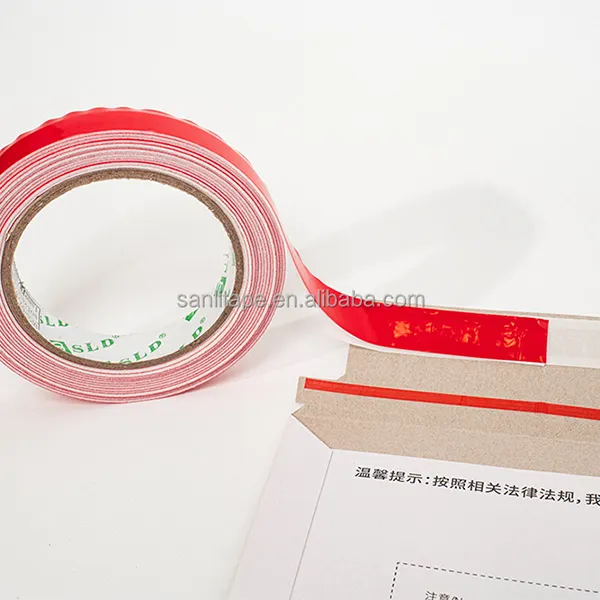
A striking example of such a responsible approach is the companyEnping Sunli Adhesive LLC. This professional manufacturer has been on the market for 23 years (since 1997), specializing in the development and production of high-quality adhesive materials for industry and construction. Unlike simple assembly shops, Sunli Adhesive has its own laboratory and a full production cycle, which allows it to create complex products such as double-sided tapes based on PET and PE foam, nano-magnetic tapes, VHB and specialized solutions for the automotive and furniture industries. The company's products are certified according to ISO 9001:2008 and ISO 14001 standards, which confirms the stability of adhesion characteristics, resistance to temperature and humidity. With the ability to provide customized OEM/ODM solutions, the factory can tailor size, packaging and adhesive chemistry to specific project requirements, including the production of clear anti-slip tapes with specific friction parameters.
The second step is the approval of the Technical Specification. It should indicate not only the dimensions (width, length of the roll), but also physical properties: base thickness (µm), glue thickness (µm), grain size, friction coefficient (dry/wet), operating temperature. Specify the required certificates: to work in Russia and the EAEU, a TR CU certificate of conformity (EAC) is required. Without it, the goods will not pass customs or will be confiscated. Many Chinese factories, including market leaders like Sunli Adhesive, have ready-made EAC certificates for popular models, which speeds up the import process.
The third step is sample and pre-production control. Never place a full order without Pre-production Sample approval. The sample must be cut from the same batch of raw materials that will go into the main order. When the goods are ready but not yet packaged, hire an independent inspector (such as SGS, BV or a local company) to check the quality on site. The inspector will check for adhesion, evenness of winding, absence of bubbles and consistency of dimensions. The cost of inspection ($200–300) is negligible compared to the risk of receiving a container of defective products.
The fourth step is logistics and packaging. Anti-slip tape is pressure and temperature sensitive. Rolls should be packed in rigid cardboard boxes, and not just in stretch film. During sea transportation in summer, the container can heat up to 60°C, which will lead to sintering of the tape turns into a single monolith that will be impossible to unwind. Require the use of thermal shields in the container or refrigerated shipment if in-transit temperatures are forecast to be above 40°C.
Recommendation:Include a penalty clause in the contract for non-compliance with the technical parameters of the sample. This disciplines the supplier better than any verbal promises.
Frequently Asked Questions
What is the service life of clear anti-slip tape in high traffic conditions?
If installation technology is followed and high-quality material is used (abrasive layer thickness from 150 microns), the service life is from 3 to 5 years in areas with heavy traffic (shopping centers, train stations). In open street areas, the period is reduced to 1.5–2 years due to exposure to ultraviolet radiation and reagents. If the tape begins to wear to a smooth surface before this time, it means that a product with a low silicon carbide content or the wrong type of binder was used.
Can this tape be applied to wood or parquet floors?
Yes, you can, but with important caveats. Wood surfaces are prone to expand and contract with changes in humidity, which can cause the tape to come off. It is recommended to use a tape with an elastic base, which compensates for microdeformations of the wood. In addition, if the tape is removed in the future, there is a risk of damaging the varnish layer of the parquet. Before completely pasting, be sure to test on a small, inconspicuous area and leave it for a week to check the reaction of the varnish to the adhesive.
Does the transparency of the tape affect its anti-slip properties?
Transparency itself does not reduce properties if achieved through the use of high-quality materials and technologies. However, to make the belt transparent, manufacturers sometimes reduce the concentration of abrasive or use smaller grain fractions. This could potentially reduce the coefficient of friction compared to opaque counterparts from the same brand. Therefore, when choosing a transparent tape, always request a test report for that specific model, and not for the series as a whole.
How to properly remove old tape without damaging the floor?
To remove, use an industrial hair dryer. Heat the tape to a temperature of 60–70°C - the glue will soften and lose adhesion. Pry the edge with a putty knife and slowly pull at a 45-degree angle. Glue residues can be easily removed with special solvents based on citrus oils or white spirit. Never try to mechanically remove cold tape - this is almost guaranteed to damage the top layer of the floor covering, especially if it is linoleum or vinyl.
Final summary and partner selection strategy
The 2026 market offers excellent opportunities to purchase high-quality anti-slip products directly from Chinese manufacturers. The key to success lies not in finding the lowest price, but in understanding the technical nuances: the correct selection of grain size, type of glue and base for specific operating conditions. Transparent tape is a product where the savings on quality are immediately noticeable and dangerous.
We see that leading factories in China, such as Enping Sanli Adhesive, with their 23 years of experience and ISO certificates, are ready to compete with Europeans not only in price, but also in manufacturability, offering customized solutions to EAC and GOST standards. However, it is the buyer's responsibility to filter out unreliable suppliers. Use checklists, ask for samples, conduct inspections, and don't be afraid to ask tough questions about production.
The safety of your employees and customers cannot be compromised. Correctly chosenChina anti-slip tape transparentwill become an invisible protector that works 24/7, while maintaining the impeccable appearance of your interior. If you are ready to move from theory to practice and receive a commercial proposal taking into account all technical requirements, our team is ready to help organize direct contact with trusted partner factories.
Contact us todayдля получения бесплатного образца и консультации по подбору спецификации под ваш проект.