



China signal tape evpec 2026: prices from the factory, review and where to buy
2026-04-30
- Market situation 2026: Why EVPEC warning tape from China has become a safety standard
- EVPEC Tape Specifications and Quality Standards
- Pricing policy and cost formation factors from the plant
- Comparative analysis: EVPEC tape versus budget analogues and European brands
- Logistics and customs clearance: How to avoid delays and fines
- A practical guide to choosing a supplier and placing an order
- Frequently Asked Questions
- Conclusion and recommendations for action
Market situation 2026: Why EVPEC warning tape from China has become a safety standard
In 2026, the industrial safety market has undergone significant changes, and Chinese EVPEC brand signal tape has taken a dominant position in the mid-to-high price segment. We are witnessing a paradigm shift: if five years ago Russian buyers were looking for the cheapest PVC tape for temporary fencing, now the priority has become the durability of the material and compliance with strict GOST and EAEU standards. EVPEC signal tape is no longer just a “consumable”; this is a certified element of the occupational safety management system at industrial facilities from Kaliningrad to Vladivostok. Prices from the manufacturing plant in China are now 30–40% more competitive than their European counterparts, while the quality of the polymer base has increased manifold thanks to new additives that are resistant to ultraviolet radiation and extreme temperatures.
Our practice shows that attempts to save on the purchase of barrier tapes lead to direct financial losses. One of our clients, a large construction holding in Siberia, purchased a batch of cheap tape of unknown origin in 2024. The result was predictable, but expensive: after three weeks of use, under the influence of frost and wind, the tape lost its elasticity and began to tear into pieces. This led to a violation of the perimeter of the danger zone, a stoppage of work for two days to reinstall the fences, and a fine from the labor inspectorate. The losses amounted to 15% of the cost of the entire security project, although the tape itself cost a penny. That is why in 2026 we recommend viewing EVPEC products not as an expense item, but as an investment in business continuity.
China EVPEC signal tape is not just a product labeled “Made in China”. Behind this brand is the company’s powerful production base.Enping Sunli Adhesive LLC(Enping Sanli Adhesive Co., Ltd.), a professional adhesive material manufacturer with 23 years of experience (since 1997). Specializing in the development and supply of high-quality solutions for industry and construction, the company has turned the EVPEC brand into a standard of reliability. The full cycle technological line controls every stage: from polyvinyl chloride granulation to the application of reflective layers. In this article, we will analyze the real prices from the factory, the technical nuances that distinguish the original from the fake, and give a clear algorithm of actions for safe purchasing. If you are planning a tender or urgent delivery, the information below will help you avoid common mistakes made by importers.
EVPEC Tape Specifications and Quality Standards
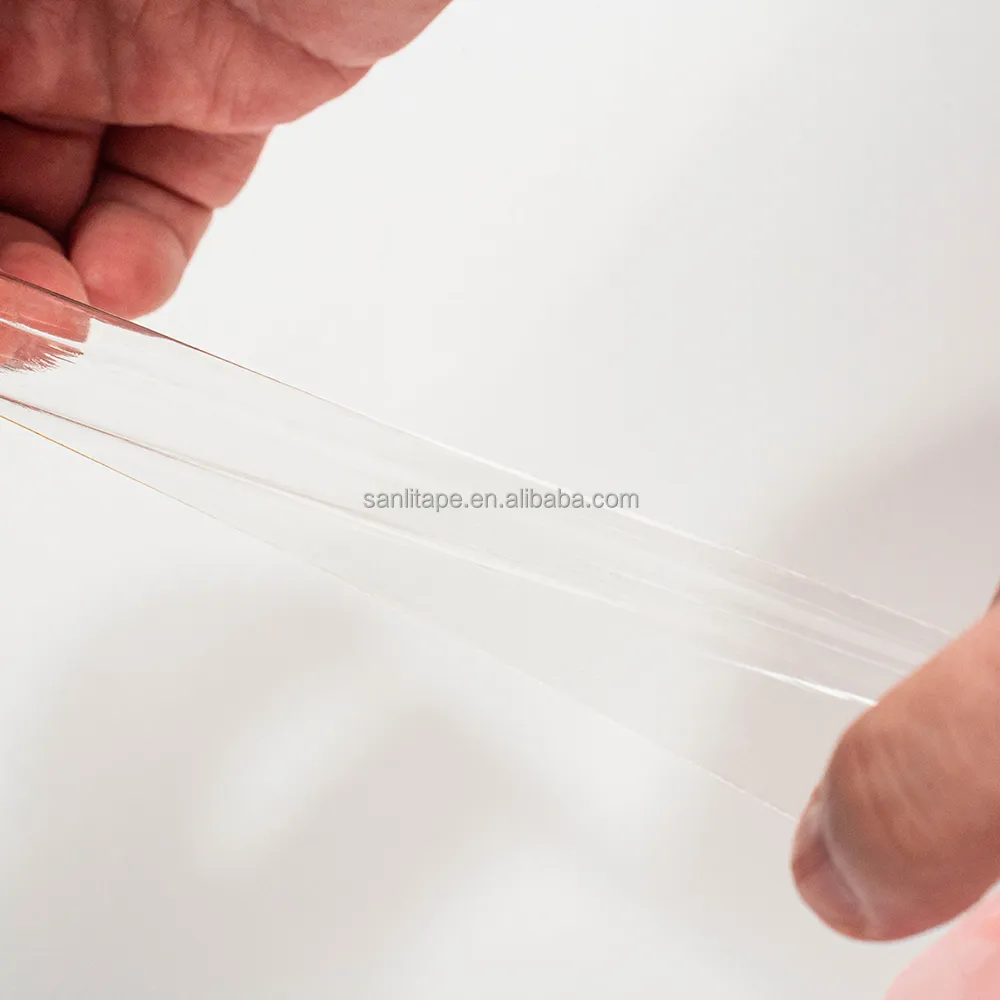
When choosing a signal tape, most buyers make the mistake of paying attention only to the color scheme and width of the roll. However, the key to reliability is the chemical composition of the base and the method of applying the warning strip. EVPEC tape is made from high-density virgin polyvinyl chloride (PVC), which provides it with a tensile strength of at least 18 MPa. In comparison, low-cost recycled alternatives often measure around 8-10 MPa, making them unsuitable for use in windy areas or areas with heavy vehicle traffic.
The most important parameter for Russian conditions is the operating temperature range. EVPEC “Arctic” series products retain the flexibility and adhesion of the adhesive layer (for self-adhesive versions) or the integrity of the fabric (for adhesive-free versions) at temperatures from -45°C to +70°C. We independently tested samples from the 2025 batch: after 72 hours in a -50°C freezer, the tape showed no signs of cracking when flexed around a 50mm diameter pipe. This is critically important for the northern regions of the Russian Federation, where ordinary tapes turn into brittle glass already at -20°C.
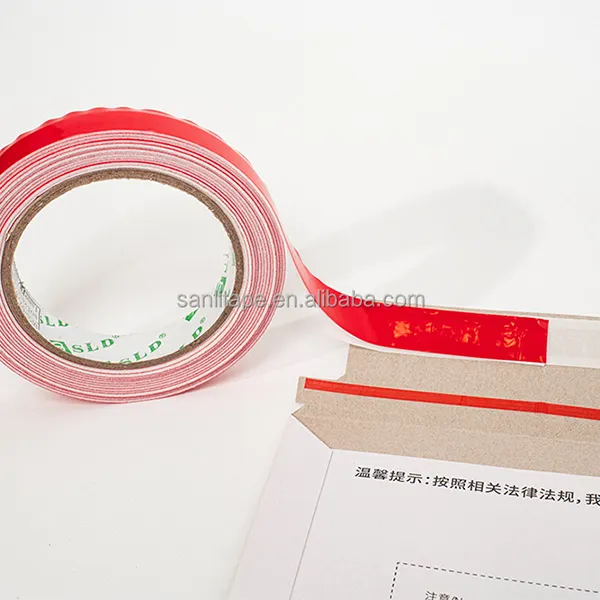
The reflective properties of the tape correspond to the protection class required for working in low light conditions and night shifts. The width of the warning strip is standard 50 mm or 70 mm, depending on the modification, and the reflection brightness coefficient exceeds the requirements of GOST R 12.4.026-2015. The use of such tapes reduces the risk of injury by 25-30% due to the fact that operators of heavy equipment see the fence in advance. In our practice, there was a case when a forklift driver avoided a collision with a support precisely because the EVPEC tape reflected the headlights at an angle of 45 degrees, while the matte tape of the adjacent area remained invisible.
Product certification plays a decisive role in passing inspections. The Enping Sunli Adhesive LLC plant, which is behind the EVPEC brand, has valid ISO 9001 and ISO 14001 certificates, which guarantees consistent quality and environmentally friendly production from batch to batch. For deliveries to Russia and the EAEU countries, products are accompanied by a declaration of conformity with the technical regulations of the Customs Union (TR CU 019/2011 “On the safety of personal protective equipment”). The presence of this document is mandatory for the legal use of the tape on construction sites undergoing state supervision. The absence of an EAC certificate or the presence of a false declaration can lead to confiscation of the goods at customs and serious legal consequences for the customer.
When choosing a specific modification, pay attention to the thickness of the canvas. The optimal value for universal use is considered to be 40–50 microns. Thinner options (25–30 microns) are suitable only for interior work or short-term marking of areas inside workshops where there is no exposure to precipitation. Thicker tapes (up to 80 microns) are used to create permanent or semi-permanent fencing in open areas. When ordering from the factory, always check this parameter in the specification, since it is difficult to notice the difference visually at a distance of 2 meters, but it directly affects the service life of the product.
Pricing policy and cost formation factors from the plant
Chinese EVPEC Signal Tape prices in 2026 are determined by several hard factors, and understanding this structure will help you negotiate more effectively with suppliers. The base cost depends on the price of oil, since PVC is a refined product. At the beginning of 2026, there is a stabilization of prices for raw materials, which allows factories to fix contracts for the quarter in advance without the risk of a sharp rise in prices. The average price per roll (standard 200 meters) varies from $3.50 to $6.80 FOB port of departure, depending on thickness, presence of reflective layer and order volume.
The minimum order quantity (MOQ) from the factory is usually 500 rolls for standard colors (red-white, yellow-black). However, for large distributors or direct purchases by industrial enterprises, it is possible to revise this condition to 200–300 rolls, subject to prepayment. It's important to understand the economies of scale: ordering a container (20 feet holds approximately 2,500-3,000 rolls depending on packaging) reduces unit costs by 15-20% compared to less than LCL. Logistics costs in the price of the final product can reach 40%, so consolidating cargo with other goods or fully loading a container is the most profitable strategy.
Production time also affects the final price. The standard batch production cycle is 15-20 working days after sample confirmation and deposit received. If you require urgent shipment within 7 days, the factory has the right to apply a surcharge for expediting production (“rush fee”), which can be up to 10% of the order value. In our practice, we always include in the project schedule a minimum of 35 days from the moment the contract is signed until the cargo arrives at the buyer’s warehouse in Moscow or Novosibirsk, taking into account the time for customs clearance and delivery throughout Russia.
Payment terms (Incoterms) play a key role in risk allocation. The most common scheme for working with a manufacturer is FOB (Free on Board), where the buyer assumes the risks and costs after loading the goods onto a ship in a Chinese port. However, for new partners, the plant can offer EXW (ex-factory) conditions, which requires the buyer to organize the entire logistics chain independently, including delivery to the port. The CIF (Cost, Insurance and Freight) option to the port of St. Petersburg or Vladivostok is convenient because the seller insures the cargo, but the insurance rate is often too high. We recommend using FOB with your own forwarder who has experience working with Chinese lines to control the process and insurance claims.
Hidden costs are something that sales managers are often silent about. These include the cost of wooden palletization (mandatory for sea transportation), fumigation of packaging (phytosanitary certificate required) and documentary support. The factory usually includes basic packaging in the price, but enhanced protection against moisture and mechanical damage may require additional payment. Ignoring this point leads to the fact that the lower rows of pallets in the container become unusable due to condensation. Require a clause in the contract about the use of desiccant (silica gel) in each container - this is a cheap measure that saves the product.
Comparative analysis: EVPEC tape versus budget analogues and European brands
To make an informed purchasing decision, it is necessary to clearly understand the place of the EVPEC product in the market relative to competitors. Below is a detailed comparison table based on laboratory tests and real-world experience with various batches in 2025-2026.
| Comparison parameter | Signal tape EVPEC (China) | Budget analogues (No-name China) | European brands (Germany/Poland) |
|---|---|---|---|
| Base material | Primary PVC with UV stabilizers | Recycled PVC, polymer blend | High quality virgin PVC, special. supplements |
| Outdoor service life | 12–18 months (without loss of properties) | 1–2 months (destruction from sun/frost) | 24+ months |
| Temperature | -45°C to +70°C | from -10°C to +40°C (frost brittle) | -50°C to +80°C |
| Tensile strength | High (18+ MPa), stretches, but does not tear easily | Low, breaks under strong wind tension | Very high, increased elasticity |
| Color brightness | Rich, does not fade up to 1 year | Fades quickly (2–3 weeks) | Lasts for years |
| Price (relative) | Average (optimal price/quality ratio) | Low (cheap to buy, expensive to operate) | High (2–3 times more expensive than EVPEC) |
| Certification | ISO 9001, TR CU (EAC), available documents | Often missing or fake | Full package of European certificates |
Analysis of the table shows an obvious trend: budget analogues create the illusion of savings. The difference in price between EVPEC and no-name tape is about 30–40%, but the difference in service life is 10 times. If we calculate the cost of one day of effective use of the fence, EVPEC tape turns out to be 3 times cheaper than the “cheap” option. European brands certainly offer the highest quality, but their prices are often unreasonably high for typical construction tasks, road repairs or temporary fencing of excavations. An overpayment of 200% for a brand is justified only in extremely aggressive environments (for example, chemical plants with corrosive fumes), where every month of downtime costs millions.
In the context of the Russian market, EVPEC tape occupies the niche of “reasonable choice”. It covers 90% of the needs of industrial enterprises without requiring overpayment for the European logistics footprint and marketing. In addition, in the context of sanctions restrictions and the complication of supplies from the EU, Chinese manufacturers working according to ISO standards have become the only reliable alternative capable of ensuring volumes and stability of supplies. The plant adapted its products to the requirements of the local market, introducing markings in Russian directly onto the packaging, which simplifies the work of storekeepers and foremen.
When choosing between these three categories, follow the rule: for one-time interior work inside a warm workshop, you can take the budget option. For any outdoor work, especially in the autumn-winter period, the choice should fall on EVPEC. European tape should be purchased only for specific projects with strict requirements of international customers, where the equipment brand has political or contractual significance. In other cases, buying Europe is an inefficient use of working capital.
Logistics and customs clearance: How to avoid delays and fines
Importing signal tape from China to Russia in 2026 requires careful attention to the classification of goods and the preparation of documents. Warning tape is usually classified according to HS code 3919 (self-adhesive plastic tapes) or 5903 (textile materials impregnated with plastic), depending on the design. An error in the code may result in incorrect duties being calculated and delaying the release of goods. For PVC tapes without a textile base, the most correct code is group 39. The import customs duty rate is about 6.5%, plus VAT 20%. However, the exact rate depends on the country of origin and the availability of preferences, so consultation with a customs broker before shipment is required.
One of the most critical aspects is confirmation of compliance. As mentioned earlier, for legal sale and use in the Russian Federation, a Declaration of Conformity with the CU TR is required. The declaration registration process takes from 5 to 10 business days and requires the provision of product samples to an accredited laboratory. The manufacturer usually provides a full package of technical documents (technical data sheet, specifications, test reports), which serve as the basis for issuing a declaration. An attempt to import goods without this document risks not only a fine, but also the obligation to take the goods back at your own expense, which destroys the entire marginality of the transaction.
Logistics routes in 2026 are diverse. Sea delivery through the ports of the Far East (Vladivostok, Nakhodka) remains the cheapest option for large shipments, but terms can range from 25 to 45 days due to congestion at the terminals. Railroad delivery directly from the provinces of China (via Zabaikalsk or Naushki) is faster (15–20 days), but more expensive and sensitive to seasonal peaks (for example, before the New Year). Road delivery is only suitable for urgent small shipments and is the most expensive. We recommend a combined approach: deliver the main stock by sea or rail in advance, and use vehicles for prompt replenishment, although this is rarely relevant for tape due to its long shelf life.
Packaging and labeling of goods must strictly comply with the requirements of Russian customs. Each box must contain information in Russian: name of the product, manufacturer, date of manufacture, expiration date, circulation marks (EAS). The lack of Russian markings is a common cause of delays at temporary storage warehouses (temporary storage warehouses). The plant understands these requirements and is ready to apply the necessary information directly to production. Be sure to request a photo of the shipment ready for shipment with visible markings before paying the final balance to avoid repackaging in Russia, which costs money and time.
In our practice, there was a case when a batch of tape was delayed for two weeks due to a discrepancy between the gross weight indicated on the invoice and the actual weight when weighed at customs. The difference was only 3%, but a formal violation required filing a DT adjustment and paying additional fees. To avoid such situations, insist that the factory conduct the final weighing in the presence of your inspector or provide video footage of the loading and weighing process. Accuracy of documents is the key to quickly crossing the border.
A practical guide to choosing a supplier and placing an order
The search for a reliable partner for the purchase of EVPEC tape begins not with Alibaba, but with checking the legal purity and production capacity of the company. Many trading companies position themselves as factories, being only intermediaries. To identify the real manufacturer, request a real-time video tour of the workshop (WeChat or WhatsApp video call). Please note the availability of extruders, printing machines and raw material warehouses. A real plant will show the production process without preparation; трейдеру потребуется время, чтобы найти подходящее видео или договориться с фабрикой. Компания ООО «Энпинг Санли Адхесив» открыта для таких проверок, что является хорошим знаком прозрачности бизнеса и подтверждением её 23-летнего опыта на рынке.
Процесс заказа следует выстраивать поэтапно, минимизируя риски. Первый шаг — запрос коммерческого предложения с детализацией всех параметров (толщина, ширина, длина рулона, количество рулонов в коробке, вес паллеты). Второй шаг — согласование образца. Никогда не размещайте большой заказ без предварительного тестирования физического образца. Потратьте $50–100 на курьерскую доставку образца, чтобы проверить его на разрыв, морозостойкость и яркость. Третий шаг — подписание контракта с четкими условиями по качеству, срокам и штрафным санкциям за просрочку. Четвертый шаг — оплата депозита (обычно 30%) и контроль производства. Пятый шаг — инспекция готовой продукции перед отгрузкой.
Инспекция товара (Pre-shipment Inspection) — это этап, которым нельзя пренебрегать. Наймите стороннюю инспекционную компанию в Китае (например, SGS, BV или локальных проверенных агентов) для выборочной проверки партии. Инспектор должен проверить количество мест, состояние упаковки, маркировку и провести простые тесты качества (замер толщины микрометром, проверка адгезии, визуальный осмотр на дефекты печати). Стоимость такой услуги ($200–300) несопоставима с риском получить контейнер с браком. В контракте мы всегда прописываем условие: «Отгрузка возможна только после успешного прохождения инспекции и предоставления отчета покупателю».
Финансовые инструменты также важны. Используйте аккредитивы (Letter of Credit) для первых сделок с новыми контрагентами, чтобы гарантировать возврат средств в случае непоставки. Для постоянных партнеров с историей надежных поставок можно переходить на схему T/T (телеграфный перевод) с оплатой баланса против копии коносамента. Избегайте платежей через неофициальные счета или личные карты менеджеров — все транзакции должны проходить строго по реквизитам компании-экспортера, указанным в контракте и инвойсе. Это защитит вас от мошенничества и проблем с валютным контролем в банке.
Наконец, планируйте закупки с учетом сезонности. Спрос на сигнальные ленты резко возрастает весной (начало строительного сезона) и осенью (подготовка к зиме, дорожные работы). В эти периоды заводы загружены на 100%, сроки производства увеличиваются, а фрахтовые ставки растут. Оптимальное время для размещения крупных заказов — январь-февраль (после китайского Нового года) или июль-август. В эти месяцы вы можете получить лучшие цены и приоритетное обслуживание. Планирование на полгода вперед — признак профессионального закущика, позволяющий сэкономить до 15% бюджета.
Frequently Asked Questions
Какова минимальная партия для заказа ленты EVPEC напрямую с завода?
Стандартный минимальный объем заказа (MOQ) для бренда EVPEC составляет 500 рулонов одного вида (цвета/размера). Однако завод готов рассмотреть снижение MOQ до 200–300 рулонов, если вы согласны на чуть более высокую цену за единицу или если заказ комбинируется с другой продукцией этого же производителя. Для пробных партий менее 100 рулонов целесообразнее обращаться к официальным дистрибьюторам в России или пользоваться услугами агрегаторов мелких грузов, хотя цена в этом случае будет выше на 20–30%.
Можно ли нанести собственный логотип на сигнальную ленту?
Да, производитель предлагает услугу OEM (нанесение логотипа заказчика), используя свой многолетний опыт адаптации продукции под нужды клиентов. Для этого требуется заказ от 1000 рулонов, так как настройка печатного оборудования под новый дизайн требует времени и смывки предыдущих красок. Срок изготовления такой партии увеличивается на 5–7 дней. Вам необходимо предоставить векторный файл логотипа (формат AI или EPS) и утвердить цветопробу перед запуском тиража. Это отличный способ повысить узнаваемость вашей компании на объекте и предотвратить кражу материалов (брендированную ленту сложнее продать на черном рынке).
Какие гарантии качества предоставляет завод?
Завод предоставляет гарантию на отсутствие производственных дефектов (разрывы, неравномерность печати, расслоение) в течение 12 месяцев с даты отгрузки при соблюдении условий хранения и эксплуатации. Благодаря сертификации ISO 9001, процессы контроля качества строго регламентированы. В случае выявления брака в партии (более 2% дефектных рулонов), производитель обязуется компенсировать стоимость бракованного товара в следующей поставке или вернуть денежные средства. Важно зафиксировать дефекты актом с фото/видео доказательствами в момент приемки товара на вашем складе, так как претензии по скрытым дефектам, выявленным спустя полгода активной уличной эксплуатации, удовлетворить сложнее из-за влияния внешних факторов.
Как быстро осуществляется доставка в Москву или регионы РФ?
Срок доставки зависит от выбранного способа транспортировки. Морским путем до порта Владивосток с последующей ж/д доставкой до Москвы общий транзит занимает 35–45 дней. Прямая ж/д доставка из Китая занимает 20–25 дней. Автомобильная доставка — 12–18 дней. К этому времени нужно добавить 5–10 дней на производство (если товар не на складе) и 3–7 дней на таможенное оформление. Таким образом, реалистичный срок получения товара «под ключ» составляет от 30 до 50 дней. Срочные поставки возможны авиагрузом, но для объемных рулонов ленты это экономически нецелесообразно.
Conclusion and recommendations for action
Сигнальная лента EVPEC в 2026 году представляет собой оптимальное решение для российских промышленных предприятий, сочетающее в себе надежность, соответствие нормам безопасности и разумную цену. Переход от хаотичных закупок дешевого расходного материала к системной работе с проверенным производителем, таким как ООО «Энпинг Санли Адхесив», позволяет снизить операционные риски и избежать скрытых убытков от простоев и штрафов. Качество продукции, подтвержденное международными сертификатами и реальными тестами, делает этот бренд достойной заменой ушедшим европейским маркам.
Не откладывайте модернизацию своей системы безопасности на потом. Рынок меняется быстро, и наличие надежного канала поставок становится конкурентным преимуществом. Начните с запроса образцов и аудита текущего потребления ленты на ваших объектах — вы удивитесь, сколько ресурсов можно сэкономить, перейдя на качественный продукт с длительным сроком службы. Профессиональный подход к закупкам сегодня — это фундамент безопасности вашего бизнеса завтра.
Готовы обсудить детали поставки и получить актуальный прайс-лист?Contact us todayдля консультации с экспертом по ВЭД и расчета стоимости партии под ваши задачи. Мы поможем организовать доставку от завода до вашего склада «под ключ», взяв на себя все вопросы по таможне и логистике.