




aluminum adhesive tape
Aluminum Adhesive Tape... It seems like a simple thing, but how much is hidden in it. Often people think that these are just sheets of foil with glue, and everything is simple. But no. In my practice, and that of many of my colleagues, there are situations when a 'simple' tape fails, and the consequences can be unpleasant. Therefore, perhaps, it’s worth talking about it a little deeper, without any pathos, just about what I saw and how it works.
General Information and Common Misconceptions
First of all, it is important to understand thataluminum adhesive tape– it’s not just aluminum coated with glue. This is metal foil, often with an additional layer of adhesive, and all this, usually in a complex multi-layer structure. Typically, various types of glue are used - from acrylic to synthetic, depending on the task. And here the fun begins: the properties of the glue, the quality of the foil, the thickness, all of this affects the final result. A common misconception is that the thicker the tape, the better. This is not always the case. Thickness affects strength but may reduce adhesion. But choosing the right glue is where the real solution lies.
For example, tape is often required for moisture protection or temporary fixation. In such cases, the choice of glue must be very thoughtful. We once struggled with packaging tape for a long time; it simply peeled off at the slightest moisture. It turned out that the wrong glue was used, and even with enough pressure, the binding was not reliable. This cost us a lot of money and time. Such mistakes are expensive.
Characteristics and applications
What is important to consider when choosingaluminum adhesive tape? First, adhesion - what will it stick to? Metal, plastic, glass? Secondly, the temperature regime - the tape must withstand the ambient temperature. Thirdly, moisture resistance - how critical is the impact of moisture? Fourth, mechanical strength - does the tape need resistance to tearing and deformation? Fifthly, electrical conductivity - in some cases this is an important parameter, for example, when using tape as insulation.
Applicationaluminum adhesive tapeincredibly wide. Packaging, construction, automotive, electronics – it finds its application everywhere. For example, in electronics it is used to insulate wires and components. In construction - for sealing seams and protecting surfaces from moisture. In packaging - to secure loads and create reliable protection. In some cases, we have even used it to temporarily secure large parts during assembly until more secure fastening methods can be implemented.
Problems and solutions
What problems are most often encountered? Poor quality glue is the most common problem. It is common for the tape to peel off over time, especially when exposed to high or low temperatures. Therefore, it is always important to pay attention to the manufacturer and check quality certificates. Another problem is surface unevenness. If the surface is uneven, the tape may not adhere well. In such cases, pre-cleaning and surface treatment is recommended.
Effect of temperature on adhesion
Don't underestimate the effect of temperature. At high temperatures, the glue may soften and lose its properties. At low temperatures, the tape may become brittle and break. Therefore, it is important to choose a tape that is suitable for a specific temperature regime. For example, for automotive use, it is recommended to choose a tape that can withstand a wide range of temperatures.
Moisture resistance and tightness
Humidity is another important factor. If the tape is not moisture resistant, it may lose its properties when exposed to moisture. The use of a special adhesive designed to work in wet conditions can significantly improve the reliability of the fixation. We once tried to use regular tape to seal a box of electronics that needed to be packaged for shipping in a humid environment. As a result, after a few days the box got wet and the electronics failed. It was a bitter lesson.
Practical experience and recommendations
I have experience working with different manufacturersaluminum adhesive tape, from Chinese to European. There are several brands that, in my opinion, have proven themselves to be reliable: Sanli (Enping Sanli Adhesive LLC), 3M, Nitto. However, even among these brands there are different products, so it is important to carefully study the technical specifications. You should not skimp on quality, especially when it comes to important tasks.
Before using the tape, it is recommended to test the tape on a small area of the surface to ensure that it adheres well and does not leave marks. It is also important to follow the correct gluing technology - sufficient pressure, no air bubbles. And, of course, do not forget to clean the surface before gluing. In general, the approach must be systematic and responsible.
Conclusion
Aluminum Adhesive Tapeis a useful and versatile material, but its selection and use must be approached responsibly. You shouldn’t rely on stereotypes and think that all films are equally good. Carefully study the characteristics, take into account the operating conditions and do not skimp on quality. Then you can avoid many problems and achieve reliable fixation.
Correspondingproducts
Related Products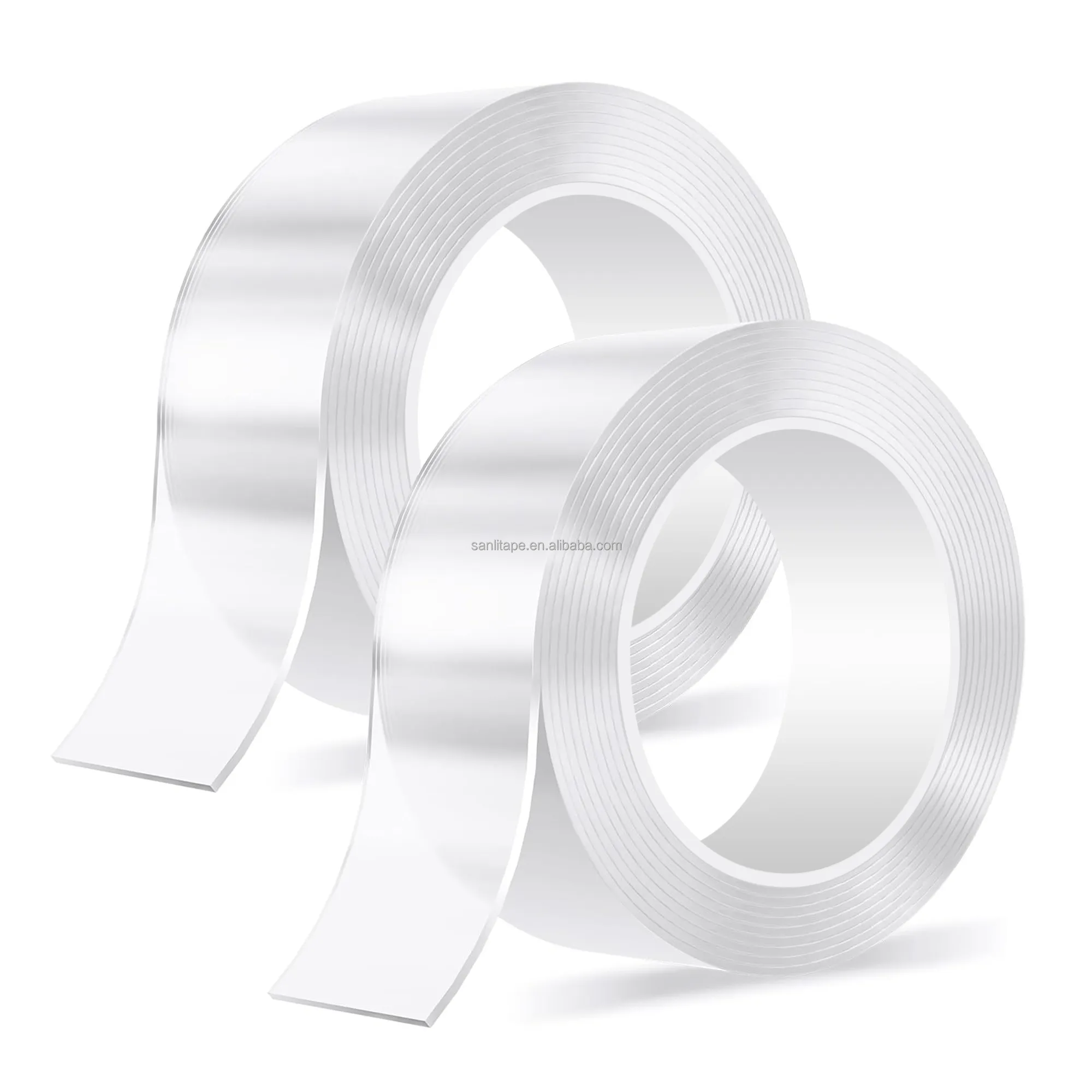
Best Sellingproducts
Best Selling Products-
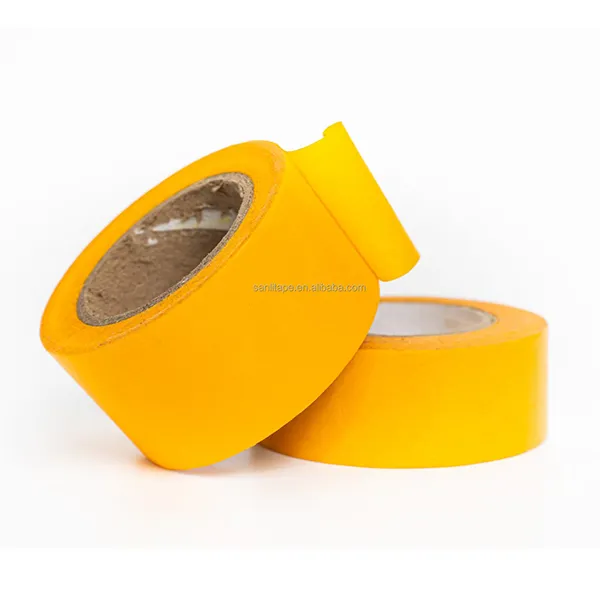 Yellow and Paper Adhesive Tape DIY Decoration Spray High Viscosity Hand Tear Seamless Painting Tape
 -
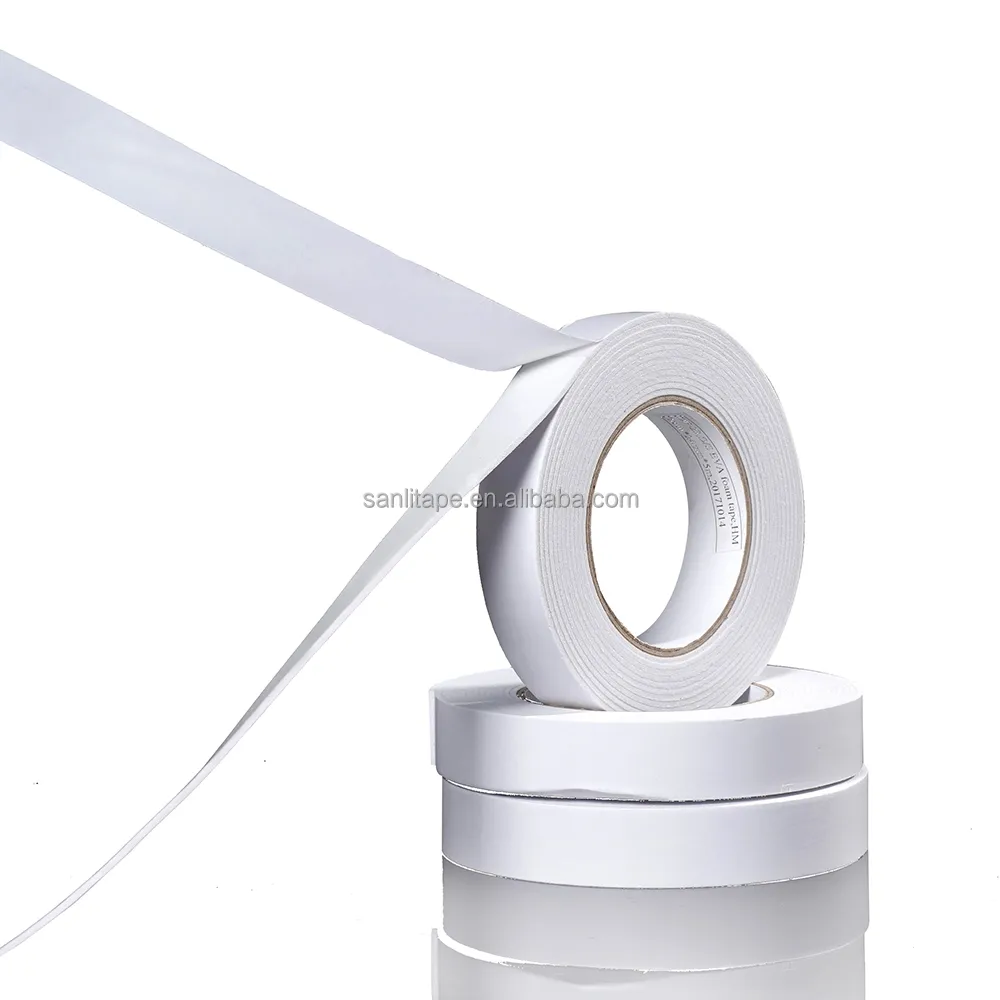
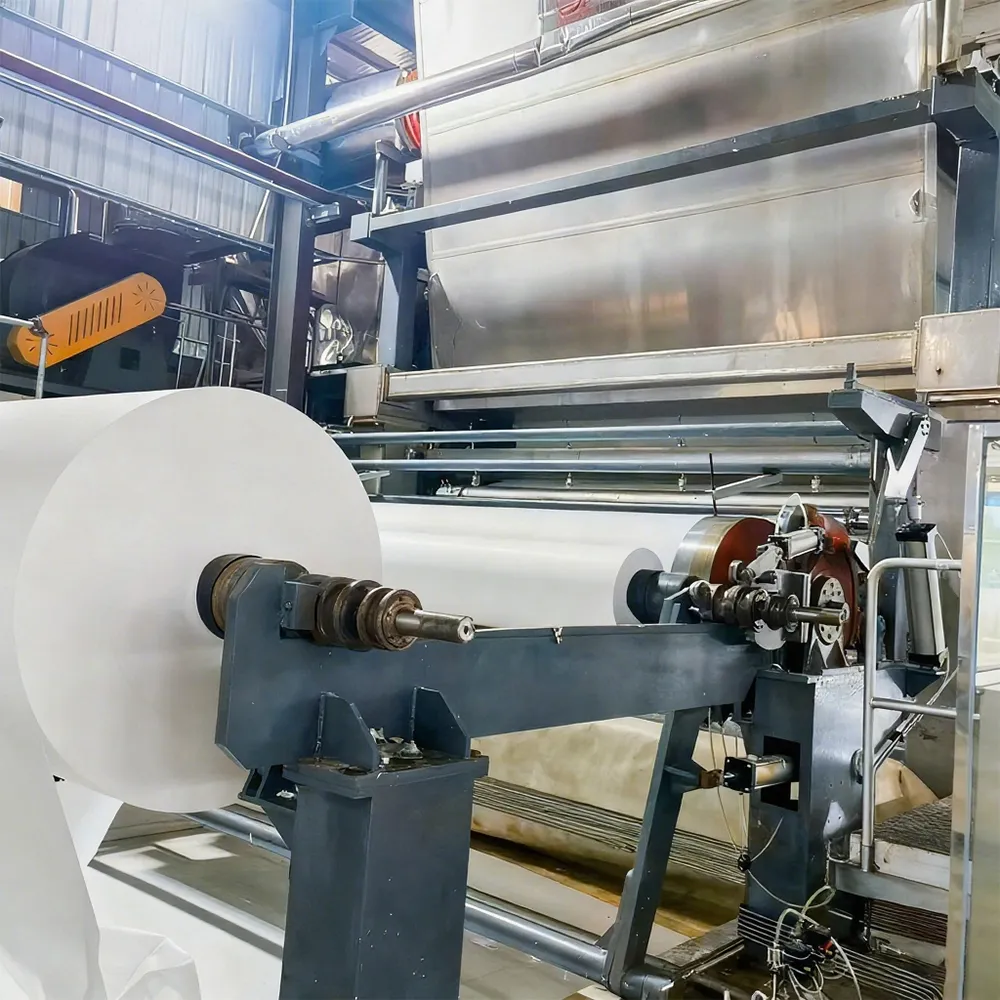 Flexible and eco-friendly cotton paper white double-sided adhesive tape material, soft thin packaging material 14g, 18g, 20g.
 -
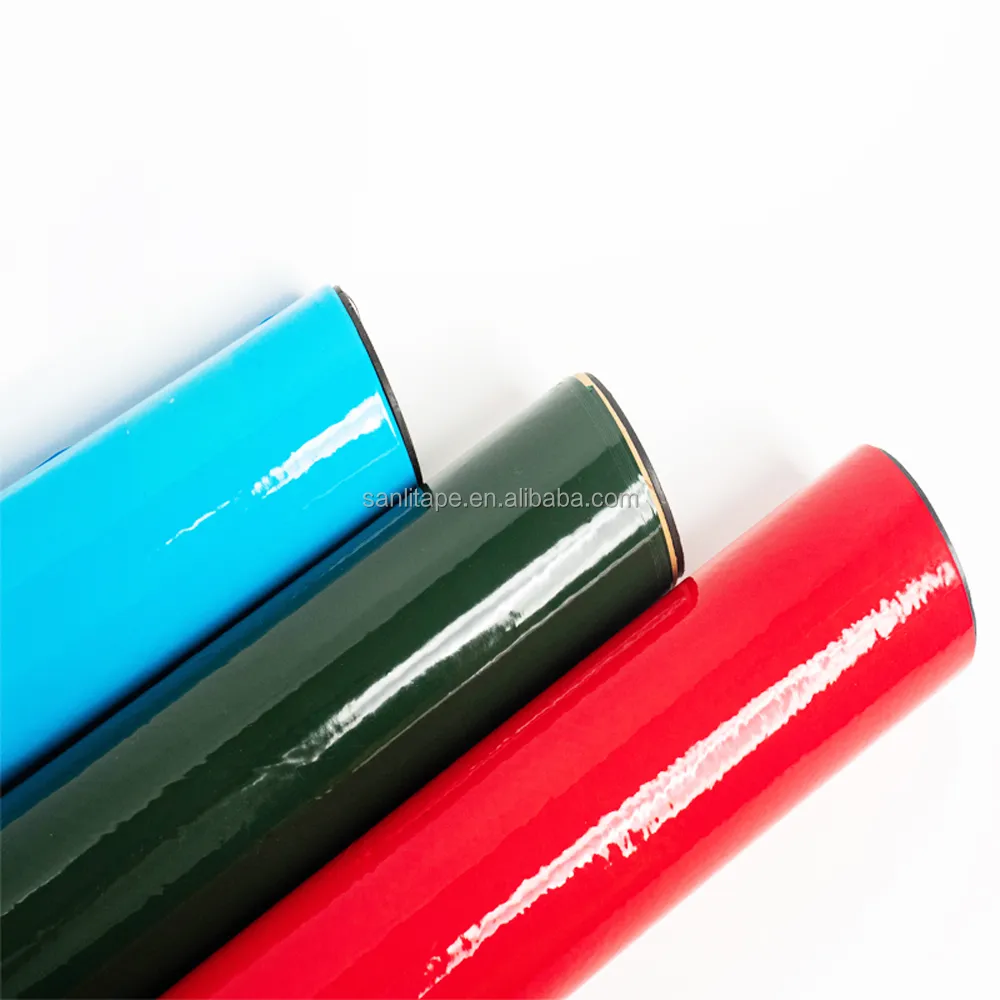 Anti-adhesive coated PE film used for printing on double-sided adhesive foam tape insulation film
 -
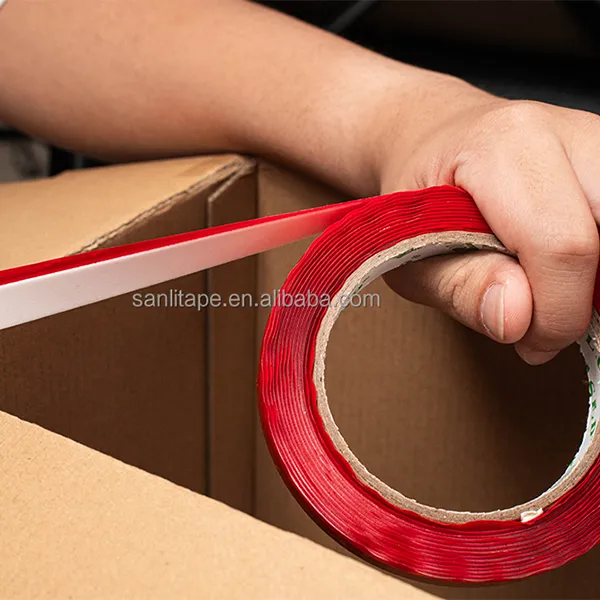 Packing tape with raised tape
 -
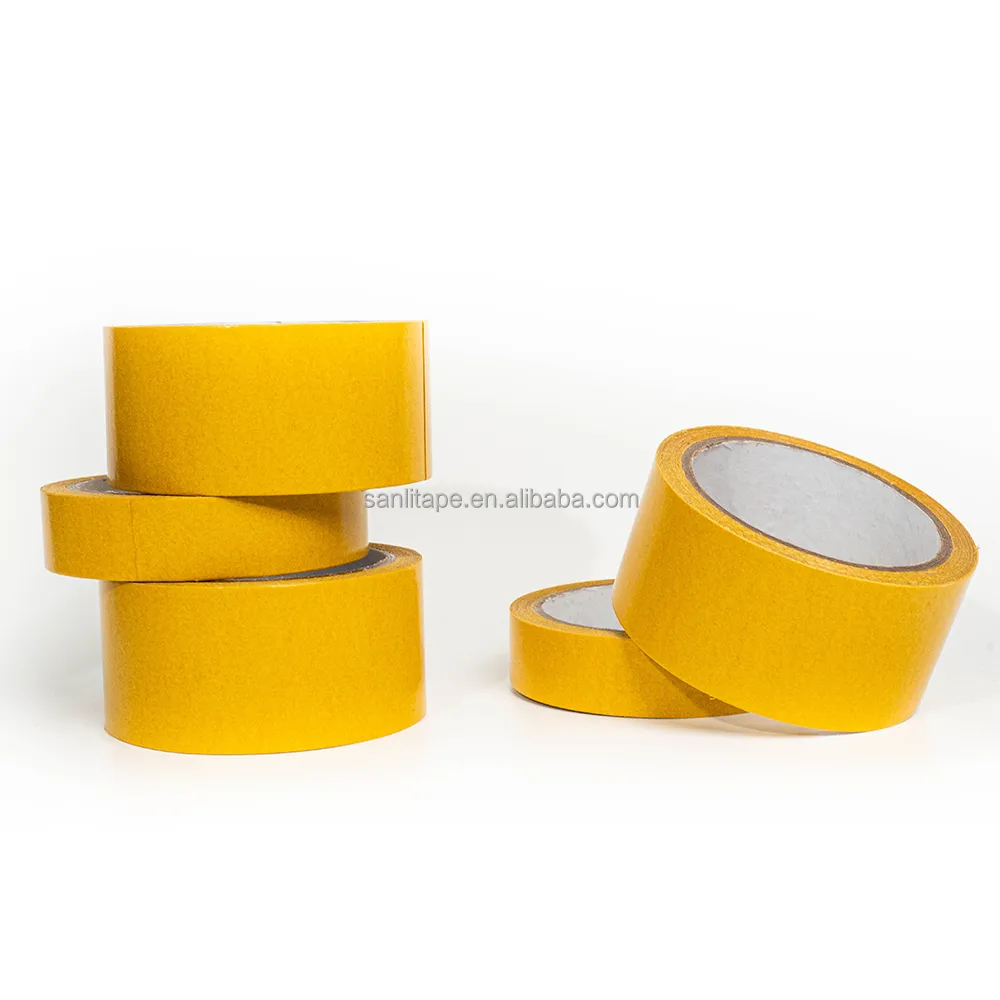 High Density Mesh Tape, High Viscosity, Double Sided Carpet Fastening Tape
 -
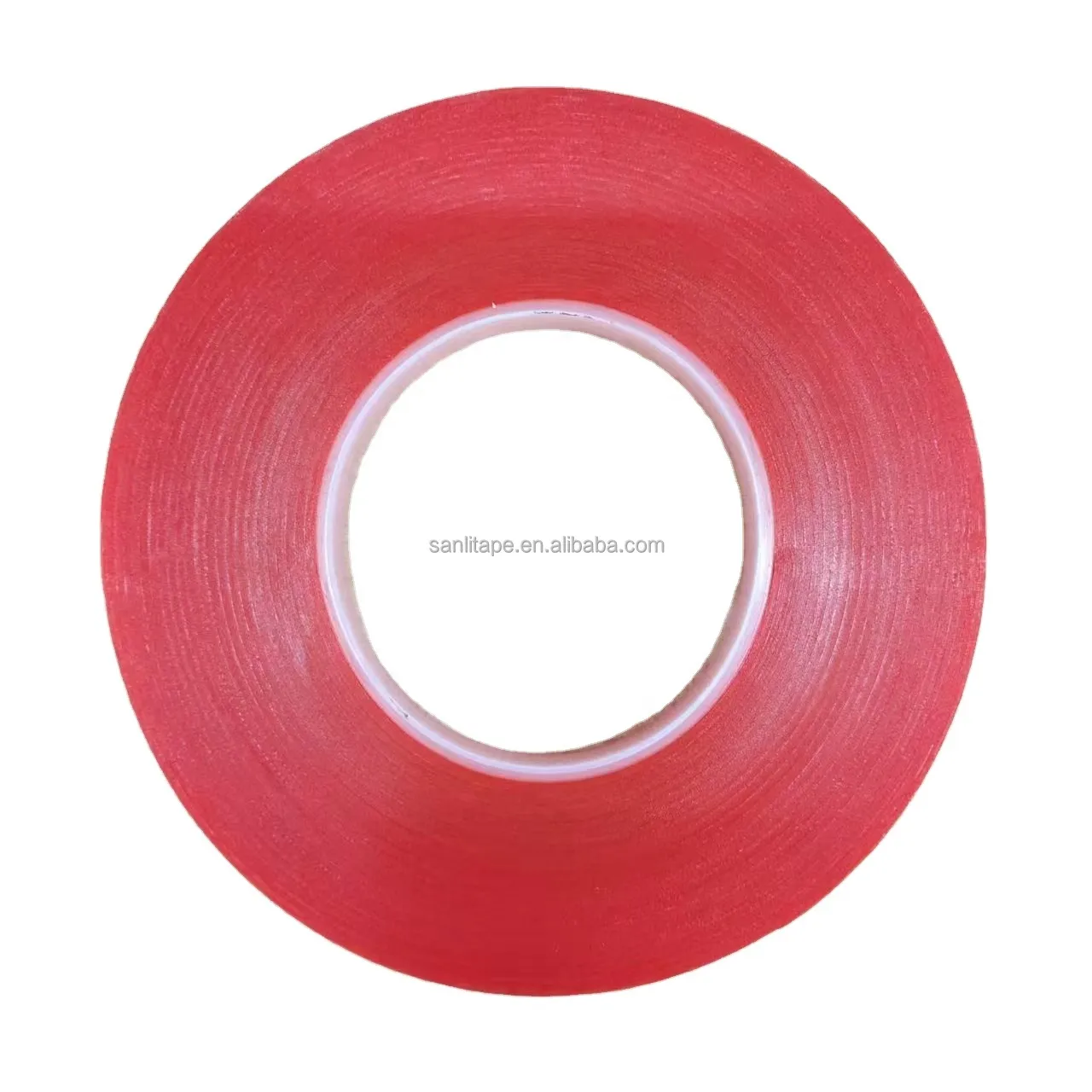 Red Film Durable Ultra Clear Double Sided Polyester Tape with High Temperature Acrylic Adhesive Double Sided PET Tape
 -
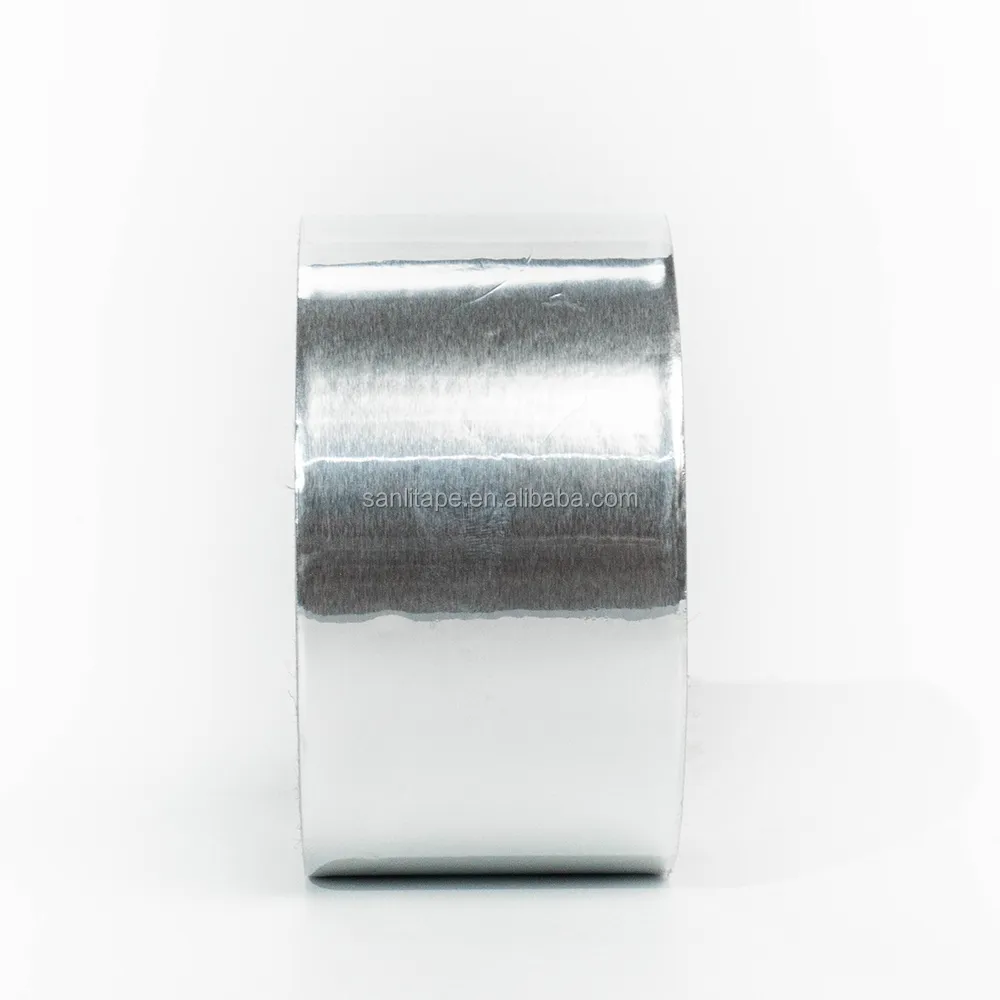 Temperature Resistant Aluminum Foil Tape
 -
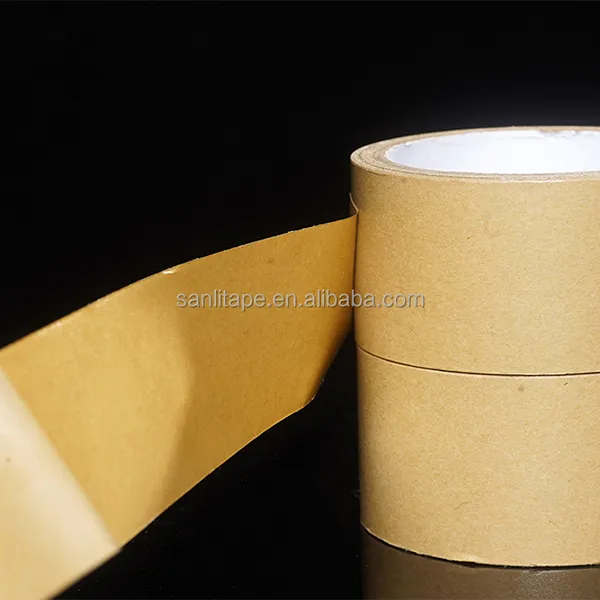
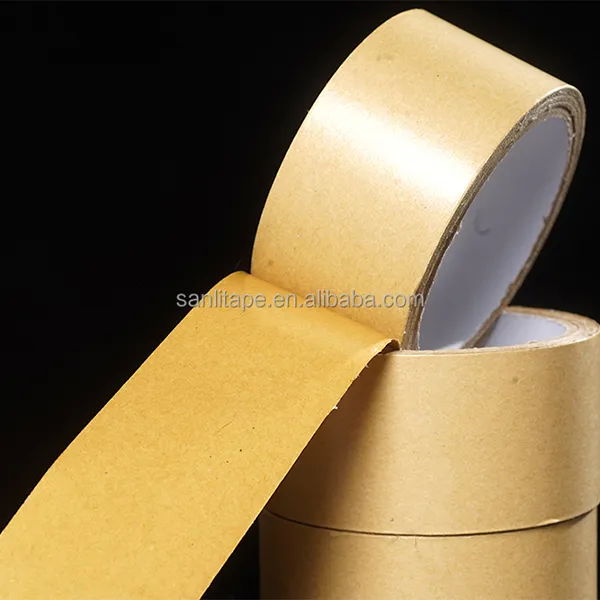 High Viscosity Kraft Paper Adhesive Tape Hand Tear Off Masking Sealing Packing Tape
 -
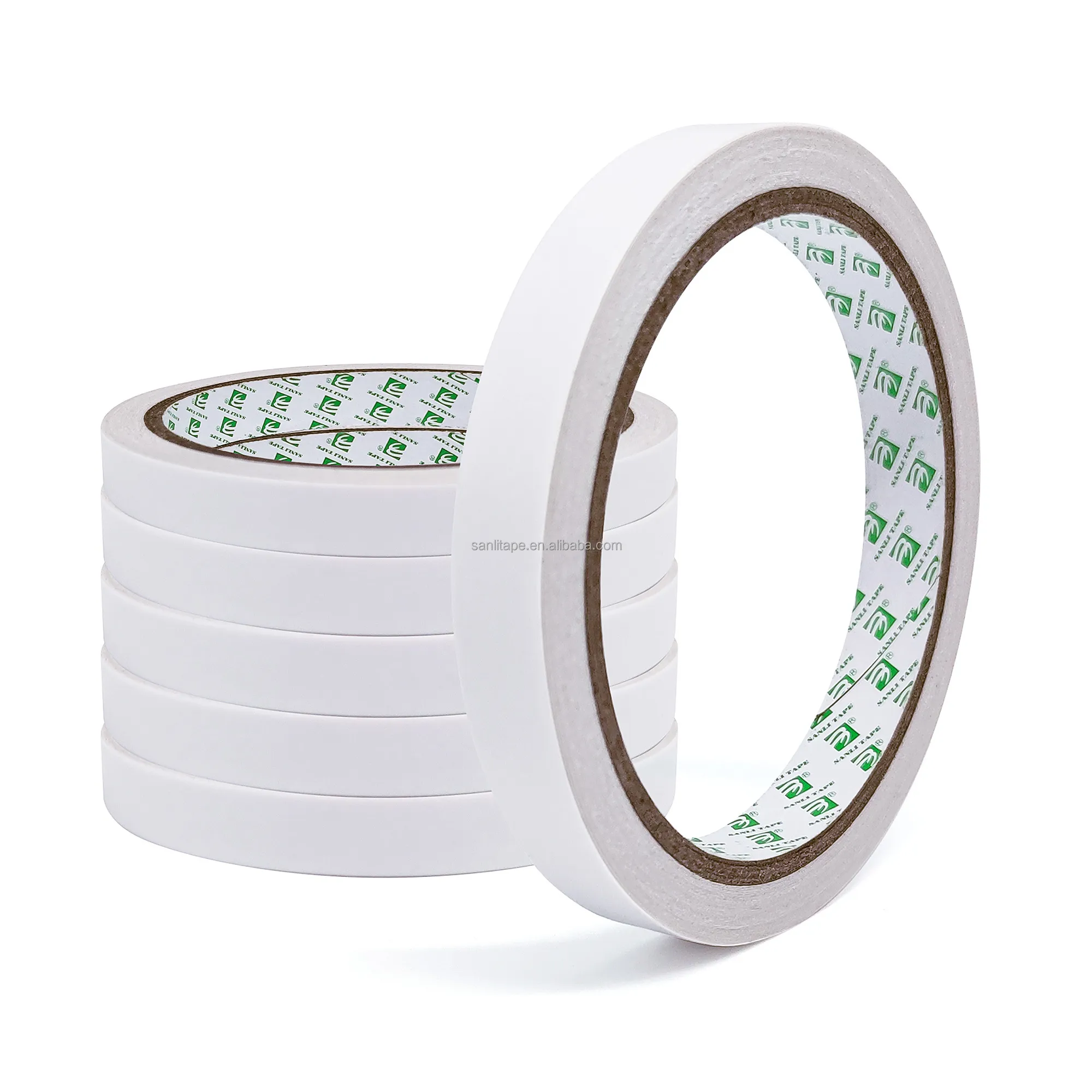 Double Sided Adhesive Tape, High Adhesive Cotton Paper Adhesive Tape, Clear Double Sided Adhesive Tape for Manual Office and Industrial Use
 -
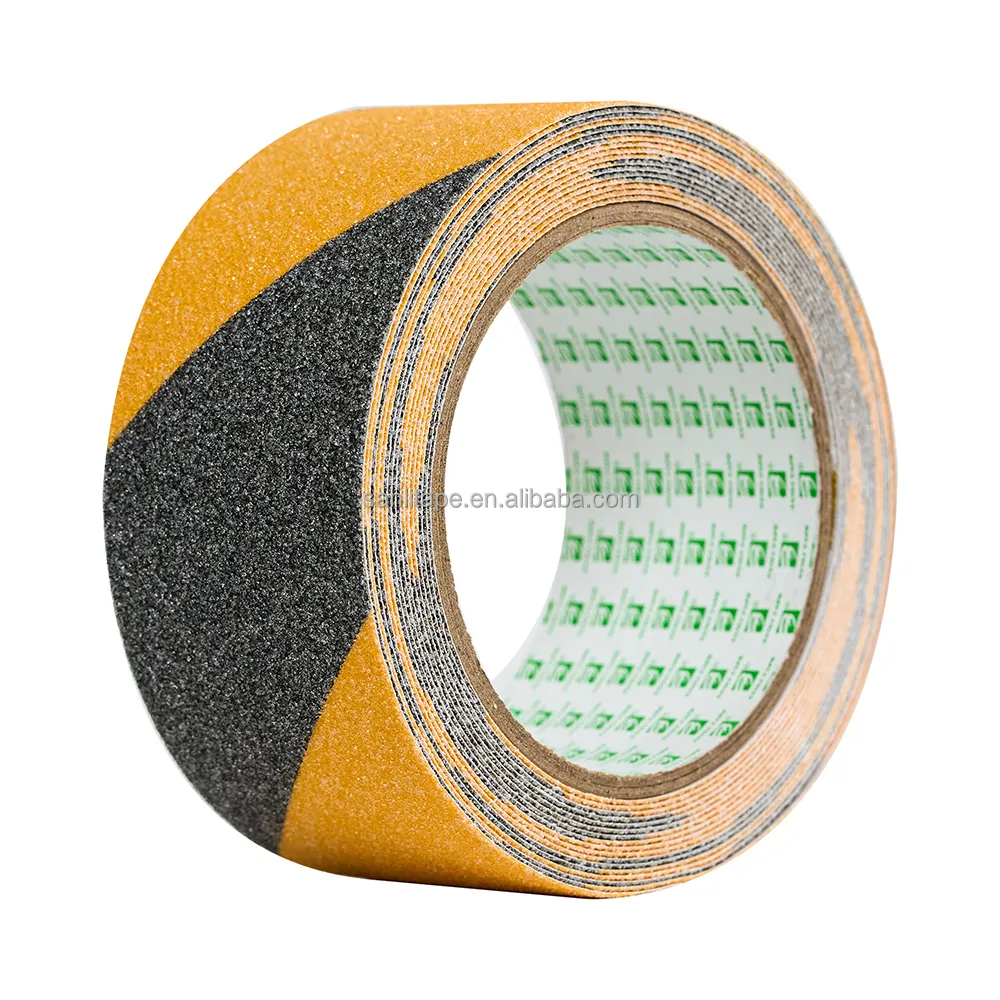 Waterproof matte anti-slip adhesive tape with strong adhesive acrylic adhesive outdoor warning anti-slip sticker wear-resistant color self-adhesive tape
 -
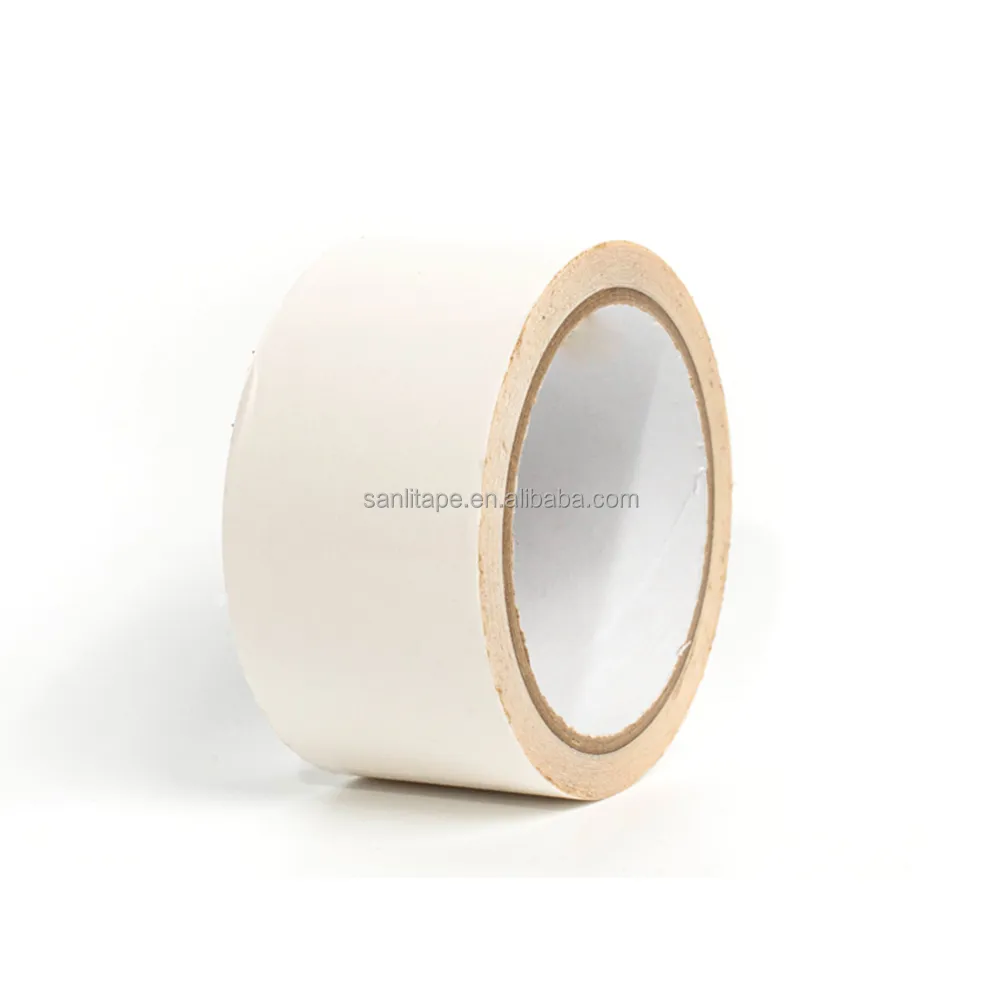 Immortal double-sided tape hardware equipment decorative parts with high insurance transparent tape
 -
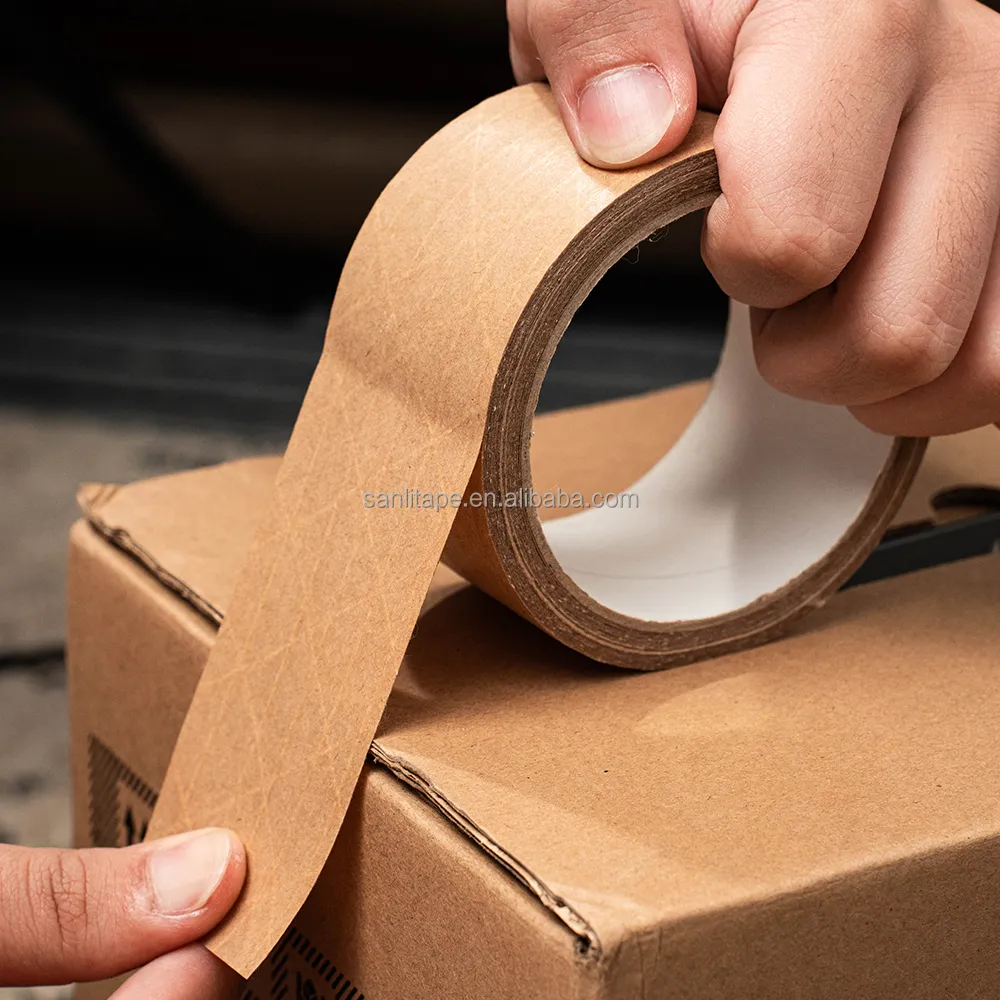 Water based reinforced kraft paper tape with water based adhesive and wire reinforcement for sealing boxes and packaging
Relatedsearch
Related Search- Double-sided tape black main buyer
- Double-sided tape for fastening heavy manufacturers
- PVC insulating tape manufacturer
- Order double-sided tape wholesale
- Strong double-sided tape price
- Order double-sided or double-sided tape in China
- Double Sided Tapes Fabric Manufacturers
- Wide double sided tape supplier
- Order double-sided tape width wholesale
- adhesive tape 25 mm