




Fiberglass tape
Glass cloth tape. Why is it needed? For fastening, for insulation, for reinforcement... It seems like a simple solution, but it is often chosen without understanding all the nuances. Many people consider it a universal substitute for reinforcing fabric, but this is not entirely true. I’ll try to share my experience, a set of observations, even a couple of unsuccessful experiments to clarify the situation a little.
What isfiberglass tapeand how does it differ from reinforcing fabric?
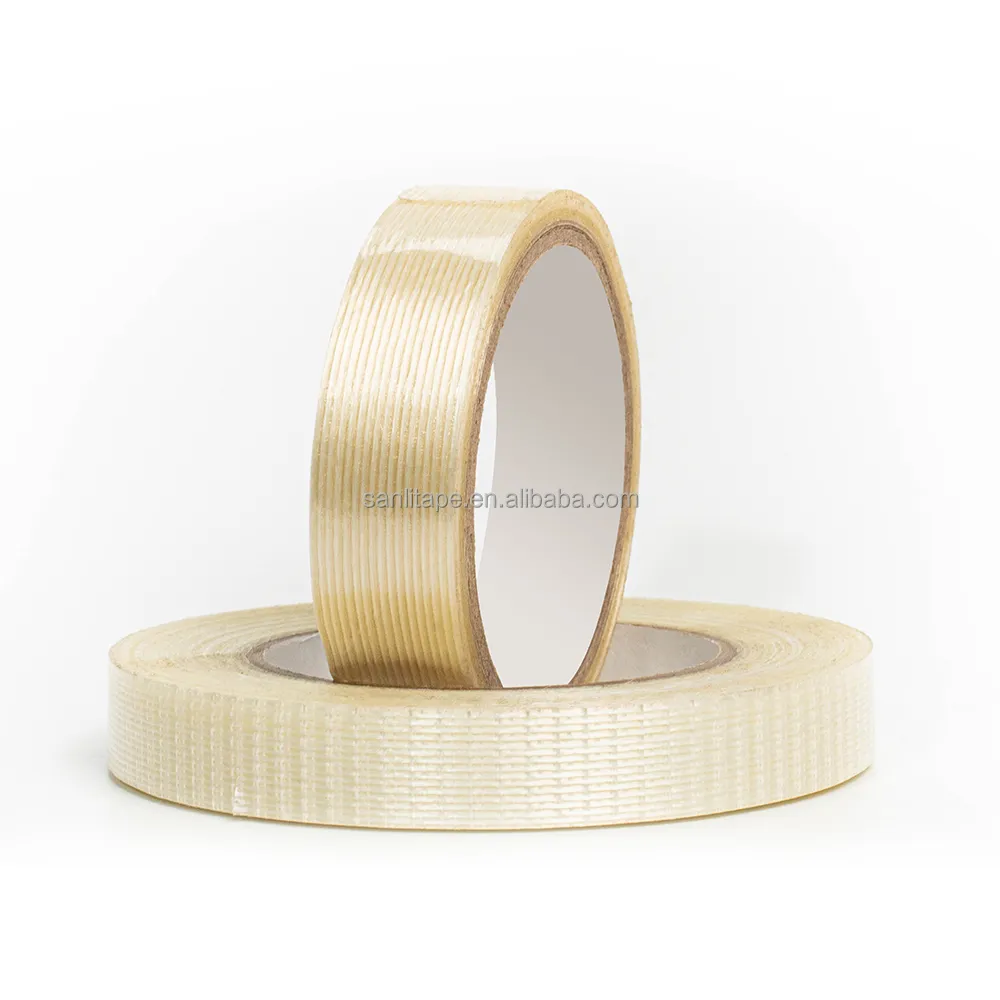
I'll start with the basics. 'Fiberglass tape' is a material made from thin strands of glass fastened together. It comes in different widths, thicknesses and bond types. It is often used in construction, automotive industry, and for the production of composite materials. But it is important to understand thatfiberglass tape- This is not the same as the reinforcing fabric used in concrete, for example. Fabric for concrete, as a rule, has a denser weave and special treatment to ensure adhesion to cement mortar. Whilefiberglass tape, as a rule, is used for fixation, protection, or as a base for applying various coatings. This, of course, is a generalization, but in general the difference is significant.
One common myth is that anyfiberglass tapesuitable for reinforcement. This is wrong. You can’t just go ahead and replace the reinforcing fabric with a cheaper one.fiberglass tape, when it comes to load-bearing structures. This can lead to serious consequences. And this is where the fun part begins – choosing the right tape. For example, to seal seams in a car, you can use a special tape based onfiberglasswith waterproof glue. But for strengthening a concrete structure, this is not an option. Too low strength and lack of necessary adhesion.
I remember one case where we tried to use low-qualityfiberglass tapefor boat hull repairs. Initially it seemed that this was a good solution - cheap and cheerful. But after a few months, the tape began to deteriorate, and the repair could not withstand the load. It turned out that the material was of poor quality and did not have sufficient strength and resistance to environmental influences. This is a good lesson - saving on materials often costs more.
Types and characteristicsfiberglass tapes
There are many varieties. By type of ligament - with different weaving densities. By type of glue - with different properties of adhesion and resistance to external factors. In width and length - for different tasks. The most common type is waterproof tape with polyurethane adhesive, often used for waterproofing and sealing. But there is also tape with epoxy glue, which is more resistant to chemical influences, and tape with acrylic glue, suitable for working with various surfaces. It is important to consider all these factors when choosingfiberglass tapes.
It is also worth paying attention to the characteristics of the fabric itself. Thread thickness, weaving density, tensile strength - all this affects the performance properties of the tape. The higher these indicators, the more reliable the result will be. Typically, these characteristics are indicated in the technical documentation for the material. Sometimes, of course, you have to rely on experience and intuition, but in most cases it is better to focus on the manufacturer’s data.
The manufacturer is also important. Qualityfiberglass tapedirectly depends on the raw materials used and production technology. It is better to choose products from well-known brands that have a good reputation. Remember, cheap material may be ineffective and short-lived.
Applicationfiberglass tapesin different industries
In construction, it is used to reinforce small structures, to repair cracks and chips, and to create waterproofing. In the automotive industry - for body repairs, for strengthening parts, for protection against corrosion. In shipbuilding - for sealing seams and strengthening the hull. In the aviation industry - for the manufacture of composite parts. In industry - to protect equipment from vibration and noise, to create thermal insulation.
For example, Enping Sanli Adhesive LLC, founded in 1997, specializes in the production of various specialized adhesive tapes, including those based onfiberglass. Their products are used in a wide range of industries, from automotive to construction. They have a wide range of tapes with different characteristics, which allows you to choose the best option for any task.
I have personally encountered the usefiberglass tapesfor repairing an old car. For example, to strengthen the wing after an impact. First, they simply sealed the cracks, and then further strengthened the structure with tape. The result turned out to be quite worthy - the wing became more durable and resistant to deformation. Of course, this is not a complete restoration, but a good solution for temporary repairs.
Problems and pitfalls when working withfiberglass tape
Despite the apparent ease of use, when working withfiberglass tapeYou may encounter certain problems. For example, the tape may not adhere well to dirty or greasy surfaces. Therefore, the surface must be thoroughly cleaned before applying the tape. It is also important to observe the temperature regime - at low temperatures the glue may set worse. And, of course, you need to properly prepare the tape - cut it to the required length, carefully stick it on, avoiding the formation of bubbles and folds.
Another problem is the destruction of the tape under the influence of ultraviolet radiation. Therefore, if the tape will be exposed to sunlight, it is necessary to use special UV protective coatings. It is also worth considering thatfiberglass tapecan be quite fragile so care must be taken during application and use. Do not stretch the tape too much or place heavy loads on it.
When working withfiberglass tapeIt is important to follow safety precautions. Fiberglass can irritate skin and mucous membranes, so gloves and a respirator must be used. It is also worth working in a well-ventilated area.
Alternativesfiberglass tape: what to choose?
Sometimesfiberglass tape- not the best option. Depending on the task, there may be more suitable alternatives. For example, silicone caulk or polyurethane caulk can be used to seal seams. To reinforce small structures, you can use fiberglass fabric, which must be pre-impregnated with epoxy glue. Anti-corrosion coatings can be used to protect against corrosion.
The choice of alternative depends on the specific material requirements. It is important to consider strength, elasticity, water resistance, and chemical resistance. And, of course, it's worth considering the cost. Sometimes a more expensive material can be more effective and durable.
For example, to repair a boat hull, I would recommend using notfiberglass tape, and fiberglass fabric with epoxy glue. It is more durable and water resistant thanfiberglass tape.
Overall,fiberglass tapeis a useful and versatile material, but it must be chosen and used correctly. Do not think that this is a universal solution for all problems. You always need to take into account specific requirements and choose the optimal material.
Correspondingproducts
Related Products
Best Sellingproducts
Best Selling Products-
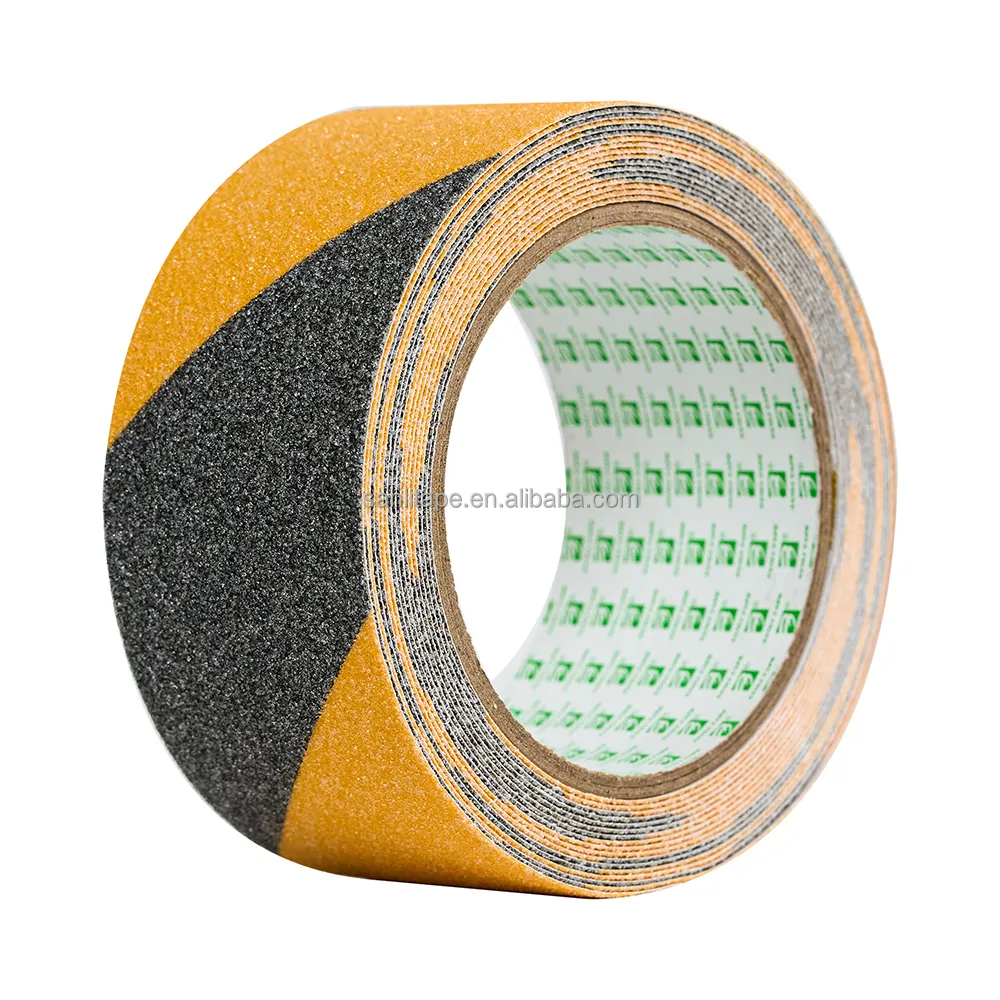 Waterproof matte anti-slip adhesive tape with strong adhesive acrylic adhesive outdoor warning anti-slip sticker wear-resistant color self-adhesive tape
 -
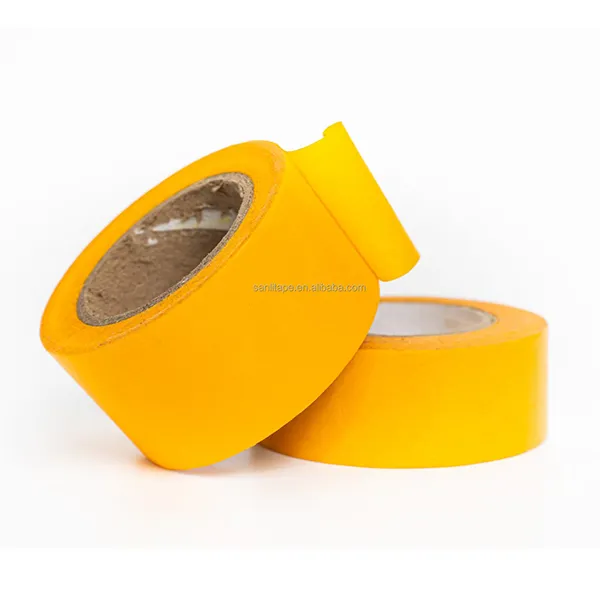 Yellow and Paper Adhesive Tape DIY Decoration Spray High Viscosity Hand Tear Seamless Painting Tape
 -
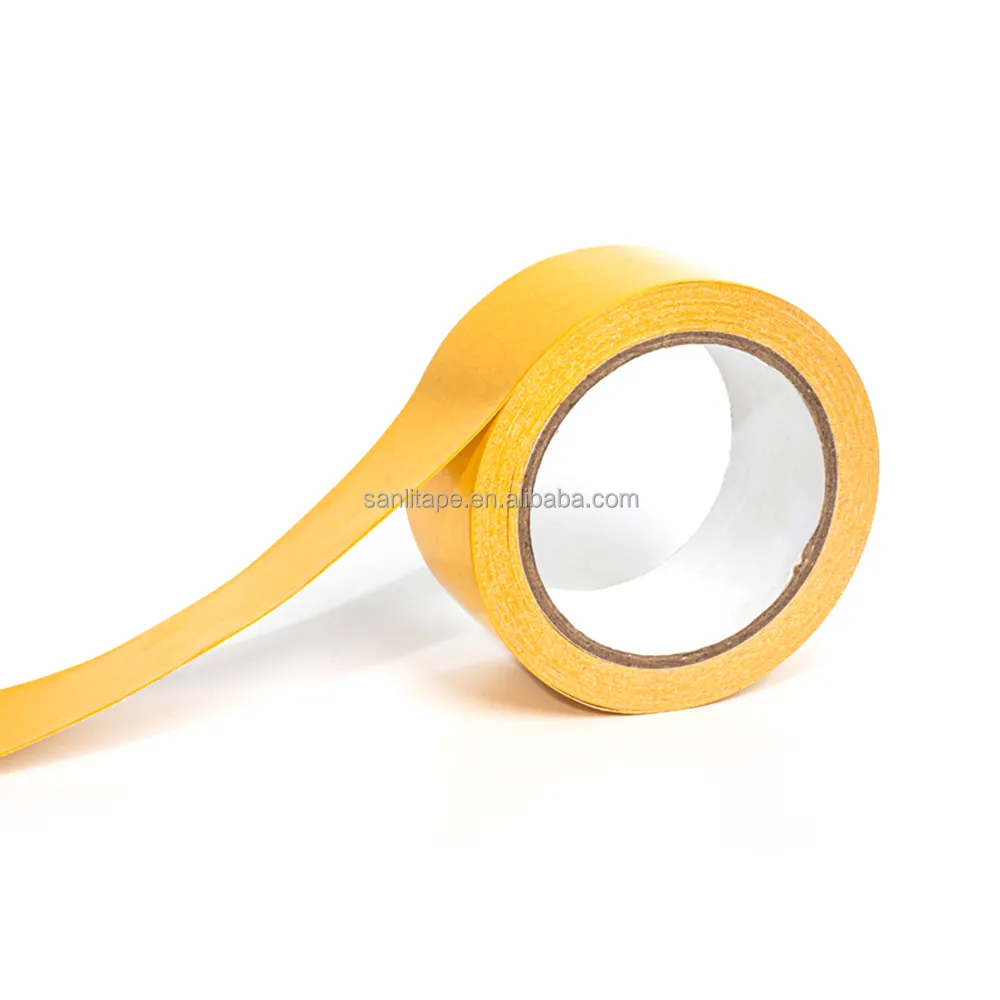 Double-sided fabric-based tapes with strong adhesion for attaching carpets, floor mats, sofa cushions and other items.
 -
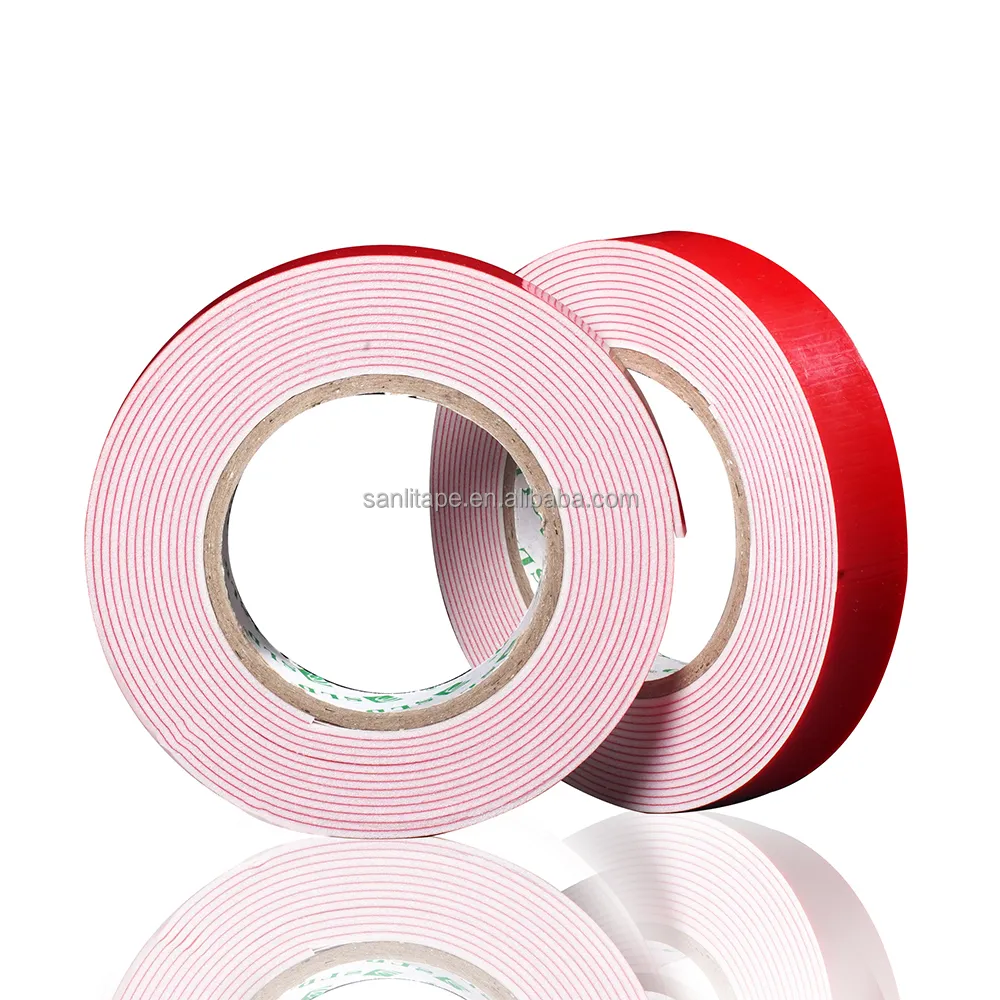 Double Sided Foam Tape High Density High Adhesion White and Black Double Sided Adhesive PE Foam Tape
 -
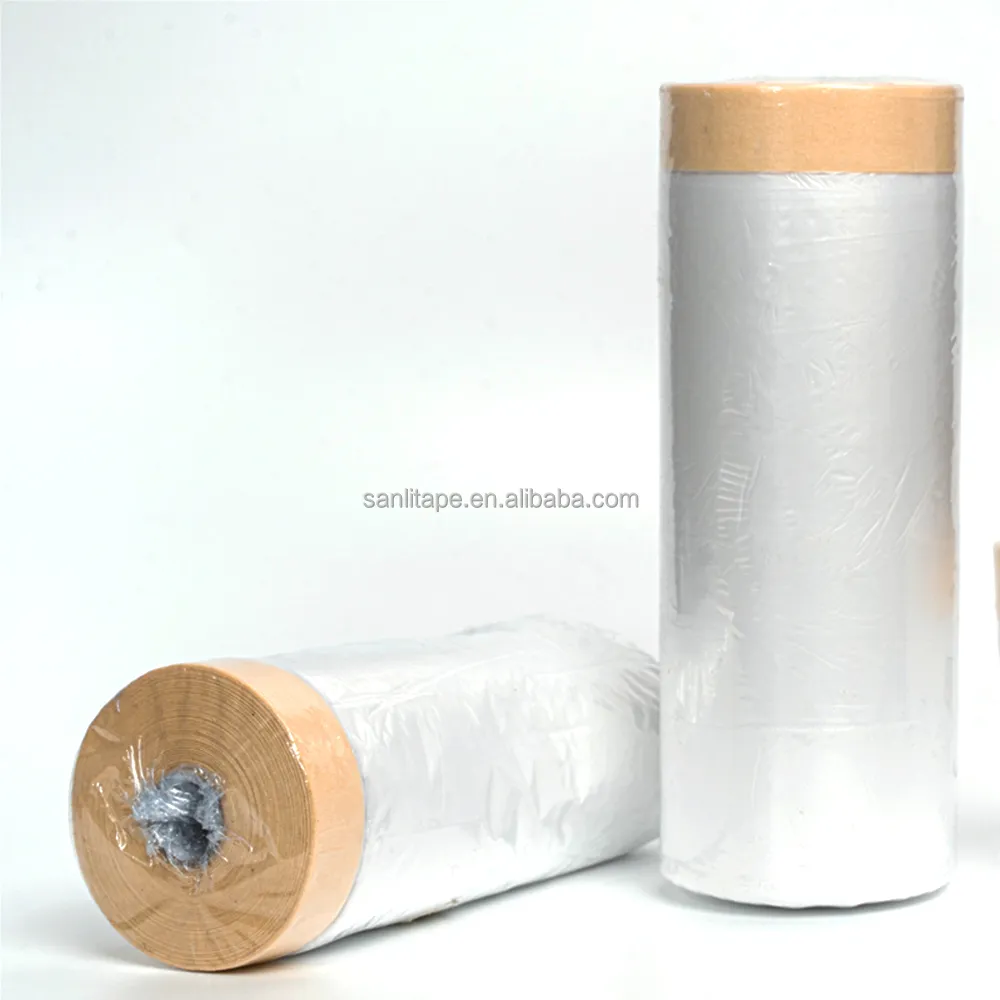 Paint Spray Anti Dust Film Clear Furniture Decoration Film Masking Tape Masking Tape Protective Film
 -
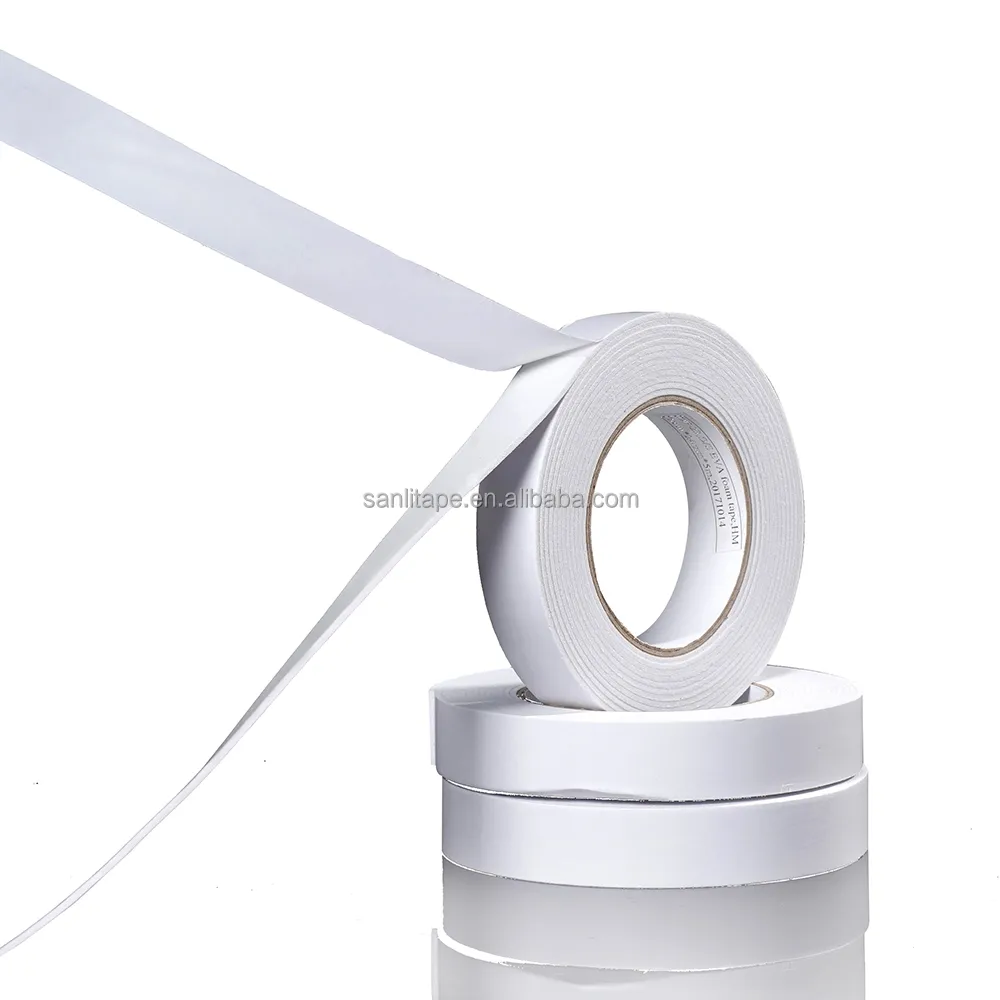 Double-sided foam tape, strong adhesive, white and black EVA foam, installation, fastening, sealing, double-sided adhesive tape
 -
 Thin Double Sided Adhesive Tape Clear PET Polyester Film Adhesive Tape Installation and Fastening of Industrial Parts Die-Cut Double Sided Adhesive Tape
 -
 Red Film Durable Ultra Clear Double Sided Polyester Tape with High Temperature Acrylic Adhesive Double Sided PET Tape
 -
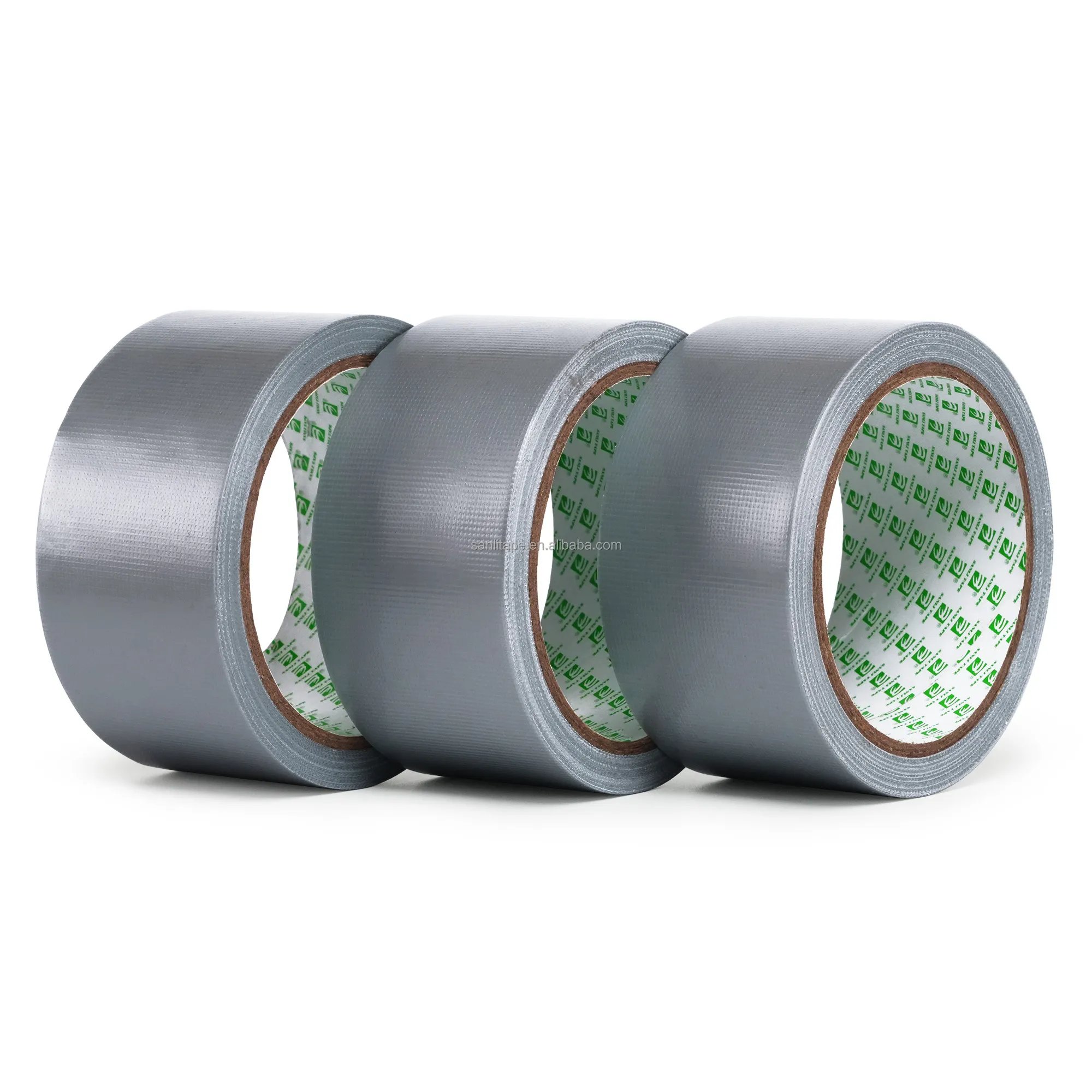 Fabric Backed Adhesive Tape Single Sided High Viscosity Hand Tearable Adhesive Tape for Carpet Fastening Decorative Tape
 -
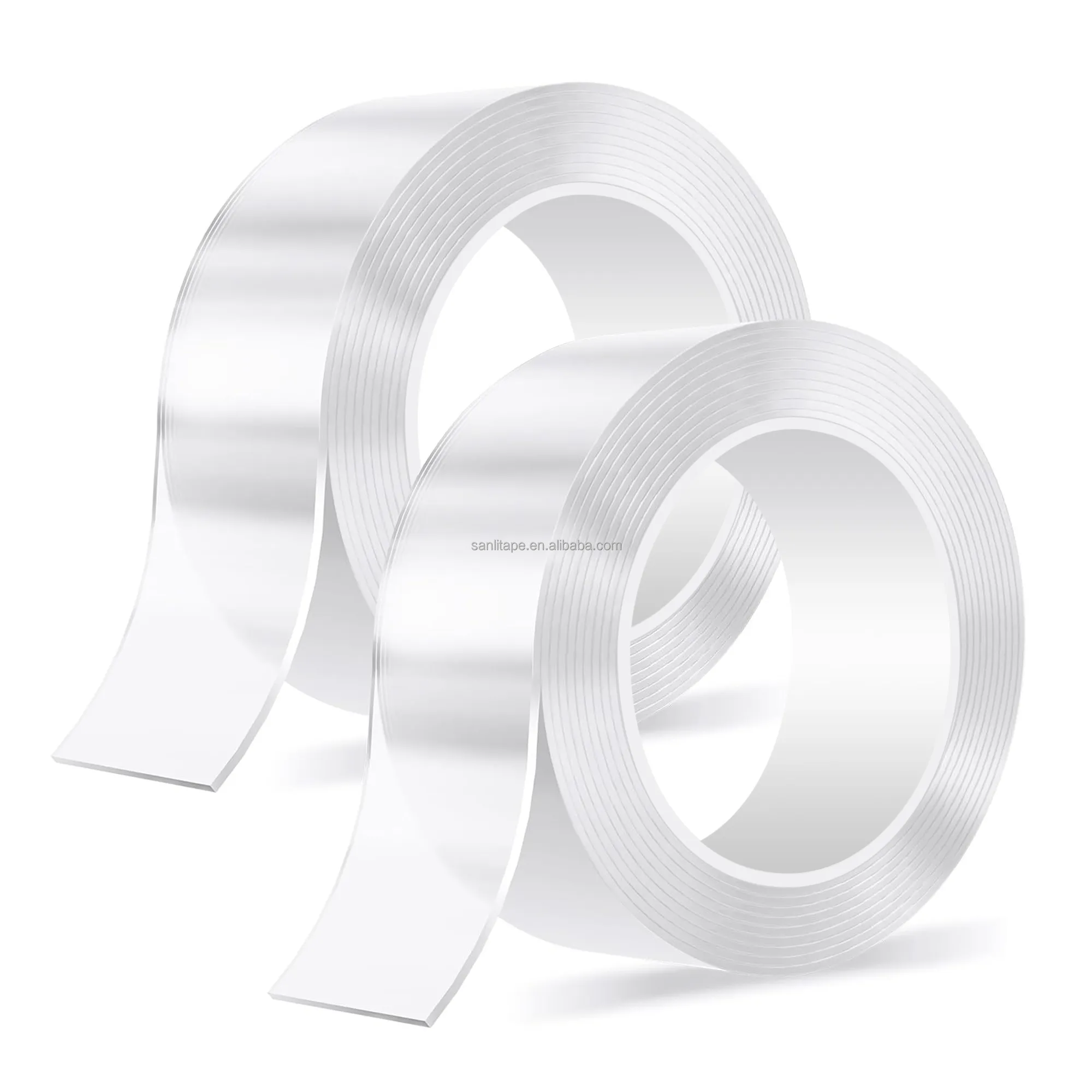 High Transparent Nano Tape, High Viscosity, High Water Resistance, Trace Free Fixation, Acrylic Double Sided Tape
 -
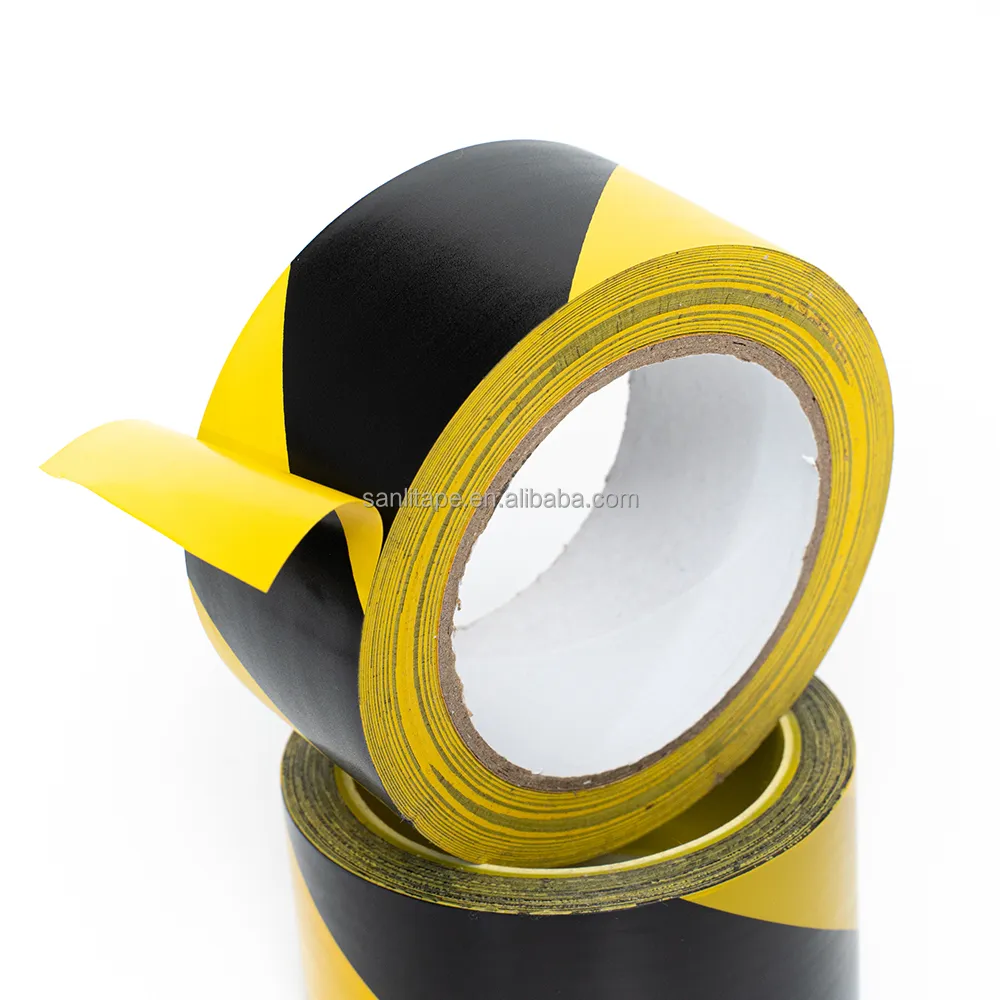 PVC Warning Tape Marking Warning Tape Decorative Floor Tape
 -
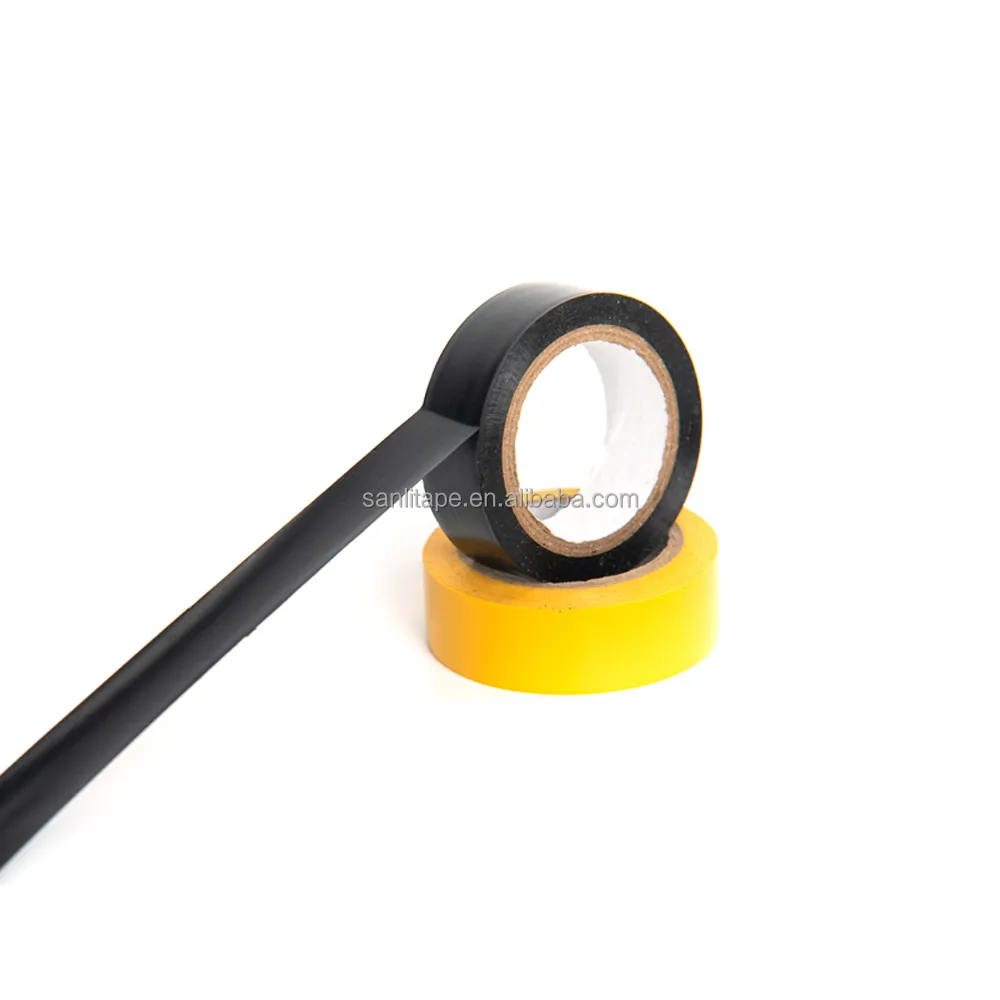 Waterproof Black Color PVC Insulation Tape Wrap Insulated Electrical Tape with High Viscosity
Relatedsearch
Related Search- double sided adhesive vhb tape
- Order 3mm double-sided tape in China
- double sided tape on the wall
- Double-sided fabric adhesive tape factories
- Double sided tape strong core buyer
- Double-sided adhesive tape 6 mm manufacturer
- Adhesive tape double sided 12 mm suppliers
- Order double-sided tape 50 m in China
- double-sided adhesive tape 19
- Double-sided tape 3 mm manufacturer