




masking tape
Masking tape– this is a seemingly simple thing. But if you take a closer look, it becomes clear that correctly selected and applied tape is the key to accurate and high-quality painting. I often see how masters use it as just a barrier, and not as a tool that influences the final result. Well, or they just don’t pay attention to details. Over the years of work, I have observed many failures associated with incorrect selection and application. I would like to share my experience, maybe it will be useful to someone.
What is a good masking tape? Not everything is equally useful.
There is a huge amount on the marketmasking tape. Different manufacturers, different compositions, different prices. At first glance, everything seems the same. But in reality this is not the case. It is important to understand that there are tapes for different surfaces and paints. For example, for delicate surfaces - tapes with a low level of adhesive, so as not to damage the paint after removal. For smooth surfaces - tapes with good adhesion so that it holds securely. And, of course, tapes for deep paints - they are resistant to solvents. Sometimes, if your budget allows, it’s worth looking for specialized tapes from well-known manufacturers; they are usually more reliable and durable.
I remember once buying the cheapest tape to paint a room. The price was attractive, but in use it turned out to be simply terrible. The glue did not hold, it peeled off and left marks on the wallpaper. In the end, I had to redo the entire paint job, which cost me not only time, but also money. The lesson, of course, was clear. Cheap doesn't always mean good.
An important point is the composition of the glue. Often cheap tape contains a lot of solvents that can damage the surface after removal. Sometimes this manifests itself in the form of peeling paint or peeling wallpaper. Therefore, always pay attention to the composition.
Surface preparation is half the success.
You can't just stick it onmasking tapeon a dirty or uneven surface. First you need to clean it from dust, dirt, and grease. If the surface is uneven, it needs to be puttied and sanded. Do not neglect this step, otherwise the tape will peel off.
For example, I always use a degreaser before applying tape, especially on walls that are touched frequently. The degreaser helps improve adhesion and prevents the tape from peeling off.
In addition, when using tape on wallpaper, especially vinyl, you should carefully wipe the surface with a damp sponge to remove excess dust and dirt. Too much friction can damage the wallpaper.
Application technique – delicacy and accuracy.
Applicationmasking tape– it’s not just gluing it to a surface. You need to do this carefully so as not to damage the paint or wallpaper. The tape should fit snugly to the surface, but not create wrinkles or bubbles.
I usually use a plastic putty knife or a special tool to apply masking tape. This helps make the tape even and smooth. If the tape is still wrinkled, you can gently smooth it out with your fingers or a spatula.
It is very important to carefully adhere the tape along the edges so that the paint does not bleed under it. This is especially true for dark and thick paints. Sometimes I use an extra layer of tape for extra protection.
Painting problems and how to solve them.
Often there is a problem with paint seeping under the tape. This is especially noticeable when painting in several layers or when using thick paint. If paint does leak, it must be carefully removed after the paint has dried. To do this, you can use a painting knife or spatula. The main thing is not to damage the paint in adjacent areas.
Another problem is the tape peeling off after removal. This may be due to incorrect tape selection or improper application. If the tape peels off, it should be carefully removed and reapplied using a better quality tape and carefully following the application instructions.
Some craftsmen use special adhesive for masking tape to secure it to difficult surfaces or to paint in hard-to-reach areas. This adhesive provides a more secure hold and prevents the tape from peeling off.
Removing the tape - without a trace.
Shootmasking tapeyou need to carefully and slowly, at a slight angle. Do not pull the tape sharply, otherwise you may damage the paint or wallpaper. It is best to remove the tape immediately after the paint or glue has dried.
I always start by removing the tape from a corner, pressing it against the paint or wallpaper. If the tape is still stuck strongly, you can use a special scraper or spatula to remove it. The main thing is not to rush and act carefully.
Sometimes, after removing the tape, a small amount of glue remains on the surface. It can be removed using a special solvent or degreaser.
Alternative options: masking tape and other solutions.
The modern market offers not only traditionalmasking tape, but also masking tape. It has a more flexible structure, which allows it to be used for painting complex surfaces and corners.
You can also use paper or film to protect surfaces from paint. This is a more economical option, but it requires more time and effort.
Ultimately, the choice depends on the specific task and budget. But it is important to remember that the correct choice and use of masking tape is the key to high-quality and accurate painting.
Enping Sanli Adhesive Co., Ltd., founded in 1997, offers a wide range of adhesive products, including masking tape for various purposes. They have tape for all surfaces and paints. If you are looking for qualitymasking tape, it is worth paying attention to the products of this company.
Correspondingproducts
Related Products
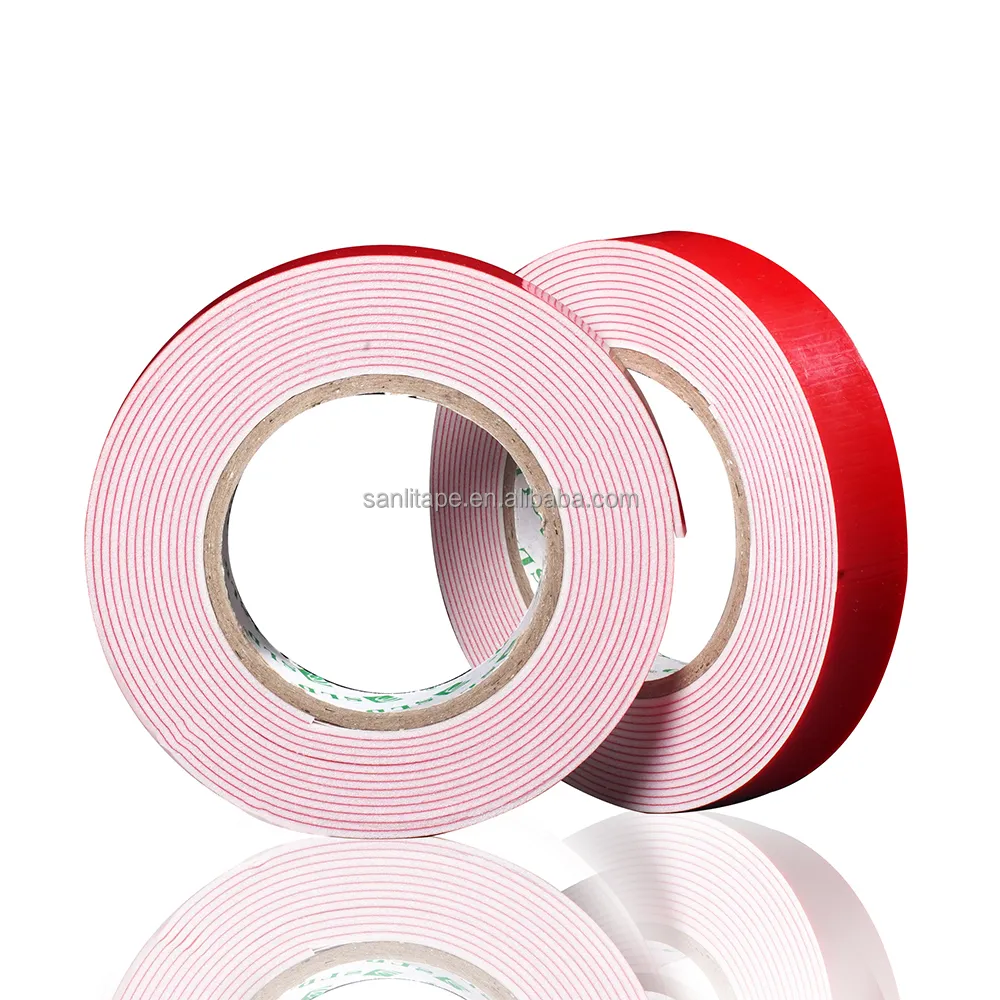
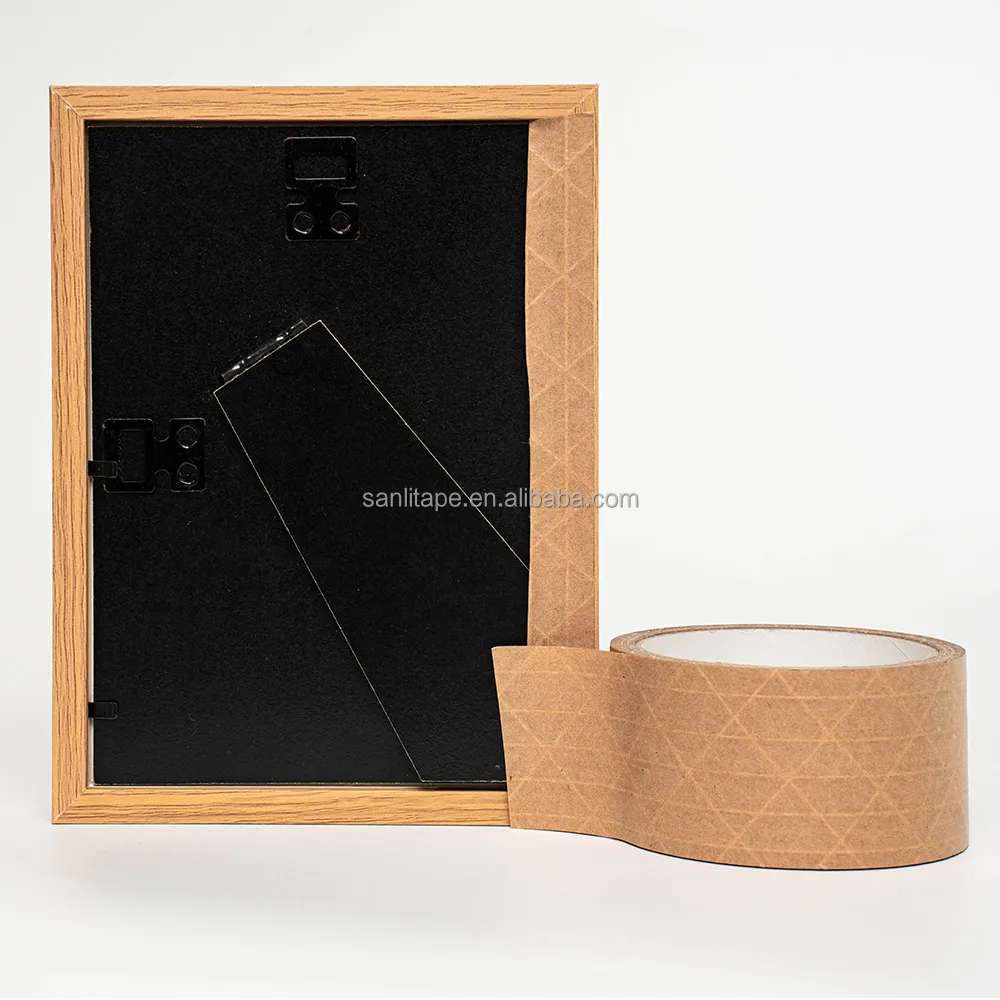
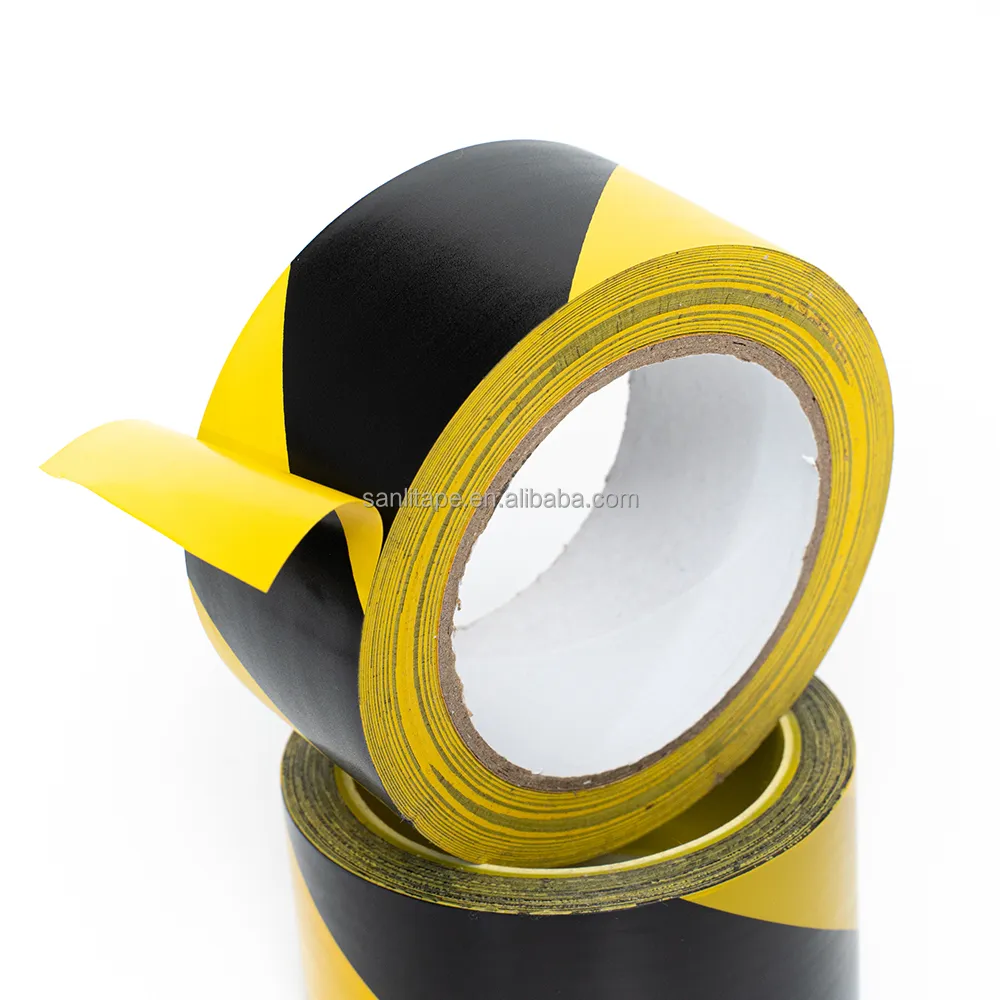
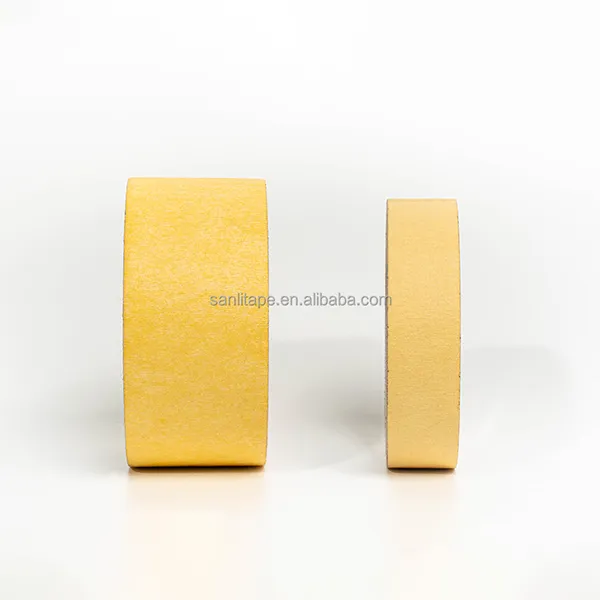
Best Sellingproducts
Best Selling Products-
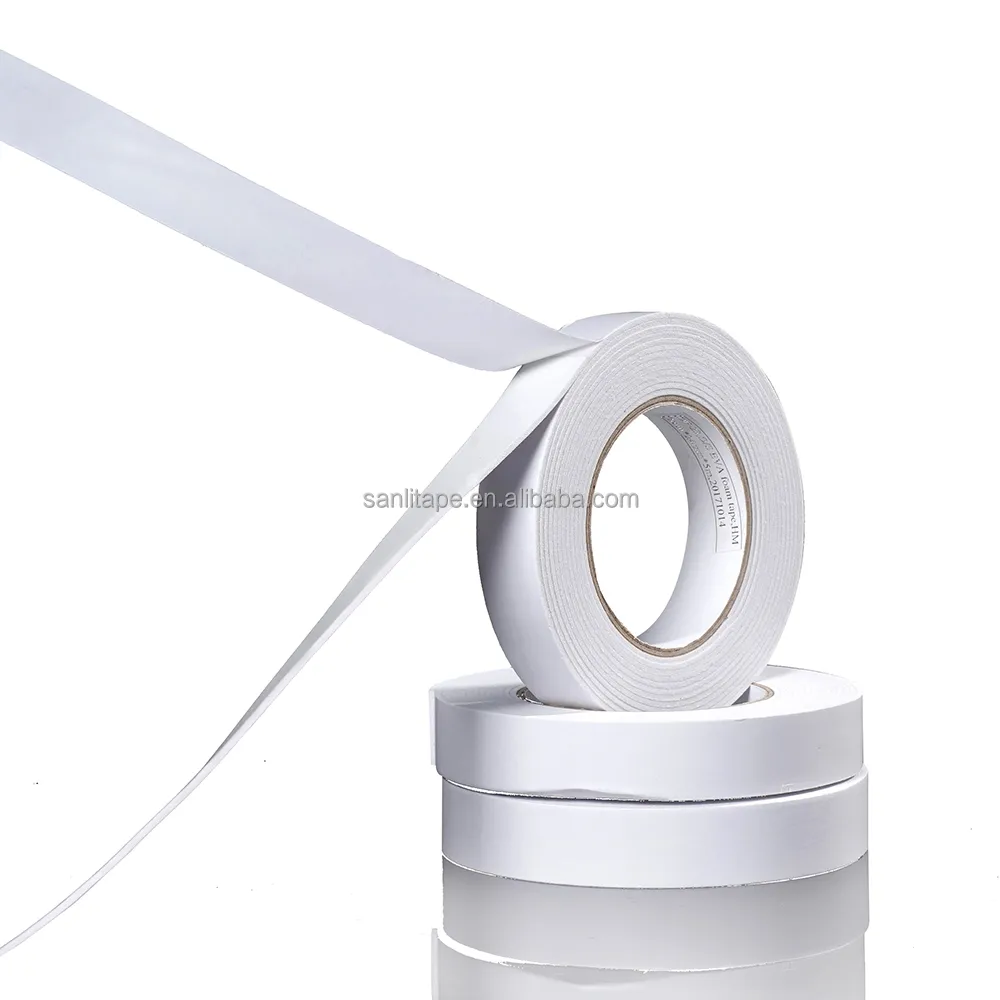 Double-sided foam tape, strong adhesive, white and black EVA foam, installation, fastening, sealing, double-sided adhesive tape
 -
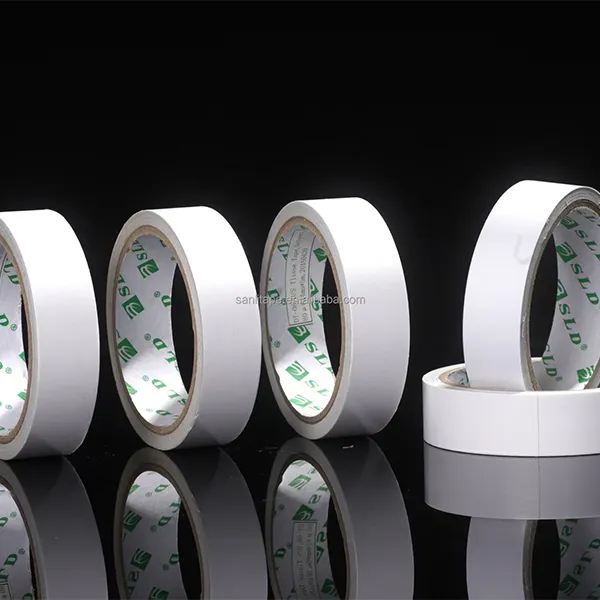 Thin Double Sided Adhesive Tape Clear PET Polyester Film Adhesive Tape Installation and Fastening of Industrial Parts Die-Cut Double Sided Adhesive Tape
 -
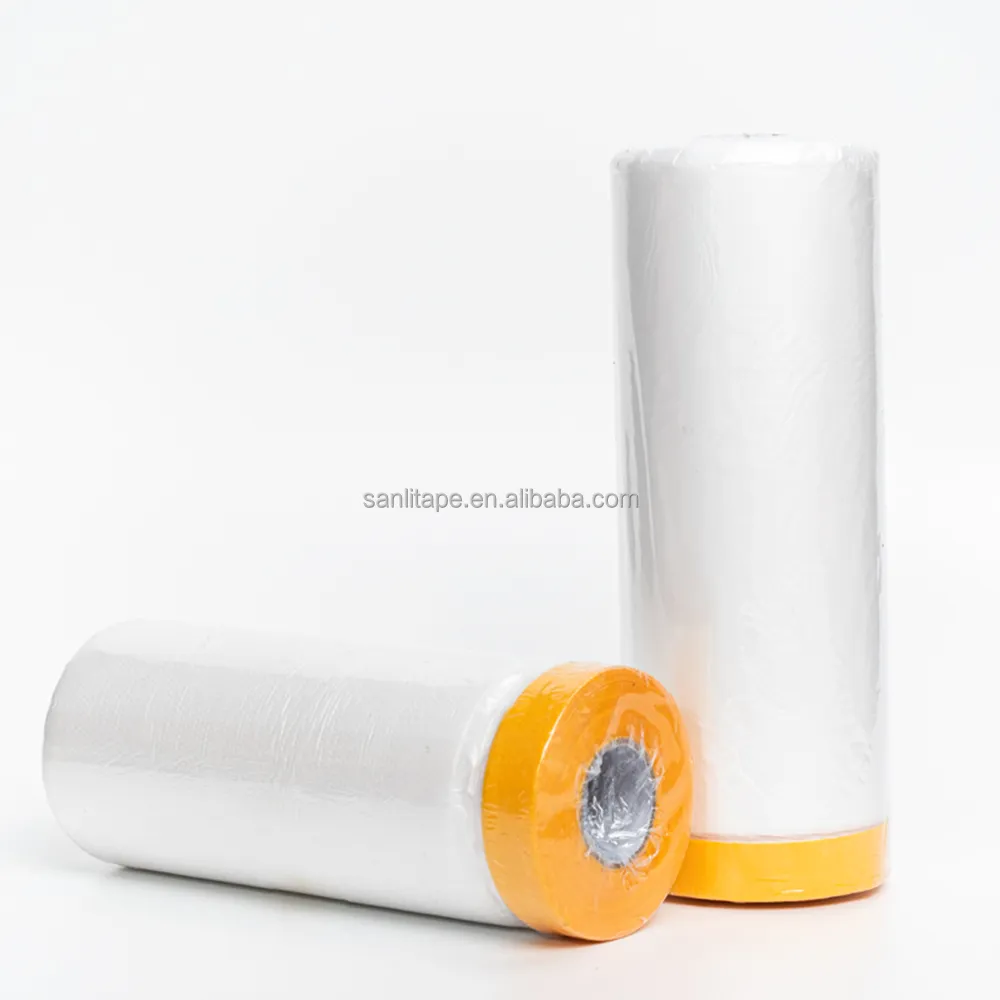 Comb Paint Covers Anti-dust Transparent Furniture Decoration Film and Paper Masking Protective Film
 -
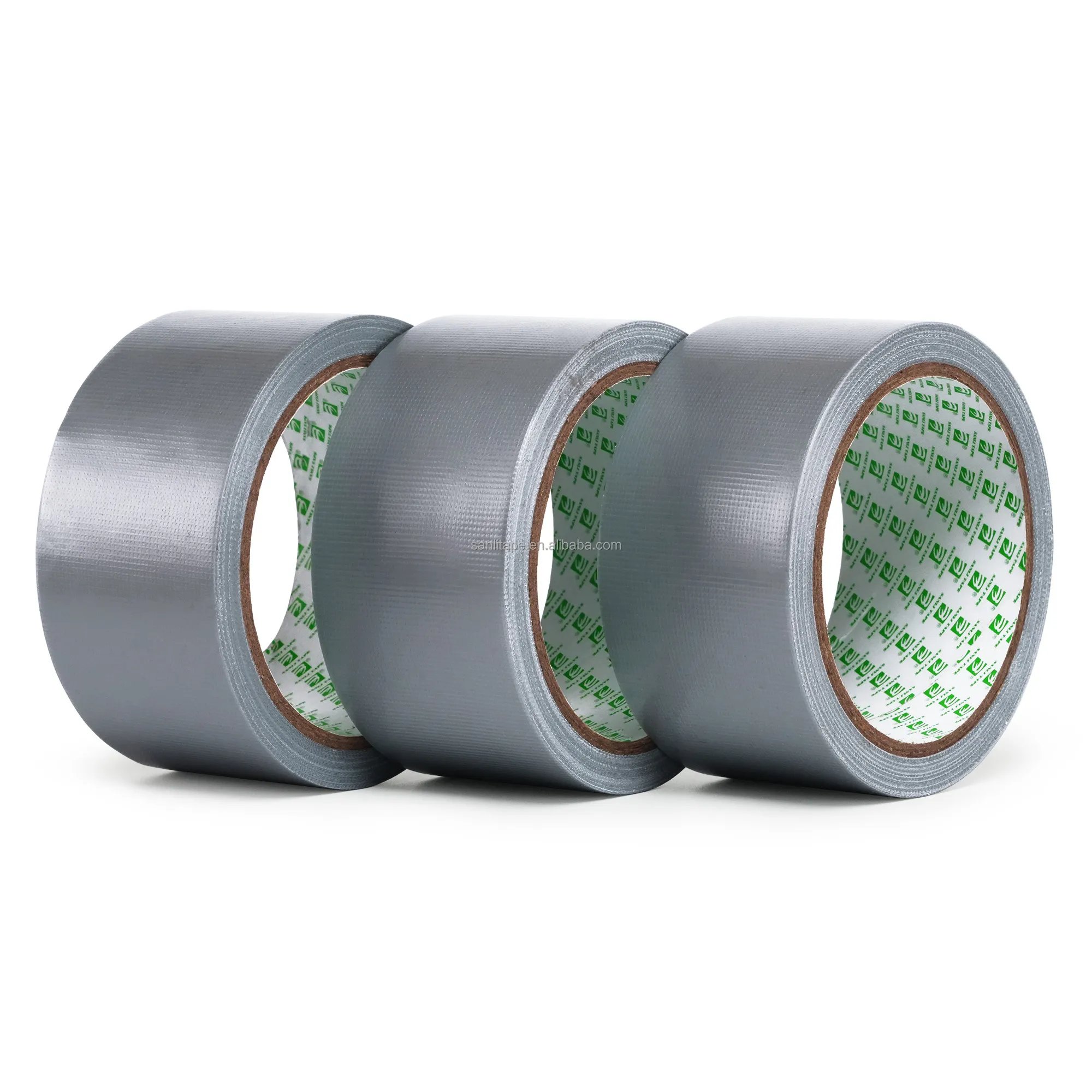 Fabric Backed Adhesive Tape Single Sided High Viscosity Hand Tearable Adhesive Tape for Carpet Fastening Decorative Tape
 -
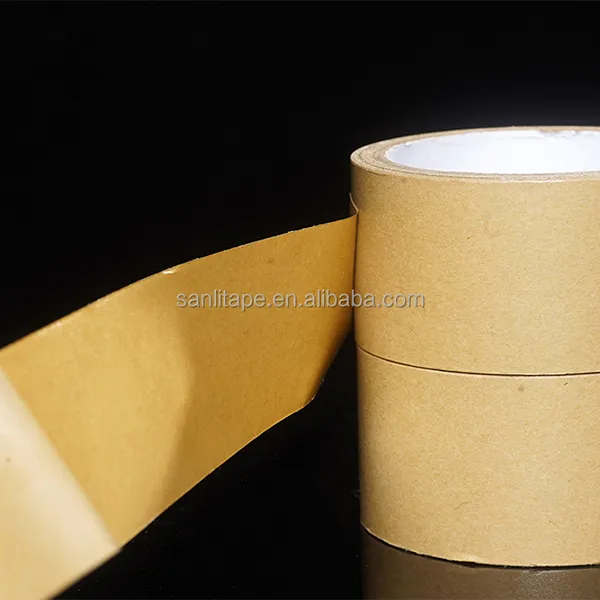 Waterproof Kraft Paper Adhesive Tape Water-based packaging tape with high adhesion for reliable sealing
 -
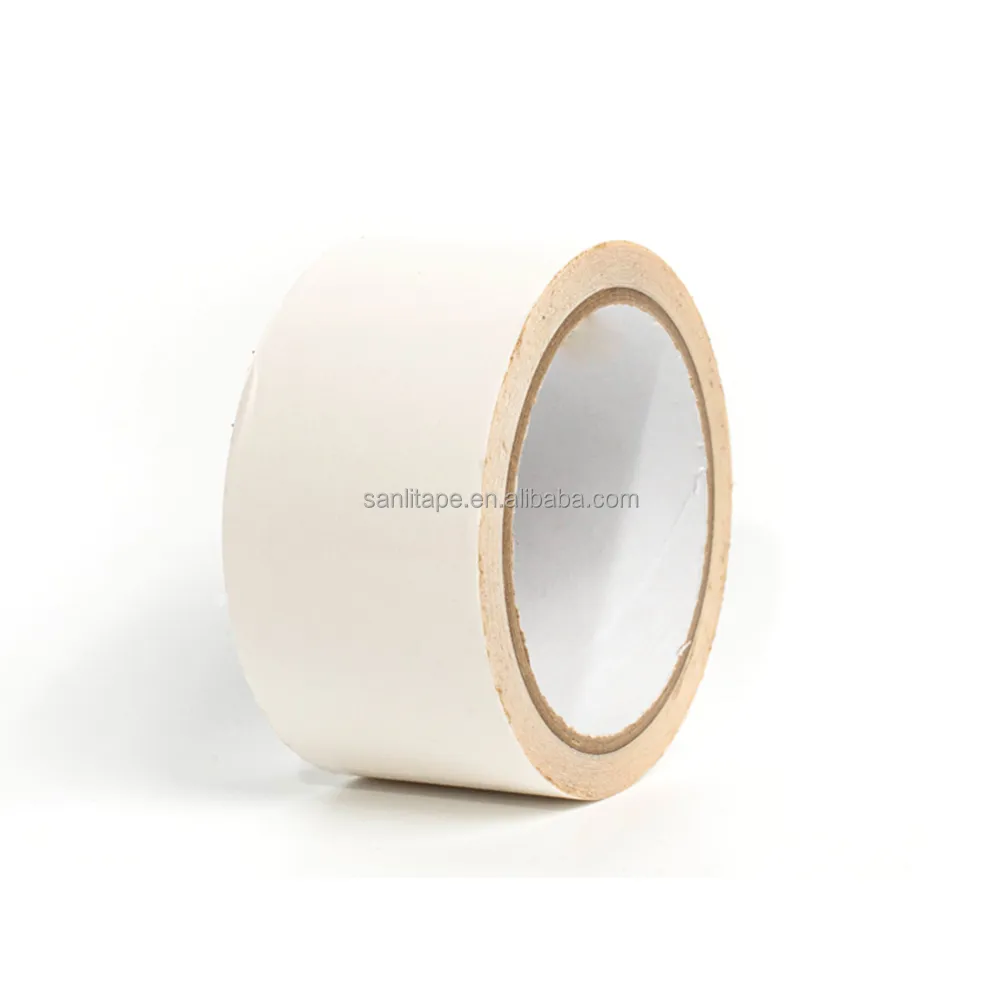 Immortal double-sided tape hardware equipment decorative parts with high insurance transparent tape
 -
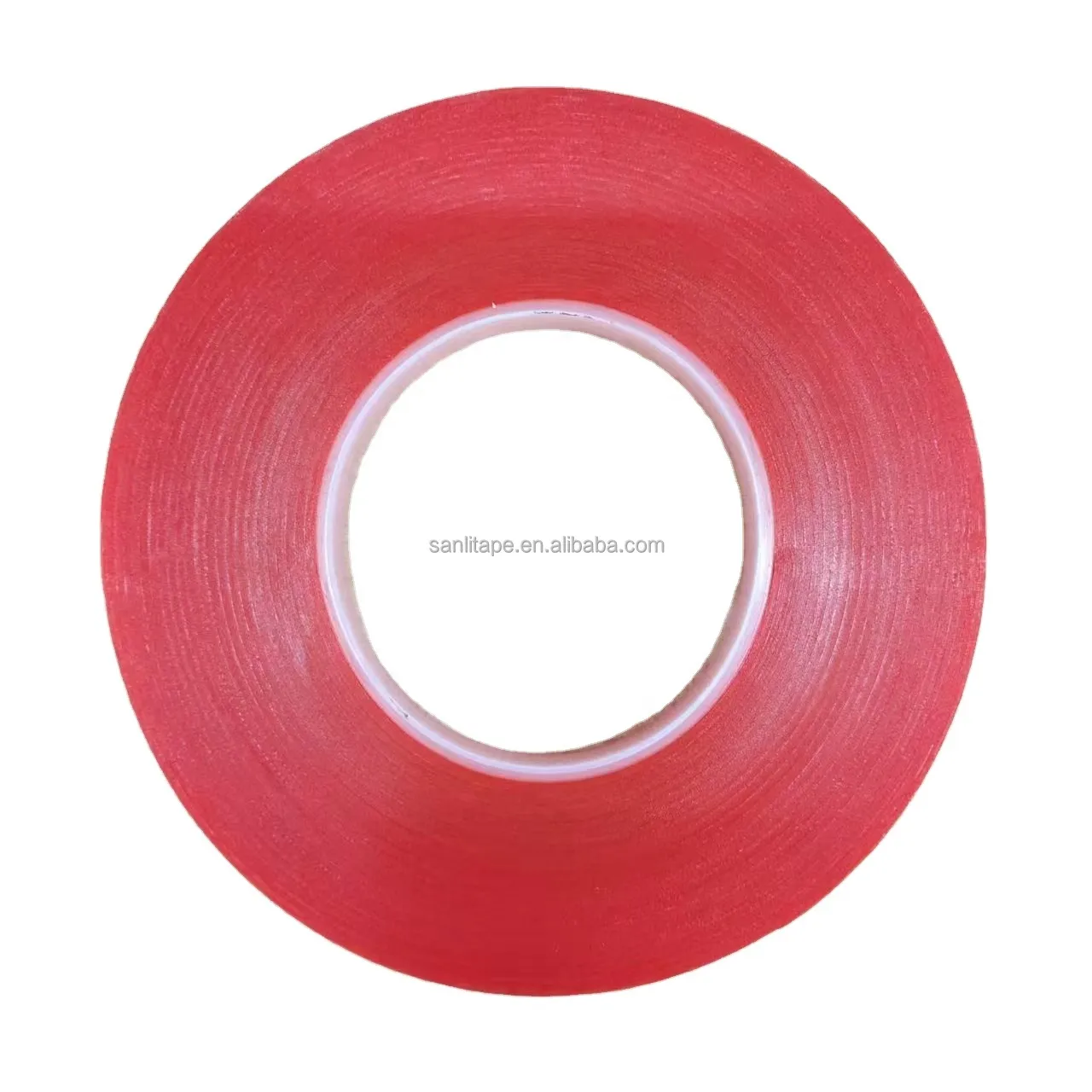 Red Film Durable Ultra Clear Double Sided Polyester Tape with High Temperature Acrylic Adhesive Double Sided PET Tape
 -
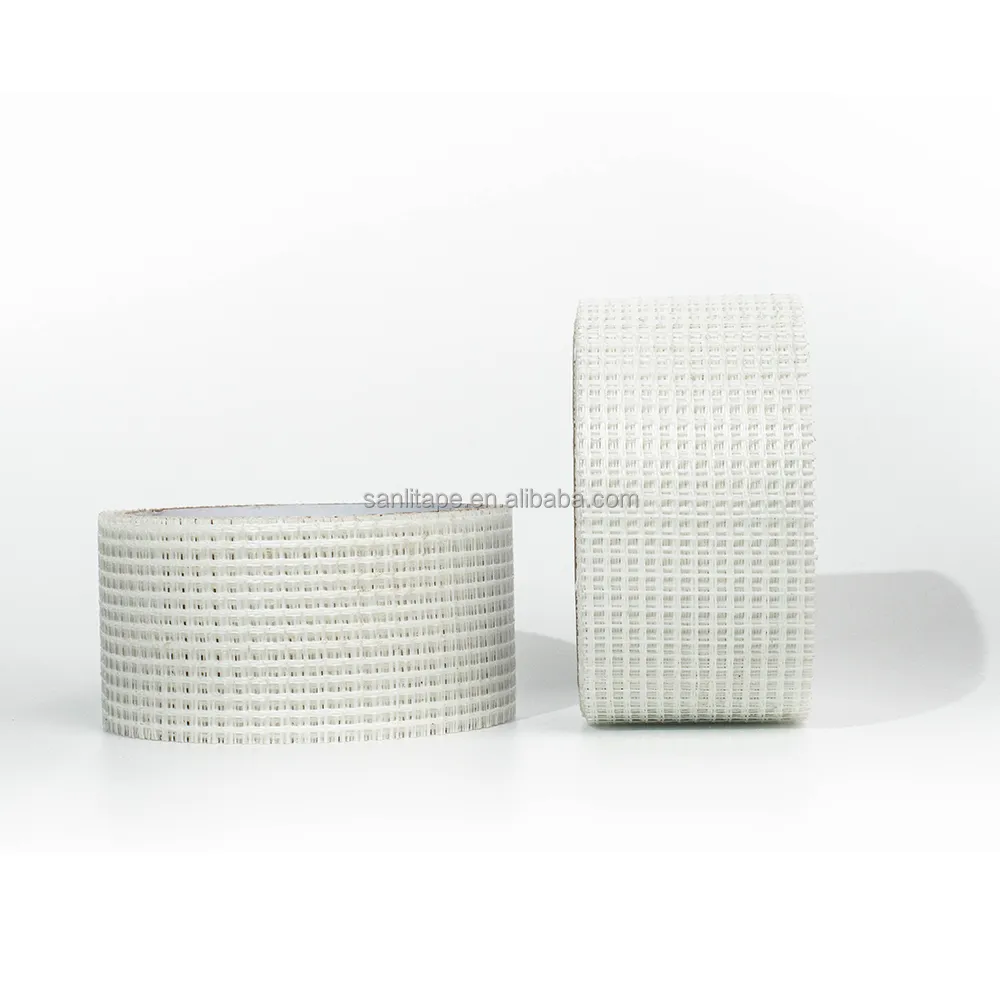 Crack Resistant Fiberglass Mesh Adhesive Tape for Repairing Interior and Exterior Building Walls
 -
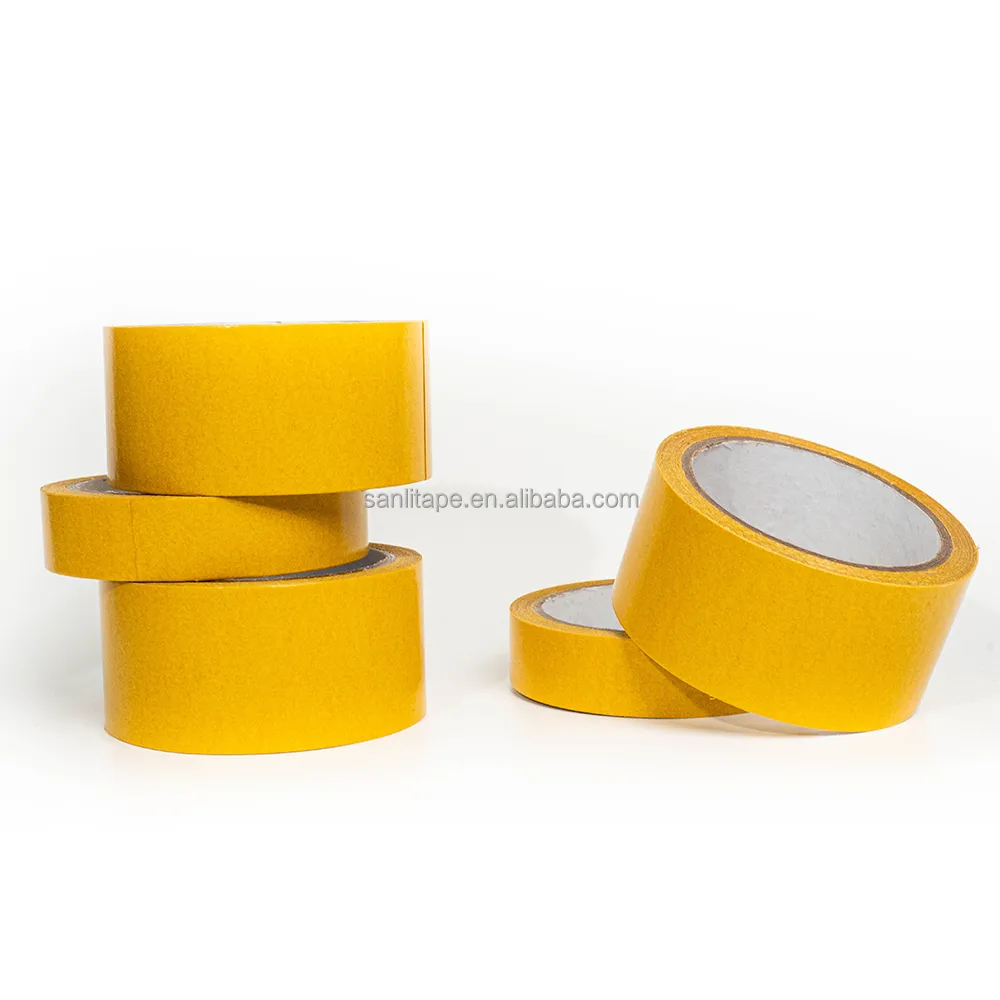 High Density Mesh Tape, High Viscosity, Double Sided Carpet Fastening Tape
 -
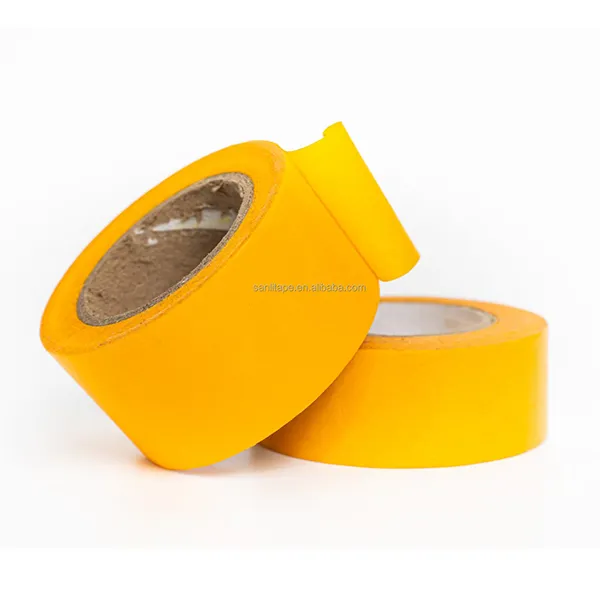 Yellow and Paper Adhesive Tape DIY Decoration Spray High Viscosity Hand Tear Seamless Painting Tape
 -
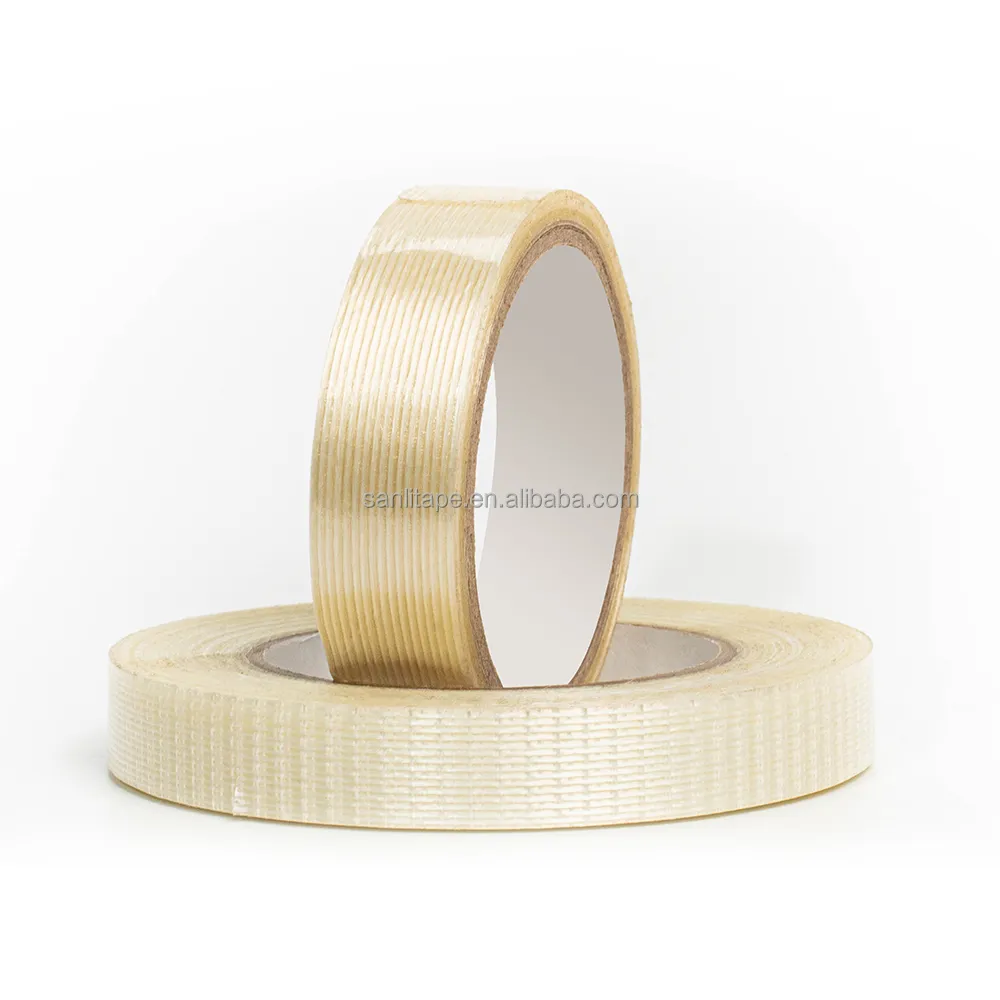 Super Heavy Objects with Integrated Fiberglass Tape Electrical Apparatus Packaging Transparent Attaching Tape
 -
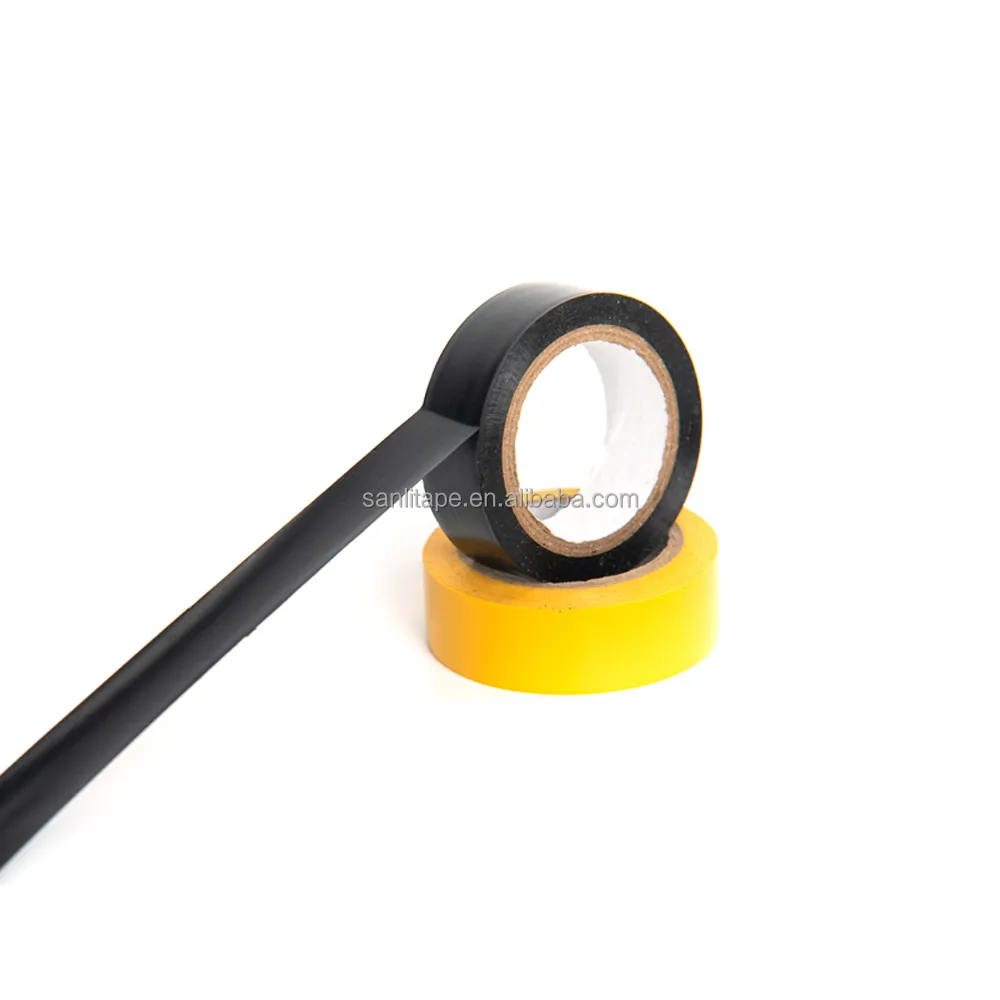 Waterproof Black Color PVC Insulation Tape Wrap Insulated Electrical Tape with High Viscosity
Relatedsearch
Related Search- Anti-slip tape 50 mm yellow-black manufacturers
- Heat Resistant Double Sided Adhesive Tape Manufacturers
- Order 3m anti-slip tapes in China
- Order fiberglass adhesive tape from China
- Double sided tape black manufacturers
- Glue double sided tape manufacturer
- Double-sided tape thickness main buyer
- Aluminum foil tape suppliers
- Double sided tape price
- polypropylene double sided adhesive tape