




Anti-slip tape
Anti-slip tape... It looks like a simple thing, and is often perceived as such. But do you know how many times have you seen poor performance simply not live up to expectations? We ordered batches for floors, for stairs, for industrial use - and the result leaves much to be desired. Many people think that the choice is simply price and thickness. But this is not so. In fact, there is a whole science here - materials, adhesion, operating conditions. And experience, of course, is also important. Sometimes it seems that everything has already been invented, but new requirements and new tasks constantly appear. Therefore, I would like to share some thoughts that I have come across recently.
What do we mean by 'anti-slip'?
The first thing that comes to mind when you think aboutanti-slip tape- This is a relief surface. But this is only one way to achieve the desired effect. There are different types of anti-slip coatings: with micro-edges, with grooves, with a textured coating, even using special nanoparticles. It is important to understand that efficiency depends on many factors - not only on the type of terrain, but also on the type of tape material, its adhesion to the surface and, of course, on operating conditions (humidity, temperature, load).
Often clients choose a feed based solely on visual perception. As a result, it may look great but not provide enough grip. Or, conversely, a tape with a very aggressive texture that works great in a dry room, but becomes dangerous when wet. It is necessary to calculate all use scenarios, including, oddly enough, potential user errors. For example, we worked with a company that installed tape on steps in public transport. Initially, they chose a tape with a very pronounced texture, but users complained that it “caught” the shoes too much, making it difficult to get in and out. I had to replace it with a tape with a softer, but no less effective texture.
Of course, texture alone is not enough. The compatibility of the tape material with the surface material must be taken into account. For example, it is not always possible to stick tape onto a smooth laminate, which severely damages the coating when peeled off. Or, conversely, some adhesives used to attach the tape can destroy the surface of the tile. Here too you need to be careful.
Materials and their features
The most common materials for productionanti-slip tapes– these are polyurethane, silicone and rubber. Each of them has its own advantages and disadvantages. Polyurethane is a durable and wear-resistant material, well suited for use in industrial environments. Silicone is more flexible and elastic, works well in conditions of high temperatures and humidity. Rubber is the most economical option, but less durable.
It is important to pay attention to the composition of the glue used to attach the tape. The durability and reliability of the connection depends on this. There are single-sided and double-sided adhesives, each of which has its own characteristics and scope of application. Single-sided adhesives are easier to use, but less reliable. Double-sided adhesives provide a stronger and more durable connection, but require more careful surface preparation.
When choosing a materialanti-slip tape, especially for commercial buildings, it is worth considering fire safety requirements. Some materials may release harmful substances when burned. Therefore, it is necessary to choose a tape that meets the requirements of regulatory documents.
Installation process: how to stick correctly
In fact, applying even the highest quality tape correctly is an art. It is not enough to simply stick it on a clean surface. It is necessary to carefully prepare the surface, clean it from dust, dirt and grease. In some cases, it may be necessary to apply a primer first.
Particular attention should be paid to corners and edges. The tape should be applied smoothly and without folds. Special bends can be used in the corners to ensure a secure connection. It is also important to take into account the temperature conditions in the room during installation. Some adhesives work less well at low temperatures.
In practice, I often encounter that clients do not pay enough attention to surface preparation. As a result, the tape comes off after just a few days. Or, conversely, they use too much glue, resulting in excess and a sloppy appearance.
Real examples and mistakes
Once we worked with a large shopping center. They ordered a huge batchanti-slip tapefor stairs and ramps. The tape looked very attractive, but after a few months it began to peel off. When determining the reasons, it turned out that the surface of the stairs was poorly cleaned of grease. In addition, the adhesive used to attach the tape was not designed to withstand moisture. As a result, the entire tape had to be replaced, which led to significant losses.
Another example is the use of tape in open areas. The tape quickly wore out under the influence of sunlight and precipitation. As a result, it lost its anti-slip properties. In such cases, it is necessary to use tape that is resistant to ultraviolet radiation and moisture.
Often customers choose the cheapest options, hoping to save money. As a result, they receive a low-quality product that quickly fails. It is worth remembering that savings onanti-slip tapecould result in much greater costs in the future.
Conclusion
Anti-slip tapeis not just a cheap way to prevent falls. This is a responsible decision that requires a careful approach to the selection of material, glue and installation process. It is necessary to take into account the operating features, fire safety requirements and, of course, the quality of the materials used. And, probably, the most important thing is not to skimp on quality. This is always beneficial in the long run.
On the website of Enping Sanli Adhesive LLC you can familiarize yourself with our wide range ofanti-slip tapesand get expert advice. We are always ready to help you choose the optimal solution for your tasks. [https://www.sanlitape.ru/](https://www.sanlitape.ru/)
Correspondingproducts
Related Products
Best Sellingproducts
Best Selling Products-
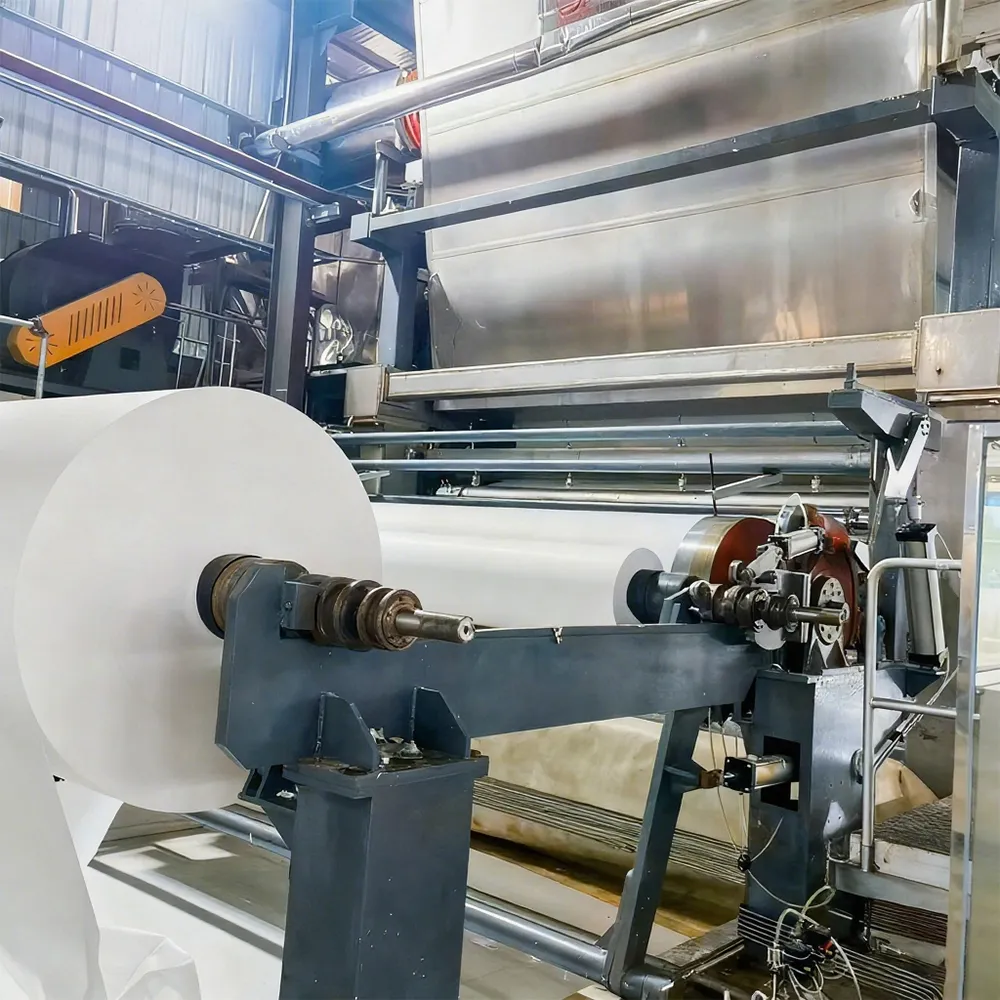 Flexible and eco-friendly cotton paper white double-sided adhesive tape material, soft thin packaging material 14g, 18g, 20g.
 -
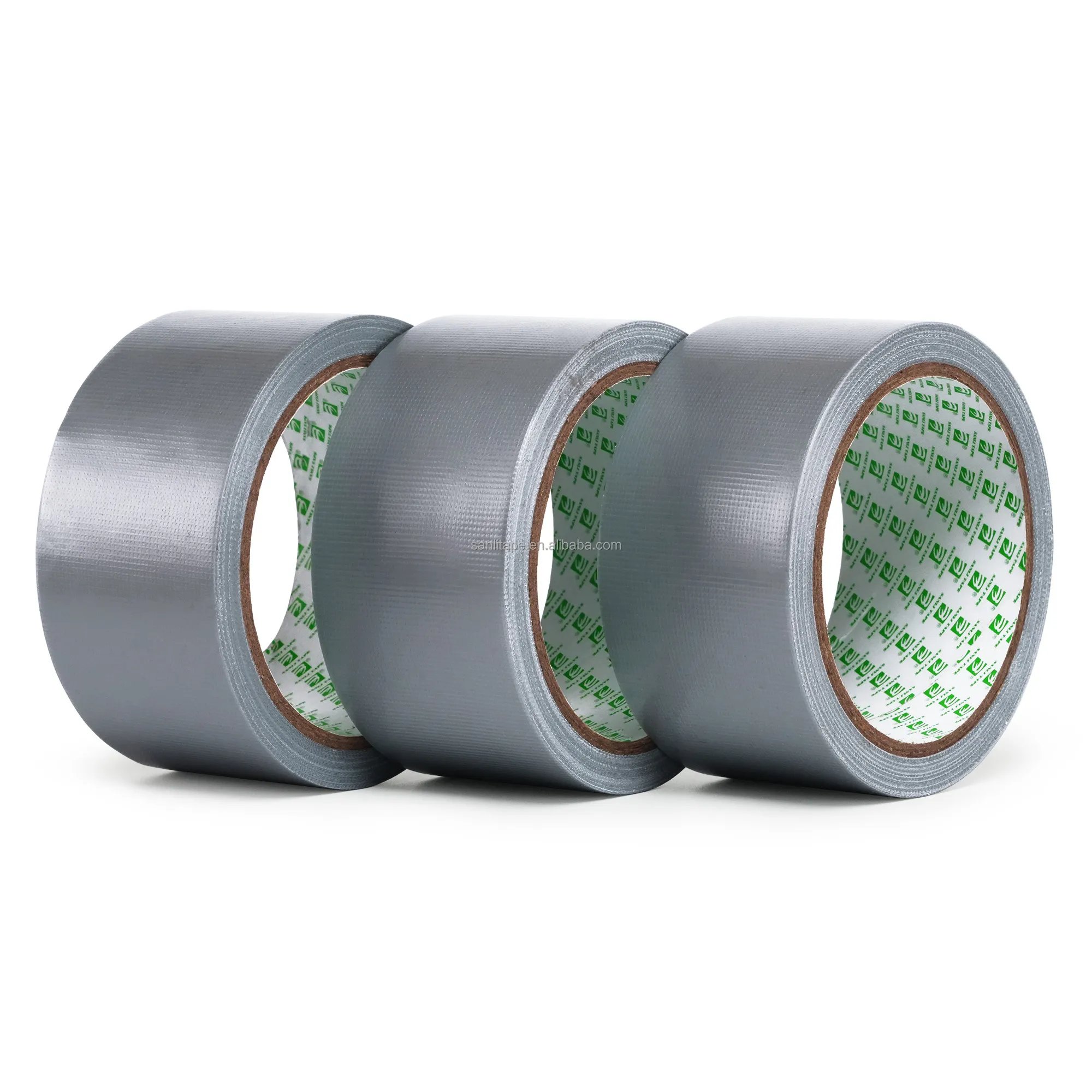 Fabric Backed Adhesive Tape Single Sided High Viscosity Hand Tearable Adhesive Tape for Carpet Fastening Decorative Tape
 -
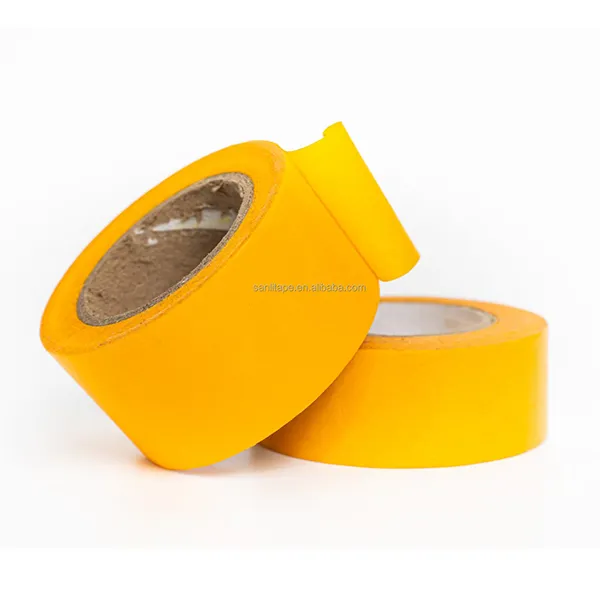 Yellow and Paper Adhesive Tape DIY Decoration Spray High Viscosity Hand Tear Seamless Painting Tape
 -
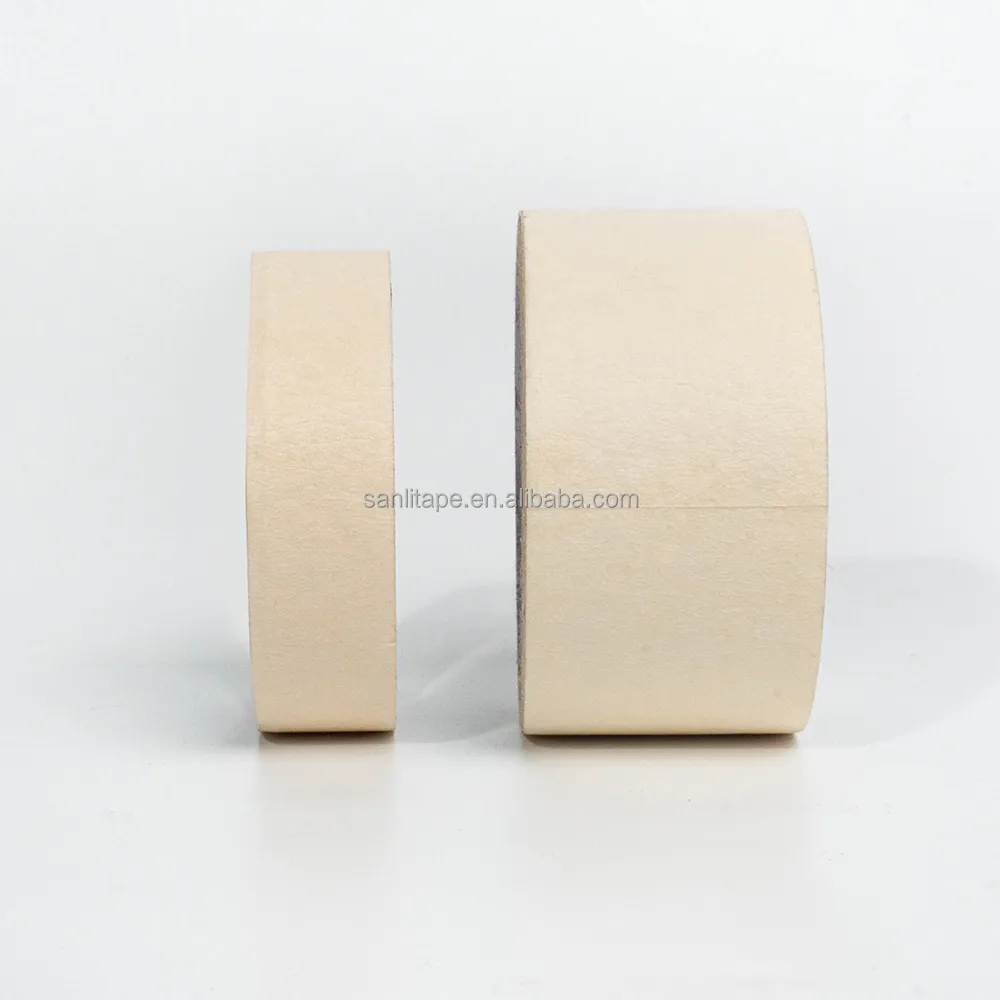 Masking Tape Paint Sprayer Decoration Masking One-Way Wrinkles
 -
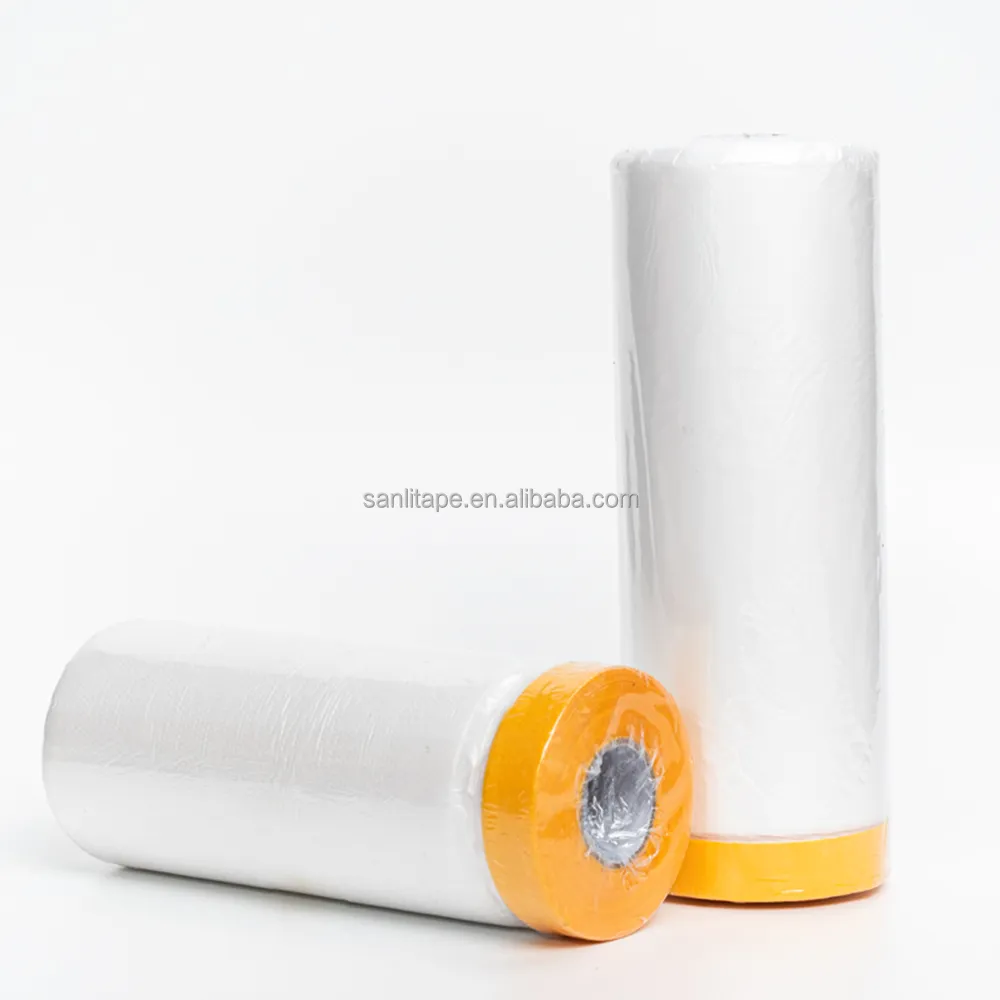 Comb Paint Covers Anti-dust Transparent Furniture Decoration Film and Paper Masking Protective Film
 -
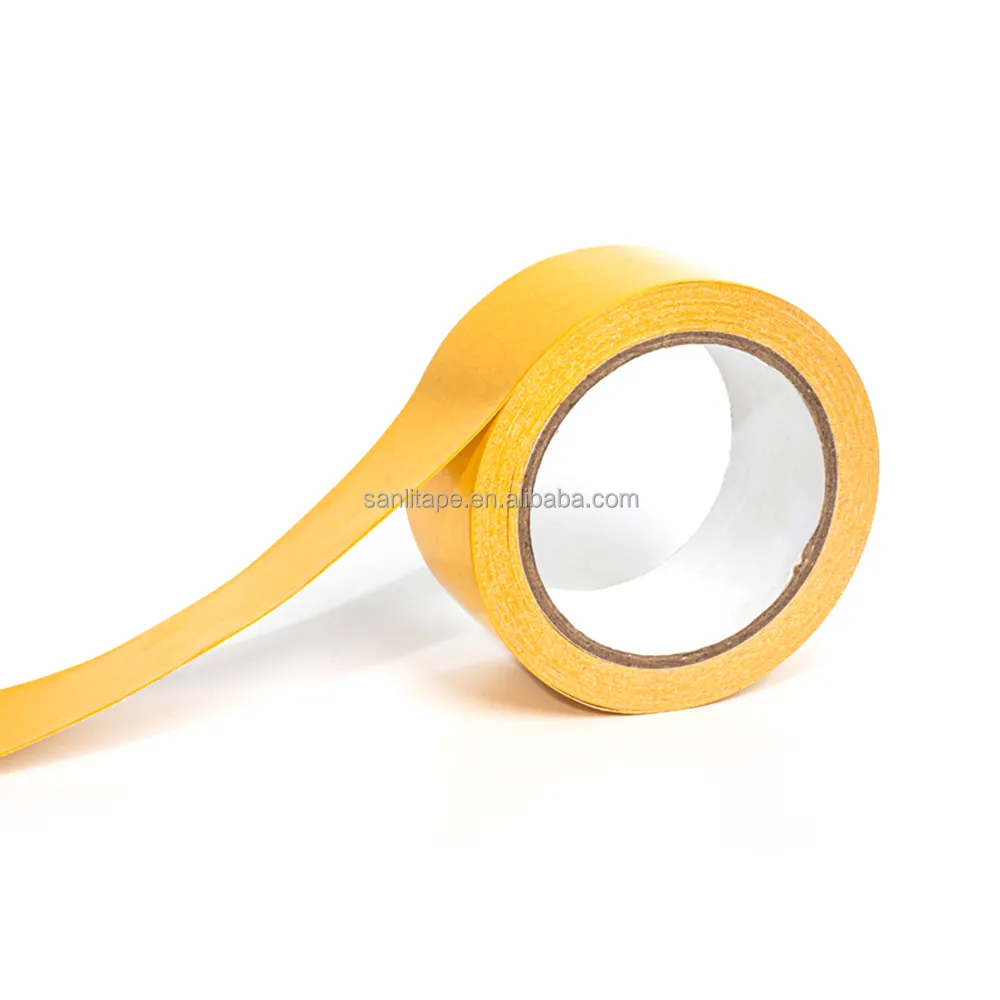 Double-sided fabric-based tapes with strong adhesion for attaching carpets, floor mats, sofa cushions and other items.
 -
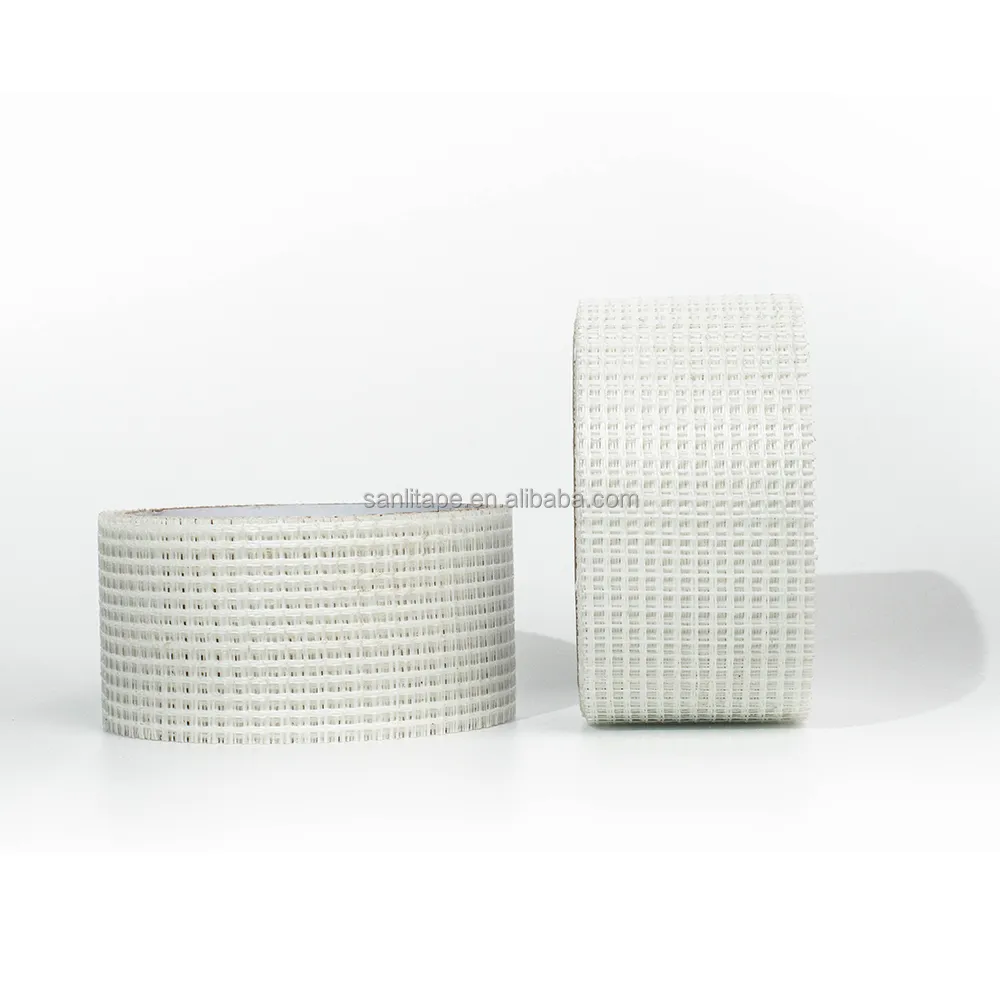 Crack Resistant Fiberglass Mesh Adhesive Tape for Repairing Interior and Exterior Building Walls
 -
 Single Sided Double Sided Backing Paper Double Sided Adhesive Tape PE Parchment Label Paper
 -
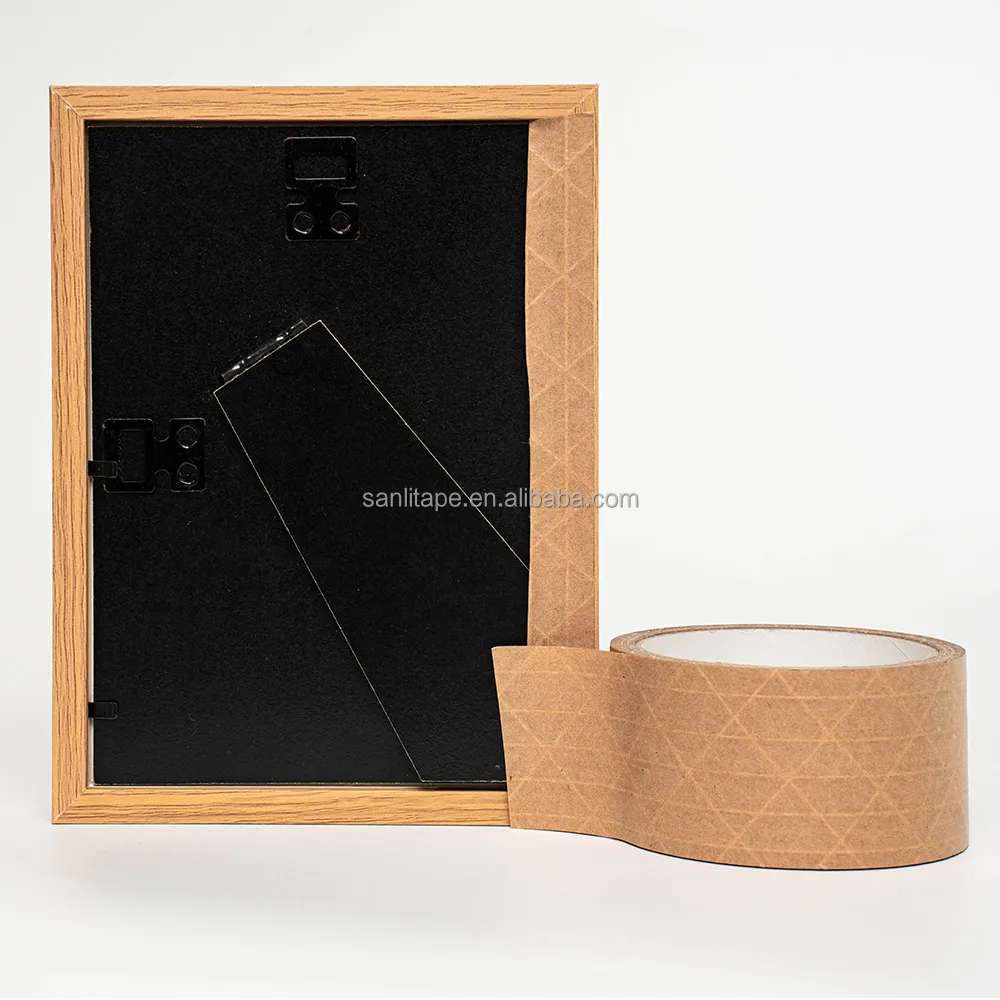 Reinforced kraft paper adhesive tape reinforced tape self-adhesive packaging tape without water content
 -
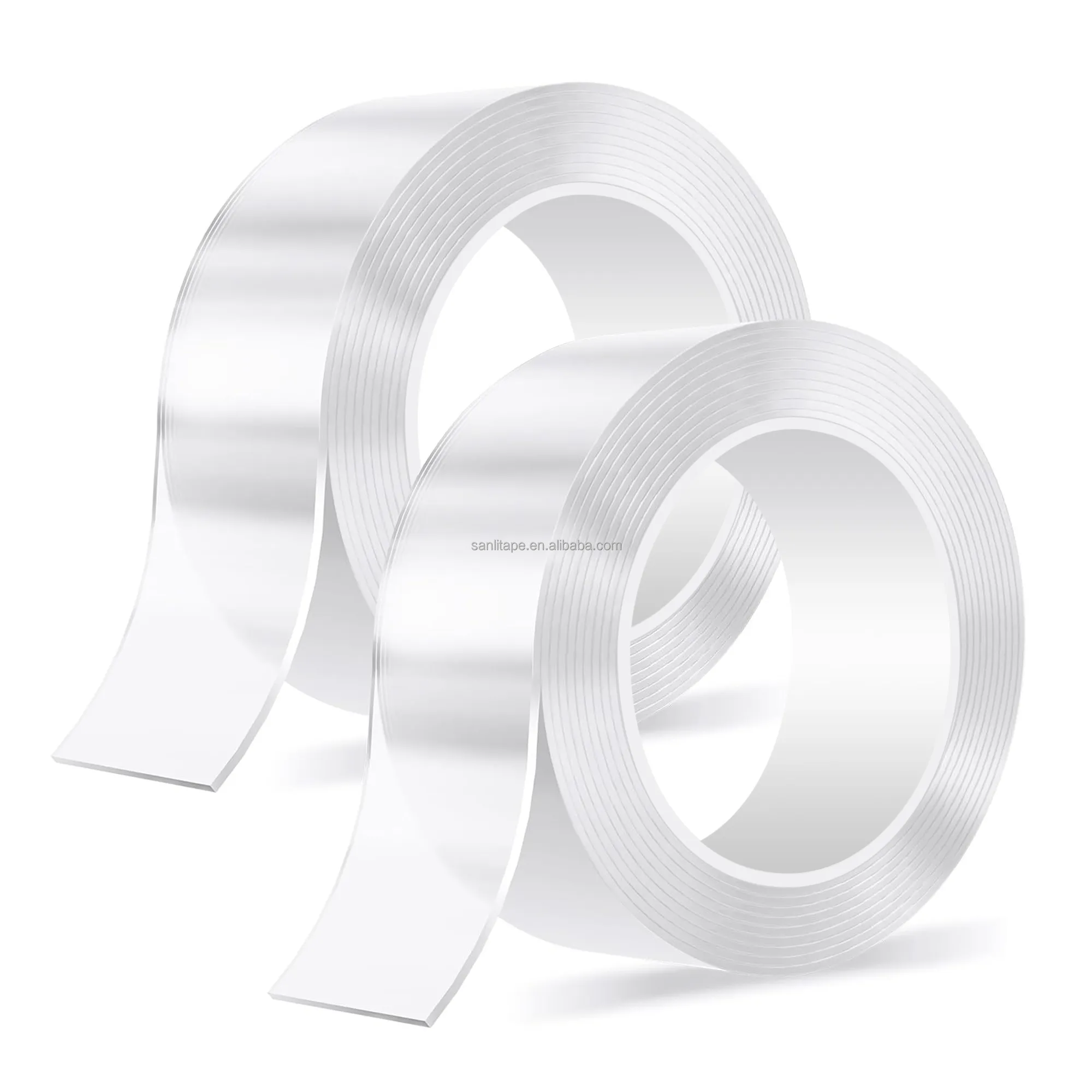 High Transparent Nano Tape, High Viscosity, High Water Resistance, Trace Free Fixation, Acrylic Double Sided Tape
 -
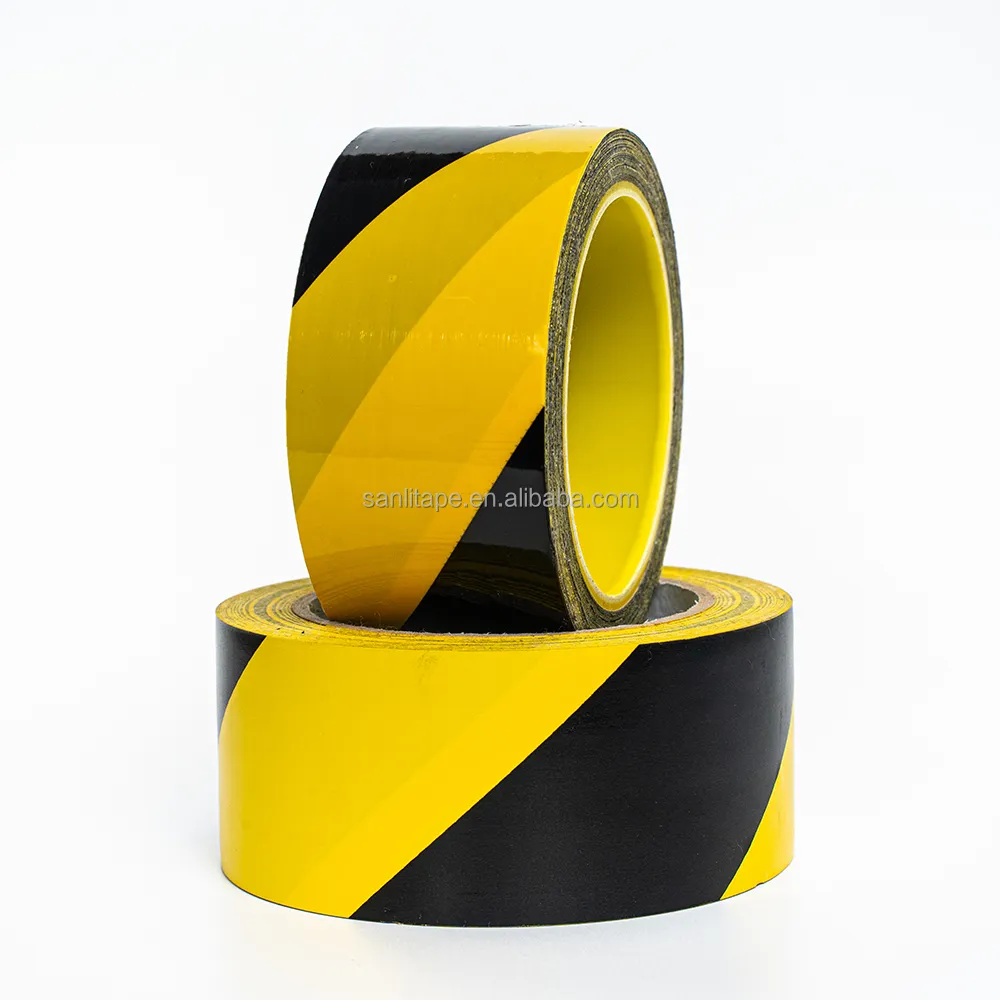 EVPEC Warning Tape for Marking PE Composite Floor Warning Tape Decorative Tape
 -
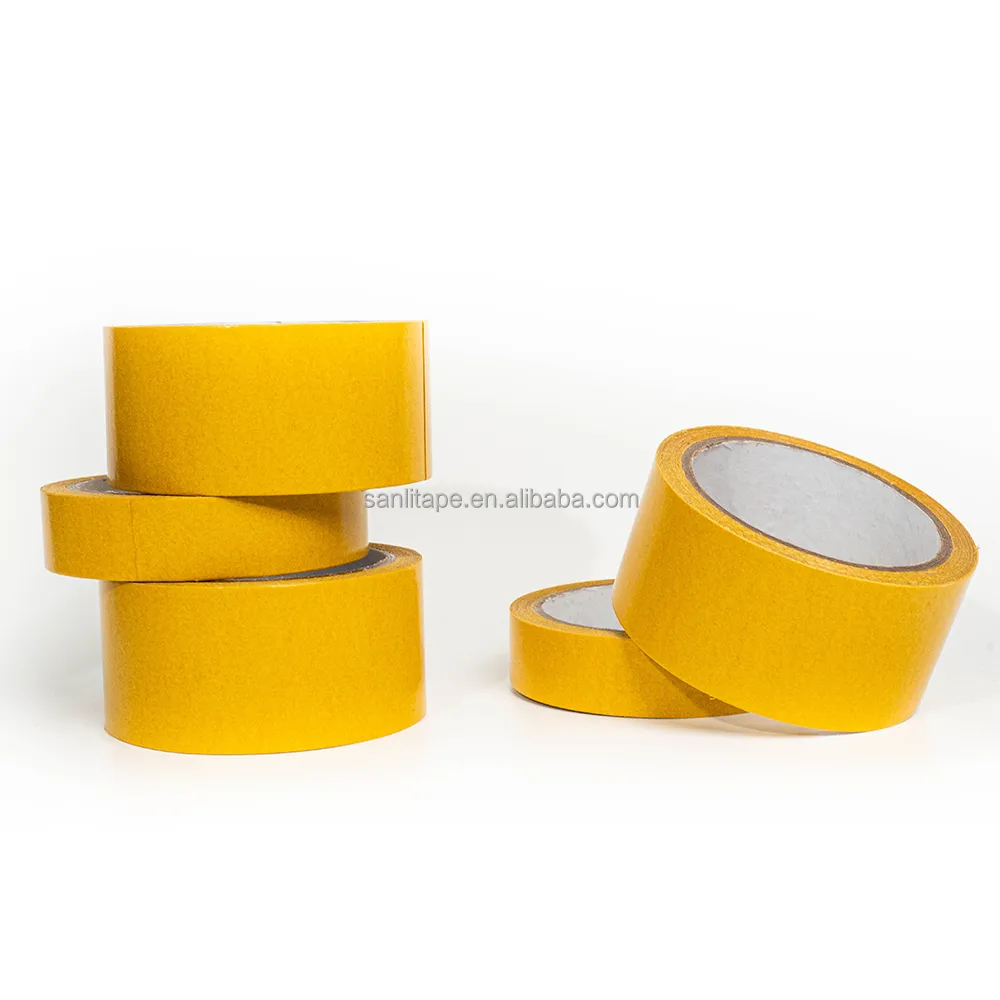 High Density Mesh Tape, High Viscosity, Double Sided Carpet Fastening Tape
Relatedsearch
Related Search- Double sided adhesive vhb tape manufacturers
- Double sided tape for auto supplier
- Order double-sided tape 3 m in China
- Double sided tape 3mm manufacturer
- 3m anti-slip tape manufacturer
- Double sided tape manufacturers
- Double sided or double sided tape price
- Double-sided white tape price
- Double sided tape width factory
- Rolled double-sided tape main buyer