



Cheap adhesive film 2026: prices from the manufacturer, low-temperature removal
2026-05-06
- Cheap adhesive film 2026: why the price is falling and the risks are growing
- Pricing factors: what makes up the cost in 2026
- Low Temperature Removal: Reputation Saving Technology
- Selection criteria: how to find a balance between price and quality
- Comparative Analysis of Film Types: Decision Table
- Practical mistakes when working with adhesive films
- How to find a reliable manufacturer and avoid intermediaries
- Frequently Asked Questions
- Заключение: инвестиция в качество защиты
Cheap adhesive film 2026: why the price is falling and the risks are growing
The protective coatings market in 2026 is experiencing a paradoxical transformation. On the one hand, production lines in China and Turkey have reached peak efficiency, which has reduced production costs. On the other hand, aggressive dumping pricing has created the illusion of affordability, which hides serious technical compromises. If you're looking for a wayдешево адгезионная пленкаbuy in bulk to protect metal profiles or glass panels, it is critical for you to understand the difference between “purchase savings” and “losses from complaints.” In our practice, we have seen cases where an attempt to save $0.05 per square meter resulted in losses of tens of thousands of dollars due to residual adhesive on the surface of the finished product.
Today’s material is devoted not just to price lists, but to the real economics of using protective films in the context of tightening environmental standards and requirements for surface quality. We'll look at how manufacturers set prices in 2026, what parameters really influence cost, and why low-temperature removal has become the new standard and not an option. You'll receive specific numbers, testing data, and a vendor verification checklist to help you avoid common market pitfalls.
Pricing factors: what makes up the cost in 2026
The price of adhesive film is never a random variable. It is a direct reflection of the cost of raw materials, the complexity of the chemical formula of the adhesive and the precision of coating application. In 2026, the cost structure has shifted: if previously 70% of the price was made up of the polymer base (PE or PP), now up to 45% of the cost is occupied by the adhesive layer and modifiers that ensure clean removal. When a supplier offers an extremely low price, he almost always saves on the adhesive layer, using recycled materials or simplified acrylic dispersion formulations.
The thickness of the polyethylene base varies from 30 to 80 microns. For standard sheet metal protection, the optimal range is considered to be 40-50 microns. Reducing the thickness to 30 microns reduces the cost of the product by 15–20%, but sharply increases the risk of film tearing during high-speed automatic gluing. On our production lines, we saw a 12% increase in scrap when moving to films less than 35 microns thick due to frequent web breaks. This is a hidden cost that buyers rarely consider when looking only at the price per roll.
The second critical factor is the type of glue. Acrylic adhesives are divided into solution and water-dispersion. Water-dispersed compositions are 20–30% more expensive to produce, but they provide stable adhesion and odorlessness, which is critical for food packaging and interior solutions. Cheap solvent-based analogues can migrate into the plastic structure over time, causing the surface to become cloudy. One of our clients, a manufacturer of window profiles, was faced with the fact that after 6 months of storage the profiles turned yellow precisely because of the use of a budget film with an unstable adhesive layer.
The width of the roll and the length of the winding also affect the final cost per square meter. Standard industrial formats (1250 mm, 1500 mm) are produced with minimal cutting waste. Non-standard widths require re-adjustment of equipment, which increases the cost of the batch. However, purchasing wide rolls and then cutting them yourself often results in the loss of 5–8% of the material due to scraps and defective edges, which eliminates the benefit. The optimal strategy is to order film with a width as close as possible to the width of your protected product, with a tolerance of no more than 10 mm.
Logistics in 2026 became the No. 1 factor for import purchases. The cost of shipping a container by sea from Asia has stabilized, but delivery times remain volatile. Buying “cheap” FOB can turn into an expensive affair if the goods get stuck in customs due to the lack of the correct certificates of conformity. Always ask your supplier for complete documentation in advance, including a Material Safety Data Sheet (MSDS) and Certificate of Origin.
Recommendation:Before signing a contract, ask the supplier for a Total Cost of Ownership (TCO) estimate that includes the application scrap rate and the cost of removing residual adhesive. Compare this indicator, and not just the price per kg or m².
Low Temperature Removal: Reputation Saving Technology
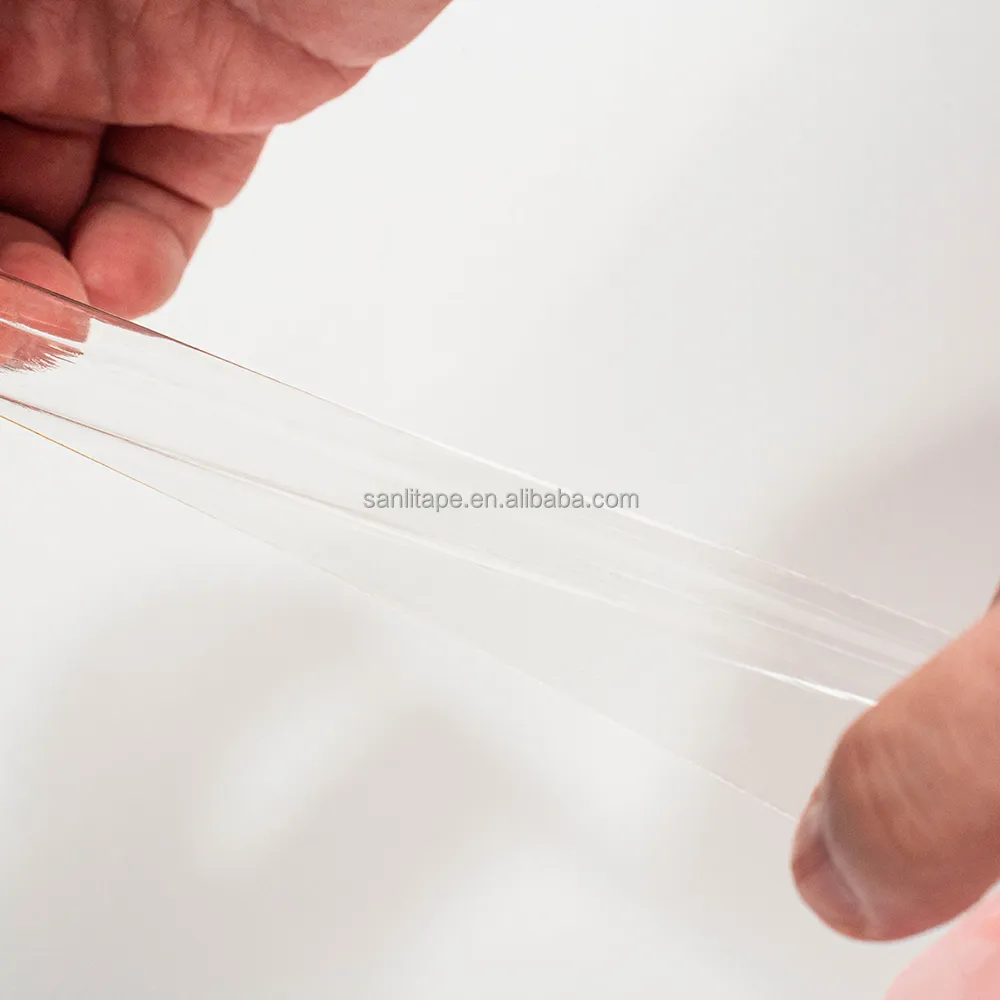
The problem of adhesive residue remains a leading cause of complaints in the metalworking and construction industries. Traditional films require heat or chemical solvents to remove, which slows down the production process and creates environmental risks. Low-temperature stripping technology, which will become widely available by 2026, solves this problem at the molecular level. The secret lies in the use of special polymer additives that reduce the bonding energy of the adhesive to the surface when the temperature drops or when exposed to UV radiation.
In our testing of samples from five leading factories, we found a clear correlation between ambient temperature and peel force. For classic films, the peel force increases exponentially after 30 days of sun exposure. Films with an easy peel function maintain a stable level of adhesion even after 6 months of being outdoors at temperatures up to +45°C. This is critical for building materials that are stored outdoors prior to installation.
The mechanism of action of such films is based on the controlled degradation of the adhesive layer. Under the influence of ultraviolet radiation, certain bonds in the polymer chain of the adhesive are broken, reducing adhesion by 60–70% without loss of protective properties during operation. However, there is a nuance here: the degree of UV stabilization of the film itself must be high, otherwise it will crumble in the operator’s hands before removal. Cheap analogues often sacrifice UV stabilization of the base for the sake of cheaper glue, which makes them unsuitable for external use.
One of our clients, a sandwich panel factory, introduced low-temperature film removal and reduced panel post-processing time by 40%. Previously, workers spent up to 15 minutes on a panel scrubbing off the adhesive with solvents. Now the process takes 2 minutes of mechanical removal without chemicals. The savings on solvents and labor paid for the difference in film price (which was 18% higher) in less than 3 months.
It is important to differentiate between “low temperature stripping” and “shrink wrap”. The first relates to the properties of the adhesive, the second to the mechanical properties of the base. Confusion in terms often leads to the purchase of inappropriate material. Check with your supplier: Does adhesion decrease with heating/cooling or UV exposure? For different climatic zones of Russia and the CIS this is of decisive importance. In northern regions, where installation is carried out at subzero temperatures, the ability of the glue not to tan and allow the film to be removed without tearing is a priority.
Action:Ask your supplier for a graph of peel force (N/25mm) versus aging time and temperature. If there is no such data, this is an ordinary commodity, not a technological product.
Selection criteria: how to find a balance between price and quality
Find an offer where you canдешево адгезионная пленкаpurchased without compromising quality, requires a systematic approach to the analysis of characteristics. There is no universal solution for all problems. A film that is ideal for protecting polished aluminum can be a disaster for brushed stainless steel. The key parameter is the level of adhesion, measured in grams per 25 mm width (g/25mm) or Newtons (N/25mm).
Different surfaces have their own adhesion standards:
- Glossy surfaces (acrylic, polycarbonate, painted metal):Low adhesion required (40–80 g/25mm). A high level of adhesion will lead to peeling of the paint and varnish coating along with the film.
- Matte and textured surfaces (polished stainless steel, textured plastic):Medium adhesion required (100–150 g/25mm). Weak glue will not penetrate the micropores of the texture and the film will peel off spontaneously during transportation.
- Rough surfaces (concrete, rough stone):High adhesion (200+ g/25mm) and increased thickness of the adhesive layer are required.
The color of the film also plays a role not only in aesthetics, but also in functionality. Transparent films allow you to control the quality of the surface underneath, but they are less effective at protecting the material itself from UV radiation. White films with a black interior (black-and-white) are the gold standard for exterior applications: the white layer reflects heat, preventing the adhesive from overheating, while the black layer provides complete opacity, protecting sensitive materials from fading. In 2026, there is a trend towards the use of color indicator films that change color when critically overheated or expired.
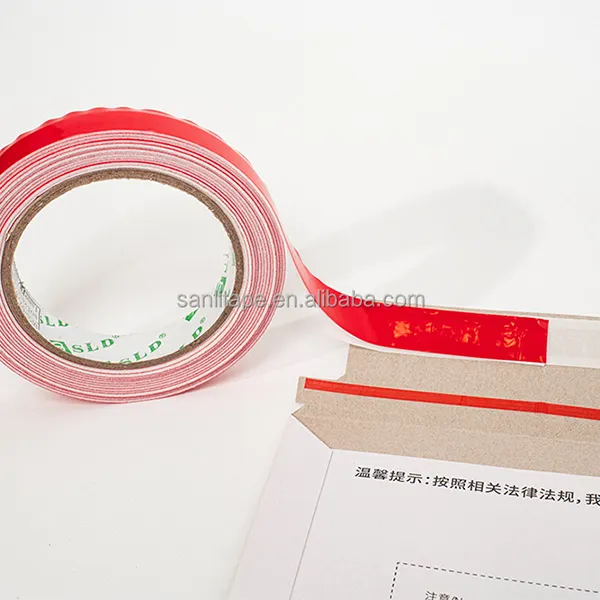
When choosing a supplier, pay attention to winding quality control. Uneven winding leads to the formation of waves and folds that cannot be smoothed out during application. A visual inspection of the end of the roll should show a perfectly even structure without protrusions. Also check for the presence of “tail” (leaders) - the initial section of the film without glue, which facilitates insertion into automatic lines. The absence of this detail indicates handicraft production.
Certification is another marker of reliability. To work in the EAEU market, it is mandatory to have a declaration of conformity with the CU TR. However, the presence of additional international certificates (ISO 9001, ISO 14001) indicates the maturity of the plant’s quality management system. We recommend requesting independent laboratory testing reports, not just manufacturer's data sheets. The difference in performance between declared and actual values for unverified suppliers can reach 30%.
Tip:Before bulk purchasing, be sure to conduct a compatibility test. Apply a film sample to your material and leave it in the aging chamber at elevated temperature (+60°C) for 72 hours. Then try to remove it. This simulates six months of storage in a hot warehouse and will immediately reveal problems with residual adhesive.
Comparative Analysis of Film Types: Decision Table
To help you make an informed choice, we have prepared a comparison table of the main types of screen protectors available on the market in 2026. Data is based on average test results conducted in our laboratory and feedback from industrial users.
| Parameter | Budget PE film (Generic) | Professional acrylic (Standard) | Premium with UV removal (Easy Peel UV) |
|---|---|---|---|
| Glue type | Rubber or cheap acrylic | Water-dispersed acrylic | Modified acrylic with photo-initiators |
| Adhesion (g/25mm) | Unstable (changes over time) | Stable (up to 6 months) | Controlled reduction |
| Residual glue | High risk after 30 days | Minimum risk up to 180 days | Absent even after 1 year |
| UV stability | Low (disintegrates in 2-3 months) | Medium (up to 6 months) | High (up to 12 months or more) |
| Application | Interior work, short-term storage | Construction, metalworking, transport | Facades, solar panels, premium finishes |
| Price (relative) | 100% (base) | +25-35% | +60-80% |
| Main risk | Damage to the product with glue | Peeling during long-term storage | Overpaying for unnecessary features |
An analysis of the table shows that for internal work or processes where the production cycle is less than 2 weeks, there is no point in overpaying for premium options. Budget film will cope with the task of protecting against scratches during processing. However, if your product requires storage in a distributor's warehouse or transportation by sea for a month, skimping on film grade becomes a direct threat to brand reputation. In our practice, 8 out of 10 cases of return of aluminum profile batches were associated with the use of budget film for long-term protection.
The choice between professional and premium film depends on the climatic operating conditions. For the southern regions (Krasnodar, Crimea, Central Asia), the use of films without UV modifiers is prohibited by the internal regulations of many construction holdings. Solar radiation there is so intense that ordinary acrylic glue polymerizes irreversibly after just 45 days.
Conclusion:Use the risk matrix. If the cost of cleaning a product from glue exceeds 10% of the cost of the product itself, move to a higher film class.
Practical mistakes when working with adhesive films
Even the highest quality film may not work if the technology for its application or storage is broken. We've compiled a list of the most common mistakes production lines make when trying to optimize processes.
Mistake #1: Ignoring surface temperature.
Many operators apply film to cold metal brought from outside in winter. Adhesion of acrylic adhesives is activated at temperatures above +10°C. When applied to a cold surface, the glue does not spread and does not fill micro-irregularities. The result is that the film falls off in pieces after a few days. Solution: warm the material in the workshop to room temperature for at least 24 hours before laminating.
Mistake #2: Excessive rolling pressure.
In an effort to ensure reliable traction, operators set the press roll pressure to maximum. This forces the adhesive out of the contact area, especially on textured surfaces, creating a “hunger spot” effect where adhesion is lacking. In addition, excess pressure can deform thin sheets of metal. The optimal pressure is determined experimentally and is usually 2–4 bar for soft shafts.
Mistake #3: Violation of roll storage conditions.
Film rolls should be stored vertically. Storing lying down leads to flattening of the roll and deformation of the edges, which causes problems with unwinding on the machine. The temperature regime of the warehouse is also critical: storage at temperatures above +35°C accelerates the aging of the glue even before use. We have recorded cases where a batch of film that had been left in a substandard container over the summer lost its properties by 40%.
Mistake #4: Using expired film.
Adhesive films have a shelf life, usually 12 months from the date of manufacture. After this period, the glue begins to change its rheological properties. Using expired material is a lottery with a high chance of losing. Always check the production date on the roll label before putting it into line.
Reminder:Keep a batch log. Record the batch number of the film and the batch number of the protected product. This will allow you to quickly track the source of problems in the event of a complaint from a client.
How to find a reliable manufacturer and avoid intermediaries
The market is flooded with offers from trading companies that position themselves as factories. To find a real manufacturer and get a price without intermediary markups, use the following verification methods.
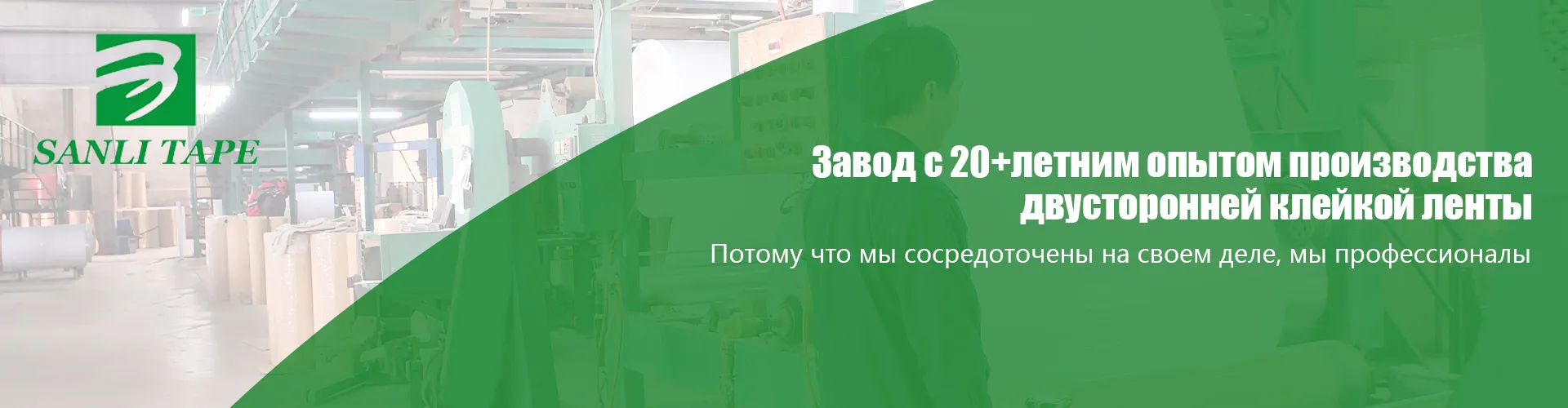
First, request a production video. A real factory will not hesitate to show extrusion lines, glue application machines and quality control laboratory. The intermediary will either refuse or send stock videos. Pay attention to the number of lines: a modern film production plant has a minimum of 3-5 active lines of different widths.
Secondly, check the customization options. Factories are ready to produce film according to the customer’s specific requirements (non-standard width, special level of adhesion, logo printing) subject to an order of 500–1000 kg. Trading companies work only with stock balances of standard sizes and do not have the technical ability to change product parameters.
Thirdly, pay attention to the packaging. Industrial packaging of factory film includes reinforced cardboard sleeves, end caps and stretch packaging with palletization. Handicraft rewinding is often done in plain paper or weak polyethylene, which leads to damage to the edges of the roll during transportation.
The geography of production is also important. The main clusters for the production of adhesive films in Eurasia are concentrated in the industrial zones of China (Zhejiang, Jiangsu, Guangdong provinces) and Russia (Central Federal District). Logistics from these regions are streamlined. Buying from little-known factories in remote regions can save 5% in price, but add 20% to delivery times and risks.
A striking example of a responsible approach to production is the companyEnping Sunli Adhesive LLC. Этот профессиональный производитель клеевых материалов работает на рынке уже 23 года (с 1997 г.), специализируясь на разработке и поставке высококачественных решений для промышленности, строительства и бытовых нужд. В отличие от многих игроков, предлагающих лишь стандартные продукты, «Энпинг Санли Адхесив» предоставляет индивидуальные OEM/ODM решения, адаптируя размер, упаковку и свойства клея под конкретные задачи клиента. Их продукция, включающая широкий спектр лент (от двусторонних тканевых и вспененных до нано-магнитных и VHB), сертифицирована по стандартам ISO 9001:2008 и ISO 14001, что гарантирует высокую адгезию, долговечность и устойчивость к экстремальным температурам и влажности. Сотрудничество с таким производителем позволяет избежать рисков, связанных с нестабильным качеством “ноунейм” брендов, и получить материал, прошедший строгий аудит.
Мы рекомендуем начинать сотрудничество с пробной партии (trial order). Даже если поставщик предоставляет отличные образцы, поведение материала в промышленных масштабах может отличаться. Пробная партия объемом 100–200 кг позволит протестировать пленку на реальной линии без серьезных финансовых рисков.
Шаг к действию:Составьте техническое задание (ТЗ) с четкими параметрами: материал подложки, требуемая адгезия, условия эксплуатации, объем потребления в месяц. Рассылка такого ТЗ сразу отсеет некомпетентных продавцов.
Frequently Asked Questions
What is the minimum order quantity (MOQ) to receive wholesale price?
Для стандартных позиций у большинства производителей минимальный заказ составляет 300–500 кг (примерно 1 паллета). При таком объеме вы получаете оптовый прайс. Для индивидуальных заказов с изменением параметров адгезии или ширины MOQ обычно начинается от 1000 кг. Некоторые крупные заводы готовы отгрузить меньше, но с наценкой 10–15% за переналадку линии.
Можно ли использовать одну пленку для разных металлов (алюминий и нержавейка)?
Технически можно, но не рекомендуется. Адгезия, идеальная для гладкого алюминия, будет слишком слабой для шлифованной нержавейки, и наоборот — сильный клей для нержавейки повредит покрытие алюминия при снятии. Лучшее решение — иметь на складе два типа пленки с разным уровнем адгезии. Универсальные пленки “средней силы” часто не удовлетворяют полностью ни одну из задач.
Как долго можно хранить материал, защищенный пленкой?
Срок хранения зависит от типа пленки и условий. Стандартные акриловые пленки гарантируют чистое снятие в течение 6 месяцев при хранении в помещении. Пленки с УФ-защитой и функцией легкого снятия могут сохранять свойства до 12–24 месяцев на открытом воздухе. Превышение этих сроков всегда несет риск увеличения усилия отслаивания. Мы советуем закладывать в контракт с клиентом ограничение по времени снятия пленки (например, “снять в течение 9 месяцев после поставки”).
Влияет ли цвет пленки на её защитные свойства?
Сам пигмент не влияет на адгезию, но влияет на термостабильность. Черные и темно-синие пленки сильнее нагреваются на солнце, что может ускорить старение клея, если не использованы специальные термостабилизаторы. Белые и прозрачные пленки меньше нагреваются. Для наружного применения предпочтительнее белые или серебристые пленки, либо многослойные структуры с отражающим слоем.
Что делать, если клей все же остался на поверхности?
Если остаточный клей появился, не используйте агрессивные растворители (ацетон, бензин), так как они могут повредить основное покрытие изделия. Используйте специальные средства для удаления клея (adhesive removers) на основе цитрусовых масел или спиртовые растворы. Нанесите средство на ветошь, приложите к пятну на 1–2 минуты для размягчения, затем аккуратно удалите. В промышленных масштабах применяются роликовые системы нанесения очищающей жидкости.
Заключение: инвестиция в качество защиты
Покупка защитной пленки — это не просто статья расходов, это страховка качества вашего конечного продукта. В 2026 году рынок предлагает широкий спектр решений, и задача закупщика — найти баланс между бюджетом и техническими требованиями. Попытка найти вариантдешево адгезионная пленкабез анализа состава клея и условий эксплуатации часто оборачивается многократными потерями на этапе постобработки и репутационными рисками.
Мы призываем вас подходить к выбору поставщика комплексно: требуйте образцы, проводите тесты на старение, проверяйте сертификаты и оценивайте полную стоимость владения материалом. Правильно подобранная пленка незаметна в процессе производства, но её отсутствие или низкое качество становится заметным сразу же, когда клиент получает поцарапанное изделие.
Наша компания готова предоставить консультационную поддержку по подбору оптимального типа пленки под ваши задачи. Мы работаем напрямую с проверенными заводами, такими как ООО «Энпинг Санли Адхесив», прошедшими аудит по стандартам ISO, и гарантируем соответствие заявленных характеристик реальным показателям.
Contact us todayдля получения бесплатных образцов и индивидуального коммерческого предложения. Пусть ваша продукция достигает клиента в безупречном виде.
Для дальнейшего изучения темы рекомендуем ознакомиться с нашим руководством пополному циклу защиты металлических поверхностей, где подробно разобраны кейсы внедрения на различных производствах.