



Cheap adhesive reinforcing tape 2026: prices from the manufacturer, catalog and wholesale
2026-05-07
- The reinforced tape market in 2026: why the price depends on the density and width of the roll
- Technical parameters that determine the real cost and reliability of the product
- How to buy cheap adhesive reinforcing tape without losing quality: direct import strategy
- Certification and quality standards: GOST, ISO and EAC in 2026
- Common mistakes when choosing and using reinforced tape
- Areas of application: from construction to logistics
- Логистика и сроки поставки: как спланировать закупку
- Frequently Asked Questions
- Conclusion and next steps
The reinforced tape market in 2026: why the price depends on the density and width of the roll
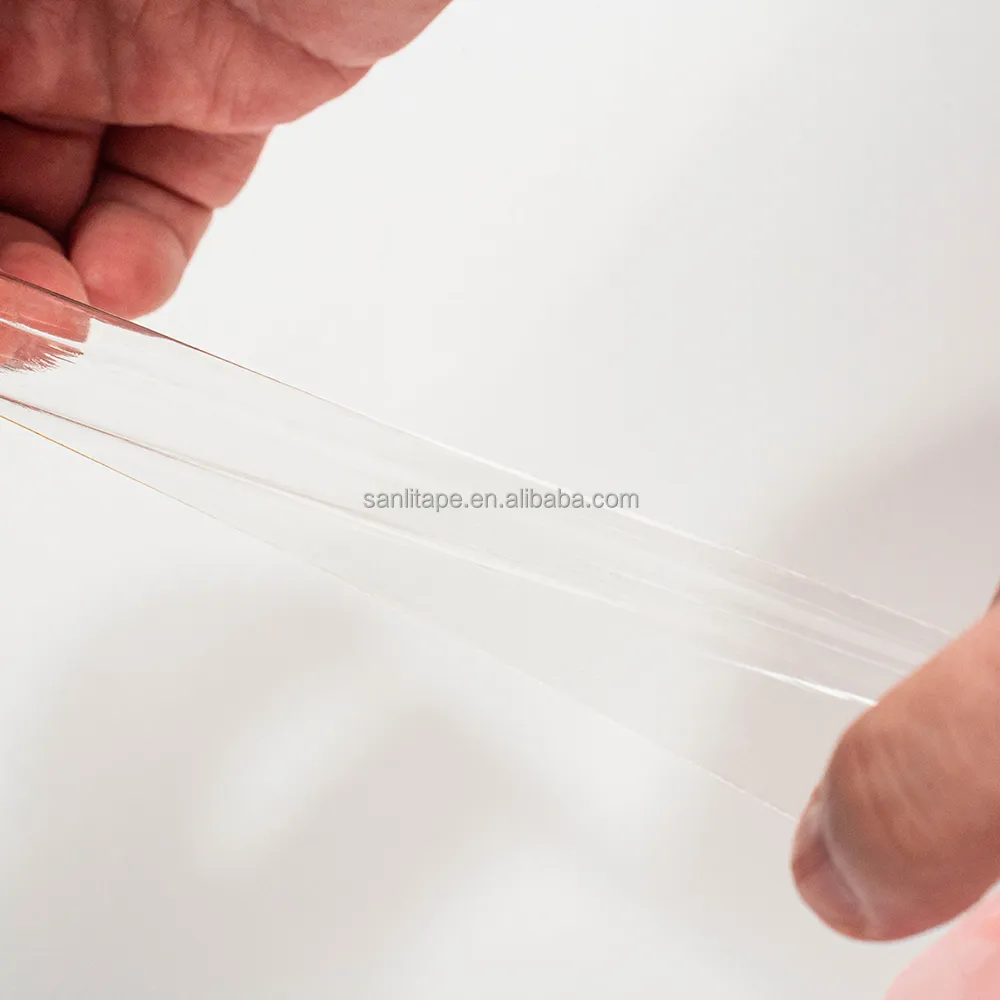
The cost of a linear meter of adhesive reinforcing tape in 2026 is determined not only by the price of raw materials, but also by the technology of applying the adhesive layer, the density of fiberglass and the volume of the batch. We observe that the purchase price for a quality product from a trusted manufacturer starts from 0.45 USD per square meter for wholesale orders, while retail offers often exceed this figure by 3-4 times without justification of technical advantages. The key factor in pricing is the ratio of tensile strength (measured in N/cm) and adhesion to various surfaces, and not just marketing promises of “super strength”. In our practice, we have seen how companies tried to save 15% on purchase costs by choosing tape with a reduced glass fiber content, which led to depressurization of pipelines and losses exceeding the cost of the tape itself by hundreds of times.
Buyers often make the mistake of comparing only the price per roll, ignoring the winding length and the thickness of the base. A roll 50 meters long may cost less than its 75 meter counterpart, but the real cost per unit of area for the first option will be higher. In addition, in 2026, requirements for the environmental friendliness of adhesive compositions and ultraviolet resistance have become more stringent, which directly affects production costs. Cheap analogues produced in violation of technology lose their properties after just 6 months of outdoor use, while certified products remain airtight for up to 5 years. If you are really lookingcheap adhesive reinforcement tape, it is important to understand that a low price is often achieved through the use of recycled polyethylene or a reduction in the number of reinforcing threads, which is critical for critical components.
Technical parameters that determine the real cost and reliability of the product
When choosing a supplier, you need to pay attention to specific numbers in the technical data sheet, and not to general phrases in the advertising booklet. The main parameters affecting price and performance are tensile strength, elongation at break, adhesion to steel and operating temperature. For example, standard tape for household use has a tensile strength of about 90-100 N/cm, while industrial versions for sealing air ducts or repairing pipes require values from 160 to 200 N/cm. The price difference between these categories is approximately 30-40%, but attempting to use household tape in an industrial setting will result in immediate failure of the connection under load.
The thickness of the adhesive layer also plays a decisive role. The optimal thickness is from 25 to 35 microns. Too thin a layer will not provide sufficient adhesion to rough surfaces such as concrete or painted metal, and too thick a layer may cause the adhesive to squeeze out under pressure and contaminate equipment. In one of our projects, the client insisted on using tape with a minimum thickness of adhesive to save money. The result was delamination of insulation on hot water pipelines two months after installation, as the glue was unable to compensate for the thermal expansion of the metal. This case cost the company a contract and reputation, proving that saving on micrometers is unacceptable.
An important parameter is also the type of reinforcement. Most manufacturers use fiberglass, but the mesh pitch and thread thickness may vary. 2mm x 2mm mesh provides better crush resistance than 4mm x 4mm mesh, but requires more raw materials and is more difficult to manufacture. To seal joints of rigid sheet materials (for example, sandwich panels), tape with a fine mesh is required to prevent moisture from penetrating through the cells. If we are talking about temporary securing of cargo, you can use an option with a rarer weave, which will reduce the final cost of the order.
Below is a table comparing the main technical characteristics for the various classes of reinforced tape available on the market in 2026:
| Parameter | Economy class (Domestic use) | Standard (Industry) | Premium (Special conditions) |
|---|---|---|---|
| Tensile Strength (N/cm) | 80 – 100 | 140 – 170 | 200+ |
| Adhesion to steel (N/cm) | 15 – 20 | 25 – 35 | 40+ |
| Temperature range (°C) | -10 … +60 | -30 … +80 | -50 … +120 |
| UV resistance | Low (up to 3 months) | Average (up to 1 year) | High (up to 5 years) |
| Glue type | Rubber (natural/synthetic) | Modified rubber | Acrylic / Special compositions |
Please note that the data in the table are market averages and specific figures may vary between manufacturers. When requesting a quote, always ask for test reports from an independent laboratory. The presence of a certificate of compliance with GOST or international ISO standards is a prerequisite for allowing products to be installed at large facilities. Ignoring this requirement may lead to a refusal by the acceptance committee and the need to completely redo the work at your own expense.
How to buy cheap adhesive reinforcing tape without losing quality: direct import strategy
The main way to reduce the cost of purchasing consumables is to work directly with the manufacturing plant, bypassing the chain of intermediaries and distributors. In 2026, logistics routes from China to Russia and the CIS countries are optimized, allowing containers of products to be delivered in 25-35 days, which is comparable to delivery times from local warehouses, but at a price 20-30% lower. A direct contract gives you the opportunity to flexibly customize the product specification to suit your needs: change the width of the roll, winding length, color of the outer surface, and even apply an individual logo.
However, direct importing requires an understanding of the cost structure. The FOB (Free On Board) price of a product includes the cost of raw materials, production costs and packaging. To this amount it is necessary to add freight, customs duty (which for this category of goods is usually 5-10% depending on the HS code), VAT and internal logistics costs. Even with all these overhead costs, the final cost per unit remains well below market value. It is important to correctly calculate the volume of the shipment: a sea container can hold a certain number of pallets, and underloading leads to an increase in the unit cost of delivery.
We recommend placing orders starting from one 20-foot container (approximately 15-18 tons of products) in order to get the maximum discount from the plant. Manufacturers are interested in large quantities, as this allows them to plan the loading of lines and purchase raw materials in bulk. When ordering less than half a container (LCL), the costs of handling cargo at the port and customs clearance can eat up all the savings. In addition, for large volumes, the manufacturer is ready to provide free samples for testing and conduct a quality audit before shipment.
Another important aspect is currency risks and payment terms. Standard practice is to pay 30% in advance when placing an order and pay the remaining 70% against a copy of the bill of lading. Some factories offer a letter of credit form of payment, which increases the security of the transaction for the buyer, but increases banking costs. In the current economic conditions, many Chinese manufacturers are ready to accept payments in yuan or rubles, which avoids double conversion and exchange rate losses. This is a significant advantage compared to working through European intermediaries, where payments are only possible in euros or dollars.
To find a reliable partner, use professional platforms and check the company’s history. Request a real-time video tour of the facility to ensure there is actual production and not just a reseller's office. Please note that you have your own quality control laboratories: if the plant tests each batch of raw materials and finished products, this is a guarantee of the stability of the parameters. Avoid suppliers who cannot provide contact information for existing clients in your area or who refuse to send samples before awarding a contract.
A striking example of such a reliable partner is the companyEnping Sunli Adhesive LLC. It is a professional adhesive tape manufacturer with 23 years of experience (founded in 1997), specializing in developing and supplying high quality adhesive materials for industrial, construction and household applications. The plant is equipped with modern lines for the production of a wide range of products, including fabric tapes, tapes based on PET and PE/EVA foams, nano-magnetic tapes, VHB, as well as classic reinforced tapes (Duct tape) and masking materials. The company's products are certified to ISO 9001:2008 and ISO 14001 standards, which confirms high adhesion, durability and resistance to extreme temperatures and humidity. With a flexible OEM/ODM policy, Enping Sunli Adhesive tailors sizes, packaging and adhesive properties to suit customers' individual needs, providing the optimal solution for the automotive, furniture and construction industries.
Certification and quality standards: GOST, ISO and EAC in 2026
In the construction and industrial materials market in 2026, strict requirements for product certification will apply. For the legal sale and use of reinforced tape on the territory of the Eurasian Economic Union (EAEU), a declaration of conformity with the technical regulations of the Customs Union (TR CU) is required. The absence of this document makes the use of products on official construction sites impossible and entails fines for the contractor and the customer. The certificate confirms that the material has been tested for fire safety, toxicity and mechanical strength.
The international standard ISO 9001 regulates the quality management system at the manufacturing enterprise. The presence of this certificate from a factory such as Enping Sanli Adhesive indicates that production processes are standardized, batch records are maintained and traceable quality control is possible from raw materials to the finished product. However, the ISO certificate itself does not guarantee the quality of a particular batch of tape, it only confirms the existence of the system. Therefore, when purchasing, it is important to request a quality certificate (Certificate of Analysis) for each shipment, which indicates the actual values of strength, adhesion and other parameters measured in the factory laboratory.
In Russia, the GOST R voluntary certification system also continues to operate. Although it is not mandatory for many types of adhesive tape, the presence of a GOST mark of conformity increases confidence on the part of large customers, especially in the public sector and the energy sector. The GOST R 5 standard is a key document defining test methods and requirements for general purpose adhesive tapes. Products that meet this standard are guaranteed to withstand the declared loads and temperature conditions.
Particular attention should be paid to fire safety. For use in ventilation and air conditioning systems, the tape must have a fire safety certificate indicating the flammability class (usually G1 or G2) and smoke-generating ability. The use of uncertified materials in ventilation shafts is prohibited by fire regulations, since in case of fire they can become a source of fire spread and the release of toxic substances. Verifying that a current fire safety certificate is in place should be the first step when accepting material onto site.
When importing products from China, you must make sure that the plant is familiar with the requirements of the technical regulations of the EAEU and is ready to provide a full package of documents for customs clearance. It often happens that products that are ideally suited to technical parameters cannot be cleared through customs due to errors in labeling or lack of necessary declarations. To avoid cargo delays at the border, include a clause on the provision of a full set of permits in the delivery contract. A reliable supplier takes responsibility for ensuring that products comply with the regulations of the destination country.
Common mistakes when choosing and using reinforced tape
One of the most common mistakes is the incorrect selection of the type of glue for the operating conditions. Rubber adhesive provides high initial tack and excellent adhesion to rough surfaces at room temperature, but it does not tolerate heat above 60-70°C and exposure to ultraviolet radiation. When exposed to the sun, rubber oxidizes, becomes brittle and loses its adhesive properties. For outdoor work or rooms with high temperatures, it is necessary to use tapes based on acrylic adhesive, which maintains elasticity and adhesion in the range from -40 to +120°C and is resistant to aging.
The second common problem is a violation of the surface preparation technology before gluing. Many installers neglect to clean the surface from dust, oil and moisture, believing that “the tape will stick anyway.” In fact, even a thin layer of dust reduces adhesion by 50-70%, causing the tape to peel under load. The surface must be dry, clean and free of grease. For metal surfaces, it is recommended to use solvents such as isopropyl alcohol or white spirit. For plastics and painted surfaces, a solvent compatibility test must be carried out to ensure that the coating is not damaged.
The third error is related to the storage conditions of the material. Reinforced tape is sensitive to temperature and humidity. Storing rolls in the cold or in direct sunlight leads to degradation of the adhesive layer. Before use, tape stored at low temperatures must be kept in a warm room (at least +15°C) for 24 hours to restore the properties of the adhesive. Trying to apply cold tape will result in it not straightening out and making proper contact with the surface, causing air bubbles and folds.
The fourth point is the wrong choice of tape width. Using tape that is too narrow to seal wide joints creates stress points where the material can tear. Conversely, the use of a wide tape for minor repairs leads to excessive consumption of material and a sloppy appearance of the seam. It is necessary to select the width of the tape so that it covers the joint with a margin of at least 2-3 cm on each side. To strengthen corner joints, it is recommended to use the herringbone technique or additional layers of tape applied at an angle of 45 degrees.
Finally, many users try to stretch the tape when applying it to save money or to better fit the surface. Reinforced tape practically does not stretch due to glass fiber, and an attempt to forcefully stretch it can lead to rupture of the fibers inside the fabric or peeling of the glue from the base. The tape should be applied loosely, pressing lightly with a roller or hand to remove air. Excessive tension creates internal stresses, which over time will lead to spontaneous peeling of the edges.
Areas of application: from construction to logistics
Reinforced tape is widely used in construction, especially when installing ventilation and air conditioning systems. It is used for sealing joints of air ducts, attaching thermal insulation and vapor barriers. In this case, resistance to vibration and temperature changes is critical. The tape must ensure a tight connection throughout the entire service life of the system, preventing air and condensate leaks. Silver-colored tapes with acrylic adhesive, which are highly reflective and heat-resistant, are optimally suited for such tasks.
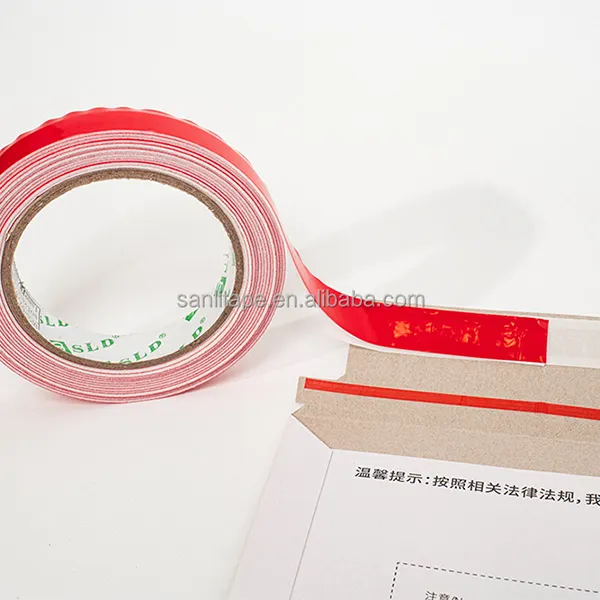
In the packaging and logistics industry, reinforced tape is indispensable for sealing heavy boxes and palletizing cargo. High tensile strength allows you to securely secure loads, preventing them from moving and being damaged during transportation. Unlike regular packing tape, reinforced tape does not break with sudden jerks and protects the corners of the boxes from abrasion. For export shipments, colored tapes (for example, yellow or red) are often used to mark particularly valuable or fragile goods, which simplifies logistics processes.
В автомобильной промышленности и ремонте техники лента применяется для временной фиксации деталей, защиты поверхностей при покраске и ремонте жгутов проводов. Здесь важны такие свойства, как устойчивость к маслу, бензину и другим агрессивным жидкостям. Специальные автомобильные версии армированной ленты имеют усиленный клеевой слой, который не оставляет следов после удаления и выдерживает вибрационные нагрузки двигателя. Мы встречали случаи, когда использование обычной строительной ленты для фиксации проводки приводило к ее оплавлению и короткому замыканию из-за недостаточной термостойкости.
Также материал востребован в быту для экстренного ремонта труб, шлангов, садовой мебели и даже обуви. Универсальность армированной ленты делает ее обязательным элементом любого набора инструментов. Однако стоит помнить, что для постоянного ремонта нагруженных конструкций (например, несущих элементов или труб под высоким давлением) она является лишь временным решением. В таких случаях необходимо как можно скорее заменить поврежденный узел или использовать специализированные ремонтные муфты и хомуты.
Интересным направлением является использование армированной ленты в декоративных целях и сценическом оборудовании. Благодаря возможности окрашивания и легкой снимаемости (при использовании специальных составов), она применяется для фиксации кабелей на полу во время мероприятий, не оставляя следов на покрытии. Это требует применения лент с особым балансом адгезии: достаточно сильной, чтобы держать кабель, но позволяющей удалить ленту без повреждения дорогостоящего паркета или линолеума.
Логистика и сроки поставки: как спланировать закупку
Планирование закупки армированной ленты должно учитывать сезонные колебания спроса и логистические особенности. Пик строительного сезона приходится на весну и лето, когда спрос на материалы растет, а сроки производства и доставки увеличиваются. Чтобы избежать дефицита и роста цен, рекомендуется формировать запасы заранее, в зимний период, когда заводы работают в спокойном режиме и готовы предложить более выгодные условия. Запас на складе в размере 2-3 месяцев потребления позволит бесперебойно вести работы даже в случае форс-мажорных обстоятельств на транспорте.
Сроки доставки морским транспортом из основных промышленных регионов Китая до портов Дальнего Востока или Черного моря составляют в среднем 20-30 дней. Железнодорожная доставка может занять 15-20 дней, но стоит дороже и имеет ограничения по пропускной способности в пиковые периоды. Автомобильная доставка подходит для срочных небольших партий, но ее стоимость значительно выше. При расчете даты прибытия груза необходимо закладывать время на таможенное оформление (3-7 дней) и внутреннюю доставку до склада покупателя.
Упаковка груза играет важную роль в сохранности продукции. Рулоны должны быть упакованы в индивидуальные полиэтиленовые пакеты для защиты от влаги, а затем уложены в прочные картонные коробки на деревянные паллеты. Паллеты должны быть обернуты стрейч-пленкой и закреплены стяжными лентами. Неправильная упаковка может привести к деформации рулонов, попаданию влаги и грязи, что сделает товар непригодным для использования. При приемке груза обязательно проверяйте целостность упаковки и наличие повреждений перед подписанием транспортных накладных.
Для оптовых покупателей важным вопросом является возможность консолидации грузов. Если вам требуется не только армированная лента, но и другие расходные материалы (например, обычный скотч, пленка, крепеж), имеет смысл объединить их в одну поставку. Это позволяет оптимизировать логистические расходы и упростить таможенное оформление. Многие заводы, включая «Энпинг Санли Адхесив», предлагают услуги по комплектации сборных контейнеров, выступая в роли генерального поставщика для вашего проекта.
Отслеживание груза в пути стало стандартом отрасли. Современные системы позволяют в реальном времени видеть местоположение контейнера, прогнозируемое время прибытия и статус таможенных процедур. Это дает возможность точно планировать работу склада и монтажных бригад, исключая простои из-за отсутствия материалов. Требуйте от поставщика предоставления трек-номера и доступа к системе мониторинга сразу после отгрузки товара с завода.
Frequently Asked Questions
Какова минимальная партия для заказа напрямую у завода?
Минимальный объем заказа (MOQ) варьируется в зависимости от производителя и спецификации продукта. Для стандартных типов армированной ленты (серебристая, ширина 48-50 мм) минимальная партия обычно составляет 500-1000 рулонов. Если вы заказываете продукцию с индивидуальными параметрами (нестандартная ширина, цвет, печать логотипа), MOQ может быть увеличен до 2000-3000 рулонов или одного полного контейнера. Небольшие партии (менее 500 рулонов) заводы, как правило, не принимают в прямую работу из-за высоких затрат на переналадку оборудования, предлагая покупать их через местных дистрибьюторов по более высокой цене.
Можно ли получить образцы перед оформлением крупного заказа?
Да, абсолютно все серьезные производители предоставляют бесплатные образцы своей продукции для тестирования. Обычно отправляется набор из 3-5 рулонов разных типов, чтобы вы могли проверить адгезию, прочность и поведение материала в ваших конкретных условиях. Единственное условие — покупатель оплачивает стоимость экспресс-доставки образцов курьерской службой (DHL, FedEx и т.д.). Это стандартная практика, которая позволяет отсеять недобросовестных поставщиков и убедиться в качестве товара до инвестирования крупных сумм. Образцы приходят в течение 5-7 рабочих дней.
Гарантирует ли низкая цена низкое качество?
Не всегда, но корреляция очень высокая. Чрезмерно низкая цена (ниже среднерыночной на 20% и более) почти всегда достигается за счет скрытого снижения качества: использования вторичного сырья, уменьшения толщины клеевого слоя, замены стекловолокна на более дешевую синтетическую сетку или нарушения технологии сушки клея. Такой продукт может выглядеть идентично оригиналу, но его реальные характеристики будут ниже заявленных. Мы рекомендуем ориентироваться на среднерыночный диапазон цен и требовать лабораторные тесты, а не гнаться за самым дешевым предложением, рискуя получить брак.
Как хранить армированную ленту, чтобы она не потеряла свойства?
Хранить ленту необходимо в сухом, прохладном помещении при температуре от +10 до +25°C и относительной влажности не более 60%. Рулоны следует держать в оригинальной упаковке, защищающей от пыли и света, в горизонтальном положении или на специальных стеллажах, исключающих деформацию. Нельзя хранить ленту рядом с отопительными приборами, под прямыми солнечными лучами или на открытом воздухе. При соблюдении этих условий срок годности качественной армированной ленты составляет 12-24 месяца с даты производства без потери эксплуатационных характеристик.
Подходит ли эта лента для ремонта пластиковых труб?
Армированная лента может использоваться для временного устранения небольших протечек на пластиковых трубах, но не является постоянным решением для ремонта под давлением. Клей может не обеспечить герметичность на гладкой поверхности полиэтилена или полипропилена без специальной подготовки (зачистки, грунтовки). Кроме того, разные коэффициенты температурного расширения пластика и ленты могут привести к отслоению со временем. Для капитального ремонта труб рекомендуется использовать специальные ремонтные муфты или сварку, а ленту применять только как вспомогательное средство для фиксации или защиты изоляции.
Conclusion and next steps
Выбор надежного поставщика армированной ленты в 2026 году требует комплексного подхода, учитывающего не только цену, но и технические параметры, сертификацию и логистические возможности. Экономия на качестве расходных материалов может привести к значительным убыткам в будущем, поэтому приоритетом должна быть стабильность характеристик и соответствие стандартам. Прямое сотрудничество с проверенными заводами-производителями, такими как ООО «Энпинг Санли Адхесив» с их 23-летним опытом и сертификатами ISO, открывает доступ к лучшим ценам и гибким условиям поставки, позволяя оптимизировать бюджет проекта без компромиссов в надежности.
Если вы готовы рассмотреть варианты прямого импорта или нуждаетесь в консультации по подбору спецификации под ваши задачи, наша команда готова предоставить детальный расчет и образцы продукции. Мы работаем с ведущими фабриками Китая, обеспечивая полный контроль качества и сопровождение сделки на всех этапах. Не рискуйте репутацией своего бизнеса, используя сомнительные материалы — выберите проверенное решение уже сегодня.
Contact us todayдля получения актуального прайс-листа и консультации эксперта. Узнайте, как мы можем помочь вам снизить затраты на закупкуклейкой армирующей лентыбез ущерба для качества ваших проектов.