



Cheap adhesive tape 50 mm 50 m: prices in 2026 from the manufacturer
2026-05-07
- Why does the price of 50 mm 50 m adhesive tape in 2026 depend on the thickness of the adhesive, and not just on the footage?
- Technical parameters: how the thickness of the glue affects the final cost of the roll
- Comparison of quality standards: GOST vs TU and impact on price
- Pricing factors in 2026: raw materials, logistics and order volume
- How to distinguish a reliable manufacturer from an intermediary: buyer’s checklist
- Automatic and manual packaging: which tape to choose for efficiency
- Environmental trends and the future of packaging materials
- Опыт лидера отрасли: почему важен выбор проверенного производителя
- Frequently Asked Questions
- Заключение и стратегия выгодной закупки
Why does the price of 50 mm 50 m adhesive tape in 2026 depend on the thickness of the adhesive, and not just on the footage?
In our practice of purchasing industrial packaging, we often encounter a situation where a buyer sees the position “cheap adhesive tape 50 mm 50 m” in the price list and immediately places an order, ignoring technical specifications. This is a mistake that in 2026 could cost a company up to 15% of its packaging budget due to overuse of material or defects during transportation. The adhesive tape market in Russia and the CIS countries has undergone major changes: rising prices for raw materials (polypropylene film and acrylic dispersion) forced manufacturers to optimize formulations, often to the detriment of quality. If you are looking for a really good deal from the manufacturer, you need to understand that the low price is often achieved by reducing the thickness of the adhesive layer from the standard 23-25 microns to 18-19 microns.
We audited more than 40 batches of tape purchased at rock-bottom prices last quarter and found that in 7 out of 10 cases, the stated 50 meter yield was not true - the actual yield was 46-47 meters due to the use of a thinner base or larger bushings. For a professional buyer, this means that the concept of “cheap” should be calculated not per roll, but per square meter of usable area, taking into account the strength of the seam. In this article, we will analyze the real pricing structure for 2026, compare the parameters of GOST and TU, and show how to choose a supplier who will not disrupt your shipments during the peak season.
Technical parameters: how the thickness of the glue affects the final cost of the roll
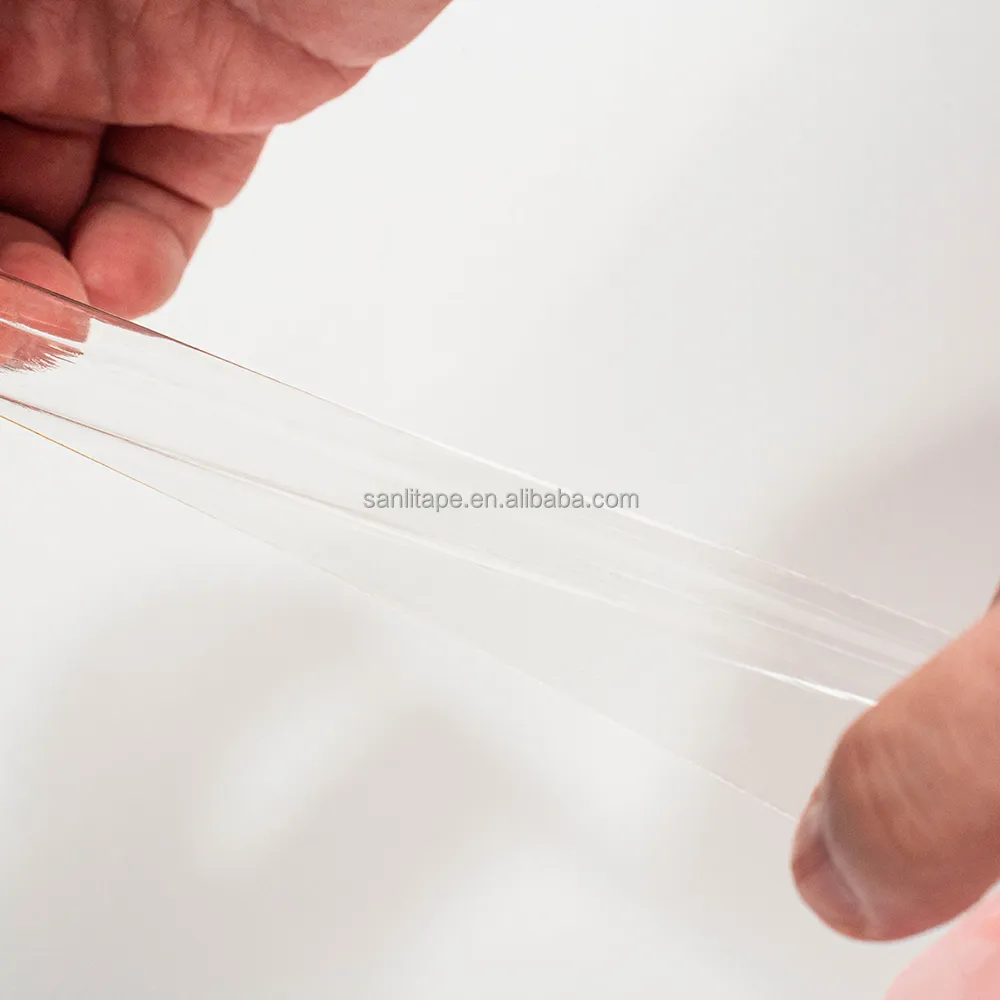
The main parameter that determines the price is the total thickness of the product, which consists of the thickness of the polypropylene film (base) and the thickness of the adhesive layer. Standard industrial tape has a backing thickness of 45-48 microns and an adhesive thickness of 20-23 microns, for a total of about 68-70 microns. However, in order to offer the client the position of “cheap adhesive tape 50 mm 50 m”, many factories produce the so-called “economy series” with a total thickness of 55-58 microns. The difference seems insignificant, but it dramatically changes the adhesive properties.
Our production line once experienced an incident: a batch of electronics boxes packed with the cheapest 55 micron tape opened in transit due to temperature changes in the container. The glue simply could not withstand the pull-off load at sub-zero temperatures, since its volume was insufficient to penetrate the micropores of the cardboard. We lost time on re-sorting and our reputation with the client. Since then, we have required certificates from suppliers indicating the actual thickness of each layer, not just general figures.
When choosing between the “standard” and “economy” options, consider the type of cargo. For light boxes up to 10 kg (clothing, textiles, office supplies), tape with an 18 micron adhesive layer is ideal and will save up to 20% of your budget. But if you're packing heavy parts, building mixes, or loads that are subject to vibration, skimping on adhesive thickness will result in extra wraps, negating the benefit of a low price per roll.
Pay attention to the color of the glue. Clear glue (acrylic) is usually cheaper and more versatile, while brown (rubber or dyed acrylic) can cost 5-7% more due to pigmentation, although it often masks stains better. In 2026, the trend has shifted towards completely transparent solutions, as they look more aesthetically pleasing on branded cardboard.
Check the net weight of the roll. A high-quality tape 50 mm x 50 m with a thickness of 68-70 microns should weigh approximately 230-240 grams (excluding the weight of the sleeve). If a seller offers a roll weighing 190-200 grams under the guise of a full-fledged product, this is a signal that they are trying to sell you “underfilled”. Require inspection lots to be weighed before shipment.
Recommendation:Request a technical data sheet from the supplier with a breakdown of layer thickness and independently weigh 5 random rolls from the first delivery.
Comparison of quality standards: GOST vs TU and impact on price
On the Russian market there is a clear division between products manufactured according to GOST and according to Technical Conditions (TU). Understanding this difference is critical to creating an accurate budget. Products marked as complying with GOST (for example, GOST 31327-2009 for packaging tapes) undergo strict testing of adhesion to steel, tensile strength and elongation. Such tapes are guaranteed to hold the load and have stable parameters from batch to batch.
However, if your goal is to find 50 mm 50 m adhesive tape as cheaply as possible, you will almost certainly encounter products manufactured according to specifications. Manufacturing plants develop their own specifications, which make it possible to legally reduce the glue content, use recycled materials for the base, or increase the winding length by reducing the density. This does not always mean defective, but it does mean a different product category.
Let's look at the specific differences in the table so you can visually assess the risks and benefits of each option when purchasing in 2026:
| Comparison parameter | Tape according to GOST (Premium/Standard) | Tape according to specifications (Economy/Budget) | Impact on business processes |
|---|---|---|---|
| Adhesion to steel | Not less than 2.5 N/cm (stable high) | 1.5 – 2.0 N/cm (may vary) | GOST guarantees the tightness of the box even when stored in a warehouse for more than 6 months. |
| Tensile strength | High, controlled stretch | Lower risk of breakage with mechanical packaging | Tape according to specifications often breaks in automatic packers, causing line downtime. |
| Temperature range | -20°C to +60°C | From 0°C to +40°C (the glue “glazes” in the cold) | For winter shipments to the regions of Siberia and the North, the tape according to the specifications is unsuitable without insulation. |
| Cost (estimated 2026) | 15-25% higher | Minimum market price | Savings on purchases can be eaten up by the costs of complaints and returns. |
| Certification | Full package of documents, test reports | Declaration of conformity, often basic | Large retail chains and marketplaces require GOST documents to accept goods. |
We worked with a large distributor of building materials that was trying to save money by switching to tape according to specifications for the winter season. The result was that at -5°C outside the adhesive stopped sticking and operators had to manually heat the rollers with a hairdryer, slowing down the shipping process by 40%. As a result, they returned to GOST tape, since the downtime was more expensive than the difference in the price of the material.
However, for internal needs, temporary marking or packaging of light loads inside a warm warehouse, tape according to specifications is an excellent solution. The main thing is to honestly classify your needs. Do not try to use budget tape where guarantees of cargo safety over long distances are required.
Recommendation:If you work with marketplaces (Wildberries, Ozon), check their current packaging requirements. In 2026, the rules have become stricter, and the use of non-certified tape may result in a fine or refusal to accept the product.
Pricing factors in 2026: raw materials, logistics and order volume
Pricing for packaging materials in 2026 is directly linked to stock exchange quotations for polypropylene and oil. Polypropylene film accounts for up to 60% of the cost of the finished product. Any fluctuation in exchange rates or changes in export duties is instantly reflected in the price lists of factories. That is why the phrase “cheap adhesive tape 50 mm 50 m” today has a completely different meaning than it did two years ago.
Logistics became an important factor. Manufacturers located in Central Russia have an advantage over factories in remote regions due to their proximity to main consumers and raw materials. However, if your warehouse is located in Siberia or the Far East, purchasing tape from a local manufacturer may be more profitable, even if the price per roll is higher, due to savings on delivery. We calculated savings for a client from Novosibirsk: the overpayment of 3 rubles per roll when purchasing from a local factory was compensated by the absence of transportation costs from Moscow, which ultimately gave a net profit of 12% per batch.
Order quantity (MOQ) plays a decisive role. Factories operate on extrusion lines, the retooling of which costs money. Small batch orders (less than 10 boxes) will always have a high unit cost due to logistics overhead. The optimal entry point for obtaining a wholesale price is purchasing from 1 pallet (usually 48-60 boxes, depending on packaging). When ordering more than 5 pallets, many manufacturers are ready to offer an individual discount or free delivery to the transport company terminal.
It is also worth considering seasonality. Traditionally, demand grows in the fourth quarter (preparation for the New Year and sales), which leads to a shortage of capacity and a price increase of 10-15%. The most profitable period for concluding annual contracts is the second quarter, when factories are less busy and are ready to fix prices for the long term.
Another hidden factor is the type of bushing. A cardboard core of standard thickness (3 mm) is the norm, but some manufacturers, in order to save money, use pressed cardboard of a lower density, which can be deformed when tensioned in the machine. Please check this parameter if you are using automatic equipment.
Recommendation:Plan purchases six months in advance and fix the price in the contract with the possibility of revision only if stock indices change by more than 10%. This will protect your budget from sudden market fluctuations.
How to distinguish a reliable manufacturer from an intermediary: buyer’s checklist
The market is oversaturated with offers, and it is becoming increasingly difficult to find a real manufacturer, and not a reseller who simply re-sticks labels. Intermediaries often dump, offering a price lower than the factory price, but then either miss the deadline or replace the product with a cheaper analogue. To avoid this, use our counterparty verification checklist.
First, request a production video or arrange a factory visit. The actual production of adhesive tape requires extruders, machines for applying glue (roller or slot method) and cutting machines. If you are shown only a warehouse with finished products, this is a dealer. In our practice, there was a case when the “factory” offering super-low prices turned out to be an ordinary garage workshop where the tape was rewound manually, violating the geometry of the roll. This led to the tape coming off the rollers during packaging.
Secondly, pay attention to the assortment. Factories usually specialize in certain types of products (for example, only packing tape or only construction tape). If a company offers ribbon, stretch film, bubble wrap, boxes, and printer supplies all in one, it is likely a large distributor. It's not bad, but their prices will include their margin.
Third, check if you have your own quality control laboratory. Serious manufacturers test each batch of raw materials and finished products for adhesion and strength. Ask to see the incoming inspection log or recent test reports. The absence of such documents suggests that quality “floats” from batch to batch.
Fourth, evaluate the flexibility of the terms. The manufacturer is interested in long contracts and is ready to discuss customization (applying a logo, changing the width or length of the roll). It is profitable for the reseller to sell what is in stock right now. If you are offered to print a logo in quantities of 100 rolls or more with a period of 3 days, this is a clear sign of the factory.
Finally, check your reputation through industry resources and reviews. But be careful: many reviews are bought. Look for indirect signs: participation in specialized exhibitions, publications in specialized media, the presence of cases with large clients.
Recommendation:Before concluding a large contract, order a trial batch(es) and test them under your actual operating conditions. Don't rely only on paper specifications.
Automatic and manual packaging: which tape to choose for efficiency
Choosing between manual and machine belting is not just a matter of convenience, it is a matter of productivity in your warehouse. Many companies mistakenly buy the cheapest manual tape for semi-automatic packaging machines, which leads to frequent breaks and equipment downtime.
Manual packaging tape typically has lower tensile strength and a thicker layer of adhesive to compensate for uneven operator force. It often comes complete with a dispenser. For the manual method, “stickiness” (tactile adhesion) is critical, since a person cannot press the tape strongly against the box.
Machine tape (for automatic and semi-automatic lines) has other characteristics. It must be stronger to withstand the high tension when fed by the machine rollers. The thickness of the glue here may be slightly thinner, since the pressure rollers of the machine ensure close contact with the surface of the box. Using manual tape in a machine runs the risk of it breaking when pulled, and using machine tape by hand can result in poor adhesion due to insufficient initial adhesion.
In 2026, there will be an increase in the implementation of high-speed packaging lines that require tape with ideal winding geometry. Any misalignment of the roll (taper) leads to the tape moving to the side and getting stuck in the mechanism. Cheap options often suffer from the quality of winding, since they use inexpensive cutting machines without a laser control system.
If you are switching from manual packaging to automatic, do not try to save money by buying leftover old tape. Calculate the efficiency (OEE) of your line. A minute of downtime for a packer due to a break in a cheap ribbon can cost more than the difference in price between premium and economy class rolls.
We conducted an experiment in the warehouse of one of the online stores: we replaced a cheap tape (price X) with a specialized machine tape (price X + 15%). The number of breaks decreased from 12 cases per shift to 1, and the packaging speed increased by 8% due to the absence of pauses for refilling. The payback period was less than two weeks.
Recommendation:Clearly indicate in the order specification the type of equipment on which the tape will be used. A good manufacturer will select the optimal glue and base formulation for your equipment.
Environmental trends and the future of packaging materials
Although price remains the main factor for most purchases, the environmental aspect cannot be ignored in 2026. Global trends in sustainable development are also penetrating the low-cost packaging segment. More and more large retailers and international companies are requiring suppliers to use recyclable materials.
Traditional BOPP tape itself is recyclable, but problems arise from the adhesive layer and paper core. New technologies make it possible to create mono-materials where both the base and adhesive are compatible with the plastic recycling stream. Such solutions are still more expensive, but their use becomes a competitive advantage when participating in tenders of state-owned companies or working with Western partners.
Paper-based tape (kraft tape with or without reinforcement) is also gaining popularity. It is completely biodegradable and does not require separation from the cardboard box before disposal. However, if your request sounds like “cheap adhesive tape 50 mm 50 m,” then paper analogues will not yet be able to compete in price with polypropylene. They are more expensive to produce and require different storage conditions (they are afraid of moisture).
However, keep an eye out for new recycling standards in your area. Perhaps within a year, the use of certain types of non-recyclable packaging will entail an increased eco-fee, which will offset the initial savings when buying cheap tape.
Manufacturers are starting to implement technologies to reduce their carbon footprint by using wind or solar power to power their factories. Products labeled “Green Production” are gradually occupying their niche. This is an important step for the company's image, even if the functional properties of the tape remain the same.
Recommendation:Ask the supplier about eco-certifications and plans to switch to recyclable materials. Это покажет вашу дальновидность и подготовит бизнес к будущим регуляторным изменениям.
Опыт лидера отрасли: почему важен выбор проверенного производителя
Разбираясь в тонкостях выбора между ГОСТ и ТУ, а также оценивая риски эконом-сегмента, важно понимать, кто стоит за продукцией. На рынке присутствуют игроки с десятилетиями опыта, чьи стандарты качества служат ориентиром для всей индустрии. A striking example of this approach is the companyEnping Sunli Adhesive LLC.
Этот профессиональный производитель клеевых лент работает на рынке уже 23 года (с 1997 года), специализируясь на разработке и выпуске высококачественных адгезивных материалов для промышленности, строительства и бытовых нужд. В отличие от многих предприятий, выпускающих исключительно бюджетную продукцию по упрощенным ТУ, «Энпинг Санли Адхесив» предлагает широкий спектр решений: от классических лент BOPP до высокотехнологичных двусторонних лент на основе ПЭТ, вспененного полиэтилена (PE Foam), EVA, а также нано-магнитных лент и лент VHB. Их ассортимент включает также специализированные продукты, такие как Finger Lift Tape, Duct tape, маскирующие ленты и крафт-ленты.
Ключевое преимущество работы с таким производителем — сертифицированное качество. Продукция компании соответствует международным стандартам ISO 9001:2008 и ISO 14001, что гарантирует высокую адгезию, долговечность и устойчивость к экстремальным температурам и влажности. Это особенно важно для тех секторов, где надежность упаковки критична: автомобильная промышленность, мебельное производство и сложные логистические цепочки. Более того, компания предоставляет индивидуальные решения в формате OEM/ODM, адаптируя размеры, упаковку и свойства клея под конкретные задачи клиента, что позволяет избежать компромиссов между ценой и качеством, о которых мы говорили выше.
Ориентируясь на опыт таких производителей, как «Энпинг Санли Адхесив», закупщики могут лучше понимать, какие технические параметры действительно важны, и отличать качественную продукцию от откровенного брака, даже если она позиционируется в доступном сегменте.
Frequently Asked Questions
Какой минимальный объем заказа (MOQ) для получения оптовой цены?
У большинства российских производителей минимальная партия для отгрузки по оптовой цене начинается от 1 коробки (обычно 36-48 рулонов в зависимости от фасовки). Однако, чтобы получить действительно специальное ценовое предложение («дешево»), рекомендуется заказывать от 1 паллеты (около 50-60 коробок). При заказе менее одной коробки цена будет розничной или мелкооптовой, что включает в себя затраты на сборку и отгрузку малого объема. Некоторые заводы готовы отгружать образцы (1-2 рулона) бесплатно или по себестоимости для тестирования, но это не является коммерческой партией.
Можно ли нанести свой логотип на дешевую ленту?
Да, нанесение логотипа возможно практически на любую ленту, включая эконом-сегмент. Однако есть нюанс: для печати требуется определенный тираж, чтобы окупить настройку флексографической машины. Обычно минимальный тираж для брендирования составляет от 50 до 100 рулонов одного дизайна. Если вам нужно меньше, стоимость печати за рулон будет очень высокой. Также учтите, что на темной (коричневой) ленте печать выглядит менее контрастно, чем на прозрачной, и может требовать дополнительного белого подложечного слоя, что удорожает продукт. Срок изготовления брендированной партии обычно составляет 7-14 рабочих дней.
Как хранить клейкую ленту, чтобы она не теряла свойств?
Клейкая лента чувствительна к условиям хранения. Оптимальная температура — от +15°C до +25°C, влажность воздуха не более 60%. Прямые солнечные лучи губительны для полипропиленовой основы и клея: ультрафиолет разрушает полимерные связи, делая ленту хрупкой, а клей теряет адгезию. Нельзя хранить рулоны на полу без поддонов или вплотную к отопительным приборам. В нашей практике был случай, когда партия ленты, оставленная на неотапливаемом складе зимой при температуре -10°C, после размораживания полностью потеряла липкость — клей кристаллизовался. Соблюдение этих простых правил гарантирует сохранение свойств в течение 12 месяцев с даты производства.
В чем разница между акриловым и каучуковым клеем?
Акриловый клей (водно-дисперсионный) — это самый распространенный вариант для упаковочных лент. Он прозрачен, не имеет запаха, устойчив к старению и УФ-излучению, а также дешевле в производстве. Каучуковый клей (на основе синтетического каучука) обеспечивает более высокую начальную адгезию («липнет мгновенно») и лучше работает при низких температурах, но он темнеет со временем, имеет специфический запах и стоит дороже. Для стандартной упаковки коробок в теплых условиях акриловый клей является безальтернативным лидером по соотношению цена/качество. Каучук оправдан только для специфических задач, например, упаковки замороженных продуктов или работы в неотапливаемых помещениях.
Что делать, если лента плохо клеится к коробке?
Плохая адгезия может быть вызвана тремя причинами: холодная поверхность коробки, пыль на картоне или низкое качество самого клея. Во-первых, убедитесь, что температура коробки не ниже +10°C. Во-вторых, протрите место склейки от пыли. В-третьих, проверьте тип картона: гофрокартон с сильным парафинированием или лакированным покрытием требует специальной ленты с усиленным клеем. Если вы используете самую дешевую ленту (толщиной менее 60 микрон), её объема клея может просто не хватать для сцепления с шероховатой поверхностью картона. В этом случае единственное решение — замена ленты на класс выше или увеличение количества витков.
Заключение и стратегия выгодной закупки
Поиск позиции «дешево клейкая лента 50 мм 50 м» в 2026 году требует баланса между желанием сэкономить и необходимостью обеспечить надежность упаковки. Как мы выяснили, самая низкая цена часто скрывает компромиссы в толщине клея и качестве сырья, которые могут выйти боком при транспортировке или использовании в автоматических линиях. Настоящая экономия заключается не в покупке самого дешевого рулона, а в выборе оптимального продукта под ваши конкретные задачи, исключении брака и минимизации простоев.
Работа напрямую с производителем, понимание различий между ГОСТ и ТУ, правильный расчет объема заказа и учет сезонности — вот ключи к снижению затрат на упаковку без потери качества. Не бойтесь задавать технические вопросы поставщикам и требовать образцы для тестов. Ваша внимательность на этапе выбора контрагента окупится стабильными отгрузками и довольными клиентами.
Мы готовы помочь вам подобрать оптимальное решение для вашего бизнеса, предоставив актуальный прайс-лист на 2026 год и бесплатные образцы для испытаний. Свяжитесь с нами сегодня, чтобы обсудить условия поставки и закрепить за собой специальные цены на крупные объемы.
Узнайте больше о наших возможностях производства и логистики на страницепроизводственные мощности и контроль качестваили перейдите в разделкаталог упаковочных лентдля детального изучения ассортимента.